
கிண்ணிமங்கலம் ஏகநாதன் மடத்தில் தமிழ் பிராமிக் கல்வெட்டு

N. Ganesan
N. Ganesan
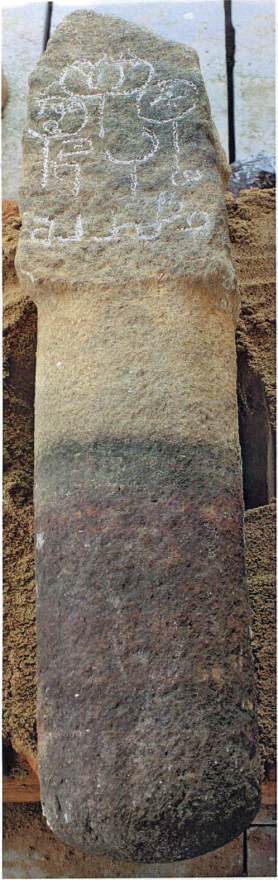
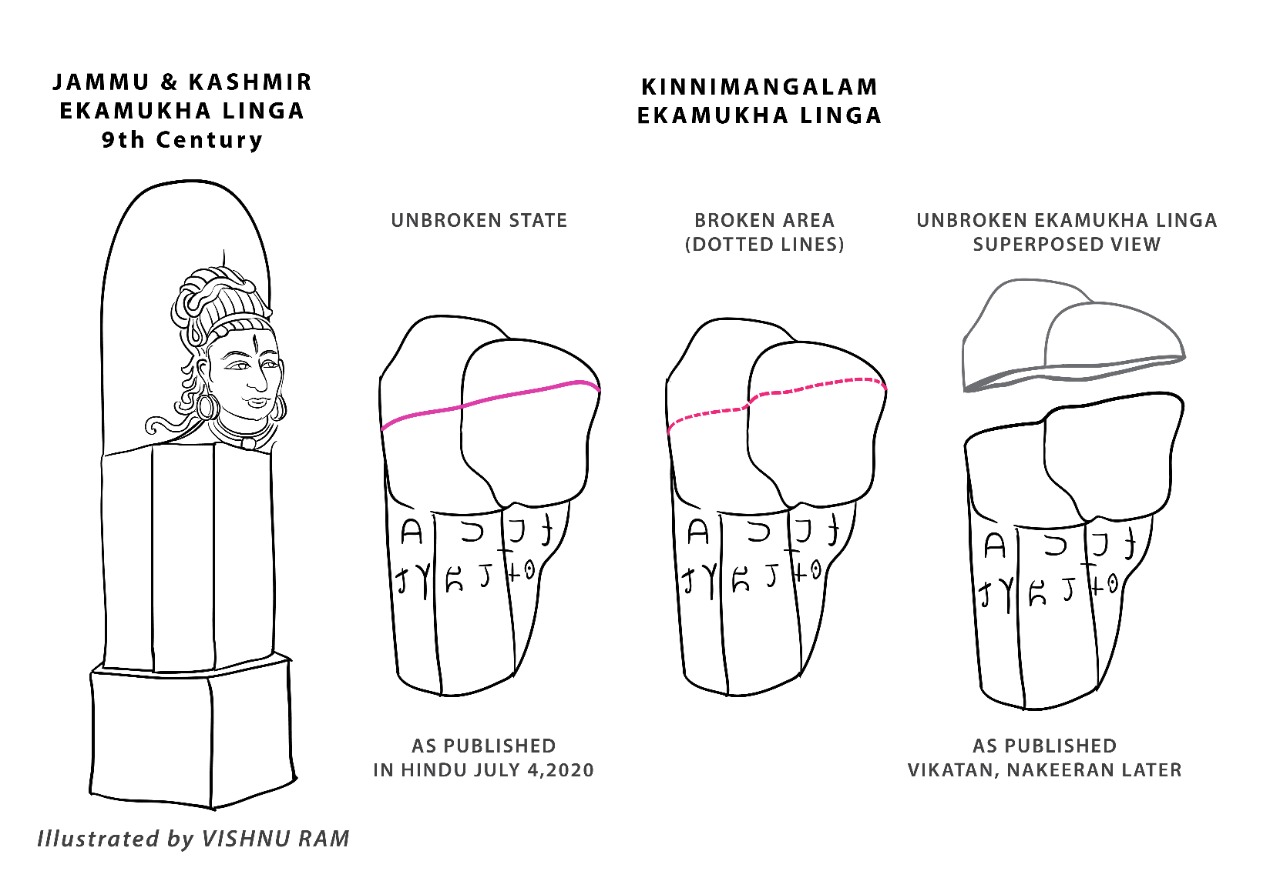
[1] கிண்ணிமங்கலம் ஏகமுக லிங்கத்தின்
உச்சி முதலில் இருந்த நிலை: (Kinnimangalam Ekamukha Linga with top intact when found).
Published in The Hindu (English) edition, July 4th, 2020.
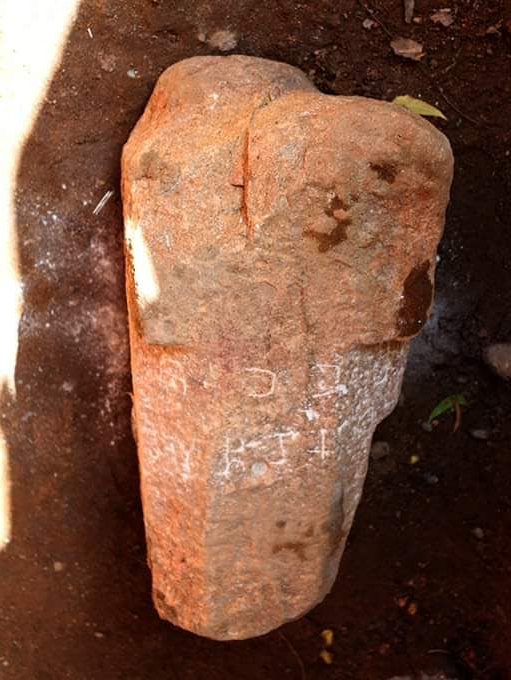
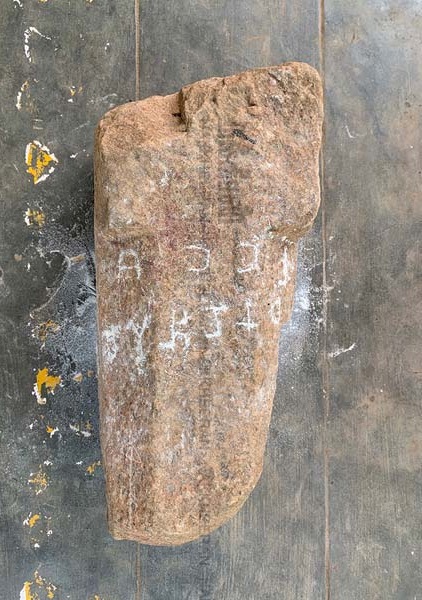
Dr. N. Ganesan
Posted by நா. கணேசன் at 7/07/2020 07:06:00
N. Ganesan
Some Preliminary observations on the Pasupatha religion reaching Pandya country, and about the only two inscriptions in Tamil Brahmi on Lingas in Siva temples in Tamil Nadu. Netrambakkam inscription may be little earlier when compared to the one with 5 puLLi/viraamam at KiNNimangalam. http://nganesan.blogspot.com/2020/07/ekamukha-linga-with-tamil-brahmi.html
தமிழ் பிராமிக்கு சமண முதல் தீர்த்தங்கரசாமி, ஆதிநாதர் பெயரால் எழுதுரு உருவாகியுள்ளது. ஆனால் இணையப் பக்கத்தில் ஒழுங்காக வருவதில்லை. யூனிகோடு என்னும் ஒருங்கு குறியீட்டில் தமிழ் பிராமி எழுதுமுகமாக சில எழுத்துகளைச் சேர்க்கிறார்கள். அதில் வடக்கே உள்ள அசோகன் பிராமியின் அநுஸ்வாரத்துடன், தமிழ் பிராமியின் புள்ளியை சேர்த்துவிட முடிவு எடுக்கப்பட்டது. அவ்வாறு செய்தல் ஆகாது என ஆவணம் எழுதி, யூனிகோடு நிபுணர் குழுவினரின் கூட்டத்தில் இப்பிரச்சினையை விளக்கினேன். தமிழ் எழுத்தின் சிறப்பம்சமான புள்ளிக்கு தனியிடம் ஒதுக்கியுள்ளனர் இப்போது. வருங்காலத்தில் தமிழ்பிராமி தனித்தியங்கும். https://www.unicode.org/L2/L2020/20129-tamil-brahmi-virama.pdf
~NG
N. Ganesan
An important Lingam with Tamil inscription (~2nd century CE) has been discovered in Kinnimangalam Siva religious mutt. Here there is a tradition of Jeeva Samadhi of their heads for generations. Earlier, in Netrambakkam Siva temple, a similar PaLLippaDai lingam with the leader name inscribed in Tamil Brahmi has been found in 2016 [1]. Among 100s of Tamil Brahmi inscriptions, most of them found in Jaina rock or cave beds, only these two Tamil Brahmi inscriptions are discovered from abandoned Siva lingams. Please read my essays in Tamil and English on the significance of Kinnimangalam mukhalinga with Sangam era inscription indicating the century in which Paashupatha Saivism, as consolidated by Nakuliisa in Gujarat, reaches Tamizhakam.
https://nganesan.blogspot.com/2020/07/kinnimangalam-linga-brahmi-pulli.html
https://nganesan.blogspot.com/2020/07/ekamukha-linga-with-tamil-brahmi.html
Respectfully,
Dr. N. Ganesan
[1] https://www.deccanchronicle.com/current-affairs/150116/rare-inscription-found-on-sivalinga.html
" Upon being informed by the locals, archaeology department officials K. Arjunan and P. K. Lokanathan undertook a detailed inspection and confirmed the presence of a full-blown lotus image and also the letters: Se Na Ru Ma N in Tamil-Brahmi. The Sivalingam measures 3.4 feet in height and 2.5 feet in diameter.
“This is for the first time we have found the Tamil-Brahmi inscription at a Hindu temple dedicated to Lord Siva. Usually, the lower portion of the Lingam is not noticeable as it will be covered up,” an official explained. "
> கவிஞர் இனியன், கரூர் wrote:
> Commendable article.
மாணிக்கவாசகருக்குக்
காட்டினாய் கால் கழுக்குன்றிலே!
கணேசனுக்குக்
காட்டினாய் முகம் கிண்ணிமடத்திலே!
நன்றி, கவிஞர் இனியன் ஐயா.
https://nganesan.blogspot.com/2020/07/kinnimangalam-linga-brahmi-pulli.html
https://nganesan.blogspot.com/2020/07/ekamukha-linga-with-tamil-brahmi.html
[1]
தகையாது எனக்குன் அடி காண வைத்த தனியேரகத்தின் முருகோனே -திருப்புகழ்
மாணிக்கவாசகருக்குத் திருக்கழுக்குன்றத்தில் பாத தரிசனங் கிடைத்தது.
“உனக்கிலாததோர் வித்துமேல் விளையாமல் என்வினை யொத்தபின்
கணக்கிலாத் திருக் கோலநீ வந்து காட்டினாய் கழுக்குன்றிலே”
-திருவாசகம்
காணியுங் காணியுங் காணியுங் காணியுங் காணியுங் கால்
காணியுங் காணியுங் காணியுங் காணியுங் காணி முக்காற்
காணியுங் காணியுங் காணியுங் காணியுங் காணியு நாற்
காணியுங் காணியுங் காணியுங் காட்டுங் கழுக்குன்றமே. - காளமேகம்
20 காணி = கால், சிவபெருமான் கால் காட்டியத் திருத்தலம் கழுக்குன்றம். (வாரியார், திருப்புகழ் விரிவுரை).
http://www.tamilvu.org/slet/l41F0/l41F0pd1.jsp?bookid=259&pno=155&brno=4
N. Ganesan
ஏகமுக லிங்கத்தில் தமிழ் பிராமிக் கல்வெட்டு, கிண்ணிமங்கலம்
Ekamukha Linga with Tamil Brahmi inscription in Kiṇṇimaṅkalam Ekanathan Mutt ------------------------------------------------------------------------------------------------
Abstract: An important Tamil Brahmi (Tamizhi) inscription, possibly belonging to ~2nd century CE, has been found in Ekanāthan Tirumaṭam, Kiṇṇimaṅkalam
village in Tirumangalam taluk, Tamil Nadu. This place has been in
continuous worship for at least 1800 years, as shown by the presence of
medieval vaṭṭeḻuttu fragmentary inscription which mentions a donor (īntār) who gifted this paḷḷippaṭai shrine (into a stone temple?). The Kiṇṇimaṅkalam
Lingam is the earliest Ekamukha linga available in Tamil Nadu, possibly
spreading to Pandya country from Kongu Nadu by Pāśupata mendicants and
Ekanathan Mutt is a well-known Śaiva Vellala mutt. In the Nandakeśvara
temple in Neṟṟampākkam village, Maduranthakam taluk, there is a
memorial Śivalinga with a Tamil Brahmi inscription, found in the year
2016. In both the Linga-s, they need to be turned upside down to read
the Brahmi text (Figs. 1.2 & 3.1). These two memorial
Śivalinga-s erected in honor of kings or chiefs are probably the source
for later Devaraja cult temples with Śivalinga erected over paḷḷippaṭai temples in Tamil India and South East Asia.
1.0 Ekamukha Linga at Kinnimangalam Ekanathan mutt
Here
is the side view photo of the Ekamukha Lingam with Tamil Brahmi
inscription from Kinnimagalam, Obviously we need more hi-res photos
looking at the head from top, frontal, back and side views from various
angles. The male linga top as a conical section (Fig. 1.1) seen
in many Ekamukha linga-s is quite discernible. The sculpture is rather
coarse when compared with earlier specimens of Elamukha linga-s of North
India, possibly because the Pāśupata
teachers could not find Shilpi experts in Tamil country. And, also it
could be defaced while getting abandoned and in its place a regular
Linga exists in the sanctum. The bottom of the ekamukha linga has been
carved with eight sides. There is a report by Sri. M. T. Saju in
today's Times of India newspaper, Madras. There is a medieval
inscription, with the statement: iṟaiyiliyāka ēkanātaṉ paḷḷippaṭai īntār ...
(reading by K. T. Gandhirajan). This seems to indicate the time when
the simple mud and brick structure was converted to a stone temple.
https://timesofindia.indiatimes.com/city/chennai/rare-memorial-pillar-with-tamil-brahmi-inscriptions-found-near-madurai/articleshow/76775067.cms
https://www.thehindu.com/news/cities/Madurai/tamil-brahmi-and-vattezhuttu-inscriptions-found-near-madurai/article31986904.ece
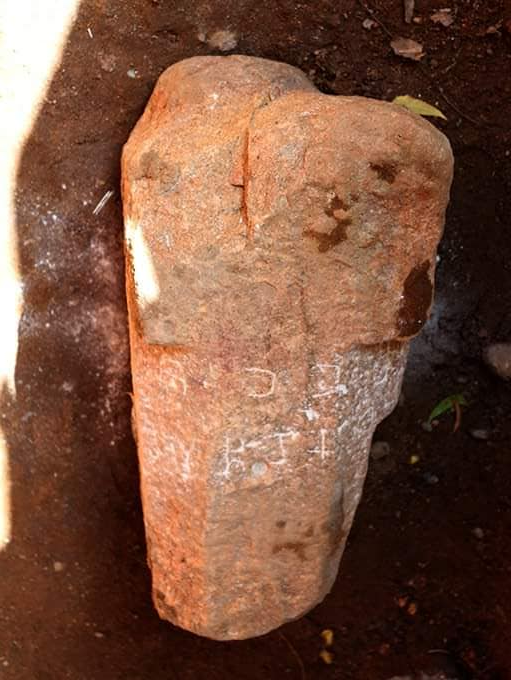
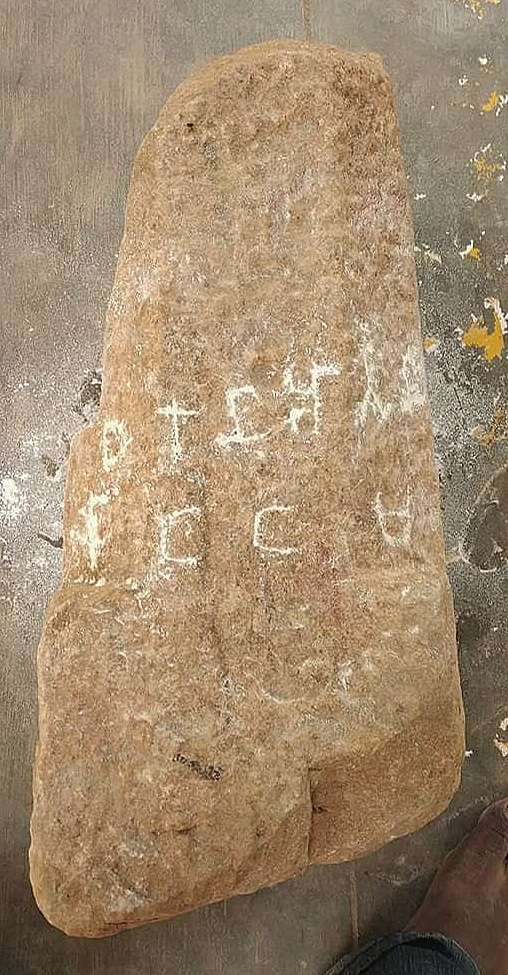
 Please note that while reading as "ekan ātan", there are 5 puḷḷi diacritics. This feature can be seen in many later Tamil Brahmi inscriptions. Along
with Mathura and other North Indian ekamukha lingas, let me list some
South East Asian ekamukha linga-s. Along with spreading Literacy and
Writing in Grantha script - Tēvāram śaiva hymns were
written in Grantha script in South East Asian countries -, ekamukha
linga-s along with other Hindu icons are introduced mainly from South
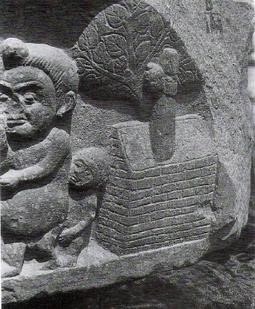
India. In the accompanying picture, a sculpture panel from Mathura on
the Yamuna ( < yāmai) river banks shows ekamukha linga underneath a tree. A brick
structure is also seen.
Please note that while reading as "ekan ātan", there are 5 puḷḷi diacritics. This feature can be seen in many later Tamil Brahmi inscriptions. Along
with Mathura and other North Indian ekamukha lingas, let me list some
South East Asian ekamukha linga-s. Along with spreading Literacy and
Writing in Grantha script - Tēvāram śaiva hymns were
written in Grantha script in South East Asian countries -, ekamukha
linga-s along with other Hindu icons are introduced mainly from South
India. In the accompanying picture, a sculpture panel from Mathura on
the Yamuna ( < yāmai) river banks shows ekamukha linga underneath a tree. A brick
structure is also seen.In the Kinnimangalam icon, kōṭṭam 'enclosure' here referring to the memorial temple is written in Tamil Brahmi for the first time. (a) cuṭumaṇ ōṅkiya neṭunilaik kōṭṭamum (maṇimēkalai 6, 59), (b) kōḻic cēvaṟ koṭiyōṉ kōṭṭamum (cilappatikāram 14, 10). kōṭṭam is connected with words like kōṭṭai 'Fort' and kōṭāvi 'Durgā' and many Indus valley sites ending in - kōṭ (= kōṭṭai).
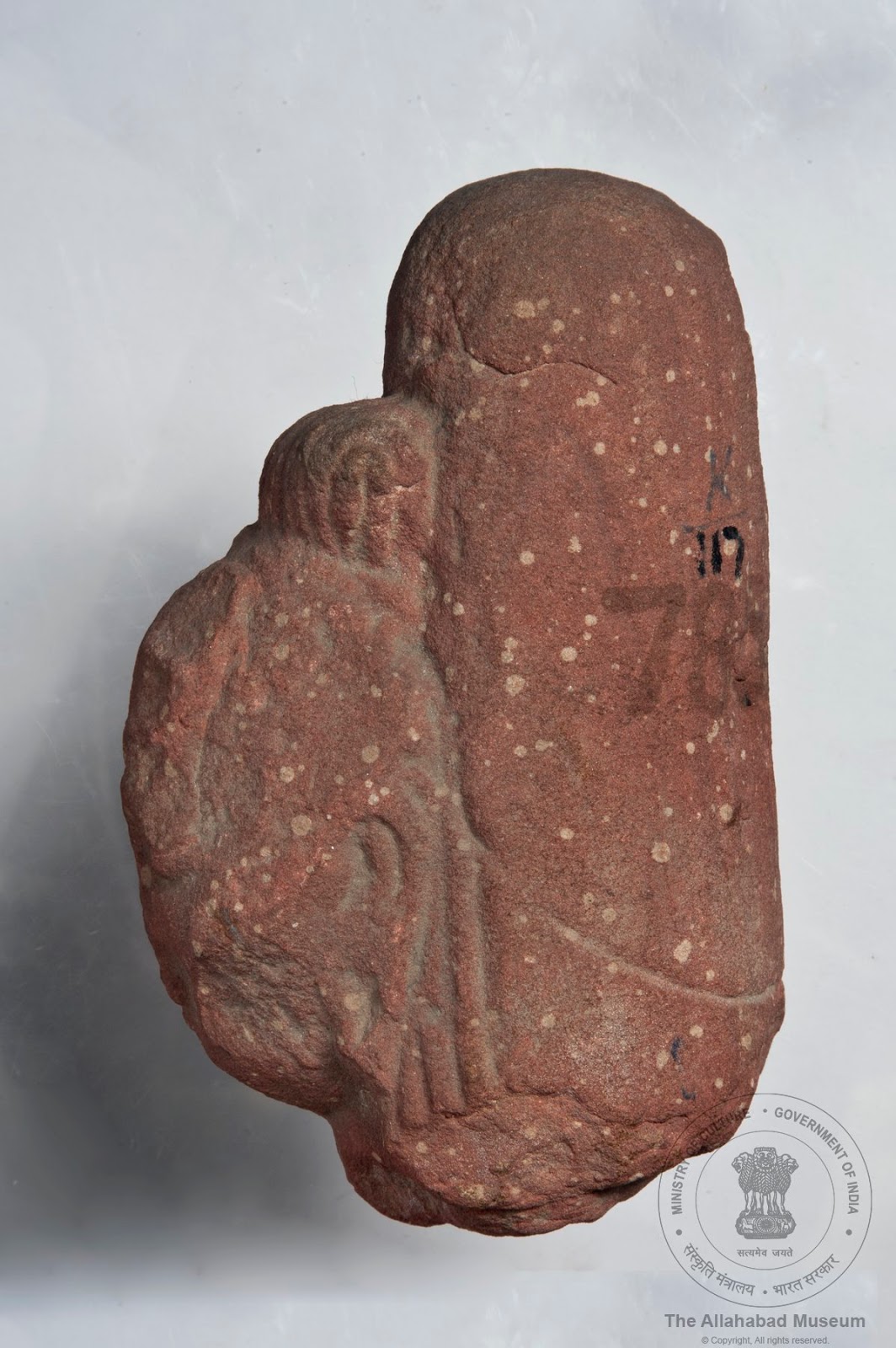
Mathura (1st century CE): https://commons.wikimedia.org/wiki/File:Ekamukha_Shiva_Linga_(One-Faced_Mark_of_the_God_Shiva).JPG
Udhayagiri: https://openresearch-repository.anu.edu.au/handle/1885/163601
Madhya Pradesh: https://www.metmuseum.org/art/collection/search/38242
Hyderabad: https://commons.wikimedia.org/wiki/File:Eka-Mukha_Linga_02.jpg
Jammu and Kashmir: https://commons.wikimedia.org/wiki/File:Ekamukhalinga_(Shiva_linga_with_one_face),_Jammu_and_Kashmir_or_Afghanistan,_Shahi_Period,_9th_century_-_Royal_Ontario_Museum_-_DSC09652.JPG
Pala dynasty, Bihar: https://www.clevelandart.org/art/1973.73
Siam (Thailand): http://www.siamese-heritage.org/jsspdf/1981/JSS_071_0c_OConnor_EarlySivaLingasInNakhonSiThammarat.pdf
Cambodia: https://www.nortonsimon.org/art/detail/M.2010.1.202.S
Champa (Vietnam): https://laodong.vn/van-hoa/tran-tro-cho-di-tich-my-son-quang-nam-361570.bld
2.0 Linga Worship transitioning from Varuṇa to Śiva
Over the last 15 years, Linga form development and evolution has been analyzed in various papers by me. Linga form seems to originate from Gharial crocodile. In the Copper Hoard culture of Indo-Gangetic doab plains, Anthropomorphic Axe (AA) made of bronze represents Varuṇa, and this "maḻu vāḷ neṭiyōṉ" (AA) is mentioned in Maturaik Kāñci, a Sangam text. Gudimallam Viṭaṅkar (Liṅgam) as Varuṇa, rather than as Śiva assumed by earlier scholars, is described. Additionally, Viṭaṅkar is crocodile in Tamil > iṭaṅkar in sangam texts, (Cf. indu 'drop, soma, seed, moon' < vindu). In Tamil, Viṭaṅkar is both a Linga as well as a Crocodile.
Some aspects of Indian religion in the Post-Harappan period providing a link to the Indus Valley Civilization seen in its Bronze Age seals are found in the anthropomorphic axes of the Indo-Gangetic doab plains of the Second Millennium BC as a ritual symbol of a Makara (crocodile) god. The characteristic fish sign pointing to the Dravidian language spoken by the elite Harappans has long been explored from the days of Fr. H. Heras, SJ. However, the importance of crocodiles in IVC culture is recently coming to light (A. Parpola, 2011). When this Crocodile cult disappears and gets forgotten in North India, it appears as large monolithic sculptures in the megalithic South. An interpretation of the Tamil Brahmi inscription at Tirupparaṅkuṉṟam, near the ancient Pandyan capital Madurai, discovered by History department, Pondicherry University is offered as mentioning the crocodile god and his spouse. The Aśvamedha sacrifice on the banks of a Water Tank was performed for a crocodile as evidenced in Pāndyan Peruvaḻuti and Chera coins. Graffiti symbols from Sāṇūr and Sūlūr as linguistic sign for the crocodile deity, and the crocodile couple in Adichanallur burial urn (500 BCE) along with the battle-axe bearing great god in Sangam poetry will be used to illustrate the prevalence of the crocodile based religion until the Early Sangam period. The first stone sculpture made in south India at such places as Mottur, Udaiyarnatham, - monumental in size, over ten feet tall -, in the Iron Age are a link to the earlier metallic Anthropomorphic Axes in the Yamuna-Gangetic doab, found in many Post-Harappan Ochre Colored Pottery sites of North India. My full paper can be read at,
https://archive.org/details/IVCReligionInIronAgeTamilNaduByNGanesan-2016-16thWSC
In the recent Keezhadi excavations, pottery shards with Makara sign of the Indus Valley script symbol is shown in two finds. A famous tolkāppiyam sūtram:
”koṭinilai kantaḻi vaḷḷi eṉṟa
vaṭunīṅku ciṟappiṉ mutalaṉa mūṉṟum
kaṭavuḷ vāḻttoṭu kaṇṇiya varumē” – tolkāppiyam 3-85
Tolkāppiyar's date is usually assigned to 2nd century CE based on the evidence of puḷḷi in Tamil Brahmi inscriptions. His era marks the end of great God Varuṇa as detailed in Rgveda 1.24.7 and the tol. 3-85 sūtram records this. Tolkāppiyar is usually considered a Jaina by Tamil scholars like Vaiyapurip Pillai.
https://groups.google.com/g/houstontamil/c/WbiK1GxYFNQ/m/_wlr_RYwAwAJ
In the above link, Tol. 3-85 sūtram is explained with kantaḻi as the root of cosmic banyan tree, vaḷḷi as the banyan aerial roots by which Varuṇa holds together the stars, and koṭinilai as stars/planets themselves. “In the first place, the Sanskrit texts mention the banyan fig as the tree of the northern direction. Homonymy connects the banyan fig with the north in Dravidian, but there is no such linguistic association in Indo-Aryan languages. Secondly, in reply to the question, why do the stars and planets not fall down from the sky, the texts say that the heavenly bodies are bound to the pole star with invisible ‘ropes of wind.’ In Dravidian vaṭa-mīn as the name of the pole star also means ‘rope-star’ and ‘banyan-star.’ Around 1000 BCE, a hymn of the Rig-Veda (1, 24, 7) speaks of the roots of a cosmic banyan tree being held up in the sky by God Varuṇa” – Asko Parpola (2009, Deciphering the Indus script). It is highly likely that Tolkappiyar observed the sweeping changes happening to the ancient god Varuṇa, represented as a Lingam at Gudimallam and wrote the sūtra. Note that there is no mention of Śiva in Tolkappiyam, and only Varuṇa, Śiva's predecessor in Tamils' megalithic and earlier religion, is made the God of Neytal Landscape (tiṇai). Varuṇa is worshiped with his symbol, a shark fish bone, by fisherfolk in Sangam literature. Similarly, Koṟṟavai is worshiped in wedding rituals using the horns of female buffalos in Mullai pastoral landscape. Around the time of Tolkappiyar, Nakulīsa in Karvan, Gujarat, formulated Nakulīsa Pāśupatam. Nakuḍa/Laguḍa < Ta. ñekir̤, DEDR 2923. Lingam becomes the mark of Mahādeva Śiva afterwards. The memorials erected for chieftains with Tamil Brahmi inscriptions at Kinnimangalam and Netrambakkam represent the stage in which Pāśupata śaivism establishes the Linga as the symbol of Śiva himself, and Varuṇa who was held high in Vedic times loses his exalted position in Hinduism. Jainas also enlist Rishabhanātha, an alter ego of Śiva, as the first Tīrthaṅkara among the list of 24 of them.
3.0 Comparing Lingas of Netrambakkam and Kinnimangalam
 | 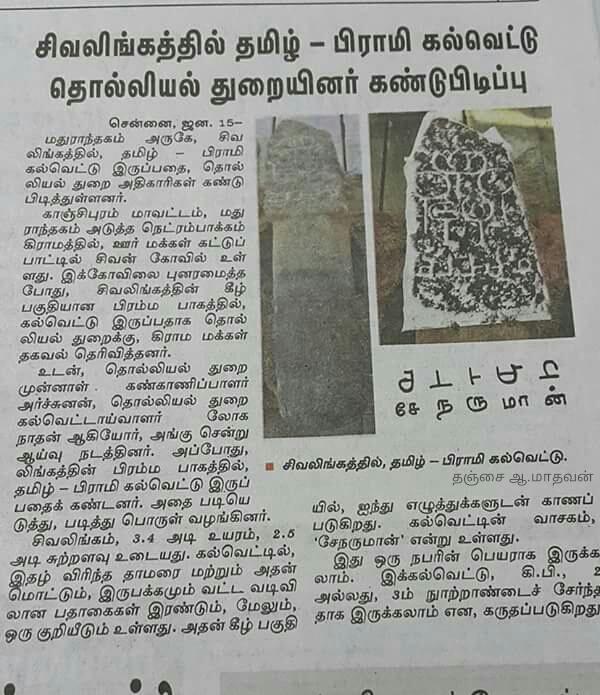 |
In 2016, Tamil Brahmi inscription on a large linga in Netrambakkam village Śiva temple was discovered. Dr. R. Nagaswamy read the inscription as, "cēntamān", https://www.thehindu.com/news/cities/chennai/Siva-Linga-with-early-Brahmi-inscription-found/article14009612.ece
However, upon re-examination, it is read as "cēnarumān", with cēnaru = armyfolk. cēnarumān will be son/heir of warriors. cēnaru is a tadbhava from sena, a Sanskrit word, while cēntan is Tamil for Murukan-Skanda. The most significant aspect of both the Netrambakkam and Kinnimangalam lingas is that they have to be rotated upside down for reading the script. From Tamil verb, cāy-tal, Sanskrit nouns like sayana 'bed', śava 'corpse' are derived. Extreme cāytal is 180 degree turn limit and this is done in memorial linga writing. The Netrambakkam lingam has Neytal 'blue water lily, nymphaea violacea' flowers, plant-symbol of Neytal Littoral (Sea) Landscape in Sangam texts showing the ancient connection of Linga form with Varuṇa, the neytal god. neytal paṟai is 'death drum' which Tiruvalluvar calls as "paṭāap paṟai". The Netrambakkam inscription, with Neytal flowers and leaves, is dated to 2nd or 3rd century CE. Similar date can be assigned to Kinnimangalam image and inscription.
"In the Vedas, the night, darkness and Varuṇa are all associated with death." "Yama’s vehicle in Hinduism is the water buffalo, but there is no record of this in the Vedas. In the single context of a buffalo sacrifice in the Brāhmaṇa and Sūtra texts, the water buffalo is sacred to Varuṇa. The water buffalo is an animal native to South Asia, not originally connected with Aryan deities. On the other hand, it is connected with Harappan “Proto-Śiva,” who wears the horns of a water buffalo. So the buffalo’s connection with Yama, the god of death, suggests something about Proto-Śiva, too: Proto-Śiva may have been a god of death, but most probably he was also a divine king, like Varuṇa, who guarded the cosmic order (ṛta-), as well as Yama, known as the king of righteousness, dharma-rāja. Yama of the Hindu period and Vedic Varuṇa also share the attribute of a “noose” (pāśa-), with which to catch and bind the sinners who are to die. “Indeed, Varuṇa is Death” (mṛtyur vai varuṇaḥ, KS 13,2)." (A. Parpola, The Roots of Hinduism, Oxford University Press).
 In
Edakkal caves of Kerala, M. R. Raghava Varier, professor of Epigraphy,
made an important Tamil Brahmi discovery (The Hindu, Feb. 9, 2012 &
June 7, 2012). Sri. Varier read the inscription as "Srivazhumi", but
there is no "Sri" conjunct, it is only Tamil "ci". R. Nagaswamy,
visiting our home in Houston (USA), read it as "civasvāmi" and said it
is the beginning of conjunct writing, "svā" in Southern scripts. Both
Iravatham and Nagasamy dated this inscription to be 4th century CE.
Here, Śiva written as "civasvāmi" in Tamil Brahmi is depicted as a
fisherman with a fishing net showing the earlier connections with the
Vedic deity, Varuṇa. Note the hour-glass shaped torso of Sivasvami from
Megalithic period rock paintings, and Sivasvami's wife, Koṟṟavai is
shown with the same hour-glass shaped body in the pottery shard found
inside a burial urn in Adichanallur. In this Adichanallur find, Varuṇa
is shown as a Makara (crocodile) approaching Koṟṟavai in a human form.
Koṟṟavai's blackbuck vāhana and paddy fields with white egrets are also
depicted. In Netrambakkam linga, Neytal plants are shown along with
Tamil script on the Linga reiterating Linga's connection with Varuṇa. In
my paper, I have shown earlier that Gudimallam Viṭaṅkar (Linga)
standing on Makara Yaksha is really Varuṇa, instead of Śiva.
Varuṇa-to-Śiva transition as seen in Ekamukha linga of Kinnmangalam or
regular Linga in Netrambakkam occurs few centuries later than Gudimallam
phase of Lingam iconology.
In
Edakkal caves of Kerala, M. R. Raghava Varier, professor of Epigraphy,
made an important Tamil Brahmi discovery (The Hindu, Feb. 9, 2012 &
June 7, 2012). Sri. Varier read the inscription as "Srivazhumi", but
there is no "Sri" conjunct, it is only Tamil "ci". R. Nagaswamy,
visiting our home in Houston (USA), read it as "civasvāmi" and said it
is the beginning of conjunct writing, "svā" in Southern scripts. Both
Iravatham and Nagasamy dated this inscription to be 4th century CE.
Here, Śiva written as "civasvāmi" in Tamil Brahmi is depicted as a
fisherman with a fishing net showing the earlier connections with the
Vedic deity, Varuṇa. Note the hour-glass shaped torso of Sivasvami from
Megalithic period rock paintings, and Sivasvami's wife, Koṟṟavai is
shown with the same hour-glass shaped body in the pottery shard found
inside a burial urn in Adichanallur. In this Adichanallur find, Varuṇa
is shown as a Makara (crocodile) approaching Koṟṟavai in a human form.
Koṟṟavai's blackbuck vāhana and paddy fields with white egrets are also
depicted. In Netrambakkam linga, Neytal plants are shown along with
Tamil script on the Linga reiterating Linga's connection with Varuṇa. In
my paper, I have shown earlier that Gudimallam Viṭaṅkar (Linga)
standing on Makara Yaksha is really Varuṇa, instead of Śiva.
Varuṇa-to-Śiva transition as seen in Ekamukha linga of Kinnmangalam or
regular Linga in Netrambakkam occurs few centuries later than Gudimallam
phase of Lingam iconology.For 1800 years, Śaiva Vellala mutt at Kinnimanglam is known for Yoga, Tamil scholarship. Chozhavandan Arasan Sanmukanār's teacher was Sri Sivappirakasa Swamikaḷ of Kiṇṇi mutt. The first Kuṟuntokai edition, before U. V. Swaminathaiyar, is dedicated to the same Sivappirakasa Swamikaḷ. Like Pāsūr Mutt, Tiruvānaikkā (Jambukesvaram) is a well known Pāsupata mutt. Kinni mutt is ancient as well, now shown by the discovery of ekamukha linga with Tamil Brahmi writing. In the book "ūrum pērum", Prof. R. P. Sethupillai wrote that the original name of Kiṇṇimaṅkalam is Kiḷḷimaṅkalam. Sethupillai mentioned the Sangam era poet from Kiḷḷimaṅkalam as from Kinnimangalam.
In Sangam era, Archaeology has shown beyond doubt that Chera country's capital was Karur/Vanji. Kinnimangalam is on the trade route between Chera and Pandya capital cities. Tumbi Chera Keeran's poem (Puṟanāṉūṟu 249) in Sangam literature mentions funerary rituals and the dead chief's wife wearing sacred ash only "vari nīṟu" - the first clear indication in Sangam texts about wearing sacred ash, instead of red kumkum, by widows. Wearing only tirunīṟu, and white sarees, Vellala widows of Śaivism are seen for centuries. Jaina vellala women in widowhood in both Karnataka and Tamil Nadu state have worn white sarees for centuries, and widows do not sport kuṅkumam in their foreheads, the red tilakam indicating sumangali status. Like Kongar Puliyankulam which has important Tamil Brahmi inscriptions, Kinnimanglam has a Brahmi inscription and had a Sangam era poet, Kiḷḷimaṅkalam kiḻār Cēra Kōvaṉār. His poem is in Naṟṟiṇai anthology. Near Kinnimagalam, Porunthal has the oldest Tamil Brahmi inscription, and also the cattle raid memorial stone with writing in Tātappaṭṭi. All these spots in the frontier zone between Kongu (Chera) and Pandya countries point to the spread of Brahmi script from the North. Eriyōḍu is a village near Kinnimangalam, comparable with Irōḍu (Erode), Paccōḍu (Pāppini), Periyōḍu, Cittōḍu, Veḷḷōḍu etc., of Kongu Nadu indicating the Pāśupata religion spreading into Tamil country in the first centuries CE. Pāśupata religion seems to use -nātha in its repertoire. Paśupatināth in Nepal is famous. Its synonym is Gorakṣanātha, there is Gorakhpur in the Gangetic plains and in Tiruvāvaṭutuṟai. Chera country capital Vanji-Karur's Śiva temple is called Paśupatināthar with the corresponding Tamil name, ānilaiyappar. Tirumūlar, the Yoga guru of Tamil, has a full name Tirumūlanāthar. Similarly we have Ekanāthan mutt in Kinnimangalam teaching the Paśu-Pati-Pāśa triple-entity philosophy of Śaiva Siddhāntam for 1800 years.
N. Ganesan, Ph.D.
July 4th, 2020
https://archive.org/details/@dr_n_ganesan
4.0 References:
(i) Hermann Kulke, The Devarāja cult : Legitimation and apotheosis of the ruler in the kingdom of Angkor. N. Delhi, Manohar, 2001.
(ii) Doris Srinivasan, Many heads, arms and eyes : origin, meaning and form of multiplicity in Indian art. E.J. Brill, Leiden, 1997.
(iii) Asko Parpola, The roots of Hinduism : the early Aryans and the Indus civilization. Oxford University Press, 2015.
(iv) A. Parpola, Deciphering the Indus script. Cambridge University Press, 2010.
(vi) N. Ganesan, Dravidian word for Gauṛ bison and Tibetan yak, 2017.
http://nganesan.blogspot.com/2017/11/kavarimaa-tirukkural-conference-2017.html
N. Ganesan
| |||
மதுரை அருகே கிண்ணிமங்கலத்தில் ஏகநாதன் மடம் இருக்கிறது. இங்கே, சுமார் 1800 ஆண்டுகளுக்கு
முற்பட்ட தமிழ் பிராமி (அ) தமிழி எழுத்துடன் கூடிய முகலிங்கம் கிடைத்துள்ளது. ”எகன் ஆதன் கோட்டம்”
என இரண்டு வரிகளில் எழுதப்பட்ட கல்வெட்டு. எ என்னும் குறில் எகரம் தொல்காப்பியச் சூத்திரப்படி
ஏகாரத்தின் உள்ளே புள்ளியிட்டு எழுதப்பட்டுள்ளது மிகச் சிறப்பானது. எகரப் புள்ளி எழுத்தை
மசிப்படி எடுத்த முனைவர் வெ. வேதாசலம் படித்துள்ளார். ஏகாரத்தின் உள்ளே புள்ளி அறச்சலூர் இசைக்கல்வெட்டு,
பூலாங்குறிச்சி, பிள்ளையார்பட்டி கற்பகவிநாயகர் பீடம் , சில நடுகற்கள் போன்றவற்றில்
காணலாம். குறில் எகரத்தைப் புள்ளியுடன் எழுதியுள்ள கல்வெட்டுக்களில் கிண்ணிமங்கலம்
முகலிங்கத்தில் உள்ள கல்வெட்டே பழைமையானது எனலாம். முழுமையாக, ஐந்து புள்ளிகள் வருவதுபோல,
நான்கு வரிகளில் எல்லா மெய்களுக்கும் புள்ளி வரும் நெகனூர்ப்பட்டி கல்வெட்டு கி.பி.
நான்காம் நூற்றாண்டு எனத் தொல்லியல்துறை கணித்துள்ளது (பக்கம் 85, தமிழ் பிராமிக் கல்வெட்டுக்கள், 2006, அரசு வெளியீடு). கிண்ணிமங்கலம் மடத்தின் சிற்பக் காலம் கி.பி.
2-ம் நூற்றாண்டு எனக் கணிக்கிறார் முனைவர் வெ. வேதாசலம்.
இரண்டு சிவாலயங்களில் தான் தமிழ் பிராமிக் கல்வெட்டுகள் கிடைத்துள்ளன: (1) நெட்ரம்பாக்கம் (2) கிண்ணிமங்கலம். மற்ற சங்ககாலக் கல்வெட்டுக்களில் அனேகம் மலைக்குகைகள், கற்படுகைகளில் சமணர்களின் தொடர்புடையவை. கிண்ணிமங்கலம் இலிங்கத்தை தலைகீழாகத் திருப்பித் தான் எழுத்துக்களைப் படிக்கவேண்டும். இதே போல, 2016-ல் கிடைத்த நெட்ரம்பாக்கம் இலிங்கத்திலும் “சேநருமான்” என்று எழுதியுள்ளதைப் படிக்கச், சிவலிங்கத்தை 180 பாகை தலைகீழாகத் திருப்பல் வேண்டும். மண்ணுக்குள் - பாதாள லோகம் சென்றுவிட்டதால், தலைவன் பேரை இவ்வாறு எழுதி, ஈமச்சீர்கள் செய்து, சிவலிங்கத்தை நாட்டுவது வழக்கம் எனத் தெரிகிறது. பள்ளிப்படைகொண்டான் பெயர் மண்ணுள்ளே மறைந்துவிடும். நெற்றம்பாக்கம் லிங்கத்தில் நெய்தல் மலர்களும், இலைகளும் உள்ள தடாகமும், அத்துடன் தமிழ் பிராமி எழுத்தும் பொறிக்கப்பட்டுள்ளன. நெய்தல் நீர்ப்பூத் தாவரம் தொல்காப்பியத்திலே நெய்தல் திணைக் கடவுள் வருணன் தொடர்பைக் காட்டுகிறது. இவை பற்றி விரிவாக எழுதியுள்ள கட்டுரை:
கிண்ணிமட லிங்கத்தில் உள்ள எகன், ஆதன், கோட்டம் மூன்றுமே சிறப்பான சொற்கள். எகன் என்பது எஃகன் என்பதன் குறுக்கம் ஆகலாம். எக/எகு/எஹு என்று தொடங்கும் இக்ஷ்வாகு அரசர் பெயர்களுக்கு எஃகு என்னும் விளக்கம் உண்டு. கோட்டம் = கோயில், இங்கே பள்ளிப்படை. சேரர்களின் தலைநாடாகிய கொங்குநாட்டுக்குச் சங்க காலத்தில் கிண்ணிமங்கலம் மிகு தொடர்பு உடையது. கொங்கர் புளியங்குளம் (சங்ககாலக் கல்வெட்டு) கிண்ணிமடத்தின் மிக அருகே இருக்கிறது. சேரர் தலைநகர் வஞ்சி (இன்றைய கரூர்) நேர் வடக்கே உள்ளது. உதியன் சேரலாதன், நெடுஞ் சேரலாதன், செல்வக்கடுங்கோ வாழியாதன் என்ற சேர அரசர்களும், அவர்களோடு தொடர்புடைய சிற்றரசர், வேளிரும் ஆதன் என்ற பெயர் உண்டு. உ-ம்: சேரர் குலச்சின்னம் ஆகிய கொல்லிமலை (பாண்டியர்க்குப் பொதியில் போல, அங்கே ஆய் மன்னர்), அதன் தலைவன் வல்வில் ஓரி தந்தை ஆதன். ஓய்மான் அரசர் சேரருடன் தொடர்புண்டு: நல்லி ஆதன், வில்லி ஆதன். அதியமான் வமிசத்து ஆதன் எழினி செல்லூர் என்னும் கேரளப் பட்டினத்தை ஆண்டான். அதேபோல, நெடுவேள் ஆதன் போந்தைப் பட்டினத்தை ஆண்டான். போந்தை = பனை, சேரர் குலச்சின்னம் ஆதலால் போந்தைப்பட்டினம் முசிறி, தொண்டி, பந்தர் போன்ற ஏதாவதோர் சேரர் பட்டினம் ஆகலாம். அதியர்கள் சேரர் வமிசம் எனப் 12-ம் நூற்றாண்டு வரை கற்பொறித்தனர். அழகர்மலை , கொங்கர் புளியங்குளம் , மேட்டுப்பட்டி, புகழூர், எடக்கல் கல்வெட்டுகளில் ஆதன் என்பதற்குப் பதிலாக அதன் என்ற பெயர் வருகிறது. ஒருவேளை அது ஆதனாக இருக்கலாம். தை என்றால் தந்தை, இறை எனப் பொருள். 12 மாதங்களில் மகர மாதம் ஒன்றனுக்கே தை எனத் தமிழ்ப் பெயர் நிலைத்தது. தை - தையல் தம்பதி. கண்ணன்+தை = கண்ணந்தை, சாத்தன்+தை = சாத்தந்தை, கொற்றன்+தை = கொற்றந்தை, பூதன்+தை = பூத்தந்தை (பூச்சந்தை என்பர் இப்போது), கீரன்+தை = கீரந்தை, ஆதன்+தை = ஆந்தை என்ற குலப் பேர்களை இன்றும் லட்சக்கணக்கான குடும்பங்களில் கொங்குநாட்டில் கேட்கலாம். கண்ணந்தை எனும் பேர் பானையோட்டில் -ணந்தை என்று மட்டும் அரபுநாட்டில் தமிழ்க் கல்வெட்டாய்க் கிடைப்பது அறிவீர்கள். ராவண காவியம் பாடின புலவர் அ.மு.குழந்தை, பேரா. இணையப் பல்கலை நிறுவுநர் வா.செ. குழந்தைசாமி போன்றோர் ஆந்தை குலத்தாரே. ஆதன், ஆந்தை என்பது பிராகிருத மரபில் முறையே அதன், அந்தை என முதல்நெடில் குறுகிப் பல சங்ககாலத் தமிழ்க் கல்வெட்டுக்களில் வருகிறது. கிண்ணிமங்கலத்தின் பழம்பெயர் கிள்ளிமங்கலம் என்று சொல்லின்செல்வர் ரா.பி.சேதுப்பிள்ளை ‘ஊரும்பேரும்’ நூலில் விளக்கியுள்ளார். கிள்ளிமங்கலம் (கிண்ணிமங்கலம்) கிழார் மகன் சேர கோவனார் பாடிய பாடல் நற்றிணையிலே இருக்கிறது. இங்கே இப்போது கிடைத்துள்ள முகலிங்கம் அவரது உறவினர் ஒருவருக்கு எடுக்கப்பட்டது போலும். புறநானூற்றுப் பாடல் 249 தும்பி சேரகீரனார் பாடியது. அப்பாடலில் தான் தலைவனை இழந்த தலைவி குங்குமம் இழந்து, வரிநீறு ஒன்றையே தரிக்கும் 16-ம் நாள் ஈமச்சீர் பாடப்பட்டுள்ளது பாசுபத காபாலிகம் கொங்கில் பரவியதைப் பாடும் பாடல் ஆகும். திரிபுண்டரம் அழகாக, தும்பி சேர கீரனாரால் வரிநீறு எனப்படுகிறது.தும்பி சேர கீரனார் பாடல், புறநானூறு 249, உரையுடன் படித்தருளுக:
http://www.diamondtamil.com/education/sangam_literature/ettuttokai/purananuru/purananuru249.html#.Xw2ulOdOnIW
ஈரோடு, பச்சோடு (பாப்பினி), பெரியோடு, சித்தோடு, வெள்ளோடு, ... போல ராசிகணத்தார் பரப்பிய பாசுபத சைவம் பழனி-திண்டுக்கல் அருகே எரியோடு வந்து, கிண்ணிமங்கலம் சேர்ந்த வரலாற்றை விளக்கும் ஆவணமாக, இப்போது கி.பி. 2-ம் நூற்றாண்டின் முகலிங்கம் “எகன் ஆதன் கோட்டம்” என்ற எழுத்துடன் கிடைப்பது அருமை. கண்டுபிடிப்பாளர்களுக்கு மனமார்ந்த பாராட்டுதல்கள்.
Dr. N. Ganesan
Posted by நா. கணேசன் at 7/14/2020 08:19:00
N. Ganesan
கிண்ணிமங்கல இலிங்கத்தில் தொல்காப்பியப் புள்ளி
-------------------------------------------------------------------
அண்மையில் கிண்ணிமங்கலத்தில் கிடைத்துள்ள 5 புள்ளி கொண்ட தமிழ் பிராமிக் கல்வெட்டு பற்றி ஓர் ஆய்வுக் கட்டுரை எழுதினேன். அதன் காலம் சுமார் 1800 ஆண்டுகளுக்கு முன்னதாகக் கொள்ளலாம். ஆண்டிப்பட்டி புதையலில் உள்ள காசு, திருமலை (சிவகங்கை மாவட்டம்) தமிழ் பிராமியுடன் ஒப்பிட இயலுகிறது. பின்னர் கட்டுரை அனுப்புகிறேன். ஐராவதம் மகாதேவன் தொல்காப்பியர் வாழ்ந்த காலம் புள்ளிக் கோட்பாட்டுடன் பிணைந்தது எனச் சான்றுகளுடன் காட்டிப் பல தொல்லியல் கோணங்களில் ஆய்ந்து புள்ளி கி.பி. இரண்டாம் நூற்றாண்டில் வருவதை நிறுவினார். அதற்கு அரண் செய்வதாக, புள்ளிக் கோட்பாடு முழுதுமாக குறில் எகர உயிரெழுத்து உட்பட கிண்ணிமடாலய முகலிங்கத்தில் வருவது சிறப்பு. NG
I have written detailed articles (both in Tamil and English) about
Kinnimangalam linga with ~1800 old Tamil Brahmi inscription.
Both (1) Kinnimangalam and (2) Netrambakkam siva lingas as memorials for the Dead have been
compared.
Now Prof. S. Pathmanathan, Chancellor, Jaffna University shows
a Linga with octagonal surfaces at the bottom (like Kinnimangalam image).
This has Tamil Brahmi inscription, acc to. S. Pathmanathan. Please watch
for three minutes,
https://www.youtube.com/watch?v=wQjfqI71NI4&t=1690
Thanks,
N. Ganesan
http://nganesan.blogspot.com/2020/07/ekamukha-linga-with-tamil-brahmi.html
http://nganesan.blogspot.com/2020/07/kinnimangalam-linga-brahmi-pulli.html
http://nganesan.blogspot.com/2020/07/chennimalai-devarayar-kandasashti.html
I just got the word from Unicode Tech Committee that they approved my proposal that Tamil Brahmi puLLi will be encoded in ISO 10646. https://en.wikipedia.org/wiki/Universal_Coded_Character_Set . was told that both Google and Microsoft representatives quoted my arguments to win the disunification of Brahmi Anusvara vs. Old Tamil Brahmi Virama, even though both are remarkably alike. A great day for Tamil Brahmi, as I came to know of a third example of PaLLippaDai kOTTam-s in pre-Pallavan era.
We have 3 examples to compare: (1) Netrambakkam, (2) Kinnimangalam and (3) Inuvil provided by the senior expert on Tamil Brahmi in Sri Lanka, prof. S. Pathmanathan, Chancellor, Jaffna University. Now in North (Madurandakam area), Middle (Madurai area) and South (Inuvil) have nice pre-Pallavan "PaLLippaDai" examples with Tamil Brahmi. Among them Netrambakkam, ca. 1/2nd century CE, may be earliest since the puLLi is absent. Fully developed puLLi in KiNNi mutt may be dated to ~1800 years. The Sri Lankan icon with 8 paTTai-s as Kinnimangalam may be little later. I am looking at Iravatham's classic work on Tamil Brahmi (= Damili, in some writings by Nagasamy). In Kinnimangalam, the first word "ekan" misses out Aaytam letter, as aaytam letter is first attested much later in Tamil epigraphy and the same as visarga of Grantha script. First occurrence of Visarga(=aaytam) in Tamil script is from Kanchipuram. As in Ikshvaku inscriptions, eHku may be the source word in "ekan". Like Hittite language's predicted laryngeal, KiNNimangalam and Ikshvaku names may be hidden laryngeal, there is a paper by Bh. Krishnamurti that I read many years ago on Dravidian laryngeal "aaytam/visarga". will try to get the reference. Looking at Iravatham, 2003 book, page 219, the long vowel "ஆ” is remarkably similar to what is in Anamalai inscription (with a single puLLi, dated to 2nd century CE). The e in ekan is like Tirumalai (Sivagangai dt.), Tondur etc., As Y. Subbarayalu, K. Rajan wrote the single solitary example of puLLi in Kodumanal quoted by Prof. S. Rajavelu out of 1200 or so potteries with Brahmi script (vast majority of them -some 900 or so in Kongu KodumaNal - may not be puLLi in orthography of Tamil. As pottery sherds with Tamil Brahmi increase over time, say when they reach 2000 or 3000 counts, we need to assess if any with puLLi is found. As there is a four centuries of difference in the Age of Tolkappiyar this will attract International academic community's attention if any further puLLi ceramic with Brahmi is found.
Thanks, N. Ganesan


kanmani tamil
--
You received this message because you are subscribed to the Google Groups "வல்லமை" group.
To unsubscribe from this group and stop receiving emails from it, send an email to vallamai+u...@googlegroups.com.
To view this discussion on the web visit https://groups.google.com/d/msgid/vallamai/CAA%2BQEUfaSOpAsrnPcqNF0iU5DuGataRT%2BJgW_pEHNorFgX70Zg%40mail.gmail.com.