
சமஸ்கிருதவயமாக்கம்

Suba

செல்வன்
e...@googlegroups.com.
For more options, visit https://groups.google.com/d/optout.
Suba
சிவன், முருகன், விஷ்ணு மூவரும் தமிழ் தெய்வங்கள் தானே?
முருகன் விஷ்ணுவின் மருமகன் எனும் புராணம் வடக்கே இல்லை. அங்கெ முருகன் பிரம்மசாரிதிருவிளையாடல் புராணம் இராமாயணத்துக்கு போட்டியாக தமிழ் சைவர்களால் எழுதப்பட்ட நூல்
e...@googlegroups.com.
For more options, visit https://groups.google.com/d/optout.
--
--
--
"Tamil in Digital Media" group is an activity of Tamil Heritage Foundation. Visit our website: http://www.tamilheritage.org; you may like to visit our Muthusom Blogs at: http://www.tamilheritage.org/how2contribute.html To post to this group, send email to minT...@googlegroups.com
To unsubscribe from this group, send email to minTamil-unsubscribe@googlegroups.com
For more options, visit this group at http://groups.google.com/group/minTamil
---
You received this message because you are subscribed to the Google Groups "மின்தமிழ்" group.
To unsubscribe from this group and stop receiving emails from it, send an email to mintamil+unsubscribe@googlegroups.com.
For more options, visit https://groups.google.com/d/optout.

Innamburan S.Soundararajan
Suba
பரிபாடல் என்ற சங்கனூலை ஒரு பார்வை பார்க்கலாம்.இ
Innamburan S.Soundararajan
Suba
அதில் திருமால், முருகன், வையை, கொற்கை புகழப்படுகிறார்கள்.இ
செல்வன்

nkantan r
https://youtube.com/watch?v=ogm5odfetE4
rnk
nkantan r
1.
வடவரையை மத்தாக்கி வாசுகியை நாணாக்கிக்
கடல்வண்ணன் பண்டொருநாள் கடல்வயிறு கலக்கினையே
கலக்கியகை அசோதையார் கடைகயிற்றாற் கட்டுண்கை
மலர்க்கமல உந்தியாய் மாயமோ மருட்கைத்தே
2.
அறுபொருள் இவனென்றே அமரர்கணந் தொழுதேத்த
உறுபசியொன் றின்றியே உலகடைய உண்டனையே
உண்டவாய் களவினான் உறிவெண்ணெ யுண்டவாய்
வண்டுழாய் மாலையாய் மாயமோ மருட்கைத்தே
3.
திரண்டமரர் தொழுதேத்தும் திருமால்நின் செங்கமல
இரண்டடியான் மூவுலகும் இருள்தீர நடந்தனையே
நடந்தஅடி பஞ்சவர்க்குத் தூதாக நடந்தஅடி
மடங்கலாய் மாறட்டாய் மாயமோ மருட்கைத்தே
4.
மூவுலகும் ஈரடியான் முறைநிரம்பா வகைமுடியத்
தாவியசே வடிசேப்பத் தம்பியொடுங் கான்போந்து
சோவரணும் போர்மடியத் தொல்லிலங்கை கட்டழித்த
சேவகன்சீர் கேளாத செவி என்ன செவியே
திருமால்சீர் கேளாத செவி என்ன செவியே
5.
பெரியவனை மாயவனைப் பேருலக மெல்லாம்
விரிகமல உந்தியுடை விண்ணவனைக் கண்ணும்
திருவடியும் கையும் திரு(கனி)வாயும் செய்ய
கரியவனைக் காணாத கண்ணென்ன கண்ணே
கண்ணிமைத்துக் காண்பார்தம் கண்ணென்ன கண்ணே
6.
மடந்தாழும் நெஞ்சத்துக் கஞ்சனார் வஞ்சம்
கடந்தானை நூற்றுவர்பால் நாற்றிசையும் போற்றப் (தொடர்ந்த்)
படர்ந்தாரணம் முழங்கப் பஞ்சவர்க்குத் தூது
நடந்தானை ஏத்தாத நாவென்ன நாவே
நாராயணா என்னா நாவென்ன நாவே!
-from silapadhikaaram.
You can listen to song while browsing the text: see track 2 in http://mio.to/album//MS.+Subbulakshmi/Legends+MS+Subbulakshmi+Vol+5
Rnk

ராம் காமேஸ்வரன்

Jaisankar Jaganathan
--
--
"Tamil in Digital Media" group is an activity of Tamil Heritage Foundation. Visit our website: http://www.tamilheritage.org; you may like to visit our Muthusom Blogs at: http://www.tamilheritage.org/how2contribute.html To post to this group, send email to minT...@googlegroups.com
To unsubscribe from this group, send email to minTamil-unsubscribe@googlegroups.com
For more options, visit this group at http://groups.google.com/group/minTamil
---
You received this message because you are subscribed to the Google Groups "மின்தமிழ்" group.
To unsubscribe from this group and stop receiving emails from it, send an email to mintamil+unsubscribe@googlegroups.com.
For more options, visit https://groups.google.com/d/optout.
jaisankar jaganathan
Suba
கந்தன்,ஸ்கந்தன்,இஸ்கந்தர், சிக்கந்தர், அலெக்ஸாந்தர் என்று உலகம் முழுவதும் தொடர்புடைய பெயர்களைப் பார்க்கும் போது, முருகக் கடவுளுக்கு தமிழ் கடவுள் என்று முத்திரை குத்தி பேடண்ட் உரிமை எல்லாம் கேட்பது அதிகமாகப் படுகிறது. கந்தன் கொன்றது தாரகாசுரன் என்றால் அலெக்ஸாந்தர் கொன்றது டாரியஸ். கந்தன் கொன்றது மஹிஷாசுரன் என்றால் அலெக்ஸாந்தர் வென்றது பாரசீகக் கடவுளான அஹூரா மாஸ்டாவை.மேலதிக ஒப்புமைகளுக்கு:
On Tuesday, July 18, 2017 at 2:39:21 PM UTC-4, செல்வன் wrote:சிவன், மால், முருகன் எல்லாமே தமிழ் தெய்வங்கள்.ஆரியர் அவற்றை வழிபட துவங்கினர். நம் தெய்வங்கள் வெளிநாடு, மாநிலம்ம்போகையுல் அம்மண்ணுக்கு ஏற்ப புராணங்கள், கோயில்கள், வழிபாடுகள் உருவானது இயல்பேதெய்வானை, வள்ளி வரலாறு கூறும் கந்தபுராணம் தமிழரான கச்சியப்ப சிவாச்சாரியரால் இயற்றப்பட்டது. கம்பராமாயணம் வந்த சமயம், அதற்கு ஒப்பாக முருகனுக்கு ஒரு புராணம் இருக்கவேண்டும் எனும் நோக்கில் எழுதப்பட்ட நூல். இரண்டுக்கும் ஏராளமான ஒற்றுமைகளை குறிப்பிட்டு பல தமிழ் அறிஞர்ஜள் கட்டுரை எழுதியுள்ளனர். வடக்கே நிலவும் ஸ்கந்தபுராணமும் இதுவும் முற்றிலும் வேறானவை.--
--
--
"Tamil in Digital Media" group is an activity of Tamil Heritage Foundation. Visit our website: http://www.tamilheritage.org; you may like to visit our Muthusom Blogs at: http://www.tamilheritage.org/how2contribute.html To post to this group, send email to minT...@googlegroups.com
To unsubscribe from this group, send email to minTamil-unsubscribe@googlegroups.com
For more options, visit this group at http://groups.google.com/group/minTamil
---
You received this message because you are subscribed to the Google Groups "மின்தமிழ்" group.
To unsubscribe from this group and stop receiving emails from it, send an email to mintamil+unsubscribe@googlegroups.com.
For more options, visit https://groups.google.com/d/optout.
Suba
//. கந்தன் கொன்றது மஹிஷாசுரன் என்றால் //கந்தன் கொன்றது சூரபத்மனை. அம்மன் கொன்றது மஹிஷாசுரனை. கொஞ்சம் புராணமும் படிங்க
nkantan r
that is the basis of all these fights on internet a zillion dollar question covering antiquity of religions, gods, messiahs, languages, kingdom, dresses, food etc etc!
rnk
On Wednesday, July 19, 2017 at 1:14:44 PM UTC+5:30, Dr.K.Subashini wrote:
2017-07-19 6:00 GMT+02:00 Jaisankar Jaganathan <jaisa...@gmail.com>://. கந்தன் கொன்றது மஹிஷாசுரன் என்றால் //கந்தன் கொன்றது சூரபத்மனை. அம்மன் கொன்றது மஹிஷாசுரனை. கொஞ்சம் புராணமும் படிங்கசூரபத்மனை கொன்றது யார்? முருகனா, ஸ்கந்தனா?எந்த இலக்கியத்தில் இது முதலில் குறிப்பிடப்படுகின்றது?சுபா
2017-07-19 8:36 GMT+05:30 ராம் காமேஸ்வரன் <ram.kam...@gmail.com>:
கந்தன், ஸ்கந்தன், இஸ்கந்தர், சிக்கந்தர், அலெக்ஸாந்தர் என்று உலகம் முழுவதும் தொடர்புடைய பெயர்களைப் பார்க்கும் போது, முருகக் கடவுளுக்கு தமிழ் கடவுள் என்று முத்திரை குத்தி பேடண்ட் உரிமை எல்லாம் கேட்பது அதிகமாகப் படுகிறது. கந்தன் கொன்றது தாரகாசுரன் என்றால் அலெக்ஸாந்தர் கொன்றது டாரியஸ். கந்தன் கொன்றது மஹிஷாசுரன் என்றால் அலெக்ஸாந்தர் வென்றது பாரசீகக் கடவுளான அஹூரா மாஸ்டாவை.மேலதிக ஒப்புமைகளுக்கு:
On Tuesday, July 18, 2017 at 2:39:21 PM UTC-4, செல்வன் wrote:சிவன், மால், முருகன் எல்லாமே தமிழ் தெய்வங்கள்.ஆரியர் அவற்றை வழிபட துவங்கினர். நம் தெய்வங்கள் வெளிநாடு, மாநிலம்ம்போகையுல் அம்மண்ணுக்கு ஏற்ப புராணங்கள், கோயில்கள், வழிபாடுகள் உருவானது இயல்பேதெய்வானை, வள்ளி வரலாறு கூறும் கந்தபுராணம் தமிழரான கச்சியப்ப சிவாச்சாரியரால் இயற்றப்பட்டது. கம்பராமாயணம் வந்த சமயம், அதற்கு ஒப்பாக முருகனுக்கு ஒரு புராணம் இருக்கவேண்டும் எனும் நோக்கில் எழுதப்பட்ட நூல். இரண்டுக்கும் ஏராளமான ஒற்றுமைகளை குறிப்பிட்டு பல தமிழ் அறிஞர்ஜள் கட்டுரை எழுதியுள்ளனர். வடக்கே நிலவும் ஸ்கந்தபுராணமும் இதுவும் முற்றிலும் வேறானவை.--
--
--
"Tamil in Digital Media" group is an activity of Tamil Heritage Foundation. Visit our website: http://www.tamilheritage.org; you may like to visit our Muthusom Blogs at: http://www.tamilheritage.org/how2contribute.html To post to this group, send email to minT...@googlegroups.com
To unsubscribe from this group, send email to minTamil-u...@googlegroups.com
For more options, visit this group at http://groups.google.com/group/minTamil
---
You received this message because you are subscribed to the Google Groups "மின்தமிழ்" group.
To unsubscribe from this group and stop receiving emails from it, send an email to mintamil+u...@googlegroups.com.
--regards,
jaisankar jaganathan
--
--
"Tamil in Digital Media" group is an activity of Tamil Heritage Foundation. Visit our website: http://www.tamilheritage.org; you may like to visit our Muthusom Blogs at: http://www.tamilheritage.org/how2contribute.html To post to this group, send email to minT...@googlegroups.com
To unsubscribe from this group, send email to minTamil-u...@googlegroups.com
For more options, visit this group at http://groups.google.com/group/minTamil
---
You received this message because you are subscribed to the Google Groups "மின்தமிழ்" group.
To unsubscribe from this group and stop receiving emails from it, send an email to mintamil+u...@googlegroups.com.
Suba
முதலில்...?
that is the basis of all these fights on internet a zillion dollar question covering antiquity of religions, gods, messiahs, languages, kingdom, dresses, food etc etc!
To unsubscribe from this group, send email to minTamil-unsubscribe@googlegroups.com
For more options, visit this group at http://groups.google.com/group/minTamil
---
You received this message because you are subscribed to the Google Groups "மின்தமிழ்" group.
To unsubscribe from this group and stop receiving emails from it, send an email to mintamil+unsubscribe@googlegroups.com.
Jaisankar Jaganathan

Prakash Sugumaran
Jaisankar Jaganathan
Innamburan S.Soundararajan
அப்படியே யாழைப்பழித்த மொழியாள் -- வீணாகான விதூஷணி
--
Suba
கந்தபுராணத்தில். கச்சிபசிவாச்சாரியார் பாடினது
nkantan r
regards
rnk

N. Ganesan
To unsubscribe from this group, send email to minTamil-u...@googlegroups.com
For more options, visit this group at http://groups.google.com/group/minTamil
---
You received this message because you are subscribed to the Google Groups "மின்தமிழ்" group.
To unsubscribe from this group and stop receiving emails from it, send an email to mintamil+u...@googlegroups.com.
--regards,
jaisankar jaganathan
--
--
"Tamil in Digital Media" group is an activity of Tamil Heritage Foundation. Visit our website: http://www.tamilheritage.org; you may like to visit our Muthusom Blogs at: http://www.tamilheritage.org/how2contribute.html To post to this group, send email to minT...@googlegroups.com
To unsubscribe from this group, send email to minTamil-u...@googlegroups.com
For more options, visit this group at http://groups.google.com/group/minTamil
---
You received this message because you are subscribed to the Google Groups "மின்தமிழ்" group.
To unsubscribe from this group and stop receiving emails from it, send an email to mintamil+u...@googlegroups.com.
--°°°°°°°°°°°°°°°°°°°°°°°°°°°°°°°°°°°°°°°°°°°°°°°°°°°°°°°Dr.K.Subashinihttp://www.subaonline.net - எனது பக்கங்கள்http://www.tamilheritage.org/- Tamil Heritage Foundationhttp://www.heritagewiki.org/- மரபு விக்கி
--
--
"Tamil in Digital Media" group is an activity of Tamil Heritage Foundation. Visit our website: http://www.tamilheritage.org; you may like to visit our Muthusom Blogs at: http://www.tamilheritage.org/how2contribute.html To post to this group, send email to minT...@googlegroups.com
To unsubscribe from this group, send email to minTamil-u...@googlegroups.com
For more options, visit this group at http://groups.google.com/group/minTamil
---
You received this message because you are subscribed to the Google Groups "மின்தமிழ்" group.
To unsubscribe from this group and stop receiving emails from it, send an email to mintamil+u...@googlegroups.com.
--regards,
jaisankar jaganathan
--
--
"Tamil in Digital Media" group is an activity of Tamil Heritage Foundation. Visit our website: http://www.tamilheritage.org; you may like to visit our Muthusom Blogs at: http://www.tamilheritage.org/how2contribute.html To post to this group, send email to minT...@googlegroups.com
To unsubscribe from this group, send email to minTamil-u...@googlegroups.com
For more options, visit this group at http://groups.google.com/group/minTamil
---
You received this message because you are subscribed to the Google Groups "மின்தமிழ்" group.
To unsubscribe from this group and stop receiving emails from it, send an email to mintamil+u...@googlegroups.com.
செல்வன்
nkantan r
i stumbled across this article as i was trying to locate the famous verses in rigveda and atharva veda on Kumara and agnibuha (both fore runners of the warrior lord kumaran)
==================================
Murugan versus Skanda
The Aryan appropriation of a tribal Dravidian god
Urmi Chanda-Vaz
Department of Sanskrit, University of Mumbai
AbstractThe age-old Aryan-Dravidian debate shows up repeatedly in the Indian cultural landscape. The Dravida people claim primacy on indigenous grounds, while the Aryans wield their Brahmanical supremacy. The Vindhyas have kept a resolute distance between the northern and southern cultures, despite centuries of attempted Aryanisation. Among the many cultural symbols appropriated by Indo-Aryans, the folk god Murugan is a fine example. Several modern scholars have studied the Puranas as a tool for acculturation and rightly so. The ancient god of the hills, who had an independent cult, was slowly inducted into the Shaiva fold through various Puranas. More mainstream sanction was begotten with Adi Shankara's Smarta tradition. The popular warrior god, who had little mention in the Vedas, suddenly makes a glorious appearance in the post-Vedic period. Who was Skanda? Where did he come from and why? How similar or dissimilar are Murugan of the South and Skanda-Kartikeya of the North? This paper traces the origin and development of this god in Aryan India, whilst comparing him with its southern counterpart. By studying the iconographic and mythological motifs, this paper hopes to understand the religious and political motivations behind this appropriation. Were the Aryans wholly successful in the acculturation of Murugan? The tussle started in the early centuries of the Common Era and continues to this day. |

|
|
|

|
|
|

|
|
|
 |
|
|

|
|
|

|
|
|

|
|
|

|
|
|
Introduction
The
festival of Thaipusam celebrated in the Tamil month of Thai (around
January-February) is extraordinary to say the least. Thousands of
faithful across Tamil Nadu, Sri Lanka, Malaysia, Singapore and even
South Africa participate in this annual festival that celebrates the
giving of the divine weapon Vel to Murugan by the goddess Durgā. Armed
with this vel, Murugan conquers evil and ignorance. As the moon shines
in its full splendour, droves of Murugan devotees walk in a procession
carrying a kavāḍī or a 'burden'. In its simplest form, a kavāḍī could be
a pot of milk, but more extreme forms include fixing them to one's body
with sharp metal hooks. The kavāḍī is a symbol of the burden of one's
past sins and carrying it as an act of atonement.1
The sight of devotees walking along with many thin spears and hooks
piercing their mouths and bodies is an amazing one. These devotees seem
to be in a trance-like state and are seemingly unhurt. What other than
faith and extreme mental control could make such a spectacle possible?
It is hard to say. But what can be said with absolute certainty is that
the people of South India, especially Tamils, zealously worship Murugan.
Tamil Kaḍavul or the God of the Tamils
The term 'Tamil' has vast cultural connotations. In addition to the
language and the people, the term 'Tamilāgam' was used to refer to all
of of ancient peninsular India2.
Most of South India's ancient history comes from Sangam literature,
which is recorded in Tamil. It, therefore, comes to pass that most
cultural emblems of South India have a Tamil legacy, including their
gods. Incidentally, one of Murugan's many names is 'Tamil Kaḍavul',
meaning 'God of the Tamils'. In this section, we look at one of the
earliest Tamil gods from whom the cult of Murugan evolved. In pre-Aryan
South India, the land was classified into five types, according to its
primary geographical feature or tinais. These were Mullai (forest land),
Marutham (agricultural land), Neithal (coastal land), Pālai (dry, arid
land), and Kurinji (hilly land)3. Each was associated with a god who was its guardian.
The earliest religious practices of southern India find references in Ṭolkappiyam, an ancient Tamil text on grammar, belonging to the Sangam Age.4 According to this encyclopaedic work, the presiding deities were: Mayon in Mullai, Ventan or Intiran in Marutam, Varuṇa in Neithal, a Kali-like malevolent goddess in Pālai and Śeyon in Kurinchi.5 Of these, Śeyon 'the red-complexioned god' seems to have been the prototype for Murugan. K.R. Ventakaramana6 lists some of his characteristics. “The oldest Tamil hymns refer to him as the deity of the hilly regions, and the god of the tribes of hunters – Velan (he who carries a vel or spear). He was believed to induce violent passions of love in the minds of girls, and was propitiated by magic rites. His priests and priestesses, wearing clusters of vengai flowers dripping with honey, sang and danced...” In early Sangam literature, he is also associated to local flora and fauna, particularly, the elephant, peacock, and the rooster.7 One of Murugan's names is 'Guha', which means a 'hidden' or 'cave' and it is probably a reference to the earlier form of the god, who roamed the caves and hills. He is also said to be related to the inauspicious and dangerous Grahas and Mātras by some scholars.8
These clues are strongly evident of a folk deity – something of a hunter-lover-chieftain – of the indigenous mountain tribes like Veddas and Kuravas9 in the early centuries BCE. Thus, Murugan worship in his erstwhile form of Śeyon goes back centuries in the Tamil country, traceable at least to the Sangam Age. In fact, some scholars10 even argue that Skanda worship may have been known even to the people of the Indus Valley civilization! The basis for the argument is a Harappan seal featuring six female figures and one male figure, who are thought to be the six Krittikās / Matrikās accompanied by Skanda. While this is not a popular theory, it goes on to assert that Skanda is indeed seen as one of the most ancient Indian gods.
Śeyon to Skanda: Literary references
Aryan influence began to manifest in Tamilagam around the 4th century BCE 11,
with the advent of sage Agastya, a semi-historic personage. After this
point, the local folk gods like Skanda were swiftly and systematically
inducted into the Brahmanic fold. However, many Brahmanas from the
Agastya cult believe that it was they who brought Skanda with them to
the south when they migrated after their guru.12
The earliest possible references to Skanda occur in the Rig Veda by the name Kumāra13, who is identified with Agni. He is, therefore, also known as 'Agnibhuh'. He is also identified with Rudra in some Vedic stories.14 Skanda came to be recognised as the lord of petty criminals just like his 'father', Rudra. The Mricchakaṭikā (Act 3) of Sudraka refers to thieves and burglars as 'Skandaputras'. Such attributes retained the flavour of the ancient tribal god of the hills and the pillaging ways of gypsy tribes. However, these references in the Vedas were few and far between. Once Buddhism began to spread aggressively from 6th century BCE, the Vedic religion moved quickly from the exclusive fire sacrifice culture to embracing local gods and cults in a bid to remain popular.
Skanda seems to have been not one but a class of similar gods in the earliest period. In addition to Śeyon, we encounter him in different forms and names in different scriptures, epigraphs and coins. But consequently we see an amalgamation and the creation of one entity known in North India Skanda-Kārttikeya. In one of the oldest Upanishads – the Chānḍogya Upaniṣad (composed around 8th cent. BCE 15), we meet him as Sanat Kumar.16 Though Sanat Kumara is one of the four Kumara sages, this identity is based on the attribute of everlasting youth that is also possessed by Skanda. Much later, around the 14th century CE 17, we meet him as Khanḍobā in Maharashtra, though that is not a very popular notion. Khanḍobā is mostly believed to be an incarnation of Shiva, but given his warrior-like nature, some scholars identify him as Skanda or Subrahmanya.
By the time of the Upaniṣads and Purāṇas, the ruddy-skinned god, Śeyon was drawn specifically into the Shaivite fold, much like his counterpart, Gaṇesa. Nath18 says, “The cults of Gaṇeśa and Kārtikeya as found in the Purāṇas are most outstanding examples of transformation of tribal deities into major Puranic gods.” She adds how the Viṥnudharmottara Purāṇa and Matsya Purāṇa give references to numerous folk gods and goddesses in a bid to incorporate fringe deities into the mainstream.
Acculturation through mythology
One powerful tool of acculturation is mythology. The myth of his birth
as Śiva's son is an important one as it inducts him into the mighty
Shaiva cult. Skanda's early association with the Vedic Rudra on one
hand, and Rudra's evolution into the Puranic Shiva, explains this
association. Religious syncretism of the Puranic times was often at play
in the creation of such interrelationships between different gods. Nath
asserts, “In the case of Śiva-centric current, we find that it was
largely through the extension of Śiva's immediate family circle that
deities with a prominent tribal and regional cast and background such as
Ganeśa, Skanda, Pārvati or Durga could be integrated into the Puranic
fold.”19
Śiva was perhaps the perfect choice for assimilating other cults because
of his borderline personality: neither tribal, nor mainstream; neither
fully ascetic nor completely householder.
The most popular stories of Skanda's birth occur in the epics. The epic period seems to have been the time when this god rose into prominence. With slight variations, one sees the following birth story being recounted in several sources. Some of the sources include the Rāmayaņa, the Kumārasambhava, the Vāyupurāṇa , and the Skandapurāṇa. More references occur in the Bhāgavad Gitā, Kauṭilya's Arthaśāstra and Patanjali's Māhābhāṣya.20 The most elaborate story of his origin occurs in the Skanda Upākhyān of the Araṇya Parva of the Māhābhārata. In his doctoral thesis title 'The Early Cult of Skanda in North India: From Demon to Divine Son', Richard D Mann (2003) points out how Skanda is depicted as a malevolent deity in the beginning of the epic and becomes an auspicious one by its end.
In short, the story tells us how Śiva cast his seed inadvertently into Agni. Even Agni found the power of Śiva's tapas to much to bear and carried it off to the river Gangā (Skanda is also called Gangeya). The Ganga then deposited the fiery sparks in a reed forest (Saravana). Here the baby Skanda (in some versions, six babies) was born with six heads (Śanmukha) and twelve arms and was nursed by the six Krittikās (Pleiades). This myth cleverly unites multiple confusing origin stories. It justifies all tales about Skanda being son of Rudra/Śiva, Agni, Gangā, and the Krittikās (the name Kārtikeya comes from Krittikās). No other god in Hindu mythology has so many contenders for parentage. It can be seen as an indication of his popularity and that the Vedic fold desperately tried to woo his followers to bolster their numbers.
Further, in the story, we learn of Indra's initial rivalry with and later acquiescence of Skanda. In the period of rivalry, Indra once strikes the child god with his vajra but manages to slice off only a part of his leg. From this springs forth Viṣākha bearing a spear. In some places, Viṣākha is said to be Skanda's brother, and in others, he is thought to be Skanda himself. From Skanda also emanate hordes of Kumāras and Kumarïs, who like Rudra's ganas, are fierce fighters. Like Indra, Skanda is also associated with military prowess and eventually named the general of the gods. He fights evil demons like Tārakasura, Bāṇāsura and Pralambāsura and the darkness of ignorance.21
Other important myths include the marriage of Skanda to Indra's daughter Devasenā and Valli, a hunter-maiden from the the hills. The names are often thought to have arisen from corruptions/misinterpretations/ associations of the terms 'Deva sena-pati' (the commander of the devas)22 and Vel, Skanda's ever-present spear. Therefore, they are more the attributes of Skanda than his wives. However, in South India, Murugan in consistently represented and worshipped along with his two consorts. This is one big point of difference between Murugan and Skanda, for the latter is depicted as a staunch celibate ascetic23 in the northern part of India, especially Bengal and Orissa. In fact, celibacy is such an important aspect of Skanda's persona that women are not allowed to enter the few extant Kartikeya temples in North India.
Another popular myth24 explains Murugan's prominent presence in South India. The tale is one of sibling rivalry. Skanda and Gaṇeśa are once fighting over a mango. Wanting to settle their fight, Pārvati asks them to race around the world and says the winner would get the prize mango. Skanda jets off to go around the earth, while Gaṇeśa circumambulates Śiva & Pārvati, claiming they are his world. An obviously quicker Gaṇapati is declared the winner, much to Skanda's chagrin. Alleging favoritism, Skanda sulkily goes off to the south of India and settles there. Many other myths about Skanda's heroics seal his image as an Aryan sophisticate, having been associated with the likes of Śiva, Agni and Devi. Here, his evolution from a plundering tribal god into a protective deity is complete.
Historical and archaeological evidences
The mythological rise of Skanda mirrors his historical rise and vice
versa. The earliest archaeological evidences of Skanda can be placed in
the first centuries of the Common Era, which was also when the epics and
Puranas were being written and consumed in full force. It is through
several statuary, epigraphical and numismatic evidences that we know
about the existence of several Skandas as purported earlier.
Kushana coins from the 1st century CE, belonging to King Huvishka feature a number of Indo-Bactrian deities. Of these, the Skanda-type coins are well known. According to eminent numismatist, Parmeshwarilal Gupta, “Besides Śiva and Umā, his son Kārtikeya also finds a place on the gold coins. He is shown there alone with the name Maasena (Māhāsena); in a pair with the label Skandakumaro Vizago (Skandakumara and Vishakha). Skandakumāra, Māhāsena and Viṣākha are three different names of the same god Kārtikeya, but these coins suggest that each had their separate identity.”25 There are also Kushana coins featuring the goat-headed deity, Naigameṣa – another god associated and identified with Skanda. One of Skanda's six heads is that of a goat (his Agni legacy), much like Naigameṣa's head and both were prayed to for the protection of children.26 The cultic significance of Skanda-Naigameṣa can be inferred from the number of crude terracotta goat-headed anthropomorphic statues that have been discovered in the Mathura region.27 These coins depict Skanda in a kingly manner, complete with a lance-like weapon and a cape. The epic template of the god as a warrior seems to have influenced the iconography on these coins. Nilakanti Shastri (as cited in Clothey, 2005) also mentions 'certain Ujjain coins of the third or second century BC' that feature the legends 'Brāhmaṇya' and 'Kumāra'. The Satavahana kings from Deccan also seemed to be patronising the Shiva-Skanda cult simultaneously in the early centuries of the Common Era, given that their kings had names like Siva Skanda Satakarni28 (145-152 CE).
Similar coins belonging to the Yaudheyas – dated roughly between the 2nd century BCE to the 2nd century CE – offer further evidence of the antiquity of Skanda worship. This warrior clan hailed Skanda as their tutelary deity and worshipped him in the form of Brāhmaṇyadeva-Kumāra, in close association with the goddess Śaṣṭhī.29 A number of bas relief panels from Mathura belonging to the same period also depict Skanda along with the Matrikās/Kritikās.30 This implies that while Skanda's martial aspect was beginning to gain popularity, his older association with inauspicious mother goddesses was not forgotten.
A number of their silver and copper Yaudheya coins feature a six-headed deity, while some show a one-headed god who holds a spear in one of his two arms and has a peacock by his side. Skanda's identity is further strengthened through the inscriptions31 on the coins. Two of them can be translated as follows:
“Of Brāhmaṇuja Skanda, the divine lord of the Yaudheyas”
and
“Of Kumāra, the divine lord Brāhmaṇyadeva.”
While the iconographic representation and nomenclature makes it clear enough that the deity in question is Skanda, the choice of epithet 'Brāhmaṇyadeva.' is unique. Nowhere in the scriptures, before or during the time of the Yaudheyas, has this name been used for Skanda. While there is no conclusive evidence on what the name means, it can be conjectured to be a Brahmin connection.
The Brahmanical form of Skanda worship seems to have gained ground in South India around the same time. The Ikshvaku dynasty based in modern Andhra Pradesh was founded by King Shantamula I in the 3rd century CE. He was a staunch follower of both – the Brahmanical religion and the god, Skanda. He has been described in the Purāṇas as being “favoured by Māhāsena”.32 The names of kings and relations in the Ikshvaku genealogy, like Khandasiri, Kharhdasa-garamnaka, Khandavi Sakhamnaka where Khanda stands for Skanda33 further testify their fondness for the god.
The Guptas were next in carrying forth the glory of Skanda-Kartikeya in Northern India. From 4th to 6th centuries CE of what is termed as India's Golden Age, the warrior god enjoyed much patronage.34 Many Gupta coins, especially those commissioned by Skanda Gupta and Kumara Gupta depict the god, especially through the peacock motif. The names of the kings also bear testimony to the popularity of the deity. It is to be noted that by this time, the several forms of the god, like Viṣākha and Māhāsena, had coalesced and had become the singular Skanda-Kārtikeya we are familiar with.
Political and religious motivations
The deification and evolution of Skanda as a royal martial god has been
connected by scholars like Mann and Clothey primarily to the idea of
kingship. From the Magadhan period, the ideas of state and kingship
became manifest. The Kushanas, with plenty of Greek influences,
solidified the model. The Indian society which once acknowledged many
chieftains now fell in the ambit of a few kings. It was during the span
of 200 BCE to 500 CE that the epic and Puranic conception of Skanda
materialised, and he became a kingly warrior god worthy of the adulation
of kings. Skanda, who was the brave 'Vedic' commander of the gods'
armies, and Skanda, who was the tribal god shielding children from
diseases were fused together to create a perfect deity for kings who
protected their subjects in the time of war and cared for them in times
of peace. These political motivations were therefore partly responsible
for the Aryanisation of one of the original Dravidian gods.
Among religious motives of the changing role of Skanda was the rise of the Shaiva cult. What started as a move to Brahmanise and thus 'legitimise' Skanda in the growing pantheon of the Vedic religion, ultimately turned him into something of an inferior deity. Despite the cult popularity he enjoyed in North India in the early centuries of the Common Era, he could not stand up to the all powerful Śiva and the increasingly popular Gaṇeśa. From an independent tribal warlord, he was relegated to the position of a dutiful and perhaps less favoured son. It was time to find greener pastures.
Skanda goes South
Towards the end of the 5th century CE, the Gupta stronghold over north
India started loosening. With the waning power of the kings, their
patron deities started waning too. Skanda, especially faced stiff
competition from his brother, Gaṇeśa, and moved south as the latter's
cult started gaining prominence. Ghurye (as cited by Pillai: 1997)
opines that by the end of the 5th century, most of Deccan – including
present day Karnataka, Andhra Pradesh and Tamil Nadu – were in the sway
of Skanda worship. We noted above how Skanda worship started receiving
an impetus from the 3rd century CE onwards, thanks to the Ikshvaku
kings.
The Pallavas took it upon themselves next to maintain the legacy of Skanda in the form of Murugan and Subramaṇya from the 4th century CE onwards. A Pallava king from this period clearly stated his allegiance to the Śiva-Skanda cult through his name, Śiva-Skanda-Varman. The earliest archaeological evidence of Skanda from that period comes in the form of a panel at Mahabalipuram, dated to 675 CE 35, where the god is depicted with his 'parents', Śiva and Pārvati.
Legend also has it that a Chera king, Perumal, built the famous Subramanya temple at Palani in Tamil Nadu in the 7th century CE.36 Next, the Pandyan kings also seemed to have forward the Skanda-Subramaṇya cult, as testified by an inscription of of the king Varaguna Maharaja II. The inscription, dated circa 814 CE37 claims that the king was indeed a devotee of this god. The next patrons came in the form of the illustrious Cholas. Although the Cholas were primarily Śiva bhakts, nearly all of their Shiva temples featured Subramaṇya in a sub-shrine.38 Sometimes, Bala Subramaṇya – the child version of Skanda – would also get a temple exclusively to himself like the temple at Kannanur.39 Somaskanda bronzes are an important aspect of the Skanda heritage too. An 11th Century bas relief sculpture40 at Tiru Vengaivasal featuring Subrahmaṇya in veerasana holding a rosary and the vel adds to the list of historical and religious evidence. Conceiving Subramanya as a guru and a healer like the Shiva, which is a stark contrast to his earlier malevolent form, fixes him firmly in the Shaivite religious tradition.
The parallel development of the Smārta tradition during the Puranic Age assured an important position for Skanda in the pan Indian religious map. The Smarta tradition, thought by some to have been formulated by Ṡankarācārya41, is a syncretic school which legitimizes and equalizes the worship of a family of deities. The Pancarātra school comprised Śiva, Devi, Gaṇeśa, Viṣnu and Skanda. A variant, the Ṡanmata school, added Surya to the mix, thereby giving believers a clutch of six principal deities to choose from and worship. Albeit part of a 'family', Skanda enjoyed a fair amount of attention.
In addition, compositions like the Skanda Purana (Kanda Purana in Tamil), Skanda Samhitā and the Skanda Āgamas cemented his place in the Indian religious landscape. Saint-poets like Kachiappa Sivāchāryar (12-14thth century), Arunagiri (15th century CE) and Kumara Guru Para (17th century CE) wrote devotional poetry in praise of Murugan and catapulted him to glorious heights in public imagination, especially of the Tamil people.
Conclusion
The fate of gods and men is inextricably connected. The forces of
religion depend on and are defined by socio-political factors. The rise,
fall and resurrection of Indian gods can be studied as the best
examples of this phenomenon. Skanda's story, as we saw it, is a case in
point. His origin in pre-Aryan Tamilagam, the consequent ascent and
decline of his Aryanised Skanda-Kartikeya form in North India and his
return and popularity to South India is an example of the trajectory of
an Indian god's career.
Today, Skanda is extremely popular and is revered by many names such as
Sarāvana, Amurugam, Gurugruha, Guhan, Subrahmanya, Vadivelan, Senthil,
Swāminātha and Ṡanmukha among others. Over the centuries, the forces of
Vedic religion and the ideals of state and kingship led to the
appropriation of this once powerful tribal god, and turned him into the
kingly Skanda-Kartikeya, son of Shiva. But Murugan eventually found his
way back into the Tamil heartland, where he began his journey as Śeyon
many centuries ago.
- Abram, D., & Edwards, N. (2003). The Rough Guide to South India (p. 517). Rough Guides.
- Kumar Raj (2003), South India in Essays on Indian Society, (p. 66), Discovery Publishing House
- Pillai, S. (1994). The Contributions of the Tamils to Indian Culture: Socio-cultural aspects (p. 20). Madras, Tamil Nadu: International Institute of Tamil Studies.
- Mehendale, M A. (2001). Language and Literature. In The History and Culture of the Indian People: The Age of Imperial Unity (7th ed., Vol. 2, p. 293). Mumbai, Maharashtra: Bharatiya Vidya Bhavan.
- Clothey, F. (2005). Murukan in Early South. In The Many Faces of Murukan: The History and Meaning of a South Indian God (Reprint ed., p. 24). New Delhi: Munshiram Manoharlal Pvt.
- Ventakaraman K R, (2007), "Skanda Cult in South India" in The Cultural Heritage of India, (p 309), The Ramkrishna Mission Institute of Culture
- Clothey, Op. Cit. (pp 26-32)
- Mann Richard (2011) The Rise of Mahasena: The Transformation of Skanda-Karttikeya in North India from the Kusana to Gupta Empires, p 2, BRILL
- Ventakaraman Op. Cit. (p 311)
- T.G. Aravamuthan and B Y Volchok have argued that the IVC seal in question represent the Kritikas and Skanda
- Kumar Raj, Op. Cit.
- Pillai Devadas S. (1997), Indian Sociology Through Ghurye: A Dictionary, (p 4), Popular Prakashan, Delhi
- Sastry Kapali TV, Pandit Pundalik Madhav (1967), translation of The Rigveda Samhita Vol 1, (p 167), Sri Aurobindo Ashram
- Narayan Aiyangar (1987), Kumara in Essays on Indo-Aryan Mythology Vol 1 (p 29), Asian Educational Service
- Hudson D (2008), The Body of God : An Emperor's Palace for Krishna in Eighth-Century Kanchipuram, (p 36), OUP
- Narayan, Op. Cit. (p 68)
- Parmeshwaran (2004) The Khandoba Cult in Encyclopaedia of The Shaivism, (p 73), Sarup & Sons
- Nath Vijay (2001), Acculturation Process Mythicised in Puranas and Acculturation: A Historico-Anthropological Perspective, (pp 98-99), Munshiram Manoharlal Publishers Pvt. Ltd. Delhi
- Nath, Op cit., pp. 98-99
- Clothey, Op. cit. p 57
- Clothey, Op. Cit. pp 50-55
- Bonnefoy Yves (1993), South Asia, Iran and Buddhism in Asian Mythologies, (pp 92-93), University of Chicago Press
- Chatterjee Asim Kumar, (1970), The Cult of Skanda-Kārttikeya in Ancient India, (p 103), Punthi Pustak
- Smith David, (2008), Hinduism and Modernity, (p 143), John Wiley & Sons
- Gupta, P. (1996), Coins of the Kushanas and their Successors in Coins (4th ed., Vol. Reprint, p. 38), Delhi: National Book Trust.
- The Baudhayana Sutra links Skanda to the cure of children or kumaras
- Mann Richard D (2003), The Early Cult of Skanda in North India (doctoral thesis), (p 208), McMaster University, Ontario, Canada
- Chattopadhyaya Sudhakar (1974), Some Early Dynasties of South India, p 98, Motilal Banarsidass Publications
- Mann, Op. Cit., pp 231-232
- Maity, S., Thakur, U., & Narain, A. (1988). Studies in Orientology: Essays in memory of Prof. A.L. Basham (p. 157). YK Publishers.
- Clothey, Op. Cit., p 59
- Sircar DC (2001) The Deccan after the Satavahanas in The History and Culture of the Indian People: The Age of Imperial Unity (7th ed., Vol. 2, p. 225). Mumbai, Maharashtra: Bharatiya Vidya Bhavan.
- Agrawala Prithvi Kumar (1967), Skanda-Kārttikeya: A Study in the Origin and Development, (p 50), Benares Hindu University
- Mookerji Radhakumud (2007), The Gupta Empire, (pp 87-88), Motilal Banarsidass Publishers
- Pillai Devadas S. Op. Cit. (p 302)
- Anantharaman Ambujam, (2006), The Powerful Deity of Palani in Temples of South India, (2nd edition, p 82), East West Publications
- Pillai, Op. Cit..
- Venkataraman KR, Op. Cit. (pp 310-311)
- Ibid.
- Ibid.
- Ghose Rajeshwari (1996), The Tyāgarāja Cult in Tamilnāḍu: A Study in Conflict and Accommodation, (p 98), Motilal Banarsidass Publishers
- Abram, D., & Edwards, N. (2003), The Rough Guide to South India, Rough Guides
- Agrawala Prithvi Kumar (1967), Skanda-Kārttikeya: A Study in the Origin and Development, Benaras Hindu University
- Anantharaman Ambujam (2006), Temples of South India, East West Publications
- Bonnefoy Yves (1993), South Asia, Iran and Buddhism in Asian Mythologies, University of Chicago Press
- Chatterjee Asim Kumar, (1970), The Cult of Skanda-Kārttikeya in Ancient India, Punthi Pustak
- Chattopadhyay Sudhakar, (1997), Some Early Dynasties of South India, Motilal Banarsidass Publishers
- Clothey, F (2005), The Many Faces of Murukann: The History and Meaning of a South Indian God, Munshi Manoharlal Pvt. Ltd.
- Ghose Rajeshwari (1996), The Tyāgarāja Cult in Tamilnāḍu: A Study in Conflict and Accommodation, Motilal Banarsidass Publishers
- Gupta Parmeshwarilal (1996), Coins (4th ed., Vol. Reprint), National Book Trust.
- Hudson D (2008), The Body of God : An Emperor's Palace for Krishna in Eighth-Century Kanchipuram, Oxford University Press
- Kumar Raj (2003), South India in Essays on Indian Society, Discovery Publishing House
- Maity, S., Thakur, U., & Narain, A (1988), Studies in Orientology: Essays in memory of Prof. A.L. Basham,Y K Publishers
- Mann Richard (2011) The Rise of Mahasena: The Transformation of Skanda-Karttikeya in North India from the Kusana to Gupta Empires, BRILL
- Mehendale, M A. (2001). The History and Culture of the Indian People: The Age of Imperial Unity (7th ed., Vol. 2,), Bharatiya Vidya Bhavan
- Mookerji Radhakumud (2007), The Gupta Empire, Motilal Banarsidass Publishers
- Narayan Aiyangar (1987), Kumara in Essays on Indo-Aryan Mythology Vol 1, Asian Educational Service
- Nath Vijay (2001), Puranas and Acculturation: A Historico-Anthropological Perspective, Munshiram Manoharlal Publishers Pvt. Ltd. Delhi
- Parmeshwaran (2004), The Khandoba Cult in Encyclopaedia of The Shaivism, Sarup & Sons
- Pillai Devadas S. (1997), Indian Sociology Through Ghurye: A Dictionary, Popular Prakashan
- Pillai, S. (1994). The Contributions of the Tamils to Indian Culture: Socio-cultural aspects, International Institute of Tamil Studies.
- Sastry Kapali TV, Pandit Pundalik Madhav (1967), translation of The Rigveda Samhita Vol 1, Sri Aurobindo Ashram
- Sircar DC (2001), The History and Culture of the Indian People: The Age of Imperial Unity (7th ed., Vol. 2), Bharatiya Vidya Bhavan.
- Smith David (2008), Hinduism and Modernity, John Wiley & Sons
- Ventakaraman K R (2007), The Cultural Heritage of India, The Ramkrishna Mission Institute of Culture
people who are religiously inclined and need to know the origin of gods can go through this article;
rnk
On Wednesday, July 19, 2017 at 1:13:24 PM UTC+5:30, Dr.K.Subashini wrote:
2017-07-19 5:06 GMT+02:00 ராம் காமேஸ்வரன் <ram.kam...@gmail.com>:கந்தன்,ஸ்கந்தன்,இஸ்கந்தர், சிக்கந்தர், அலெக்ஸாந்தர் என்று உலகம் முழுவதும் தொடர்புடைய பெயர்களைப் பார்க்கும் போது, முருகக் கடவுளுக்கு தமிழ் கடவுள் என்று முத்திரை குத்தி பேடண்ட் உரிமை எல்லாம் கேட்பது அதிகமாகப் படுகிறது. கந்தன் கொன்றது தாரகாசுரன் என்றால் அலெக்ஸாந்தர் கொன்றது டாரியஸ். கந்தன் கொன்றது மஹிஷாசுரன் என்றால் அலெக்ஸாந்தர் வென்றது பாரசீகக் கடவுளான அஹூரா மாஸ்டாவை.மேலதிக ஒப்புமைகளுக்கு:ஸ்கந்தன் ஆரிய தெய்வம். தமிழ் நிலக்கடவுள் முருகனோடு திட்டமிட்டு இணைக்கப்பட்ட ஒரு தெய்வம் என்பது என் கருத்து.நீங்கள் சொல்லும்ஸ்கந்தன்,இஸ்கந்தர், சிக்கந்தர், அலெக்ஸாந்தர் ஒன்றிற்கு ஒன்று தொடர்புள்ளது. இந்தக் கதை நாட்டுக்கு நாடு மக்கள் புலம்பெயர்ந்த போது வழி வழியாக வருகின்றது. இக்க் உதமிழ் நிலத்தில் முருகன் மேல் ஏற்றப்பட்டு சொல்லப்படுகின்றது என்றே கருதுகிறேன்.சுபா
On Tuesday, July 18, 2017 at 2:39:21 PM UTC-4, செல்வன் wrote:சிவன், மால், முருகன் எல்லாமே தமிழ் தெய்வங்கள்.ஆரியர் அவற்றை வழிபட துவங்கினர். நம் தெய்வங்கள் வெளிநாடு, மாநிலம்ம்போகையுல் அம்மண்ணுக்கு ஏற்ப புராணங்கள், கோயில்கள், வழிபாடுகள் உருவானது இயல்பேதெய்வானை, வள்ளி வரலாறு கூறும் கந்தபுராணம் தமிழரான கச்சியப்ப சிவாச்சாரியரால் இயற்றப்பட்டது. கம்பராமாயணம் வந்த சமயம், அதற்கு ஒப்பாக முருகனுக்கு ஒரு புராணம் இருக்கவேண்டும் எனும் நோக்கில் எழுதப்பட்ட நூல். இரண்டுக்கும் ஏராளமான ஒற்றுமைகளை குறிப்பிட்டு பல தமிழ் அறிஞர்ஜள் கட்டுரை எழுதியுள்ளனர். வடக்கே நிலவும் ஸ்கந்தபுராணமும் இதுவும் முற்றிலும் வேறானவை.--
--
--
"Tamil in Digital Media" group is an activity of Tamil Heritage Foundation. Visit our website: http://www.tamilheritage.org; you may like to visit our Muthusom Blogs at: http://www.tamilheritage.org/how2contribute.html To post to this group, send email to minT...@googlegroups.com
To unsubscribe from this group, send email to minTamil-u...@googlegroups.com
For more options, visit this group at http://groups.google.com/group/minTamil
---
You received this message because you are subscribed to the Google Groups "மின்தமிழ்" group.
To unsubscribe from this group and stop receiving emails from it, send an email to mintamil+u...@googlegroups.com.
Suba
ஆதி சங்கரர் காலம் எட்டாம் நூற்றாண்டுஅவர் இயற்றியசுப்ரமண்ய புஜங்கத்தில் முருகன் சிவனின் புதல்வன், சூரனை அழித்தவன், சேவற்கொடியோன் என குறிப்பிடுகிறார்.
--
--
"Tamil in Digital Media" group is an activity of Tamil Heritage Foundation. Visit our website: http://www.tamilheritage.org; you may like to visit our Muthusom Blogs at: http://www.tamilheritage.org/how2contribute.html To post to this group, send email to minT...@googlegroups.com
To unsubscribe from this group, send email to minTamil-unsubscribe@googlegroups.com
For more options, visit this group at http://groups.google.com/group/minTamil
---
You received this message because you are subscribed to the Google Groups "மின்தமிழ்" group.
To unsubscribe from this group and stop receiving emails from it, send an email to mintamil+unsubscribe@googlegroups.com.
N. Ganesan
2017-07-19 16:33 GMT+02:00 செல்வன் <hol...@gmail.com>:ஆதி சங்கரர் காலம் எட்டாம் நூற்றாண்டுஅவர் இயற்றியசுப்ரமண்ய புஜங்கத்தில் முருகன் சிவனின் புதல்வன், சூரனை அழித்தவன், சேவற்கொடியோன் என குறிப்பிடுகிறார்.interesting .. இந்த நூல் நான் வாசித்ததில்லை. சுப்ரமண்ய புஜங்கத்தில் ஆதி சங்கரர் முருகனை முருகன் என்ற பெயரில் விளிக்கின்றாரா அல்லது வேறு பெயரிலா என தெரிவித்தால் உதவும்.
செல்வன்
2017-07-19 7:39 GMT-07:00 Suba <ksuba...@gmail.com>:2017-07-19 16:33 GMT+02:00 செல்வன் <hol...@gmail.com>:ஆதி சங்கரர் காலம் எட்டாம் நூற்றாண்டுஅவர் இயற்றியசுப்ரமண்ய புஜங்கத்தில் முருகன் சிவனின் புதல்வன், சூரனை அழித்தவன், சேவற்கொடியோன் என குறிப்பிடுகிறார்.interesting .. இந்த நூல் நான் வாசித்ததில்லை. சுப்ரமண்ய புஜங்கத்தில் ஆதி சங்கரர் முருகனை முருகன் என்ற பெயரில் விளிக்கின்றாரா அல்லது வேறு பெயரிலா என தெரிவித்தால் உதவும்.பல ஸ்தோத்திரங்கள் சங்கரர் பெயரால் வழங்குகின்றன. அதுபோல, சுப்பிரமண்ய புஜங்கம் ஒன்று. 14-ஆம் நூற்றாண்டில் எழுதப்பட்டதாகலாம்.சிருங்கேரியில் ... கர்நாடகாவில் சுப்ரஹ்மண்யர் பாம்பாக (புஜங்கம்) வழிபாடு.முருகன் என்று எந்த சம்ஸ்கிருத நூலிலும் இல்லை. ஸுப்ரஹ்மண்ய என்று முருகனைக் குறிப்பிடும் வடமொழி இலக்கியங்கள்.கக்ஷி என்னும் இந்தோ-ஐரோப்பிய சொல்லை விளக்கும் இழையில் காஞ்சி முனிவர் முருகன்/ஸுப்ரஹ்மண்யர் பற்றியகட்டுரை தொடுத்திருந்தேன். படிக்கவேண்டிய கட்டுரை.
செல்வன்
செல்வன்
2017-07-19 16:33 GMT+02:00 செல்வன் <hol...@gmail.com>:ஆதி சங்கரர் காலம் எட்டாம் நூற்றாண்டுஅவர் இயற்றியசுப்ரமண்ய புஜங்கத்தில் முருகன் சிவனின் புதல்வன், சூரனை அழித்தவன், சேவற்கொடியோன் என குறிப்பிடுகிறார்.interesting .. இந்த நூல் நான் வாசித்ததில்லை. சுப்ரமண்ய புஜங்கத்தில் ஆதி சங்கரர் முருகனை முருகன் என்ற பெயரில் விளிக்கின்றாரா அல்லது வேறு பெயரிலா என தெரிவித்தால் உதவும்.
ராம் காமேஸ்வரன்
nkantan r
if somebody can tell me about the actual hill and ocean mentioned in the bhujangam? (as selvan mentioned there is a general feeling this being about senthur. but where is the hill?)
rnk
Suba
ராம் காமேஸ்வரன்
சுப்ரமண்ய புஜங்கத்தில் உள்ள புஜங்கம் என்பது ஒரு வித சமஸ்கிருத சந்தத்தை குறிக்கும் சொல். பாம்பு போல் வளைந்து நெளிந்து செல்வதால் அந்த பெயர்.
வேதங்களை பாராயணம் செய்யும் ஒரு முறைக்கு "கன" பாராயணம் என்று சொல்வார்கள். (அப்படி பாராயணம் செய்தவர்களுக்குத்தான் "கனபாடிகள்" என்று பெயர்) அந்த "கன"த்தில் ஒரு வகை "யா"கனம்.
குறில்-நெடில்-நெடில், குறில்-நெடில்-நெடில், என்று ஒரு பாதத்திற்கு நான்கு முறை அமையப் பெற்றது.
சுப்ரமண்ய புஜங்கத்தில் ச--தா--பா, ல-ரூ-பா, (அ)பி-விக் - நா-த்ரி-ஹந்தீ என்று வருவதை கவனிக்கவும்.
சுபா
To unsubscribe from this group, send email to minTamil-u...@googlegroups.com
For more options, visit this group at http://groups.google.com/group/minTamil
---
You received this message because you are subscribed to the Google Groups "மின்தமிழ்" group.
To unsubscribe from this group and stop receiving emails from it, send an email to mintamil+u...@googlegroups.com.
--°°°°°°°°°°°°°°°°°°°°°°°°°°°°°°°°°°°°°°°°°°°°°°°°°°°°°°°Dr.K.Subashinihttp://www.subaonline.net - எனது பக்கங்கள்http://www.tamilheritage.org/- Tamil Heritage Foundationhttp://www.heritagewiki.org/- மரபு விக்கி
--
--
"Tamil in Digital Media" group is an activity of Tamil Heritage Foundation. Visit our website: http://www.tamilheritage.org; you may like to visit our Muthusom Blogs at: http://www.tamilheritage.org/how2contribute.html To post to this group, send email to minT...@googlegroups.com
To unsubscribe from this group, send email to minTamil-u...@googlegroups.com
For more options, visit this group at http://groups.google.com/group/minTamil
---
You received this message because you are subscribed to the Google Groups "மின்தமிழ்" group.
To unsubscribe from this group and stop receiving emails from it, send an email to mintamil+u...@googlegroups.com.
nkantan r
கடலருகில் உள்ள மலையில் உள்ளவனே என வருகிறது. எந்த மலை??
Rnk

Oru Arizonan
இது நான்குமே வடமொழி பெயர்கள் தானே.. அறிந்தோர் சற்று விளக்கினால் எனக்கு உதவும்.
சுபா//

தேமொழி
On Wednesday, July 19, 2017 at 4:43:14 AM UTC-7, Prakash Sugumaran wrote:
//தெய்வங்கள் காலப்போக்கில் சமஸ்கிருதவயமாக்கம் செய்யப்பட்டு முதலில் இருந்த தமிழ் மொழியில் இருந்த பெயர் புழக்கத்தில் இல்லாமலேயே போன//அண்ணாமலை உடனுறை உண்ணாமலையார் கோயில் => அருணாச்சலேஸ்வரா!
தேமொழி
On Tuesday, July 18, 2017 at 10:18:41 AM UTC-7, செல்வன் wrote:
சிவன், முருகன், விஷ்ணு மூவரும் தமிழ் தெய்வங்கள் தானே?முருகன் விஷ்ணுவின் மருமகன் எனும் புராணம் வடக்கே இல்லை. அங்கெ முருகன் பிரம்மசாரிதிருவிளையாடல் புராணம் இராமாயணத்துக்கு போட்டியாக தமிழ் சைவர்களால் எழுதப்பட்ட நூல்
For more options, visit https://groups.google.com/d/optout.
N. Ganesan
மாயவரம், கும்பகோணம், வேதாரண்யம், சிதம்பரம், ......--
தேமொழி
Murugan versus Skanda
Conclusion
The fate of gods and men is inextricably connected. The forces of religion depend on and are defined by socio-political factors. The rise, fall and resurrection of Indian gods can be studied as the best examples of this phenomenon. Skanda's story, as we saw it, is a case in point. His origin in pre-Aryan Tamilagam, the consequent ascent and decline of his Aryanised Skanda-Kartikeya form in North India and his return and popularity to South India is an example of the trajectory of an Indian god's career.
Today, Skanda is extremely popular and is revered by many names such as Sarāvana, Amurugam, Gurugruha, Guhan, Subrahmanya, Vadivelan, Senthil, Swāminātha and Ṡanmukha among others. Over the centuries, the forces of Vedic religion and the ideals of state and kingship led to the appropriation of this once powerful tribal god, and turned him into the kingly Skanda-Kartikeya, son of Shiva. But Murugan eventually found his way back into the Tamil heartland, where he began his journey as Śeyon many centuries ago.
தேமொழி
On Wednesday, July 19, 2017 at 8:20:11 AM UTC-7, செல்வன் wrote:
பரிபாடலுக்கு காலத்தால் முற்ப்பட்ட திருமுருகாற்றுப்படையில் "மறு இல் கற்பின் வாணுதல் கணவன்" என்றே முருகன் குறிக்கபடுகிறார்இதில் குறிப்பிடபடுவது தேவசேனை என்றே கருதபடுகிறது. "வருத்தமில்லாத அருட்கற்பினையுடைய தெய்வ யானையார்" என்கிறார் நச்சினார்க்கினியர்.
தேமொழி
On Wednesday, July 19, 2017 at 1:47:48 PM UTC-7, nkantan r wrote:
சுப்ரமணிய புஜங்கத்தில் முருகன் என்ற சொல் மட்டுமல்ல, சுப்ரமணிய எனும் சொல்லும் கிடையாதுகடலருகில் உள்ள மலையில் உள்ளவனே என வருகிறது. எந்த மலை??
Rnk
N. Ganesan
On Wednesday, July 19, 2017 at 6:37:53 PM UTC-7, oruarizonan wrote:
நான் வடமொழி வல்லுனன் அல்லன். என் சிற்றறிவுக்குப்பட்ட விளக்கம்:சுப்பிரமணிய புஜங்கத்தில் முருகன் கீழ்க்கண்டவாறு புகழப்படுகிறார்.
தேமொழி
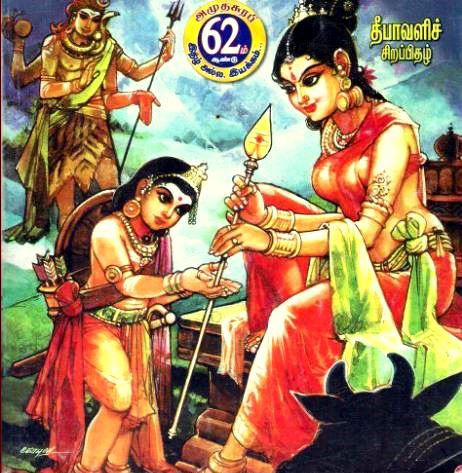
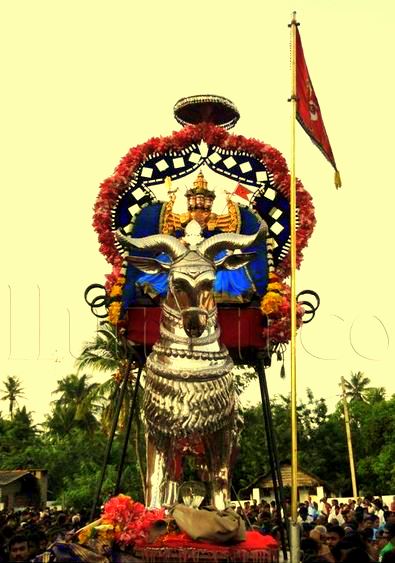
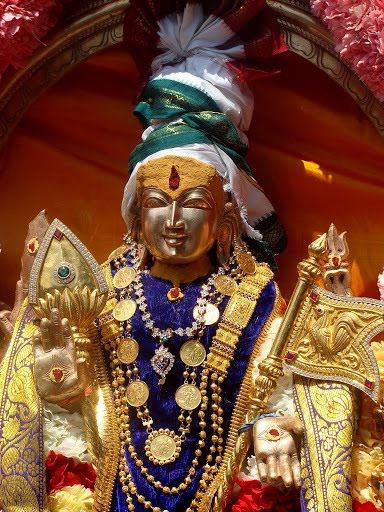
தைப்பூசம்: சங்கத் தமிழில் வேல் வழிபாடு
 |
நன்றி: மாதவிப் பந்தல், கே.ஆர்.எஸ் அளிக்கும் ஆய்வுக் கட்டுரை
அன்பர்கள் அனைவருக்கும் இனிய தைப்பூச வாழ்த்துக்கள்! அருட்பெருஞ் சோதி, தனிப்பெருங் கருணை!
தைப்பூசம்-ன்னா என்ன?
பழனிப் பாதயாத்திரை, மலை முழுதும் பாய்ந்தோடும் காவடி ஆறு!
வடலூரிலே வள்ளலார் சோதி தரிசனம்,
திருவரங்கத்திலே தமிழ்த் திருநாளாம் தைத்திருநாள்!! ...இப்படி பல விழாக்கள்!
என்னவன் முருகனுக்கும் தைப்பூசத்துக்கும் என்ன தொடர்பு?
* முருகன் தோன்றிய நாள் = வைகாசி விசாகம்
* அறுவரும் ஒருவர் ஆன நாள் = கார்த்திகையில் கார்த்திகை
* அன்னையிடம் வேல் வாங்கிய நாள் = தைப்பூசம்
* அசுரரை அழித்தாட்கொண்ட நாள் = ஐப்பசியில் சஷ்டி
* வள்ளியைத் திருமணம் புரிந்த நாள் = பங்குனி உத்திரம்
இப்படி... அன்னையிடம் வேல் வாங்கி, முதன் முதலாக, திருக்கையில் வேல் ஏந்திய நாளே = தைப்பூசம்!
இந்த வேல் வாங்கிய நாளிலே,
"வேல்" என்றால் என்ன?-ன்னு கொஞ்சம் பார்ப்போமா?
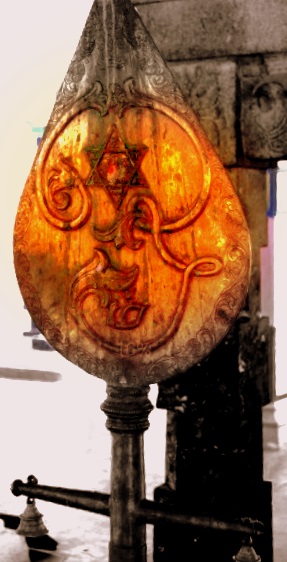
வேல் என்பது தமிழ்த் தொன்மத்தின் தனித்த அடையாளம்!!
வேல், சங்கத் தமிழில் எப்படியெல்லாம் வலம் வருகிறது-ன்னு இந்த ஆய்வுக் கட்டுரையில் சிறிது காண்போம்!
 |
வேல் - பெயர்க்காரணம்:
வேலுக்கு அப்படி என்ன சிறப்பு-ன்னு கேக்குறீங்களா?
வெல் = வேல்!
'வெல்' என்ற வினைச்சொல்லே நீண்டு 'வேல்' என்ற பெயர்ச்சொல் ஆகிறது!
ஆகவே, வேல் = வெற்றி!வேல் - தமிழ்த் தொன்மம்:
ஆயிரம் ஆயுதங்கள் இருப்பினும், தமிழ் மன்னர்களின் தனித்த பெருமிதம் = வேல்!
ஆண்டாளே, வென்று பகை கெடுக்கும் நின் கையில் "வேல்" போற்றி-ன்னு தான் மாயோனாகிய கண்ணனைப் பாடுறா!
வேலும் சங்கும் சங்கத் தமிழ் மரபு! திருமங்கை ஆழ்வார் கையில் இப்பவும் வேல் உண்டு!சங்க காலத் தமிழ் மண்ணில், வேல் வழிபாடே மிகுந்து இருந்தது!
பின்னாளில் தான் ஆறு முகங்களும், பன்னிரு கரங்களும்! ஆகமம், அது இது-ன்னு நுழைத்த பின்பே, ஒரு சாராரின் தலையீட்டால், மற்ற வழிபாடுகள் மெல்ல மெல்லப் புகுந்தன!
சிலப்பதிகாரத்தில், வேலுக்கு எனத் தனிக் கோட்டமே இருக்கும்!
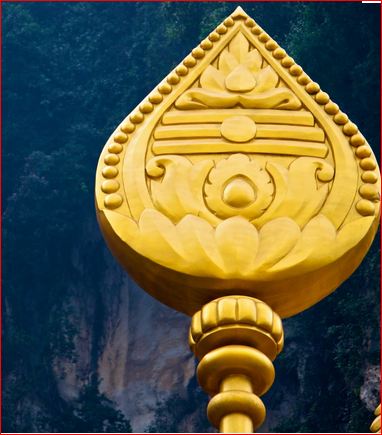
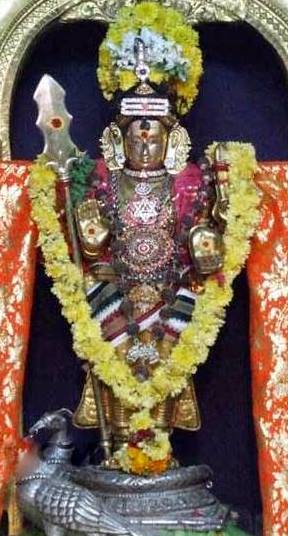
இந்த வேல் வழிபாடு நாளடைவில் நின்று விட்டது! வேல் வழிபாடு-ன்னா நாகரிகம் இல்லாதவர்கள் கும்புடுவது, விக்ரஹாதி மந்திர வழிபாடே நாகரிகம் என்று ஆகி விட்டது:(பல தொன்மையான கோயில்களில் முருகன் சிலையே இருக்காது! வெறும் வேல் வழிபாடு தான்!
- பழமுதிர்சோலை, திருச்செங்கோடு,
- ஈழத்தில் செல்வர் சந்நிதி,
- மலேசியாவில் பத்துமலை,
- பல கிராம ஆலயங்கள் எல்லாம் வேல் வழிபாடு தான்!
வேலின் அமைப்பு:
வேல் எப்படி இருக்கும்?
அட, இதைச் சொல்லணுமா என்ன? வேலைப் பார்க்காத தமிழரும் உளரோ?
ஆனா, வேலின் அமைப்பு பற்றி இலக்கியங்கள் என்ன சொல்கின்றன?
பொதுவாக, வேல், எஃகினால் செய்யப்படும் போர்க் கருவி!
எஃகு ஒரு கலப்பு உலோகம்! இரும்பு + கரிமம் குறிப்பிட்ட அளவில் கலந்து, உலைக்களத்தில் வடிக்கப்படும் கருவி!மன்னர்களின் வேல் எஃகு என்றால், சில வேடர்களின் வேல் கல்லால் செய்யப்பட்டு, நெடுமரத்தில் பொருத்தப்பட்டும் இருக்கும்!
ஆயர்களும், ஆநிரைகளைக் காக்க, வெட்சி/கரந்தைப் பூச்சூடி, கையில் வேல் வைத்து இருப்பார்கள்!
- "கூர்வேல் கொடுந்தொழிலன் நந்தகோபன் குமரன்"-ன்னு ஆண்டாள் பாடுவதையும் நோக்கவும்!ஆலயத்தில் அழகுக்காகச் சார்த்தப்படும் தங்க வேல், வெள்ளி வேல், திருச்செந்தூர் வைரவேல் - இதெல்லாம் போர்க் கருவி அமைப்பில் வாரா!
தமிழ்த் திருமகனாம், முருகன் திருக்கை வேல் = எஃகு வேலே!வேலின் தோற்றம்!
* வேலின் முகம் = சுடர் இலை போல இருக்காம்!
* வேலின் மெய் = நீண்ட நெடு வேலாம்!
சூர் மருங்கு அறுத்த சுடர் இலை நெடு வேல்;
சினம்மிகு முருகன் தண் பரங் குன்றத்து
அந்துவன் பாடிய சந்து கதெழு நெடுவரை - (அகநானூறு 59 - மருதன் இளநாகனார்)
* வேலின் தண்டு இலகுவாகவும், தண்டின் உட்புறம் உள்ளீடற்று (hollow) ஆக இருக்கும்!
* வேலின் முகமோ, பளு+ கூர்மை உடையதாக இருக்கும்!வேல் எறிந்தால், திரும்பித் தானாக வராது! அதெல்லாம் சினிமாவில் தான்! ஆழி (எ) சக்கரம், திரும்பி வரும், ஆஸ்திரேலிய பழங்குடி இனத்தவரான Aborigines பயன்படுத்திய Boomerang போலே! சங்கத் தமிழில், முல்லை நிலக் காட்டுக் குடிகளின் ஆழி பற்றி இன்னொரு நாள் பார்ப்போம்!
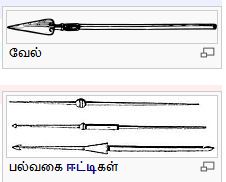
வேலும் ஈட்டியும் ஒன்றா??
வேலும் ஈட்டியும் வேறு வேறு ஆயுதங்கள்!
* வேலின் முகம் = அகன்று விரிந்து இருக்கும்! ஈட்டியின் முகம் அகலாது குறுகி இருக்கும்!
* வேலின் கீழ் நுனி = வட்டமாக முடியும்! ஈட்டியோ நேர்க்கோட்டில் முடியும்!வேல் = பெருமை மிக்கது! மன்னர்களும், படைத் தலைவர்களுமே பெரும்பாலும் ஏந்துவார்கள்!
ஈட்டி = அனைத்து போர் வீரர்களிடமும் உண்டு!
வேல் எறிவதும், சிறந்த பகைவர்களை நோக்கியே! எல்லார் மேலேயும் வேல் எறிந்து விடுவதில்லை!
கான முயல் எய்த அம்பினில் - யானை
பிழைத்த வேல் ஏந்தல் இனிது என்ற குறளே இதற்குச் சான்று! முயலுக்கு அம்பு, யானைக்கு வேல்!வேலின் சிறப்புப் பெயர்கள்:
கூர் வேல், நெடு வேல், சுடர் வேல், வீர வேல், வெற்றி வேல்...ன்னு வேலுக்குத் தான் எத்தனை எத்தனை அடைமொழிகள்!வீர வேல், தாரை வேல், விண்ணோர் சிறை மீட்ட
தீர வேல், செவ்வேள் திருக் கை வேல், - வாரி
குளித்த வேல், கொற்ற வேல், சூர் மார்பும் குன்றும்
துளைத்த வேல் உண்டே துணை
- இது திருமுருகாற்றுப்படையை ஒட்டி எழுந்த பின்னாளைய வெண்பா!
வேல் வழிபாடு:
சங்க காலத்தில் வேல் வழிபாடு எப்படி இருந்தது?
வேலன் வெறியாட்டு, வெறி அயர்தல்-ன்னு சொல்லுவாய்ங்க!
இதில்...."வேல்" ஒரு முக்கியமான பூசைப் பொருள்!வெண்மணல் பரப்பி, செந்நெல் தூவி,
பந்தல் இட்டு, பூ பல பெய்து
பசுந்தழை, காந்தள், பூக்குலை கட்டி -ன்னு அலங்கரித்து (அணி செய்து), வேலை மையமாக நட்டு வழிபடுதல் வழக்கம்!பொய்யா மரபின் ஊர்முது வேலன்
கழங்கு மெய்ப் படுத்துக் கன்னம் தூக்கி
முருகு என மொழியும் ஆயின்
கெழுதகை கொல்? இவள் அணங்கி யோற்கே - (ஐங்குறுநூறு, கபிலர்)
* அதாச்சும் தலைவியின் காதல் நோய் இன்னதென்று அறியாத தாய்,
தலைவியின் மேல் ஏதோ பித்து/சூர் இறங்கி விட்டதாக நினைத்து,
அதைப் போக்க முருகனுக்கு எடுக்கும் பூசை! இதை ஒரு ஆண் (வேலன்) நிகழ்த்துவான்!* (அல்லது) தலைவியே, தன் காதலனைச் சேர முடியாது,
அவன் ஒதுக்கியதால் அவனையே எண்ணியெண்ணி அன்பு மிகுந்து போய்,
முருகனை முன்னிட்டு ஆடிய வெறிக் கூத்து!இதை ஆண்கள்-பெண்கள், இருவருமே வேல் பிடித்து ஆடின செய்திகள், சங்கத் தமிழில் உள்ளன!
* ஆண் ஆடும் போது = பூசை/குறி! கிடா வெட்டிப் பலி குடுத்து, அதன் குருதியை, அரிசியொடு கலந்து தூவுதல்
* பேதுற்ற பெண் ஆடும் போது = காதல் வலி! வெறியில் முருகனையே திட்டிப் பூக்களைத் தூவுவாள்!தொல்காப்பியரும் இதற்கு ஒரு துறை ஒதுக்கி உள்ளார்!
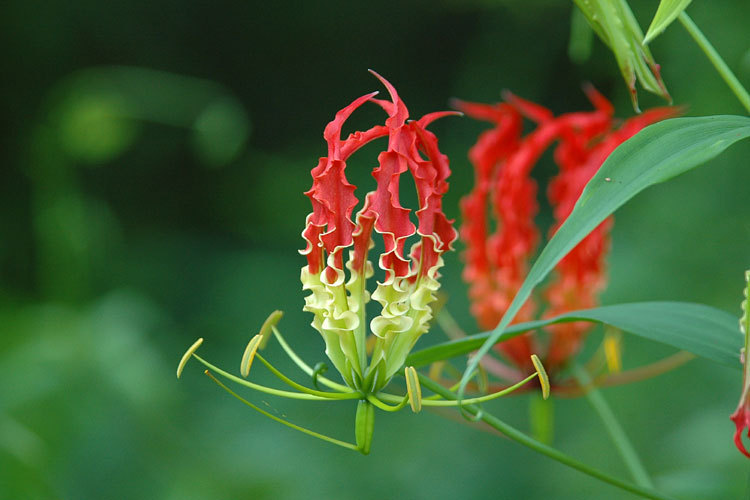
முருகனுக்கு உரிய காந்தள் பூச்சூடி ஆடுவது!
வெறி அறி சிறப்பின் வெவ் வாய் வேலன்
வெறியாட்டு அயர்ந்த காந்தளும் - (தொல்காப்பியம், பொருளதிகாரம், களவியல்)
காதல் வலி மிகுந்து போய் பெண்கள் ஆடிய வேலன் வெறியாட்டு, மிகவும் மனத்தை வலிக்க வைப்பவை!
ஒரு அழகிய மயில் (மஞ்ஞை), வெறியில் ஆடினா எப்படி இருக்கும்? ஆடி ஆடியே, அழுது அழுது, உள்ளமும் உடலும் தேய்ந்து போனாள்!கடியுண் கடவுட்கு இட்ட செழுங்குரல்
அறியாதுண்ட மஞ்ஞை ஆடு மகள்
வெறியுறு வனப்பின் வெய்துற்று நடுங்கு
சூர் மலை நாடன் கேண்மை
நீர்மலி கண்ணொடு நினைப்பா கின்றே - (குறுந்தொகை 105, நக்கீரர்)ஒரு கட்டத்தில், காதல் வலியால், முருகனையே "மடையா"-ன்னு திட்டும் தலைவியின் பெருத்த ஆற்றாமையைக் காணலாம்!
வேலன் வேண்ட வெறிமனை வந்தோய்
கடவுள் ஆயினும் ஆக
மடவை மன்ற வாழிய முருகே! - (நற்றிணை 34)"காதலன் திடீரென்று என்னை ஒதுக்கும் போக்கில் துடிச்சிப் போய் நான் வாழுறேன்!
இது அறியாமல், வேலன் வெறியாட்டை என் தாய் நடத்துறா!
உனக்காவது தெரிய வேணாமா முருகவேளே? இந்தப் பூசைக்கு நீயுமா உடந்தை?நீ கடவுளே ஆனாலும் ஆகுக! அது பற்றிக் கவலையில்லை!
மடவை முருகா (மடப்பயலே முருகா)...
நீ நல்லா இருடா! = மடவை மன்ற வாழிய முருகே!!" -ன்னு...
இவள்....முருகனிடம் திட்டியும் + கெஞ்சியும் + கண்ணீரால் முருகனைக் குளிப்பாட்டும் காட்சி...இதை நினைக்கும் போதெல்லாம் என்னையும் அறியாமல், கண்ணில் தண்ணி தளும்பி நிக்கும்!

அவன் வேடத்தில் அவள்! முருகன் வேடத்தில், வேலொடு வள்ளி!
இப்படி, பண்டைத் தமிழ்ச் சமூகம், "வேலை" முன்னிறுத்தி, எப்படித் தன் மரபுகளை ஒத்து வாழ்ந்தது என்று அறிந்தோம்!
இன்றும், தமிழ்க் குடியினர்/கிராமத்தவர்கள், இந்த வேல் வழிபாட்டையே அதிகம் போற்றுகிறார்கள்!எங்கள் கிராமத்தில் முருகனுக்கென்று தனித்த ஆலயம் கிடையாது! வாழைப்பந்தல் பச்சையம்மன் ஆலயம் தான்! காவடிப் பூசை, பெருமாள் கோயில் திட்டில் தான் வைக்கப்படும்! அதில் வேலையே நட்டு பூசிப்பார்கள்!
பின்னர் ஆயா காவடிச் சிந்து முதலடியை எடுத்துக் குடுக்க, பூசையில் வைத்த காவடியை ஒவ்வொருவரும் தூக்குவது வழக்கம்!சிலப்பதிகாரத்தில் வேல்:
பத்துப்பாட்டு நூலான திருமுருகாற்றுப்படையில் நக்கீரர் வேலைப் பற்றிச் சிறிதளவே சொன்னாலும், அதை ஈடுகட்டவோ என்னவோ....சிலம்பில், இளங்கோவடிகள், வேலின் பெருமையை மிக அழகாக, குன்றக் குரவையில் விவரிப்பார்!
வேல் கெழு தடக்கைச் சால்பெருஞ் செல்வ!
சூர்முதல் தடிந்த சுடர் இலை நெடு வேல்! -ன்னு முருக பக்தரான நக்கீரர், இரண்டு அடிகளே பாட...
இரண்டே அடிகளா? இளங்கோ அடிகளா?
- என்று வேல் விருத்தமாய், அன்றே பாடினார் சமணச் செல்வரான இளங்கோ! இளங்கோவின் பண்பட்ட உள்ளம் தான் என்னே!!

சீர்கெழு செந்திலும், செங்கோடும், வெண்குன்றும்,
ஏரகமும், நீங்கா இறைவன் கை "வேல்" அன்றே! -ன்னு தொடங்கும் இளங்கோ, வரிசையாக, "வேல் வேல்"-ன்னு ஒரு வேல் விருத்தத்தை, அருணகிரிக்கும் முன்பே பாடிவிட்டுச் செல்கிறார்!சூர் மா தடிந்த சுடர் இலைய வெள் வேலே!
குருகு பெயர்க் குன்றம் கொன்ற நெடு வேலே!இணை இன்றித் தான் உடையான் ஏந்திய வேல் அன்றே!
திரு முலைப் பால் உண்டான் திருக் கை வேல் அன்றே!-ன்னு சிலப்பதிகார வேல் வருணனையில், இசையும் கலந்து, 'பாட்டு மடை'யாகப் பெருகி வரும்!
வேல் பற்றிய பக்தி-இலக்கிய நூல்கள்:
பின்னாளில், வேல் பற்றிய பல பக்தி-இலக்கிய நூல்கள் வந்துள்ளன!
* இதற்கு முக்கிய காரணம் = அருணகிரி!
தொலைந்து போன வேல் வழிபாடு, தமிழ் வழி வழிபாட்டை மீண்டும் முன்னிறுத்த, அருணகிரி செய்த முயற்சிகள் சொல்லில் அடங்கா!
ஆலயங்களில், வடமொழி அதிகம் புழங்கத் துவங்கி விட்ட காலத்தில், வடமொழியைப் பகைத்துக் கொள்ள விரும்பாது, அதனொடு கூடவே சென்று, சிறுகச் சிறுகத் தமிழை நுழைக்க, அவர் செய்த முயற்சிகள் பலப்பல!

இதற்கு, அவருக்கு முக்கிய ஊக்க சக்தி = இன்னொரு தமிழ்த் தெய்வமான திருமாலின் ஆலயங்களில், சில நூற்றாண்டுக்கு முன்பு தான், தமிழ் பரவலாகத் தழைக்கத் தொடங்கியிருந்த புரட்சியைக் கண்டார்!

வேதங்களுக்கு நிகராக ஆழ்வார் அருளிச் செயல் கருவறைகளை வேதங்களுக்கு நிகராக ஆழ்வார் அருளிச் செயல் கருவறைகளில் ஓதுதல்!
உற்சவங்களில் வேதங்களைப் பின்னுக்குத் தள்ளி, ஆழ்வார்களின் தமிழை முன்னே ஓதிச் செல்ல, இறைவனே தமிழின் பின்னால் வரும் காட்சிகளைக் கண்ட அருணகிரி......
அதிலே மனம் பறிகொடுத்து, திருமால் "வண்டமிழ் பயில்வார் பின்னே திரிகின்றவன்"-ன்னு பாடினார்!
இதே நிலை முருகன் ஆலயங்களிலும் வர வேண்டி, அவர் செய்த ஆரம்ப வேலைகள் பலப்பல!
அதில் ஒன்று தான், வேல் வழிபாடு!
* வேல் வகுப்பு
* வேல் விருத்தம்
இவை வேல் வழிபாட்டை முன்னிறுத்த அருணகிரியார் செய்த பனுவல்கள்!தனித்து வழி நடக்கும் என
திடத்தும் ஒரு வலத்தும் இரு
புறத்து அருகு அடுத்து இரவு
பகல் துணை அதாகும்
திருத்தணியில் உதித்தருளும்
ஒருத்தன்மலை விருத்தன் என
உளத்தில் உறை கருத்தன் மயில்
நடத்து குகன் வேலே !!
(- வேல் வகுப்பு, அருணகிரிநாதர்)அந்த வழியில் பின்னர் பாம்பன் சுவாமிகளும், வள்ளிமலை சுவாமிகளும், "வேல் மாறல்", "வேற் பதிகம்" போன்ற பனுவல்களை, வேலின் மீது செய்துள்ளனர்!
பின்னால் வந்த பல கவிஞர்களும், வேலைப் போற்றிப் பாடியுள்ளார்கள்! பாரதியாரின் வேலன் பாட்டு, அதில் மிகவும் பிரபலம்!
வில்லினை ஒத்த புருவம் வளைத்தனை வேலவா!-அங்கோர்
வெற்பு நொறுங்கிப் பொடிப்பொடியானது, வேலவா!!சிக்கல் சிங்காரவேலன் வேல் வாங்கும் காட்சி:
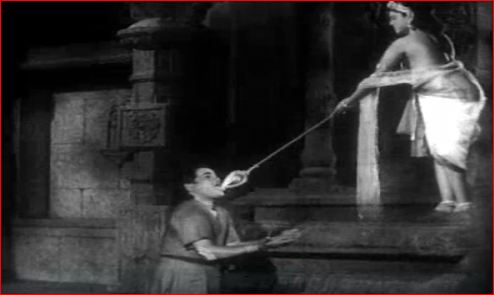
முருகன் அன்னையிடம் வேல் வாங்கும் காட்சியை, சிக்கல் சிங்காரவேலர் சன்னிதியில், ஒவ்வொரு ஆண்டும் நடித்துக் காட்டுவது வழக்கம்!
அப்போது சிங்காரவேலர் திருமேனி, வேலின் கொதியால் வியர்க்கிறது என்று சொல்வாரும் உளர்! முருகன் திருமேனியைத் துடைத்து எடுப்பதும் வழக்கம்!
எந்தத் திருமுழுக்கும் (அபிஷேகம்) இல்லாமலேயே, ஒத்தி எடுக்கும் துணிகள், ஈரமாய் நனைவதைக் காணலாம் என்று கூறுவர்!
முருகன் வேறு, வேல் வேறு அல்ல!
வேலுக்கு = உடம்பிடித் தெய்வம்-ன்னே பேரு!
= உடன் பிடித் தெய்வம்!
முருகனைப் போலவே வேலுக்கும் ஆறு முகம் உண்டு! ஆறு படைகள் உண்டு! பார்த்து இருக்கீங்களா?
இன்னிக்கு பார்த்தீங்கன்னா....பல படைவீடுகளிலும் முருகன், தன் கையில் வேல் ஏந்தியே இருக்க மாட்டான்! அவன் தோளிலே தனியாக, சார்த்தியே வைத்திருப்பார்கள்!
ஏனோ, அதைப் பார்க்கும் போதெல்லாம்....நானே அவன் தோளில் சாய்ந்து கொள்வது போல ஒரு உணர்வு எனக்கு!
என்னவனைப் போலவே, உயரமும் - நெடிதும் - அழகும் - அறிவுமான = வேல்!
தழுவ இனியது வேல்!அவனைத் தழுவும் போது நழுவினால், போடா-ன்னு அவன் அந்தரங்க வேலைத் தழுவிக் கொள்வதில், இன்னும் சுகம்!:)
வேல் வேறு, முருகன் வேறல்ல!
வேலே = முருகன்! முருகனே = வேல்!
முந்து முந்து.....முருகவேள் என்னுள் முருகவேலாய் முந்து!!வெஞ்சமரில் அஞ்சேல் என "வேல்" தோன்றும்...முருகா என்று ஓதுவார் முன்!
உசாத் துணை (References)

- தமிழ் இலக்கிய வரலாறு - மொழிஞாயிறு ஞா.தேவநேயப் பாவாணர்
- முருகன் (அ) அழகு - திரு.வி.க
- தொல்காப்பியம் - பொருளதிகாரம் - இளம்பூரணர் உரை (கழக வெளியீடு)
- சிலப்பதிகாரம் - நாவலர் ந.மு.வேங்கிடசாமி நாட்டார்
- வேல் விருத்தம், வேல் வகுப்பு - அருணகிரிநாதர் & Reforms of Arunagiri - Pongi Publications, Vallimalai
- Tamil Traditions on Murugan - Dr. Kamil Zvelebil


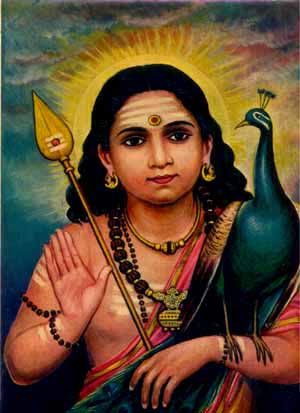
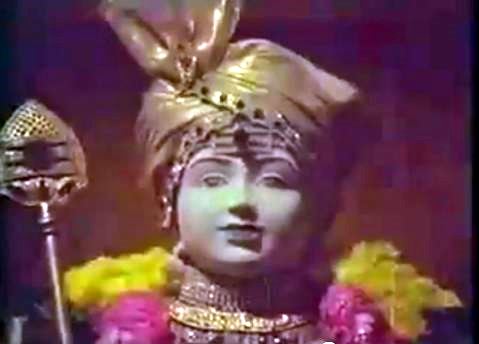
Oru Arizonan
//சுப்பிரமணிய புஜங்கத்தில் சேயோன்/முருகன்/வேலவன் என்ற தமிழப் பெயர்கள் இல்லை என்று நினைக்கிறேன் (பிழையிருப்பின் திருத்தவும்), .//
தேமொழி
On Wednesday, July 19, 2017 at 9:14:33 PM UTC-7, oruarizonan wrote:
On Wed, Jul 19, 2017 at 8:12 PM, தேமொழி <jsthe...@gmail.com> wrote://சுப்பிரமணிய புஜங்கத்தில் சேயோன்/முருகன்/வேலவன் என்ற தமிழப் பெயர்கள் இல்லை என்று நினைக்கிறேன் (பிழையிருப்பின் திருத்தவும்), .//முருகன் என்றால் அழகன் என்று பொருள்படும். வேலவன் என்றால் வேல்[ஈட்டி] உள்ளவன் என்றும், சேயோன் என்றால் எட்டாது இருப்பவன் என்றும் பொருள்படுகின்றன.[புறத்தார்க்குச் சேயோன்றன் பூங்கழல்கள் வெல்க என்று திருவாசகத்தில் சிவபெருமான் புகழப்படுகிறார்.]அழகன் என்றும், ஈட்டியை உடையவன் என்றும், எட்டாது இருப்பவன் என்றும் சுப்பிரமணிய புஜங்கத்தில் சொல்லப்படுகிறது. நீங்கள் குறிப்பிட்ட தமிழ்ப்பெயர்கள் இல்லாது போனாலும், அப்பொருளுள்ள வடசொற்கள் உள்ளன.
புஜங்கம் ஆதிசங்கரர் எழுதியதல்ல என்போர் சிலரும் உள்ளனர்.ஒரு அரிசோனன்
nkantan r
there are many references to ocean, seas and waves in the poem as well as hill, hillock and mountain; the general interpretation can be the god on a hillock next to roaring seas.... (since thiruchendur is the famous place of temple for murugan next to seas, it is perceived as composed on thiruchendur!; )
from bhujangam: sindhu theere ya aaste --- dwelling on the shores of the sea!
Again a great picture of sea: yatha abdhes tarangaa layam yanti tunga.... like sea waves rolling back in to the ocean......
Also : Gandha shaila (well smelling hill....)
again in a single stanza: Mahaa ambodhi tiire...(on the shores of a great ocean...) Sugandhakhya shaile,,,, (on a hill known as sugandha..), guhayam vasastam (living in a cave,..)
Well: my reading is slightly introverted: as the poetry talks of men (ordinary commone people, nara) going to the sea shore and ascetics (muni) going to hills for sadhana (meditation) (actually the lord is called Guhaayam vasatam (the one who lives in caves...?), the poetry may not be about a single place...
funnily the poem talks of Muruga hugging the bosom of the tribal wife..., which is not the case of deity in thiruchendur..
i went to thiruchendur many many years back just before finishing college; if my memory is right there are no valli or deivani with murugan; and valli sannidhi was inside a dark moist cave (correct me if i am wrong) and a sannidhi for devaseana (marriage hall?)
All said and done, this bhujangam is good for making one enunciate words with clarity; if a person practices it for a year, he can be self assured of proper pronunciation of sanskrit and tamil!
i saw and heard few audios on net; SPB, jayendra (both soft in voice); shanti shreeram (too much musical like a concert) , and anuradha (reasonably close to what i learnt, but lot of stretches and repetitions); i am missing the கணீர் குரல் (of patanjali shastri with rise and fall to suit the bhujanga structure or my erstwhile purohit chandrasekhara sastrigal who would recite it under 6-7 minutes flat..) Sad we never thought of recording it 40 years back....
regards
rnk
தேமொழி
On Wednesday, July 19, 2017 at 9:48:35 PM UTC-7, nkantan r wrote:
அது குன்றல்ல; மணல் திட்டு!

N. Kannan
Lyrics ( copy pasted. Some typo errors possible..)
1.
வடவரையை மத்தாக்கி வாசுகியை நாணாக்கிக்
கடல்வண்ணன் பண்டொருநாள் கடல்வயிறு கலக்கினையே
கலக்கியகை அசோதையார் கடைகயிற்றாற் கட்டுண்கை
மலர்க்கமல உந்தியாய் மாயமோ மருட்கைத்தே
2.
அறுபொருள் இவனென்றே அமரர்கணந் தொழுதேத்த
உறுபசியொன் றின்றியே உலகடைய உண்டனையே
உண்டவாய் களவினான் உறிவெண்ணெ யுண்டவாய்
வண்டுழாய் மாலையாய் மாயமோ மருட்கைத்தே
3.
திரண்டமரர் தொழுதேத்தும் திருமால்நின் செங்கமல
இரண்டடியான் மூவுலகும் இருள்தீர நடந்தனையே
நடந்தஅடி பஞ்சவர்க்குத் தூதாக நடந்தஅடி
மடங்கலாய் மாறட்டாய் மாயமோ மருட்கைத்தே
4.
மூவுலகும் ஈரடியான் முறைநிரம்பா வகைமுடியத்
தாவியசே வடிசேப்பத் தம்பியொடுங் கான்போந்து
சோவரணும் போர்மடியத் தொல்லிலங்கை கட்டழித்த
சேவகன்சீர் கேளாத செவி என்ன செவியே
திருமால்சீர் கேளாத செவி என்ன செவியே
5.
பெரியவனை மாயவனைப் பேருலக மெல்லாம்
விரிகமல உந்தியுடை விண்ணவனைக் கண்ணும்
திருவடியும் கையும் திரு(கனி)வாயும் செய்ய
கரியவனைக் காணாத கண்ணென்ன கண்ணே
கண்ணிமைத்துக் காண்பார்தம் கண்ணென்ன கண்ணே
6.
மடந்தாழும் நெஞ்சத்துக் கஞ்சனார் வஞ்சம்
கடந்தானை நூற்றுவர்பால் நாற்றிசையும் போற்றப் (தொடர்ந்த்)
படர்ந்தாரணம் முழங்கப் பஞ்சவர்க்குத் தூது
நடந்தானை ஏத்தாத நாவென்ன நாவே
நாராயணா என்னா நாவென்ன நாவே!
-from silapadhikaaram.
You can listen to song while browsing the text: see track 2 in http://mio.to/album//MS.+Subbulakshmi/Legends+MS+Subbulakshmi+Vol+5
Rnk
--
--
"Tamil in Digital Media" group is an activity of Tamil Heritage Foundation. Visit our website: http://www.tamilheritage.org; you may like to visit our Muthusom Blogs at: http://www.tamilheritage.org/how2contribute.html To post to this group, send email to minT...@googlegroups.com
To unsubscribe from this group, send email to minTamil-unsubscribe@googlegroups.com
For more options, visit this group at http://groups.google.com/group/minTamil
---
You received this message because you are subscribed to the Google Groups "மின்தமிழ்" group.
To unsubscribe from this group and stop receiving emails from it, send an email to mintamil+unsubscribe@googlegroups.com.
For more options, visit https://groups.google.com/d/optout.
கொள்ளத்தான் இயலாது, கொடுத்தாலும் நிறைவொழிய குறைபடாது
கள்வர்க்கோ மிக அரிது, காவலோ மிக எளிது..
Tamil Heritage Foundation - http://www.tamilheritage.org/
nkantan r
எனக்குப்புரிந்த அளவில்:
1)மருட்கைத்தே : (மேரிசலாயிட்டேன்!); ஆச்சர்யத்தைத் தருகிறதே!
2) அறுபொருள் : god; the ultimae? (உறுபசி யோடு ஒத்துப்பாருங்கள்)
3)மடங்கலாய் மாறட்டாய் = killing the hiranya-kasab? (feline: lion;
5) படர்ந்தாரணம் (what i hear is தொடர்ந்தாரணம்)
from madras lexican: aṟu-poruḷ n. அறு¹- +.The Supreme Being, the Absolute, as the onecertain thing; பரம்பொருள் (சிலப். 17, முன்னிலைப்பரவல்,
searching google, i came across: http://tamilkkalvi.blogspot.in/2009/07/3.html, http://tamilkkalvi.blogspot.in/2009/07/3.html, http://tamilkkalvi.blogspot.in/2009/07/3.html
rnk
To unsubscribe from this group, send email to minTamil-u...@googlegroups.com
For more options, visit this group at http://groups.google.com/group/minTamil
---
You received this message because you are subscribed to the Google Groups "மின்தமிழ்" group.
To unsubscribe from this group and stop receiving emails from it, send an email to mintamil+u...@googlegroups.com.
Suba
- கோயில்களின் பெயர் தமிழ்ப் பெயரிலிருந்து சமஸ்கிருதத்திற்கு மாற்றப்பட்ட நிலை
- தமிழ் நிலக் கடவுளர் சமஸ்கிருத பெயர்களுடன் வருகின்ற வடபுலத்து தெய்வங்கள் அல்லது நாயகர்களின் குணாதிசியங்கள் ஏற்றப்பட்டு பல பெயர்களுடன் விளங்கும் நிலை
- நாட்டார் தெய்வங்கள் சமஸ்கிருதமயமாக்கலால் மாற்றம் கொண்ட நிலை

iraamaki
--
"Tamil in Digital Media" group is an activity of Tamil Heritage Foundation. Visit our website: http://www.tamilheritage.org;/ you may like to visit our Muthusom Blogs at: http://www.tamilheritage.org/how2contribute.html To post to this group, send email to minT...@googlegroups.com
nkantan r
there is a rocky outcrop as well hard rock beneath; that doesnot make it a hill over the sea level; there are mountains underseas in relation to the sea floor; on ground we look at the hill with reference to the ground level or sea level.
regards
rnk
(anybody knows why it is called sugandha hill??)
Ms subha; yes i am sorry if my posts are not connected directly to your question; i dont know how we fixc the time line of silapadhigaram; that is where i have seen the names of the gods as we know today: murugan, narayanan, etc; and i know you would have been to busy to read http://murugan.org/research/chanda-vaz.htm)
On Thursday, July 20, 2017 at 2:06:36 PM UTC+5:30, இராம.கி wrote:
அது மணல் திட்டல்ல; குன்றுதான். இன்று கோயிலுள்ள இடம் ஒரு குன்றின் மேல் தான் உள்ளது. ஆனால் கடலின் மட்டம் உயர்ந்துபோனதால். குன்றைக் கிட்டத்தட்ட மணல் மூடிவிட்டது. இருந்தாலும் கோயிலின் ஒருபக்கம் வள்ளிக்குகையிருக்கும் பக்கம் குன்றின் மிச்சசொச்சம் வெளிப்படும். குகையே குன்றிற்குள் தான். தவிர, கடல் அவ்வப்போது பின்வாங்கும்போது தெரியும் கடல் தரையைப் பார்த்தால் அதில் கல்தரை பாவியிருந்ததும் பாசி வளர்ந்ததும் தெரியும். (இப்பொழுதெல்லாம் திருச்செந்தூரில் அடிக்கடி கடல் பின்வாங்குகிறது. இது பார்க்கக் கூடிய காட்சிதான். சில நாளிதழ்களில் இப்படம் வெளிவந்தது. ஒருகாலத்தில் கடல் பின்வாங்கியதிற்றான் கொற்கை உள்நாட்டு ஊராய் மாறியது. கிட்டத்த 8/9 கிலோமீட்டர்களுக்கு கொற்கை, காயிலிலிருந்து கடல் பின்வாங்கியிருக்கிறது.)ஒருகாலத்தில் டச்சுப்படைத் தலைவன் (100/150 ஆண்டுகளுக்கு தூத்துக்குடி அவர்களிடம் தான் இருந்தது. டச்சு அரச குடும்பத்திற்கும் இங்கிலாந்து அரச குடும்பத்திற்கும் ஏற்பட்ட திருமண உறவில், இங்கிருந்த தூத்துக்குடியும், முன்னாளில் நியூ ஆம்ஸ்டெர்டாம் என்னும் இற்றை நியூயார்க் “வரதட்சணை” யாகக் கொடுக்கப்பட்டது. நீயூயார்க்கிற்கும் தூத்துக்குடிக்கும் உள்ள விந்தைத்தொடர்பைப் பார்த்தீர்களா? Sister cities.) ஒருவன் செந்தூர் முருகனின் ஊருலவுத் (உற்சவர்) திருமேனியைத் தூக்கிக்கொண்டு துத்துக்குடியில் நின்ற தன் கப்பலுக்கு எடுத்துப் போனான். காற்றால் பேயாட்டம் ஆடிய அக்கப்பல் தூத்துக்குடிக்கு அருகிலிருந்து தடம்புரண்டு திருச்செந்தூருக்கு வந்து புயல்காற்றில் ஆடத் தொடங்கியது. அவன் திருமேனியைக் கடலுக்குள் வீசி எறிந்தான். முருகன் அடியார் கனவில் இருப்பிடஞ் சொல்ல, அவ்விடத்தில் தேடினாற் திருமேனி கிடைத்தது. கடல்தரை மணலாய் இருந்திருந்தால் அது கிடைத்திருக்காது. கல்தரையும், மணலும் கலந்து கிடந்ததால் அது கிட்டியது.
ஐயா, வரலாறு அடங்கிய கதைகள் ஏராளம். திருச்செந்தூர் ஒரு குன்று தான். முருகன் நின்ற ஆறு இடங்களும் குன்றுகளே. ஆனால் அவற்றின் உயரங்கள் பெரிதுஞ் சிறிதுமாய் உண்டு.அன்புடன்,இராம.கி.
Suba
நன்றி திரு. Rnk இது மிக நல்ல கட்டுரை.இது போல வரலாற்றுக் கோணத்தில், தடயங்களுடன் ஆய்வை அணுகுபவர் வெகு சிலரே.Murugan versus Skanda
என்ற கட்டுரையின் முடிவுரை சிறப்பு.Conclusion
The fate of gods and men is inextricably connected. The forces of religion depend on and are defined by socio-political factors. The rise, fall and resurrection of Indian gods can be studied as the best examples of this phenomenon. Skanda's story, as we saw it, is a case in point. His origin in pre-Aryan Tamilagam, the consequent ascent and decline of his Aryanised Skanda-Kartikeya form in North India and his return and popularity to South India is an example of the trajectory of an Indian god's career.
Today, Skanda is extremely popular and is revered by many names such as Sarāvana, Amurugam, Gurugruha, Guhan, Subrahmanya, Vadivelan, Senthil, Swāminātha and Ṡanmukha among others. Over the centuries, the forces of Vedic religion and the ideals of state and kingship led to the appropriation of this once powerful tribal god, and turned him into the kingly Skanda-Kartikeya, son of Shiva. But Murugan eventually found his way back into the Tamil heartland, where he began his journey as Śeyon many centuries ago.சுப்பிரமணிய புஜங்கத்தில் (விளக்கத்திற்கு நன்றி திரு. அரிசோனன்) இருக்கும் பெயர்கள் யாவும் தொன்மக் கதைகளின் தொகுப்பின் அடிப்படை என்பதையும், அவை யாவும் சேயோன்/முருகன் வழிபாட்டில் இருந்து வேறுபட்டமையைக் காட்டுகிறது. குப்தர் காலத்து கந்தன் மயில் தொடர்பு மத்தியக்கிழக்கில் காணப்படும் சில சிலைகளில் இருப்பதையும் முன்னர் படித்துள்ளேன்.சுப்பிரமணிய புஜங்கத்தில் சேயோன்/முருகன்/வேலவன் என்ற தமிழப் பெயர்கள் இல்லை என்று நினைக்கிறேன் (பிழையிருப்பின் திருத்தவும்), எப்படியெல்லாம் சமயம் வளர்த்துள்ளார்கள் என்பது வியக்க வைக்கிறது.கையில் வேல் வைத்து, தனது குலத்தைக் காத்த சாரசரி பழங்குடி வீரன் ஒருவனை தொன்மத்தில் இழுத்து, சமயத்தில் புரட்டி உருட்டி கதைகட்டி ஒரு வழியாக ஆக்கியுள்ளார்கள்.அதற்கு ஏற்றவாறு மற்ற தமிழ்த்திணை காவலர்களும் உள்வாங்கப்பட்டு, அம்மா(கொற்றவை), அப்பா(வருணன்), மாமா(மாலவன்), மாமனார்(இந்திரன்) என்று அனைவரையும் மாற்றி ஒரு குடும்பத்தின் கதையாக உருமாற்றி மக்களை சமயத்திற்குள் கவர்ந்து கொண்ட கற்பனைத் திறன் வியக்க வைப்பதே.
----
"Tamil in Digital Media" group is an activity of Tamil Heritage Foundation. Visit our website: http://www.tamilheritage.org; you may like to visit our Muthusom Blogs at: http://www.tamilheritage.org/how2contribute.html To post to this group, send email to minT...@googlegroups.com
To unsubscribe from this group, send email to minTamil-unsubscribe@googlegroups.com
For more options, visit this group at http://groups.google.com/group/minTamil
---
You received this message because you are subscribed to the Google Groups "மின்தமிழ்" group.
To unsubscribe from this group and stop receiving emails from it, send an email to mintamil+unsubscribe@googlegroups.com.
Prakash Sugumaran

தேனீ

வேந்தன் அரசு
On Wednesday, July 19, 2017 at 8:20:11 AM UTC-7, செல்வன் wrote:பரிபாடலுக்கு காலத்தால் முற்ப்பட்ட திருமுருகாற்றுப்படையில் "மறு இல் கற்பின் வாணுதல் கணவன்" என்றே முருகன் குறிக்கபடுகிறார்இதில் குறிப்பிடபடுவது தேவசேனை என்றே கருதபடுகிறது. "வருத்தமில்லாத அருட்கற்பினையுடைய தெய்வ யானையார்" என்கிறார் நச்சினார்க்கினியர்.பிற்கால உரையாசிரியர்களை மறந்து, பாடல் வரிகள் மட்டுமே என்ன சொல்கிறது என இலக்கியங்களை மீள்பார்வை செய்யத் தேவையுமிருக்கிறது.
ராம் காமேஸ்வரன்
.//சுயமாக சிந்திக்கும் ஒவ்வொரு மனிதருக்கும் புராணக்கதைகளினால் சாமிகளின் பெயர் தான் கெடுகின்றது என்ற அடிப்படை புரிதல் கூட எழாத வன்ணம் சில கருத்தாக்கங்கள் காலங்காலமாக திணிக்கப்பட்டிக்கின்றது. இந்த புராண மாயையிலிருந்து வெளிவந்து சமயத்தை தத்துவங்களின் அடிப்படையில் மக்கள் நோக்க முயற்சிகள் மேற்கொள்ள வேண்டிய பெருங்கடமை சமய நிறுவனங்களுக்கு இருக்கின்றது.// சுபாதத்துவங்களை விளக்குகிற போது கதாரூபம் (கதை உருவம்) கொடுப்பதுண்டு—அப்போதுதான் அவை சுலபமாகப் பாமர ஜனங்களுக்குப் புரியும். தத்வம் அப்படியே பொது ஜனங்களிடம் ஏறாது. ஒன்று, கதாரூபம் தர வேண்டும். அல்லது, ஒரு சடங்காக அதை ஆக்கிக் காரியத்தில் செய்யும்படியாகப் பண்ண வேண்டும். இம்மாதிரி சமய கர்மானுஷ்டானங்களைச் செய்யும் போதே அவற்றின் உள்ளே ‘ஸிம்பாலிக்’காக இருக்கிற தத்வங்கள் புரியும். ‘சடங்குகள் எல்லாமே ரூபகம் (ஸிம்பல்) தான்; உள்பொருளைப் புரிந்து கொண்டாலே போதும். சடங்கே வேண்டாம்’ என்று சொல்லுகிறவர்களோடு நானும் சேர்ந்து கொண்டு இதைச் சொல்லவில்லை. தனிப்படச் சடங்கு என்று வைத்துக் கொண்டாலே அதற்குச் சக்தி உண்டுதான். இம்மாதிரியே, ‘புராணக் கதைகள் தத்வ விளக்கம் மட்டுமேதான்; அவற்றையே நிஜம் என்று நம்பக்கூடாது’ என்றும் நான் சொல்ல வரவில்லை. வாஸ்தவத்திலேயே, நடந்த உத்தமமான சரிதங்கள்தான் இவை. அதே சமயத்தில் தானாகவே தத்வங்களையும் நமக்குக் காட்டிக் கொடுக்கின்றன. அதேபோல் காரியமாகச் செய்கிறபோதே நமக்கு ஒரு பலனைத் தந்து, பிறகு எந்தப் பலனும் கோராத சித்த சக்தியைத் தந்து, சிரேயஸைத் தருகிற சடங்குகளுக்குள் தத்வார்த்தங்களும் இருக்கின்றன.ஆனால் நாள்பட்ட வழக்கத்தில் இப்படிப்பட்ட கதைகள் அல்லது சடங்குகள் அவற்றின் உள்ளுறை பொருளாக (inner meaning) இருக்கப்பட்ட தத்வங்களிலிருந்து விலகி விடக் கூடும்; அல்லது அதை மறந்தே போகக் கூடும்.
வெளி தேசங்களில் எத்தனையோ ஆயிரம் வருஷங்கள் மூலமான வேத மதத்தோடு சம்பந்தமேயில்லாமல் புதிய மதங்கள் வளர்ந்தபோது இப்படித்தான் வைதிக தத்துவங்கள் உருமாறியிருக்கின்றன.
நான் சொல்ல வந்த உதாரணத்துக்கு வருகிறேன். ஹீப்ரு மதங்களில் ஆதம்-ஈவாள் கதை (Adam and Eve) என்று கேட்டிருப்பீர்கள். ‘அறிவு மரம்’ (Tree of Knowledge) என்று ஒன்று இருந்தது. அதன் பழத்தைப் புசிக்கக்கூடாது என்பது ஈஸ்வராக்ஞை. ஆதம் அப்படியே சாப்பிடாமல் இருந்தான். ஆனால் ஈவ் அதைச் சாப்பிட்டாள். அதன் பிறகு, ‘வாழ்வோ தாழ்வோ அவளுக்கு என்ன சம்பவிக்கிறதோ அதுவே தனக்கும் சம்பவிக்கக்கூடும்’ என்று ஆதமும் அந்தப் பழக்கத்தைச் சாப்பிட்டான் என்பது பைபிள் பழைய ஏற்பாட்டின் (Old Testament) முதல் கதை (Genesis).
நம் உபநிஷத் தத்வங்களில் ஒன்றுதான் இப்படி கதா ரூபமாயிருக்கிறது. அப்படி ஆகும்போது காலம், தேசம் இவற்றின் மாறுபட்டால் குளறுபடியும் உண்டாகியிருக்கிறது, மூல தத்வமே மறைந்து போகிறாற் போல.
உபநிஷத்தில் என்ன சொல்லியிருக்கிறது? ‘பிப்பல மரத்தில் இரண்டு பட்சிகள் இருக்கின்றன. ஒன்று பிப்பலத்தைச் சாப்பிடுகிறது. இன்னொன்று சாப்பிடாமல் மற்றதைப் பார்த்துக் கொண்டேயிருக்கிறது’ என்று உபநிஷத்து சொல்கிறது. சரீரம்தான் அந்த விருட்சம். அதில் ஜீவாத்மாவாக ஒருத்தன் தன்னை நினைத்துக் கொண்டு விஷயாநுபவங்கள் என்ற பழத்தைத் தின்று கொண்டிருக்கிறான். இவன் ஒரு பட்சி. இந்த சரீரத்திலேயே பரமாத்மா இன்னொரு பட்சியாக இருக்கிறான். அவன்தான் ஜீவனை ஆட வைக்கிறவன். ஆனாலும் அவன் ஆடுவதில்லை. சர்வ சாக்ஷியாக அவன் ஜீவனின் காரியங்களைப் பார்த்துக் கொண்டு மாத்திரம் இருக்கிறான். இந்த ஜீவனுக்கு அவனே ஆதாரமானாலும் அவன் விஷயங்களை அநுபவிப்பதோ—பழத்தைச் சாப்பிடுவதோ—அதற்கான கர்ம பலனை அநுபவிப்பதோ இல்லை. இதை உபநிஷதம், பழம்—அதைச் சாப்பிட்ட பட்சி—சாப்பிடாத பட்சி என்று கவித்வத்தோடு சொல்கிறது. சாப்பிடுபவன் ஜீவன், சாப்பிடாதவன் பரம்பொருள்—தன்னை ஆத்மாவாக உணர்ந்திருக்கிறவன்.
இந்த ஜீவன்தான் ஹீப்ரு மதங்களில் ஈவ் ஆகியிருக்கிறான். ‘ஜீ’ என்பது ‘ஈ’ யாவது ஒரு வியாகரண விதி. ‘ஜ’ வரிசை சப்தங்கள் ‘ய’ வரிசையாக மாறிவிடுவது சகஜம். இப்படித்தான் யமுனா ஜமுனாவாயிற்று. ‘யோகீந்திர்’ என்பது ‘ஜோகீந்தா’ என்றாயிற்று. ‘ஜீவ’ என்பது ‘ஈவ்’ என்றாயிற்று. ‘ஆத்மா’ என்பது ‘ஆதம்’ ஆக மாறிவிட்டது. பிப்பலம் என்பது ஆப்பிள் (apple) என்றாயிற்று; அறிவு விருட்சம் என்பதும் நம் ‘போதி விருட்சம்’ தான். போதம் என்றால் ‘ஞானம்’. புத்தருக்குப் போதி விருக்ஷத்தின் கீழ்தான் ஞானம் உண்டாயிற்று என்பது எல்லோருக்கும் தெரிந்ததுதானே? ஆனால், அவருக்கும் முந்தியே அரச மரத்துக்குப் போதி விருட்சம் என்று பெயர் வந்தது.
Oru Arizonan
//'முற்றறிவாளன்' என்பது பரம்பொருள் இலக்கணம். இது காலம் இடம் கடந்த நிலை. அப்படிப்பட்ட முற்றறிவாளனுக்கும் பிரணவத்தின் பொருள் தெரியாதா? இப்படிச் சொல்வது மரபு என்பது பிழை.
அதற்கு பிரமாணம் இல்லை என்பதே சரி.
அன்புடன் கமலநாதன்//
--
--
"Tamil in Digital Media" group is an activity of Tamil Heritage Foundation. Visit our website: http://www.tamilheritage.org; you may like to visit our Muthusom Blogs at: http://www.tamilheritage.org/how2contribute.html To post to this group, send email to minT...@googlegroups.com
To unsubscribe from this group, send email to minTamil-unsubscribe@googlegroups.com
For more options, visit this group at http://groups.google.com/group/minTamil
---
You received this message because you are subscribed to the Google Groups "மின்தமிழ்" group.
To unsubscribe from this group and stop receiving emails from it, send an email to mintamil+unsubscribe@googlegroups.com.
For more options, visit https://groups.google.com/d/optout.
Suba

LNS
In my humble opinion much of what we know about Murugan from tirumurugarruppadai and the classics is already known from Sanskrit works. There's very little in the Murugan legends which qualifies Him to be a non Sanskritic god. He's a muzu mutal Tamizar KadavuL but the tamizar we are talking of is a descendant of north Indian immigrants but an acculturated Tamil. One just needs to compare concrete facts in tirumurugarruppadai with kumarasambhavam and skanda purana and identify those in the former which are not there in the latter. They will be very few - limited to vElan's veRiyATTam and teyvAnai. The absence of the former can be rather easily explained.
Let's take divinities:
koRRavai - Durga
sAttan - Sastha
mAyOn - Krishna
Sivan - Siva
I think these are divinities patronized by different groups of people among the Tamils but if you trace their origins, the paths lead inexorably northward. mAyOn seems to be the deity of pastoral tribesmen (iTaiyar etc) and certain martial classes but MAyOn is clearly derived from Krishna. Sivan is absent in tolkappiam but is seen in puRanAnURu in a kind of brahmin context. At any rate, Sivan is not known in his lingam form. Also, what's known about him is already known in Sanskrit works. I dont need to expand on sAttan or koRRavai.
That leaves Murugan. Just because his name lacks proper etymology and sounds Tamil does not make him 'made in Tamilnadu' :) Murugan is just Kumara in a slightly different setting. If we take Murugan as the deity of the warlike chiefs of the Sangam poems, then some facts stare at us in the face. These warlike chiefs seem to be descendants of Megalithic culture. (பெருங்கற்படைப் பண்பாடு). The Megalithic people, by and large, resorted to urn burials as a method of disposing off the dead. Clearly most ancient Tamil sites like Adichanallur, Kodumanal etc are cheek by jowl with Megalithic sites. The modern village of Porunthal, called Porunthil in Sangam times, is actually right there at a Megalithic site. We also have the 'tAziyil kavippOr' people attested, at least as far back as Manimekalai and that woman who likens herself to a lizard in chariot wheel (puRam 256?) or even kiLLi vaLavan who was not a small chieftain but who was definitely being buried in an urn (puRam 228).
Now the Megalithic people were a horse bound people (I hesitate to use the word 'warlike') who also had some knowledge of iron. Their gradient is North west to South east. Clearly they had something to do with the rise of the Tamil Classic age aka Sangam age. Murugan seems to have been their god. Here one might quote historian K Rajan, "சங்க இலக்கியங்கள் பெருங்கற்படைப் பண்பாட்டின் இறுதிக் கட்டத்தில் நிகழப்பெற்ற நிகழ்வுகளைக் குறிப்பிடுகின்றன' from 'தொல்லியல் நோக்கில் சங்க காலம்' (p. 19).
We can actually create a model whereby Murugan was the deity of the dominant power elite of society (descendants of Megalithic people), koRRavai and mAyOn were there too but not so dominant, at least not in the initial phases. They were deities patronized by different sections of society. Sivan is not a player at this time at all - his notices in the Sangam poems being nearly negligible. He kind of enters the scene later.
The later reduction of Murugan to a lesser deity has less to do with Tamil people. It has to do with the way religion evolved in the rest of India and its dynamics. In the north, Kumara got relegated to the status of a lesser deity as Vishnu and Siva were on the ascendant as also the cults of the Jainas and the Bauddhas. This is what we see in Tamilnadu also. Up until this stage, Tamilnadu was receiving cultural influences, from the Deccan and the north.
But in the next epoch, Tamilnadu took this religion to the next level by evolving the concept of bhakti and temple worship which it gave back to the rest of India - frankly rest of India till date has been working off of that model.
This is just a rough concept but someone who knows the Sangam texts well and who's familiar with the findings of modern archaeology in TN may be able to articulate better.
LNS
Kushana coins from the 1st century CE, belonging to King Huvishka feature a number of Indo-Bactrian deities. Of these, the Skanda-type coins are well known. According to eminent numismatist, Parmeshwarilal Gupta, “Besides Śiva and Umā, his son Kārtikeya also finds a place on the gold coins. He is shown there alone with the name Maasena (Māhāsena); in a pair with the label Skandakumaro Vizago (Skandakumara and Vishakha). Skandakumāra, Māhāsena and Viṣākha are three different names of the same god Kārtikeya, but these coins suggest that each had their separate identity.”25 There are also Kushana coins featuring the goat-headed deity, Naigameṣa – another god associated and identified with Skanda. One of Skanda's six heads is that of a goat (his Agni legacy), much like Naigameṣa's head and both were prayed to for the protection of children.26 The cultic significance of Skanda-Naigameṣa can be inferred from the number of crude terracotta goat-headed anthropomorphic statues that have been discovered in the Mathura region.27 These coins depict Skanda in a kingly manner, complete with a lance-like weapon and a cape. The epic template of the god as a warrior seems to have influenced the iconography on these coins. Nilakanti Shastri (as cited in Clothey, 2005) also mentions 'certain Ujjain coins of the third or second century BC' that feature the legends 'Brāhmaṇya' and 'Kumāra'. The Satavahana kings from Deccan also seemed to be patronising the Shiva-Skanda cult simultaneously in the early centuries of the Common Era, given that their kings had names like Siva Skanda Satakarni<a href="http://murugan.org/research/chanda-vaz.htm#28" target="_blank" rel="nofollow" onmousedown="this.href='http://www.google.com/url?q\x3dhttp%3A%2F%2Fmurugan.org%2Fresearch%2Fchanda-vaz.htm%2328\x26sa\x3dD\x26sntz\x3d1\x26usg\x3dAFQjCNHXbVWjiL074Sbow1ODEX91rvpOAw';return true;" onclick="this.href='http://www.google.com/url?q\x3dhttp%3A%2F%2Fmurugan.org%2Fresearch%2Fchanda-vaz.htm%2328\x26sa\x3dD\x26sntz\x3d1\x26usg\x3dAFQjCNHXbVWjiL074Sbow1ODEX91rvp
தேமொழி
On Friday, July 21, 2017 at 3:33:16 PM UTC-7, LNS wrote:
Murugan vs Skanda - Seems like the European methodology of dividing the world into two halves and pitting one against the other is at work here too. Some would call it bipolar syndrome.
In my humble opinion much of what we know about Murugan from tirumurugarruppadai and the classics is already known from Sanskrit works. There's very little in the Murugan legends which qualifies Him to be a non Sanskritic god. He's a muzu mutal Tamizar KadavuL but the tamizar we are talking of is a descendant of north Indian immigrants but an acculturated Tamil. One just needs to compare concrete facts in tirumurugarruppadai with kumarasambhavam and skanda purana and identify those in the former which are not there in the latter. They will be very few - limited to vElan's veRiyATTam and teyvAnai. The absence of the former can be rather easily explained.
Let's take divinities:
koRRavai - Durga
sAttan - Sastha
mAyOn - Krishna
Sivan - Siva
I think these are divinities patronized by different groups of people among the Tamils but if you trace their origins, the paths lead inexorably northward. mAyOn seems to be the deity of pastoral tribesmen (iTaiyar etc) and certain martial classes but MAyOn is clearly derived from Krishna. Sivan is absent in tolkappiam but is seen in puRanAnURu in a kind of brahmin context. At any rate, Sivan is not known in his lingam form. Also, what's known about him is already known in Sanskrit works. I dont need to expand on sAttan or koRRavai.
That leaves Murugan. Just because his name lacks proper etymology and sounds Tamil does not make him 'made in Tamilnadu' :) Murugan is just Kumara in a slightly different setting. If we take Murugan as the deity of the warlike chiefs of the Sangam poems, then some facts stare at us in the face. These warlike chiefs seem to be descendants of Megalithic culture. (பெருங்கற்படைப் பண்பாடு). The Megalithic people, by and large, resorted to urn burials as a method of disposing off the dead. Clearly most ancient Tamil sites like Adichanallur, Kodumanal etc are cheek by jowl with Megalithic sites. The modern village of Porunthal, called Porunthil in Sangam times, is actually right there at a Megalithic site. We also have the 'tAziyil kavippOr' people attested, at least as far back as Manimekalai and that woman who likens herself to a lizard in chariot wheel (puRam 256?) or even kiLLi vaLavan who was not a small chieftain but who was definitely being buried in an urn (puRam 228).
Now the Megalithic people were a horse bound people (I hesitate to use the word 'warlike') who also had some knowledge of iron. Their gradient is North west to South east. Clearly they had something to do with the rise of the Tamil Classic age aka Sangam age. Murugan seems to have been their god. Here one might quote historian K Rajan, "சங்க இலக்கியங்கள் பெருங்கற்படைப் பண்பாட்டின் இறுதிக் கட்டத்தில் நிகழப்பெற்ற நிகழ்வுகளைக் குறிப்பிடுகின்றன' from 'தொல்லியல் நோக்கில் சங்க காலம்' (p. 19).
We can actually create a model whereby Murugan was the deity of the dominant power elite of society (descendants of Megalithic people), koRRavai and mAyOn were there too but not so dominant, at least not in the initial phases. They were deities patronized by different sections of society. Sivan is not a player at this time at all - his notices in the Sangam poems being nearly negligible. He kind of enters the scene later.
The later reduction of Murugan to a lesser deity has less to do with Tamil people. It has to do with the way religion evolved in the rest of India and its dynamics. In the north, Kumara got relegated to the status of a lesser deity as Vishnu and Siva were on the ascendant as also the cults of the Jainas and the Bauddhas. This is what we see in Tamilnadu also. Up until this stage, Tamilnadu was receiving cultural influences, from the Deccan and the north.
But in the next epoch, Tamilnadu took this religion to the next level by evolving the concept of bhakti and temple worship which it gave back to the rest of India - frankly rest of India till date has been working off of that model.
This is just a rough concept but someone who knows the Sangam texts well and who's familiar with the findings of modern archaeology in TN may be able to articulate better.
தேமொழி
On Friday, July 21, 2017 at 3:33:16 PM UTC-7, LNS wrote:Murugan vs Skanda - Seems like the European methodology of dividing the world into two halves and pitting one against the other is at work here too. Some would call it bipolar syndrome.
தேமொழி
சேயோன்மேய மைவரை உலகமும்
வேந்தன் மேய தீம்புனல் உலகமும்
வருணன் மேய பெருமணல் உலகமும்
முல்லை குறிஞ்சி மருதம் நெய்தல் எனச்
சொல்லிய முறையாற் சொல்லவும் படுமே
logged world occupied by ‘Vendhan’ sea - shore world occupied by Varunan’
These are said to be ‘Mullai’, Kurinji’, ’Marutham’ and Neythal respectivily.
Thenee MK
சிவசிவ
வணக்கம் திரு. அரிசோனன் அவர்களே.
‘தகப்பன் சாமி’க்கான தங்கள் முதல் விளக்கத்தையும், எமது கூற்றுக்கான மறுமொழியையும் படித்தேன். தங்களுக்கு ஒரு விரிவான பதிலைக் கொடுக்க வேண்டுமென்று சற்று நேரம் எடுத்துக் கொண்டேன்.
அடியேன் பிரமாணத்தைக் கேட்டதற்கு காரணம் உண்டு. அந்த பிரமாணத்தைத் தாங்கள் முன் வைத்திருந்தால் அதற்கான விளக்கத்தை அளித்திருக்க முடியும். தங்களின் கூற்றில் பகுதியளவில் உண்மைச் சான்றாக இருப்பது வடமொழி ‘ஸ்கந்த புராணமாகும்’. இவ்வடமொழி புராணம் தமிழ் உரையுடன் ‘Agama Academy’-யில் இரு பகுதிகளாக பதிவிட்ட மின் நூல் உள்ளது. அதில் இரண்டாவது பகுதியில் சம்பவ காண்டத்தின் ‘பிரணவத்தின் பொருள் அறிவதின் பயன்’ என்னும் 34-ஆம் அத்தியாயத்தில் தங்கள் கூற்றுக்கான உண்மைச் சான்று உள்ளது..
அப்புராணத்தைக் காணும் முன் வடமொழி சைவ புராணங்கள் இரண்டின் வேறுபாட்டை அறிந்து கொள்வோம். சிவ மகா புராணம் பாசுபத பௌராணிகர்களிடையே தோன்றியது. ஸ்கந்த புராணம் மாவிரத பௌராணிகர்களிடையே தோன்றியது. ஸ்கந்த புராணத்தை இயற்றியோர் அவர் வழிபடும் தெய்வமாகிய ஸ்கந்தனுக்கு சிவபரத்துவத்திர்க்குரிய நிலையைக் கொடுக்க வேண்டும் என்ற வேட்கையில் மேற்கூறிய 34-வது அத்தியாயம் இயற்றப்படுள்ளது. இக்கதை சிவ மகா புராணத்தின் வழி வந்ததல்ல.
வடக்கே தோன்றிய பதினென் புராணங்களின் நிலை என்ன? அவரவர் மத நம்பிக்கைகளின் அடிப்படையில் அவரவர் வணங்கும் தெய்வத்தைப் பரம்பொருளாக நிலைநிறுத்த அவை வெவ்வேறு காலத்தில் வெவ்வேற்றானவரால் வெவ்வேறு நோக்கத்துடன் இயற்றப் பட்டன. இந்த உண்மை அறிந்துதான் புராணத்தைக் கடை நிலை பிரமாண நூலாக வைத்தனர் சைவ சான்றோர்.
புராணங்கள் சுருதி நூலுக்கும் சாத்திர நூலுக்கும் முரன்பட்டால் சுருதி சாத்திர நூலே பிரமாணமாக ஏற்றுக் கொள்ளப்படும். அப்படி காண்கையில் சைவத்திற்கு சுருதி நூல் வேதம் ஆகமமாகும். வேதாகமத்தில் ஸ்கந்தன் பரம்பொருளுக்கு நிகராகவோ அல்லது ஒப்பாகவோ உயர்த்தி பரம்பொருள் நிலை கொடுக்கப் பட்டதாக, அடியேன் அறிந்தவரை, எங்கும் சான்றுகள் இல்லை. ஆகையால், ஸ்கந்த புராணத்தில் பிரணவப் பொருளின் உண்மை அறிந்த ஸ்கந்தன் சிவபெருமானுக்கு ஒப்பானவன் என்று கூறும் புராணக் கூற்று உண்மைச் சான்றாகா என்பதை அறிவீர்களாக. இதற்கு,
“சிவனோடு ஒக்கும் தெய்வம் தேடினும் இல்லை
அவனோடு ஒப்பார் இங்கு யாவரும் இல்லை”
என்ற திருமூலரின் வாக்கு ஒன்றே போதும்.
மேலும், பிரணவத்தின் உண்மைப் பொருள் அறிய வேண்டுமென்றால் தன்னை குருவாக ஏற்றுக் கொண்டால் உபதேசிப்பதாக தங்கள் கருத்தில் பதிவிட்டது ஸ்கந்த புராணத்தில் கூறப்படவில்லை. அவ்வாறு தமிழரிடையே பரப்பப்பட்ட கூற்று தமிழ்நாட்டு முருக பக்தர்கள் மேற்கொண்ட திரிபு நிலை.
இத்தோடு எமது கருத்தை நிறுத்திக் கொள்ளலாம். ஆனால் தமிழ் நாட்டுச் சைவ சமய ஆசிரியர் முதல் முருக பக்தர்கள் அனைவருக்கும் பொதுவாக ஒரு விளக்கத்தைக் கொடுக்க மின் தமிழில் இன்று வாய்ப்புக் கிட்டியதால் அதனைப் பயன்படுத்திக் கொள்ளும் பொருட்டு நால்வர் பெருமக்கள் பாடிய தேவாரத் திருவாசகத்தில் முருகன் நிலை என்னவென்பதை எடுத்தியம்ப அடுத்து ஒரு கருத்துப் பதிவையும் செய்வோம். சிவசிவ.
அன்புடன் கமலநாதன்
You received this message because you are subscribed to a topic in the Google Groups "மின்தமிழ்" group.
To unsubscribe from this topic, visit https://groups.google.com/d/topic/mintamil/CKHRG0SH3fE/unsubscribe.
To unsubscribe from this group and all its topics, send an email to mintamil+unsubscribe@googlegroups.com.
Thenee MK
சிவசிவ
திருநாவுக்கரசர் திருத்தாண்டகம் அமைப்பில் பாடிய வழிபாடு திருமுறையில் சிறப்பிடம் பெறுபவை. அவ்வகையில் சிவபிரானது பெருமைகளை விளக்குவது ஆறாம் திருமுறையில் 24-வது திருவாரூர் பதிகமாகும். இப்பதிகம் புராணக்கூற்றுகளின் வழி பெறப்படும் எம்பெருமானின் அநாதிப் பழமையையும், அவன் ஆற்றிய வீரச் செயல்களையும், அவனே மேலோனுக்கும் மேலோனாய் ஆதியாய் விளங்குபவன் என்பதை திருநாவுக்கரசர் பாட அறிந்தோம். சைவ பெருமக்கள் தயை கூர்ந்து ‘thevaaram.org’ யில் இப்பதிகத்தினை முழுமையாக படித்துப் பொருள் அறியுமாறு வேண்டுகிறோம்.
இப்பதிகத்தில் இருந்து யாம் இங்கு விளக்க எடுத்துக் கொண்டது இரண்டு புராணப் பொருள் பற்றியே. இனி அவற்றைக் காண்போம்.
முதலாவது
இப்பதிகத்தின் 5-வது பாடலில் புராணக் கூற்று ஒன்றை திருநாவுக்கரசர் இவ்வாறு கூறுகின்றார்
“சீரேறு திருமாலோர் பாகத்தான் காண்”
பொருள்: சிறப்புமிக்க திருமாலைத் தன் உடம்பின் ஒரு பாகமாக உடையவன்
தன் உடம்பின் ஒரு பாகமாக உடையவன் எனும் புராணக் கூற்றுக்கு உடைய திருமாலுக்கே சைவத்தில் கொடுத்த இடம் “பெத்த நிலையில்” உள்ளோன் என்பது.
பெத்த நிலை என்பது என்ன? உலகில் உடம்பொடு கூடி பெறுவன பெற்று நுகர்வன நுகர்ந்து வாழும் நிலை. பிறப்பு, பிணி மூப்பு சாவு என்பன உண்டாம் இதனை திருநாவுக்கரசரின் கீழ்காணும் பாடலால் அறியலாம்:
நூறு கோடி பிரமர்கள் நொந்தினார்
ஆறு கோடி நாராயண ரங்ஙனே (5:100:3)
பொருள்: நூறுகோடி பிரமர்கள் அழிந்தனர்; ஆறுகோடி திருமால்களும் அங்ஙனமே ஆயினார்கள்.
இரண்டாவது
மேற்கூறியவாரே இன்னொரு புராணக் கூற்றையும் திருநாவுக்கரசர் அப்பதிகத்தின் 8-வது பாடலில் கீழ்காணுமாறு பதிந்துள்ளார்:
“ஐயன்காண் குமரன்காண் ஆதி யான் காண்”
பொருள்: திருவாரூர்ப் பெருமான் தலைவனாய், என்றும் இளையவனாய், எல்லோருக்கும் ஆதியாய் என்று தருமை ஆதீன முனைவர்/வித்துவானால் கூறப்பெற்று குறிப்புரையில் இங்ஙனம் குறிக்கின்றனர்:
குறிப்புரை: ஐயன் – தமையன்; கணபதி, ஆதி – (அவர்க்குத் தந்தை)
அதாவது அண்ணன் கணபதி, அவனுக்கு இளையவன் முருகன், இவ்விருவருக்கும் தந்தையாகி ஆதி முதல்வனாக விளங்குபவன் திருவாரூரில் எழுந்தருளியிருக்கும் சிவபெருமான் என் சிந்தையில் உள்ளான் என்று திருநாவுக்கரசர் புராணக் கதையைக் கொண்டு சிவபெருமானுக்கு அடையாக சிவகுமாரரை இங்கே குறித்துள்ளார் என்பது வெள்ளிடைமலை. இவ்வாறு பாடப் பெற்றது 7-ம் நூற்றாண்டு என்பதால் இப்புராணக் கூற்று அதற்கு முன்பே தென்னாட்டில் இருந்திருப்பதை நாம் அறியலாம்.
இதில் முருகப் பெருமானே சிவன் அல்லது சிவனே முருகப் பெருமான் என்று கருத இடமேது? சிவகுமாரருக்குத் தந்தை என்றால் என்ன பொருள்? மேலோனாக இருக்கும் சிவகுமாரருக்கும் மேலோன் சிவபெருமான் என்பதே பொருளாகும். அவனே ஆதியும் அந்தமுமாய் இருப்பவன். இதுவல்லாது முருகனும் பரம்பொருள் என்றொரு வேற்றொரு பொருள் கற்பித்தால் அது நால்வர் பெருமக்களை அவமதிப்பதாகும். சைவரின் இத்தகையச் செயல் குரு நிந்தனையுமாகும்.
ஏன் இவ்வாறு கூறுகின்றோம் என்பதற்கு திருமுறைகளில் உள்ள அகச் சான்றுகளைக் கொண்டே விளக்குவோம்.
திருமுறைகளில் சிவன் முருகனுக்கு தந்தை என்று பாடப் பெற்றப் பாடல்களை முதலில் கீழ்காண்போம்:
1. வள்ளி முலைதோய் குமரன் றாதை வான்றோயும் – 2:63:6
- வள்ளி மணாளனாகிய முருகன் தந்தையாய் வான்தோயும்
2. விளங்குமரன் றன்னைப்பெற் றிமையவர்தம் பகையெறிவித் திறைவனூரே – 2:73:1
- இளங்குமரனாகிய முருகக்கடவுளைப் பெற்றுத் தேவர்களின் பகைவர்களாகிய சூரபன்மன் முதலானோரை அழியச் செய்தருளிய சிவபிரானது ஊர்
3. சமர சூரபன் மாவைத் தடித்தவேற் குமரன் தாதை ... 5:64:10
4. குறைவுடையார் மனத்துளான் குமரன் தாதை – 6:42:6
5. கூரிலங்கு வேற்குமரன் தாதை போலுங் – 6:75:7
6. குமரன்தன் தாதைக்கே உந்தீபற – 8:14:17
7. அமரரும் அறியா ஆதிமூர்த்தி குமரன் தாதை குளிர்சடை இறைவன் – 11:7:19 – வரி 13 & 14
8. அமரர்த் தாங்குக் குமரன் தாதை – 11:28:16 – வரி 23
9. சத்தித் தடக்கை குமரன் நற்றாதைதன் தானமெல்லாம் – 11:33:57
இப்படி புராணத்தை அடிப்படியாகக் கொண்டு சிவபிரான் முருகனுக்குத் தந்தை என்று சொல்லி, முருகனுக்கும் மேலோன் சிவன் என்று விளக்கியது நமது திருமுறைதான்.
இது மட்டுமல்லாது தேவர் பலரோடு முருகனும் சிவபிரானை வணங்கினர் எனும் கூற்று திருமுறைகளில் உள்ளதை அறிவோம்:
1.
நார ணன்னொடு நான்முக னிந்திரன்
வார ணன்கும ரன்வணங் குங்கழற்
பூர ணன்திருப் பூவனூர் மேவிய
கார ணன்னெனை யாளுடைக் காளையே. (5:65:10)
பொருள்: திருமாலும், பிரமனும், இந்திரனும், விநாயகரும், முருகனும் வணங்கும் கழலை உடைய நிறைவானவனும், திருப்பூவனூரில் பொருந்திய உலககாரணனுமாகிய பெருமானே, என்னை ஆளுடைய காளை போல்வான்.
2.
திங்கள்நம் பிமுடி மேல்அடி யார்பாற்
சிறந்தநம் பிபிறந் தவுயிர்க் கெல்லாம்
அங்கண்நம் பிஅருள் மால்விசும் பாளும்
அமரர்நம் பிகும ரன்முதல் தேவர்
தங்கள்நம் பிதவத் துக்கொரு நம்பி
....... (7:63:2)
பொருள்: திருமுடியில் பிறையை அணிந்த நம்பியே, அடியாரிடத்து இனிது விளங்கி நிற்கும் நம்பியே, பிறப்பினை எடுத்த உயிர்களுக்கெல்லாம் அவ்விடத்து மறைந்து நின்று அருள்செய்யும் நம்பியே, மயக்கத்தைத் தரும் வானுலகத்தை ஆள்கின்ற, தேவர்கட்குத் தலைவனாகிய நம்பியே, முருகன் முதலிய முத்தர்கட்குத் தலைவ னாகிய நம்பியே, வழிபடப்படுதற்கு ஒப்பற்ற நம்பியே, ` நீயே உலகிற்குத் தந்தை ` என்று தெளிந்து உன் திருவடிகளைப் பணிந்து துதிக்கின்ற எங்களுக்குச் சிறந்து நிற்கின்ற நம்பியே, என்னை ஆளாக உடைய நம்பியே, நீயே எங்கட்கு எப்பிறப்பிலும் தலைவன்.
3.
.....
குமரன் திருமால் பிரமன்
கூடிய தேவர் வணங்கும்
அமரன் இருப்பதும் ஆரூர் அவர்
எம்மையும் ஆள்வரோ கேளீர் (7:73:9)
பொருள்: திருமாலும், பிரமனும் ஒருங்கு கூடிய தேவர் பலரும் வணங்கும் தேவன் என்றும் எழுந்தருளியிருக்கின்ற இடமும் இத் திருவாரூரே யன்றோ! ஆதலின், அவர் எம்மையும் ஆண்டு கொள்வாரோ ? அவரது திருவுள்ளத்தைக் கேட்டறிமின்.
இதுவுமல்லாமல் மேல் ஒன்றையும் திருமுறை நமக்குக் காட்டுகின்றது. முருகன் எவ்வாறு வணங்கப் பட்டார் என்பதை கீழ்காணும் பாடலின் வழி அறியலாம்:
சாரற் குறத்தியர்கள் தண்மருப்பால் வெண்பிண்டி
சேரத் தருக்கி மதுக்கலந்து வீரத்
தமரினிதா உண்ணுஞ்சீர் ஈங்கோயே வெற்பின்
குமரன்முது தாதையார் குன்று. (11:10:40)
மேற்கூறிய பாடலுக்கு தருமை ஆதீனம் பொழிப்புரையோ குறிப்புரையோ எழுதவில்லை. ஏன் எழுதவில்லை என்பது தமிழ் மொழி அறிந்தோர் அறிவர். இவ்வாறே நக்கீரனார் திருமுருகாற்றுபடையிலும் முருக வழிபாட்டைப் பற்றி பாடியுள்ளர் என்பது சைவ சமயத்தை அறிந்தவர் அனைவரும் அறிந்ததே.
இப்படி தமிழரால் வணங்கப் பட்டு வந்த அசைவமான முருகனை சைவமாக்கியது யார்? முருகனை யார் ஆரிய சுப்பிரமணியனாக்கியது? எதற்காக இது செய்யப் பட்டது? எப்பொழுது செய்யப்பட்டது? யாரால் செய்யப் பட்டது? என்பதை அறிந்த மின் தமிழ் சைவ சமயாசிரியர் எவராவது சொல்ல முன் வந்தால் அடியேன் பெருமைப் படுவேன்.
திருமுறைகளின் வழி சிவகுமாரர்கள் சிவபெருமானை வணங்கியோர் என்று குறிக்கப் படுவதால் சிவகுமாரர் ஆன்மவர்கம் என்பதும், வினையுடையோர் என்பதும், முத்திப் பெற்றோர் என்பதும், ஆதி முதல்வனின் வியாபகத்தில் வியாப்பியமாய் இருப்பவர் என்பதும் உண்மை. அதனால் முத்தி இன்பம் கொடுப்போனாகிய சிவனும் அம்முத்தி இன்பத்தை பெறுவோனாகிய சிவகுமாரரும் முறையே பதி பசு என்று அறிவோமாக. கொடுப்பவன் மேலோன், பெறுபவன் ........? சிவசிவ.
அன்புடன் கமலநாதன்

MUNISAMY MK NATHAN
திங்கள்நம் பிமுடி மேல்அடி யார்பாற்
சிறந்தநம் பிபிறந் தவுயிர்க் கெல்லாம்
அங்கண்நம் பிஅருள் மால்விசும் பாளும்
அமரர்நம் பிகும ரன்முதல் தேவர்
தங்கள்நம் பிதவத் துக்கொரு நம்பி
....... (7:63:2)
பொருள்: திருமுடியில் பிறையை அணிந்த நம்பியே, அடியாரிடத்து இனிது விளங்கி நிற்கும் நம்பியே, பிறப்பினை எடுத்த உயிர்களுக்கெல்லாம் அவ்விடத்து மறைந்து நின்று அருள்செய்யும் நம்பியே, மயக்கத்தைத் தரும் வானுலகத்தை ஆள்கின்ற, தேவர்கட்குத் தலைவனாகிய நம்பியே, முருகன் முதலிய முத்தர்கட்குத் தலைவ னாகிய நம்பியே, வழிபடப்படுதற்கு ஒப்பற்ற நம்பியே, ` நீயே உலகிற்குத் தந்தை ` என்று தெளிந்து உன் திருவடிகளைப் பணிந்து துதிக்கின்ற எங்களுக்குச் சிறந்து நிற்கின்ற நம்பியே, என்னை ஆளாக உடைய நம்பியே, நீயே எங்கட்கு எப்பிறப்பிலும் தலைவன்.
3.
.....
குமரன் திருமால் பிரமன்
கூடிய தேவர் வணங்கும்
அமரன் இருப்பதும் ஆரூர் அவர்
எம்மையும் ஆள்வரோ கேளீர் (7:73:9)
பொருள்: திருமாலும், பிரமனும் ஒருங்கு கூடிய தேவர் பலரும் வணங்கும் தேவன் என்றும் எழுந்தருளியிருக்கின்ற இடமும் இத் திருவாரூரே யன்றோ! ஆதலின், அவர் எம்மையும் ஆண்டு கொள்வாரோ ? அவரது திருவுள்ளத்தைக் கேட்டறிமின்.
இதுவுமல்லாமல் மேல் ஒன்றையும் திருமுறை நமக்குக் காட்டுகின்றது. முருகன் எவ்வாறு வணங்கப் பட்டார் என்பதை கீழ்காணும் பாடலின் வழி அறியலாம்:
சாரற் குறத்தியர்கள் தண்மருப்பால் வெண்பிண்டி
சேரத் தருக்கி மதுக்கலந்து வீரத்
தமரினிதா உண்ணுஞ்சீர் ஈங்கோயே வெற்பின்
குமரன்முது தாதையார் குன்று. (11:10:40)
மேற்கூறிய பாடலுக்கு தருமை ஆதீனம் பொழிப்புரையோ குறிப்புரையோ எழுதவில்லை. ஏன் எழுதவில்லை என்பது தமிழ் மொழி அறிந்தோர் அறிவர். இவ்வாறே நக்கீரனார் திருமுருகாற்றுபடையிலும் முருக வழிபாட்டைப் பற்றி பாடியுள்ளர் என்பது சைவ சமயத்தை அறிந்தவர் அனைவரும் அறிந்ததே.
இப்படி தமிழரால் வணங்கப் பட்டு வந்த அசைவமான முருகனை சைவமாக்கியது யார்? முருகனை யார் ஆரிய சுப்பிரமணியனாக்கியது? எதற்காக இது செய்யப் பட்டது? எப்பொழுது செய்யப்பட்டது? யாரால் செய்யப் பட்டது? என்பதை அறிந்த மின் தமிழ் சைவ சமயாசிரியர் எவராவது சொல்ல முன் வந்தால் அடியேன் பெருமைப் படுவேன்.
ஆகையால், திருமுறைகளின் வழி சிவகுமாரர்கள் சிவபெருமானை வணங்கியவர்கள் என்பதால் அவர் ஆன்மவர்கம் என்பதும், வினையுடையோர் என்பதும், முத்திப் பெற்றோர் என்பதும், ஆதி முதல்வனின் வியாபகத்தில் வியாப்பியமாய் இருப்பவர் என்பதும் உண்மை. அதனால் முத்தி இன்பம் கொடுப்போனாகிய சிவனும் அம்முத்தி இன்பத்தை பெறுவோனாகிய சிவகுமாரரும் முறையே பதி பசு என்று அறிவோமாக. கொடுப்பவன் மேலோன், பெறுபவன் ........? சிவசிவ.
Prakash Sugumaran
iraamaki
--
"Tamil in Digital Media" group is an activity of Tamil Heritage Foundation. Visit our website: http://www.tamilheritage.org;/ you may like to visit our Muthusom Blogs at: http://www.tamilheritage.org/how2contribute.html To post to this group, send email to minT...@googlegroups.com
To unsubscribe from this group, send email to minTamil-u...@googlegroups.com
For more options, visit this group at http://groups.google.com/group/minTamil
---
You received this message because you are subscribed to the Google Groups "மின்தமிழ்" group.
iraamaki
N. Ganesan
தேமொழி
சங்க இலக்கியத்தில் தமிழ்க் கடவுள்!
தமிழ்க் கடவுள் என்றால்
= சங்க காலத் தமிழ்க் குடிகள், பரவலாக ஏற்று வணங்கிய இறைத் தொன்மம்!
= மாயோனும் சேயோனும் (திருமாலும், முருகனும்)
= பூர்வ குடி வழிபாடு; இன்றைய மதக் கடவுள்கள் அல்ல!
 சேயோன்-முருகன் |  மாயோன்-பெருமாள் |
ஈழத்துத் தமிழறிஞர் கா.சிவத்தம்பி ஆய்ந்து சொல்வதைப் பாருங்கள்:
"மாயோன் வழிபாடு தமிழ் நாட்டின் பூர்வீக வழிபாடுகளில் ஒன்றானதாகும். மாயோன் என்பது கருமை நிறமுடையவன், திருமால் எனப் பொருள்படும்; (தமிழில் இலக்கிய வரலாறு, கா.சிவத்தம்பி, பக்.58. http://www.noolaham.net/project/02/175/175.htm)
இதோ..பெரும் தமிழறிஞரான திரு.வி.க அவர்கள், முருகன் (அ) அழகு என்னும் நூலில் சொல்வது; "தங்கள் கண்ணுக்கு, பச்சைப்பசேல் எனக் காட்சி வழங்கிய காட்டின் இயற்கை அழகை, "மால்" என்று பண்டைத் தமிழர்கள் வழுத்தினர்"
சில அறிஞர்கள் இப்படிச் சொல்ல...வேறு சிலரோ....
//மாலவனோ அந்நியப்பட்டுத்தான் நிற்கிறான். இரண்டொரு பாடல்களால் சுட்டப்படுவதால் எல்லாம், தமிழர் தம் தனிப்பெருங்கடவுள் ஆகிவிட முடியாது! முருகன் மட்டு"மே" தமிழ்க் கடவுள்//
- இப்படி வலைப் பதிவுகளில் மார் தட்டினார்கள் சிலர்! இதையொட்டி முன்பு எழுந்த விவாதப் பதிவை + பின்னூட்டங்களை வாசியுங்கள்; சுவை கூடும்! :))) இங்கே!
சரி, இவர்கள் அறைகூவலுக்கு என்ன பதில்? = ஓரிரு சங்கத் தமிழ்ப் பாடல்கள் தானா?
சங்க இலக்கியங்களில் கொட்டிக் கிடக்கும்,
தமிழ்க் கடவுள் = திருமாலின் பாடல்கள் அத்தனையும்...
இங்கே......இனி.......ஒவ்வொன்றாகத் தொகுத்து வைக்கப்படும்!
= One stop shop! Information is Power! Course-Correcting is Gentlemanly!:)
சரியாக நோக்குங்கள்:
"விஷ்ணு" தமிழ்க் கடவுள் அல்ல! = "திருமால்" தான் தமிழ்க் கடவுள்!
"ஸ்கந்தன்" தமிழ்க் கடவுள் அல்ல! ="முருகன்" தான் தமிழ்க் கடவுள்!
அண்மைக் காலங்களில், முருகனைத் "தமிழ்க் கடவுளாகப்" பேசிய அளவு, திருவிளையாடல் ஏபி நாகராஜன் வசனங்களில் காட்டிய அளவு,
திருமாலைப் பேசாததால்/ காட்டாததால்...அவன் தமிழ்க் கடவுள் இல்லை என்று ஆகி விட மாட்டான்!
* புரட்சித் தலைவர் = எம்.ஜி.ஆர் என்று சொல்வதால்...
* தந்தை பெரியார் = புரட்சித் தலைவர் இல்லை என்று ஆகி விட மாட்டார்!
யார் செய்த புரட்சி அதிகம் என்று உங்களுக்கே தெரியும்! :)
நினைவில் வையுங்கள்:
மாயோனாகிய பெருமாளும், சேயோனாகிய முருகனும் = இருவரும் தமிழ்க் கடவுளே!!!

பழந்தமிழ் மக்கள் வணங்கியது இயற்கையை!
அதுவே இயற்கை ஒட்டிய தெய்வங்களாக நாளடைவில் வளர்ச்சி பெற்றது!
மாயோன் மேய காடுறை உலகமும்,
சேயோன் மேய மைவரை உலகமும்
- என்று முதலில் முல்லை நில மாயோனைச் சொல்லி, அப்புறம் தான் குறிஞ்சி நிலச் சேயோனைச் சொல்கிறார் தொல்காப்பியர்!
தமிழில் கிடைக்கக் கூடிய மிகப் பழமையான நூல்=தொல்காப்பியம்!
அது பண்டைத் தமிழ்ச் சமுதாயத்தை படம் பிடித்துக் காட்டுகிறது!
தொல்காப்பியர் காலத்தில் இயற்கை/நடுகல் வணக்கம் தான் பரவலாக இருந்திருக்கிறது! நடுகல் பற்றிப் பல செய்திகள் தருகிறார்!
நடுகல் நட்ட இடத்தில் வழிபாடும் ஆட்டங்களும் நடைபெற்றதாக அறிகிறோம்! வேலன் வெறியாட்டம், குரவைக் கூத்து போன்ற ஆட்டங்கள் பற்றிய இலக்கியக் குறிப்புகள் உள்ளன!

மறைந்த முன்னோர்கள் நினைவாக, நடுகல் வைத்துப் படையல் போடும் வழக்கம், எங்கள் கிராமத்தில் இன்னிக்கும் உண்டு!
மாயோன், சேயோன் என்பவர்கள் அந்தந்த நில மகன்களாகக் கூட இருந்திருக்கலாம்! அவர்கள் நினைவைக் குறித்த நடுகல் வணக்கமே நாளடைவில் சிறு தெய்வ / பெருந் தெய்வ வணக்கமாக வளர்ச்சி பெற்றும் இருக்கலாம்!
முதலில் இயற்கை என்பது நடுகல்லானது!
பின்னர் நடுகல் என்பது தெய்வம் ஆனது!!
இயற்கை வழிபாட்டின் படியே, மாயோன், முல்லை நிலத்தின் கடவுள் ஆனான்!
கருப்பொருள்/உரிப்பொருளைக் கவனிச்சிப் பாருங்க!
தமிழ் வகுப்பில் படிச்ச நினைவிருக்கா? இல்லை choice-இல் வுட்டுட்டீங்களா? :)
* முல்லை = காடும் காடு சார்ந்த இடமும் = பச்சைப் பசேல்-ன்னு தானே இருக்கும்? அதனால் பச்சை மாமலை போல் மேனி!
* பெரும்பொழுது = கார் காலம்! அதனால் கார் மேனி வண்ணன்!
* சிறுபொழுது = மாலை! அதனால் மால்! திருமால்!
* ஆயர்கள் நிலம்! அதனால் ஆயர் தம் கொழுந்தே!
* தொழில் = ஆநிரை மேய்த்தல்! அதனால் பசுக்களை மேய்த்தான்!
* விளையாட்டு = ஏறு தழுவுதல்! அதனால் காளைகளை அடக்கி நப்பின்னையை மணம் புரிந்தான்!
* முல்லை நிலத்தில் காதல் மிகுதி! அதனால் இவன் காதல் மன்னன்! :)
இப்படி எல்லாமே இயற்கையை ஒட்டிய வழிபாடு தான்! இயற்கைக் கடவுளாகவே திருமால் அறிமுகமானான்!
மாயோன்-சேயோன் = நாட்டு வழக்காக பெருமாள்-முருகன்!
--------------------
பின்னாளில்....வந்த பண்பாட்டுக் கலப்பு.....
மாயோன்-சேயோன் = "விஷ்ணு-ஸ்கந்தன்" என்றும் ஆகி வடக்கே சென்றனர்!
* ஆனால் போன இடத்தில், மாயோன் என்ற விஷ்ணுவைக் கொண்டாடிய அளவுக்கு, ஏனோ சேயோன் என்னும் ஸ்கந்தனை அவனுங்க அதிகம் கொண்டாடவில்லை! "ஸ்கந்த" புராணம் எழுதினார்கள், ஆனால் அதிகம் கொண்டாடவில்லை!
* முல்லை நில முதல்வனை, மும்மூர்த்திக்குள் ஒருவராய் வைக்க முடிந்த அளவுக்கு, குறிஞ்சி நில முதல்வனை ஏனோ வைக்கவில்லை! இத்தனைக்கும் முல்லையின் கண்ணன் கருப்பு! குறிஞ்சியின் முருகன் தான் வெள்ளை! :)
இங்கிருந்து சென்ற இரு குழந்தைகள்!
* அங்கே ரொம்ப போற்றாத குழந்தை "மட்டுமே" இனி என் குழந்தை!
* அவர்கள் அதிகம் ஏற்றுக் கொண்டால், இனிமேல் அது என் குழந்தை அல்ல!
- என்று தமிழ்த் தாய் சொல்லுவாளா?அப்படி ஒரு தாய் சொல்லுவா-ன்னு சொல்றவங்க கையைத் தூக்குங்க பார்ப்போம்! :)
நினைவில் கொள்க:
எங்கு சென்றாலும்...மாயோனும் சேயோனும் என்றும் தமிழ்க் கடவுளரே!
தமிழ்க் கடவுளான திருமாலைத், தமிழ்த் தொன்மத்தில் இருந்தே ஒதுக்கி வைத்து.. இறையியலில் தமிழ்த் தொன்மத்தை நாமே சிதைக்கலாமா?
எப்பொருள் எத்தன்மைத் தாயினும் அப்பொருள்
மெய்ப்பொருள் காண்பது அறிவு!
* எல்லாம் கடந்த இறைவனை மொழிக் குறுகலுக்குள் அடக்குவது நம் நோக்கம் இல்லை!
* அதே சமயம், நம் மொழியில், நம் இறையியல் வளர்ந்த பரிமாணத்தை அறிவதே நோக்கம்!
* இறைவனுக்கு நாம் தரும் பட்டங்கள் - தமிழ்க் கடவுள், தெலுங்கு தேவுடு, English Lord - ஒரு பொருட்டே அல்ல!
* இது நம் பண்பாட்டை நாம் அடையாளம் காணும் முயற்சி மட்டுமே!
தொல்காப்பியம்,
எட்டுத் தொகை, பத்துப்பாட்டு,
பதினெண் கீழ்க் கணக்கு,
சிலப்பதிகாரம், மணிமேகலை, சீவக சிந்தாமணி,
இறையனார் அகப் பொருள், நன்னூல்...
என்று அத்தனை சான்றுகளும், இனி இங்கே ஒவ்வொன்றாக வரும்......
//மாலவனோ அந்நியப்பட்டுத்தான் நிற்கிறான். தமிழர் தம் தனிப்பெருங்கடவுள் ஆகிவிட முடியாது//
= இப்படிச் சொல்பவர்கள் யார்? ஏன் சொல்கிறார்கள் என்பதையும் சற்றுப் பார்க்க வேண்டும்!
= சாதி/ பெரும்பான்மைப் போக்கு தான் காரணம்!
பார்ப்பனீயம் என்று பேசினாலும், "மே(வே)ளாளப் போக்காலும் இது போன்ற கருத்து எதேச்சாதிகாரங்கள்!:(
இல்லையென்றால், சமணம் தழைத்த காலத்தை, நீதி நூல்கள் தழைத்த களப்பிரர் காலத்தை, ஒட்டு மொத்தமாக "இருண்ட காலம்"-ன்னு பாடநூல்களில் முத்திரை குத்தி வைப்பார்களா? காலங்காலமாக இவர்கள் எழுதியதே வரலாறு! :(
* ஒட்டு மொத்த தமிழ் மரபையே பதுக்கி வைத்து,
* தாங்கள் மனம் போன போக்கே, தமிழ்ப் போக்கு என்று கதை கட்டி,
* அதைத் திரும்பத் திரும்பக் கட்டி...
* சமயப் "பெரும்பான்மைத்தனம்", சாதிப் "பெரும்பான்மைத்தனம்" தந்த அதிகாரத்தால்...
* சிறுபான்மைச் சமூகங்கள் தமக்கு அடங்கியே தங்கள் மரபைப் பேண வேணும்,
* மரபுச் சிறப்பில் சிறுபான்மைச் சமூகங்கள் தம்மை ஒரு போதும் முந்தி விடக் கூடாது....
போன்ற புத்தியுமே இப்படிச் சொல்லக் காரணம்!தரவுகள் எதுவுமே தராமல், "மனம் போன போக்கில்", கருத்துரைக்கும் "பான்மை"!
இன்றைய இணைய உலகில், சங்கத் தமிழ் இலக்கியங்கள், அனைவரின் பார்வைக்கும் கிடைக்கின்றன!
அவரவர்களே மூலநூலைப் படித்து உண்மை உணர்ந்து கொள்ளலாம்!
அத்திலக வாசனை போல் "அனைத்துலகும் இன்பமுற"
எத்திசையும் புகழ்மணக்க இருந்த பெரும் தமிழ் அணங்கே!
 குறிஞ்சிப்பூ |  முல்லைப்பூ |
இன்றைய நடைமுறையைக் காண்போமா?
* தமிழ்ப் பாசுரங்கள் ஓதிக் கொண்டு முன்னே செல்ல...
* தமிழின் பின்னால் பெருமாள் பவனி/ ஊர்வலம் வர...
இந்தக் காட்சியைத் திருமால் ஆலயங்களைத் தவிர வேறு எங்கு காண முடியும், சொல்லுங்கள்?
இப்படி ஒரு நிலைமை முருகன் ஆலயங்களிலும் வந்திடாதோ என்று ஏங்குகிறார், சிறந்த கவிஞரான குமரகுருபரர் - "பச்சைத் தமிழின் பின் சென்ற பசுங் கொண்டல் திருமாலே!"
திருமாலின் கருவறைகளில் இன்றும் "பல்லாண்டு பல்லாண்டு பல்லாயிரத்தாண்டு" என்று தமிழ் ஒலிக்கின்றது!
"அடியார்கள் வாழ, சடகோபன் தமிழ் நூல் வாழ...." தமிழ் வாழ வேண்டும் என்று வாழ்த்தப்படுகிறது! - இதைத் தில்லை என்னும் சிதம்பரத்தில் காட்ட முடியுமா? :(
அட, கருவறைகளை விடுங்கள்!வெளியில் உள்ள அம்பலத்தில் நின்று பாடவே, கூத்தாட வேண்டியுள்ளதே!
எத்தனைப் பாடுபட்டார்கள் தமிழ் ஆர்வலர்கள்? ஓதுவார்கள் ஒரு ஓரமாய் இருந்து தானே....கடமைக்கு ஓத முடிகிறது, அதுவும் அரசாணையால்!
நிலைமை இப்படி இருக்க.....
இன்றளவும் நடைமுறையில் தமிழைத் தாங்கிப் பிடிக்கும் ஒருவரையா தமிழ்க் கடவுள் இல்லை என்பது?
ஒப்புக்குத் தமிழ்த் தோல் போர்த்தி, உள்ளுக்குள் மதப் புலிகள்-ன்னு வேணும்ன்னாச் சொல்லலாம்!
செய்ய "தமிழ் மாலைகள்" யாம் தெளிய ஓதி
தெளியாத மறை நிலங்கள் தெளிகின்றோமே!!!
இறையியலில், தமிழ் ஒருக்காலும் குறைவுபட்டது அல்ல! இறைத்தமிழ் தொன்மம் மிக்கது!
அந்தத் தமிழ்த் தொன்மத்தைத் தேடி...நம் வேர்களைத் தேடி...
இதோ.....இனி ஒரு திறனாய்வு...முருகனருளால்.....முருகா!!!
(இந்தத் திறனாய்வுக்கான உசாத்துணை (References):
1. தமிழர் மதம் - மொழிஞாயிறு தேவநேயப் பாவாணர் = http://www.devaneyam.org/
2. தமிழ் இலக்கிய வரலாறு - டாக்டர் மு.வ
3. பண்டைத் தமிழ் நாகரிகமும் பண்பாடும் - தேவநேயப் பாவாணர்
4. தமிழ் இலக்கிய வரலாறு - தேவநேயப் பாவாணர்
5. தமிழ் இலக்கிய வரலாறு - டாக்டர். தமிழண்ணல்
6. முல்லைப் பாட்டு - மறைமலை அடிகள் உரை
7. தமிழ் இணையப் பல்கலைக்கழக நூலகத் திரட்டு = http://www.tamilvu.org/library/l0100/html/l0100001.htm )
வாருங்கள்....ஒவ்வொரு இலக்கியமாக, சுருக்கமாகப் பார்க்கலாமா?
தொல்காப்பியம்:

* இன்றைக்கு கிடைக்கும் மிக மிகத் தொன்மையான தமிழ் நூல் = தொல்காப்பியம் = கி.மு 300க்கும் முன்னால்! = அதில் திருமால் உள்ளாரா?
* முல்லையா? குறிஞ்சியா? - தொல்காப்பியருக்கு எது முதலில்?
* மாயோன்/ சேயோன் தமிழ்க் கடவுள்-ன்னா, அப்போ வேந்தன்/ வருணன் நிலைமை என்ன?அவர்களையும் தொல்காப்பியர் குறித்து வைக்கிறாரே?
= அவர்கள் மக்கள் வாழ்வியலில் இல்லை, வெறும் நில அடையாளங்களாக மட்டும் சொல்கிறார்! துறை, கூத்து என்று அவர்கட்கு ஒன்றும் இல்லை!
வேந்தன் = மருத நில மன்னன், வருணன் = கடல் காற்று; மாறிக் கொண்டே இருப்பவை; மாயோன்-சேயோன் போல் நிலைத்த தொன்மம் அல்ல!
= கொற்றவை, பாலை நிலத்து எயினர்/ கள்வர்கள் தெய்வமாகச் சங்க நூல்களில் சித்தரிக்கப்பட்டதால், அதிகப் பாடல்கள் இல்லை; எனினும் பிற்பாடு பெரிதும் பரவியவள்; கொற்றவையும் தமிழ்க் கடவுளே!
* அரும்பெறல் மரபின் பெரும்பெயர் = யார்?
* முன்னை மரபின் முதுமொழி முதல்வன் = யார்?
=> மேலும் படிக்க, இதோ சுட்டி......தொல்காப்பியத்தில் தமிழ்க் கடவுள்

18 மேல்கணக்கு = 8 தொகை + 10 பாட்டு
"முல்லையின் தெய்வம்" திருமால், பின்னர் நிலம் கடந்த தெய்வமாய் வணங்கப்பட்டத்தைச் சங்க இலக்கியங்கள் (கி.மு.300-கி.பி.300) காட்டுகின்றன!
மொத்த சங்கப் பாடல்களில் மிகுதியாகக் குறிக்கப்பெறும் தெய்வம் திருமாலே என்பது டாக்டர் மு.வ, நீதியரசர் மு.மு.இஸ்மாயில், தேவநேயப் பாவாணர் போன்ற அறிஞர் பலரின் கருத்தாகும்!
மாநிலம் காக்கும் மன்னவர்க்குத் "திருமாலை மட்டுமே" உவமை கூறுவதும், பூவை நிலை என்று தனியாக அதற்கென்றே ஒரு துறை ஒதுக்கும் மரபையும் சங்க நூல்களிற் காணலாம்!
(குறிப்பு: இந்த ஆதாரங்களில், கடவுள் வாழ்த்துப் பகுதிகளை, நான் கணக்கில் எடுத்துக் கொள்ள வில்லை! அதெல்லாம் பின்னாளில் (பாரதம் பாடிய பெருந்தேவனார்) எழுதிச் சேர்த்தது!
அப்படி எடுத்துக் கொண்டால், எனக்கும் எண்ணிக்கை கூடும் தான்! ஆனால் அப்படிச் செய்ய நான் விரும்பவில்லை! பண்டைத் தமிழ் மரபை மட்டு"மே" இந்த ஆய்வுக்குக் கணக்கில் கொள்வோம்! பின்னாளில் எழுதிச் சேர்த்த பாடல்களை அல்ல!)
எட்டுத் தொகை:
எட்டுத் தொகை நூல்கள்: (கி.மு 300 - கி.பி 100)
1. நற்றிணை
2. குறுந்தொகை
3. ஐங்குறுநூறு
4. பதிற்றுப்பத்து
5. பரிபாடல்
6. கலித்தொகை
7. அகநானூறு
8. புறநானூறு

* காதலன், தன் காதலை நிரூபிக்க, எந்தத் தமிழ்த் தெய்வம் மேல் சத்தியம் செய்கின்றான்?
* உலகளந்த இறைவனை = "முதல்வன்" என்று சொல்லலாமா?
* அழகிலும், வீரத்திலும், இவன் மாயோன் போல இருக்கிறானோ?
=> கலித்தொகையில் தமிழ்க் கடவுள்?
* இரண்டு தமிழ்க் கடவுள்-களும், முருகனும் திருமாலும், ஒரு சேர வருகிறார்கள்! எங்கே? எங்கே?
=> அகநானூறில் தமிழ்க் கடவுள்
* வல்லார் - அல்லார் என்ற பேதம் இல்லாமல், அனைவருக்கும் பொதுவான தெய்வம் யார்?
* போருக்குச் செல்லும் வீரர்கள், யாரைப் போல் கருப்பு? வெள்ளாடை உடுத்திப் போகிறார்கள்?
* இரண்டு மன்னர்களும் ஒன்றாக அமர்ந்து இருப்பது யாரைப் போல் இருக்கு?
=> புறநானூறில் தமிழ்க் கடவுள்!
* துழாய் மாலைச் செல்வன் யார்? அவன் கோயிலுக்கு வரும் அடியவர்கள் எப்படியெல்லாம் கூக்குரல் இட்டு மகிழ்ச்சியுடன் வருகிறார்கள்?
=> பதிற்றுப் பத்தில் தமிழ்க் கடவுள்!
* என் காதலனைக் கண்டால் மட்டும் உங்களுக்கு ஏன் கோபம் வருகிறது? அவன் மாயோன் போல் கருப்பாக இருக்கிறான் என்பதாலா?
=> நற்றிணையில் தமிழ்க் கடவுள்!
* "முன்னை மரபின் முதல்வன்" என்று சங்க இலக்கியம் யாரைச் சொல்கிறது?
* வீடு பேறு - தரும் தமிழ்த் தெய்வம் யார்?
* மதுரை - திருமாலிருஞ் சோலை - மதுரை மக்கள் யாரைத் தான் அப்படிக் கொண்டாடுகிறார்களோ?
=> பரிபாடலில் தமிழ்க் கடவுள்!
பத்துப் பாட்டுக்கு வருவோம்!

பத்துப்பாட்டு நூல்கள்: (கி.பி 100 - கி.பி 300)
1. குறிஞ்சிப் பாட்டு
2. முல்லைப்பாட்டு
3. மலைபடுகடாம்
4. மதுரைக் காஞ்சி
5. நெடுநல்வாடை
6. பட்டினப் பாலை
7. திருமுருகாற்றுப்படை
8. பொருநர் ஆற்றுப்படை
9. பெரும்பாணாற்றுப்படை
10. சிறுபாணாற்றுப்படை
பத்துப்பாட்டு காட்டும் திருமாலை ஒவ்வொன்றாகப் பார்க்கலாமா?
* எங்கும் புகழ் பரவி இருப்பதில் நீ திருமால் போல் இருக்கீயே! நினைத்ததை முடிப்பதில் முருகன் போல் இருக்கீயே!
* கூந்தலுக்கு வாசம் இருக்கா-ன்னு கேட்ட பாண்டியன் யார்? சினிமாவில் ஏபி நாகராஜன் அடிச்சி விடும் "செண்பகப் பாண்டியன்" அல்ல! :)
=> திரு முருகு ஆற்றுப்படையில் தமிழ்க் கடவுள்!
* பண்டைத் தமிழ் மக்களின் விழா என்ன? = திரு ஓண நன்னாளா? கந்த "சஷ்டியா"? :)))
=> மதுரைக் காஞ்சியில் தமிழ்க் கடவுள்!
* மாயோன் தான் திருமாலா? நல்லாத் தெரியுமா?
மாயோனே = ஆயர்கள் கொழுந்தே, திருமறு மார்பா, துழாய் (துளசி) அணிந்தவா, நப்பின்னையை ஏறு தழுவி மணந்தவா-ன்னு எல்லாம் பாடினால், மாயோன் = திருமால் தானே?
=> பெரும்பாணாற்றுப்படையில் தமிழ்க் கடவுள்!
* திருமால் கோயிலுக்குப் போய், நெல்லும் முல்லையும் தூவி, அவனுக்காகத் தலைவி வேண்டுகிறாள்! சங்கு-சக்கரம் என்றே முல்லைப் பாட்டு துவங்குகிறது!
=> முல்லைப் பாட்டில் தமிழ்க் கடவுள்!
ஐம்பெருங் காப்பியங்களுக்கு வருவோமா?

தொல்காப்பியக் காலத்தில் = நடுகல்லும், மாயோன்-சேயோனும் மக்களிடையே இயைந்து இருக்க...
பின்னர் வந்த சிலம்பு/ மணிமேகலை காலத்தில் = இதர சமயங்கள், கொற்றவை, அருகர், புத்தர் போன்றோரும், பேசப்பட ஆரம்பிக்கின்றனர்! வடமொழியால் வந்த பண்பாடும் நன்கு கலக்கத் துவங்கி விட்டது!
ஐம்பெரும் காப்பியங்கள்:
கி.பி 200
1. சிலப்பதிகாரம் - நெஞ்சை அள்ளும் சிலப்பதிகாரம் என்றோர் மணி ஆரம் படைத்த - இளங்கோ அடிகள்
2. மணிமேகலை - சீத்தலைச் சாத்தனார்
கி.பி 900-1000
3. சீவக சிந்தாமணி - திருத்தக்க தேவர்
4. வளையாபதி - (அனானி)
5. குண்டலகேசி - நாதகுத்தனார்
ஒவ்வொன்றாகப் பார்த்துச் சுவைக்கலாமா? உண்மை = எல்லாருக்குமே சுவைக்கும்! சிலருக்கு மட்டுமே கசக்கும்!! :)
* வேங்கட மலையில் நிற்பவன் = பெருமாளா? முருகனா?
* மாதவி ஆடும் நாட்டியம் = முதல் வணக்க நடனம் = யாருக்கு?
* மதுரைக்குப் போகும் "Route" - பழமுதிர் சோலை வழியாகப் போகலாமா?
* கோவலன் - கண்ணகி ஊரை விட்டு கிளம்பும் முன், எந்தக் கோயிலுக்குச் சென்று வேண்டிக் கொண்டார்கள்??
=> சிலப்பதிகாரத்தில் தமிழ்க் கடவுள்!
* பல்வேறு சமயத் தலைவர்களுக்குள் விவாதம் நடக்கிறது மணிமேகலையில்! ஆனால் விண்ணவம் மட்டும் வாயை மூடிக் கொண்டு...கப்-சிப்! :)))
=>மணிமேகலையில் தமிழ்க் கடவுள்!
* நப்பின்னையைக் கண்ணன் ஏறு தழுவி ஏற்றுக் கொள்ளவில்லையா? அதே போல் என் மகளையும் ஏற்றுக் கொள்! - இப்படிச் சொல்லும் தந்தை யார்?
=>சீவக சிந்தாமணியில், தமிழ்க் கடவுள்!
சீவக சிந்தாமணி, மற்றும் வளையாபதி/ குண்டலகேசி பின்னாளைய காப்பியங்கள்! சிலம்பு போல் முற்பட்டது அல்ல! எனினும் ஐம்பெரும் காப்பியங்களுள் ஒன்றாக இவை வழங்கப்படுகின்றன!
வளையாபதி/ குண்டலகேசி பாடல்கள் முழுமையாகக் கிடைக்கவில்லை! அதிலும் வளையாபதி கதை என்னதென்றே கண்டு பிடிக்க முடியாதபடி நிலைமை!
இவை சங்க காலம் கிடையாது! ஆழ்வார்கள் காலத்துக்கும் (கி.பி 5 - கி.பி 7) பிந்தி தான்!
எனவே திருமால் = தமிழ்க் கடவுள் என்கிற தரவுக்கு, வளையாபதி/ குண்டலகேசியை நான் எடுத்துக் கொள்ளவில்லை!
ஆழ்வார்களையும் கணக்கில் எடுத்துக் கொள்ளவில்லை! அவங்க திருமால் பக்தர்கள் தானே! அதனால் அது தரவில் சேராது!!
சங்க நூல்கள் மட்டுமே கணக்கில் கொள்வோம்!
18 கீழ்க் கணக்கு! (கி.பி 300 - கி.பி 500)
மொத்தம் 36 பழந்தமிழ் நூல்கள்!
* பதினெண் மேல்கணக்கு = 8 தொகை + 10 பாட்டு = 18
* பதினெண் கீழ்க்கணக்கு = 18
மேல் கணக்கு = பார்த்தாகி விட்டது! கீழ்க்கணக்கு நூல்களை இப்போது பார்க்கலாம்!
ஐம்பெருங் காப்பியங்கள், இவற்றுக்குப் பின்னால் தான்! இருப்பினும் காவியச் சுவை கருதி முன்னமே பார்த்து விட்டோம்!
18 கீழ்க் கணக்கு நூல்களில் தலையாய நூல் = திருக்குறள்! தமிழ் மறை! தமிழர் நெறி!
கீழ்க்கணக்கில் பொதுவாகவே அற நூல்கள்/ நீதி நூல்கள் தான்! Moral Science :)
திருக்குறள் மட்டுமே அறம், பொருள் என்று மட்டும் நின்று விடாமல், "இன்பத்தையும்" சேர்த்துப் பேசியது! அதுவே அதன் சிறப்பு!
அற நூல்கள்:
1. திருக்குறள்
2. நாலடியார்
3. நான்மணிக்கடிகை
4. இன்னா நாற்பது
5. இனியவை நாற்பது
6. திரிகடுகம்
7. ஆசாரக்கோவை
8. பழமொழி நானூறு
9. சிறுபஞ்சமூலம்
10. ஏலாதி
11. முதுமொழிக்காஞ்சி
அகத்திணை:
1. ஐந்திணை ஐம்பது
2. திணைமொழி ஐம்பது
3. ஐந்திணை எழுபது
4. திணைமாலை நூற்றைம்பது
5. கைந்நிலை
6. கார் நாற்பது
புறத்திணை:
1. களவழி நாற்பது
கீழ்க் கணக்கு நூல்களில் திருமால் - ஒவ்வொன்றாகப் பார்ப்போமா?
* திருக்குறளில் திருமால் பற்றிய சொல்லாட்சி இருக்கா என்ன?
* அப்படியே இருந்தாலும் திருக்குறளைச் சமயத்துக்குள் அடைக்க முடியாது! அடைக்கக் கூடாது!
* ஒரு நூலில் எடுத்துக்காட்டுக்குச் சொல்லப்படும் "சொல்லாட்சி" என்பது வேறு! "சமய நூல்" என்பது வேறு! - திருக்குறள் சமய நூல் அல்ல!
வள்ளுவரை "எங்கள் சமயம்" என்றெல்லாம் சமயப் போர்வைக்குள் அடைக்கவே கூடாது!
அவர், நக்கீரரைப் போல், திருமுருகாற்றுப்படை எழுதி இருந்தால், அப்போ சரி! ஆனால் வள்ளுவரின் நோக்கம் சமய நூல் அல்லவே!
=>திருக்குறளில் திருமால் பற்றிய சொற் குறிப்புக்கள்!
* திருமாலின் மூன்று அடிகள் என்னென்ன?
=>திரிகடுகம் - அதில் திருமால் சொற் குறிப்பு!
* நிலவு, கதிரோன், வயற்காட்டுத் தாமரை, காயாம்பூ - இதெல்லாம் யாரைப் போல் இருக்கு?
=>நான்மணிக் கடிகையில் தமிழ்க் கடவுள்!
* நரிக்கு "நாரண" அம்பா? நிறைகுடம் நீர் தளும்புமா?
=>பழமொழி 400-இல் தமிழ்க் கடவுள்!
* தமிழக ஆண்களின் "கருப்பு" நிறத்தின் மீது, பெண்களுக்கு எத்தனை காதல் இலக்கியத்தில்?
* வானவில், கார்கால மேகம், கடலும் மணலும் உறவாடும் காட்சி - அங்கே மாயோன் வருவானா? கடல் நெய்தலாச்சே! அங்கே எப்படி முல்லை நில மாயோன்?
=>ஐந்திணை ஐம்பது, கார் நாற்பது...இவற்றில் தமிழ்க் கடவுள்!
நிறைவாக........
பண்டைத் தமிழ்த் தொன்மத்துக்கு இறை என்பதால் தான் = திருமாலும் முருகனும் "தமிழ்க் கடவுளே" தவிர....
* இயேசுநாதர்-இறைவன்(பிதா-சுதன்),
* இன்ஷா அல்லா,
* தென்னாடுடைய சிவ பெருமான், அன்னை உமையவள்,
* அன்பின் அருகர்,
* கருணையே உருவான ததாதகர் - புத்த பிரான்,
...என்று தமிழ் மக்கள் ஏற்றுக் கொண்டுள்ள அனைவரும் "தமிழர் கடவுளே"! கிஞ்சித்தும் மறுப்பில்லை!!
இன்னொரு கேள்வி நீங்கள் கேட்கலாம்:
ஏன் மாயோன்/ சேயோன் தமிழ்க் கடவுள் என்று சொல்லுபவர்கள்,
வேந்தன்/ வருணன் என்ற மற்ற இருவரைத் தமிழ்க் கடவுள் என்று சொல்லவில்லை?
= ஏனென்றால் அவர்கள் மக்கள் வாழ்வியலில் கலக்கவில்லை! வெறும் நிலத்துக்கான அடையாளங்களாக மட்டும் நின்று விட்டனர்!
* காதல், வீரம், கலை என்று மக்களோடு மக்களாக அவர்கள் இல்லை!
* வேங்கடம், அரங்கம், செந்தூர், ஏரகம் என்று தலங்களைக் காட்டும் சங்க நூல்கள், வேந்தன்/ வருணனுக்கு அப்படி ஒன்றுமே இல்லை!
* அவர்களுக்கென்று மக்கள் மத்தியில் கூத்தோ, வழிபாடோ, ஆலயமோ....ஒன்றும் அமையவில்லை...மருத/நெய்தல் நிலத்தில் கூட!
வேந்தன் = மருத அரசன்; வருணன் = கடல் காற்று; மாறிக் கொண்டே இருப்பவை; மாயோன்-சேயோன் போல் நிலைத்த தொன்மங்களாய் இல்லை!
இப்போது சொல்லுங்கள்!
Going back to the earliest available history of tamizh civilization,What is that civilization's iRai? = That is the basis of tamizh kadavuL!
மாயோனும், சேயோனும், மக்கள் தெய்வமாகப் பேசப் படுகின்றார்கள்!
வெறும் பேச மட்டுமா? இல்லை! மக்களின் அன்றாட வாழ்வியலிலும் இடம் பெறுகின்றார்கள்!
* குரவைக் கூத்து போன்ற ஆட்டம் பாட்டம் கலைகளிலும்
* காதலன் தன் காதலை மெய்ப்பிக்க, திருமால் மேல் சத்தியம் (சூள்) செய்வதும்
* அரசன் திருமாலைப் போல் என்றும், போர் மறவர்கள் திருமாலைப் போல் கருப்பாய் விளங்குகிறார்கள் என்றும்...காதல், வீரமாய் நிறைந்து!
அண்மைக் காலங்களில், முருகனைத் தமிழ்க் கடவுளாகப் பேசிய அளவு,
திருவிளையாடல் சினிமா வசனங்களில் காட்டிய அளவு,
திருமாலைப் பேசாததால்...காட்டாததால்...அவன் தமிழ்க் கடவுள் இல்லை என்று ஆகிட மாட்டான்!
புரட்சித் தலைவர் = எம்.ஜி.ஆர் என்று சொல்வதால்...
தந்தை பெரியார் = புரட்சித் தலைவர் இல்லை என்று ஆகி விட மாட்டார்!
யார் செய்த புரட்சி அதிகம் என்று உங்களுக்கே தெரியும்! :)
தாய்த் தமிழ் மேல் ஆணை! சங்கத் தமிழ் மேல் ஆணை!! =முருகனும், திருமாலும் என்றென்றும் தமிழ்க் கடவுளே!!
இந்த ஆய்வுக் கட்டுரைக்கான உந்துதல், என் இன்னுயிர்த் தோழன் =கோ.இராகவன்
இதன் முயற்சியினையும், இதைக் கூகுளில் தேடப் போகும் வரும் தலைமுறையின் தமிழ்த் தேடலையும்...இராகவனின் உணர்வுக்கே காணிக்கை ஆக்குகின்றேன்!
அவன் மாற்றுக் கருத்து கொண்டிருப்பினும், இத்தனை இலக்கியத் தேடல்களுக்கும், நன்மைக்கும் அவனே உந்துதல்! வாழி! கதியாய், என் "விதி"யாய் வருவாய் குகனே!!
தேமொழி
On Tuesday, July 25, 2017 at 3:03:41 AM UTC-7, தேமொழி wrote:
தேமொழி
On Tuesday, July 25, 2017 at 3:03:41 AM UTC-7, தேமொழி wrote:தொடர்ச்சி ...
தேமொழி
On Tuesday, July 25, 2017 at 3:03:41 AM UTC-7, தேமொழி wrote:தொடர்ச்சி ...
Thenee MK
--