
Re: [MinTamil] Re: சமணம் அறிவோம்

Banukumar Rajendran
Banukumar Rajendran
சமணத் திருத்தலங்கள்: இரவி குல சுந்தர பெரும்பள்ளி

ஒரு மகான், அறிஞன், தலைவன் போன்றவர்களின் பிறப்பினால் அவர்கள் தோன்றிய மண்ணும் பெருமையடைகிறது. வீரை நகர் எனும் பெருமண்டூர் சமணத் தலமும் அவ்வாறே.
தமிழுக்கு முதலில் சூடாமணி நிகண்டு படைத்துச் சிறப்பித்தவர் மண்டல புருடர் எனும் மகான். இவர் இவ்வூரைச் சேர்ந்தவர். சமண ஆகமங்களில் ஒன்றான புராணத்தை சமைத்ததும், மல்லிசேனர் என்கிற மாமுனிவர் வாழ்ந்த ஊரும் இதுதான். திண்டிவனம் அருகில் பெருமண்டூரில் பெரிய கோயில் சின்னக்கோயில் என இரண்டு சமணாலயங்கள் இருக்கின்றன. இவை ஆயிரம் ஆண்டுகளுக்கும் மேலான தொன்மை கொண்டவை.
சுதையில் வடிக்கப்பட்ட சந்திரநாதர்
பெரிய கோயில் மூலவர் சந்திரநாதர் ஆவார். இவர் கருவறையில் பிரமாண்டமான சிம்மாசனத்தில் முக்குடையின் கீழ் வீற்றுள்ளார். சுதையால் வடிக்கப்பட்டுள்ளார். இவர் அருகிலேயே தரணேந்திரர், பத்மாவதிதேவி சிலைகள் நிறுவப்பட்டுள்ளன. அன்பும் அறனும் காட்டிய ஆதிநாதரும் பல்வினை வென்ற பாரீசநாதரும் கோவிலுள் இருக்கின்றனர். விஸ்வேஷ்சாகர் மாமுனிவரின் பாத கமலங்கள் கோயில் வளாகத்தில் செதுக்கப்பட்டுள்ளன.
இக்கோயிலை ‘இரவி குல சுந்தரப் பெரும்பள்ளி’ எனச் சோழர் நினைவாகப் பெயரிட்டுள்ளனர். கோயிலின் யட்சியை அரசியின் பெயரான ‘முன்கை வளைகொண்ட மங்கையர் நாயகி வரசுந்தரி’ என அழைத்தனர்.
பல்லவ நந்திவர்மன் நிலக்கொடைப் பற்றிய கி.பி 866 -ம் ஆண்டின் கல்வெட்டு இங்கு காணப்படுகிறது. மூன்றாம் குலோத்துங்கனின் சிற்றரசன் கண்டர சூரிய சம்புவராயன் கால கி.பி 1192-ன் பள்ளிச்சந்தம் கல்வெட்டும் காணப்படுகிறது. மற்றோர் கல்வெட்டு கோயிலின் நிலங்களைப் பற்றியது.
சின்னக்கோயில் என்று சொல்லப்படுவது ஆதீஸ்வர சுவாமி வசிக்கும் ஆலயமாகும். ஆதி பகவனே கருவறையில் அமர்ந்துள்ளார். தினசரி பூசைக்காக ஆதிபகவன் உருவச் சிலை வைக்கப்பட்டுள்ளது. இச்சிலையின் முதுகுப்புறம் சுருதஸ்கந்தம் வடிக்கப்பட்டுள்ளது. இது ஒரு அரிய காட்சி. இந்த சுவாமியின் மீது ஆண்டுதோறும்
மாசி 16, 17, 18-ம் தேதிகளில் சூரியன் தன்னொளியைப் பரப்பும். ரோகிணிதேவிக்கு இக்கோயிலில் சிலை உள்ளது. நவக்கிரக தீர்த்தங்கரர்களும் நிறுவப்பட்டுள்ளனர்.
இக்கோயிலில் குடிகொண்டுள்ள தருமதேவி சிலை சென்னை மயிலாப்பூர் நேமிநாதர்
ஆலயத்திலிருந்து கொண்டுவரப்பட்டதாகும். தனிக்கருவறை உள்ளது. அழகிய அம்மன்
வலது காலை மடக்கியும் இடது காலைத் தொங்கவிட்டும் பீடத்தின் மீது அமர்ந்து
காட்சி தருகிறார்.
---------------------------------
Banukumar Rajendran
சமண முனிவர்கள் தவம் நூற்ற தடயங்கள்:செஞ்சி அருகே மலையில் கண்டுபிடிப்பு
செஞ்சி:செஞ்சி அருகே உள்ள மலைப் பகுதியில், சமண முனிவர்கள் தவம் நுாற்ற தடயங்களை, வரலாற்று ஆய்வாளர்கள் கண்டுபிடித்துள்ளனர்.புதுச்சேரியைச் சேர்ந்த, அகிம்சை நடை அமைப்பினர், புராதன தொல்லியல் சின்னங்களை பாதுகாத்தல் மற்றும் அகிம்சை நெறி வளர்த்தல் பணிகளை செய்து வருகின்றனர்.இதன் அமைப்பாளர் ஸ்ரீதரன், கல்வெட்டியல் அறிஞர் வெங்கடேசன், செஞ்சி குமார் ஆகியோர், சமண தடயங்களை கண்டுபிடித்துள்ளனர்.
விழுப்புரம் மாவட்டம், செஞ்சி அருகே, வெள்ளாமை கிராமத்தில் உள்ள மலைப் பகுதியில் ஆய்வு நடத்திய ஸ்ரீதரன், கல்வெட்டியல் அறிஞர் வெங்கடேசன் ஆகியோர் கூறியதாவது:
மதுரைக்கு இணையாக செஞ்சி பகுதியிலும், சமணம் தழைத்து விளங்கியதற்கு ஏராளமான ஆதாரங்கள் உள்ளன.மலைக் குன்றுகளில் உள்ள இயற்கையான குகை தளங்களில் சமண முனிவர்கள் தங்கியிருந்த இடங்கள், 'அறம் உரைத்த பள்ளிகள்' என அழைக்கப்படுகின்றன.
இந்த பள்ளிகளில் ஆகார தானம், புகலிட தானம், கல்வி தானம், மருத்துவ தானம் என, நான்கு வகை தானங்கள் நடைபெற்றன.
செஞ்சி தாலுகா, அப்பம்பட்டில் இருந்து, 5 கி.மீ., தொலைவில் உள்ள வெள்ளாமை மலைப் பகுதியில், சமண முனிவர்கள் தவம் நுாற்ற தடயங்கள், மலை அடிவாரத்தில் உள்ள இரண்டு வெவ்வேறு குன்றுகளில் காணப்படுகின்றன.பாதங்கள் அமைந்துள்ள இரண்டு குன்றுகளும், 50 அடி இடைவெளியில் அமைந்துள்ளன. இரண்டு அடி நீளமும், ஒன்றரை அடி அகலமும் கொண்டதாக, இந்த பாதங்கள் விளங்குகின்றன; இரண்டும் கிழக்கு நோக்கி அமைந்துள்ளன.
ஒரு குன்றில் உள்ள பாதங்களின் நடுவில் வட்ட வடிவில் பூவும், மற்றொரு பாதத்தில் மென்மையான கோட்டுருவமும் செதுக்கப்பட்டுள்ளன.இந்த பாதங்களுக்கு அருகில், துறவிகள் தவம் நுாற்ற இருக்கையும், இயற்கையாக அமைந்த ஒன்றரை அடி அகலம், ஆறடி நீளம் கொண்ட படுக்கையும் உள்ளது.குன்றின் எதிர்புறம், 300 அடி துாரத்தில், கிழக்குப் பகுதியில், பாதி உடைந்த நிலையில் கல்வெட்டு ஒன்று உள்ளது.வெள்ளக்குளம், மண்டபம் மற்றும் பாதங்களை சேதப்படுத்தாமல் பாதுகாக்க வேண்டும் எனவும், தவறி சேதப்படுத்துவோர், வாரிசுகள் இன்றி ஒழிந்து போவர் எனவும், கல்வெட்டில் குறிப்பிடப்பட்டுள்ளது.இந்த பகுதியில் குளம் ஒன்றும், மண்டபம் ஒன்றும் இருந்ததை, கிராம மக்களும் உறுதிப்படுத்தி உள்ளனர். இந்த பாத வழிபாட்டு சான்றுகள், கி.பி., 8ம் நுாற்றாண்டுக்கு முந்தையவை.இவ்வாறு, ஸ்ரீதரன் மற்றும் வெங்கடேசன் தெரிவித்துள்ளனர்.
-----------------------------
Banukumar Rajendran
A Jain family from Mysuru comes to a temple near Uthukuli to conduct puja

A Jain temple situated about 12 kms from Uthukuli, is believed to be centuries old. Though so ancient, few people seem to know of its existence. Only a handful of Jain families and some others from the neighbourhood are aware of its presence.
A family belonging to the Digambar Jain community comes all the way from Mysuru to conduct a puja at the temple.
Pillars
They say their family has been doing it for hundreds of years. Though relatively a smaller shrine, any heritage tourist can get attracted by the aesthetically carved images of gods and goddesses on the temple pillars.
“Our family has been conducting rituals at the temple for many, many years. And available records date it back to my forefather, Chandrirayar, who performed these pujas nearly 600 years back,” said Akshay Kumar, who is a seventh generation descendent of Chandrirayar.
Never much rush
According to the family members, some Jain devotees do come from Tirupur, Erode and even from neighbouring states, but there is never much rush except on Mahaveer Jayanti, Diwali and Pongal, when people from nearby areas come there.
Sadly, the main idol in the temple, that of Chandraprabatheerthangar, was stolen in the mid-1990s and it has not been recovered yet and now the temple holds only the idols of Rishabadevar and Kushmandini.
Sadly, the main idol in the temple was stolen in the mid-1990s and
it has not been recovered yet

N. Ganesan
On Thursday, August 27, 2015 at 5:24:53 AM UTC-7, dorai sundaram wrote:
மேலே குறிப்பிட்ட சமணக்கோயில் விஜயமங்கலத்தில் உள்ள சமணக்கோயிலாகஇருக்குமோ என்னும் ஐயம் எழுகிறது. இந்தக்கோயிலைப்பற்றி, தொல்லியலாளர்புலவர் இராசு அவர்கள் ஆய்வு செய்து நூல் எழுதியிருக்கிறார் என நினைக்கிறேன். ஊத்துக்குளிக்கருகில் ஒரு சமணக்கோயில் என்று எழுதிய கட்டுரை ஆசிரியர் ஊர்ப்பெயரைக் குறிக்காமல் விட்டது எவ்வாறு?சுந்தரம்.
On Wed, Aug 26, 2015 at 4:53 PM, Banukumar Rajendran <banuk...@gmail.com> wrote:
http://www.thehindu.com/news/national/tamil-nadu/a-jain-family-from-mysuru-comes-to-a-temple-near-uthukuli-to-conduct-puja/article7559587.eceA Jain family from Mysuru comes to a temple near Uthukuli to conduct puja
Sadly, the main idol in the temple, that of Chandraprabatheerthangar, was stolen in the mid-1990s and it has not been recovered yet and now the temple holds only the idols of Rishabadevar and Kushmandini.
...எந்த நாட்டின் அருங்காட்சியகத்தில் அல்லது தனி நபர் சேகரிப்பில் காட்சியில் இருக்கின்றதோ....சுபா--
--
"Tamil in Digital Media" group is an activity of Tamil Heritage Foundation. Visit our website: http://www.tamilheritage.org; you may like to visit our Muthusom Blogs at:
N. Ganesan
On Wednesday, August 26, 2015 at 7:53:48 AM UTC-7, இரா.பா wrote:
http://www.thehindu.com/news/national/tamil-nadu/a-jain-family-from-mysuru-comes-to-a-temple-near-uthukuli-to-conduct-puja/article7559587.eceA Jain family from Mysuru comes to a temple near Uthukuli to conduct puja
இலக்கண ஆசிரியருக்கு ஒரு கோயில்

தமிழை விருப்பப் பாடமாக எடுத்துப் படிக்கும் மாணவருக்கு நன்னூல் இலக்கணம் வேதம் மாதிரி. இதன் ஆசிரியர் பவணந்தி முனிவரைத் தெரியாமல், தமிழ் இளங்கலைப் படிப்பைக் கடந்து போக முடியாது. மாணவர்களுக்காக என்று திட்டமிட்டு எழுதப்பட்டது நன்னூல்.
பவணந்தியார் கர்நாடகத்திலிருந்து தமிழகத்தில் குடியேறிய கன்னட ஜைனர் (சமணர்). இவருடைய வம்சாவழியினர் இன்னும் ஈரோடு மாவட்டத்தில் வாழ்ந்துவருகிறார்கள். பவணந்தி முனிவர் வழிபட்ட கோயிலும் இவரது பெரிய சிற்பமும் இங்கே உள்ளது. இங்கே வழிபடு தெய்வமாக அவர் உள்ளார்.
நன்னூல் பாயிரத்தில் வரும்
‘திருந்திய செங்கோல் சீயகங்கன்
அருங்கலை வினோதன் அமராபரணன்
மொழிந்தனனாக முன்னோர் நூலின்
வழியே நன்னூல் பெயரில் வகுத்தனன்
பொன்மதில் சனகை சன்மதி முனியருள்
பன்னரும் சிறப்பில் பவணந்தி
எனும் நாமத் திருத்தவத்தோனே’
என்னும் வரிகள் இவரைப் பற்றிய பழைய சான்று.
பவணந்தி முனிவரின் ஞானபிதா சன்மதி முனிவர். இவரைப் பவணந்தியாரின் தந்தை என்றும் கூறுவர். பவணந்தியை ஆதரித்தவன் சீயகந்தன் என்ற சிற்றரசன். சீகாளத்திக் கல்வெட்டொன்று ‘குவலயாபுரம் பரமேஸ்வரன் கங்க குலத்தேவன் சூரநாயகன் திருஏகம்பமுடையானான அமராபரணன் சீயகந்தன்’ என்று இவனைப் பற்றிக் கூறும். இங்கு குறிக்கப்படும் குவலயாபுரம் இன்றைய கோலார் பகுதியில் உள்ள இடம் என்கிறார் கல்வெட்டியல் அறிஞர் கோபிநாத ராவ்.
சீயகங்கன் பிற்காலச் சோழ அரசனான மூன்றாம் குலோத்துங்கனுக்கு அடங்கித் திறைகட்டிய சிற்றரசன். குலோத்துங்கன் காலம் கி.பி.1176 - 1216. சீயகங்கனும் இந்த நூற்றாண்டைச் சார்ந்தவன். இச்சிற்றரசன் கேட்டுக்கொண்டதால், பவணந்தி முனிவர் நன்னூலை இயற்றினார் என்று பாயிரம் குறிப்பிடும். இதனால், பவணந்தியும் 13-ம் நூற்றாண்டினர் எனக் கொள்ளலாம்.
நன்னூலுக்கு முதலில் உரை எழுதிய மயிலைநாதர் பவணந்தி முனிவரின் ஊர் சனகாபுரம் என்பார். கொங்கு மண்டல சதகப் பாடல் ஒன்று,
‘சங்குக் குருசில் உவக்க
நன்னூலைக் கனிந்து புகல்
துங்கப் புலமை பவணந்தி
மாமுனி தோன்றிவளர்
கொங்கிற் குறும்பு தனியாகி
நாக குரு விளங்கும்
மங்குல் பொழில் சனகாபுரம்
கொங்கு மண்டிலமே’
எனக் கூறும்.
புலம்பெயர்ந்த சமணர்
பவணந்தியின் குடும்பம் மைசூர் பகுதியிலிருந்து 12-ம் நூற்றாண்டில் குடிபெயர்ந்திருக்கலாம். திருவிதாங்கூர் தொல்லியல் துறையில் இயக்குநராக இருந்த கோபிநாத ராவ், ‘‘கங்கநாட்டு காவிரியின் வடகரையிலிருந்த ராசிபுரம் பகுதியிலிருந்து கன்னடக் குடும்பங்கள் சில, கொங்கு நாட்டுக்குக் குடிபெயர்ந்தன” என்கிறார்.
ஈரோடு மாவட்டம் பெருந்துறை வட்டத்தில் உள்ள சீனாபுரம் என்று அழைக்கப்படும் ஊர்தான் பவணந்தி வாழ்ந்த சனகாபுரம். இங்கே பவணந்தி முனிவர் வழிபட்ட ஆதீஸ்வரர் கோயில் உள்ளது. இந்த ஊரில் இதை புத்தர் கோயில் என்கிறார்கள்.
இக்கோயில் கருவறை, முன்மண்டபம் என அமைந்தது. கருவறையில் அமர்ந்தகோல ஆதீஸ்வரரின் கற்சிற்பம் உள்ளது. கோயில் நன்கு பராமரிக்கப்படுகிறது. தினப்பூசை உண்டு (காலை மணி 7-9) இது இந்து அறநிலையத் துறையின் பொறுப்பில் உள்ளது. கோயில் இருக்கும் இடத்தை ஒட்டிய தார் சாலையில் ‘நன்னூல் ஆசிரியர் பவணந்தி முனிவர் வழிபட்ட கோயில்’ என்று தமிழிலும் இந்தியிலும் எழுதப்பட்ட அறிவிப்புப் பலகை உள்ளது. வடநாட்டிலிருந்தும் மைசூர் பகுதியிலிருந்தும் இக்கோயிலுக்கு ஜைனர்கள் வருகிறார்கள்.
பவணந்தியாரின் சிற்பம்
ஈரோடு மாவட்டம் பெருந்துறை வட்டத்தில் விஜயமங்கலம் அருகே மேட்டுப்புதூர் என்ற ஊரில் எட்டாம் தீர்த்தங்கரரான சந்திரபிரபாவின் கோயில் உள்ளது. இங்கே பவணந்தியாரின் அருமையான கல்சிற்பம் உள்ளது.
விஜயமங்கலம் பகுதியில் நெட்டைக் கோபுரக் கோயில் அல்லது புத்தர் கோயில் என்று சொன்னால், இந்த சமணக் கோயிலுக்கு வழிகாட்டுகிறார்கள். இக்கோயில், கருவறை, அர்த்தமண்டபம், முன்மண்டலம், முகப்பு மண்டபம் சுற்றிலும் திறந்தவெளிப் பிரகாரம் சுற்றுமதில் என அமைந்தது.
கருவறை மூலவரான சந்திரப்பிரபாவின் மூன்றடி உயரக் கற்சிற்பமும், வேறு சில சமணச் சிற்பங்களும் சில ஆண்டுகளுக்கு முன்பு திருடு போய்விட்டன. இப்போது கருவறையில் பீடம் மட்டுமே உள்ளது. அதிர்ஷ்டவசமாக பவணந்தியும் ரிஷபதேவரும் தப்பிவிட்டார்கள்.
அர்த்தமண்டபத்தில் ரிஷபதேவரும் அவர் எதிரே பவணந்தியாரும் கற்சிற்பமாக உள்ளனர். ரிஷபதேவரின் சிற்பம் இலச்சினையுடன் கூடியது. அமர்ந்த கோலம் சுமார் 130 செ.மீ. உயரம். இவர் எதிரே பவணந்தியார் இருக்கிறார். பீடத்தின் மேல்; இந்தச் சிலையும் 130 செ.மீ. உயரம். அமர்ந்த கோலம். அபயவரத முத்திரை காட்டுகிறார்.
கோயில் முன் மண்டபத்தில் விதானத்திலும் பொதிகையிலும் நிறையச் சிற்பங்கள். பெரும்பாலும் வர்த்தமான மகாவீரர் பிறப்பு குறித்தவை. இதே மண்டபத்தில், கங்க அரசன் ஒருவனின் மனைவி வடக்கிருந்து உயிர்நீத்த செய்தியைக் குறிக்கும் கல்வெட்டு உள்ளது.
இந்த சந்திரப்பிரபா கோயிலுக்குக் கொளுத்தும் வெயிலில் பகல் 10 மணிக்கு நானும் நண்பர் செந்தீ நடராசனும் போனபோது முன்வாசல் பூட்டப்பட்டிருந்ததைப் பார்த்து ஏமாற்றமடைந்தோம். கோயிலைச் சுற்றி வீடுகளும் இல்லை. ஆள் நடமாட்டமும் இல்லை. கோயில் அருகே ஒரு ஓலைக் குடிசை இருந்தது. அதன் வாயிலில் நின்று “அய்யா” என்றேன். 65-70 வயது மதிக்கத் தக்க ஒரு மனிதர் வந்தார். வேட்டி- சட்டை போடாத உடம்பு, மார்பில் பூணூல். எங்களைப் பார்த்து “என்ன வேண்டும்” என்றார். “கோயில் எப்போது திறப்பார்கள்” என்று கேட்டேன். அவர் எங்களைப் பற்றி விசாரித்தார். “என் மகன்தான் பூசை செய்கிறான். கோயிலைத் திறந்து காட்டுகிறேன்” என்றார். கோயிலைச் சுற்றிவரும்போது தன்னைப் பற்றியும் சொன்னார்; அவர் பெயர் நாககுமாரர். பூர்வீக ஜைனர். தாய்மொழி கன்னடம். மைசூர் அருகே உள்ள கோலாரிலிருந்து ஆயிரம் ஆண்டுகளுக்கு முன் குடிபெயர்ந்த மரபினர். இப்போதும் வீட்டில் கன்னடம்தான் பேசுகிறார்.
நாங்கள் பவணந்தியார் வம்சம்!
கோயிலினுள் சென்று ரிஷபதேவரைப் பார்த்து வணங்கினோம். எதிரே இருந்த சிற்பத்தைப் பார்த்து யார் என்றேன். “எங்கள் மூதாதையர்; பவணந்தியார். நன்னூல் என்ற இலக்கண நூலை எழுதினார். தமிழறியாத ஜைனர்களுக்காகத்தான் அந்த நூலை எழுதினார் என்று தாத்தா சொல்லிக் கேட்டிருக்கிறேன்” என்றார். அவர் பரவசத்துடன் பேசினார்; மரபுவழி சொல்லப்பட்ட செய்தியை மீண்டும் கூறுவதில் அவர் அலுப்படையவில்லை.
நாங்கள் அவரது குடிசைக்குப் போனோம். ஏழ்மை தெரிந்தது. அவர் தனது வம்சாவழியினரின் வரைபடத்தைக் காட்டினார். அவர் அடிப்படைக் கல்வி பெற்றவர்தான். நன்னூலைத் தெரிந்து வைத்திருக்கிறார். பேச்சில் தெரிந்தது. “பவணந்தியின் வம்சாவழி நாங்க” என்று மீண்டும் சொன்னார். அவரது உறவுப் பெண் கன்னடத்தில் ஏதோ சொன்னாள். நாங்கள் அவரிடம் விடைபெறும்போதும் “பவணந்தியின் வம்சாவழி” என்றார்.
தமிழுக்குக் காப்பியங்கள், புராணங்கள், நீதிநூற்கள், இலக்கணங்கள், நிகண்டுகள் என கணிசமான பங்கை அளித்தவர்கள் சமணர்கள். இவர்கள் முதலில் கொங்கு நாட்டின் வழியாகத்தான் வந்தார்கள் என்கிறார் புலவர் இராசு. கொங்கு நாட்டில் 72 சமணக் கோயில்கள் இருந்தன. இப்போது இருப்பவை ஐந்துதான். பவணந்தி முனிவரை ஆதரித்த சீயகந்தனின் கல்வெட்டுக்கள்கூட இங்கே நிறைய கிடைத்துள்ளன. ஆனால், இதெல்லாம் பழைய காலம். கொங்கு மண்ணில் இப்போது எஞ்சியிருப்பது பவணந்தி முனிவரின் கற்சிற்பம் மட்டுமே. அவரது பூர்விகத்தைப் பற்றிச் சொல்வதற்கு எஞ்சியிருப்பவர் அவரது வழிவந்த நாககுமாரர் மட்டுமே.
- அ.கா. பெருமாள், நாட்டுப்புறவியலாளர், ‘சடங்கில் கரைந்த கலைகள்', ‘சிவாலய ஓட்டம்’ உள்ளிட்ட நூல்களின் ஆசிரியர்.
தொடர்புக்கு: perum...@yahoo.com
Banukumar Rajendran


N. Ganesan
On Friday, August 28, 2015 at 11:15:12 AM UTC-7, dorai sundaram wrote:
நான் 20.03.2013 அன்று விஜயமங்கலம் சென்று சமணக்கோயிலைப் பார்த்துவந்தேன்.மக்கள் இக்கோயிலை நெட்டைக்கோபுரம் என்று அழைக்கிறார்கள். கோயில் பூட்டியிருந்தது.கோயிலை ஒட்டி இருந்த வீட்டில் கோயிலின் பூசையாளர் திருமதி பானுமதி என்பவர் இருந்தார்.அவர் கருநாடகத்தைச் சேர்ந்தவர். கோயிலின் பூசை உரிமை (காணி) அவருடைய பரம்பரைக்கேஇருந்துவந்துள்ளது என்றார். அவருக்குத் தமிழ் நன்கு பேச இயலும் எனினும் எனக்குச் சற்றுகன்னடத்தில் பேசவரும் என்பதால் கன்னடத்தில் உரையாடினேன். அவருடைய மகனுக்குபெங்களூர்ப்பெண்ணை மணமுடித்து வந்ததைச்சொன்னார். எனவே இந்தக் குடும்பம்முற்றிலும் கருநாடகப் பின்னணியைக்கொண்டது. அவர், கோயிலைத் திறந்து கூஷ்மாண்டினி இயக்கி,ஆதி நாதர், சந்திரபிரப தீர்த்தங்கரர் சிலை வைக்கப்பட்டிருந்த பீடம் ஆகியவற்றுக்கு தீபம் காட்டிப் பூசைசெய்தார். முன் மண்டபத்தில் ஒரு நிசீதிகைத் தூண் உள்ளது. இது, கங்க அரசரின் படைத்தளபதியாக இருந்தசாமுண்டராயனின் தங்கை துறவி புளியப்பை (கன்னடத்தில் புள்ளப்3பெ3) என்பவள் உயிர் நீத்ததன்நினைவுத்தூண் ஆகும். (அ.க.பெருமாள் அவர்கள் குறிப்பிட்டதுபோல, புளியப்பை கங்க அரசனின்மனைவி அல்லள். இந்த சாமுண்டராயன் சிரவணபெளகோளாவில் உள்ள பாஹுபலி என்னும்கோமடேசுவரர் சிலையை நிறுவியவன் ஆவான்.) ஆதிநாதர், நிசீதிகைத் தூண் படங்களையும்மூன்றாவதாக ஒரு படத்தையும் இணைத்துள்ளேன். மூன்றாவது படம் அ.க. பெருமாள் கட்டுரையில்குறித்தவாறு பவணந்தி முனிவருடையது. ஆனால், முனிவரது சிற்பத்தில் காணப்படும் அணிகலன்களைநோக்கும்போது இது பெருங்கதையை இயற்றிய கொங்குவேளிரின் (அரசர்) சிற்பமாக இருக்கக்கூடும்என்பது என் கருத்து.சுந்தரம்.
...
Banukumar Rajendran
http://www.dinamani.com/edition_dharmapuri/salem/2015/09/15/12-%E0%AE%86%E0%AE%AE%E0%AF%8D-%E0%AE%A8%E0%AF%82%E0%AE%B1%E0%AF%8D%E0%AE%B1%E0%AE%BE%E0%AE%A3%E0%AF%8D%E0%AE%9F%E0%AF%88%E0%AE%9A%E0%AF%8D-%E0%AE%9A%E0%AE%BE%E0%AE%B0%E0%AF%8D%E0%AE%A8%E0%AF%8D%E0%AE%A4-%E0%AE%9A%E0%AE%AE/article3029190.ece?service=print
12-ஆம் நூற்றாண்டைச் சார்ந்த சமணக்கோயில் கல்வெட்டு கண்டெடுப்பு
தலைவாசல் அடுத்துள்ள ஆறகளூர் பகுதியில் 12-ஆம் நூற்றாண்டைச் சேர்ந்த சமணக் கோயில் இருந்ததற்கான கல்வெட்டை சனிக்கிழமை வரலாற்று ஆய்வாளர் பொன்.வெங்கடேசன் என்பவர் கண்டெடுத்துள்ளார்.
தலைவாசல் அடுத்துள்ள ஆறகளூர் பகுதியில் 12-ஆம் நூற்றாண்டைச் சேர்ந்த சமணக் கோயில் இருந்ததற்கான கல்வெட்டை சனிக்கிழமை வரலாற்று ஆய்வாளர் பொன்.வெங்கடேசன் என்பவர் கண்டெடுத்துள்ளார்.
தலைவாசல் அருகே உள்ள ஆறகளூர் பழம்பெருமை வாய்ந்தது. இங்கு 11-ஆம் நூற்றாண்டைச் சேர்ந்த திருகாமநாதேஸ்வரர் ஆலயம் உள்ளது. எட்டு பைரவர்களும் ஒரே கோயிலில் அமைந்திருப்பது இக்கோயிலின் தனிச்சிறப்பு. மேலும் 11-ஆம் நூற்றாண்டைச் சேர்ந்த கரி வரதராஜப் பெருமாள் கோயிலும் இங்குள்ளது. ஆறகளூருக்கு அருகே உள்ள தியாகனூரில் தமிழகத்தின் மிகப்பெரிய புத்தர் சிலையும் அதைவிட சற்று உயரம் குறைந்த மற்றொரு புத்தர் சிலையும் உள்ளன.
11-ஆம் நூற்றாண்டின் இறுதிப் பகுதியில் பொன்பரப்பின வாணகோவரையன் என்ற குறுநில மன்னர் மகதை மண்டலம் என்ற நாட்டை ஆறகளூரை தலைநகராகக் கொண்டு ஆண்டு வந்தார். இவர் சோழ மன்னர் மூன்றாம் குலோத்துங்கனின் கீழ் குறுநில மன்னவராகவும் குலோத்துங்க சோழனின் படைத்தளபதியாகவும் பணியாற்றியவர்.
இவரின் கல்வெட்டுக்கள் ஆறகளூர், கூகையூர், திருவண்ணாமலை, சிதம்பரம் மற்றும் பழைய தென்னாற்காடு மாவட்டத்தின் பல பகுதிகளில் உள்ளது.
கடந்த வாரம் வரலாற்று ஆய்வாளர் ஆறகளூர் பொன்.வெங்கடேசன் ஆறகளூர் பகுதியில் வணிகக் குழு கல்வெட்டு ஒன்றைக் கண்டுபிடித்தார். இந்த வணிகக்கல் 2 அடி உயரத்திற்கு மட்டுமே வெளியில் தெரிந்தது. இந்தக் கல்வெட்டின் கீழ் எழுத்துக்கள் இருக்கலாம் என்று எண்ணியதால் ஊர்ப் பொதுமக்கள், ஆறகளூர் மகதை மண்டலம் நண்பர்கள் என்ற வே.சந்தோஷ், ஆர்.வேலு, ர.அரவிந்த் ஆகியோர் அடங்கிய குழு கல்வெட்டு ஆய்வாளர் விழுப்புரம் வீரராகவன், மங்கை வீரராகவன் ஆகியோர் முன்னிலையில் கல்வெட்டைத் தோண்டி எடுத்தபோது அதில் 8 வரிகள் இருந்தது கண்டுபிடிக்கப்பட்டது.
சமணக்கோயில் (ஜிநாலயம்) நாற்பத்தெண்ணாயிரவர் என்ற வணிகக் குழுவினரால் கல்வெட்டுள்ள இடத்தில் ஏற்படுத்தப்பட்டது. அக்கோயில் மன்னன் பெயரிலும் வணிகர் பெயரிலும் இணைந்து பொன்பரப்பின பெருமாள் ஜிநாலயமான என்று அந்த சமண பள்ளிக்கு பெயர் வைக்கப்பட்டுள்ளது.
இந்த வணிகக் கல்வெட்டு உள்ள இடத்தின் அருகே வயலில் 1000 ஆண்டுகளுக்கு முற்பட்ட பானை ஓடுகள் காணப்படுகின்றன. 2000 ஆண்டுகளுக்கு முற்பட்ட சங்ககாலத்தின் சுடுமண் பொம்மையின் உடைந்த பகுதி கிடைத்துள்ளது. இப்போது விளைநிலமாக உள்ள இந்தப் பகுதி சங்க காலத்திலேயே மக்கள் வாழ்ந்த குடியிருப்பு என இதனால் உறுதிசெய்யப்பட்டுள்ளது.
இந்த பகுதியில் மேலும் ஒரு கல்வெட்டு கண்டுபிடிக்கப்பட்டு ஆது ஆய்வு செய்யப்பட்டு வருகிறது. 12-ஆம் நூற்றாண்டில் ஒரே காலகட்டத்தில் சைவம், வைணவம், பெளத்தம், சமணம் ஆகிய மதங்கள் ஆறகளூரில் சிறப்பாக இருந்ததை அறிய முடிகிறது என வரலாற்று ஆய்வாளர் பொன்.வெங்கடேசன் கூறினார்.
-----------------
N. Ganesan
மிக முக்கியமான கண்டு பிடிப்பு இது!
http://www.dinamani.com/edition_dharmapuri/salem/2015/09/15/12-%E0%AE%86%E0%AE%AE%E0%AF%8D-%E0%AE%A8%E0%AF%82%E0%AE%B1%E0%AF%8D%E0%AE%B1%E0%AE%BE%E0%AE%A3%E0%AF%8D%E0%AE%9F%E0%AF%88%E0%AE%9A%E0%AF%8D-%E0%AE%9A%E0%AE%BE%E0%AE%B0%E0%AF%8D%E0%AE%A8%E0%AF%8D%E0%AE%A4-%E0%AE%9A%E0%AE%AE/article3029190.ece?service=print12-ஆம் நூற்றாண்டைச் சார்ந்த சமணக்கோயில் கல்வெட்டு கண்டெடுப்பு
தலைவாசல் அடுத்துள்ள ஆறகளூர் பகுதியில் 12-ஆம் நூற்றாண்டைச் சேர்ந்த சமணக் கோயில் இருந்ததற்கான கல்வெட்டை சனிக்கிழமை வரலாற்று ஆய்வாளர் பொன்.வெங்கடேசன் என்பவர் கண்டெடுத்துள்ளார்.
தலைவாசல் அடுத்துள்ள ஆறகளூர் பகுதியில் 12-ஆம் நூற்றாண்டைச் சேர்ந்த சமணக் கோயில் இருந்ததற்கான கல்வெட்டை சனிக்கிழமை வரலாற்று ஆய்வாளர் பொன்.வெங்கடேசன் என்பவர் கண்டெடுத்துள்ளார்.
தலைவாசல் அருகே உள்ள ஆறகளூர் பழம்பெருமை வாய்ந்தது. இங்கு 11-ஆம் நூற்றாண்டைச் சேர்ந்த திருகாமநாதேஸ்வரர் ஆலயம் உள்ளது. எட்டு பைரவர்களும் ஒரே கோயிலில் அமைந்திருப்பது இக்கோயிலின் தனிச்சிறப்பு. மேலும் 11-ஆம் நூற்றாண்டைச் சேர்ந்த கரி வரதராஜப் பெருமாள் கோயிலும் இங்குள்ளது. ஆறகளூருக்கு அருகே உள்ள தியாகனூரில் தமிழகத்தின் மிகப்பெரிய புத்தர் சிலையும் அதைவிட சற்று உயரம் குறைந்த மற்றொரு புத்தர் சிலையும் உள்ளன.
11-ஆம் நூற்றாண்டின் இறுதிப் பகுதியில் பொன்பரப்பின வாணகோவரையன் என்ற குறுநில மன்னர் மகதை மண்டலம் என்ற நாட்டை ஆறகளூரை தலைநகராகக் கொண்டு ஆண்டு வந்தார். இவர் சோழ மன்னர் மூன்றாம் குலோத்துங்கனின் கீழ் குறுநில மன்னவராகவும் குலோத்துங்க சோழனின் படைத்தளபதியாகவும் பணியாற்றியவர்.
இவரின் கல்வெட்டுக்கள் ஆறகளூர், கூகையூர், திருவண்ணாமலை, சிதம்பரம் மற்றும் பழைய தென்னாற்காடு மாவட்டத்தின் பல பகுதிகளில் உள்ளது.
கடந்த வாரம் வரலாற்று ஆய்வாளர் ஆறகளூர் பொன்.வெங்கடேசன் ஆறகளூர் பகுதியில் வணிகக் குழு கல்வெட்டு ஒன்றைக் கண்டுபிடித்தார். இந்த வணிகக்கல் 2 அடி உயரத்திற்கு மட்டுமே வெளியில் தெரிந்தது. இந்தக் கல்வெட்டின் கீழ் எழுத்துக்கள் இருக்கலாம் என்று எண்ணியதால் ஊர்ப் பொதுமக்கள், ஆறகளூர் மகதை மண்டலம் நண்பர்கள் என்ற வே.சந்தோஷ், ஆர்.வேலு, ர.அரவிந்த் ஆகியோர் அடங்கிய குழு
...
Banukumar Rajendran
Micchami Dukkadam
https://en.wikipedia.org/wiki/Micchami_Dukkadam
Kshamavani
https://en.wikipedia.org/wiki/Kshamavani
--------------------------------------------
மிந்தமிழ் மற்றும் வல்லமை சகோதரி, சகோதரர்களுக்கு என் மிச்சாமி துக்காதம்!
இரா.பா,
வங்களூரு
N. Ganesan
On Thursday, September 17, 2015 at 7:26:53 AM UTC-7, N. Ganesan wrote:
On Thursday, September 17, 2015 at 7:20:18 AM UTC-7, இரா.பா wrote:மிக முக்கியமான கண்டு பிடிப்பு இது!ஆம். திரு. பொன். வெங்கடேசனுக்கு வாழ்த்துக்கள்! துரை. சுந்தரம் அவர்களுக்கு பொன். வெங்கடேசன்போட்டோ அனுப்பினால் படித்து எழுதிவிடுவார்.நா. கணேசன்
ஆறகழூர் காமநாதீஸ்வரர் கோவிலில் உள்ள பாண்டியனின் மீன் சின்னம்

N. Ganesan
On Sunday, September 20, 2015 at 8:23:22 AM UTC-7, ponvenkatesan64 wrote:
கருத்திட்ட அனைவருக்கும் மிக்க நன்றி..
கல்வெட்டில் உள்ள வாசகம்1.ஸ்வஸ்திஸ்ரீ இந்த
2.ஸ்ரீ கோயில் பொன்
3.பரப்பின பெருமாள்
4.ஜிநாலயாமான
5.நாற்பத்தெண்ணா
6.யிரப்பெரும்பள்ளி
7.நாற்பத்தெண்ணா
8.யிரவர் ரக்ஷை19 செப்டம்பர், 2015 ’அன்று’ 8:39 பிற்பகல் அன்று, N. Ganesan <naa.g...@gmail.com> எழுதியது:
...

Aragalur pon.venkatesan
கல்வெட்டில் உள்ள வாசகம்
1.ஸ்வஸ்திஸ்ரீ இந்த
2.ஸ்ரீ கோயில் பொன்
3.பரப்பின பெருமாள்
4.ஜிநாலயாமான
5.நாற்பத்தெண்ணா
6.யிரப்பெரும்பள்ளி
7.நாற்பத்தெண்ணா
8.யிரவர் ரக்ஷை
Banukumar Rajendran
தமிழகத்தில் ரூ.90 லட்சம் செலவில் ஆய்வு: சமண கோயில்கள், கல்வெட்டுகளை தொகுக்கும் பிரெஞ்ச் நிறுவனம்
-
 புதுச்சேரி பிரெஞ்சு ஆய்வு நிறுவனம் உருவாக்கியுள்ள டிவிடியில் இடம்பெற்றுள்ள சமணக்கோயில் தொடர்பான புகைப்படங்கள்.
 -

தமிழகத்திலுள்ள சமண கோயில்கள், கல்வெட்டுகள் தொடர்பாக ரூ.90 லட்சத்தில் 4 ஆண்டுகள் உழைப்பில் டிவிடியை புதுச்சேரி பிரெஞ்ச் ஆய்வு நிறுவனம் உருவாக்கியுள்ளது. இப்பணி தற்போது இறுதிக்கட்டத்தில் உள்ளது.
புதுச்சேரி பிரெஞ்ச் ஆய்வு நிறுவனம் தமிழகத்திலுள்ள கோயில்கள், சிலைகள், ஓவியங்கள் தொடங்கி பல ஆய்வுகளை செய்து வருகிறது. வெளிநாடுகளுக்கு கடத்தப்பட்ட சிலைகள் மீட்புக்கும் இந்த ஆய்வுகள் உதவியாக உள்ளன. மேலும் புதுச்சேரி பிரெஞ்சு ஆய்வு மையம் பைரவர், புதுச்சேரி அன்றும்-இன்றும், தாராசுரம் கோயில் தொடர்பாக சிடி வெளியிட்டுள்ளது. தற்போது சமணத்தை பற்றி முழு ஆய்வு செய்து டிவிடி தயாரித்துள்ளது.
இதுதொடர்பாக புதுச்சேரி பிரெஞ்சு ஆய்வு நிறுவனத்தின் ஆராய்ச்சியாளர் முருகேசன் ‘தி இந்து'விடம் கூறியதாவது:
தமிழகத்திலுள்ள சமண கோயில்கள் தொடர்பாக டிவிடி தயாரித்து வருகிறோம். 4 ஆண்டு கால பணிகள் தற்போது நிறைவ டையும் நிலையில் உள்ளது. தமிழ்நாட்டிலுள்ள சமணம் சார்ந்த 459 இடங்கள் இதில் இடம்பெற்றுள்ளன. அதில் 120 சமணக் கோயில்கள், குகை கோயில்கள், 500 கல்வெட்டுகள், சமணர்கள் படுத்திருந்த கற்படுகைகள், சமணர்களின் 13 வகை பண்டிகைகள், 7,873 அபூர்வ படங்கள் இடம்பெற்றுள்ளன.
மாவட்டம் வாரியாக எளிதாக பார்க்கும் வகையில் வடிவமைத் துள்ளோம். அத்துடன் வரைபடம் மூலம் அக்கோயில்களின் தகவல்களை அறிய முடியும். தமிழ் சமணர்கள் திகம்பரர் என்றழைக் கப்படுகிறார்கள். டிவிடியை பார்த் தால் சமண தலங்களை நேரில் பார்த்த திருப்தி கிடைக்கும். இதில் இடம்பெற்றுள்ள சமண தலங்கள் அனைத்துக்கும் நேரில் சென்றடைவது கடினம். பல இடங் கள் மலை குகைகளில் இருக்கும்.
அக்கால சமணர்கள், துறவிகள் எப்படி வாழ்ந்தார்கள் என்பதை அறிய முடியும். தமிழ் மொழிக்கு ஏகப்பட்ட தொண்டினை சமணர்கள் செய்துள்ளனர். மலைசார்ந்த பகுதியில் இருந்துகொண்டு, அப்பகுதியில் உள்ள கிராம மக்களுக்கு தமிழ் சொல்லி தந்துள்ளனர். உடல்நிலை சரியில்லாதோருக்கு மூலிகை வைத்தியம் செய்துள்ளனர். மருந்து குழிகளை பல இடங்களிலும் பார்க்க முடிகிறது.
சமணர்களின் தலங்கள் விழுப்புரம், திருவண்ணாமலை வேலூர், நாமக்கல், கரூர், மதுரை, புதுகை, திருநெல்வேலி மாவட்டங்களில் அதிகளவில் உள்ளன. வட தமிழகத்தில் கோயில்களும், தென் தமிழகத்தில் குகைகளும் அதிகம் உள்ளன. சமண கோயில்கள் பல மறைந்துவிட்டன. மலைகளில் இருந்த தலங்கள், பாறைகள் உடைத்து அகற்றப்பட்டதால் காணாமல் போய்விட்டன.
சமணக்கோயில்கள் தொடர் பான டிவிடி தயாரிப்புக்கு புதுச்சேரியைச் சேர்ந்த உக்காமிசந்த் ஜெயின், அகில இந்திய திகம்பரர் ஜெயின் கூட்டமைப்பைச் சேர்ந்தோர் நிதி உதவி தந்தனர். அத்துடன் பிரான்ஸிலுள்ள ஆர்கஸ் (ARCUS) அமைப்பு, புதுச்சேரி பிரெஞ்சு ஆய்வு நிறுவனம் ஆகிய அனைவரும் இணைந்து ரூ. 90 லட்சம் நிதி அளித்தனர். அதன் அடிப்படையில் இப்பணிகளை பிரெஞ்சு ஆய்வு நிறுவனம் மேற்கொண்டது. தற்போது பணிகள் இறுதிக்கட்டத்தில் உள்ளன. விரைவில் டிவிடி வெளியாகும்.
இவ்வாறு அவர் தெரிவித்தார்.

Banukumar Rajendran

அப்போது, மண்ணில் புதைந்திருந்த நான்கு அடி உயர புத்தர் சிலை கண்டெடுக்கப்பட்டது.தகவல் அறிந்து, சென்னையிலிருந்த புத்த துறவிகள் மவுரிய மெத்தபால், அஸ்வின் வத்சவா ஆகியோர் நேரில் வந்து சிலையை பார்வையிட்டனர். "சிலை 2 ஆயிரம் ஆண்டுகளுக்கு முற்பட்டதாக இருக்கலாம்' என தெரிவித்தனர். கிராம மக்கள் குளத்தின் கரையில், சிலையை வைத்து வழிபட்டனர். கோவில் கட்டவும் முடிவு செய்துள்ளனர். காணாமல் போன சிலை மீண்டும் கிடைத்தது, படூர் மக்கள் இடையே மகிழ்ச்சியை ஏற்படுத்தி உள்ளது.
Banukumar Rajendran
சமணத் திருத்தலங்கள்: முக்தி மலை- மங்கி துங்கி


இந்தியாவிலும் கிழக்கு ஆசியாவிலும் பல்வேறு ராமாயணங்கள் புழங்கிவருகின்றன. அவற்றில் ஜைன ராமாயணமும் ஒன்று. அதில் ராமபிரான், மகாராஷ்டிர மாநிலத்திலுள்ள நாசிக் நகரத்தின் அருகே மங்கி துங்கி என்ற மலையில் முக்தி அடைந்ததாகக் கூறப்பட்டுள்ளது. அங்கேயே அனுமனும்,சுக்ரீவனும் முக்தி அடைந்துள்ளனர்.
மங்கி துங்கி என்பது இரட்டை மலைகள். இவை இயற்கையாகவே ஒன்றோடொன்று இணைக்கப்பட்டுள்ளன. மலையேற நான்காயிரத்து ஐநூறு படிகட்டுகள் அமைக்கப்பட்டுள்ளன.
மலை மீது ஏழு ஆலயங்கள்
மலை மீது ஏறும் பொழுதே பல சமண தீர்த்தங்கரர்களின் திருவுருவங்களும் வரலாற்றுச் சின்னங்களும் ஆங்காங்கே காணப்படுகின்றன. பல கல்வெட்டுகள் உள்ளன. காவல் தெய்வங்கள் அழகாக வடிக்கப்பட்டுள்ளன. தேவி சக்ரேஸ்வரி யட்சி திருவுருவம் முக்கியமானது ஆகும்.மேலும் எண்ணற்ற முனிவர்கள் இம்மலையில் முக்தி அடைந்ததால் சமணர்களுக்கு இது ஒரு புனிதமான,முக்தி மலை ஆகும்.
மலைகளில் ஏழு கோயில்கள் காணப்படுகின்றன. அவற்றில் பல சமண தீர்த்தங்கரர்களின் திருமேனிகள் வடிக்கப்பட்டுள்ளன. பல கல்வெட்டுகள் வட மொழியிலும் மகதி மொழியிலும் உள்ளன. நானூறு ஆண்டுகளுக்கு மேலான இவை, சிதைந்து காணப்படுகின்றன.
மங்கிமலை மீது மகாவீரர் குகைக் கோயிலில் வர்த்தமானர் அமர்ந்தபடி இருக்கிறார். இடதுபுறம் நான்கு கடவுளர் சிலைகள் அமைக்கப்பட்டுள்ளன. ஆதிபகவன் தன் கோயிலில் இருபது சிலைகளுடனும் நடுப்பகுதியில் பார்சுவநாதர் முப்பத்தியெட்டு சிலைகளுடனும் உள்ளனர்.
பல்பத்ரா குகை
பார்சுவநாதர் நாற்பத்தியேழு கடவுளர்களுடன் அருளுகிறார். சாரணர்களின் உருவங்கள் நிறுவப்பட்டுள்ளன. மலையில் ஒரு குளம் உள்ளது. இது ‘கிருஷ்ணகுந்த்’ எனப்படுகிறது. இங்கு பகவான் கிருஷ்ணர் தன் இறுதிக்காலத்தில் இருந்ததாகக் கூறப்படுகிறது. ஒரு குகையில் பலராமர் சிலை உள்ளது. இது ‘பல்பத்ரா குகை’ என அழைக்கப்படுகின்றது. இங்குதான் பலராமர் தவம் நோற்று மேலுலகு அடைந்தார் என்கின்றனர்.
துங்கி மலையில் ஐந்து குகைக்கோயில்கள் உள்ளன. அவற்றில் இரண்டு, அறவாழி அந்தணன் ஆதிநாதருக்கும் சாதல் பிறத்தல் கடந்த சந்திரப்பிரபு சுவாமிக்கும் அர்பணிக்கப்பட்டுள்ளன. மற்றொன்றை ‘ராமசந்திர குகை’ என்கின்றனர். இதில் அனுமன், கவயன், கவயாட்சன், நீல் ஆகிய வானரர்களின் சிலைகள் பரவசமூட்டுகின்றன. ராமபிரானின் படைத்தளபதி இங்கு முனிவர் உருவக்கோலத்தில் காணப்படுகிறார்.
மற்ற குகைகளில் புத்தர், சுத்தர் எனும் இரு முனிவர்கள் சிலை வடிவமாகத் தோன்றுகின்றனர். பகவான் விருஷப தேவரின் இளைய குமாரர் பாகுபலி திருஉருவச் சிலைகளும் நிறுவப்பட்டுள்ளன. இராமாயண காலத்தவரான இருபதாவது தீர்த்தங்கரர் முக்காலமும் உணர்ந்த முனிசு விரத பகவான் அமர்ந்த நிலையில் அருளுகிறார்.
மலைகளின் அடிவாரத்தில் கோயில்கள் கட்டப்பட்டுள்ளன. ஒன்று பூணணி புனையா பாரீசநாதருக்கும் மற்றொன்று அமலன் ஆதிபகவனுக்கும் உரியது. ஆயிரத்தெட்டு திருவுருவங்களுடன் தாமரைக் கோயில் உள்ளது.
ஆண்டுதோறும் செப்டம்பர், அக்டோபர் மாதங்களில் இவ்விடம் விழாக்கோலம் பூணுகிறது. பல்வேறு இடங்களிலிருந்தும் மக்கள் திரண்டு தரிசிக்க வருகின்றனர். தூய்மையான மனதுடன் வந்தால்தான் இந்த மலைப்பாதையில் பயணம் செய்து சரியாக ஆலயத்தை அடைய முடியும் என்ற நம்பிக்கையும் இருக்கிறது.

Oru Arizonan
Banukumar Rajendran
சமணர்கள் பற்றிச் சில சிந்தனைகள்
ஏறத்தாழ கி.மு. 500-400 காலப்பகுதியில்தான் வடநாட்டுக் கருத்துகள் தமிழ் இலக்கியத்தில் புகுந்திருக்க இயலும். பொதுவாகச் சங்க இலக்கியத்தின் காலம் கி. மு. 3ஆம் நூற்றாண்டு முதலாக கி.பி. முதல் நூற்றாண்டு வரை கணிக்கப்படுகி றது. சங்க இலக்கியம் இருவேறு இழைகளால் பின்னப்பட்டிருக்கிறது. குறுநில மன்னர்கள், பழங்குடி இனத்தவர்கள், நாட்டுப்புறங்களிலும் காட்டுப்புறங்களிலும் வாழ்ந்த மக்கள் போன்றவர்களைப் பற்றிய சித்திரங்கள் ஒருபுறம். மூவேந்தர்கள், நகர்ப்புற வாழ்க்கை, மருதநில வாழ்க்கை, கிழார்கள் போன்றவர்களைப் பற்றிய சித்திரங்கள் மறுபுறம். சுருங்கச் சொன்னால், மூவேந்தர்களுக்கு முந்திய வாழ்க் கை, மூவேந்தர்களுக்குப் பிந்திய வாழ்க்கை என்ற இரு பகுதிகளைச் சங்க இலக் கியத்தில் (அகநூல்கள் உட்பட) தெளிவாகக் காண இயலும்.
மூவேந்தர்களுக்குப் பிந்திய வாழ்க்கையைச் சித்திரிக்கும் இலக்கியப் பகுதிகளில் வடமொழிக் கருத்துகள் (யாகம் போன்றவை பற்றிய செய்திகள்) விரவியுள்ளன. வடமொழிச் சொற்களும் கலந்திருக்கின்றன. வடமொழிக் கருத்துகளின் தாக்கம் தமிழகத்தில் ஏற்பட்ட சமயத்தில் அல்லது அதற்குப் பிறகு சங்க இலக்கியத்தின் இந்தப் பகுதிகள் எழுந்திருக்கலாம் என்பதை இது காட்டுகிறது. வடநாட்டிலிருந்து பிராமணர்களும் பிறரும் தென்னாடு நோக்கிவந்து தமிழ்ப்பண்பாட்டுடன் கலந்து விட்ட காலம் ஏறத்தாழ கி.மு. நான்காம்-மூன்றாம் நு£ற்றாண்டு அளவில் இருக் கலாம். குறிப்பாக, ஜைன, பௌத்த மதங்களின் சிந்தனைகளும் சங்க இலக்கியங் களில் காணப்படுவதால், ஏறத்தாழ மகாவீரர், புத்தர் போன்றோரின் காலத்தை ஒட்டியே இத்தகைய கலாச்சாரப் படையெடுப்பு நிகழ்ந்திருக்க இயலும். ஒரு மதம் தோன்றியவுடன் அதைப் பரப்ப வேண்டும் என்ற வேகம் காணப்படுவது இயற்கை ஆதலின், இப்புதிய மதங்களின் கருத்துகளைப் பரப்பவேண்டும் என்ற ஆவல் மிக்கவர்களும், தென்னாடு நோக்கி அதுவரை வராத வேதப்பண்பாட்டைச் சேர்ந்தவர்களும் கொஞ்சம் கொஞ்சமாக கி.மு. மூன்றாம் நூற்றாண்டு அளவில் தமிழகத்துக்கு வந்துசேர்ந்திருக்கலாம் என்று தோன்றுகிறது. சங்க இலக்கியத்தில் சமணக் கவிஞர்களும் பௌத்தக் கவிஞர்களும் உள்ளனர். தமிழின் ஆதிநுலான தொல்காப்பியமும் தமிழின் தலைசிறந்த இலக்கியமான திருக்குறளும் ஜைனர்களால் (சமணர்களால்) இயற்றப்பட்டவை என்று சொல்லப் படுகின்றன.
இந்து மதம் என்பதற்கு அடிப்படையாக இருக்கும் கருத்துகளில் கர்மவினை, மறு பிறப்பு பற்றிய சிந்தனைகள் முதன்மை வகிக்கின்றன. கூடிய விரைவிலோ அல்லது சற்றுப் பின்னரோ யாராவது நிச்சயமாக கர்மவினை பற்றிய கருத்தை வெளிப்படுத்தியிருப்பார்கள் என்ற அளவுக்கு அதற்கு வேத அடிப்படை இருக்கிறது. அதைத் தெளிவாக வெளிப்படுத்தியவை உபநிடதங்கள். ஆனால் ஜீவான்மாவையும் பரமாத்மாவையும் ஒன்றுபடுத்தி நோக்குவது, மறுபிறவி, மறுபிறவியிலிருந்து துறவின் வாயிலாகவும் கடுநோன்பின் வாயிலாகவும் விடுதலை எய்துதல் ஆகிய சிந்தனைகளுக்கும் வேதங்களுக்கும் தொடர்பில்லை. ஆகவே சங்க இலக்கியம் உட்படத் தமிழ்ச் சிந்தனையில் காணப்படும் இவை நம்மை வேதத்திற்கு அப்பாலான மூலங்களைத் தேடுமாறு விதிக்கின்றன.
உபநிடதங்களின் காலம் ஏறத்தாழ கி.மு. 500-400 காலப்பகுதி என்று கருதப்படுகிறது. வேதச்சார்பற்ற, நாட்டார் தொல்வழக்குகளிலிருந்து தோன்றிய, அல்லது வேதங்களைப் புறக்கணிக்கக்கூடிய பல கடுந்துறவு இயக்கங்கள் அக் காலப்பகுதியில் இருந்தன. இந்த இயக்கங்கள் கண்டிப்பாக உபநிடதங்களுக்குள் நுழைந்திருக்கலாம், அல்லது அவற்றை பாதித்திருக்கலாம். வினைக்கோட்பாட் டின் முக்கியமான பல விவரங்கள் ஜைன மதத்திற்குள் வளர்ச்சிபெற்றவை. அதிலிருந்து அவை பௌத்தத்திற்கும் பிறகு இந்து மதத்திற்கும் வந்தன. சான்றாக, ஜைனர்கள் சைவ (மரக்கறி) உணவுண் ணலை மிகத்தீவிரமாகக் கடைப் பிடிப்பவர்கள். மிகச்சிறிய பூச்சிகளைக்கூடக் கொல்லலாகாது என்பது அவர்கள் கொள்கை. இது மிக அதிகமாக இந்து மதத்தைப் பாதித்திருக்கிறது.
வேதநோக்கிலான பார்வையில், ஜைனமதம், பௌத்த மதம், ஆஜீவகம் போன்றவை புறக்குழுக்கள் அல்லது விடுபாட்டுக் குழுக்கள். இவை யாகத்தைக் கடுமையாக வெறுத்தன, வேதங்களை மறுத்தன, பிராமணர்களின் போதனைகளை ஒதுக்கின, ‘தெய்விக அதிகாரத்துக்குத் தலைமை தாங்களே’ என்ற பிராமண உரிமையைக் கேள்விக்குள்ளாக்கின. (ரொமிலா தாப்பர், The Early India). வேதம்சார்ந்த மக்களிலிருந்து இவர்களை வேறுபடுத்திய மூன்று முக்கிய விஷயங்கள் பின்வருமாறு:
1. பௌத்தர்கள் தனிப்பட்ட ஆன்மா உண்டு என் பதை மறுத்தனர். 2. இந்திராதி
தேவர்களையும் தேவையற்றவர்கள் அல்லது கீழான நடத்தை கொண்டவர்கள் என
வெறுத்தனர். 2. பிறப்பைவிட நடத்தை தான் உண்மையான மேன்மையை (பிராமணனை)
நிச்சயிக்கிறது என்றனர். இக் கருத்து சில உபநிடதங்களில்
ஏற்றுக்கொள்ளப்பட்டுள்ளது.
அக்கால இந்துக்கொள்கைகளிலிருந்து குறிப்பிடத்தக்க அளவில் இவை யாவும்
வேறுபட்டவை. பௌத்தத் துறவிகள் தங்கள் மடங்களில், முதலில் மழைக்காலங் களில்
மட்டும், பிறகு எல்லாக் காலங்களிலுமே ஒன்றாக வாழ்ந்தனர். இந்து சந்யாசிகள்
இக்காலப்பகுதியில் பிற மனிதத் தொடர்பின்றித் தனியாக அலைந் தனர். பல
குழுக்கள் இச்சமயத்தில் நட்புமுறையில் வாதத்திலும் ஈடுபட்டனர். பின்னர்
இந்து மதத்தின் ஆறு முக்கியத் தத்துவப் பிரிவுகளாக-மீமாஞ்சை, நியாயம்,
வைசேடிகம், சாங்கியம், யோகம், வேதாந்தம் என வளர இருந்தவற்றின் விதைகள்
இந்தக் காலத்தில் காணப்படுகின்றன.
ஆஜீவகர்கள், தன்னிச்சையான (சுதந்திரமான) சுயம் (யீக்ஷீமீமீ ஷ்வீறீறீ)
என்பதை மறுத் தவர்கள். ஜைனர்கள், பௌத்தர்களின் சமகாலத்தினர். சுதந்திரமான
சுயம், விருப்புறுதி என்பது வினைக்கோட்பாட்டுக்கு அடிப்படையானது. சங்க
இலக்கி யங்களில் ஆஜீவகச் சிந்தனைகளின் தாக்கம் மிகுதியாக உள்ளது.
பலபேர் நாத்திகவாதம், பொருள்முதல் வாதம் என்பவை ஏதோ இருபதாம்
நு£ற்றாண்டில், பெரியாரும் பொதுவுடைமையினரும் வந்த பிறகு தோன்றியவை என்று
நினைக்கின்றனர். கி.மு. ஐந்தாம் நு£ற்றாண்டிலேயே இச்சிந்தனை இந்தியா வில்
தோன்றிவிட்டது.
லோகாயதர்கள், சார்வாகர்கள் ஆகியோர் பொருள்முதல்வாதிகள். மறுபிறப்பை இவர்கள்
மறுத்தனர். உடல் இறக்கும்போது, அதற்கென(த் தனிப்பட) உருவான உயிரும்
இன்மையில் கரைந்துவிடுகிறது என்பது இவர்கள் கொள்கை. பௌதிகப் புலன்களால்
கிடைக்கும் தகவல்கள் மட்டுமே அறிவுக்கு அடிப்படை என்றவர்கள் இவர்கள்.
“வேதங்கள் என்பவை போக்கிரிகளின் பிதற்றல், அவற்றில் உண்மை யின்மை,
உள்முரண்பாடு, பயனற்ற திரும்பக்கூறல் என்ற முக்குற்றங்களும் உள்ளன” என்று
கூறினர் (லோகாயதா, தேவி பிரசாத் சட்டோபாத்யாய எழுதிய நு£ல்).
ஆனால் பொருள்முதல்வாதிகள் பற்றி நாம் அறியக்கூடியதெல்லாம், அவர்களின்
எதிரிகளான வேதச்சார்பினர் எடுத்துக்காட்டுகின்ற செய்திகள்தான், எனவே அவை
அவர்களுக்கு நியாயம் வழங்குவன என்று சொல்லமுடியாது. பாலியல் தாராளத்தன்மையை
அனுமதிக்கின்ற காமசூத்திரம்கூட (கி.பி. இரண்டாம் நு£ற் றாண்டு) பொருள்
முதல்வாதம் பற்றிய மிகக் குறுகிய பார்வையையே அளிக் கிறது. “பொருள்முதல்
வாதிகள் சொல்கிறார்கள்: “மக்கள் மதச்சடங்குகளை ஆற்றக்கூடாது, ஏனெனில்
அவற்றின் பலன்கள் மறுபிறப்பில்தான் தெரியவரும், மறுபிறவி என்பது
சந்தேகத்துக்குரியது.” (1.2.2-3). பொருள் முதல்வாதிகளும், சாதாரணப்
பொதுமக்கள் வகையினரான நாத்திகர்களும் (நாஸ்திகர் என்ற சொல்லுக்கு வேர், ந +
அஸ்தி என்பது. தேவலோகமோ தேவர்களோ இல்லை என்பவர்கள்.)
கி.மு. ஐந்தாம் நு£ற்றாண்டு வாக்கில் பொது விவாதக்களங்களில் வேகம் பெற்ற
அறிவார்த்தக் கலக இயக்கங்கள் பல தோன்றின. பிராமணர்கள் என்ற சொல் லுக்கு
எதிராக உருவான சொல் ஸ்ரமணர்கள். (இதன் பொருள், சிரமப்பட்டு ஊர் ஊராக
நடப்பவர்கள், அலைந்து திரிபவர்கள், கடும் நோன்பிகள் என்பது) ஸ்ரமண என்ற
சொல், ஆசீவகர்கள், நாத்திகர்கள், லோகாயதர்கள், சார்வாகர் கள், ஜைனர்கள்,
பௌத்தர்கள் எல்லாரையும் குறித்தது. (இச்சொல்தான் தமிழில் சமணர்கள் என்று
திரிந்து வழங்குகிறது.) ஆனால் பிருகதாரண்ய உபநிடதம், ஸ்ரமணர்கள்
என்பவர்களைத் திருடர்கள், கருக்கலைப்பவர்கள், சண்டாளர்கள், புல்காசர்கள்
(பறையர்கள்), கடுநோன்பிகள் என்று குறித்தது. (பிருகதாரண்யம், 4.3.22).
காலப்போக்கில் ஸ்ரமணர்கள் என்ற சொல், கீழானவர்கள், தீயவர்கள், அல்லது
இறுதியாக நிர்வாணத் துறவிகள் ஆகியோரைக் குறிக்கலாயிற்று.
ஸ்ரமணர்களும் பிராமணர்களும் கீரியும் பாம்பும்போல அல்லது பூனையும் நாயும்
போலச் சண்டையிட்டுக் கொண்டார்கள் என்று கூறப்படுகிறது. (ரொமிலா தாப்பர்,
ஜிலீமீ ணிணீக்ஷீறீஹ் மிஸீபீவீணீ). பிராமணர்களுக்குப் பிழைப்பாக இருந்த
யாகமுறையை வெறுத்து, காட்டில் தவம்செய்யச் சென்ற வேதத்துக்குப் புறம்பான
ஸ்ரமணர்களை பிராமணர்கள் வெறுத்ததில் ஆச்சரியமில்லை. ஆனால் உபநிடதங்களுக்கு
பிராமணர்களும் ஸ்ரமணர்களும் அக்காலத்தில் இரு சாராருமே கேட்போராக
(ஆடியன்ஸ்) இருந்திருக்க வேண்டும். அவைகளில் சிலவற்றுக்கு அவர்கள் வெவ்வேறு
முறைகளில் விளக்கமளித்தனர். பொதுவாக மேல்வகுப்பினரான பிராமணர்கள், கர்ம
வினையை விடுதல் என்பதற்கு வேதச் சடங்குகளை விடுதல் என்று பொருள் கொள்வர்.
ஆனால் புத்தர் உபதேசித்த மாகதி மக்களுக்கு எல்லாச் செயல்களின் பலனையும்
கைவிடுதல் என்று அச்சொல் பொருள்பட்டது.
கடைசியாக ஸ்ரமணர்களின் சவால்களுக்கு எதிராக, பிராமணர்கள் துறவின்
இலட்சியங்கள் பலவற்றை ஏற்றுக்கொண்டனர், து£ய்மை, சுயமறுப்பு, சுயகட்டுப்
பாடு இவற்றை உடைய மேல்சாதிச்சார்பான துறவை மட்டும் ஏற்றுக் கொண்டனர்,
கீழ்ச்சாதிகளிலிருந்து துறவு மேற்கொண்டு அலைந்து திரிந்தவர்க ளைக்
கடுமையாகத் தாக்கினர்.
பிராமண, ஸ்ரமணக் கருத்துகள் யாவுமே உபநிடதங்களை வளப்படுத்தியிருக் கின்றன,
எப்போதும் போலவே, இந்தியாவின் வட்டார நம்பிக்கைகள், வழக் காறுகள் தந்த
கொடையும் உள்ளது. அறிப்படா இடத்திலிருந்து, இன்று இந்துக்களிடம் காணப்படும்
உலகளாவிய ஜீவாத்மா பற்றிய கோட்பாடு, மறு பிறப்பு, ஆன்மா ஈடேறுதல் போன்றவை
அறியப்படாத மூலங்களிலிருந்து கிடைத்தவை என்று ஆய்வாளர்கள் பலரும்
சுட்டிக்காட்டியுள்ளனர். மேலும், சிந்துவெளி நாகரிகத்திலிருந்து வந்த
கருத்துகளும் கலந்திருக்க வாய்ப்புண்டு. சிந்துவெளி நாகரிகச் சிந்தனைகள்,
வேதத்திற்கு தீவிரமான எதிர்க் கருத்துகளின் களஞ்சியம். அதைப் பலர்
ஆதிவாசிகளின் கருத்துகளோடு அல்லது தமிழர்களின் கருத்துகளோடு ஒத்தவை என்று
குறிப்பிட்டிருக்கிறார்கள். தனிமனித ஈடேற்றம் அல்லது மோட்சம் என்ற
கருத்துக்கும் வேதம் மூலமல்ல. வேதச் சிந்தனைகளின் வளர்ச்சியாக இம்மாதிரிக்
கருத்துகளைப் புகுத்தியிருக்கக் கூடியவர்கள் வேத மக்கள் சாராத யாராகவும்
இருக்கலாம். தமிழ்ச் சிந்தனையாகவும் இருக்கலாம்.
சங்க இலக்கியத்தில் சமணச் சிந்தனைகள் மிகுதியாகக் காணப்படுகின்றன என்ப தில்
ஐயமில்லை. வினைக்கோட்பாடு, வீடுபேறு போன்ற கருத்துகள் அவற்றில் உள்ளன.
ஆனால் பொதுவாகத் தமிழ் இலக்கியங்கள் இவை எல்லாவற்றையுமே நான்மறை (சார்ந்த
சிந்தனைகள்) என்று குறித்துவிடுகின்றன. சங்க இலக்கியத்தை அடுத்துவந்த
பக்திக்காலத்தில் இது மிகுதியாயிற்று. பக்தி இலக்கியத்தில் அவர்கள்
மிகுதியாக வெறுக்கப்படுவது, அவர்கள் வேதமரபைச் சேர்ந்தவர்களால்
கொல்லப்படுவது போன்றவை அடுத்த காலகட்டத்தில் பார்க்கப்படவேண்டி யவை.
-------------------------------------------------
அருமையான கட்டுரை... படிக்க..சிந்திக்க..!
இரா.பா
Banukumar Rajendran
சமணத் திருத்தலங்கள் - பகவானின் திருப்பாதங்கள்

ஆன்மிக மகான்கள் பலரை ஈன்றெடுத்த இடம், உத்தரப் பிரதேச மாநிலத்திலுள்ள அயோத்தி நகரமாகும். தேவேந்திரனின் ஆணைப்படி குபேரனால் உருவாக்கப்பட்ட நகரம் இது.
முதல் தீர்த்தங்கரர் ஆதிபகவன், சக்கரவர்த்தி நாபிராஜருக்கும் அரசி மருதேவிக்கும் மகனாக அவதரித்தார். அறவாழி அந்தண தீர்த்தங்கரர்கள் அஜிதநாதர்,அபினந்தர், சுமதி, அனந்தநாதர் ஆகியோர் இவ்விடத்தில் தோன்றினர். இவர்களின் கர்ப்ப, ஜனன, துறவற, கேவலி ஆகிய நான்கு கலியாணச் சிறப்பு நிகழ்வுகளில் மொத்தம் பதினெட்டைக் கண்ட அயோத்தி கலியாண ஷேத்திரமாயிற்று. முக்திக்கு நுழைவாயில் எனப் போற்றப்படுகிறது.
எல்லோருக்கும் விரும்பியதை அளிக்கும் கல்ப விருட்சகங்கள் நிறைந்த போக பூமி அழிந்துவிட மக்கள் இன்னலுற்றனர். ஆகவே அயோத்தியில் ஆதிநாதரான விருஷப தேவர், உலகம் உய்விக்க மக்களுக்கு, விவசாயம் முதலான பலதொழில்களைக் கற்றுக்கொடுத்தார். தனது பிள்ளைகள் பரதருக்கும் பாகுபலிக்கும் அனைத்துக் கலைகளையும் கற்றுக் கொடுத்தார். பிராமி, சுந்தரி எனும் மகள்களுக்குத் தான் கண்ட எண்ணையும் எழுத்தையும் கற்பித்தார். அயோத்திய நாட்டை நல்ல முறையில் ஆள ஐம்பத்திரண்டு மாவட்டங்களாகப் பிரித்தார். அயோதியா, நாகரிகம் மற்றும் அரசியல் விழிப்புணர்வு மையமாக விளங்கியது. சமண அறநெறிகள் செழித்திருந்தன.
பூத்துக் குலுங்கும் வண்ண மலர்கள்
ஆதிநாதரின் ஜென்ம பூமியில் ஒரு கோயில் எழுப்ப, அப்போதைய மன்னனிடம் அனுமதி பெற்றுக் கட்டப்பட்டதே இங்குள்ள ஆதிநாத் கோயில். இக்கோயிலின் நுழைவுவாயிலும் நன்கு பரந்த வளாகமும் கண்களைக் கவருகின்றன. அங்கு பூத்துக் குலுங்கும் வண்ண வண்ண மலர்கள் ஆன்மிக மணம் வீசுகின்றன. இங்கு மலர்மிசை ஏகிய ஆதிபகவனின் திருவடிகள் வடிக்கப்பட்டுள்ளன. முப்பத்தியேழு அடி உயர ஆதிபகவன் நின்று அருளுகிறார். இங்குள்ள சமவசரணக் கோயில் மிக அழகானது. இருபத்து நான்கு மகான்களின் பாதகமலக் கோயில் அனைவரையும் ஈர்க்கிறது. அறநாயகர் ஆதிநாதரின் இரு புறமும் இரு கருவறைகள் உள்ளன. ஒருபுறம் ஆதிவேதத்து நாதர்கள் அஜிதநாதரும் அபினந்தரும் மறுபுறம் சுமதிநாதரும் அனந்தநாதரும் நன்னெறியை நல்குகின்றனர். அருகிலே சந்திரநாதர் அருளொளி வழங்குகிறார்.
அயோத்தியில் கட்ரா எனும் இடத்திலுள்ள கோயில் முன்னூறு ஆண்டுகள் பழமையானது. இதன் கருவறையில் ஆதிபகவன் அமர்ந்துள்ளார்.
அவரின் வலது பக்கத்தில் அஜிதநாதரும் இடதுபக்கத்தில் சுமதிநாதரும் வீற்றுள்ளனர். இதற்கடுத்த மேடையில் அபினந்தரின் திருவுருவம் முக்கியமானது. அடுத்த மேடையில் ஆதிபகவனின் ஒன்பதடி சிலை, மனம் கவரும்படியும் சுமதி தீர்த்தங்கரரின் பாதமலர்களும் உள்ளன. அருகிலேயே பரதர், பாகுபலி திருஉருவங்கள் காணப்படுகின்றன.அடுத்தடுத்து பண்ணவன் பார்சுவநாதரின் பதினைந்து அடி உயர சிலையும் சதுமுகன் சந்திரபிரபுவின் ஒன்பது அடி சிலையும் பரவசமூட்டுகின்றன.
அருகர் அனந்தநாதருக்கு சரயு நதிக்கரையில் எழுப்பப்பட்ட கோயிலில் பகவானின்
பொற்பாதங்கள் பொறிக்கப்பட்டுள்ளன.அச்சுதன் அபினந்தர் பிறந்த இராம்கோட்டின்
ஆலயத்தில் அவரின் திருவடிகள் வடிக்கப்பட்டுள்ளன. இதுபோன்ற சிறப்புகளால்
புராதன நினைவில் வீற்றிருக்கும் அயோத்தி சமணர்களுக்கும் பிரதான
தலமாகிறது.
-------------------------------------------
Banukumar Rajendran
http://www.thehindu.com/features/metroplus/society/deciphering-history/article7813990.ece
Epigraphists find a rare stone inscription in Tiruvannamalai that refers to one of the earliest Sepulchral Jain Temples in Tamil Nadu


Banukumar Rajendran
http://www.thehindu.com/news/national/karnataka/asi-strikes-gold-at-artipura/article7811086.ece
ASI strikes gold at Artipura
The Karnataka village could be an early version of Shravanabelagola.
A recent find of five temple complexes at remote village of Artipura in Mandya district of Karnataka further establishes existence of Western Ganga rulers over South Karnataka region, besides throwing light on the earlier Jain identity.
ASI’s “scientific clearance” in the discovery of temple complexes at the Chikkabetta has also brought to light Artipura’s history that thrived earlier to the Shravanabelagola references.
Artipura is a small village 20 km south east of Maddur and five km east of Kokkare Bellur in Mandya district. It consists of two hills of local origin--Shravanabetta and Chikkabetta -- towards the east of the village that come under the Centrally-protected site of the Bangalore circle of ASI.
The study exposes the remains of the five temple complexes with two phases of constructions – both brick and stones.
“The main objective was to find if Artipura’s archaeological findings at Shravanabetta and Chikkabetta were incipient to the development that culminated at Shravanabelagola. The presence of Bahubali at Shravanabetta at Artipura is “more rudimentary” which, according to Dr. I.K. Sharma, is earlier to the establishing the famous Bahubali of Shravanabelagola,” said ASI (Bengaluru Circle) Superintending Archaeologist T. Arun Raj, who led the discovery. The other team members include P. Aravazhi, R.N. Kumaran, Rajanna, Basavaraj, Govindappa and Mulji Valji.
The basement of the brick temples found at Chikkabetta of Artipura are seen to be plastered with lime where various shapes of moulded bricks were used in the construction. The stone platforms were topped with sockets for installing pillars.
Four carved pilasters with Jain tirthankaras and goddesses on eight panels are seen exposed with sockets at the base. The stone architectural detailing includes the first tirthankara, Adinatha, which is said to belong to the Hoysala period.

Banukumar Rajendran
கர்நாடகத்தில் விஜயபுரா - அதனி சாலையினருகில் புராதன தீர்த்தங்கர சிற்பங்கள்தேவ்
--
You received this message because you are subscribed to the Google Groups "வல்லமை" group.
To unsubscribe from this group and stop receiving emails from it, send an email to vallamai+u...@googlegroups.com.
Banukumar Rajendran

மோட்சம் அடைவதற்காக வந்தவாசி அருகே சமண மூதாட்டி மருதேவி அம்மாள் (83) ஆகாரம் உண்ணாமல் "ஸல்லக்கேன விரதம்' என்னும் தவத்தை மேற்கொண்டுள்ளார்.
வந்தவாசியை அடுத்த தென்சேந்தமங்கலம் கிராமத்தைச் சேர்ந்தவர் பட்டுசாமியின் மனைவி மருதேவி அம்மாள் (83). பட்டுசாமி, 5 ஆண்டுகளுக்கு முன்னர் இறந்து விட்டார். இவர்களுக்கு 3 மகள்களும், 3 மகன்களும் உள்ளனர்.
இந்நிலையில் மருதேவி அம்மாள் மோட்சம் அடைவதற்காக அக்கிராமத்தில் உள்ள பார்சுவ தீர்த்தங்கரர் ஆலயத்தில், கடந்த 39 நாள்களாக ஆகாரம் உண்ணாமல் "ஸல்லக்கேன விரதம்' மேற்கொண்டுள்ளார். இது சமண சமயத்தில் பாரம்பரியமாகப் பின்பற்றப்படும் தவ நிகழ்வாகும்.
இதையொட்டி அவர் முதல் 30 நாள்களுக்கு திரவ ஆகாரம் மட்டும் எடுத்துக் கொண்டார். பின்னர் கடந்த 9 நாள்களாக, திட, திரவ ஆகாரம் எதுவும் உண்ணாமல் கடும் விரதம் மேற்கொண்டுள்ளார்.
சித்தாமூர் ஜினகாஞ்சி லட்சுமிசேன பட்டாரக பட்டாச்சாரியார் சுவாமிகள், சென்னை சிம்மசந்திர சாஸ்திரியார், திருமலை தவளகீர்த்தி சுவாமிகள் ஆகியோர் செவ்வாய்க்கிழமை அந்தக் கிராமத்துக்குச் சென்று, விரதம் மேற்கொண்டுள்ள மருதேவி அம்மாளைச் சந்தித்து ஆசி வழங்கினர்.
மருதேவி அம்மாளின் மகன்கள், மகள்கள், பேரன்கள், பேத்திகள், உறவினர்கள் உள்ளிட்டோர் அவரிடம் ஆசி பெற்றனர்.
இதுகுறித்து மருதேவி அம்மாளின் உறவினர்கள் கூறியதாவது:
உலக அமைதி வேண்டியும், ஆசை, பற்று, உறவு ஆகியவற்றைத் துறந்தும், மருதேவி அம்மாள் இந்த விரதத்தை மேற்கொண்டுள்ளார். அவர் மோட்சம் அடைந்ததும், ஜோடிக்கப்பட்ட பல்லக்கில் அவரது உடல் ஊர்வலமாக எடுத்துச் செல்லப்பட்டு தேங்காய்கள் மூலம் எரியூட்டப்படும் என்றனர்.
-------------

வேந்தன் அரசு
--
You received this message because you are subscribed to the Google Groups "வல்லமை" group.
To unsubscribe from this group and stop receiving emails from it, send an email to vallamai+u...@googlegroups.com.
For more options, visit https://groups.google.com/d/optout.
--
Aragalur pon.venkatesan

சேலம் மாவட்டம் ஆத்தூர் வட்டம் ஆறகளூரில் சமணகோயில் இருந்ததற்கான நான் கண்டுபிடித்த நாற்பத்தெண்ணாயிரவர் வணிக குழு கல்வெட்டு
On Saturday, 18 July 2015 21:57:46 UTC+5:30, R Banukumar wrote:
DEV RAJ
On Wednesday, 4 November 2015 13:37:35 UTC+5:30, R Banukumar wrote:
......உலக அமைதி வேண்டியும், ஆசை, பற்று, உறவு ஆகியவற்றைத் துறந்தும், மருதேவி அம்மாள் இந்த விரதத்தை மேற்கொண்டுள்ளார். அவர் மோட்சம் அடைந்ததும், ஜோடிக்கப்பட்ட பல்லக்கில் அவரது உடல் ஊர்வலமாக எடுத்துச் செல்லப்பட்டு தேங்காய்கள் மூலம் எரியூட்டப்படும் என்றனர்.

வேந்தன் அரசு
“
DEV RAJ
நாங்களும் எங்கள் மொழியில் சொல்லுவோமே.உடம்பு ஒழித்து உயர் உலகு இனிது பெற்றோரே.!”--அன்புற்றுஅடங்கரும் தோற்றத்து அருந்தவம் முயன்றோர் தம்
வேந்தன் அரசு
Banukumar Rajendran
சமணமதத்தில் துறக்கம், அளறு கருதுகோள்கள் உண்டா?
;-)
=====================
Banukumar Rajendran
சேலம் மாவட்டம் ஆத்தூர் வட்டம் ஆறகளூரில் சமணகோயில் இருந்ததற்கான நான் கண்டுபிடித்த நாற்பத்தெண்ணாயிரவர் வணிக குழு கல்வெட்டு
Epigraphists find a rare stone inscription in Tiruvannamalai that refers to one of the earliest Sepulchral Jain Temples in Tamil Nadu
இதே இழையில் கொடுத்திருக்கிறேன்.
ஏனோ இக்கண்டுப்பிடிப்புகளுக்கு முக்கியத்துவம் தரப்படவில்லை. :-(
நன்றி!
இரா.பா
On Saturday, 18 July 2015 21:57:46 UTC+5:30, R Banukumar wrote:
--
You received this message because you are subscribed to the Google Groups "வல்லமை" group.
To unsubscribe from this group and stop receiving emails from it, send an email to vallamai+u...@googlegroups.com.
வேந்தன் அரசு
2015-11-04 17:59 GMT+05:30 வேந்தன் அரசு <raju.ra...@gmail.com>:சமணமதத்தில் துறக்கம், அளறு கருதுகோள்கள் உண்டா?உண்டு.அளறுசிந்தாமணி - 2762ல் இருந்து 2776 பாடல்கள் தங்களுக்கு உதவும். (முக்கியகுறிப்பு, திருமிகு செல்வனார் இதைப் படிக்கவேண்டாம் என்றுக் கேட்டு கொள்ளப்படுகிறார்)
;-)துறக்கம்சிந்தாமணி - 2800ல் இருந்து 2811 வரை பாடல்கள் உதவும்.
=====================துறக்கம், அளரு கருத்துருக்கள் சமண மெய்யியலோடு இயைந்தவை. ஆன்மா கோட்பாட்டின் இவைமுக்கிய பங்கு வகிப்பவை.
வேந்தன் அரசு
6 நவம்பர், 2015 ’அன்று’ 8:14 முற்பகல் அன்று, DEV RAJ <rde...@gmail.com> எழுதியது:போ₃ஹி-லாஹோ ஸுக₃ஈ-க₃மநம், ஸமாஹி-மரநம் , ஜிந-கு₃ந-ஸம்பத்தி ஹோஉ மஜ்ஜ₂ம் ||||ஜிந கு₃ண ஸம்பத்தி: பவது மஹ்யம்||On Friday, 6 November 2015 18:02:14 UTC+5:30, வேந்தன் அரசு wrote:நாங்களும் எங்கள் மொழியில் சொல்லுவோமே.உடம்பு ஒழித்து உயர் உலகு இனிது பெற்றோரே.!”--அன்புற்றுஅடங்கரும் தோற்றத்து அருந்தவம் முயன்றோர் தம்
முழூஉ வள்ளுரம் உணக்கும் மள்ள!
புலவுதி மாதோ நீயே!
Banukumar Rajendran
ராமநாதபுரம்: ராமநாதபுரம் அருகே 9 ம் நுாற்றாண்டு சமண தீர்த்தங்கரர் சிலை கண்டுபிடிக்கப்பட்டுள்ளது.ராமநாதபுரம் மாவட்டத்தில் சமணர் சமயம் பரவி இருந்ததாக கூறப்படுகிறது. இதற்கு அடையாளமாக திருப்புல்லாணி கோரைக்குட்டம் கொட்டக்குடி நதிக்கரையில் சமண தீர்த்தங்கரர் சிலை கண்டுபிடிக்கப்பட்டுள்ளது. இந்த சிலையின் சிற்பம் தலைப்பகுதி இல்லாமல் உள்ளது.
அதனருகே கால் பகுதி ஒன்றும் கிடந்தது. இந்த சிலையில் பீடத்தின் மீது 3 உருவங்கள் அமைக்கப்பட்டு அதன்மீது தீர்த்தங்கரர் தியானநிலையில் அமர்ந்துள்ளார். இதை கண்டறிந்த திருப்புல்லாணி தொல்லியல் ஆய்வாளர் வே.ராஜகுரு கூறியதாவது: சைவ, வைணவ சமயங்கள் எழுச்சி பெற்றபோது, சமண சமயம் வலுவிழந்தது. சமணர்கள் கடல் தாண்டி செல்லவில்லை. இதனால் அந்த சமயம் வெளிநாடுகளில் பரவவில்லை. சமணர் கோயில்களில் இருந்த சிலைகள் உடைக்கப்பட்டு நீர்நிலைகளில் வீசப்பட்டன. ராமநாதபுரம் மாவட்டத்தில் பெரியபட்டணம், மேலக்கிடாரம், கீழச்சீத்தை, கீழச்சாக்குளம் பகுதிகளில் சமண தீர்த்தங்கரர் சிலைகள் கண்டுபிடிக்கப்பட்டு உள்ளன. இவை அனைத்தும் கடற்கரையை ஒட்டிய பகுதிகளில் கிடைத்துள்ளன.
இதன்மூலம் ராமநாதபுரம் மாவட்டத்தில் சமண சமயம் இருந்ததை அறியலாம். கொட்டக்குடி நதிக்கரையில் கண்டுபிடிக்கப்பட்ட சிலை உப்புநீரில் அரிக்கப்பட்டு பின்பகுதியில் உள்ள கல்வெட்டு வாசிக்க முடியாதபடி சிதைந்துள்ளது. இந்த சிலையை தொல்லியல் துறையினர் மீட்டு பாதுகாக்க வேண்டும், என்றார்.

Banukumar Rajendran
சமணத் திருத்தலங்கள்: அருள்மழை பொழியும் அறநாயகன்


உலக அதிசயங்களில் இல்லாத அற்புதங்களென்று, தஞ்சைப் பெரிய கோயில், மதுரை மீனாட்சி அம்மன் கோயில்களுடன் ரனக்புர் சமணக் கோயிலையும் சொல்லலாம். ராஜஸ்தான் மாநிலத்தில் பாலி மாவட்டத்தில் ரனக்புர் உள்ளது. இங்குதான் சமணர்களின் முதலாம் தீர்த்தங்கரர் வாலறிவன் விருஷப தேவருக்கான கோயில் அமைந்துள்ளது. ஆரவல்லி மலைத் தொடரின் மேற்குப் பகுதியில் கி.பி. பதினைந்தாம் நூற்றாண்டில் இக்கோயில் கட்டப்பட்டது.
மார்வார் பகுதியை ஆண்ட ராணா கும்பா மன்னனிடம் கோயிலை எழுப்ப சேட் தர்மசா என்பவர் நிலம் கேட்டார். அரசனின் பெயரை அப்பகுதிக்குச் சூட்ட வேண்டும் என்ற நிபந்தனையுடன் மாகை நதிக்கரையோரம் நிலம் ஒதுக்கப்பட்டது. நாற்பத்தியெட்டாயிரம் சதுர அடியில் கோயில் அமைத்துக் கட்டிமுடிக்க அறுபத்தைந்து ஆண்டுகள் ஆயிற்று. தர்மசாவின் கனவில் தோன்றிய தேவ ஊர்தியைப் போல் கோயில் உருவாக்கப்பட்டதாம்.
முக்குடை வேந்தன் ஆதிபகவன்
தீபகா என்பவரால் வடிவமைக்கப்பட்ட இந்த ஆலயம், மிக நுண்ணிய வேலைப்பாடுகளுடனும் அழகியத் தோற்றத்துடனும் மிளிருகிறது. முழுக்க முழுக்க சலவைக்கற்களால் கட்டப்பட்டு சிற்பக்கலைக்கு ஒப்பற்ற எடுத்துக்காட்டாகத் திகழ்கிறது. இக்கோயிலின் மூலவர் சமண நெறியைத் தோற்றுவித்த முக்குடை வேந்தர் ஆதிபகவன் ஆவார்.
இவ்வாலயத்தை, ஆயிரத்து நானூற்று நாற்பத்துநான்கு தூண்கள் தாங்கி நிற்கின்றன. இத்தூண்கள் மிகவும் ஆச்சரியமானவை. ஒவ்வொரு தூணின் அமைப்பும் மற்றொரு தூணின் வடிவத்திலிருந்து வேறுபட்டது. ஒவ்வொன்றும் ஒருவிதம். அவற்றின் அமைப்பு பிரமிப்பூட்டுவதாக உள்ளது. கோயிலின் நாற்புறமும் வித்தியாசமான நுழைவாயில்கள் உள்ளதால் சௌமுகா கோயில் எனப்படும். எவ்வழியில் சென்றாலும் அருள்மழை பொழியும் அறநாயகன் ஆதிபகவனைச் சென்றடையும். இக்கோயிலின் இருபத்தொன்பது கூடங்களும் 80 அரைவட்டக் கோபுரங்களும் வியப்பில் ஆழ்த்துகின்றன.கோயிலின் அனைத்துப் பக்கங்களும் மேற்கூரைகளும் கல்லிலே கலைவண்ணம் காட்டி கம்பீரமாக நிற்கின்றன. நுண்ணிய வேலைப்பாடுகளுடன் கூடிய, கூம்பு வடிவக் கோபுரங்களும் அரைவட்டக் கோபுரங்களும் திணறடிக்கின்றன.
இந்த ஆலயத்திலுள்ள 1008 தலை பாம்புடைய பாரீசர் சிலை மிகவும் நேர்த்தியானது. நாற்பத்தைந்தடி உயரத்தில் தெய்வ மகளிர் நடன நிலையில் குழலூதும் சிலைகள் பார்ப்போரை தேவருலகத்திற்கே அழைக்கின்றன.கற்பனையும் கலையும் கைகோக்கும் சிலைகள் இவை. குவிமாடங்களும், தோரண வளைவுகளும் கல்லில் செதுக்கியதாகத் தோன்றாமல் துணியில் செய்யப்பட்ட இழைப்பின்னல் போல் காட்சி தருகின்றன. மிக நுண்ணிய துல்லிய சிற்ப வேலைப்பாடுகள் காண்போரை ‘தோள் கண்டார் தோளே கண்டார்’ என்பது போல வசீகரிக்கின்றன. தலா நூற்றியெட்டு கிலோ உள்ள இரு ஆலயமணிகள் தெய்வீக ஒலியை எழுப்புகின்றன.
எல்லையற்ற பிரமாண்டம்
இங்குள்ள தூண்கள் சூரியவொளி படும்போது, பொன்னிறத்திலிருந்து வெளிறிய நீலமாக மாறி அசத்துகின்றன. பிரமாண்டமான வடிவில் நிற்கும் இக்கோவில், மனிதரால் உருவாக்கப்பட்டதா எனும் ஐயத்தை ஏற்படுத்துகிறது. இவ்வளாகத்திலேயே பொறிவாயில் ஐந்தவித்த புனித தீர்த்தங்கரர்கள் நேமிநாதருக்கும் பார்சுவநாதருக்கும் சூரிய பகவானுக்குமான கோயில்கள் பக்திப் பரவசமூட்டுகின்றன. இக்கோயில்களின் மகத்துவத்தைக் கௌரவிக்கும் வண்ணம் மத்திய அரசு தபால் தலை வெளியிட்டுச் சிறப்பித்துள்ளது.

சொ. வினைதீர்த்தான்
paanukumaar. meelum sila patangkaL (thuuNkaL poonRavai) thaarungkaL.
--
அன்புடன்
சொ.வினைதீர்த்தான்
Banukumar Rajendran

A Nishadi stone of 12th century has been discovered in the premises of Karmadevara Gudi at Kunchuru village in Hirekerur taluk of Haveri district in Karnataka. It has been found in the midst of shrubs in an open field at this village.
What is a Nishadi?
A Nishadi is a memorial stone
related to Jainism wherein they are installed in memory of a person who has
attained samadhi (death) by means of following Sallekhana. Sallekhana is embracing the
death voluntarily when both householders and ascetics foresee that the end of
the life is very near either due to the old age, incurable disease, severe
famine, attack from the enemy or wild animal, etc. This is practiced by
means of fast wherein the individual gradually minimizes the intake of food and
involve themselves fully in God’s worship.
Sri Ravikumar K Navalagunda a research scholar while on his field visit happen to pass by this place and came across this Nishadi.
Details of Nishadi
Structure - It is 33” high & 21” wide. It indicates the Samadhi
of a person called Malla.
In all it has 3 steps –
1st step from the bottom is
broken & we can see top edges of a mantapa carving. This indicates that the
image of the person who attained Samadhi might have been carved here. He might
have been taken in a procession as an appreciation of his vow.
2nd step has carvings of a person
sitting in Anjali mudra (both the hands folded) and opposite to him is seen a
Jain Muni preaching Sallekhana vow to him. In between both of them is found a
Shruta Peetha (a stand used to keep
books) with books kept on them.
3rd step has a Tirthankar in
padmasana flanked by a person (probably Malla) on one side and a Muni on the
other, Chamaras, pillars of a mantapa with sloped roof. This indicates that
there existed a Jain temple nearby.
In both the steps where ever Malla’s
carving is seen we can see his hair tied in the form of a bun, wearing a pair of earrings
and a belt.
Nishadi’s Text –
Looking at the letters it could
be concluded that its period is around 12th century A.D.
In all there are 8 lines in the
inscription and is incomplete. A few letters and words in the inscription have
been distorted. It starts with a Jain phrase Namaha Siddebyaha and names Mula
Sangha Surasta Gana the Muni’s name has been distorted. This Nishadi is related
to Malla, he is called as Nalprabhu in
the inscription. This indicates that he might have been a head of a certain
area. It speaks about the qualities of Malla. Words such as Jina Pada Padmasadharma, Samyaktaratnakara, Chintaratnagunanilaya and Kulapayonidhi
indicates that he might have been a staunch follower of Jainism and was looked
up with great respect by the people around. In the 8th line the text
“Nalprabhu Kunchu” indicates that Malla belonged to Kunchuru. The letter “ra”
is not seen and might have continued in the next line.
The inscription starts with the
words Namaha Siddebyaha Unlike most
of the other inscription of Haveri district of this time period which starts with the words Srimat Parama Gambira.
The words Namaha Siddebyaha are seen
only in Adi Kadamba’s Devagiri (of Haveri Taluk) inscriptions.
Nishadi is Karma Devaru for Locals
This Nishadi of Malla is called
as Karmadevaru by the locals and they
worship it with lot of devotion and religious fervour as per the Hindu
tradition. A small temple like structure behind it called as Karmadevara Gudi (Gudi is a Kannada term word meaning temple). As it is very clear
Jainism is based on Karma philosophy
and it might be for this particular reason that it is called as Karmadevaru (Devaru is a Kannada word
and meaning God) and Malla has become a God who has overcome Karma. Probably this is the only Nishadi in
Karnataka which is called as Karmadevaru. Special Pooja is also offered to Nishadi on Amavasya (new moon day) &
Poornima (full moon day) days every month and during special festivals.
Until about the late 1990’s Jain Munis used to stay overnight near Karmadevara Gudi during their vihar (journey) in this region. Just behind the Nishadi we can find a small open structure in which a person can sleep. This might have been built for the munis to rest.
Folk Story related to Nishadi
There is an interesting Folk
story related to this Nishadi. It goes as follows (narrated by Sri Karibasappa
Mallappa Haralahalli, a 60 years old villager) –
A person from Kunchuru village
had stolen Charaga (Charaga is an offering in the form of dishes
that is offered to mother nature by villagers before sowing the seeds and at
the time of harvest as a token of respect) from a neighbouring village called
Aladagere and was on his way to Kunchuru. This was seen by some villagers of
Aladagere and they started chasing him. This person carrying the Charaga threw it at the spot of Karmadevara Gudi and turned into a
stone. A women selling oil who happen to see this was amazed and turned into a
stone. Two small stones found at the place are said to be these two people and
believe that the man & the old lady have been depicted in the Nishadi. The
Jain Muni on the Nishadi is referred to the person carrying Charaga and Malla’s
carving is referred to be the woman. Leaving long hair might have been a
practice those days.
It can be recalled here that another Nishadi and a Chaturmukha Jain idol was found at Kunchuru earlier in 2014 and owing to the efforts of Ravikumar & Nitin H.P. of WWW.JAINHERITAGECENTRES.COM they have been cleaned up and installed on a platform in the village.
Inscription found on November 8, 2015, Inscription deciphered by Ravikumar K Navalagunda. Chamaraja Kammar another researcher was also present during the field visit.
Ravikumar K Navalagunda is a lecture of Kannada, Government Pre-University College, Bannikod, Harihara. He is a research scholar perusing his PHD on the subject 'Jain Inscriptions in Haveri district' from the Kannada University, Hampi under the guidance of Dr.Paramashivamurthy, Professor, Kannada Department, Tumkur University.
Banukumar Rajendran

Hyderabad: Jainism flourished for nearly 2,000 years in Telangana and Andhra Pradesh, from the 4th Century BC to the 13th Century AD and up to the 16th Century in some areas.
The ruling dynasties in both regions like the Kakatiyas of Telangana and the Vengi Chalukya of Andhra Pradesh used to follow Jainsim. Both later converted to Hinduism.
Early Jain literature mentions Podan as the capital of Bahubali, son of the first Jain tirthankara and founder of Jainism, Rishabha. According to some archaeologists and historians, Podan is the present-day Bodhan of Nizamabad.
Even though Telangana and Andhra Pradesh have such a rich history of Jainism, very little of it is known. Only a few Jain monuments have survived the test of time.
As of now, both states have about 42 Jain archaeological sites. Of this, just four in Telangana and six in Andhra Pradesh are protected by archaeology departments. A Jain monument in Andhra Pradesh is protected by the Archaeological Survey of India (ASI).
Special attention of the state and Centre is required to conserve these sites and develop them as tourist destinations. According to archaeologists, Jainism started its decline in the region around 13th Century BC due to the aggressive rise of Veerashaivism from Karnataka.
As a result of the strict rules of Jainism, the masses started moving away from Jainism to Veerashaivism which was soon adopted by the elites.
Many Jain temples were converted to Hindu temples by replacing the statues of tirthankaras with Shiva Lingas. The process was aggressive in Andhra Pradesh and as a result, not many Jain sites are left in the state, compared to Telangana.
Famous Hindu temples in Telangana like Vemulavada, Basar and Padmakshi temples were once Jain temples. The famous temple of Hindu goddess Saraswati in Basar is actually of the Jain Saraswati.
At Padmakshi temple in Warangal, the statues of tirthankaras engraved on walls are now worshipped as local deities. The now-abandoned Deval Mosque in Bodhan in Telangana, was once a Jain temple, which was converted to a mosque by Mohammad bin Tughlaq in the 13th Century.
Banukumar Rajendran
சமணத் திருத்தலங்கள்: ராஜகிரி - ஐந்து மலைகள்
-
 விஸ்வசாந்தி ஸ்தூபி
 -

மகதப் பேரரசின் தலைநகராக விளங்கியது பீகாரில் உள்ள ராஜகிரி எனும் நகரமாகும். இங்கு இயற்கையின் பேரெழிலுடன் கூடிய ஐந்து மலைகள் உள்ளன. அவை விபுலாசலகிரி,இரத்தனகிரி, உதயகிரி,சுவர்ணகிரி,வைபவகிரி. இவ்விடத்தில் இயற்கையான நீர்நிலைகளும் புகழ் பெற்ற வெந்நீர் ஊற்றுகளும் காணப்படுகின்றன.
கவுதம புத்தர் இங்கே தவம் இருந்து, தன் கொள்கைகளைப் பரப்பியுள்ளார். பவுத்தத்தின் முதல் மாநாட்டை புத்தர் இங்கு நடத்தியுள்ளார். சீனப் பயணிகள் யுவான் சுவாங், பாகியான் போன்றவர்களின் குறிப்புகளில் ராஜகிரியைப் பற்றிக் குறிப்பிட்டுள்ளனர். ராஜகிரி அருகில் நாளந்தா அமைந்துள்ளது. உலகச் சுற்றுலாப் பயணிகளின் மையமாகவும் ராஜகிரி விளங்குகிறது. ராஜகிரி சமணர்களின் சித்த சேத்திரமுமாகும்.
இந்தப் புனித மண்ணில் இருபதாவது தீர்த்தங்கரரான பகவான் முனிசுவிரதரின் கர்ப்ப, ஜன்ம, துறவற, கேவல் கலியாணம் ஆகிய நான்கு கலியாணங்கள் நடைபெற்றுள்ளன. மாமுனிகள் பலர் தவம் நோற்று, முக்தி அடைந்ததும், பதினொரு ஞான மாமுனிகளான கணதரர்கள் முக்தியடைந்ததும் இந்தத் தலமே.
ராஜகிரியில் பகவான் மகாவீரர், முனிவரான பின் பதினான்கு முறை மழைக்காலத் தங்குதலை மேற்கொண்டுள்ளார். அவர் கேவல ஞானநிலையை அடைந்த பின்னர் அவரின் முதல் சமவசரணம், விபுலாசல மலை மீது அமைக்கப்பட்டது. அங்கிருந்துதான் மாதவத் தலைவன் மகாவீரர் தன் திவ்யத்தொனி வாயிலாக முதல் அறப் பேருரையை உலகம் உய்வதற்காக முழங்கினார். அப்போது பேரறிஞர் இந்திரபூதி கவுதமர் தனது ஐந்நூறு மாணவர்களுடன் வந்து மகாவீரரின் சிறப்பைக் கண்டு வியந்து பகவானின் முதல் கணதரராக ஆனார்.
முனிசுவிரதப் பெருமானின் நினைவிடம்
விபுலாசல மலைப்பாதையில் மகாவீரரின் பாதக் கமலங்கள் வடிக்கப்பட்டுள்ளன. இது மிகப் பழமையானது. இதன் அருகில் அனைத்து தீர்த்தங்கரர்களின் திருவடிகளும் செதுக்கப்பட்டுள்ளன. மலையில் இழுவை இயந்திரம் இயங்குகிறது. மூவுலகை வென்ற முனிசு விரதப் பெருமானின் நினைவிடம் அமைந்துள்ளது. மலையில் கோயில்கள் கட்டப்பட்டுள்ளன.பகவான் பத்மபிரபர், மகாவீரர்ஆகியோர் சிலைகள் உள்ளன. புத்தமதத்தின் விஸ்வ சாந்தி ஸ்தூபியும் இங்கே அமைந்துள்ளது.
ரத்தினகிரி மலையில் தீர்த்தங்கரப் பெருமக்கள் அபினந்தர், சந்திரப்பிரபர், சாந்திநாதர், நேமிநாதர், பார்சுவநாதர் ஆகியோரின் திருப்பாதங்கள் வடிக்கப்பட்டுள்ளன. உதயகிரியில் மகாவீரரின் திருப்பாதங்கள் கோயிலில் அமைக்கப்பட்டுள்ளது. மற்றொரு கோயிலில் பகவான் பார்சுவநாதர் அருள் தருகிறார்.
சுவர்ணகிரியில் மூன்று ஜைன ஆலயங்கள் அமைந்துள்ளன. ஆதிபகவன், மகாவீரர் ஆகியோரின் திருப்பாதங்கள் செதுக்கப்பட்டுள்ளன.
வைபவகிரி செல்லும் வழியில் குகைகள் இருக்கிறன. இதில் சமணத் தெய்வங்களின் திருமேனிகள் செதுக்கப்பட்டு பக்திப் பரவசமூட்டுகின்றன. இவ்விடத்தைக் கடந்து சென்றால் கௌதம கணதரரின் திருப்பாதங்கள் காட்சி தருகின்றன.வைபவகிரியில் அகழ்வாராச்சியின் போது ஒரு பெரிய கோயில் கண்டுபிடிக்கப்பட்டது. அக்கோயில் ஆயிரத்து இருநூறு ஆண்டுகளுக்கு முற்பட்டது. அதில் தீர்த்தங்கரர்கள் ஆதிபகவன் உட்பட பல அழகிய தெய்வத் திருமேனிகள் கிடைத்தன.
ராஜகிரி நகரிலுள்ள லால் மந்திர் எனும் கோயில் சிறப்பானது. பன்னிரண்டு அடி உயரத்தில் மைந்தர் பகவான் முனிசுவிரதப் பெருமான் சிலைவடிவாக அருள் பொழிவது பரவசப்படுத்துகிறது. ராஜகிரி சித்தசேத்திரம் என்பதால் பக்தர்கள் வந்துகொண்டே இருக்கிறார்கள்.
Banukumar Rajendran
சமணத் திருத்தலங்கள்: திகாம்பர் லால் ஆலயம் - தலைநகரில் ஒரு செங்கோயில்

நம் நாட்டின் தேசியக் கொடி பட்டொளி வீசிப் பறக்கும் டெல்லி செங்கோட்டையின் எதிரில் அமைந்துள்ளது லால் சமண ஆலயம். இது சிவப்பு நிற மணற்கற்களால் கட்டப்பட்டதால் இந்த ஆலயத்தை செங்கோயில் என்றும் அழைப்பர்.
இது முகலாய பேரரசுக் காலத்தில் கி.பி.1656-ம் ஆண்டில் எழுப்பப்பட்டது. டெல்லியில் உள்ள சமண ஆலயங்களில் மிகவும் மகிமையும் தொன்மையும் கொண்ட ஆலயம் இதுதான். முகலாயப் பேரரசர் ஜஹாங்கீர் டெல்லியில் வாழ்ந்த சமணர்களுக்கெல்லாம் ஷாஜகான்பாத் என்னுமிடத்தில் இலவசமாக வீட்டு மனைகள் வழங்கி அங்கு வாழ வைத்துள்ளார். சமணர்கள் வழிபட அங்கேயே ஒரு கோயில் கட்டிக்கொள்ளவும் அனுமதி வழங்க, கோயில் கட்டப்பட்டது.
பாம்பின் படநிழலில் பார்சுவநாதர்
கோயில் மிக நுண்ணிய வேலைப்பாடுகளுடன் கண்களைக் கவருகின்றது. இங்குள்ள ஓவியங்கள் மிக அழகாகவும் நேர்த்தியாகவும் இதமாகவும் மனதுக்கு விருந்தளிக்கின்றன.
கோயிலில் தூமணிகள் சுடரெரிக்கும் துணை பாம்பின் படநிழலில் தவம் புரியும் எம்மான் பார்சுவநாதக் கடவுள் கருவறையில் காட்சி அளிக்கின்றார். பகவான் பார்சுவநாதரின் சிலை ஜினேந்திர பட்டாரகர் என்பவரால் நிறுவப்பட்டது. அருகிலேயே பத்மாவதி அம்மனின் சிலையும் வைக்கப்பட்டுள்ளது. கோயிலின் கோபுரம் சுதந்திர இந்தியாவில்தான் கட்டப்பட்டது. கோயிலின் அருகிலேயே ராஜா ஹர்சுக்ராய் என்பவரால் கி.பி.1800-ல் ஒரு கோயில் உருவாக்கப்பட்டது. இது புதிய கோயில் என்று அழைக்கப்படுகின்றது.
தானே ஒலித்த இசை
ஒருமுறை லால் ஆலயத்தில் ஒலிக்கும் இசைக்கருவிகளின் ஓசை, மன்னர் ஔரங்கசீப்புக்குத் தொந்தரவாக இருக்க, ஏவலர்களை அனுப்பி ஓசையை நிறுத்தக் கூறினாராம். ஏவலர்கள் சென்று பார்த்தபொழுது கருவிகள் தாமாகவே ஒலித்துக் கொண்டிருந்தனவாம்.
கோயிலின் நுழைவுவாயிலில் அழகிய மனத்தூய்மைக் கம்பம் கம்பீரமாக நிற்கிறது. கோயிலில் அகிம்சை அறம் ஆற்ற வேண்டி அறிவுறுத்திய முதல் தீர்த்தங்கரப் பெருமான் ஆதிபகவன் அருள் அளிக்கிறார். நற்காட்சி, நல்ஞானம், நல்லொழுக்க நடை பயின்று வாழ வழிகாட்டிய வர்த்தமான மகாவீரர், கோயிலில் சிலையாக வீற்றிருந்து அறப்பாதை காட்டுகிறார். ஆலயத்தின் முதல் தளத்தில் தியானம் முதலானவை செய்யும் விசாலமான அமைதியானக் கூடம் அமைந்துள்ளது.
இக்கோவிலுக்கு சமணர்களால் பெரிதும் போற்றக்கூடிய சாந்தி சாகரர் எனும் மாமுனிவர் வருகை தந்துள்ளார். அந்த நன்நிகழ்வுக்காக ஒரு நினைவு மண்டபம் கி.பி.1931-ம் ஆண்டில் கட்டப்பட்டுள்ளது. எழில்மிக்க இவ்வாலயத்தைத் தரிசிக்க வருபவர்களும் பக்தர்களும் தோல் பொருட்களுடன் உள்ளே நுழையத் தடை செய்யப்பட்டுள்ளது.
ஆலய வளாகத்தில் பறவைகள் மருத்துவமனை
கோயிலின் வளாகத்திலேயே பறவைகளுக்கான இலவச மருத்துவமனை ஒன்று இயங்குகிறது. சமணம் வற்புறுத்தும் மருத்துவதானம் இங்கு அனைத்து பறவைகளுக்கும் செய்யப்படுகிறது. லால் சமணக்கோயில் தெய்வீகமும் உயிர்களின் நேயமும் இணைந்து விளங்குகிறது.
Banukumar Rajendran
Looking for Jina Kanchi
Once a stronghold of Digambara Jainism, this Kanchipuram quarter today bears little resemblance to its glorious past

Inside the sanctum sanctorum of the Tiruparuttikundram Jain temple. ~Photo: Jinesh A. Jain
“Cross the Kanchipuram Collector’s office, go straight, take right. It’s there,” Rajkumar Jain, a retired PWD engineer, instructs over the phone when I ask the directions for our rendezvous point — Thiruparuttikundram, 5 km from Kanchipuram, also known as Jina Kanchi.
But finding Jina Kanchi is not straightforward. Unless I dive right into the annals of history, I am not going to discover the part of Kanchipuram where Tamil Jains once lived in large numbers.
“Kanchipuram once had four parts: Vishnu Kanchi, Siva Kanchi, Jina Kanchi and Buddha Kanchi, and each had a large population of followers of the respective religions,” explains Rajkumar.

In his writings, Chinese traveller Hiuen Tsang mentioned the presence of a large number of Buddhists and Jains during his visit to the Pallava country in 7th century AD. He might have been one of the last people to chronicle the region’s sramana sects, or those whose beliefs have no basis in the Vedas. Buddhists and Buddha Kanchi have vanished without a trace; my aim is to find out what is left of the Tamil Jains and Jina Kanchi.
We drive past the many Vishnu and Siva temples at the heart of the town and are back on the highway. Rajkumar is leading the way on his motorbike. We finally take the right he told me about.
After driving for a while on a potholed road along a stream, I see the outline of a weather-beaten Jain insignia built as a signpost, where we turn into a narrower lane. At the end of the lane are the Trailokyanatha Temple and the smaller Chandraprabha Temple, the only vestige of Jina Kanchi which was once the famed seat of South Indian Digambar Jainism or a vidhyasthana sacred to the Jains.
The Last Jains
Guarding the Dravidian-style temple is perhaps the last and only Tamil Jain household in the entire area. The Jains are almost gone from Jina Kanchi.
Septuagenarian Padmakanthi, and Purushothama, 63, and Chandrakanti, 68, are way past their prime and are only titular caretakers of the temple. They have lived in this house, which belonged to their father, the former caretaker, since they were born. Chandrakanthi looks frail and the deep lines on her face quiver as her tiny eyes size you up, but she is indignant when she says, “Seven generations of my family have taken care of the temple. This is all we have.” None of the siblings is married, and their lineage will end with them.

Rajkumar opens the doors to the temple. ~Photo: Mahima A. Jain
Rajkumar gets the keys to the temple, which is under the purview of the State Archaeology Department, and opens the large wooden gates. Ironically, this Jain temple, along with 17 others in the State, is under the Hindu Religious and Charitable Endowment Act. Initiatives to restore control to the community are stuck in a bureaucratic logjam.
Accompanying us to the temple are four Tamil Jains from Kanchipuram. The three men in the group are retired government officials, and the only girl is an engineering student.
“We open the temple when someone wants to visit, and keep it open every day for a couple of hours for the Jains in the nearby areas. We also offer at least one majorpuja every month,” says Rajkumar as we greet everyone with a ‘Jai Jinendra’. We step into the temple compound crossing a small gopuram above us.
Divinity in detail

~Photo: Mahima A. Jain
The afternoon light streams through the stone pillars, leading the way to three small vimanas with two main shrines in their womb. As we walk toward the main shrine, the murals on the ceiling of the 24-pillared mandapa loom large. It is like walking right into a life-sized retelling of Jaina tales. A white panel serves as backdrop for earthy hues of rust, ochre, brown and green and covers a major portion of the stone ceiling of the twomandapas. Painted above us, like in a celestial narrative, are tales of Tirthankar Neminatha, Krishna’s cousin; of Mahavir, or Vardhamana, the principal Tirthankar of the temple, and of Adinatha, or Rishabhadeva, the first of the 24 Jain Tirthankars.
Tirthankars (literally mean “ford makers”) are those who have attained nirvana and made a passage from this world to the next. The murals painted here tell the stories of such journeys. The life histories and hagiographies illustrating the journeys of the Tirthankars occupy much of the mandapas.
Ruchika Jayant, an MFA from Sir J.J. School of Art who has studied these paintings, says, “The pillars were also painted once. And the original murals were much more refined than the restored ones but even the restored murals are absolutely stunning and beautiful. You can keep looking at them. I am surprised it is not a popular site, there is so much beauty in these murals and the temple’s history is so fascinating.”

The murals within the Trikuda Basti within the temple complex. ~Photo: Mahima Jain
The temple is believed to be 1,500 years old, its structure layered with a series of architectural embellishments by various local rulers and the laity spanning the last 1,000 years. From a modest beginning in the Pallava period in the 6th Century AD, the temple was expanded during the Chola rule. In the 14th and 17th Centuries, during the Vijayanagar rule, the grand murals were added by a minister. There is rich inscriptional evidence inside the second shrine, the Trikuda Basti, with information on the development of the temple, and the contributions of various donors over the centuries.
“At one point, at the beginning of the last century, there might have been 200-300 Jain families living around the temple,” says Appandairaj, a Tamil Jain, resident of Kanchipuram.
The last major event in the 20th Century was a kumbhabhishekam, or consecration, that took place in 1906, adds Rajkumar.
Since then there was a steady exodus as Tamil Jains gave up farming and left for cities in search of better prospects. The emigration of Tamil Jains to urban areas in their quest for a lucrative future, ironically, brought with it misfortunes for the once glorious temple and the flourishing Jain neighbourhood.
A long journey
Sukumaran, a Tamil Jain who hails from nearby Karandi, says, “I have seen this temple since I was a child, and I have served in Thiruparuttikundram as a Village Administrative Officer. At one point major portions of the temple were in ruins, the State Archaeology Department took it over in 1988. But the conservation and restoration began only after 1996.” Sukumaran is now retired, and lives just outside Kanchipuram.
The temple was re-consecrated in 2006, a hundred years after the last event. Tamil Jains from the neighbouring area converged on the temple for the festivities but left soon after. The residential quarter of Jina Kanchi is now merely a thing of the past.
For the community, the problem lies in their small and scattered population. Liberal estimates put the population of Tamil Jains at 30,000-40,000. The total population of Jains in Tamil Nadu is 85,000 or 0.13 per cent of the population as per the last census. This, of course, includes Jains from Rajasthan, Gujarat and other States who reside in the Tamil Nadu.
“Most Tamil Jains are either teachers or take up government jobs, very few are still farmers,” says Sukumaran. He adds that the younger generation, in keeping with the times, is entering the engineering and IT sectors.
Many Tamil Jains living in the cities still own arable land in their villages that is either leased out or taken care of by a family member. In Sukumaran’s case it is the latter.

~Photo: Jinesh A. Jain
It is almost impractical to expect such a scattered, marginalised community with little resources to take care of a vast heritage that ranges from temples to texts. The temples at Tiruparuttikundram were among the lucky few to have received funding for restoration. In Kanchipuram district, apart from Tiruparuttikunram, Jain vestiges have been found in villages such as Arpakkam, Magaral, Karandi, Tirupuanmur and Venbakkam. Over the years there, Jaina idols have been unearthed from fields and river-beds across the State. Structural heritage is threatened by neglect and vandalism.
Rajkumar, an engineer with the PWD in the 1990s, was at the helm of affairs at Thiruparuttikundram when the State Archaeology Department intervened to save the temple from the brink of complete destruction.
“The compound wall was gone and the temple was being vandalised. The gopuramhad fallen, and the vimana had also suffered. Major portions of the temple and the murals were restored based on old photographs. We numbered all the stones, brought down the compound wall and had to rebuild it brick by brick, in the exact way it would have been before.”
The history of the Tamil Jain community is much like the story of the temple: From dominant presence and fame in the Tamil region, to a steady decline and near-complete marginalisation in the last few centuries. But the question is whether the community can successfully rebuild its presence in contemporary society.
“People think we no longer exist and are always confused when I tell them I am a Tamil Jain,” says Anandhavijayan, an IT professional and resident of Kanchipuram.
Identity crisis
Tamil Jains are as rooted in the region’s history, just as Gujarati or Marwari Jains are in the history of Gujarat and Rajasthan. While they might have a shared Jain philosophy, their cultural identity is distinct and unique. It is well known that of the five Tamil epics, three were authored by Jains and a lot of more minor epics have deep Jain influences. From influencing the literature and architecture to playing a part in shaping the Tamil identity, the Tamil Jains have played an integral role. But in popular imagination, they are a mere historical aberration. Most people fail to recognise them as a living community.
“Many even ask if I have converted! For those who are interested, I explain who the Tamil Jains are, but some just can’t seem to wrap their heads around the fact that we are real,” explains Akshaya, an engineering student, also from Kanchipuram.
Imagining a Jain as a Hindi-speaking trader from the North is a result of stereotype and ignorance, and arises out of a complete lack of understanding of the history of the region and the religion, and the failure to grasp the complexity of the various groups constituting Tamil culture and society.
“There are around 250 Jain families in the town of Kanchipuram but these are either Tamil Jains from other areas settled in the city or North Indian Jains settled here,” says Appandairaj.

Sukumaran (left) and Rajendra Prasad, who belong to the some of the last members of the Tamil Jain community. ~Photo: Jinesh A. Jain
These Jains visit the temple regularly, but it is still not enough to keep ‘Jina Kanchi’ abuzz. Around 100 km from Kanchipuram is Mel Sithamoor, which rose in importance as the seat of Jainism in Tamil Nadu just around the time Kanchipuram was shedding its Jain links. The ‘Mel Sithamoor Jina Kanchi Jain Matha’, the spiritual overseer of all Digambar Tamil Jains, is situated in Mel Sithamoor but its name betrays the nostalgia and reverence the community has for the holy city of Kanchipuram.
The village has a matha and 35-40 Jain households surrounding a large Jain temple. Mel Sithamoor wears a forlorn look on most days of the year but its festive spirit comes alive during festivals, when Tamil Jains from Chennai, Tindivanam, Vandavasi and other areas congregate here.
While such festivities are held in Kanchipuram every month, Jina Kanchi itself has lost its sheen. Like the temple, the Tamil Jains are hiding in plain sight, camouflaged by modernity and hegemony.
Jina Kanchi is perhaps splintered forever. From the two temples in Tiruparuttikundram to the vestiges unearthed around the district, and from the Jains living in Kanchipuram to the matha at Mel Sithamoor — Jina Kanchi is now everywhere but nowhere.
Banukumar Rajendran
மனச்செருக்குகளைக் களையும் சோனாகிரி

பொன்னிற சிகரம் என்று பொருள்படும் சோனாகிரியில் பல வெண்ணிற ஆலயங்கள் அமைந்துள்ளன. இது மத்தியப் பிரதேசத்தில் உள்ள ஜான்சியிலிருந்து 25 கிலோமீட்டர் தூரத்தில் உள்ளது. பிறவிப் பிணியறுக்கும் பெருமலைகளில் ஒன்றான சோனாகிரி மலைப்பகுதி, 132 ஏக்கரில் பரந்து விரிந்துள்ளது. மலை மீது ஏற முன்னூறு படிகள் உள்ளன. மலையின் மீது ஐம்பத்தேழு சமண ஆலயங்களும் மலையின் அடிவாரத்தில் 31 ஆலயங்களும் இருக்கின்றன. அடிவாரத்திலுள்ள ஊர் சனாவல் என்பதாகும். இங்குள்ள கோயில்கள் கி.பி.ஒன்பது,பத்து நூற்றாண்டுகளைச் சேர்ந்தவை.
அமைதியான பரிசுத்தமான சுற்று சூழலில் இந்தக் கோயில்கள், காண்பவர்களின் மனதை ஈர்க்கின்றன. அங்கே சுதந்திரமாகத் திரிந்து ஆர்ப்பரிக்கும் மயில்கள் நெஞ்சை கொள்ளை கொள்கின்றன. முனிவர்களின் இருப்பிடமாகவும் தவ பூமியாகவும் விளங்கும் இவ்விடத்தில் நங்கனங்கா என்ற மன்னன் சமண அறத்தின்படி தன் வினைகளை ஒழித்து வீடுபேறை அடைந்ததாகக் கூறப்படுகிறது. பல முனிவர்கள் இவ்விடத்தில் வீடு பேறு பெற்றுள்ளனர். தீர்த்தங்கரப் பெருமான் சினவரன் தேவன் சிவகதி நாயகன் சந்திரப்பிரபு பகவானின் சமவசரண பேருரை பதினேழு முறை இங்கு நிகழ்ந்ததாகக் கருதப்படுகிறது.

எட்டாவது தீர்த்தங்கரர் சந்திரபிரபு
இந்தக் கோயில்களில் ஐம்பத்தேழாம் எண்ணுடையக் கோயில் முக்கியமானது ஆகும்.இது மிகவும் எழிலானதும் கலையழகு உள்ளதுமானக் கோயிலாகும். விசாலமான மலையின் சமதளத்தில் இதனை ஸ்ரவேசன்,கனக்கேசன் என்பவர்கள் கட்டியுள்ளார்கள்
கோயிலின் மூலநாயகர் தீதறும் அறமுரைத்த எட்டாவது தீர்த்தங்கரர் சந்திரப்பிரபு ஆவார். பன்னிரண்டு அடி உயரத்தில் தியான நிலையில் வீற்றிருக்கிறார். இவ்வுருவத்தை வடித்தவர் இதனை உயிர்சிலையாகவே வடித்துள்ளார். பகவானின் உருவத்தைப் பார்த்ததுமே பக்தி பெருகும். இதன் அருகில் சீல வழி காட்டிய சீதள நாதரின் சிலையும் பச்சைமாமலை மாதவன் பாரீசநாதர் சிலையும் அமைந்துள்ளன. நம் மனச்செருக்குகளைக் களையும் மனத்தூய்மை கம்பம் 43 அடி உயரம் உள்ளது. கண்கவரும் விதமாகச் சமவசரணம் கட்டப்பட்டுள்ளது. அதில் கந்தக்குடி எனும் மேடையில் வீற்றிருக்கும் இறைவன், அறவுரை ஆற்றுவது போலவே இருக்கின்றது.
ஐம்பதொன்பதாவது கோயில் கும்பஜ்தார் கோயில் எனப்படுகிறது. இங்குள்ள கோபுரங்கள் அரைவட்டவடிவிலான கோபுரங்களால் கவர்ச்சியாகக் காணப்படுகின்றன. நான்கு மூலைகளிலும் அழகியக்கோபுரங்கள் நிற்கின்றன. பல சிறிய கோபுரங்களும் கோயிலுக்கு மெருகு ஏற்றுகின்றன.
ஏழை மாது கட்டிய கோவில்
அறுபதாவது கோயில் குறிப்பிடத்தக்கதாகும்.ஏழை மாது ஒருவர் கல் இயந்திரத்தால் மாவு அரைத்து அதில் கிடைத்த வருமானத்தில் தன் பக்தியின் வெளிப்பாடாக இக்கோவிலைக் கட்டியுள்ளார்.
ஜார்க்கண்ட் மாநிலத்திலுள்ள சம்மேதசிகரம் சமணர்களுக்கு அதிமுக்கியத்தவம் வாய்ந்த இடமாகும். இங்கு இருபது தீர்த்தங்கரர்கள் முக்தி அடைந்துள்ளனர். சோனாகிரி சிறிய சம்மேத சிகரம் என்று அழைக்கப்படுகிறது. மலையில் உள்ள ஒரு தேங்காய் வடிவக் குளம் நாரியல் குண்டம் எனப்படுகின்றது. இங்குள்ள பாஜனிசிலா எனும் பாறையைத் தட்டினால் இனிய ஓசை எழுகிறது.
சோனாகிரிக்கு வரும் பக்தர்கள் இறை அருளையும் மன அமைதியையும் ஒருசேரப் பெறுகின்றனர்.
-----------------------
Banukumar Rajendran
An Ancient Jain Tale for the Historians at ICHR
Some essential wisdom on the danger of taking scripture too literally

Jain manuscript cover, Western India, 19th century. Credit: Victoria and Albert Museum, London.
For us, the Ramayana and the Mahabharata are true accounts of the periods in which they were written –
Sudershan Rao, chairman of the Indian Council of Historical Research.
Once upon a time, the garden known as Jeern Udyan (the tumbledown garden) in the city of Ujaiyini , used to be a great meeting place for conmen. Their most famous leaders were four: Shash, Ailashadh, Muldev and a beautiful maiden, Khandpana.
On a sultry day, they sat around telling tales and feeling more and more hungry. A question arose, who shall foot the bill for their meal?
Muldev asked the crowd, do you all believe in the historical veracity of our scriptures? Every one said yes.
So, said Muldev, let each of us recount a most fantastical tale or an episode to you. If we as tale tellers can prove that the tale is true, no matter how fantastical, on the basis of the Vedas or the two epics of Ramayana and Mahabharata, we get a free meal. Are we agreed?
Yes, said the crowd. So the tale telling began.
The Tale of Ailashadh
“One day, as I was going to graze my cows in the forest, I saw a band of dacoits at a distance. I took off my blanket, wrapped my cows in it and carried them bundled upon my back to my village. As I reached, I saw some young cowherds playing and villagers idling under a tree. I asked them to help me unwrap and usher the cows in. While we were busy doing that, the dacoits again arrived on the scene rattling their sabres and yelling. All of us then quickly entered a cucumber. A little later, a goat ate up the cucumber, but while she was still swallowing it, a python swallowed her. The python in turn was gobbled up by a crane. The crane then flew up and sat upon a tree with one leg dangling. A king and his army were resting under the tree and the king’s elephant got entangled in the crane’s leg. The crane flew up in the sky with the elephant. At this, the mahouts raised a din. Finally the crane was shot dead by the king’s archers and the elephant was retrieved.
“When the crane’s abdomen was opened, out came the python who regurgitated the goat, who regurgitated me, all my cows and the cowherds. I took my cows home, and so did the cowherds and fellow villagers.”
Prove this to be true, said the crowd.
“Sure,” said the conmen. “See, the scriptures say in the beginning was a golden egg swimming in primordial waters and this earth, its forests and living creatures are all said to have been contained within one egg that lay within the stomach of Lord Vishnu, who as Krishna was within his mother Devaki’s womb while Devaki was confined to her bed within a tiny cell in a jail. How can you as believers question this tale?”
The Tale of Shash

Lesyas depicted in Folio from Samghanayanarayna loose leaf manuscript (17th century) from Gujarat or Rajasthan. Credit: Wikimedia Commons
“One early winter month, I went to my father’s fields to clear the weeds. I saw that the sesame plants had grown so large that I had to chop them down with an axe. Suddenly, a wild elephant began chasing me so I climbed up a sesame tree. The angry elephant began going round the tree shaking it now and then with his trunk as sesame seeds rained all around. Finally the seeds, crushed by the elephant’s feet, produced a river of oil in which the elephant was swept away and killed. I got off the tree, skinned the elephant, stitched a skin bag and filled it with the sesame seed oil. By now I was hungry so I made a meal of dry husks and washed them down with ten large pots of oil. I brought my skin bag of oil to my village and hung it upon a tree. I later sent my son to fetch it and he could not see it so he plucked the entire tree and brought it to me. Tired after all this, I arrived here. Now tell me if you all believe my tale.”
Even before the crowd could express its doubts, Shash’s companions began to explain.
“See, our epics describe many occasions when elephant herds came marching out of forests and the liquid (mud) oozing out of their foreheads created rivers that swept off whole armies, horses and chariots and all. As for the sesame trees, the epics say that in Pataliputra (Patna), large trumpets can rest on sesame shrubs.
“So if you are all believers, you must agree our friend here was not lying.”
Who could say he was a non-believer?
The Tale of Muldev
“I once wished to hold the holy river Ganges on my head. Carrying my water pot (kamandal) and my umbrella, I left for my master’s place. On the way, a mad elephant began chasing me. I quickly entered my water pot through its long snout, but the rogue elephant also entered it and tormented me for six months. Finally I emerged out of my kamandal on the banks of the vast river Ganges, followed by the elephant. But luckily for me, this time, his tail got stuck in the spout.
“Before the elephant came loose, I crossed the river in one leap and arrived at my master’s. There for six months I held the river Ganges on my head without eating or drinking. I bowed to Lord Kartikeya and left finally for Ujjayini and now I sit among you all.”
Once again, the conmen proved the veracity of this tale on the basis of scriptural wisdom.
“See,” they said, “the scriptures say that all the four castes came out of Lord Brahma’s body. If that is so, it is entirely believable that a man and an elephant should be contained within one kamandal. As for the elephant’s tale getting stuck, the scriptures also say how after Brahma sitting on a lotus emerged out of Lord Vishnu’s stomach, the root of the lotus remained stuck in Vishnu’s navel. No? And in the Ramayana, Hanuman said that he managed to cross a whole sea with his Lord’s blessings (prabhu kripa). Now we come to the point where our friend held the river Ganges in his matted locks for six months. It is hard but not impossible. The scriptures say Lord Shiva held them for thousands of years. No?”
Now it was the turn of the beautiful conwoman Khandpana.
Khandpana, as was her wont, deviated from the script. She said, “If you all will bow to me with folded hands and touch your foreheads to the ground, I am personally willing to serve you all a free meal.”
The con men were amused. “Oh you little woman,” they said. “We are worldly con men. Why should we act humble and bow to you, a mere con woman?”
Khandpana smiled and began her tale.
Khandpana’s Tale

Detail from one of a pair of Jain Manuscripts (Patli), early 12th century
Gujarat. Credit: Metropolitan Museum of Art, New York.
“I was born the daughter of the king’s washerman. Once my father and I, accompanied by a thousand of our servants, went to the river front with our buffalo cart to wash and dry the royal linen upon the banks of the river. After we had hung the washing to dry in the sun, a sudden gust of wind swept all the clothes away. Seeing that and fearing the royal wrath, our servants also ran off. I was desperate but father was nowhere to be seen. So I turned myself into a chameleon and ran into a forest to hide. There I became a vine and stayed against a mango tree for some time. One day, I heard the drummers announcing a royal pardon for our family, so I returned to find my father. Father and I together began looking for our cart. Finally we found that the dogs and jackals had eaten up everything including perhaps the washing lines. A little further, father found our buffalo’s tail all wrapped up in yards and yards of all the missing ropes.
“Now tell me can you still quote scriptures to prove my tale to be true? If not, I demand a free meal.”
The conmen thought for a while, and then said oh yes, we can.
“See, if, as the scriptures say, even Lord Brahma and Vishnu could not find the end of Shiva’s Lingam, our sister’s tale might well be true. As for the buffalo’s tail and the yards and yards of rope, think of Hanuman’s tail. You know how the demon king of Lanka, Ravana tried to set fire to it, but the ghee, the oil and the cloth all ran out, since Hanuman’s tail had grown enormous due to the Lord’s grace (prabhu kripa).
“And the Mahabharata is also full of wondrous stories about princes and kings transforming themselves like Arjuna into another creature, or even coming back to life like Subhadra’s murdered foetus. So we can believe how you may have become first a chameleon, then a vine and then back to being a young girl. No?”
Khandpana laughed aloud. “You haven’t heard it all yet, sirs. I told you how those royal clothes had flown away in the wind and with that our servants too had run away. Well, I am still looking. And I have reason to believe you are the missing servants and not just that, you are all dressed in stolen royal robes.
“Now if I am right, you have to come live with me and be my servants. If not, get me a free meal!”
The three conmen bowed deeply to Khandpana Devi and declared her to be their guru.
After this, Khandpana treated them all to a royal repast and earned much approbation from the royal quarters.
(Sourced from Do Hazar Saal Purani Kahaniyan, translated from the Apbhramsha, and compiled by Dr Jagdish Chandra Jain, Bharatiya Gyanpeeth)
==============================

தேமொழி
Some essential wisdom on the danger of taking scripture too literally
Jain manuscript cover, Western India, 19th century. Credit: Victoria and Albert Museum, London.
ஓர் அரசியின் கனவில் …
– தேமொழி.
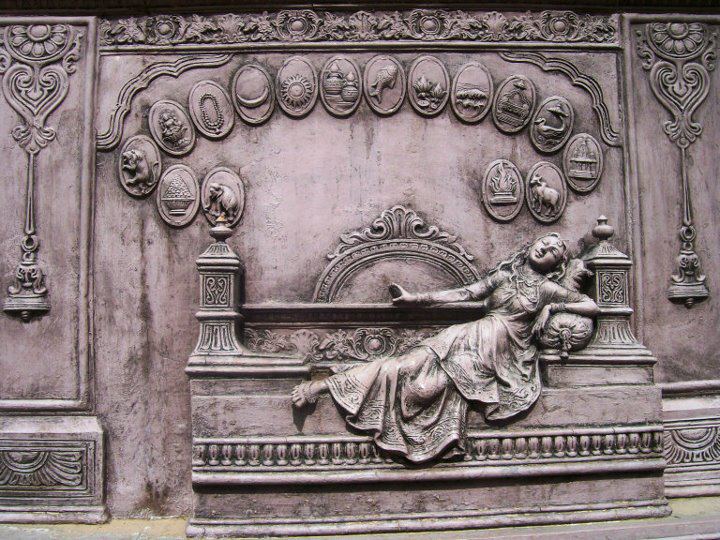
கருவுற்றிருந்த அரசி திரிசலா தேவி (Queen Trishala), நள்ளிரவில் உறங்கும்பொழுது கீழ் காணும் 14 அழகிய மங்களகரமான பொருட்களைத் தனது கனவில் கண்டார், அவை:
1. வெள்ளையானை
2. வெண்ணிறக் காளை
3. சிங்கம்
4. லக்ஷ்மி தெய்வம்
5. மலர்மாலைகள்
6. முழுநிலவு
7. சூரியன்
8. பெரிய கொடி
9. வெள்ளிக்கலசம்
10. தாமரைத் தடாகம்
11. பாற்கடல்
12. வானுலகின் பறக்கும் தேர்
13. மணிக்கற்களின் குவியல்
14. புகையற்ற நெருப்பு
1. வெள்ளையானை:
பளிங்கையும் தோற்கடிக்கும் வெண்ணிறமான யானையொன்று மிகவும் பெரிய, உயரமான, கம்பீரமான தோற்றத்தையும், நான்கு தந்தங்களைக் கொண்டிருந்தது. சிறந்த பண்புகளைக் கொண்ட யானை பற்றிய இந்தக் கனவு கூறும் நன்னிமித்தச் செய்தி, அரசிக்குப் பிறக்கும் மகன் ஞானத்தேரில் பவனி வந்து, துன்பத்தில் வாடும் உலக மக்களை அவர்களது துயரத்தில் இருந்து நீங்கும் வழியை போதித்தருளுவார் என்பதையும், பேராசைகளை ஒழிக்க உபதேசித்து உலகவாழ்வில் அவர்கள் கொண்டிருக்கும் பற்றினை ஒழிய அருள் புரிவார் என்பதையும் உணர்த்துவதாகும்.
2. வெண்ணிறக் காளை:
அரசிக்கு இரண்டாவதாக வந்த கனவில் தோன்றிய வெண்ணிறக்காளை ஒன்று வெண்தாமரையையும் விடச் சிறந்த வெண்மையைக் கொண்டிருந்தது. அழகுடனும் பொலிவுடனும் ஒளி பொருந்தி இருந்த அக்காளை நிமிர்ந்த, பெரிய, கம்பீரமான திமிலையும், மென்மையான முடிகொண்ட தோலையும், கூறிய கொம்புகளையும் கொண்டிருந்தது. இக்கனவு குறிப்பது, அரசிக்குப் பிறக்கப்போகும் மகன் சிறந்த ஆன்மிகத் தலைவராக பெரும் துறவிகளுக்கும், அரசர்களுக்கும், பெரும் அறிவாளிகளும் ஆன்மிக வழிகாட்டுதலைச் செய்பவராக அமைவார் என்பதாகும்.
3. சிங்கம்:
அரசியின் மூன்றாவது கனவில் வலிமை மிக்க சிங்கம் ஒன்று தோன்றியது. அது பெரிய வட்டமான தலையையும், சிவந்த முகத்தையும், திருத்தமான உதடு கொண்ட வாய் அமைப்புடன், கூர்மையான பற்களையும், கூரிய பார்வை கொண்ட ஒளிரும் கண்களையும், உறுதியான கால்களில் கூர்மையான பளபளக்கும் நகங்களையும், அழகிய மிக நீண்ட வாலையும் கொண்டிருந்தது. அரசியை நோக்கி மிகக் கம்பீரமாக நடந்து வந்த அந்தச் சிங்கம் அரசியின் வாய்வழியே அரசியின் உடலுக்குள் புகுந்தது. அந்தக் கனவு காட்டும் குறிப்பு, அரசிக்குப் பிறக்கப் போகும் ஆற்றல் மிகுந்த மகன், அச்சமின்றி அனைத்து வல்லமையும் கொண்டவராக உலகையே ஆளும் திறமை கொண்டவராக இருப்பார் என்பதாகும்.
4. லக்ஷ்மி தெய்வம்
திருமகள் அரசியின் நான்காவது கனவில் தோன்றினார். செல்வம், செழிப்பு, ஆற்றல் ஆகியவற்றின் இருப்பிடமான லக்ஷ்மி இமயமலையில் அமர்ந்திருக்க, அவரது பொற்பாதங்கள் பொன்னாமை போல ஒளிவீசித் துலங்க, மென்மையான மெல்லிய விரல்களைக் கொண்ட திருக்கரங்களுடன், மென்மையும் நேர்த்தியும் கொண்ட கருங்கூந்தலுடன் அவர் விளங்கினார். சரம் சரமாக நல்முத்தும், மரகதமும் பின்னிப் பிணைந்திருக்கும் அணிகலன்களோடு பல தங்க மாலைகளையும் அணிந்திருந்தார். அவர் தனது காதில் அணிந்திருந்த அழகிய குழைகள் அவரது தோள் வரை தொங்கி ஒளிவீசியது. கரங்களில் ஒளிபொருந்திய இரு தாமரைகளை ஏந்தியிருந்தார். இக்கனவு, அரசியின் மகன் ஒரு தீர்த்தங்கரராக செல்வச் செழிப்புடனும் சிறந்த ஆற்றலையும் கொண்டு மிகச்சிறந்தவராக விளங்குவார் என உணர்த்துவது.
5. மலர்மாலைகள்:
அரசி தனது ஐந்தாவது கனவில் வானத்தில் இருந்து தரையிறங்கும் மலர்மாலைகளைக் கண்டார். மிக அருமையான நறுமணம் வீசும் பற்பல மலர்கள் கொண்டு தொடுக்கப்பட்ட மாலைகள் அவை. வெண்ணிற மலர்களால் ஆன அந்த மாலையின் நறுமணம் உலகில் எங்கும் கமழ்ந்தது. வெவ்வேறு பருவ காலங்களில் மலரும் மலர்களைக் கொண்டிருந்த அந்த மாலையைச் சுற்றித் தேனீக்கள் குழுமின, அவை செய்யும் ரீங்கார ஒலி உலகை நிரப்பியது. இந்தக் கனவு அரசியின் மகனின் ஆன்மிக வழிகாட்டுதல் உலகில் எங்கும் பரவும் என உணர்த்துவது.
6. முழுநிலவு:
ஆறாவதாக அரசியின் கனவில் தோன்றியது முழு நிலவு. ஒரு மங்களகரமான நன்னிமித்தம் அறிகுறியாகக் காட்சியளித்த அந்த வெண்ணிலாவின் ஒளிமிகச் சிறப்புமிக்கதாக இருந்தது. அதன் ஒளி அல்லிகளை முழுமையாக மலரச் செய்தது. மெருகூட்டப்பட்ட கண்ணாடியைப் போல அந்நிலவு ஒளிர்ந்தது. அதன் ஒளி வெண்ணிற அன்னப்பறவை போன்று திகழ்ந்தது. அதன் ஒளிவெள்ளம் கடலலைகளை ஈர்த்து வான் நோக்கி எழும்பச் செய்தது. வானின் ஒளிவீசும் அழகிய சின்னமாக காட்சியளித்தது. இக்கனவு, அரசிக்குப் பிறக்கப்போகும் மகன் நல்ல உடல்நலம் கொண்டவராக விளங்குவதுடன், அனைவராலும் விரும்பப்படுபவராகவும், மக்களின் துயர் நீக்கி அவர்களுக்கு மனஅமைதி வழங்குவார் என்பதை உணர்த்துவது.
7. சூரியன்:
மிகப்பெரிய வட்டவடிவில் தகதகக்கும் சூரியனைத் தனது ஏழாவது கனவில் கண்டார் அரசியார். அது இருளைக் கிழித்து காட்டுத் தீயின் செந்நிறம் போல ஒளிர்ந்தது. அதன் கதிர்கள் பட்டவுடன் செந்தாமரைகள் மலர்ந்தன. வானில் காணும் கோள்களின் தலைவனாகத் தோன்றினான் அந்தக் கதிரவன். வானில் விளக்காகச் சுடர்விட்டு ஒளிதந்து இருளில் நடக்கும் கயமைகளுக்கு முடிவு கட்டியது அந்தச் சூரியனின் சுடர்மிகு ஒளி. இந்தக் கனவு, பிறக்கப்போகும் அரசியின் மகனின் அறிவும் அருளும் மக்களின் அறியாமை என்னும் இருளை அழித்து, வாழ்வில் ஒளியேற்றும் என உணர்த்துவது.
8. பெரிய கொடி:
அரசியின் எட்டாவது கனவில் தங்கக் கம்பத்தின் மீது பட்டொளிவீசிப் பறக்கும் பெரிய கொடி ஒன்று தோன்றியது. அதன் உச்சியில் மயிலிறகுகள் கொண்டு அலங்கரிக்கப்பட்டிருந்தது. கண்ணைக் கவரும் தோற்றத்தில் மென்மையாகக் காற்றில் அசைந்த அந்தக் கொடியில் சிங்கத்தின் படம் வரையப்பட்டிருந்தது. அந்தக் கனவு, உலகை நல்வழியில் நடத்தும் தலைவர் ஒருவர் பிறக்கப்போகிறார் என்று உணர்த்துவது.
9. வெள்ளிக்கலசம்:
படிகம் போன்று தெளிந்த நீர் நிரம்பிய வெள்ளிக் கலசமொன்று அரசியின் ஒன்பதாவது கனவில் தோன்றியது. குற்றங்களற்ற புனிதத் தன்மை கொண்ட நீர் நிரம்பிய அந்த அழகியக் கலசம் தாமரைமலர் சரத்தினாலும், மாலைகளாலும் மலர்களாலும் அலங்கரிக்கப் பட்டிருந்தது. நற்குணங்களின் இருப்பிடமான புனிதர் அரசியின் மகனாகத் தோன்றுவார் என்பது இக்கனவு உணர்த்தும் பொருளாகும்.
10. தாமரைத் தடாகம்:
பத்தாவது கனவில் அரசியார் ஒரு தாமரைத் தடாகத்தைக் கண்டார். அதில் ஆயிரக்கணக்கில் மிதந்துகொண்டிருந்த தாமரை மலர்கள், சூரியக்கதிரொளி பட்டவுடன் மலர்ந்து நறுமணம் வீசின. ஒளிர்ந்த அந்தத் தடாகத்தில் கூட்டம் கூட்டமாக மீன்கள் நீந்தின, அல்லி இலைகள் மிதந்து கொண்டிருந்தன. இக்கனவு உணர்த்துவது, வாழ்க்கைச் சிக்கலில் உழலும் மக்களை, அவர்களது பிறவித் துயரத்தில் இருந்து விடுவிக்கும் ஆன்மிக அறிஞர் ஒருவர் அரசியின் மகனாகப் பிறப்பார் என்பதையே.
11. பாற்கடல்:
பொங்கிப் பாய்ந்து எங்கும் அலைபரப்பும் பாற்கடல் அரசியின் பதினோராவது கனவில் தோன்றியது. அக்கடலில் காற்று வீசிக் கொந்தளிக்கும் உயர்ந்த அலைகளும், பெரிய கடல்வாழ் உயிரினங்கள் எழுப்பும் ஆரவாரமான ஓசைகளும் நிறைந்திருந்தது. மிகப்பெரிய ஆறுகள் அக்கடலில் பாய்ந்து பெரும் சுழல்களை ஏற்படுத்தின. அக்கனவு குறிப்பது அரசிக்குப் பிறக்கப்போகும் மகன் அலைக்கழிக்கும் பிறவிப் பெருங்கடலைக் கடந்து, பிறப்புத்துயர் ஒழித்து முக்தி அடைவார் என்பதை.
12. வானுலகின் பறக்கும் தேர்:
அரசி கண்ட பன்னிரண்டாவது கனவில் தேவலோகத்தின் தேர் ஒன்றைக் கண்டார். நவமணிகள் பதிக்கப்பட்ட, பொன்னாலான சிறந்த 8,000 தூண்களைக்கொண்டிருந்த அந்தத்தேரின் கூரை பொற்தகடுகளால் வேயப்பட்டு, அழகிய நல்முத்துமாலைத் தோரணங்கள் கொண்டு அலங்கரிக்கப் பட்டிருந்தது. அதில் வரிசை வரிசையாகக் காளைகள், குதிரைகள், மனிதர்கள், முதலைகள், பறவைகள், குழந்தைகள், மான்கள், யானைகள், வனவிலங்குகள், தாமரை மலர்கள் ஆகியவற்றின் அழகிய ஓவியங்கள் தீட்டப்பட்டு அலங்கரிக்கப்பட்டிருந்தது. தேரில் இனிமையான தேவகானம் ஒலித்துக் கொண்டிருந்தது. மனதை மயக்கும் அகிற்புகையினால் நறுமணமூட்டப்பட்டிருந்தது. ஒளிரும் வெள்ளியின் ஒளி போன்ற வெண்ணிற ஒளி அத்தேரில் ஏற்றப்பட்டிருந்தது. அக்கனவு உணர்த்தும் பொருள், தேவலோகத்தினரும், கடவுளரும் மதிக்கும் வகையில் சிறந்த ஆன்மிகவாதியாகப் பிறக்கும் மகன் அனைவருக்கும் நல்வழிகாட்டுவார், அவரை வானுலகத்தில் உள்ளோரும் மதிப்பர் என்பதாகும்.
13. மணிக்கற்களின் குவியல்:
மேருமலை போன்ற பெரிய குன்றாக பற்பலவிதமான விலைமதிப்பற்ற நவமணிக்கற்கள் குவிந்திருப்பதையும், பூமியில் குவிந்து கிடந்த அவற்றின் ஒளி வான்வெளியைப் பிரகாசமாக்குவதையும் தனது பதின்மூன்றாவது கனவில் அரசி கண்டார். இக்கனவு, அவரது மகன் எல்லையற்ற நல்லொழுக்கத்தையும், அறிவையும் பெற்றவராக விளங்கப்போவதைக் குறிக்கிறது.
14. புகையற்ற நெருப்பு:
அரசி தனது பதினான்காவது கனவில் தீயில் சுத்தமான நெய்யும், தேனும் குடம் குடமாக வார்க்கப்படுவதையும், அத்தீயானது புகையின்றி கொழுந்துவிட்டு எரிந்து எங்கும் ஒளிவெள்ளம் பாய்வதையும் கண்டார். இக்கனவின் குறி, அரசிக்குப் பிறக்கும் மகனின் ஞானம் உலக ஞானிகள் அனைவரது ஞானத்தையும் விஞ்சும் தன்மையில் அமைந்து சிறந்த அறிஞராக விளங்குவார் என்பதாகும்.
இவற்றுடன், 15. இணைந்த இருமீன்களும் (அறிகுறி: அழகிய திருவுருவம் கொண்டவர்) , 16. பொன்னாலான அரியணையும் (அறிகுறி: மிக உயர்ந்த ஆன்மீக நிலையை அடைபவர்), என மேலும் இரு கனவுகள் வந்ததாகவும் கூறப்படுவதுண்டு. அரசியார் கருவுற்றிருக்கையில் அற்புதமான 14 சுப கனவுகளைக் கண்டதாகவும் (சுவேதாம்பர வழிமுறை சமணம்), 16 சுப கனவுகளைக் கண்டதாகவும் ( திகம்பர வழிமுறை சமணம்) தொன்மங்கள் கூறுகின்றன. சுருக்கமாக; இக்கனவுகள் கூறுவது, சிறந்த ஆன்மஞானம் கொண்ட ஒருவர் பிறந்து, அனைவராலும் போற்றப்படும் வகையில் நல்லொழுக்கம் நிரம்பியவராக, அணைத்து உயிர்களிடமும் அன்புசெலுத்தி, மக்களின் பிறவித்துயர் நீங்கும் வகையில் நல்வழி நடத்தும் அறிவுரைகளைக் கூறி, அவர்கள் முக்தி அடையும் வழியைக்காட்டும் ஆன்மிகத் தலைவராக விளங்குவார் என்பதாகும்.


தான் என்றும் கண்டிராத வியப்பைத் தரும் கனவுகளைக் கண்டதாக அரசி திரிசலா தேவி தனது கணவர் மன்னர் சித்தார்த்தரிடம் கூறினார். அரசி கண்ட கனவின் பலனை உரைக்கக்கூடிய குறி சொல்லும் அறிஞர்களைத் தனது அரசவைக்கு வரவழைத்து விளக்கம் கேட்டார் அரசர். சிறந்த ஞானத்தைக் கொண்டவராக, ஆன்மிக வழிகாட்டும் அறிஞராக ஒரு இளவரசன் பிறக்கப் போகிறார் என்று அவர்கள் யாவரும் ஒருமனதுடன் கூறினர். இந்த நன்னிமித்தம் காட்டிய கனவினைக் கண்டு ஒன்பது மாதங்கள், இரண்டு வாரங்களுக்குப் பிறகு அரசி சைத்திர மாதம் வளர்பிறை பதின்மூன்றாம் நாளில் ஒரு ஆண்மகனை ஈன்றெடுத்தார். தனது மகனைக் கண்டு பெரிதும் மகிழ்ந்த பெற்றோர், தங்களது அரசகுல வழித் தோன்றலான அந்த மகனுக்கு, ‘என்றும் வளரும் செல்வத்தைக் கொண்டவர்’ என்ற பொருளில் “வர்த்தமானர்” என்ற பெயர் சூட்டினர்.
இந்த வர்த்தமானரே சமணத் தொன்மங்கள் குறிக்கும் சமண சமயத்தின் 24 ஆவது தீர்த்தங்கரரும், உலகிற்கு நல்வழிகாட்டுவதற்காகப் பிறந்த சமண சமயத்தின் குருவான மகாவீரர் ஆவார். இஷ்வாகு பரம்பரைச் சேர்ந்த வர்த்தமானர், வைசாலிக்கு அருகே குன்டலகிராமா என்ற இடத்தில் (இந்நாளின் பீகார் மாநிலத்தில்) பொ.ஆ.மு. ஆறாம் நூற்றாண்டில் பிறந்தார். இவர் வாழ்ந்தது பொ.ஆ.மு 599 – 527 காலம். தனது 30 வது வயதில் அரச வாழ்வைத் துறந்து துறவு வாழ்க்கையை மேற்கொண்டு மக்களுக்கு ஆன்மிக வழிகாட்டினார். மகாவீரர் பிறந்த நன்னாளை இந்தியர் மகாவீரர் ஜெயந்தியாக இன்றும் கொண்டாடுகிறார்கள்.

________________________________________________________________________
Sources:
Picture:
Jainism: Illuminated Manuscripts and Jain art
Victoria and Albert Museum
South Kensington, United Kingdom
http://www.vam.ac.uk/content/articles/j/jainism_illuminated_manuscripts-and-jain-paintings/
Information:
[1]
The Dreams of Mother Trishala
Jain Associations in North America
Colorado State University
http://www.cs.colostate.edu/~malaiya/j/dreams16/Dreams16.html
[2]
Trishala’s dreams
History of Jainism, by Ramesh Chandra Dutt (1848-1909)
http://www.herenow4u.net/index.php?id=85475
நன்றி வல்லமை: http://www.vallamai.com/?p=66458
Banukumar Rajendran
-

-
 View from the back
 -

-

A look at the unique and aesthetic architecture of a Jain temple
We drive on narrow village mud roads with several passersby looking puzzled as we ask them directions to the Chandraprabha Jain Temple in Vijayamangalam, 27 km away from Coimbatore. We are close to wit’s end when a youngster asks, “Rettai Gopuram (twin-towered) temple, is it? It’s the Amneshavar Temple,” he adds, pointing to a structure which is about half-a- kilometre from where we have stopped to find our way. Well, these are the names by which the locals know the shrine.
The south-facing temple with a three-tier Rajagopuram or tower and its towering flagpole, carved out of a single stone, are visible from afar. The stone temple, now an ASI-protected monument, remained in a state of neglect for several centuries, until it was opened for daily, one-time puja, a decade ago. However, the one-foot tall, main idol, that of Chandraprabha, along with four other idols were missing and still remain untraceable. A priestess performs puja and aarati to an empty pedestal that is bedecked with flowers. The walls of the sanctum reveal traces of murals of mythical creatures and some Tirthankaras.
The temple boasts of unique architecture. Its courtyard reveals two sections, one each dedicated to Adinatha, the first, and Chandraprabha, the eighth Tirthankara. It is evident that the former structure was either not completed at all, or fell into disrepair with the passage of time.
InscriptionThe images of the 24 Tirthankaras are sculpted on its tower. The upper walls of the entrance hall have sculpted panels narrating the life of Adinatha, from birth to the time he attained salvation. The hall also carries an inscription that reveals that the sister of Chamundaraya, the builder of the Gomateshwara statue in Shravanabelagola, lived here and undertook fasting unto liberation.
While the ceiling of the hall is ornamented with carvings of the panchakalyanaka festivals of Lord Chandraprabha and the idols of the Tirthankaras, the walls and pillars of the hall are embellished with sculpted images portraying life, floral motifs and of dancing girls.
That life and death are cyclical and sides of a coin, is aesthetically captured in twin panels, one symbolised by a pregnant woman, and the other by a reclining woman.
A dance hall in ruins, dating back to the 13th Century, is another highlight of the temple. The outer walls of the temple bear carvings of mythological beasts, believed to be guarding the sanctum.
A dimly-lit ante-chamber leading to the sanctum sanctorum is adorned with idols of a few Tirthankaras.
Stone inscriptions in Pali and Tamil languages dot the temple complex.
The history of Vijayamangalam dates back to the 6 century when it was the capital of Kongunadu, the seat of the Chera kings of ancient Tamilagam.
Though the origins of the temple and its date of construction are rather nebulous, it was doubtlessly dedicated to Chandraprabha, and is claimed to be one of the oldest Jain temples in the Kongu region.
The village also enjoys pride of place for being the birthplace of Bhavanadi, the Jain monk who authored Nannul, the Tamil grammar book.
Oru Arizonan
Oru Arizonan
Banukumar Rajendran
தமிழகக் கோவில்களுக்கும், சமண வழிபாட்டுத்தலங்களுக்கும் இடையே உள்ள கட்டுமான ஒற்றுமை என்னை வியப்படையவைக்கிறது.கோவில்களின் வடிவமைப்பு ஆகம விதிகளுக்கு உட்பட்டது. ஆகமவிதிகளுக்கான வடமொழிச் செய்யுள்கள் சிலவற்றை பத்மஸ்ரீ முத்தையா ஸ்தபதி அவர்கள் என்னிடம் சொல்லியிருக்கிறார்.அதே விதிகள் சமணக்கோவில்களின் வடிவமைப்பிலும் காணப்படுவதின் காரணத்தை ஆய்வது -- சமணத்திற்கும், சனாதன சமயத்திற்கும் உள்ள -- இதுவரை நமக்குத் தெரியாத -- ஒற்றுமைகளை வெளிச்சத்திற்குக் கொண்டுவரும் வாய்ப்பிருக்கிறது.
ஒரு அரிசோனன்
--
Banukumar Rajendran

மகாராஷ்டிர மாநிலத்தில், நாசிக் மாவட்டத்திலிருக்கும் சமணத்தலம் மங்கி துங்கி. இங்கே 24 தீர்த்தங்கரர்களில் முதலாமவராகக் கருதப்படும் ரிஷபதேவரின் 108 அடி சிலை சமீபத்தில் பிரதிஷ்டை செய்யப்பட்டது. ஆயிரக்கணக்கான பக்தர்கள் சூழ பஞ்ச கல்யாண பிரதிஷ்டை சிறப்பாக நடைபெற்றது.
இந்திரன் மற்றும் இந்திராணியின் ஒப்பனையுடன் பக்தர்கள் மகாமஸ்தகாபி ஷேகத்தில் கலந்துகொண்டனர். தண்ணீர், பால் மற்றும் பழச்சாறுகளால் செய்யப்படும் அபிஷேகம் இது.
முதல் அபிஷேகம் நடக்கும்போது ‘ஜெய் ரிஷபதேவா’ என பக்தர்களின் கோஷம் வானத்தை எட்டியது. சமணர்களின் மகாமந்திரமான நமோகர் மஹாமந்திரமும் ஓதப்பட்டது. மங்கி துங்கி மலையில் ஏற இயலாத முதியவர்கள் அடிவாரத்திலிருந்தே ரிஷபதேவரைத் தரிசித்தனர்.
சமண சாஸ்திரங்களின் அடிப்படையில் தீர்த்தங்கரர்களின் சிலைகள் அமைக்கப்படுகின்றன. தீர்த்தங்கரர்களின் சிலைகள் பிரதிஷ்டை செய்யப்படும் போது, இந்திரர்கள் அவர்களுக்கு அபிஷேகம் செய்வதாக நம்பிக்கை உள்ளது. அபிஷேகம் செய்யப்படும்போது மந்திரங்கள் ஜெபிக்கப்படும். இந்த மந்திரங்கள் சிலைகளை சக்திவாய்ந்ததாக மாற்றும். உயிருள்ள தீர்த்தங்கரர்களைப் போலவே இந்த மந்திரங்களைச் சொல்வதன் மூலம் பிரார்த்தனைகளுக்கு இந்தச் சிலையுருவங்கள் பதில் தரும் என்கிறார் ரிஷபதேவர் சிலைக்கான அடித்தளம் நாட்டிய சமணப் பெண்துறவியான ஆர்யிகா கியான்மதி மாதாஜி.
மோட்சத்தின் நுழைவாயில்
இந்தச் சிலை ரிஷபநாதரின் உருவத்தைப் போலவே இருக்கவேண்டும். 108 அடி உயரத்தில் அமைக்கப்பட வேண்டும். கிழக்கு நோக்கிப் பார்ப்பதாய் அந்த சிலையுருவம் இருக்க வேண்டும் என்ற மூன்று எண்ணங்கள் அவருக்கு முதலில் தோன்றின. 1990-களில் தொடங்கிய இப்பணியில், மலையின் உச்சிக்குச் செல்லும் பாதையை அமைப்பதற்கே ஐந்து ஆண்டுகள் ஆகிவிட்டன. ரிஷபதேவருக்காக மலையின் ஒரு பகுதி வெட்டப்பட்டு 108 அடி உயரமுள்ள ஒற்றைப் பாறை கண்டெடுக்கப்பட்டது.
2500 அடி உயரத்தில் இருக்கும் இரட்டை மலைகளான மங்கி துங்கி என்னும் இந் சித்த க்ஷேத்திரத்தை முக்தியின் நுழைவாயிலாக சமணர்கள் கருதுகிறார்கள். சமணப் புராணங்களின் படி, ராமனும், லக்ஷ்மணனும், ஹனுமனும் மோட்சம் அடைந்த மலை இது. கிருஷ்ணரும் தனது கடைசிக் காலத்தை, மங்கி கிரியில் கழித்ததாகக் கருதப்படுகிறது. பலராமர் தனது அண்ணனுடன் இங்கே முக்தி அடைந்ததாகவும் புராணக் கதை உள்ளது.
மங்கி துங்கி மலையின் மீது நின்று ரிஷபதேவர் மோட்சத்திற்கு வழிகாட்டுகிறார்.
சித்த க்ஷேத்திரங்கள் என்றால் என்ன?
ஒரு தீர்த்தங்கரர் பிறக்கும் இடத்தையும் நிர்வாணம் அடைந்த இடத்தையும் எப்போதைக்குமான நிலைத்த தீர்த்த தலம் என்று சமணம் கருதுகிறது. தீர்த்தங்கரர்கள் பிறப்பு, தீட்சை, தவம் மற்றும் நிர்வாணம் அடையும் இடங்கள் சித்தக்ஷேத்திரம் என்று அழைக்கப்படுகிறது. சமணத்தைப் பொருத்தவரை ஆண்களும் பெண்களும் சமமாகவே கருதப்படுகின்றனர். அதனால் தீர்த்தங்கரர்களுக்கு அபிஷேகம் உள்ளிட்ட சடங்குகளைப் பெண்களும் செய்வார்கள்.
Banukumar Rajendran

விலங்குப் பிறவி, நரகப் பிறவி, தேவப் பிறவி, மனிதப் பிறவி ஆகிய நான்கு பிறவிகளும் தத்தம் வினைகளுக்கேற்ப மீண்டும் மீண்டும் ஏதாவது ஒரு பிறவியில் பிறக்கின்றன. அவை பிறந்து பிறந்து துன்பங்களையும் அனுபவிக்கின்றன. தெய்வப் புலவர் “இடுக்கண் வருங்கால் நகுக”, “இலக்கம் உடம்பு இடும்பைக்கு”, “இடும்பை இயல்பு என்பான்” என்றெல்லாம் துன்பத்தைப் பற்றி எடுத்தியம்பி உள்ளார். இத்துன்பம் தன்னியல்புத் துன்பம், மனோ துன்பம், ஆகந்துத் துன்பம், உடல் துன்பம் என நான்கு வகைப்படும்.
தன்னியல்புத் துன்பம்
இது ஒவ்வொரு பிறவிக்கும் தானாகவே தோன்றுகிறது. விலங்கு கதியில் பிறக்கும்பொழுது அவ்விலங்கு இயல்பாகவே பயத்தைக் கொண்டிருக்கும். இது விலங்குகளின் தன்னியல்புத் துன்பமாகும். உயிர், நரக கதியில் பிறக்கும் பொழுது, நரகர்கள் உயரே எழும்பி எழும்பித் தலைகீழாக விழுந்து விழுந்து துன்புறுவர். இது நரக கதியில் நரக உயிர்களுக்குரிய தன்னியல்புத் துன்பமாகும். தேவ கதியில் பிறந்த உயிர், தான் எப்பொழுது இறந்துவிடுவோமோ என்ற மரண பீதியில் துயரத்தை அனுபவித்துக்கொண்டேயிருக்கும். இதுவே தேவ பிறவியின் தன்னியல்புத் துன்பம் ஆகும். மனித கதியில் பிறந்த உயிர் தன் குடும்பத்தைப் பராமரிப்பதிலேயே துன்பப்பட்டுக்கொண்டு இருக்கும். இத்துன்பமே மனிதப் பிறவிக்குத் தன்னியல்புத் துன்பமாகும்.
மனோதுன்பம்
மனத்தை உடைய உயிர்களுக்கு அவற்றின் மனதில் தோன்றும் துன்பம் மனோதுன்பம் என்று அழைக்கப்படும்.
ஆகந்துகத் துன்பம்
மனதில் ஒன்றை நினைத்து, நிகழ்வது வேறொன்றாக இருக்கும்போது ஏற்படும் துன்பமே ஆகந்துகத் துன்பம். அது இடையில் வரும் துன்பம்.
உடல் துன்பம்
இது உடல்களில் உண்டாகும் துன்பம் ஆகும்.
இந்தத் துன்பங்களைக் கொண்டுள்ள உயிர்கள் அறநெறியை அரவணைத்து நிலை பெற்றுவிட்டால் துன்பங்களுக்குக் காரணமான பிறவியெடுப்பது நீங்கும். பிறவிப் பெருங்கடல் நீந்தி இறைவன் அடிசேர்ந்து உயிர்கள் என்றும் பிறவா ஆன்ம சுகம் அடைய முடியும்.
“மனத்திடைப்பிறக்கும் துன்பம் வந்துறு மவற்றின் துன்பம்
தனுத்தனில் பிறக்குந் துன்பம் தானியல் பாய துன்பம்
எனச் சொலப் பட்ட நான்கும் யாவர்க்கு மாகும் இன்ன
நினைத்தறம் புணரின் நின்ற தீக்கதி நீங்கு மென்றேன்”
- மேரு மந்தர புராணம்
DEV RAJ


coral shree
--
You received this message because you are subscribed to the Google Groups "வல்லமை" group.
To unsubscribe from this group and stop receiving emails from it, send an email to vallamai+u...@googlegroups.com.
For more options, visit https://groups.google.com/d/optout.
Take life as it comes.
Banukumar Rajendran
Doorway to Jaina history


Related
Bahubali of Artipura
Less than a kilometre from the Kanakagiri hillock at
Artipura is a steep hill called Savanappana Gudda. On top of it stands a
10-foot-ta... »
At Artipura in Karnataka the ASI unearths a Jaina centre that flourished during the time of the Gangas and the Hoysalas. By T.S. SUBRAMANIAN
IT is hard not to relish the sights along the way to Kanakagiri, a granite hillock at Artipura village in Karnataka’s Mandya district. At the foot of the hillock is a pond with water lilies abloom amid leaves floating on the water. And more pleasantly, we come across a quaint custom—a house-warming ceremony for which brightly-coloured sarees are laid on the street for the new homeowners to walk on. It is not clear whether it carries vestiges of the past, but up the granite hillock situated some 110 kilometres from Bengaluru, there are more sights and stories that will lead us to a rich heritage and culture.
Midway up the hillock, as one approaches a flat area on the rock, a depression springs into view. On one side of it is a natural cavern, with a ridge carved above the doorway to prevent water from entering the cave. A man-made trough in front of it collects rainwater to cater to the needs of visitors. Inside the cavern is a brief, faded inscription in the Nagari script. Outside the cavern, is a series of bas-reliefs of Jaina tirthankaras, some seated and others standing. Significantly noticeable is the sculpture of Parsvanatha, the 23rd tirthankara in the Jaina pantheon, standing on a lotus pedestal under the hood of a snake.
Thirteen tirthankaras are carved in the series and above them a 14th one stands alone. Below these bas-reliefs are a couple of faded inscriptions in the Kannada script and language used in the ninth/tenth century C.E. The outline of a tirthankara chiselled into the rock and for left unfinished for some reason provides us an insight into how these bas-reliefs were made.
On the rock floor lay a variety of loose sculptures. They were probably left near the bas-relief sculptures decades ago by people who brought them from the hilltop. One of the sculptures is of Parsvanatha, standing under the hood of a seven-headed snake. Carved out of chloristic schist stone, the sculpture belongs to a time when the Ganga kings ruled areas near Artipura from the fourth to the tenth century C.E. This Parsvanatha sculpture is rather plain, with just the Asoka vriksha (tree) carved on the stone borders and three umbrellas, or chatra triya, above the hood of the snake.
In contradistinction to this is an ornate sculpture of Parsvanatha belonging to the time of the Hoysalas, who ruled this part of the country from the 11th to the 14th century C.E. The wealth of sculptural details on this is remarkable. Here Parsvanatha is seen standing on a simha (lion) throne that has carvings of lions and celestial beings. On either side of him at the bottom are figurines of yaksha Dharnenda and yakshi Padmavathy, and at shoulder lever are chamara (fly-whisk)bearers and above them Asoka trees.
Banukumar Rajendran
Other sculptures include that of yakshis, yalis, a headless tirthankara, Kubera, fly-whisk bearers, a portion of a bali peeta (where offerings are made), and broken pillars, some of them plain and others with carvings on them.
Scientific clearance
On top of the hillock, the team of the Archaeological Survey of India (ASI), Bengaluru Circle, led by T. Arun Raj, P. Aravazhi and R.N. Kumaran, has, in what is called “scientific clearance” in archaeological parlance, unravelled a Jaina complex consisting of 12 Jaina basadis (temples) and mathas (monasteries). Scientific clearance, as opposed to excavation, involves an element of certainty because it is based on the knowledge that collapsed structures are sure to be found in a site or mound. After documenting a site or mound, archaeologists remove the soil slowly to unearth structures that lie buried or half-buried there.
In 30 big trenches at Kanakagiri lie the remains of basadis, built in brick first by the Gangas and later rebuilt and strengthened with stone veneering by the Hoysalas. Among the ruins of these Jaina temples are sculptures of Adinatha, the first tirthankara; highly embellished pilasters with carvings of different tirthankaras and their lanchanas (representative symbols such as the monkey, the horse, the rhinoceros, the elephant and the kumbha (pot) of each tirthankara); a large, superbly sculpted tirthankara in seated position in the sanctum of one of the 12 temples; sculptures of Kubera, yakshi Ambika, Chakra Dharini, dwarapalakas (doorkeepers), chamara-bearers; nishidi pillars to commemorate sallekhana (a Jaina vow to embrace death by fasting); big slabs with inscriptions in Kannada, datable to the 11th century; and long-running inscriptions on the plinth of collapsed temples and carved stone stairs.
A nishidigai is a memorial erected for a Jaina monk or a layperson at the site of his or her sallekhana. The petrograph indicates the number of days of the fast. The ornate and intricate carvings on the pilasters are typical of the Hoysala period. Ubiquitous among the sculptures are Adinatha, or Rishabhanatha, who is popular among Jaina devotees.
“Kanakagiri is now a veritable open-air museum of Jaina basadis and sculptures,” said Arun Raj, Superintending Archaeologist, ASI, Bengaluru Circle.
Two phases of activity
The site lasted from the ninth to the 14th century, patronised by the Ganga, the Hoysala and the Vijayanagara dynasties. Structural activity on the site was essentially in two phases. During the first phase, the Gangas built basadis with bricks. In the second phase, the Hoysalas provided a granite stone veneering to these structures. Besides, they expanded the structures by adding ardha mantapas, mukha mantapas, and so on. But they did not change the direction of the temples.
“This is one of the biggest scientific clearances undertaken at a Jaina site,” said Arun Raj. “Here the inscriptional evidence confirms the archaeological discoveries we have made. We first exposed a Jaina temple on the western side last year. Then from October 2015 to March 2016, we unearthed 12 Jaina basadis on the eastern side. After the rains in 2016, we will resume the scientific clearance.”
Summing up the importance of the Artipura site, Aravazhi, Assistant Archaeologist, ASI, said: “It is here that we get various types of Jaina architecture. We have bas-relief carvings of tirthankaras near the natural cavern. We have exposed 12 structural temples built of bricks and also the remains of monasteries. There is rock-cut architecture, monolithic sthampas and nishidi pillars. Besides, Sravanabetta, the hill with its 10-foot-tall, free-standing sculpture of Gomatesvara, is situated nearby. The complete set of Jaina architecture of south India is available here at Artipura.”
K.P. Poonacha, former Joint Director General, ASI, who was at Kanakagiri on February 26 when the Frontline team was visiting, said, “During its heyday, between the ninth and 14th centuries, this site was one of the most important Jaina religious complexes in this part of Karnataka.” He said the information available from the inscriptions at the site was corroborated by the archaeological discoveries in the scientific clearance.
Date of the site
Aravazhi said the site can be dated to 917 C.E. according to the inscriptions. He said the site formed “a transitional phase from bas-relief sculptures to free-standing sculptures”. The sculptures found here bear similarities with the bas-relief sculptures of tirthankaras carved on hills around Madurai in Tamil Nadu, he said.
In his book Temples of the Gangas of Karnataka, first published by the ASI in 1962, the late I.K. Sarma, who retired as an ASI Director, says that “two indigenous kingdoms rose in Karnataka during the middle of the fourth century A.D.”. They were the Kadambas of Banavasi and the Gangas of Talakadu which controlled territories in the southern and eastern Karnataka for a long period up to the end of circa 10th century A.D. The Gangas were great patrons of Jainism. It was during the reign of the Ganga king Nitimarga II (regnal years circa 904 to 919) that several of the brick-built basadis on the Kanakagiri hill were built.
Sarma says: “It is not known why Nitimarga II built an extensive Jaina basadi in brick at this place and gifted all the income from the village to the great Jaina teacher Kanakasena Bhatara. The very name of this place, Kanakagiri Tirtha, seems after this great teacher who inspired the Ganga kings to consolidate Jainism in this area. More interestingly, this sacred Jaina-tirtha with brick basadis continued to enjoy royal patronage not only during the time of Hoysala kings Vishnuvardhan (1117) and Vira Ballaladeva II (1220) but also during the Vijayanagara period and became a sacred resort for great Kannada litterateurs.”
Owing to the dominance of Jainism in the village and its association with scholars and saints, it was affixed titles such as Kavikandarpa Tippeyur during the Hoysala period and Bastiya Tippuru during the Vijayanagara rule, Sarma says. (In ancient days, Artipura was known as Tippuru.)
What made the ASI staff to take up the scientific clearance atop Kanakagiri was an inscription on a stone slab found among a heap of bricks. Both its script and language were in Kannada of the Hoysala period of the 13th century. The inscription, which was done at the instance of the poet Balachandradeva, is about the existence of a temple complex built of bricks and how the Hoysalas rebuilt it with stone. Balachandradeva did this in memory of his father, the poet Kandarpadeva, and mother, Sonnadevi. Kandarpadeva, known as “kavi chakravarti”, belonged to Tippuru itself. The inscription, in Kannada, can be dated to 1220 C.E. during the reign of the Hoysala king Vira Ballaladeva.
The scientific clearance has also unearthed several other inscriptions. On paleographic grounds, most of the inscriptions, belonging to the eighth/ninth century C.E., were that of the Gangas, said Anil Kumar R.V., Assistant Epigraphist, ASI, Mysuru. Most of the short inscriptions or those which are found in fragmentary form are in praise of different persons. “We are currently getting inscriptions that belong to the Hoysala period,” he said.
The ASI staff has taken estampages of long inscriptions on the plinth of a Jaina temple in the complex. “Although these inscriptions are not dated, they belong, on paleographic grounds, to the Hoysala period,” Anil Kumar said.
The scientific clearance has also thrown up notable sculptures such as that of the pot-bellied Kubera. “This sculpture is important because it belongs to the Ganga period. We have plenty of Hoysala sculptures but Ganga sculptures are only a few,” Aravazhi said.
The second season of excavation on the eastern side of the hilltop has brought to light temples originally built with bricks by the Gangas and later buttressed with stone veneering by the Hoysalas.
Referring to two nishidi pillars/slabs to commemorate the sallekhana, Aravazhi said the first slab had carvings of a Jaina sage granting diksha to a king, with his three wives, before the king undertook his vow. The second slab had carvings of a Jaina teacher granting diksha to a woman to undertake sallekhana.
Professor K. Ajithadoss Jain, former head of the Department of Plant Biology and Plant Biotechnology, Presidency College, Chennai, and a specialist in Jainism, said the slabs with the carvings might not be nishidi pillars. “The carvings show Jaina acharyas preaching Dharma to the members of a royal family. In the second slab, there is a bookstand next to the acharya,” he said.
The scientific clearance gives insights into how the Jaina temple complex would have flourished for several centuries before it came to ruins. The rocky surface of the hill was first levelled before the entire temple complex was built. Pointing to a particular temple, Aravazhi explained how it came up and underwent changes later. He said: “There are two working levels for this temple: the brick structures belong to the Gangas and the stone masonry to the Hoysalas. There is a big, wide brick wall of the Ganga period. There are two garbha grihas adjacent to each other, belonging to the Ganga and the Hoysala period. When the Hoysalas came to this area, the original temple had been abandoned. So they built another temple adjacent and above the earlier one.” Each temple had a math for the monks to stay and learn the scriptures.
At the far end of the eastern side is a temple showing early Hoysala influence. In the sanctum sanctorum is the sculpture of a superbly carved Rishabhanatha in a seated position radiating tranquillity. The sanctum has no roof and three of the four pillars that would have supported the roof remain. Stone veneering to the brick walls of the various structures are visible and the stone walls have carvings of flowers and animals.
“The Hoysalas rarely used granite for making sculptures,” said Aravazhi. “But in this temple they have used both granite and schist in this temple. The seated tirthankara is made of schist stone. The same stone was used for making sculptures at Belur and Halebid [in Karnataka].”
Arun Raj said the ASI had plans to conserve the Artipura site. The mahamastakabhisheka (a Jaina festival held once in 12 years) of Gomatesvara at Sravanabelagola in Hassan district in the State is scheduled to be held in 2018 and several lakhs of devotees are expected to attend it. “We need the support of the local panchayat and the local people to popularise Artipura because Jaina pilgrims can visit Artipura on their way to Sravanabelagola. There is a Jaina site at Kambadahalli in Mandya district which can also be popularised,” he said.
Banukumar Rajendran
Bahubali of Artipura

Less than a kilometre from the Kanakagiri hillock at Artipura is a steep hill called Savanappana Gudda. On top of it stands a 10-foot-tall monolithic sculpture of Gomatesvara. While the imposing 57-foot (17.37-metre) monolithic statue of Gomatesvara, or Prince Bahubali, at Sravanabelagola in Karnataka is world famous, the one at Savanappana Gudda is a big draw for specialists in Jainism.
The arduous climb up Savanappana Gudda hill is worth it when you get to see the Bahubali sculpture there. The prince is doing penance in the forest, creepers have grown around his feet, and his two sisters are entreating him to give up the penance. Prince Bahubali gave up fighting with his brother and walked the path of penance after the example of Mahavir. Arun Raj T. and P. Aravazhi of the Archaeological Survey of India (ASI), Bengaluru Circle, contend that the Gomatesvara at Savanappana Gudda was sculpted about 65 years before the one at Sravanabelagola.
An edict on Savanappana Gudda says the Bahubali sculpture there was made in 918 C.E. (The Gomatesvara at Sravanabelagola was sculpted circa 983 C.E.) The argument in favour of it being sculpted earlier rests on the fact that the rear of the statue at Savanappana Gudda has not been sculpted at all, while that of the one at Sravanabelagola has been smoothly sculpted.
Just as there are Kanakagiri and Savanappana Gudda at Artipura, there are the twin hills Vindhyagiri/Indragiri and Chandragiri at Sravanabelagola. The Gomatesvara at Sravanabelagola was sculpted during the reign of the Ganga king Rajamalla IV (regnal years 974-985 C.E.), and the credit for it is given to his minister Chamundaraya. It is carved out of granite rock.
Opinion divided
However, opinion is divided on which sculpture is older. Professor K. Ajithadoss Jain, a Tamil Jain, said the Gomatesvara at Sravanabelagola was more sophisticated in its features and hence the other would be older. However, other specialists in Jaina iconography say “it is a matter of debate”.
In an article “Nishidhi stones and the ritual of sallekhana” in Homage to Shravana Belgola, first published in 1981, Professor A. Sundara, noted archaeologist from Karnataka, who calls the Gomatesvara at Sravanabelagola a “Jaina iconographical colossus”, says: “The date of its creation is taken as 983 but the date of its consecration is equivalent to 1028. We have no explicit record as to when the work began. But it could only be after 978 for the Chamundaraya Purana composed by Chamundaraya himself, during this year, does not make any mention of this great achievement.”
T.S. Subramanian
Banukumar Rajendran
http://tamil.thehindu.com/society/spirituality/%E0%AE%85%E0%AE%9F%E0%AF%8D%E0%AE%9A%E0%AE%AF-%E0%AE%A4%E0%AE%BF%E0%AE%B0%E0%AF%81%E0%AE%A4%E0%AE%BF%E0%AE%AF%E0%AF%88-%E0%AE%85%E0%AE%A9%E0%AF%8D%E0%AE%B1%E0%AF%81-%E0%AE%86%E0%AE%95%E0%AE%BE%E0%AE%B0-%E0%AE%A4%E0%AE%BE%E0%AE%A9%E0%AE%AE%E0%AF%8D/article8560257.ece
அட்சய திருதியை அன்று ஆகார தானம்

ஆதிபகவனான விருஷபநாதர் மேருமலை போல் அசையாமலும், கடல்போல் கலக்கமற்றும் காற்றைப் போல் எதிலும் பற்றற்றும், ஆகாயம் போல் மாசின்றியும் தவத்திலிருந்தார். ஆறுமாதம் சென்றது. அவர் முனிவர்களுக்கு சர்யா மார்க்கமாகிய ஆகாரம் ஏற்கும் முறைகளையும் இல்லறத்தாருக்கு ஆகார தானம் அளிக்கும் வழிகளையும் விளக்க விரும்பினார்.
விருஷபநாதர் எல்லா இடங்களிலும் எழுந்தருளினார். அசுவினி நட்சத்திரத்தின் போது வரிசையாக வரும் நிலவு போல எல்லா வீதிகளிலும் வீடுகளிலும் முறையாக மவுனமாக எழுந்தருளினார்.
மக்களுக்கோ விருஷபநாதரின் எண்ணம் புரியவில்லை. அவர்களுக்கு எதிர்கோடல் முதலிய ஒன்பதுவகைப் புண்ணிய வழிமுறைகள் தெரியவில்லை. எனவே சிலர் யானை குதிரை போன்றவற்றையும், சிலர் பட்டாடைகளையும் சிலர் உயர்ந்தரக அணிகலன்களையும் காட்டினர். ஆனால் எவருக்கும் ஆதிநாதருக்கு ஆகார தானம் செய்யும் எண்ணம் தோன்றவில்லை. எனவே பகவான் மேலும் ஆறுமாதம் உபவாசம் மேற்கொண்டார்.
மன்னனுக்கு வந்த கனவு
அஸ்தினாபுரத்து அரசன் சிரேயான்சன் கனவில் மகாமேரு, கற்பகத்தரு, சிங்கம், விருஷபம், சூரியன், சந்திரன், சமுத்திரம், எண்வகை மங்கலங்களை ஏந்திய தேவதைகள் தோன்றினர். அவன் மறுநாள் புரோகிதனை அழைத்து தன் கனவுக்கு விளக்கம் கேட்டான்.
புரோகிதன் அரசனிடம், மகாமேரு கனவில் வந்ததால், விருஷபதேவர் சர்யா மார்க்கமாக இந்நகரத்துக்கு எழுந்தருளுவார். மற்றவை இறைவனின் குணநலன்களையும் நமக்கு வரும் சிறப்புகளையும் குறிக்கும் என்றான். அதைக் கேட்ட அரசன் மகிழ்வுற்றான்.
மறுநாளே சுவாமி வந்தார். சிரேயாம்சன் அவரை எதிர் கொண்டு அழைத்தான். பகவானை வலம்வந்து வணங்கினான். சிரேயாம்சனுக்கு முற்பிறவி ஞானம் வந்தது.
முற்பிறவியில் முனிவருக்கு ஆகார தானம் கொடுத்ததும் அதன் வழிமுறைகளும் அவனுக்குத் தோன்றின. உடனே இது பகவானுக்கு ஆகார நேரமென உணர்ந்தான். தானம் செய்பவருக்கான முறைகளோடு சுவாமியை அரண்மனைக்கு அழைத்துச் சென்று உயர்ந்த இருக்கையில் அமரச்செய்தான். அவரின் பாதங்களைத் தூய நீரால் கழுவி, அந்தப் புனிதநீரைத் தன் தலையில் தெளித்துக்கொண்டான். மனம்,மெய்,மொழிகளால் தூயவனாகி வணங்கினான்.
தூய கருப்பஞ்சாற்றால் பகவானின் திருக்கரமான பாத்திரத்தில் நிரப்பினான். அவரும் அருந்தினார். தேவர்கள் பூமாரி பொழிந்தனர்.தேவ வாத்தியங்கள் முழங்கின. நறுமண மந்தமாருதம் வீசியது.
பகவான் ஆகாரம் ஏற்றார். இவ்வாறு முனிவர்களுக்கான ஆகாரம் ஏற்கும் முறையையும் இல்லறத்தாரின் ஆகார தானம் அளிக்கும் முறைகளையும் நடத்திக்காட்டி மீண்டும் மவுனமாக வனத்தில் எழுந்தருளினார்.
இம்முறைப்படியே இன்றும் சமண இல்லறத்தார்களும் முனிவர்களும் பின்பற்றி போற்றி வருகின்றார்கள். அட்சய திருதியை அன்றுதான் பகவான் ஆகாரம் ஏற்றப் புனிதநாளாகும்.
Banukumar Rajendran

ஒவ்வொரு மதத்திலும் மந்திரங்கள் முக்கியப் பங்கு வகிக்கின்றன. சமண மதத்திலும் மந்திரங்கள் போற்றப்படுகின்றன.அவற்றில் தலையாயது பஞ்சமந்திரம் ஆகும்.இதனை சமணர்கள் குழந்தைகள் முதல் அனைவரும் அறிந்துள்ளனர்.
நமோ அரிஹந்தாணம்
நமோ ஸித்தாணம்
நமோ ஆஇரியாணம்
நமோ உவஜ்ஜாயாணம்
நமோ லோயே ஸவ்வஸாஹூணம்,
என்பதுதான் அம்மந்திரம்.இதனை ணமோகார மந்திரம்,பஞ்சமந்திரம்,மூல மந்திரம்,அனாதி மந்திரம்,நமஸ்கார மந்திரம் என்றெல்லாம் அழைப்பர். பிராகிருத மொழியில் உள்ள இது யாரால் எப்பொழுது ஆக்கப்பட்டது என்றுத் தெரியவில்லை.”ஷட்கண்டாகமம்” எனும் நூல்தான் முதன்முதலில் வரிவடிவம் பெற்றதாகும்.அதில் இந்த பஞ்ச மந்திரம் கடவுள் வாழ்த்தாக அமைந்துள்ளது
அருகதையோருக்கு வணக்கம்,சித்தர்களுக்கு வணக்கம், ஆசாரியர்களுக்கு வணக்கம்,ஆசிரியர்களுக்கு வணக்கம்,உலக சாதுக்களுக்கு வணக்கம் என்பதுதான் இம்மந்திரத்தின் பொருளாகும்.இதில் எந்தவொரு மதக்கடவுளின் பெயரும் குறிப்பிடவில்லை.பொதுவாகவே உள்ளது.இதன் சிறப்பு பற்றி சீவக சிந்தாமணி நூலில் கூறப்பட்டு உள்ளது.
ஒரு நாயானது நான்மறைவல்ல அந்தணர்களுக்காக தயாரித்து வைக்கப்பட்டிருந்த உணவை சிறிது உண்டுவிட்டது. அதனைக் கண்டவர்கள் நாயை நன்றாக அடித்து கால்களை ஒடித்து விட்டார்கள். அவ்வேளையில் கள் அருந்திய நிலையில் வந்த நாயின் உரிமையாளன் அந்தணர்களை நாயை அடித்தற்காக,அவர்களை அச்சுறுத்தி சண்டையிட்டுக் கொண்டிருந்தான்.அப்பொழுது சீவக சிந்தாமணி காப்பியத் தலைவன் சீவகன் தன் வழியில் வரும்பொழுது அடிபட்டு துடிதுடித்துக் கொண்டிருக்கும் அந்நாயைக் கண்டு பதை பதைத்து வருந்தினான்.குடிகாரனிடம் ஆறுதல் கூறி அவனைத் தேற்றி அனுப்பி,அந்தணர்களின் ஆபத்தை நீக்கினான்.
நாயின் நிலையைக் கண்டு சீவகன் அழுதான்.அதன் அருகில் சென்று அடித்து அடித்துத் துடித்த நாய்க்கு அதன் காதில் ஐந்து மந்திரத்தை உரைத்தான்.மறக்காமல் இம்மந்திரத்தை நினைத்தால் உன் தீவினை மறைய எப்போதும் நீங்கா பேரின்பத்தை அடைவாய் என்றான்.அந்த நாயும் புனிதமான பஞ்சமந்திரத்தைக் கேட்டு மனதில் இருத்தி இறந்தது.அதனின் உயிர்,பாணிமுகம் என்ற முறைப்படி விலங்கான அந்நாயின் உடலை விட்டு நீங்கி,மேலுலகத்தில், மகாமந்திரம் கேட்டதால் சுதஞ்சனன் எனும் தேவனாகப் பிறந்தது.
Banukumar Rajendran
எட்டுச் செருக்குகள்

மண்டலத்தைக் கோலோச்சிய கொங்கு வேளிர் படைத்த காப்பியம் பெருங்கதை ஆகும். இந்தக் காப்பியத்தின் தலைவன் உதயணன் எனும் பேரரசன். ஒருநாள் அவனுடைய பட்டத்து யானை மதம் கொண்டு யாருக்கும் கட்டுப்படாமல் ஓடியது. ஒரு இடத்தில் தருமவீரர் எனும் துறவியின் தரும அறவுரைகளைக் கேட்டு அமைதியானது. பின் அரண்மனைக்குச் சென்றது. யானையைக் கண்ட உதயணன் அதன் மீதேறி அமர்ந்தான். யானை, தானாகவே தருமவீரரிடம் சென்றது. மன்னன் முனிவரைக் கண்டு வணங்கினான்.
கொங்கு
அப்போது மதம் எனும் செருக்கு பற்றி முனிவர் விளக்கிக்கொண்டிருந்தார். அறிவு, சாதி, குலம், செல்வம், வலி,வனப்பு, சிறப்பு, தவம் ஆகிய எட்டு செருக்குகள் உள்ளன என்று கூறிய அவர் அவற்றைப் பற்றி விவரித்தார்.
அறிவுச் செருக்கு
தான் பேரறிஞன் என்றும் தன்னைவிட எவரும் பெரிய அறிவாளி அல்ல என்று கருதுவதும் அறிவுச் செருக்காகும். இதனைப்போக்க, பிறர் மனத்தையே அறியும் ஞானமுடையவர்கள், கேவலி பகவான், வேத விற்பன்னர்கள் போன்றோர் முன்னர் தாம் எம்மாத்திரமென்று சிந்திக்க வேண்டும்.
குலச் செருக்கு
மற்றவர் குலத்தைவிடத் தன் குலம் உயர்ந்தது என்று எண்ணுதல் ஆகும். இதற்கு, மகாபுருஷர்களின் வம்சத்தைவிடவா நம் வம்சம் என நினைக்க வேண்டும்.
சாதிச் செருக்கு
தன் சாதிதான் சிறந்தது என நினைப்பது. இதனைக் களைய, மாமனிதர்கள் தோன்றிய சாதிகளைவிடத் தம் சாதி எம்மாத்திரம் என்று கருத வேண்டும்.
செல்வச் செருக்கு
சிறிது செல்வம் சேர்ந்து விட்டாலே, தன்னை குபேந்திரனாக எண்டணி இறுமாப்பு அடைவது. பெரும் சக்கரவர்த்திகளைவிடத் தம்மிடம் என்ன உள்ளது என எண்ணிப் பார்க்கவேண்டும்.
வீரச் செருக்கு
தான் மட்டுமே வீரன் என்று நினைப்பது வீரச் செருக்காகும்.இதனை நீக்க இவ்வுலகை ஆண்ட பேரரசர்கள், மூவுலகையும் ஆளும் ஜின பகவான் முன்னே தம் வீரம் எத்தகையது எனக் கருத வேண்டும்.
வலிமைச் செருக்கு
தன்னுடைய பலத்திற்கும் வலிமைக்கும் முன் எவருமில்லை என்று ஆணவம் அடைவது. மலையையே குடையாகப் பிடிக்கும் வலிமையான கோவர்த்தனைவிட நம் வலிமை பெரியதா என எண்ணிப்பார்க்க வேண்டும்.
வனப்புச் செருக்கு
உடல் அழகுடன் இருப்பவர்கள் தன்னைவிட வனப்புடன் எவருமில்லை எனக் கருதுவது வனப்புச் செருக்காகும். இவ்வெண்ணம் தவிர்க்க காமதேவன், பலதேவர், வாசுதேவர், சீவகன், பாகுபலி போன்றோர் எவ்வளவு வனப்பு உள்ளவர்கள்; எனவே நம் வனப்பு வனப்பல்ல என்று அறிய வேண்டும்.
தவச் செருக்கு
விரதங்களும் நோன்புகளும் பல இருந்துவிட்டுத் தம்மைவிடத் தவத்தில் சிறந்தவர் எவருமில்லை என்று நினைப்பது தவச் செருக்காகும். இது வாராதிருக்க ஆதி பகவன், மகாவீரர் போன்ற தவச் சீலர்களைவிட நம் தவம் ஒன்றுமில்லை என்று எண்ண வேண்டும் என்றார் தருமசேனர்.
DEV RAJ

Banukumar Rajendran
திருச்சி மலைக்கோட்டையில் மேலும் சில சமணத் தடயங்கள்
-
 திருச்சி மலைக்கோட்டை வடக்கு உள்வீதி மேற்குத் தெரு பகுதியில் மலையையொட்டி காணப்படும் சமண சிற்பம்.
 -
 மருத்துவதானம் ஆற்றுவதற்காக உருவாக்கப்பட்ட மருந்து குழிகள்.
 -

திருச்சி மாவட்டத்தில் சமணம் விளங்கியதற்கான மேலும் சில சான்றுகளும், மலைக்கோட்டையில் சமணத் தடயங்களும் இருப்பதாக கல்வெட்டாய்வாளர்கள் தெரிவித்துள்ளனர்.
இதுகுறித்து அகிம்சை நடை அமைப்பைச் சேர்ந்த ஏ. ஸ்ரீதரன், கல்வெட்டாய்வாளர் சி. வீரராகவன் ஆகியோர் திருச்சியில் செய்தியாளர்களிடம் சனிக்கிழமை கூறியதாவது:
கி.பி. எட்டாம் நூற்றாண்டு வரை சமணம் தமிழகத்தில் பிற பகுதிகளைப் போல, திருச்சி மாவட்டத்திலும் விளங்கியதற்கான சான்றுகள் இன்றுவரை நிலவுகின்றன.
இல்லறம், துறவறம் என மனித வாழ்வில இருவகை அறங்களை சமணம் காட்டுகிறது. துறவுநெறி நின்று ஆடைகள் உள்பட அனைத்துப் பற்றுகளையும் கைவிட்டு, நின்ற துறவிகள் மலைகளிலும், இயற்கையாய் அமைந்த குகைகளிலும் வாழ்ந்தனர். பாறைகளில் அவர்கள் உறையும் வகையில் படுக்கைகள் அறநெறி நின்றவர்களால் இயற்கையாக அமைத்து தரப்பட்டன.
அஞ்சினார்க்கு புகலிடம் தந்து, வாழ்க்கை கல்வி புகட்டி, ஆகாரதானம், மருத்துவ தானம் செய்து சமண முனிவர்கள் உறைந்த இடங்கள் பள்ளிகள் என்றழைக்கப்பட்டன.
அந்த வகையில், திருச்சி தாயுமான சுவாமி கோயிலின் பின்புறத்தில் மலைக்கோட்டை உள்வீதியிலுள்ள மேட்டுத்தெரு வழியாக மலைக்குச் சென்ற சமணத் தடயங்களைக் காண முடிகிறது.
இங்கு சமண முனிவர்கள் உறைந்ததற்கான ஆறுகல் படுக்கைகள், மலையின் மேல்பகுதியிலிருந்து கொட்டப்படும் குப்பைகளால் வெளிதெரியாமல் குப்பை மேடாகக் காட்சியளிக்கிறது.
மேலும், மருத்துவதானம் ஆற்றுவதற்காக உருவாக்கப்பட்ட மருந்து குழிகள், சமண மலைகளில் காணப்படும் சாமாயிக திரியாவதி என்னும் சமணக் குறியீடுகள், சமண துறவியர்களின் பாதங்கள், கல்வெட்டுச் செய்தி, அர்த்த பரியங்காசன நிலையில் தீர்த்தங்கரர் போன்ற புடைப்பு சிற்பம் போன்றவை இங்கு காணப்படுகிறது.
பல இடங்களில் ஆலயங்கள் உருமாறி, ஆவணங்கள் தனது இயல்பை இழந்திருந்தாலும் லால்குடி, அரியலூர், தா.பேட்டை, திருவெள்ளறை போன்ற இடங்களில் சமணச்சான்றுகள் மாறாமல் உள்ளன.
மலைக்கோட்டையில் உறுதியாக கோலோச்சி இருந்த இந்த தடயங்களைப் பார்வையிடும் வகையில் இடத்தைச் சுத்தப்படுத்தி, பாதுகாப்பது மத்திய, மாநில அரசுகளின் கடமை. சுமார் 4 மாதங்களுக்கு மேலாக இந்தப் பகுதியில் மேற்கொள்ளப்பட்ட ஆய்வின் வழியாக இதை கண்டறிய முடிந்தது என்றனர் அவர்கள்.
Banukumar Rajendran
சமணம்: பலிபீடத்தில் வந்த சிரிப்பு
http://tamil.thehindu.com/society/spirituality/%E0%AE%9A%E0%AE%AE%E0%AE%A3%E0%AE%AE%E0%AF%8D-%E0%AE%AA%E0%AE%B2%E0%AE%BF%E0%AE%AA%E0%AF%80%E0%AE%9F%E0%AE%A4%E0%AF%8D%E0%AE%A4%E0%AE%BF%E0%AE%B2%E0%AF%8D-%E0%AE%B5%E0%AE%A8%E0%AF%8D%E0%AE%A4-%E0%AE%9A%E0%AE%BF%E0%AE%B0%E0%AE%BF%E0%AE%AA%E0%AF%8D%E0%AE%AA%E0%AF%81/article8764105.ece

மாரிதத்தன் எனும் அரசன் ஓதயநாட்டை ஆண்டு வந்தான். இராசமாபுரம் அதன் தலைநகரம். ஒரு நாள் சண்டமாரிதேவி என்கிற கோயிலுக்கு அரசன் மக்களுடன் திருவிழாவுக்குச் சென்றான். கோயிலில் பலியிட மக்கள் ஆடு, மாடு, எருமை, கோழி, மயில் என ஏராளமான உயிரினங்களைக் கொண்டு வந்தனர்.
அரசன் தன் மகத்துவத்துக்கேற்ப மனிதனைப் பலிகொடுக்கும் நரபலியைத் தர எண்ணினான். அதனால் தன் தளபதி சண்டகருமனிடம் மிக அழகிய ஆண், பெண் இருவரை அழைத்துவரச் சொன்னான்.
அப்பொழுது சுதத்தாசாரியர் என்கிற சமணத் துறவி தலைமையில் ஐநூறு துறவிகள் இராஜமாபுரத்து வெளியே ஒரு சோலையில் தங்கியிருந்தனர். அத்துறவிகளில் அபயருசி, அபயமதி எனும் அண்ணனும் தங்கையும் இருந்தனர். இருவரும் கடும் விரதங்களை ஏற்பவர்கள். அவர்கள் நீண்ட பயணத்தால் களைத்திருந்தனர். எனவே அவர்கள் நகரில் சென்று ஆகாரம் ஏற்றுச் சென்றுகொண்டிருந்தனர்.
அவர்கள் சண்டகருமனின் கண்களில் பட்டனர். அவர்களின் அழகையும் இளமையையும் கண்ட அவன் மனமிரங்கினாலும் அவ்விருவரையும் அரசனின் ஆணைப்படி பலியிட இழுத்துச் சென்றான்.
பலிபீடத்திலும் சாந்தம்
கோயிலில் இருந்த மக்கள், நாட்டு நலனுக்காக இருவரையும் பிரார்த்திக்க வேண்டினார்கள். இளந்துறவிகள் புன்னகையுடன் அரசனுக்கு ஆசி வழங்கி, கொடும் பலி வழக்கத்தை ஒழித்து ஆனந்தமான அகிம்சை அறத்தைப் போற்றி அறத்தின் வழியில் வாழ்வதற்கான போதனைகளை அருளினர். சாந்தப் பொலிவாய் சஞ்சலமின்றி மரணவாயிலில் இருந்து இன்மொழி வழங்குவோரைக் கண்ட அரசன் சஞ்சலமடைந்தான். நீட்டப்பட்ட வாள் உறையினுள் சென்றது.
மன்னன் மாரிதத்தன் அந்த அண்ணன், தங்கையிடம், “உங்கள் புன்னகையின் பொருள் என்ன?”என்று கேட்டான். ஒரு பிறவியில் யசோதரன் எனப்பட்ட அபயருசி, “ஒருவருக்கு நேர்வதெல்லாம் அவர்களின் முன் வினப்பயனே. அதனின்று எவரும் தப்பமுடியாது. நாங்களும் அவ்வாறே.
இன்றைய நிகழ்வுகளுக்கு எல்லாம், ஏழு பிறவிகளுக்கு முன் நாங்கள் புரிந்த மாக்கோழி பலிதான் காரணம். அப்பாவத்தால் ஏழு பிறவிகளிலும் கீழான விலங்குப் பிறவிகளாகப் பிறந்தோம். இன்னல்களை அடைந்தோம்.ஏதோ சிறு புண்ணியத்தால் மானிடப் பிறவி எடுத்தோம். உயிர்பலி பாவம் என்பதால், நாங்கள் பலி தந்தது அரிசி மாவினாலான மாக்கோழிதான். உயிருள்ள கோழி அல்ல.
அதற்கே பல பிறவிகளாகப் பாவங்களை அனுபவித்தோம். பலியிடும் எண்ணமேதான் எங்கள் துன்பத்திற்கு காரணம். ஆகவே நரபலி இடப்போகும் உன் கதி என்னாகுமோ என்று நாங்கள் சிரித்தோம்” என்றான் அபயருசி.
மாரிதத்தன் இவற்றைக் கேட்டபின் மனம் மாறி அகிம்சை நெறியின் மாண்பையும், கொல்லாமையின் உயர்வையும் உணர்ந்தான். அதனால் பலியிடலை நிறுத்தினான். நாட்டில் யாரும் எந்தவிதமான உயிர்பலியையும் தரக் கூடாது என்று தடைசெய்து கட்டளையிட்டான்.
Banukumar Rajendran
தில்லைவிளாகத்தில் சமணர் கால சிற்பம்: தொல்லியல் ஆய்வாளர் தகவல்
திருவாரூர் மாவட்டம், முத்துப்பேட்டை அருகே தில்லைவிளாகத்தில் அய்யனார் கோயில் அருகே சிதைந்த நிலையிலான சிறிய சிலை வடிவம் கண்டெடுக்கப்பட்டது.
கற்சிலை குறித்து தகவலறிந்த தொல்லியல் துறை ஆய்வாளர் முனைவர் மன்னை பிரகாஷ் திங்கள்கிழமை அதை ஆய்வு மேற்கொண்டார்.
தற்போது கிடைத்துள்ள சமணர் சிற்பம் 23 செமீ நீளம் 20 செமீ அகலமுள்ளது. படைப்புசிற்பமாக செதுக்கப்பட்டுள்ள இச்சிலை 11 மற்றும் 12-ஆம் நூற்றாண்டை சேர்ந்தது.
பிற்கால சோழர் காலத்தைச் சேர்ந்ததாகக் கருதப்படும் இச் சமணர் வடிவம் பீடத்தில் தியான கோலத்தில் அமர்ந்தவாறு உள்ளது.
தலைப்பகுதியில் முக்குடையும் அரைநீள்வட்ட பிரபாவளியும் (ஒளிவட்டம்) காணப்படுகிறது. கற்பக மலர் கொடிகளும் தலையருகே காணப்படுகின்றன.
சமணரின் இருபுறமும் யட்சன், யட்சிகள் சாமரம் வீசுகின்றனர்.
கால், கைகளில் தசைதிட்டுகளும் மடிப்புகளும் உள்ளன. சிலையின் தலைப்பகுதியோடு முக்குடை சேர்ந்திருப்பது தனிச் சிறப்பாகும்.
ஆனாலும் சிலையின் முகப்பகுதி சிதிலமடைந்துள்ளது. பிற்கால சோழர்கள் காலமான 11 மற்றும் 12-ஆம் நூற்றாண்டை சேர்ந்ததாக இச் சிலை கண்டறியப்பட்டுள்ளது. இதுகுறித்து தொல்லியல்துறை ஆய்வாளர் முனைவர் மன்னை பிரகாஷ் கூறியதாவது:
திருவாரூர் மாவட்டம், திருத்துறைப்பூண்டி தாலுகா பகுதியில் திருத்துறைப்பூண்டி, தோலி, வேம்பழகன்காடு ஆகிய பகுதிகளில் ஏற்கெனவே மூன்று சமணர் சிற்பங்கள் கிடைத்துள்ளன.
தற்போது தில்லைவிளாகத்தில் கிடைக்கப்பட்டுள்ள நான்காவது சிலை உருவத்தில் மிகச்சிறியதாகும்.
திருத்துறைப்பூண்டி அருகே பள்ளங்கோயிலில் நடந்த தொல்லியல் ஆய்வில் சமணர்கள் குறித்த செப்பேடுகள் ஏற்கெனவே கிடைத்துள்ளன.
இப்பகுதியில் சமணர்கள் அதிகளவில் இருந்துள்ளனர். சமண கல்விக்கூடமும் செயல்பட்டு வந்துள்ளது. அதில் மாணவர்கள் பலர் தங்கி பயின்றுள்ளனர்.
சமணப்பள்ளியின் தலைமைப் பொறுப்பாளராக சந்திர நந்தி பட்டாரகர் இருந்துள்ளார். அப்போதைய பல்லவ மன்னன் நரசிம்ம வர்மன் சமணர்களுக்காக ஏராளமான நிலங்களைக் கொடையளித்துள்ளான். அங்கு பயின்ற மாணவர்களின் இருப்பிடங்கள் தோறும் சமணர் சிலைகள் வழிபாட்டில் இருந்துள்ளன. அவைகள்தான் தற்போதைய ஆய்வில் கிடைக்கப்பெற்றுள்ளன என்றார்.
Oru Arizonan
//சமணம்: பலிபீடத்தில் வந்த சிரிப்பு
இன்றைய நிகழ்வுகளுக்கு எல்லாம், ஏழு பிறவிகளுக்கு முன் நாங்கள் புரிந்த மாக்கோழி பலிதான் காரணம். அப்பாவத்தால் ஏழு பிறவிகளிலும் கீழான விலங்குப் பிறவிகளாகப் பிறந்தோம். இன்னல்களை அடைந்தோம்.ஏதோ சிறு புண்ணியத்தால் மானிடப் பிறவி எடுத்தோம். உயிர்பலி பாவம் என்பதால், நாங்கள் பலி தந்தது அரிசி மாவினாலான மாக்கோழிதான். உயிருள்ள கோழி அல்ல.
அதற்கே பல பிறவிகளாகப் பாவங்களை அனுபவித்தோம். பலியிடும் எண்ணமேதான் எங்கள் துன்பத்திற்கு காரணம். ஆகவே நரபலி இடப்போகும் உன் கதி என்னாகுமோ என்று நாங்கள் சிரித்தோம்” என்றான் அபயருசி.
மாரிதத்தன் இவற்றைக் கேட்டபின் மனம் மாறி அகிம்சை நெறியின் மாண்பையும், கொல்லாமையின் உயர்வையும் உணர்ந்தான். அதனால் பலியிடலை நிறுத்தினான். நாட்டில் யாரும் எந்தவிதமான உயிர்பலியையும் தரக் கூடாது என்று தடைசெய்து கட்டளையிட்டான்.//
- இக்கதையில் அரசன் மாரிதத்தனுக்கு அறிவுரை வழங்கி, உயிர்ப்பலி தவறென்று எடுத்தியம்புவோர் சமணத்துறவியரான அண்ணன்-தங்கை ஆவர்.
- அவர்கள் தங்கள் ஏழுபிறவிகளுக்கு முன்னர் செய்த மாக்கோழிப் பலியினால் தொடர்ந்து பலபிறவிகளில் துயருற்றதாகக் கூறுகிறார்கள்.
- எனவே, கதைப்படி அவர்கள் ஏழுமுறை பிறப்பெடுத்திருக்கிறார்கள் என்பது புலனாகிறது.
- அதை நினைவு கொள்ளவேண்டுமென்றாலோ, அல்லது ஏழு பிறப்புகள் எடுக்கவேண்டும் என்றாலோ, அவர்களது உயிர்கள் ஏழுமுறை பல்வேறு உடல்களில் பிறந்திருக்கவேண்டும் அல்லவா?
- அப்படிப் பிறப்பெடுக்கும் உயிர்களை "ஆன்மா"க்கள் என்று அழைப்பதில் என்ன தவறு?
- ஏழு பிறவிகளுக்கு முன்னம் நடந்தவொன்றை நினைவாயுகூறவேண்டுமென்றால் அந்த உயிர்/ஆன்மாவுக்கு ஒரு தொடர்நிலை [continuity] இருக்கவேண்டும் அல்லவா?
- தாங்கள் ஆன்மா பற்றி என்னுடன் செய்த விவாதத்தில், ஆன்மா என்று ஒரு இல்லை என்று கூறியுள்ளீர்கள்.
- அதை தங்களது சமணக்கதை மறுப்பதுபோல எனக்குப்படுகிறதே!
- சமணசமயத்தின் அடிப்படை நீதியைச் சுட்டும் இக்கதையைத் தாங்கள் எப்படி மறுத்து, எனது ஐயத்தை நீக்கப்போகிறீர்கள் என்றறிய மிகவும் ஆவலாக இருக்கிறேன்.
Banukumar Rajendran
2016-07-06 0:02 GMT-07:00 Banukumar Rajendran <banuk...@gmail.com>://சமணம்: பலிபீடத்தில் வந்த சிரிப்பு
மன்னன் மாரிதத்தன் அந்த அண்ணன், தங்கையிடம், “உங்கள் புன்னகையின் பொருள் என்ன?”என்று கேட்டான். ஒரு பிறவியில் யசோதரன் எனப்பட்ட அபயருசி, “ஒருவருக்கு நேர்வதெல்லாம் அவர்களின் முன் வினப்பயனே. அதனின்று எவரும் தப்பமுடியாது. நாங்களும் அவ்வாறே.இன்றைய நிகழ்வுகளுக்கு எல்லாம், ஏழு பிறவிகளுக்கு முன் நாங்கள் புரிந்த மாக்கோழி பலிதான் காரணம். அப்பாவத்தால் ஏழு பிறவிகளிலும் கீழான விலங்குப் பிறவிகளாகப் பிறந்தோம். இன்னல்களை அடைந்தோம்.ஏதோ சிறு புண்ணியத்தால் மானிடப் பிறவி எடுத்தோம். உயிர்பலி பாவம் என்பதால், நாங்கள் பலி தந்தது அரிசி மாவினாலான மாக்கோழிதான். உயிருள்ள கோழி அல்ல.
அதற்கே பல பிறவிகளாகப் பாவங்களை அனுபவித்தோம். பலியிடும் எண்ணமேதான் எங்கள் துன்பத்திற்கு காரணம். ஆகவே நரபலி இடப்போகும் உன் கதி என்னாகுமோ என்று நாங்கள் சிரித்தோம்” என்றான் அபயருசி.
மாரிதத்தன் இவற்றைக் கேட்டபின் மனம் மாறி அகிம்சை நெறியின் மாண்பையும், கொல்லாமையின் உயர்வையும் உணர்ந்தான். அதனால் பலியிடலை நிறுத்தினான். நாட்டில் யாரும் எந்தவிதமான உயிர்பலியையும் தரக் கூடாது என்று தடைசெய்து கட்டளையிட்டான்.//
உயர்திரு பானுகுமார் அவர்களே,தங்கள் பதிந்திருக்கும் சமணக்கதையில் எனக்கு ஒரு சிறு ஐயம்.
- இக்கதையில் அரசன் மாரிதத்தனுக்கு அறிவுரை வழங்கி, உயிர்ப்பலி தவறென்று எடுத்தியம்புவோர் சமணத்துறவியரான அண்ணன்-தங்கை ஆவர்.
- அவர்கள் தங்கள் ஏழுபிறவிகளுக்கு முன்னர் செய்த மாக்கோழிப் பலியினால் தொடர்ந்து பலபிறவிகளில் துயருற்றதாகக் கூறுகிறார்கள்.
- எனவே, கதைப்படி அவர்கள் ஏழுமுறை பிறப்பெடுத்திருக்கிறார்கள் என்பது புலனாகிறது
- .
- அதை நினைவு கொள்ளவேண்டுமென்றாலோ, அல்லது ஏழு பிறப்புகள் எடுக்கவேண்டும் என்றாலோ, அவர்களது உயிர்கள் ஏழுமுறை பல்வேறு உடல்களில் பிறந்திருக்கவேண்டும் அல்லவா?
- அப்படிப் பிறப்பெடுக்கும் உயிர்களை "ஆன்மா"க்கள் என்று அழைப்பதில் என்ன தவறு?
- ஏழு பிறவிகளுக்கு முன்னம் நடந்தவொன்றை நினைவாயுகூறவேண்டுமென்றால் அந்த உயிர்/ஆன்மாவுக்கு ஒரு தொடர்நிலை [continuity] இருக்கவேண்டும் அல்லவா?
- தாங்கள் ஆன்மா பற்றி என்னுடன் செய்த விவாதத்தில், ஆன்மா என்று ஒரு இல்லை என்று கூறியுள்ளீர்கள்.
- அதை தங்களது சமணக்கதை மறுப்பதுபோல எனக்குப்படுகிறதே!
- சமணசமயத்தின் அடிப்படை நீதியைச் சுட்டும் இக்கதையைத் தாங்கள் எப்படி மறுத்து, எனது ஐயத்தை நீக்கப்போகிறீர்கள் என்றறிய மிகவும் ஆவலாக இருக்கிறேன்.
பணிவன்புடன்,
--
--
"Tamil in Digital Media" group is an activity of Tamil Heritage Foundation. Visit our website: http://www.tamilheritage.org; you may like to visit our Muthusom Blogs at: http://www.tamilheritage.org/how2contribute.html To post to this group, send email to minT...@googlegroups.com
To unsubscribe from this group, send email to minTamil-u...@googlegroups.com
For more options, visit this group at http://groups.google.com/group/minTamil
---
You received this message because you are subscribed to the Google Groups "மின்தமிழ்" group.
To unsubscribe from this group and stop receiving emails from it, send an email to mintamil+u...@googlegroups.com.
சொ. வினைதீர்த்தான்
முடியவில்லை. இத்தனைக்கும் நீலகேசியைப் (குறிப்பாக பாடல்கள் 865, 866)
படித்தப்பின்பும், உயிர்ப்
பற்றிய தெளிவின்மை தொடர்கிறது. பார்ப்போம், ஒரு நாள் தெளிவு கிட்டாமலா
போய்விடும் :-)
அன்புடன்,
இரா.பானுகுமார்
--
அன்புடன்
சொ.வினைதீர்த்தான்
Banukumar Rajendran

நற்காட்சி, நல்லறிவு, நல்லொழுக்கம் ஆகிய மும்மணிகளைப் போதித்தவர், பகவான் விருஷப தேவர் ஆவார். அப்பெருமான் வகுத்த நெறியே சமணம். அவரைத் தொடர்ந்து இருபத்து மூன்று தீர்த்தங்கரர்கள் நன்நெறிகளைப் பரப்பினர். தீர்த்தங்கரர்களுக்கு யட்சன், யட்சி எனப்படும் இயக்கன், இயக்கி உள்ளார்கள். இவர்கள்தான், தீர்த்தங்கரர்களின் காவல் தெய்வங்கள்.
நற்காட்சியாளர்களான இவர்கள், இல்லறத்தை அனுசரிப்பவர்களுக்கும் துறவிகளுக்கும் இன்னலைத் தடுத்து அமைதியை அருளுவதாக நம்பப்படுகிறது. தீர்த்தங்கரர்கள் வீதியிலோ அல்லது கோயில் வளாகத்திலோ எழுந்தருளும்போது இயக்கன்தான் முதலில் செல்வார். ஆடி மாதத்தில் இயக்கிகளுக்குச் சிறப்பு வழிபாடுகள் நடைபெறுகின்றன.
அணங்கு வழிபாடு
சமண இலக்கியங்களில் இயக்கிகள் போற்றப்படுகின்றனர். அணங்கு வழிபாடு நடைபெறும் கோவில்களில் சமண முனிவர்கள் தங்கித் தவம் செய்துள்ளனர். இதற்குச் சான்றாக அணங்குகள் உறையும் கோவில்களில் சமணப் படுக்கைகள் கிடைத்துள்ளன.
மலையாண்டிப்பட்டணத்தில் பள்ளியம்மன் சமணப்பள்ளி ஓவியங்கள் இயக்கிகளை முன்னிறுத்துகின்றன.சுடுமண் பொம்மைகளை, கற்சிற்பங்களை இயக்கி வழிபாடாக வணங்குகின்றனர். பெண்கள் அனுசரிக்கும் அவ்வை நோன்பும் சமணப் பெண் தெய்வ வழிபாட்டின் தொடர்ச்சியே. அவ்வையார் அம்மன்கள் உயிர்ப்பலி தெய்வங்கள் அல்ல. சமணர்கள், கண்ணகியைத் தமது சிறு தெய்வங்களில் ஒன்றாக்கி வழிபட்டனர்.
இயக்கிகளில் சுவாலாமாலினி, பத்மாவதி, சக்ரேஸ்வரி, கூஷ்மாண்டி, வராகி, ஜினவாணி ஆகிய தெய்வங்கள் ஜிநாலயங்களில் காணப்படுவர்.
சுவாலாமாலினி
தீர்த்தங்கரர் சந்திரபிரபு சுவாமியின் இயக்கி. எட்டுக் கரங்களுடன் ஒவ்வொரு கரத்திலும் ஆயுதம் தாங்கியிருப்பார். இவரது சிரசில் அனல் மகுட வடிவம் இருக்கும்.இவரது வாகனம் எருமை. பக்தர்களுக்கு இன்னல்களைத் தவிர்ப்பவர்.
பத்மாவதி அம்மன்
பகவான் பார்சுவநாதரின் இயக்கி இவர். பகவான் சிரசின் மீது நாக வடிவத்தில் இருப்பார். தாமரை மலர் மேல் காட்சி தருவார். பாம்புத் தலையும் கோழி உடலுமான குக்குட சர்ப்பம் இவரது வாகனம். மன உறுதியைத் தருபவர்.
சக்ரேஸ்வரி
இத்தேவதை முதலாம் தீர்த்தங்கரரான விருஷப தேவரின் இயக்கி. பொன்னிற மானவர். எட்டுக் கரங்களுடன் ஒவ்வொரு கரத்திலும் ஒரு ஆயுதத்தை ஏந்திக் காட்சியளிப்பார். இத்தேவதையின் வாகனம் கழுகு.
கூஷ்மாண்டி
நேமிநாத தீர்த்தங்கரரின் இயக்கி. அம்பிகா, தருமதேவி என்ற பெயர்களுண்டு.இரண்டு குழந்தைகளுடன் காணப்படுவார். காலடியில் சிங்க வாகனம் மேல் ஒரு பாதத்தை வைத்திருப்பார்.
வராகி
பதிமூன்றாம் தீர்த்தங்கரர் விமலநாதரின் இயக்கி. பல யாகங்களில் போற்றப்படுகிறார். தீவினை வேர்களை அறுப்பவர். இவரது வாகனம் சிம்மம்.
ஜினவாணி
சுருதா தேவி, வித்யாதேவி என்றும் அழைக்கப்படுபவர். ஆகமங்களின் கலைஞானத்தின் தலைவி. அமர்ந்த நிலையில் வீணையை ஒரு கையிலும் மற்றொரு கையில் ஓலைச் சுவடியும் ஏந்தி அருளுவார்.
இவ்வியக்கிகள் திருவண்ணாமலை மாவட்டம், ஆரணி அருகிலுள்ள திருமலையில் பஞ்சகுலக் கோயிலில் காட்சி தருகின்றனர்.
Banukumar Rajendran

தொண்டி அருகே பாம்பாற்றின் கழிமுகப் பகுதியில் ஒன்பதாம் நூற்றாண்டைச் சேர்ந்த சமணப் பள்ளியை தொல்லியல் ஆர்வலர் கள் கண்டுபிடித்துள்ளனர்.
ராமநாதபுரம் மாவட்டத்தில் பெரியபட்டினம், மேலக்கிடாரம், கீழச்சீத்தை, கீழச்சாக்குளம், பசும்பொன், திருப்புல்லாணி உட்பட பல்வேறு இடங்களில் சமண தீர்த்தங்கரர் சிற்பங்கள் கிடைத்துள்ளன. மதுரை கீழவளவு குகைப்பகுதியில் உள்ள கி.மு. 3-ம் நூற்றாண்டைச் சேர்ந்த கல்வெட்டு, தொண்டியைச் சேர்ந்த இலவோன் என்பவர் அங்கு கற்படுக்கை அமைத்துக் கொடுத்ததாகத் தெரிவிக்கிறது. இதன் மூலம் ராமநாதபுரம் மாவட்டத்தில் சமண மதத்தை பின்பற்றுவோர் சங்க காலம் முதல் இருந்துள்ளனர் என்பதை அறிய முடிகிறது.
இந்நிலையில், தொண்டி அருகே பாம்பாற்றின் கழிமுகப் பகுதியில் இடையமடம் என்னும் கிராமத்தில் ராமநாதபுரம் தொல் லியல் மற்றும் வரலாற்றுப் பாதுகாப்பு மையத்தின் நிறுவனர் வே.ராஜகுரு, ஒருங்கிணைப்பா ளர்கள் பரமசிவம், முத்துராமன், மிக்கேல்ராஜ், ராபர்ட் புரோமியர் ஆகியோர் 9-ம் நூற்றாண்டைச் சேர்ந்த சமணப் பள்ளியை கண்டு பிடித்துள்ளனர்.
இதுகுறித்து தொல்லியல் ஆய்வாளர் வே.ராஜகுரு இடை யமடத்தில் செய்தியாளர்களிடம் கூறியதாவது:
மூலஸ்தானம், முன்மண்டபம், மானஸ்தம்பம் என்கிற அமைப்பில் இந்த இடையமடம் சமணப்பள்ளி அமைந்துள்ளது. மூலஸ்தானம் செவ்வக வடிவில் உள்ளது. முன் மண்டபத்தின் வலதுபுறம் உள்ள சுவரில் 27 செ.மீ. உயரமும், 17 செ.மீ. அகலமும் உடைய நின்ற கோலத்திலான பார்சுவநாதரின் புடைப்புச் சிற்பம் உள்ளது.
அவரது தலைக்கு மேல் ஐந்து தலை நாகம் படமெடுத்த நிலையிலும், முதுகின் பின்புறம் அதன் உடல் சுருண்டும் உள்ளது போன்ற இச்சிற்பம் மதுரை கீழக்குயில்குடி பேச்சிப்பள்ளம் பகுதியில் உள்ள பார்சுவநாதர் சிற்பத்தை ஒத்துள்ளது. எனவே இப்பள்ளி கி.பி. 9-ம் நூற்றாண்டில் கட்டப்பட்டதாக இருக்கலாம்.
இங்கு கல்லாலான சித்தசக்க ரம் வெளிப்புறச் சுவரில் வைத்து கட்டப்பட்டுள்ளது. இதன் கருவறை விமானம் கோபுரம் ஏதுமின்றி தட்டையாக உள்ளது. சதுர வடிவ தூண்களில் தரங்க போதிகை அமைப்பு காணப்படுகிறது. இது பாண்டியர் காலக் கட்டிடக் கலை அமைப்பில் உள்ளது.
மீன் சின்னங்கள்
முன்மண்டபத்தின் உள்புற சுவரில் எதிரெதிரே அமைந்த நிலையில் பெரிய அளவிலான மீன் களின் இரு புடைப்புச் சிற்பங்கள் காணப்படுகின்றன. அதேபோல் மூலஸ்தானத்தின் உள்ளே சிறிய அளவில் மூன்றும், பெரிய அளவில் ஆறுமாக ஒன்பது மீன்கள் புடைப் புச் சிற்பமாகவும், கோட்டுருவ மாகவும் செதுக்கப்பட்டுள்ளன. இங்குள்ள மீன் சின்னங்களைக் கொண்டு, இப்பள்ளி சமணர்களின் பதினெட்டாம் தீர்த்தங்கரரான அரநாதருக்கு பாண்டியர் காலத் தில் கட்டப்பட்டதாகக் கருதலாம். அரநாதரின் வாகனம் மீன் என்பது குறிப்பிடத்தக்கது.
சமணர்களின் நான்கு வகைத் தானங்களில் ஒன்று மருத்துவ தானம். முன்மண்டபத்தின் சுவரில் ஒருவர் உரலில் மருந்து இடிக்கும் ஒரு புடைப்புச் சிற்பம் உள்ளது. இப்பகுதியில் கொக்கிமுள் ஆதண்டை, சங்கஞ்செடி ஆகிய மூலிகைச் செடிகள் காணப்ப டுகின்றன. இதன் மூலம் சமண முனிவர்கள் இங்கு மக்களுக்கு மருத்துவ சேவை செய்துள்ளதை அறிய முடிகிறது.
சமணப் பள்ளியில் நான்கு துண்டுக் கல்வெட்டுகள் உள்ளன. ஒரு கல்வெட்டு சிதைக்கப்பட் டுள்ளது. மீதம் உள்ள மூன்று கல்வெட்டுகள் மூலம் இது கி.பி. 1180 முதல் கி.பி 1190 வரை அர சாண்ட மாறவர்மன் விக்கிரமபாண் டியன் காலத்தைச் சேர்ந்தது எனத் தெரிகிறது.
பாதக்கோயில் சமணப் பள்ளியில் இருந்து ஐம்பது அடி தூரத்தில் பாதக்கோயில் உள்ளது. நான்கு தூண்களுக்கு நடுவே கல்லால் அமைக்கப்பட்ட ஒரு ஜோடி பாதம் உள்ளது. இதன் இரு தூண்களி லும் வணங்கிய நிலையில் உள்ள இருவரின் சிற்பம் உள்ளது. இவர் களின் தலைக்கு மேல் ஒரு குடை அமைப்பு உள்ளது. எனவே இது சமணர்களால் அமைக்கப்பட்ட பாதக் கோயில் என்பது உறுதி யாகிறது.
கி.பி. 14-ம் நூற்றாண்டு வரை இடையமடம் சமணப் பள்ளி யாக வழிபாட்டில் இருந்திருக்க வேண்டும். அதன் பின்பு இது சம ணர்களால் கைவிடப்பட்டு இடிந்த நிலையில் இருந்ததை சேதுபதி மன்னர்கள் காலத்தில் அப்பகுதி மக்கள் புனரமைத்து மடமாகப் பயன்படுத்தி இருக்கலாம். கிழவன் சேதுபதி வழங்கிய ஒரு செப்பேட்டில் எல்லை குறிப் பிடும்போது இடையமடம் குறிப்பிடப்பட்டுள்ளது இதை உறுதிப்படுத்துவதாக உள்ளது.
சமணர்களால் அமைக்கப்பட்ட குகைப் பள்ளிகள் மதுரை உள்ளிட்ட பகுதிகளில் அதிகள வில் காணப்பட்டாலும் கட்டுமானப் பள்ளியாக தென் மாவட்டங்களில் கண்டுபிடிக்கப்படுவது இதுவே முதல்முறை.
எனவே இதை பழுது நீக்கி பாரம்பரியச் சின்னமாகப் பாது காக்க வேண்டும் என்றார்.
Banukumar Rajendran
தமிழாய்வுத்துறைத் தலைவர்,
மாட்சிமை தங்கிய மன்னர் கல்லூரி (தன்னாட்சி),
புதுக்கோட்டை.
முன்னுரை
மனிதர்கள் தங்களது நடைமுறை வாழ்க்கையில் பலதரப்பட்ட சூழ்நிலையிலும் தங்களுக்கென பல்வேறு கோட்பாடுகளை வகுத்துக் கொண்டு வாழக் கற்றிருக்கின்றனர். இச்சூழலில் மனித சமூகம் அமைதியையும், அது விளைவிக்கும் ஆன்மீகத்தையும் தேடியலைய விழைகின்றது. இம்மாதிரியான அடிப்படையே சமயத் தோற்றத்திற்குக் காரணியாக அமைகின்றது. சமணர்கள் தங்களது வாழ்வில் சமயக் கொள்கைகளைப் பின்பற்றி வாழ்ந்து வந்தனர். சமண சமயக் காப்பியமான சூளாமணியில் இல்லற, துறவறக் கோட்பாடுகள் சமண சமயத்தின் அடிப்படையில் அமைந்துள்ளன.
சமண சமயத் தோற்றம்
உடலுக்கு உயிரும், மலருக்கு மணமும், வாழ்வுக்கு மதமும் இன்றியமையாததாகும். பிறவித் துன்பத்தைத் துடைக்க மதம் என்ற தோணி வேண்டற்பாலது. மதம் என்ற சொல்லையே சமண நூல்களில் தருமம் என்று குறிப்பிடுகின்றது எனச் சமண நூலாகிய மேருமந்திரபுராணம் அணிந்துரையில் கடலாடி நாராயண சர்மா குறிப்பிடுகின்றர். (1)
சமயம் என்பது இன்று மனித வாழ்க்கையின் முக்கிய அங்கமாகிவிட்டது. பண்டைக் காலத்தில் மன்னன் பின்பற்றிய சமயமே பெரும்பாலும் மக்களால் பின்பற்றப்பட்டு வந்துள்ளது.
பிறப்பினால் சாதி பேதம் பேசிய வேத நெறியைவிடுத்து மனிதர்கள் செய்யும் செயல்கள்தாம் அவர்களின் உயர்வு தாழ்வுகளை நிர்ணயம் செய்ய வேண்டும். பிறப்பினால் அனைவரும் சமம் என்ற கொள்ளையை முதலில் வலியுறுத்திய சமயம் பௌத்தமே. இதனையடுத்து இக்கொள்கையை வலியுறுத்தியது சமண சமயம் ஆகும். எனினும், பௌத்தத்தை விடச் சமணமே இக்கொள்கைகளை மிகுதியும் வலியுறுத்தியது.
பொதுவாக ஆற்றலும் வளமும் பெருஞ்சக்தியும் கொண்ட இயற்கைச் சக்திக்கு ஒரு புனிதத் தன்மை உண்டு என்ற எண்ணம் தோன்றியது. இதுவே பழஞ்சமுதாய மக்களின் சமயம். (2) இச்சமயத்தின் வளர்ச்சிகள் மாறுபாடுகள் காலத்திற்கேற்பவும் மனிதர்களுக்கேற்பவும் மாறின.
தொடக்கக் காலத்தில் இந்தியாவில் வைதீக சமயமே மேலோங்கி இருந்தது. இதனை இந்து சமயம் என்றும் குறிப்பிடலாம். இந்துக்கள் என்ற சொல்லுக்குச் சிந்து நதிக்கரைப் பிரதேசத்தில் வாழும் மக்கள் என்று பொருள். இச்சமயத்தினை, “என்றும் நிரந்தரமானது என்ற கருத்தில் சநாதன மதம் என்றும், வேதத்தை அடிப்படையாகக் கொண்டது என்பதால் வைதீக மதம் என்றும், உபநிடதக் கருத்துகளைக் கைக்கொண்டு நடப்பதால் உபநிடத மதம் அல்லது வேதாந்த மதம் என்றும் கூறுகின்றனர்” (3)
இந்து சமய நூல்கள் சுருதி, ஸ்மிருதி என்று இரு பெரும் பகுதிகளாகப் பிரிக்கப்பட்டிருக்கின்றன. வேதவியாசரால் தொகுக்கப்பட்ட ரிக், யஜூர், சாமம், அதர்வணம் என்பன நான்கு வேதங்களாகும். “ரிக் வேதத்தில் 16552, யஜூர் வேதத்தில் 2086, சாம வேதத்தில்1875, அதர்வண வேதத்தில் 5987 மந்திரங்கள் உள்ளன” (4) வைதீக நெறிக்குரிய யஜூர் வேதத்தில் இருபத்து நான்கு சமண தீர்த்தங்கரர்களுள் முக்கியமானவர்களாகிய ரிஷபர், அஜிதநாதர், அரிஷ்டநேமி ஆகியோரைப் பற்றிய குறிப்பு உள்ளது. இது சமணச் சமயத்தின் பழமையை உணர்த்துவதாகும். (5)
நான்கு வேதங்களின் கடைசிப் பகுதியாக அமைவது உபநிடதங்கள், இதனை வேதாந்தம் என்றும் கூறுவர். உபநிடதங்களின் எண்ணிக்கை மிகுதி, அவற்றுள் மிக முக்கியமாக 17 உபநிடதங்களைக் குறிப்பிடுவர். (6)
உபநிடதங்களையடுத்துப் புராணங்கள் இடம் பெறுகின்றன. இந்து மதத்தில் புராணங்களின் பங்கினைக் குறைவாக மதிப்பிட முடியாது. புராணங்கள் என்றால் பழமையானது என்று பொருள்படும். புராணங்கள் பல இருப்பினும் 18 புராணங்கள் சிறப்புமிக்கவை. (7) பொதுவாகத் தருமசாத்திரங்கள், இதிகாசங்கள், புராணங்கள், ஆகமங்கள், தரிசனங்கள் ஆகியவை ஸ்மிருதிகளாகும். சுருதி என்பது கேட்கப்படுவது. கேட்கப்படும் சுருதிகளை மனதில் கொண்டு ஸ்மிருதிகள் எழுந்தன. எனவே இந்து சமய நூல்களைச் சுருதி, ஸ்மிருதியில் அடக்கிவிட இயலும். சுருதி, ஸ்மிருதிகளின் கோட்பாடுகள் மனிதனைச் சமத்துவப்படுத்தாது. இவை சாதியைக் காட்டிப் பிரிவினையைத் தூண்டின. இவ்வேறுபாடு சமய வளர்ச்சிக்கு வித்திட்டது. இவ்வளர்நிலையே வைதீக நெறியை எதிர்த்துப் பௌத்தமும், சமணமும் தோன்றக் காரணமாயின.
இல்லறக் கோட்பாடுகள்
சமண சமயத்தார் கடைபிடிக்கும் விரதங்கள் பன்னிரண்டினுள் முதல் ஐந்தும் அனுவிரதம் எனப்படும். அவை,
1. அகிம்சை (கொல்லாமை)
2. அகத்தியத் தியாகம் (பொய்யாமை)
3.அஸ்தேயம் (கள்ளாமை)
4. பிறனில் விழையாமை (பிறமனை நயத்தல்)
5. பொருள் வரைதல் (மிகுபொருள் விரும்பாமை)
என்பனவாகும்.
இந்த அனுவிரதத்துடன் கள்ளுண்ணாமை, தேன் உண்ணாமை, புலால் உண்ணாமை ஆகிய மூன்றும் இல்லறத்தாருக்குரியனவேயாகும். இவை தவிரச் சிட்சாவிரதங்களாகிய சாமாயிகம், புரோஷதோபவாசம், தேசாவதாசிகம், அதிதிஸம்விபாகம் ஆகியவையும் இல்லறத்தாருக்குரியன என்பதனை,
“பெரிய கொலை பொய் களவு
பிறர் மனையில் ஒருவல்
பொருள் வரைதல் மத்தம்மது
புலை சுணவின் நீங்கல் (அனுவிரதம்)
பெரியதிசை தண்டம் இருபோகம்
வரைநீ தாடல் (குணவிரதம்)
மரிஇய சிக்கை நான்கும் இவை
மனையறத்தார் சீலம்” (8)
என்று மேருமந்திரபுராணம் குறிப்பிடுகின்றது.
இதனைப் போன்று சூளாமணியும் விரதங்களின் வகை பன்னிரண்டு எனக் குறிப்பிடுவதனை,
“மிக்க விரதம் விரிபல வாயினும்
தொக்கன வைந்திற் சொலுமூன்றி னான்கினில்
ஒக்க வவற்றி னுறுபயஞ் சொல்லிடில்
தக்கவர்க் கொத்ததிற் றன்னங் குறைவே” (9)
என்னும் பாடலடிகள் தெரிவிக்கின்றன.
விரதங்களை விரித்துக் கூறுமிடத்து பற்பலவாக விரியும், எனினும் சொல்லப்பட்டன ஐந்து விரதங்கள் என்றும், மூன்று விரதங்கள் என்றும், நான்கு விரதங்கள் என்றும் அவை தொகுக்கப்பட்டுள்ளன என்பது இப்பாடலின் பொருளாகும். மேலும், கொல்லாமைக்கும் பொய்யாமைக்கும் ஐந்து தடைகள் ஏற்படும் எனக் கூறப்படுகிறது. அவற்றில் சிக்காது விரதத்தைக் காத்தல் வேண்டும். (10)
பன்னிரண்டு விரதங்களோடு குணவிரதங்களாகிய மூன்றையும் இல்லறத்தார்க்குரியதாகக் கருதுவர். சாவக நோன்பும் இல்லறத்தாருக்குரியது. சமணச் சான்றோர் கூறுவனவற்றைக் கேட்டு நடப்பவராதலின் சிராவகர் என்று இல்லறத்தாரை வழங்கினர். இச்சொல் பாகதச் சிதைவாகச் ‘சாவகர்’ எனத் தமிழில் குறித்தனர். ஆகவே சாவகர்க்குரிய அனவிரதங்களைச் சாவக நோன்பு என்கின்றனர்.
இல்லறத்தார்க்குரிய தானங்கள் நான்கு. அவை,
1. அபய தானம்,
2. சாத்திர தானம்
3. ஆகார தானம்
4. உறைவிடத் தானம்
என்பனவாகும்.
இதனை, மேருமந்திரபுராணம் விரிவாகக் குறிப்பிடும். (11) தானம் கொடுக்கும் முறையைத் தலைத்தானம், இடைத்தானம், கடைத்தானம் என மூன்றாகப் பாகுபடுத்துவர். திருக்குறள் உரையில் சக்கரவர்த்தி நாயனார் உறைவிடத் தானத்தை விடுத்து ஔடத தானத்தைச் சேர்த்து நான்காகக் கூறுவர். (12)
நோன்புகளே இல்லறத்தார்க்குச் சிறப்பினைத் தருகின்றது. சூளாமணியில் சுயம்பிரபை அருகனை வேண்டிச் சக்கரவாள நோன்பிருந்தமைச் சிறப்பாகக் கூறப்படுகிறது. இந்நோன்பால் அவள் உடல் மேலும் ஒளி பெற்றது. ‘தன்னைக் கடைபிடித்தவர்க்கு இந்திரலோகத்தினும் மேம்பட்ட பதவியை எளிதில் தரவல்லது அந்நோன்பு’ என்பர். மேலும் மக்கள் விரதங்களால் எய்தும் பயனையும் சூளாமணிச் சுட்டுகின்றது. இதனை,
“இந்திர வுலகமும் வணக்கு மீடுடைத்
தந்திர நோன்பொளி தவழத் தையலான்
மந்திர நறுநெய்யால் வளர்ந்து மாசிலா
வந்தர வழற்கொடி யானைய ளாயீனாள்” (13)
என்னும் பாடலடிகள் புலப்படுத்துகின்றன.
இல்லறம் என்பது மெல்ல மெல்ல வீடுபேற்றை நோக்கிச் செல்லும் நன்நெறியாகும் என்பதனை அறிய முடிகிறது. இதன் மூலம் இல்லறக் கோட்பாடுகள் சமணச் சமயத்தாரின் செல்வாக்குடன் சிறப்புற்று விளங்கியமை வெளிப்படுகின்றது.
துறவறக் கோட்பாடுகள்
சமண சமயத்தில் துறவறக் கோட்பாடுகள் மிகக் கடினமானவையாக இருந்தன. இல்லறத்தார்க்கு அனுவிரதம் போன்று, துறவறத்தாருக்கு மகாவிரதம் குறிக்கப் பெறுகிறது. துறவிக்குரிய ஒழுக்கங்களை ஐந்து மகாவிரதங்கள், பஞ்ச சமிதிகள், புலனடக்கம், ஆறுவகைக் கருமங்கள் என்று குறிப்பிடுவர். இவற்றுடன் தலைமயிரை அகற்றுதல், ஆடையின்மை, நீராடாமை, தரைமீது படுத்தல், பல்துலக்காமை ஆகியவையும் அடங்கும். பத்துக் கருமங்கள், ஈராறு சிந்தனைகள், துன்பம் பொறுத்து வெல்லுதல் போன்றவையும் இவற்றோடு இணைந்ததே எனக் கூறுகின்றனர்.
சினம், கர்வம், வஞ்சனை, பேராசை ஆகியன உயிரின் இயல்புத் தன்மையை மறைத்து விடுகின்றன. இந்த நான்கும் நால்வகைக் குற்றங்கள் அல்லது கடினமான குணங்கள் எனப்படும். இது நீங்கப் பத்து வகையான தர்மங்களைக் கடைபிடிக்க வேண்டும். இந்தப் பத்துத் தர்மங்களாவன,
1. உத்தமப் பொறை
2. உத்தமப் பணிவு
3. உத்தம நேர்மை
4. உத்தமத் தூய்மை
5. உத்தம வாய்மை
6. உத்தம அடக்கம்
7. உத்தமத் தத்துவம்
8. உத்தமத் துறவு
9. உத்தமத் தியானம்
10 .உத்தமப் பிரமச்சரியம்
ஆகியனவாகும்.
இல்லறத் தர்மத்தைச் சாவகதர்மம் என்பது போன்று, துறவற ஒழுக்கத்தை யதிதர்மம் என்று குறிப்பர். துறவற ஒழுக்கங்கள் இருபத்து எட்டு ஆகும். இவற்றை மூல குணங்கள் என்பர். அவை மாவிரதங்கள் ஐந்தும், சமிதி ஐந்தும், ஐம்பொறி அடக்கம் ஐந்தும், ஆவஸ்யகம் ஆறும், லோசம், திகம்பரம், நீராடமை, பல் துலக்காமை, தரையிற்படுத்தல், நின்று உண்ணுதல், ஒரு வேளை உண்ணுதல் என்பனவாகும்.
சமண சமயப் பெண் துறவிகளைச் சமணர் இயக்கியர் என்றும், ஆரியாங்கனை என்றும், கந்தியார் என்றும் கூறுவர். கந்தியார் என்பது கவுந்தி என்றும் வழங்கப்படும். குரத்தியர் என்று கூறும் மரபும் உண்டு. இதனைப் போன்று பலர் உள்ளனர். (14) சூளாமணியில் மாதவசேனை என்னும் பெண் துறவி குறிப்பிடப் பெறுகிறாள். இப்பெண் துறவியை ஆரியாங்கனை என உரையாசிரியர் குறிப்பர். (15) சிலப்பதிகாரக் கவுந்தியடிகள் போன்று சூளாமணியில் முக்கிய இடம் இத்துறவிக்குக் கொடுக்கப்படவில்லை.
துறவு மேற்கொள்ள விரும்பும் நிலையில் அருகதேவனை வணங்கி சேடம் தலை வைத்தல் சமணர் வழக்கம் என்பதனைப் பயாபதி மன்னன் செயல் மூலமாகச் சூளாமணி சுட்டுகின்றது. சேடப்பூ என்பதற்கு அருகனின் திருவடிச் சேடமாகிய நிர்மாலியத்தைத் தன் தலையில் சூடிக்கொள்ளுதல் எனப் பொருள் கூறுகின்றனர். அருகன் திருவடியில் சூட்டப்பட்ட மலரைத் தன் தலையில் அணிதல் என்பதாகும். இங்கு அருகனை வினையின் வென்றவன் என்று சொல்லுவதை,
“ஆங்கொர் முனிவ னருந்தவப் பல்குணத்
தாங்கிய மாமலை யன்ன தகையவன்
பூங்கமழ் சேவடிப் போதுதன் பொன்முடி
தாங்கிய தாம நுதியாற் றுடைத்தான்” (16)
என்னும் பாடலடிகளில் தோலாமொழித்தேவர் குறிப்பிட்டுள்ளார்.
துறவறத்திற்குரிய நெறியென மெய்ந்நூல்கள் பலவற்றைச் சூளாமணி தெரிவிக்கின்றது. அவற்றின் வழி ஒழுகுபவனே முனிவராவான். வினையூற்றுச் செறித்தவனே முனிவனாவான் என்ற செய்தியை,
“ஆற்றி லமைந்த வருந்தவத் தால்வினை
ஊற்றுச் செறிந்த வொருபெயர் மாதவன்
மாற்றரு மந்திர வாய்மொழி யாயிடை
எற்றன கொண்டாங் கிறைவ னிருந்தான்” (17)
என்னும் அடிகள் விவரிக்கின்றன. மேலும், வினைகள் உயிரோடு பொருந்துதற்கு வரும் வழியை ஊற்று என்பர். அவ்வினை வரும் வழியை அடைத்தல் செறிப்பு எனவும் கூறுவர். ஊற்று என்பதனை ஆஸ்வரம் என்றும், செறிப்பு என்பதனை சம்வரம் என்றும் வழங்குவர். இவையனைத்தும் நவபதார்த்தங்களுள் வருபவையாகும்.
கற்றுத் துறைபோகியவனாக மன்னன் இருப்பினும் துறவறத்திற்குரிய அறம் கூறும் தன்மை முனிவனுக்கே உரியது என்பதனைச் சூளாமணியில் வரும் அமைச்சன் கூற்றால் அறிய முடிகின்றது. அவற்றில், “சமைத்து வைக்கப்பட்ட உணவை உண்பவன் உண்டதல்லால் அவ்வுணவு ஆக்கப்பட்டதன் முயற்சியை அறியமாட்டான், மேலும் உண்ட உணவு எவ்வாறு ஆற்றொழிகின்றது என்பதையும் அறியான். இது போன்று ஊழ்வினையாலே தரப்படுகின்ற நுகர்ச்சிகளை நுகருமாத்திரையன்றி யாங்கள் பிறிதொன்றும் உணரோம்” என்று குறிப்பிடுவதை,
“அடிக ளடிசி லமைந்த தயில்வான்
முடிய முயலு முறைமை யறியான்
நெடிதி னதுவறு நீக்;மையு மோரான்
வடிவமர் செல்வன் வகையு மதுவே’ (18)
என்னும் பாடலடிகள் வெளிப்படுத்துகின்றன.
துறவு மேற்கொள்வோருக்குத் தியானத்தின் தன்மை தெரிந்திருத்தல் வேண்டும். இதனை, முனிவரிடம் அறவுரை கேட்க வந்த பயாபதிக்குத் தியானத்தின் தன்மைகளை முனிவர் குறிப்பிடுவதன் மூலம் அறிய முடிகின்றது. இத்தியானம் ஆர்த்தம், இரௌத்திரம், தருமம், சுக்கிலம் என நான்கு வகைப்படும். இவற்றில் ஆர்த்தம், இரௌத்திரம் துன்பம் தரும் தியானமாகும். துறவிகள் கடைப்பிடிக்க வேண்டிய இன்பத் தியானம் தருமம், சுக்கிலமாகும். இவற்றுள் தருமம் தியானம் துறக்கம் தரும், சுக்கிலத் தியானம் வீடுபேற்றினைத் தரும். சுக்கிலத் தியானத்தால்தான் பிறவி நீங்கும் என்பதை,
“சென்று பெருகுந் தியான நிகழ்ச்சியும்
ஒன்ற வுரைப்பி னொருநால் வகைப்படும்
நன்றியின் மாற்றினை நல்குமிரண் டல்லன
வென்றி விசும்பொடு வீடுந் தருமே” (19)
என்னும் பாடலடிகள் எடுத்தியம்புகின்றன.
மேலும், வடக்கிருந்து இறத்தல் எனக் குறிக்கப்படும் சல்லேகணம் சமண சமயத்திற்குச் சிறப்பிற்குரியதாகும். ‘உண்ணா நோன்பிருந்து உயிர்விடலாகிய இறப்பு முறையினைச் சல்லேகணம் என்று சமண சமயம் குறிப்பிடும். (20) இக்கோட்பாடு சிறப்பாகத் துறவறத்திற்குரியது எனினும் இல்லறத்தாரும் இதனைப் பின்பற்றுகின்றனர். சங்க காலத்தில் கோப்பெருஞ்சோழன், நெடுஞ்சேரலாதன், கபிலர் ஆகியோர் வடக்கிருந்து உயிர் துறந்தமையை இங்கு நினைத்தற்குரியதாகும். பௌத்த சமயத்திலும் சல்லேகணம் இடம் பெறுகின்றது. கவுந்தியடிகள் சல்லேகணமிருந்து உயிர் துறந்ததை இளங்கோவடிகள்,
“தவம்தரு சிறப்பில் கவுந்தி சீற்றம்
நிவந்தோங்கு செங்கோல் நீள் நில வேந்தன்
பொகுயிர் தாங்கப் பொறை சாலாட்டி
என்னோடு இவர் வினை உருத்ததோ என
உண்ணா கோன்போடு உயிர்பதிப் பெயர்த்ததும்” (21)
என்று கூறுகின்றார். ஆனால், சூளாமணியில் சல்லேகணம் இருந்து யாவரும் உயிர் துறந்ததாகக் குறிக்கப் பெறவில்லை.
துறவறம் என்பது எல்லாப் பற்றுக்களையும் துறந்து கடினமான தவம் முதலிய முயற்சிகளில் ஈடுபட்டு வெற்றி கண்டு வினைகளை வென்று வீடுபெறுவதாகும். மேலே குறிப்பிட்ட இல்லறக் கோட்பாடுகளும், துறவறக்கோட்பாடுகளும் பிறவா நிலையை உயிர்கள் அடைய வேண்டும் என்னும் குறிக்கோளைக் கொண்டதாகும் என்பதனை இதன் மூலம் அறிந்துகொள்ள முடிகின்றது.
முத்திநெறி
அனைத்து விதமான சமயங்களும் வீடுபேற்றின் பெருமைகளைக் குறிப்பிடுகின்றன. உயிர்கள் புதிதாக வினைகளை ஈட்டாமல் ஏற்கனவே இருந்த வினைகளை உதிர்ப்பினால் நீக்கி கர்மங்களிலிருந்து விடுபடுவது வீடு எனப்பட்டது. வீடு என்றால் எல்லாக் கர்மங்களின் அழிவு எனப் பொருள்படும். “ஜீவன் முதலான ஒன்பது பொருள்களின் உண்மைத் தன்மையை அறிவது நல்ஞானம் ஆகும். அவ்வாறு அறிந்த பின்னர் அவற்றைப் பற்றி ஏதுமின்றி நன்கு தெளிவது ‘நற்காட்சி’ எனப்படும். இப்படிப் பொருந்திய உயிர், உயிரல்லது ஆகிய இவ்விரண்டும் ஆத்மாவிடம் பொருந்துமாறு நிற்பது நல்ல ஒழுக்கம் எனப்படும். உயிர், உயிரல்லது, ஆத்மா ஆகிய இம்மூன்றையும் அடையப் பெறுவதே ‘முத்திநெறி’யாகும்”. இதனைச் சீவகசிந்தாமணி விவரித்துள்ளது இங்கு எண்ணத்தக்கது. (22)
நற்காட்சி, நல்ஞானம் ஆகியவற்றால் பரிபூரண நிலையை எய்தும் ஆன்மா எல்லாக் கர்மத்தையும் அழித்துக் கடவுள் தன்மையை அடைகிறது. மேற்குறிப்பிட்ட மும்மணிகளைச் சூளாமணி விளக்குகின்றது. நல்லொழுக்கமே அனுவிரதம், மகா விரதம் என முறையே இல்லறத்தாருக்கும் துறவறத்தாருக்கும் உரிய முத்தி நெறியாக அமைகின்றது. இதனை,
“மெய்ப்பொரு டரிதல் மற்றப் பொருண்மிசை விரிந்த ஞான
மப்பொருள் வழாத நூலி னருந்தகை யொழுக்கந் தாங்கி
யிப்பொரு ளிவைகள் கண்டா யிறைவனால் விரிக்கப் பட்ட
கைப்பொரு ளாகக் கொண்டு கடைப்பிடி கனபொற் றாரோய்” (23)
என்னும் பாடலடிகள் புலப்படுத்துகின்றன.
சூளாமணிக் காப்பியம் பயாபதி மன்னன் முத்தி அடைவதை முதன்மையாகக் கொண்டுள்ளது. எனவே இறுதிச் சருக்கத்தை முத்திச் சருக்கமாகத் தோலாமொழித்தேவர் அமைத்துள்ளார்.
முத்திச் சருக்கத்தில் வீடுபேற்றிற்குரிய நெறியையும், தூயோர் மாட்சியையும், வீட்டின் இயல்பையும் குறிப்பிட்டு இறுதியில் பயாபதி கேவலமடந்தையை மணந்து அமரர் போற்ற உலகின் முடிக்கோர் சூளாமணியாயினான் என்பதைச் சூளாமணி அவனது உயர்வினை வெளிப்படுத்துகின்றது. இச்செய்தியை,
“களங்காண் வகையுடைந்து காலர் காமர் கையகல்
விளங்காத் திசையின்றி விளங்க வீரன் மெய்ப்பொருளை
உளங்காண் கேவலப் பேரொளியா லிம்ப ருலகெல்லாம்
துளங்கா துயர்ந்துலகின் முடிக்கோர் சூளா மணியானான்” (24)
என்னும் அடிகள் உணர்த்துகின்றன.
திவிட்டன் அரசாட்சியோடு கதை முடித்து விடாது, தோலாமொழித்தேவர் பயாபதி மன்னன் துறவை மேற்கொண்டு முனிவர் மொழிந்தருளிய நெறியில் நின்று, பஞ்சேந்திரியங்களையுமடக்கி, ஐம்புலனையும் கட்டறுத்து, உட்பகையைக் கடந்து, முத்தியென்னும் நித்தியப் பேரின்ப வாழ்வைப் பெற்றனன் எனக் கூறிக் காப்பியத்தை நிறைவு செய்திருக்கின்றார். இதன் மூலமாகச் சமணக் கோட்பாட்டினை விளக்குதலே காப்பியத்தின் நோக்கம் என்பதை சூளாமணி ஆசிரியர் வெளிப்படுத்துகின்றார் என்பது நோக்கத்தக்கதாகும்.
சமணர்கள் தங்களது கொள்கைக் கோட்பாடுகளை இலக்கியத்தின் வாயிலாக மக்கள் மத்தியில் கொண்டு சேர்த்தனர் என்பதை விளங்கிக்கொள்ள முடிகிறது. இதன் மூலம் அக்கால மக்கள் தங்களைத் தெய்வநிலைக்கு மாற்றிக் கொள்ள இச்சமயம் வழிவகுத்தது. இல்லறத்தாரும் துறவறத்தாரும் சமண சமயக் கோட்பாடுகளை முறையாகப் பின்பற்ற வேண்டுமென்ற கட்டாய அறிவுறுத்தலைச் செய்தது. மேலும், அருகதேவனை வழிபடுதலைச் சமணம் குறிக்கோளாய்க் கொண்டிருந்ததும் விளங்குகின்றது.
அடிக்குறிப்புகள்
1 .ஸ்ரீவாமன முனிவர், மேருமந்திர புராணம், கடலாடி நாராயண சர்மா அணிந்துரை, ப.1.
2. து. சீனிச்சாமி, தமிழில் காப்பியக் கொள்கை - முதற் பகுதி, ப.14.
3. பி. நாராயணன், உலக மதங்களின் வரலாறு, ப.5.
4. மேலது., ப.8.
5. எம். நாராயண வேலுப்பிள்ளை, சிலம்பும் மேகலையும், ப.115.
6. பி. நாராயணன், உலக மதங்களின் வரலாறு, ப.9.
7. மேலது., ப.10.
8. மேரு.புராணம், பா.133.
9. சூளாமணி, பாடல் எண், 2001.
10 .அருங்கலச் செப்பு, நூ., 68, 70.
11. மேரு.புராணம், பா.345.
12. திருக்குறள், சக்கரவர்த்தி நாயனார் உரை, ப.46.
13. சூளா.பா.211,212,1991.
14. டி. எஸ். ஸ்ரீபால், தமிழகத்தில் ஜைனம், ப.99.
15. சூளா. பா. 995,1001௱3,1007௱8-ல் உ.வே.சா. குறிப்புரை.
16. மேலது., 1914.
17. மேலது., 1915.
18. மேலது., 1918.
19. மேலது., 2015.
20. சோ. ந. கந்தசாமி, தமிழும் தத்துவமும், ப.111.
21. சிலம்பு.27:79 ௮3.
22. சீவக. பா. 1436.
23. சூளா.பா.205.
24. மேலது.,2127.
Oru Arizonan
http://www.ulagatamilsangam.net/2016/06/katturai5.html//பிறப்பினால் சாதி பேதம் பேசிய வேத நெறியைவிடுத்து மனிதர்கள் செய்யும் செயல்கள்தாம் அவர்களின் உயர்வு தாழ்வுகளை நிர்ணயம் செய்ய வேண்டும். பிறப்பினால் அனைவரும் சமம் என்ற கொள்ளையை முதலில் வலியுறுத்திய சமயம் பௌத்தமே. இதனையடுத்து இக்கொள்கையை வலியுறுத்தியது சமண சமயம் ஆகும். எனினும், பௌத்தத்தை விடச் சமணமே இக்கொள்கைகளை மிகுதியும் வலியுறுத்தியது.//
Oru Arizonan

seshadri sridharan
- முனைவர் சி. சேதுராமன்,
தமிழாய்வுத்துறைத் தலைவர்,
பிறப்பினால் சாதி பேதம் பேசிய வேத நெறியைவிடுத்து மனிதர்கள் செய்யும் செயல்கள்தாம் அவர்களின் உயர்வு தாழ்வுகளை நிர்ணயம் செய்ய வேண்டும். பிறப்பினால் அனைவரும் சமம் என்ற கொள்ளையை முதலில் வலியுறுத்திய சமயம் பௌத்தமே. இதனையடுத்து இக்கொள்கையை வலியுறுத்தியது சமண சமயம் ஆகும். எனினும், பௌத்தத்தை விடச் சமணமே இக்கொள்கைகளை மிகுதியும் வலியுறுத்தியது.
இந்து சமய நூல்கள் சுருதி, ஸ்மிருதி என்று இரு பெரும் பகுதிகளாகப் பிரிக்கப்பட்டிருக்கின்றன. வேதவியாசரால் தொகுக்கப்பட்ட ரிக், யஜூர், சாமம், அதர்வணம் என்பன நான்கு வேதங்களாகும். “ரிக் வேதத்தில் 16552, யஜூர் வேதத்தில் 2086, சாம வேதத்தில்1875, அதர்வண வேதத்தில் 5987 மந்திரங்கள் உள்ளன” (4) வைதீக நெறிக்குரிய யஜூர் வேதத்தில் இருபத்து நான்கு சமண தீர்த்தங்கரர்களுள் முக்கியமானவர்களாகிய ரிஷபர், அஜிதநாதர், அரிஷ்டநேமி ஆகியோரைப் பற்றிய குறிப்பு உள்ளது. இது சமணச் சமயத்தின் பழமையை உணர்த்துவதாகும். (5)
நான்கு வேதங்களின் கடைசிப் பகுதியாக அமைவது உபநிடதங்கள், இதனை வேதாந்தம் என்றும் கூறுவர். உபநிடதங்களின் எண்ணிக்கை மிகுதி, அவற்றுள் மிக முக்கியமாக 17 உபநிடதங்களைக் குறிப்பிடுவர். (6)
உபநிடதங்களையடுத்துப் புராணங்கள் இடம் பெறுகின்றன. இந்து மதத்தில் புராணங்களின் பங்கினைக் குறைவாக மதிப்பிட முடியாது. புராணங்கள் என்றால் பழமையானது என்று பொருள்படும். புராணங்கள் பல இருப்பினும் 18 புராணங்கள் சிறப்புமிக்கவை. (7) பொதுவாகத் தருமசாத்திரங்கள், இதிகாசங்கள், புராணங்கள், ஆகமங்கள், தரிசனங்கள் ஆகியவை ஸ்மிருதிகளாகும். சுருதி என்பது கேட்கப்படுவது. கேட்கப்படும் சுருதிகளை மனதில் கொண்டு ஸ்மிருதிகள் எழுந்தன. எனவே இந்து சமய நூல்களைச் சுருதி, ஸ்மிருதியில் அடக்கிவிட இயலும். சுருதி, ஸ்மிருதிகளின் கோட்பாடுகள் மனிதனைச் சமத்துவப்படுத்தாது. இவை சாதியைக் காட்டிப் பிரிவினையைத் தூண்டின. இவ்வேறுபாடு சமய வளர்ச்சிக்கு வித்திட்டது. இவ்வளர்நிலையே வைதீக நெறியை எதிர்த்துப் பௌத்தமும், சமணமும் தோன்றக் காரணமாயின.
இல்லறக் கோட்பாடுகள்
சமண சமயத்தார் கடைபிடிக்கும் விரதங்கள் பன்னிரண்டினுள் முதல் ஐந்தும் அனுவிரதம் எனப்படும். அவை,
1. அகிம்சை (கொல்லாமை)
2. அகத்தியத் தியாகம் (பொய்யாமை)
3.அஸ்தேயம் (கள்ளாமை)
4. பிறனில் விழையாமை (பிறமனை நயத்தல்)
5. பொருள் வரைதல் (மிகுபொருள் விரும்பாமை)
seshadri sridharan
2016-07-22 21:21 GMT+05:30 Banukumar Rajendran <banuk...@gmail.com>:
- முனைவர் சி. சேதுராமன்,
தமிழாய்வுத்துறைத் தலைவர்,
இவரும் ஆங்கிலர் கருத்தின் பிழையை அப்படியே ஏற்றுக்கொண்டு அடிப்படையில் பிழையான கருத்தை சமைத்துள்ளார் என்பது தெளிவாகிறது.
Banukumar Rajendran
2016-07-22 8:51 GMT-07:00 Banukumar Rajendran <banuk...@gmail.com>:http://www.ulagatamilsangam.net/2016/06/katturai5.html//பிறப்பினால் சாதி பேதம் பேசிய வேத நெறியைவிடுத்து மனிதர்கள் செய்யும் செயல்கள்தாம் அவர்களின் உயர்வு தாழ்வுகளை நிர்ணயம் செய்ய வேண்டும். பிறப்பினால் அனைவரும் சமம் என்ற கொள்ளையை முதலில் வலியுறுத்திய சமயம் பௌத்தமே. இதனையடுத்து இக்கொள்கையை வலியுறுத்தியது சமண சமயம் ஆகும். எனினும், பௌத்தத்தை விடச் சமணமே இக்கொள்கைகளை மிகுதியும் வலியுறுத்தியது.//
ஏன் திரும்பத்திரும்ப இப்படியொரு பொய் இந்துசமயத்தைப்பற்றியும், வேதநெறிகளைப்பதாரியும் பரப்பப்படுகிறது என்று நானறியே.பகவத்கீதையில் "வர்ணங்கள்[மனிதரின் இயல்புகள்]" மனதளவில் தன்னால் உருவாக்கப்பட்டதாகக் கண்ணன் கூறுகின்றான். தமது மனத்துக்கேற்ப, கொள்ளும் குணத்திற்கேற்ப வர்ணம்[நிறம்-மனித இயல்பு] அமைகிறது.எனவே, ஒரு தாயின் வயிற்றில் உதித்தவர்கள் அவரது இயல்புக்கேற்ப பிராமணனாகவோ, க்ஷத்திரியனாகவோ, வைஷ்யனாகவோ, ஷுத்திரனாகவோ [சூத்திரன் அல்ல] பிஷைப்பு நடத்தலாம்.ஜாதி என்பது பிறப்பால் வருவது, அல்லது வகைப்படுத்தப்படுவது. வேதகாலத்தில் ஜாதிகள் இல்லை, வர்ணமே இருந்தது. தொழில்செய்பவர்கள, தங்கள் தொழிலை தத்தம் குழந்தைகளுக்கு கற்றுத்தந்தனர் -- ஏனெனில், தந்தையே ஆசானாக இருந்து கற்பித்தார்.அதுவே, பிற்காலத்தில், நாமறிந்த சாதியாக உருப்பெற்றது.சமணம், பவுத்தம் தோன்றிய காலத்தில் சாதிகள் இல்லை, வர்ணமே இருந்தது. வேள்வியில் உயிர்ப்பலியைத் முதன்முதலாகத் தடுத்தபெருமை பவுத்தத்திற்கு உண்டு. புலால்மறுப்பை முன்னிறுத்தி, கொல்லாமையை வற்புறுத்தியவகையில் சமணம் சிறந்துநிற்கிறது.இதைவிடுத்து, இந்துசமத்தின்மேல், வேதநெறியின்மீது இல்லாதவொன்றை, இருந்தது என்பது, "பலமுறை அடித்துச் சொன்னால், பொய்யும் உண்மையாகும்," என்பதை என் நினைவுக்கு கொணர்ந்தது.தாங்கள் சமணத்தைப்பற்றி எழுதுவதை ஆவலுடன் படித்து, சமணத்தை அறிந்துவருகிறேன், பானுகுமார் ஐயா! அதைச் செய்து, சமணத்தின் பெருமைகளை, மற்றவர்முன்பு நிலைநிறுத்துங்கள். அருள்கூர்ந்து, மற்றசமயங்களை, குறிப்பாக,'பிள்ளையார்கோவில் ஆண்டி' நிலையில் இருக்கும் இந்துசமயத்தைத் தாக்குவதன்மூலம், சமணத்தின் சிறப்பைச் சொல்லவிழையாதீர்கள் என்று மதிப்பிற்குரிய தங்களைத் தாழ்மையுடன் கேட்டுக்கொள்கிறேன்.
என்னைப்பொறுத்தவரையில், சைவம், வைணவம், சாக்தம்போல, சனாதன சமயத்தின் 'கடவுளை மறுத்த' ஒருபிரிவே சமணமும், 'கடவுள் இருப்பதைப்பற்றி விவாதிக்காத' ஒருபிரிவே பவுத்தமும் என நம்புகிறேன். அதனால்தான் சமனக்கோவில்கள் இந்துக்கோவில்கள் மாதிரியே உள்ளன. அமெரிக்காவில், அதுவும் இங்கு அரிஸோனாவில், பீனிக்சிலேயே, ஒரு இந்துக்கோவிலிலேயே சமணப் பிரிவும் இடம்பெற்றிருக்கிறது. சிலகோவில்களில் புத்தபிரானின் சிலைகளும் வைக்கப்படுவதைக் கண்டுள்ளேன்.பணிவன்புடன்,ஒரு அரிசோனன்
--
seshadri sridharan
இக்கட்டுரையை யான் எழுதவில்லை ஐயா. வலைத்தளத்தில் படித்தக் கட்டுரையை இங்குபகிர்ந்ததோடு என் பணி முடிந்தது. (குறிப்பாக, சமணத்தில் இல்லற, துறவறக் கோட்பாடுகளை விளக்கியதால் அந்த கட்டுரையைப் பகிர்ந்தேன்)
என் பெயரை விளித்து தாங்கள் மறுமொழியெழுதியதால், என் தரப்பை ஈண்டு எழுதுகிறேன்! - இரா.பானுகுமார்,
Banukumar Rajendran

சென்னை: காஞ்சிபுரம் மாவட்டம், உத்திரமேரூர் தாலுகாவில் உள்ள ராவுத்தநல்லுார் கிராமத்தில், தொல்லியர் ஆய்வாளர் கோ.உத்திராடம் ஆய்வு மேற்கொண்டு, சமண தீர்த்தங்கரர் சிற்பம் ஒன்றை கண்டுபிடித்துள்ளார். மூன்றடி உயரமுள்ள இந்த தீர்த்தங்கரர் சிற்பம், செவ்வக வடிவில், சிம்மாசனத்தின் மேல் அமர்ந்த கோலத்தில், பத்மாசனத்தில், தனது இரு கைகளையும், ஒன்றன் மீது ஒன்றாக வைத்து, தியான நிலையில் செதுக்கப்பட்டுள்ளது. எனினும், முகம் சிதைந்துள்ளதால், கண், மூக்கு, வாய் ஆகியவற்றை தெளிவாக பார்க்க முடியவில்லை.
இச்சிற்பத்தின் இருபுறமும், நின்ற கோலத்தில் சாமரம் வீசும் யட்சர்கள் காணப்படுகின்றனர். இந்த சிற்பம், 12 - 13ம் நுாற்றாண்டை சேர்ந்த, பிற்காலச் சோழரின் காலத்தை சேர்ந்தவையாக இருக்கலாம், என, கருதப்படுகிறது
Banukumar Rajendran
சண்டிகர்: ஹரியானா மாநில சட்டசபை வரலாற்றில், முதன்முறையாக, சமண துறவி ஒருவர் உரையாற்றினார். ஹரியானாவில், பா.ஜ.,வைச் சேர்ந்த, மனோகர்லால் கட்டார் முதல்வராக உள்ளார். இம்மாநில சட்டசபையில், சமண மதத் துறவி, தருண் சாகரை உரையாற்ற அனுமதிப்பது குறித்து, அனைத்து கட்சிகளின் கூட்டம் நடந்தது. இதில், அனைத்து கட்சிகளின் உறுப்பினர்கள் ஒப்புதல் அளித்ததை அடுத்து, அம்மாநில சட்டசபை வரலாற்றில், முதன்முறையாக, சமணத் துறவி தருண் சாகர், நேற்று சிறப்புரையாற்றினார். நகைச்சுவை உணர்வுடன், தற்போதைய அரசியல் நிகழ்வுகள் குறித்தும், சமூக உண்மைகள் குறித்தும், தருண் சாகர் பேசியதை கேட்டு, உறுப்பினர்கள் கைதட்டி, வரவேற்று மகிழ்ந்தனர். தருண் சாகர், தன் உரையின் போது, பிரதமர் நரேந்திர மோடியின் செயல்திட்டங்களை புகழ்ந்து பேசினார்; இந்தியாவுக்கு தொல்லை தரும் பாகிஸ்தானை கடுமையாக சாடினார்.
ஆடை அணியாமல்... : சமணமத மரபுப்படி, ஆடைகள் எதுவும் அணியாமல், தருண் சாகர், சட்ட சபைக்குள் வந்த போது, முதல்வர் மனோகர் லால் கட்டார் மற்றும் எதிர்க்கட்சிகளின் பிரதிநிதிகள், அவரை வரவேற்றனர். மேடையில் போடப்பட்ட சிறப்பு இருக்கையில், தருண் சாகர் அமர்ந்தார். அவருக்கு அடுத்த இருக்கையில், கவர்னர் சோலங்கி அமர்ந்தார். இதற்கு முன், ம.பி., சட்ட சபையிலும், தருண் சாகர் சிறப்புரையாற்றி உள்ளார்.

Banukumar Rajendran
சென்னை மயிலாப்பூரிலுள்ள திருவள்ளுவர் கோயிலைப் பலரும் நன்கு அறிவர். அக்கோயிலைத் திருவள்ளுவர் கோயில் என இன்று அழைக்கப்பட்டாலும் சுமார் இருபது ஆண்டுகளுக்கு முன்னர் நயினார் கோயில் என்றே வழங்கி வந்தது.
வரலாற்றின் வழியில் ஆராயும்போது அக்கோயில் தோன்றிய காலத்திலிருந்து சில நூற்றாண்டுகளுக்கு முன்னர்வரை நயினார் கோவில் அல்லது நாயனார் கோயில் என வழங்கி வந்துள்ளது. நாயனார் எனில் நாயகன், தலைவன் எனப்பொருள்படும். நாயனார் என்ற இச்சொல் முதன் முதல் ஜைன சமயத்தவர் போற்றும் தீர்த்தங்கரர்களுக்கும் ஜைன முனிவர்களுக்கும் பட்டப் பெயராகத் தொன்றுதொட்டு வழங்கி வந்துள்ளது. சிலப்பதிகாரத்தில் இளங்கோவடிகள் மதுரைக்காண்டத்தின் ஆரம்பத்தில் கூறும்.
"திங்கள் மூன்றடுக்கிய திருமுக்குடைக் கீழ்ச்
செங்கதிர் ஞாயிற்றுத் திகழொளி சிறந்து
கோதை தாழ்பிண்டிக் கெழுநிழ லிருந்த
ஆதியில் தோற்றத்து அறிவனை வணங்கி"
என்னும் அருகன் வாழ்த்துக்கு அடியார்க்கு நல்லார் எழுதிய உரையில் அறிவன் கோயில் என்பதற்கு நாயனார் கோவில் என உரை எழுதியுள்ளார். இது போன்றே கழுகுமலையிலுள்ள கல்வெட்டுச் செய்திகளில் ஜைன முனிவர்களைப் பற்றிய குறிப்புகளில் நாயனார் எனப்பொறிக்கப்பட்டுள்ளது. திருவதிகையில் கிடைத்த கல்வெட்டுகளில் ஜைனக்கோயிலை நால்முக நாயனார் கோயில் என்றும், முனை தீச்சுரம் உடைய நாயனார் என்றும் காணப்படுகிறது. திருப்பா¢திக் குன்றத்துக்கோயில் கல்வெட்டுச் செய்தியில், அக்கோயில் தீர்த்தங்கரரை நாயனார் என்றே பொறிக்கப் பெற்றுள்ளது. நன்னூலுக்கு உரை எழுதிய மயிலை நாதர் தமது உரையில் அவிநாயனார் என்னும் ஜைன அறவோரை அறிமுகப்படுத்தி உள்ளதைப் புலவர் உலகம் நன்கு அறியும். சில பண்டைய கல்வெட்டுச் செய்திகளில் தீர்த்தங்கரர்களையும், முனிவர்களையும் நயினார் என்றும் குறித்துள்ளனர். குறிப்பாக விழுப்புரம் தாலுக்காவிலுள்ள கோலியனூர் ஜைனக் கோவில் ஒன்றில் ஸ்வவஸ்திஸ்ரீ தேவர் பெருமானார் ஸ்ரீகோவில் என்றும், கோலியாபுர நல்லூர் நயினார் அருமொழி நாயகர் கோயில் என்றும் காணப்படுகின்றன. இவ் வரலாற்றின் அடிப்படையிலேயே திருக்குறளாசிரியருக்கும் நாயனார் என்றும், தேவர் என்றும் பட்டங்கள் அமைந்துள்ளன. தேவர் என்ற பட்டத்தைப் பற்றிய வரலாறு பலருக்கும் நன்குதொ¢யும். ஜைன சமயத்தை தோற்றுவித்த முதல் தீர்த்தங்கரருக்கு விருஷபதேவர் (இடப தேவர்) எனப் பட்டம் வழங்கி வந்துள்ளது போன்று, ஜைன முனிவர்கள் பலருக்கும் தேவர் பட்டம் விரவி வந்துள்ளதைக் காணலாம். எனவே நாயனார், தேவர் என்ற பட்டங்கள் முதன் முதல் ஜைன தீர்த்தங்கரர்களுக்கும் முனிவர்களுக்கும் வழங்கி வந்துள்ளன என்பதை அறிகின்றோம்.
இவ்வரலாற்றை ஆதாரமாகக் கொண்டு மயிலாப்பூரில் அமைந்துள்ள திருக்குறளாசிரியா¢ன் திருக்கோயில் வரலாற்றை ஆராய்வோம்.
"மறமேமுனிந்து மயிலாபுரி நின்று மன்னுயிர்கட்
கறமே பொழியும் அருட்கொண்டலே யாதஞ்சிவந்த
நிறமே கா¢யவொண் மாணிக்கமே நெடுநாளொளித்துப்
புறமே திரிந்த பீழையடியேனைப் பொறுத்தருளே"
எனத் திருநூற்றாந்தாதி ஆசிரியர் மயிலாபுரியில் கோயில் கொண்டிருந்த நேமிநாத தீர்த்தங்கரரைப் போற்றியுள்ளார். இதுபோன்று வேறு பல தோத்திரப் பாக்களாலும், மயிலாப்பூரில் கிடைத்துள்ள ஜைன தீர்த்தங்கரர்களின் உருவச் சிலைகளாலும், கல்வெட்டுச் செய்திகளாலும், பண்டைய காலத்தில் ஜைன சமயத்தின் உறைவிடமாய் மயிலாப்பூர் விளங்கிற்றென்பது தெளிவாகிறது. இத்தகு வரலாற்றுச் சிறப்பு வாய்ந்த மயிலாப்பூரில் நன்னூல் உரை ஆசிரியர் மயிலைநாதர். அவிரோதிநாதர், நேமிநாதர் இயற்றிய குணவீர பண்டிதர் போன்ற பல்கலைச் செல்வர்களாகிய ஜைன அறவோர்கள் வாழ்ந்து வந்தனர் என்பதையும், ஆராய்ச்சி அறிஞர்கள் அறிவர். மயிலாப்பூரில் வாழ்ந்த ஜைனப் பெருமக்கள் நேமிநாதரை வழிபட்டதைப் போன்றே தெய்வப் புலவராம் திருக்குறளாசிரியரையும் வழிபட மயிலையில் கோயில் ஒன்று அமைத்தார்கள். அக்கோயிலில் திருக்குறளாசிரியா¢ன் திருவடிக் சின்னங்களைப் பொறித்து வைத்து வழிபாடியற்றி வந்தனர்.
நமது பாரத நாட்டின் வரலாற்றை ஆராயின், ஜைன சமயத்தவரே முதன் முதல் தங்கள் தீர்த்தங்கரர்களையும், ஆச்சாரியர்களையும் முனிவர்களையும் வழிபட அம்மகான்களின் திருவடிச் சின்னங்களை அமைத்து வழிபட்டு வந்துள்ளது. நன்கு விளங்கும். குறிப்பாக இமயமலையில் கைலாச கிரியிலும், வங்காளத்தைச் சார்ந்த சம்மேதசிகர மலையிலும், சம்பாபுரி, பாவாபுரி, கிர்னார் போன்ற பல மலைகளிலும் தீர்த்தங்கரர்களின் திருவடிகள் பொறிக்கப் பெற்றுள்ளன. தமிழகத்தில் பொன்னூர் மலையில் திருக்குறளாசிரியர் குந்தகுந்தாச்சாரியார் திருவடிகளையும், இப்பெருமான் பிறந்த திருத்தலமாகிய ஏகுந்தகுந்தா மலையிலுள்ள திருவடிகளையும், ஜீனகாஞ்சியில் வாமன முனிவர் திருவடிகளையும், விழுக்கம் குணசாகரர் திருவடிகளையும் காணலாம்.
கி.மு. 3-ம் நூற்றாண்டில் தென்னகம் விஜயம் செய்த பத்திர பாகு சுவாமிகளின் திருவடிகளும், மெளா¢ய சக்கரவர்த்தி சந்திர குப்த மன்னா¢ன் திருவடிகளும், சிரவண பெள்குளாவில் அழகாகப் பொறிக்கப் பெற்றுள்ளன. இவ்வழக்காற்றின் துறையிலேயே மயிலையிலும் திருக்குறள் ஆசிரியா¢ன் சிறப்புப் பெயர்களாகிய திருவுள்ள நாயனார், அல்லது திருவுள்ள தேவர் எனப் போற்றி அவர் திருவடிகளை ஜைனப் பெருமக்கள் வணங்கி வந்தனர். இவ்வழிபாட்டில் ஏனைய சமயத்தவரும் கலந்துகொள்வார்கள். அவர்கள் இக்கோயிலைக் குறிப்பிடும் போதெல்லாம் தமிழகத் ஜைனப் பெருமக்களின் பட்டப்பெயராகிய நயினார் என்பதைக் கொண்டு நயினார் கோயில் என அன்புடன் அழைத்துப் போற்றுவார்கள். அவ்வழக்கம் இன்றும் அப்பகுதியில் வழங்குவதைக் காணலாம். சுமார் பத்து ஆண்டுகளுக்கு முன்னர் 'திருவள்ளுவர் கோயில் எது?' என்று கேட்டால் அக்கோயிலைச் சுற்றியுள்ள வீதிகளில் வசிக்கும் மக்கள் ஒன்றும் விளங்காமல் விழிப்பார்கள். நயினார் கோயில் எனின் 'அதோ' எனச் சுட்டிக்காட்டுவார்கள்.
கி.பி. 17-ம் நூற்றாண்டுவரை மயிலாப்பூரில் பெரும்பாலும் ஜைன சமயத்தவரே வாழ்ந்து வந்தமையால் அவர்களின் பட்டப்பெயராகிய நயினார் என்னும் சிறப்புப் பெயரைக் கொண்டு அவ்வாறு அழைத்து வந்தனர். மயிலையில் ஜைனர்களே மலிந்திருந்தனர் என்பதைப் பண்டைய நூலாகிய தோத்திரத் திரட்டில் "மயிலாப்பூர் பத்து" என்னும் பதிகத்தில்,
"ஒளிதரு தண்ணிழல் குலவியோ ரோசனையுயரமோ ரோசனையில்
களிதரு நாண்மலரணியும் சோகுடையா¢ குலநாயகரூர்
விளிதரு மூடமும் வினையும் விடாமல் வீடருநால் வகையிற்
றெளிதரு சாவகர் செழுமனையேமலி திருமயிலாபுரியே"
எனவரும் தோத்திரப்பாவின் கடைசி வா¢யால் விளங்குகிறது. இதனால் மயிலாப்பூரில் சாவகர்கள் (நயினார்கள்) சிறப்பாகவும் வாழ்ந்திருந்தனர் என்பதையும் அறிகின்றோம். அந் "நயினார்" பட்டம் தமிழகத்தில் வாழும் ஜைனர்களிடம் இன்றும் சிறப்பாக வழங்கி வருகிறது. ஜைன சமயத்தினின்றும் வேறு சமயம் புகுத்தவர்களும் தங்கள் பண்டைய நயினார் பட்டத்தைத் துறக்கவில்லை என்ற உண்மையை இன்றும் காணலாம். குறிப்பாக நீறுபூசி வேளாளர்களும், நெல்லிக்குப்பம், பண்ரூட்டி, செஞ்சி, ஆரணி பகுதிகளில் காப்பலூர், கலசப்பாக்கம் கிராமங்களில் வசிக்கும் பல வேளாளர்களும் பண்டைய நயினார் பட்டத்தையே வைத்துக் கொண்டுள்ளார்கள். தென்னாட்டு முஸ்லீம்களில் பெரும்பாலோருக்கும் நயினார் பட்டம் வழங்குகிறது. அவர்களும் ஜைனர்களாயிருந்து மாறியவர்கள் என்பதற்கு ஆதாரங்கள் இருக்கின்றன. திருநெல்வேலி ஜில்லாவில் ஆழ்வார் திருநகா¢, ஸ்ரீவைகுண்டம், தென்காசி போன்ற பகுதிகளில் உள்ள சைசவ சமயத்து வேளாளர்கள் தங்கள் பெயருக்குப் பின்னால் நயினார் பிள்ளை எனத் தங்கள் பண்டைய சமயப் பெயரை விடாது அமைத்துக் கொண்டுள்ளார்கள். மேலும் தமிழகத்தின் பல பாகங்களில் நயினார் குளம், நயினார் மண்டபம், நயினார் மேடு, நயினார் குப்பம் என வழங்குவதைக் காணலாம். அவைகள் யாவும் ஜைனர்கள் வாழ்ந்த இடங்களேயாகும்.
இத்தகு சான்றுகளால் மயிலாப்பூரில் வாழ்ந்து வந்த நயினார்கள் வழிபாடியற்றிய திருக்குறளாசிரியர் நாயனார் கோயிலே இன்று திருவள்ளுவர் கோயில் என அழைக்கப்படுகிறது என்பதில் சிறிதும் ஐயமில்லை.
அத்திருவடிகள் எங்கே?
பண்டைய காலமுதல் திருக்குறளாசிரியா¢ன் திருவடிகளை வணங்கி வந்த நயினார்கள் (ஜைனர்கள்) மயிலாப்பூரில் பிற்காலத்தில் அருகிவிட்டார்கள். அங்குள்ள கோயில்களும், சின்னங்களும் மறைக்கப்பட்டும், மாற்றப்பட்டும், அழிக்கப்பட்டும் போயின. இது மறுக்க வியலாத வரலாற்றுண்மை இந்நிலையில் சுமார் 100 அல்லது 120 ஆண்டுகளுக்கு முன்னர் திருக்குறளாசிரியருக்கு உருவச்சிலை வைப்பதாகக் கூறித் தாடி மீசை சடையுடன் கூடிய உருவச் சிலையைச் செய்து வந்து திருக்குறளாசிரியர் திருவடிச் சின்னங்களுக்குப் பின்னே மூலவராக அமைத்தார்கள். அதற்குச் சில ஆண்டுகளுக்குப் பின்னர் அத்திருவடிச் சின்னத்தைப் பெயர்தெடுத்து மறைத்துவிட்டார்கள்.
இவ்வடாத செயலைக்கண்ட அங்குள்ள பொதுமக்கள் அர்ச்சகரையும் அவ்வாறு செய்ததற்குக் காரணமாய் இருந்தவர்களையும் எதிர்த்துக் கிளர்ச்சி செய்ய ஆரம்பித்தார்கள். இவ்வெதிர்ப்பின் வேகத்தை அறிந்த அர்ச்சகர்கள் அச்சின்னத்தைச் சிதைத்துச் சில மாறுதல்களுடன் உன் கோவிலை விட்டு வெளியே மண்டபத்தில் வைத்தார்கள். இவ்வாறு சில காலம் அம்மண்பத்திலேயே இருந்தது. என்றாலும் அவ்வர்ச்சகர்கள் அத்திருவடிகள் அங்கிருப்பதில் வெறுப்பே கொண்டிருந்தனர். அதற்குக் காரணம் அங்கு வருபவர்கள் அத்திருவடிகளையும் தொழுது வந்தார்கள். அதனால் சில ஆண்டுகள் கழித்து அச்சின்னத்தை அக்கோயிலின் மதிற்சுவா¢ல் வைத்து மூடிவிட்டார்கள். அதனை அறிந்த பொதுமக்கள் எதிர்க்கவே புதைத்த இடத்திலேயே திறந்து வைத்துவிட்டார்கள். இக்கிளர்ச்சிகளெல்லாம் ஜைனரல்லாத அப்பகுதிப் பொது மக்களாலேயே நடந்தது. ஏனெனில் அவர்கள் பல காலமாக அத்தேவர் திருவடிகளைத் தொழுது வந்த உரிமையாலும் அன்பாலும் ஆகும். ஜைன சமயத்தவர் வழிபடும் சின்னம் என்பதற்காகவும், திருக்குறளாசிரியா¢ன் சிறப்புப் பெயராகிய திருவுள்ள நாயனார் என்னும் பெயர் மாறித் திருவள்ளுவர் என வழங்குவதை நிலை நிறுத்தவுமே இச்சதிச் செயல் நடந்ததெனில் மிகையாகாது.
இவ்வரலாற்றைச் சுமார் இருபது ஆண்டுகளுக்கு முன்னர் அந்நயினார் கோயிலின் எதிர் வீடுகளில் வசித்து வந்த முதிர்ந்தோரின் வாயிலாகக் கேட்டறிந்தேன். இச்செய்தியைத் தமிழ்ப் பொ¢யார் திரு.வி.க. அவர்களிடத்தும் நான் தொ¢வித்தேன். அப்பொ¢யார் வியப்புற்று அங்கு சென்று கோயிலின் எதிர்வீட்டு வாயிற்படியில் நின்றிருந்த முதியோரை விசாரித்து உண்மையை அறிந்தார்கள். பின்னர் 1945-ஆம் ஆண்டில் இக்கட்டுரையின் தலைப்பில் உள்ளதுபோன்று திருக்குறள் ஆசிரியா¢ன் திருவடிகளைப் பாடமாக வரைந்து 'ப்ளாக்' செய்து ஒரு பிரசுரம் வெளியிட்டேன். 1947-ம் ஆண்டு பிப்ரவா¢ மாதம் 16-ம் நாள் மயிலாப்பூர் குயப்பேட்டை வீரப்பெருமாள் தெருவில் மயிலைத் திருவள்ளுவர் கழகத்தின் ஆண்டு விழா நடைபெற்றது. அவ்விழாவில் தமிழ்ப் பொ¢யார் திரு.வி.க. அவர்களின் வற்புறுத்தலின் போ¢ல் யான் தலைமை வகித்தேன். எனது தலைமையுரையில் அக்கோயிலின் வரலாற்றைப் பேசுமாறு தமிழ்ப் பொ¢யார் பணித்தார்கள். அவ்வாறே மேலே குறிப்பிட்ட வரலாற்றை விளக்கிப் பேசினேன். இதனைக் கேட்ட அறிஞர் பெருமக்களும், பொதுமக்களும் வியப்புற்றனர். அது மட்டுமல்ல! பண்டையக்கால மதக்காழ்ப்பின் போக்கினை எண்ணி எண்ணித் திகைத்துவிட்டார்கள். கூட்டம் முடிவடைந்ததும் அவ்விழாவில் சொற்பொழிவாற்றிய அறிஞர் பெருமக்களான தமிழ்ப் பொ¢யார் திரு.வி.க. அவர்கள் பன்மொழிப்புலவர் டி.பி. மீனாட்சி சுந்தரனார் அவர்கள், தமிழ் அறிஞர் ரெவரெண்ட் அருள்தங்கையா அவர்கள். எஸ். லக்ஷ்மிதரன் பாரதியார் பி.ஏ.பி.எல். அவர்கள், திரு.கே. அன்பழகன், எம்.ஏ. அவர்கள் ஆகிய அறிஞர்களும், புலவர்களும் திருவள்ளுவர் கோயிலுக்குச் சென்று பார்வையிட்டார்கள். யான் பொதுக்கூட்டத்தில் விளக்கியவாறே மதிற்சுவா¢ல் வைத்துள்ள திருவடிச் சின்னத்தைக் கண்ட முற்றம்; உண்மை உண்மை என உள்ளம் பூரிக்கப் பேசிக்கொண்டார்கள். அது மட்டுமல்ல; அங்கு வேடிக்கை பார்த்துக் கொண்டிருந்த அவ்வீதி மக்களில் ஒரு வயது முதிர்ந்த அம்மையாரை நோக்கி இது என்ன கோயில் எனக் கேட்டார்கள். உடனே அக்கிழவி நயினார் கோயில் எனப் பகர்ந்தார். எதிர்பாராத இவ்விடையைச் கேட்டதும் புலவர்களும், பொதுமக்களும் கைகொட்டி மகிழ்ந்தார்கள். அவர்கள் அனைவரும் என்னை நோக்கித் தாங்கள் கூறியவாறு நயினார் கோயில் என்பது மறுக்கவியலாத வரலாற்று உண்மை எனப் பாராட்டினர். திருக்குறளாசிரியர் தேவர் திருவடிச் சின்னத்தை அகற்றித திருவள்ளுவர் உருவச் சிலையெனக் கற்பனையாகச் சில ஆண்டுகளுக்கு முன் அமைத்தும், தொன்று தொட்டுவரும் நயினார் கோயில் என்ற பெயரும், தேவர் திருவடிச் சின்னமும் அம்மக்கள் உள்ளத்தினின்றும் அகலாது நின்று நிலவுகிறது என்றும் வியந்து பேசினார்கள். இத்தகு அகச்சான்றுகளாலும் புறச்சான்றுகளாலும் உண்மை கண்ட நாம் பண்டைய வரலாற்றுச் சின்னத்தை நிலைநாட்ட முற்படவேண்டும். இதனால் நமது ஆசிரியர்களாகிய அறவோர்கள்பால் நாம் கொண்டிருக்கும் மதிப்ப¨யும், பக்தியையும் உலகோர் கண்டு வியப்பர். உயர்ந்தார் திருவடிகளை வணங்கும் நமது பண்பும் எந்நாளும் அழியாது வழி வழி வளரும்.
ஆகவே நமது பாரத அரசியலாரால் வெளியிடப்பட்டதும் நமது சென்னை அரசியலாரைக் கலந்து வரையாததுமாகிய திருக்குறளாசிரியா¢ன் திருவுருவப் படத்தைப் பெரும்பாலான தமிழ் அறிஞர்கள் ஏற்காததும் பலரும் அறிந்தே. "மழித்தலும் நீட்டலும் வேண்டா உலகம் பழித்து தொழித்துவிடின்" எனத் திருக்குறளாசிரியர் எவைகளை வேண்டா என வெறுத்தாரோ அவைகளையே அவர் தலையில் வலிந்து சுமத்தியது போன்ற உணர்ச்சியே நமது உள்ளத்தில் உருவாகிறது.
இந்நிலையில் தமிழ் மக்கள் பலரும் சமய, சாதி, அரசியல் கட்சி நோக்கங்களை மறந்து, "ஒன்றாக நல்லது கொல்லாமை" என்னும் அருட்கொடியைத் தாங்கி நிற்கும் நமது தேவர் பெருமானைப் பண்டைய காலச் சான்றோர்கள் வழிநின்று அவ்வறவோரின் திருவடிகளையே சிலையாகச் செய்து வாழ்த்தி வணங்குவோமாக.
===============
seshadri sridharan
Banukumar Rajendran
--
You received this message because you are subscribed to the Google Groups "வல்லமை" group.
To unsubscribe from this group and stop receiving emails from it, send an email to vallamai+unsubscribe@googlegroups.com.
Banukumar Rajendran
 (தகவல் உதவி - செல்வன்ஜி)
Banukumar Rajendran

Snapshot
What the old media considered an offensive visual image became the symbol of an India that shows it can break free of the Victorian moral stranglehold
On 26 August, Jain monk Tarun Sagar addressed the Haryana assembly. The Digambar monk (Digambars reject clothing) talked about many issues, ranging from female foeticide to Pakistan. But many intellectuals and media persons found it ridiculous that a nude monk was given such a platform to talk about the country’s problems.
This is not the first time that the nudity of a Jain monk has been ridiculed in the public discourse of this country. In 2006, the picture of the then president Dr APJ Abdul Kalam, bowing before the naked Jain monk, went viral. Then, it was mostly through email even as some magazines ridiculed Indian society—a rocket scientist bowing before a naked obscurantist?
That happens only in India, they said, and laughed.

Jains: Always in mainstream of India’s consciousness
Long ago, puritan Jain monks were ridiculed for their perceived obsession with non-violence that often drove them to extreme penances. During the Saivite revival, the seventh century saint Thiru Gnana Sambandar mocked what he considered to be the Jain negation of life and their dry, intellectual arguments. Latter Saivite legend has it that Jain monks made the Pandya king impale them when they were defeated in a debate by Sambandar. However, there is no inscription-based evidence for this Saivite bravado and the meticulously kept Jain records do not have any evidence of this gruesome event either.
But we do know that it
was through the Bhagirathic efforts of the venerable UV Swaminatha Iyer
that the lost Jain Tamil literature, “Jeevaka Sinthamani”, was published
and his endeavour received support from the Tamil Saivite Mutt. History
shows us that all the sectarian conflicts, even while turning bitter,
never became full-scale holy wars. Often, the divinity of the “other”
sect was recognised. Even Sambandar who was at the forefront of leading
Saivite revival against the Jains declared that even the Jain and
Buddhist sects, which reject Shiva, were the creations of Shiva. Until
the Islamic invasions, Rajasthan was a flourishing centre for Jains.
Babar in his autobiography informs the readers how he was offended by
Jain idols and had his soldiers mutilate them.
It is interesting
that Jainism flourished among one of the Hindu
groups that provided the staunchest resistance to Islamist expansionism.
Down south, the Jains were protected by the Hindu empire builders.
In the Vijayanagara empire that stood as a bulwark against the Islamist
invasion, its founder Bukka not only declared Jainism as a sect that
enjoys equal privileges with other Hindu sects like Vaishnavism and
Saivism but also stationed for protection a state squadron at
Shravanabelagola— a great Jain pilgrim centre. Incidentally, it was a
Jain— Raj
Chandra— who reinforced Gandhi’s faith in Hinduism asking the latter to
read patiently and more deeply of Hinduism instead of getting swayed by
missionary proselytism.
The ridicule piled on by the Dravidian movement on Jains
In Tamil Nadu, the cadres of the Dravidian racist movement had often attacked Digambar Jain monks. On many occasions, the local Hindu outfits had to intervene and provide protection for these Jain seers. At one level, the Dravidian Marxist narrative wants to use the Victorian morals-based colonised Indian psyche to form an aversion to Hinduism based on such concepts like nudity, etc. Thus, the “nude monks” squarely belong to the “irrational, barbaric obscene Brahminical” culture of Hinduism. At another level, they also claim that the “Aryan upper-caste Brahminical forces” violently massacred and destroyed “rational egalitarian’” Jainism.
Both the claims are the result of gross cultural illiteracy. Recently, a famous Tamil writer had to retract his accusations that the Hindutva cadre attacked Jain monks after he was presented with evidence to the contrary. There is an interesting aside to this. The original demagogue of Dravidian racism, EVR, stood naked with nudist club members when he visited Nazi Germany. When these photos surfaced in Tamil Nadu, there was a lot of heartburn among the Dravidian groups, and they even started making some spurious claims that EVR was in the same state of consciousness as the Digambar monks.

But at the time of EVR’s visit to Germany, the nudist movement had the
support of the Nazis for racist reasons. (See for example: ‘Naked Nazis:
Book Reveals Extent of Third Reich Body Worship’, Spiegel, 16-Jun-2011)
Incidentally, EVR’s magazine had published a pro-Nazi editorial asking
the Brahmins to learn from the fate of Jews in Germany. It will not be
surprising if the Sheldon Pollock School of Indology starts talking
about the “deep Jain” roots to Nazi body culture.
A commendable move by Haryana govt
In
Haryana’s case,
the BJP has done well to bring an Indic minority religious leader, whose
religion does not believe in a “God”, to lecture the assembly. Earlier,
the BJP government took a commendable step to modernise the highly
patriarchal caste-ridden Haryana society by raising the state cash
reward for inter-caste marriage from Rs 50,000 to Rs 1,00,000. The
media silence that followed this bold move was deafening. The same old
media initially smelled blood when it saw a naked seer addressing the
legislative assembly in Haryana. They thought they had found a chance to
label the BJP as “obscurantist” and “anti-secular.” However, much to the
shock of the old media, the media environment has been democratised. In
the decentralised and democratic media milieu, the retaliation came
quick, and it snowballed so much so that a person close to power centres
of AAP had to quit politics due to his offensive statement against the
naked seer. What the old media, in their rootless ignorance, considered as
an offensive visual image became the symbol of an India that shows it
can break free of the Victorian moral stranglehold.
Here one needs to look at MF Husain’s much debated “nude” pictures of Hindu Divinity. The real offence is not in nudity itself. It was in making nudity a means of negative portrayal, as has been explained by Indologist Dr Koenraad Elst. Of course, there can be no denying the fact that Victorian morality was also part of at least some of the protests against the painter. And that is the reason why the Haryana legislative assembly event becomes even more important.
By making the nude seer speak at the Legislative Assembly, the BJP has given a strong statement that Victorian colonial values cannot rule over our psyche. This is an open-call to make the inherent strength of vibrant pluralism in Indian society to come to fore in modern times. The journey perhaps has just begun. Time has come for Hindus to say that nudity is no offence and that their body veneration culture is more democratic and humane than that of the West. The pot belly of Ganesha is as beautiful and adorable as the six-packs of warrior Gods, and the hag-like women Divinities are as beautiful as the hour-glass shaped Goddesses. But would that not make the Wendy Donigers of the world jobless?
======================
DEV RAJ
- எனவே, கதைப்படி அவர்கள் ஏழுமுறை பிறப்பெடுத்திருக்கிறார்கள் என்பது புலனாகிறது.
- அதை நினைவு கொள்ளவேண்டுமென்றாலோ, அல்லது ஏழு பிறப்புகள் எடுக்கவேண்டும் என்றாலோ, அவர்களது உயிர்கள் ஏழுமுறை பல்வேறு உடல்களில் பிறந்திருக்கவேண்டும் அல்லவா?
- அப்படிப் பிறப்பெடுக்கும் உயிர்களை "ஆன்மா"க்கள் என்று அழைப்பதில் என்ன தவறு?
- ஏழு பிறவிகளுக்கு முன்னம் நடந்தவொன்றை நினைவாயுகூறவேண்டுமென்றால் அந்த உயிர்/ஆன்மாவுக்கு ஒரு தொடர்நிலை [continuity] இருக்கவேண்டும் அல்லவா?
DEV RAJ
முற்போக்குவாதிகள் அதிகமாகிவிட்டார்கள் என்று தெரிகிறது துக்கன்! :-))
Banukumar Rajendran
NagarajaIndra – The Blind Priest OfChaturmukhaBasadi In Karkala
By Ashwini Jain -
September 1, 2016

Sometimes we come across people who make us feel grateful towards what we have in life. For a moment, they make us feel like being the way we are is the greatest gift that can ever be. This is one such story!
ChaturmukhaBasadi, is an entirely stone-carved Jain Temple located in the heart of a peaceful town called Karkala in Udupi District. It faces the great monolithic Bahubali Statue. The Jain Temple is a unique attraction in its own, but what is more unique about it is the priest who has been in charge of the temple since one can remember.

NagarajaIndra – The Revered Priest
Meet NagarajaIndra, a legendary figure, recognized and respected by the entire population of Karkala. He has been the priest of the ChaturmukhaBasadi for over 40 years now. Every morning and evening, you’ll find him ascending and descending the 58 stone-stairs of the temple, sometimes carrying a large pot of water from his home that is about a kilometer away from the temple. He performs all the rites of the temple all by himself, and guards it as long as he can until dusk.
What’s so special about all this? You might ask. Well, it might surprise you to know that NagarajaIndra is completely blind. However, he was not born blind. A tragic incident of an acid bottle exploding on his face, while he was an assistant at a Chemistry lab at a nearby college, snatched away the beautiful gift of eyesight from him forever.

Burns, Blindness And Bride
NagarajaIndra was just 23 then and newly married. Life was as merciless as it could be, to snatch away the biggest grant it gives us all- the ability to see the world. He, his new bride, and his entire family did all that they could to save NagarajaIndra from the burns. His skin healed eventually, but his eyesight never did.
Speaking to NagarajaIndra is a pretty difficult task. He prefers to stay on his own, and not talk to anyone unless necessary. He had a hint of reluctance to reveal all the hardships that he had to go through all his life. Maybe it reminds him of unpleasant times, and so we chose to speak to his wife instead.

The Painful Physical And Mental Recovery
NagarajaIndra’s wife- Amaraji, who sometimes comes to the temple when he is unwell or it rains too much, recalls things with a heavy heart. She has been through all the struggles of his life and it has been equally difficult for her.But the two have shown unparalleled spirit in facing their hardships.
They had to travel a lot and spend all that they had to cure the priest’s deep injuries caused by the acid. Not much financial aid was received, but yes, they did have a supportive family. It took a long time, and strenuous and painful efforts for the skin to heal, his wife recalls.

Self-Sufficiency And Self-Respect
Amaraji says with utmost respect towards her husband, that after all those struggles, today he is as self-dependent as any normal person would be. Everyone in the town sees him walk by himself along the highway from home to the temple every day. All the aid he takes is from his walking stick.
He does all his chores by himself till date (he’s over 80 years of age now!), and also manages to maintain the temple and perform the rites on his own. He doesn’t like seeking sympathy, and has never sought any kind of help from anyone, even during his days of terrible struggle and after. They are not well-to-do, they had to struggle all their lives, but they owe no one any debts.
Lab Assistant To Priesthood
Fate had been merciless on NagarajaIndra. The accident was so devastating that it could have broken him forever. But he chose to fight his fate. He couldn’t do much- he neither had money nor any resources to make his life large from where he was. What he could do was continue the family tradition of priesthood at the biggest Jain Temple of the town. He had no aid and thanks to that, he learned to do things himself despite his blindness.
NagarajaIndra says that he finds inspiration to keep going from the fact that he is doing spiritual work (I work for God, he says!). He says that he is completely satisfied in life because although God took away something initially, God also chose him for this beautiful work. In his opinion, some divine force had this peaceful and sacred work for him in store, and it doesn’t matter anymore that he had to sacrifice his eyesight for this.
Here’s a man who has lived almost all of his life with an unimaginable tragedy. For no fault of his own, he had to pay a price that no one would want to. But NagarajaIndra stands as a true example of spirit and bravery, and of a positive outlook towards life.
===============================Banukumar Rajendran
:-))
தேவ்
Banukumar Rajendran

Despite a strict adherence to rules and restrictions, Jain food is full of tasty surprises
When we walked into the Jain Math in Vellore for the “special” meal, as part of our heritage tour, we weren’t expecting a simple meal blessed by a Jain muni. “At least, it will be different,” we consoled ourselves.
A group of women from Chennai, part of a self-help group called Priyakaruni, had come down to cook it. Vasanthi Jayakumar, a Digambar Jain, had often wondered how she could help the poor rural women she saw at the Saidapet Jain temple she visited often. These women were talented cooks. So, a year ago, with help from a couple of friends, she launched Priyakaruni, a self-help group, invested cash and got them to make snacks, which they sold to friends.
Their big break came when a Jain family ordered 700 goodie-bags for a wedding. Now, they make snacks such as thattai, murukku and adirasam, as well as meals for office-goers, Marwari women’s get-togethers, festivals and family functions. It’s all Jain food, made using traditional Jain recipes, and most sweets are jaggery-based — since the women grew up in farming families where jaggery is the sweetener.
At the temple, we were served a vegetarian feast — 15 items on a large banana leaf, with more to come. The food looked familiar, like the sambar, poriyal, koottu chutney and sweet that we often see, but everything tasted different, and delicious. Every dish looked simple, with no strong aromas or exotic ingredients, but stood out for its shape, consistency and stamp of taste. The basic ingredients used were common — rice, jaggery, chillies, tuvar dal, peanuts and vegetables. What set their food apart were the many things they did not add — no ginger, onion, garlic, carrots, potatoes, tapioca, yam or anything that grows below the soil. And, no greens, since the leaves often carry insects and worms, and they don’t want to harm them. Peanuts are acceptable because the shell keeps out insects and bacteria.
Raw banana replaces potato in samosas, puri is served with channa, garnished dal, kurma or spiced tomato puree — all made without a ginger-onion paste. Desserts include an array of kheer, puttu and laddu, made using rice, dal and jaggery. It sounds like a tall order, but the women seem unperturbed. “We have 180+ recipes and can invent more,” they say in unison.
Keywords: Jain food, Jain Math, Priyakaruni
Banukumar Rajendran

One of three capitals of the western Gangas, Manne, will see excavation by the state archaeology department.
The department has sent a proposal to ASI (Archaeological Survey of India) to this extent seeking their clearance. After ASI and state government clearances, excavation will be taken up in an area of over 20 acres from Manne village.
A team of state archaeology officials led by director of museums, Dr R Gopal and historian HS Gopal Rao on Thursday visited the place, now in shambles, as part of conservation and excavation. A photo documentation was also done on Thursday.
"Manne is place of very high historical significance. A preliminary survey has been carried out. It was the capital of the Gangas, who ruled for more than nine hundred years. They were initially in Kolar. They then moved to Manne before moving finally to Talakkad. Hence, the place which served as their capital is of great value. A proposal has been sent for archaeologi cal scientific excavation," Dr Gopal told Bangalore Mirror.
The historical city of Manne, little known to Bengalureans, stands a few kilometres from Nelamangala and about seven kilometres from Dobbaspet. Also known as Manyapura, Manne, was one of the neglected and forgotten historical towns till recent days, when heritage enthusiasts and conservationists took up the issue with the state government. They had also petitioned the state government to conserve the city and accord it heritage status as it was almost reduced to a dumpyard. What was a Someshwara temple of Manyapura in ancient days, is today referred as a `Sule Gudi' or `prostitute's house' due to lack of historical understanding, awareness and conservation efforts.
The structures still stand witness to the grandeur of the Gangas and has an imprint of Jainism. The temple, said to be built between 9-10th century AD, still has eye-catch ing architecture with life-size dwarapalakas, a mandapam with ornamental pillar carvings, typical of the Gangas.The roof has carvings of goddess Padmavathi and other Tirthankaras. Near a dried lake also exists a sapta-matri ka statue of the Ganga period. With seventeen pillars, the structure has been demolished and can be seen in a ruined state.
However, an excavation is expected to throw up more treasure to add to the state's history and ancient past, the officials said.
Welcome move
Heritage enthusiasts welcomed the government's move that comes after a long time.
"We welcome the state government's move. We look forward to seeing action soon on the ground. We also welcome the government's move to give protected status to the heritage remains.
We are sure the excavation will throw up wonders as in Hampi because the inscription found at Manne has a mention of a major Jain settlement. We are hopeful ASI will support the state's proposal at the earliest," Swaminathan Natrajan, a heritage enthusiast, who has been pursuing the case for more than two years with the state departments, told Bangalore Mirror
===================
Banukumar Rajendran
பாரீசுவ ஜீனாலயம்


பாரீசுவ ஜீனாலயம் என்பது தமிழ்நாட்டின் தற்போதைய கிருட்டிணகிரி மாவட்டத்தில் உள்ள ஒசூரில் இருந்த ஒரு சைன கோயிலாகும். இக்கோயில் சைனத்தின் இருபத்து மூன்றாவது தீர்தரங்கரான பார்சுவநாதருக்கு அமைக்கப்பட்டது ஆகும்.
வரலாறு[தொகு]
பழங்காலத்தில் செவிடப்பாடி என அழைக்கப்பட்ட ஒசூரில் ஸ்ரீ பூசந்திர சித்யான நந்தி தேவரின் மகனான தண்டநாயக்க கங்கியப்பன் என்பவரால் பதினோராம் நூற்றாண்டில் கட்டப்பட்டது இந்த பாரீசுவ ஜீனாலயம். இத்தகவலை ஒசூரில் வெங்கடேஷ் நகர் பகுதியில் உள்ள வெங்கடரமண சுவாமி கோயில் உள்ள குன்றில் உள்ள கி.பி. 1127 ஆண்டைச் சேர்ந்த போசள மன்னன் விட்டுணுவர்தனன் காலத் தமிழ்க் கல்வெட்டு குறிப்பிடுகிறது.[1] இந்தக் குன்றிலேயே இந்த சமணக் கோயில் இருந்திருக்கிறது. அந்தக் கோயில் என்ன ஆனது என்று தெரியவில்லை. இங்கிருந்த சமணர்கள் இடம்பெயர்ந்த காலத்திற்கு பிறகு இப்போது உள்ள வெங்கடரமணர் கோயிலாக பிற்காலத்தில் அது மாற்றப்பட்டதாக இருக்க வாய்ப்புண்டு. இதற்குச் சான்றாகக் கோயிலை ஒட்டிய பகுதியிலேயே இந்தக் கல்வெட்டும் சமணத் தீர்தரங்கர் சிற்பமும், கோயிலுக்குப் படியேறும் படிக்கட்டை ஒட்டி இன்னொரு தீர்த்தரங்கர் சிற்பமும் உள்ளன. இந்தக் குன்றில் சமணத் துறவிகள் வாழ்ந்ததற்காண அடையாளங்கள் உள்ளன.
மேற்கோள்கள்[தொகு]
- Jump up ↑ இரா. இராமகிருட்டிணன் (2002). ஒசூர் அருள்மிகு சந்திர சூடேசுவரர் - ஓர் ஆய்வு. சென்னை: காவ்யா. பக். 92.
Banukumar Rajendran
பழைய கோயில்கள்[தொகு]
- அகலூர் விழுப்புரம் மாவட்டம்
- அருங்காவூர் சோலை, திருவண்ணாமலை மாவட்டம்
- அருங்குளம் காஞ்சி மாவட்டம்
- ஆரணி எஸ் வி .நகரம் திருவண்ணாமலை மாவட்டம்
- ஆரப்பாக்கம், காஞ்சி மாவட்டம்
- ஆலகிராமம் விழுப்புரம் மாவட்டம்
- இளங்காடு, திருவண்ணாமலை மாவட்டம்
- எய்யில், விழுப்புரம் மாவட்டம்
- எறும்பூர், திருவண்ணாமலை மாவட்டம்
- ஏசாக்கொளத்தூர், திருவண்ணாமலை மாவட்டம்
- கடலூர் ஆதிநார் கோயில்
- கண்ணாலம், விழுப்புரம் மாவட்டம்
- கரந்தை, காஞ்சி மாவட்டம்
- கரந்தை தஞ்சை மாவட்டம்
- கல்லக்குளத்தூர், விழுப்புரம் மாவட்டம்
- கள்ளப்புலியூர், விழுப்புரம் மாவட்டம்
- கீழ் வைலாமூர் ,விழுப்புரம் மாவட்டம்
- கீழ சாத்தமங்கலம், திருவண்ணாமலை மாவட்டம்
- கீழ விழிவனம், திருவண்ணாமலை மாவட்டம்
- கும்பகோணம், தஞ்சை மாவட்டம்
- கோயிலம்பூண்டி, திருவண்ணாமலை மாவட்டம்
- கோழியனூர், விழுப்புரம் மாவட்டம்
- சித்தன்னவாசல், புதுக்கோட்டை மாவட்டம்
- சித்தாமூர், விழுப்புரம் மாவட்டம், சமணர் மடத்துடன் கூடிய மிகப் பழம்பெருங்கோயில்.
- சித்தாரால், நாகை மாவட்டம்
- சிதறால் மலைக் கோவில், கன்னியாக்குமரி மாவட்டம்.
- செஞ்சி, விழுப்புரம் மாவட்டம்
- சேவூர், வேலூர் மாவட்டம்
- தச்சம்பாடி, திருவண்ணாமலை மாவட்டம்
- தச்சூர், திருவண்ணாமலை மாவட்டம்
- திருக்கோயில், திருவண்ணாமலை மாவட்டம்
- திருநறுங்குன்றம், விழுப்புரம் மாவட்டம்
- திருப்பண்ணாமூர், காஞ்சி மாவட்டம்
- திருப்பருத்திக்குன்றம், காஞ்சி மாவட்டம்
- திருமலை சமணர் வளாகம், திருவண்ணாமலை மாவட்டம்
- தீபங்குடி,திருவாரூர் மாவட்டம்
- தையனூர், விழுப்புரம் மாவட்டம்
- தொண்டூர், விழுப்புரம் மாவட்டம்
- நல்லூர், திருவண்ணாமலை மாவட்டம்
- நாவல், திருவண்ணாமலை மாவட்டம்
- நெடுமொழியனூர், விழுப்புரம் மாவட்டம்
- நெல்லியங்குளம், திருவண்ணாமலை மாவட்டம்
- பாரீசுவ ஜீனாலயம் ஒசூர், கிருட்டிணகிரி மாவட்டம்
- பெரணமல்லூர், திருவண்ணாமலை மாவட்டம்
- பெரிய கோழப்பலூர், திருவண்ணாமலை மாவட்டம்
- பெரும்போகை, திருவண்ணாமலை மாவட்டம்
- பெருமந்தூர், விழுப்புரம் மாவட்டம்
- பேரணி, விழுப்புரம் மாவட்டம்
- பொன்னூர்மலை, திருவண்ணாமலை மாவட்டம்
- மன்னார்குடி,திருவாரூர் மாவட்டம்
- முதலூர், திருவண்ணாமலை மாவட்டம்
- மேல் மலையனூர், விழுப்புரம் மாவட்டம்
- வந்தவாசி, திருவண்ணாமலை மாவட்டம்
- வலதி, விழுப்புரம் மாவட்டம்
- வாழைப்பந்தல், விழுப்புரம் மாவட்டம்
- விஜயபுரி, ஈரோடு மாவட்டம்
- விருதூர், திருவண்ணாமலை மாவட்டம்
- வில்லிமேடுப்பேட்டை, விழுப்புரம் மாவட்டம்
- விழிஞம், விழுப்புரம் மாவட்டம்
- வீடூர், விழுப்புரம் மாவட்டம்
- வீராணமூர், விழுப்புரம் மாவட்டம்
- வெண்பாக்கம், காஞ்சி மாவட்டம்
- வெம்பூண்டி, விழுப்புரம் மாவட்டம்
புதிய சைனக் கோயில்கள்[தொகு]
- அயலவாடி, திருவண்ணாமலை மாவட்டம்
- அனுமந்தகுடி, சிவகங்கை மாவட்டம்
- ஆதம்பாக்கம், சென்னை
- ஆர். குன்னத்தூர், திருவண்ணாபலை மாவட்டம்
- ஆரணி, கொசப்பாளையம், திருவண்ணாமலை மாவட்டம்
- ஆரணி, சைதாப்பேட்டை, திருவண்ணாமலை மாவட்டம்
- ஆரணி, பாளையம், திருவண்ணாமலை மாவட்டம்
- ஆரணி, புதுக்காமூர், திருவண்ணாமலை மாவட்டம்
- இளையான்குடி, சிவகங்கை மாவட்டம்
- ஒத்தலவாடி, திருவண்ணாமலை மாவட்டம்
- கழுகுமலை நெல்லை மாவட்டம்
- காஞ்சிபுரம் மேட்டுத்தெரு
- கொளத்தூர், சென்னை
- சிங்கிகுளம், நெல்லை மாவட்டம்
- செய்யார், திருவண்ணாமலை மாவட்டம்
- சென்னை கோட்டை
- சோமாசிப்பாடி, திருவண்ணாமலை மாவட்டம்
- திண்டிவனம், விழுப்புரம் மாவட்டம்
- திருவண்ணாமலை
- நங்கநல்லூர், சென்னை
- பம்மல், சென்னை
- புழல், சென்னை
- மேலப்பந்தல், வேலூர் மாவட்டம்
- ரெண்டேரிப்பேட்டை, திருவண்ணாமலை மாவட்டம்
- வேலூர், சத்துவாச்சேரி
Banukumar Rajendran
மோட்சத்துக்காக விரதம் இருக்கும் ஓய்வுபெற்ற தலைமை ஆசிரியர்
வந்தவாசி அருகே வங்காரம் கிரா மத்தில் வசிப்பவர் அப்பாண் டைராசன்(74). தலைமை ஆசிரிய ராகப் பணியாற்றி
ஓய்வுபெற்ற இவர் சமண மதத்தைச் சேர்ந்தவர். முன்னோர் தந்த முத்துக்கள், மேருமந்திரர் சரிதம், ஆதிபகவன் சரிதம்,
நேமிநாதர் சரிதம் உட்பட 60-க்கும் மேற்பட்ட நூல்களை எழுதியுள்ளார்.
ஆன்மிக சொற்பொழிவாள ரான இவர், மோட்சம் அடைவதற்காக கடந்த 20-ம் தேதியில் இருந்து ‘சல்லேகனை’
(உண்ணாமல் உயிர் துறத்தல்) விரதம் மேற்கொண்டுள்ளார். இந்த விரதம் மேற்கொள்வோர், சில நாட்களுக்கு
நீர் ஆகாரம் மட்டுமே எடுத்துக்கொள்வர். பின்னர், அதையும் தவிர்த்துவிடுவர். இவர், வந்தவாசி அடுத்த பொன்னூர்
மலைக் கோயில் அடிவாரத்தில் தங்கி உள்ளார்.
-----------------------------------
Banukumar Rajendran
Abstract:
______
THE PAPER
N. Ganesan
Banukumar Rajendran

பள்ளியை, பாரம்பரிய சின்னமாக்க வேண்டும்' என, தொல்லியல் ஆய்வாளர்கள் வலியுறுத்தி
உள்ளனர்.
தற்போது, இடைய மடம், ராமர் பாதம் என்ற பெயர்களில், ஊர் மக்களால் வணங்கப்படும் கோவில், ஒன்பதாம் நுாற்றாண்டில், சமணப் பள்ளியாக இருந்துள்ளது. அதை, ராமநாதபுரம் தொல்லியல் மற்றும் வரலாற்றுப் பாதுகாப்பு மையத்தினர், கள ஆய்வின் மூலம் அறிந்தனர்.
அதற்கான ஆதாரங்களாக, 23ம் தீர்த்தங்கரரான, பார்சுவநாதரின் புடைப்புச் சிற்பம், மான ஸ்தம்பம், பாத வழிபாடு, சித்த சக்கரம் ஆகியவை கிடைத்தன. அதனால், சமண மதத்தினரும், ஊர் பொதுமக்களும், பழமையான அந்த சமணப் பள்ளியை பாரம்பரிய சின்னமாக்கி, பாதுகாக்க வேண்டும் என, கோரிக்கை வைத்துள்ளனர்.
சமணப் பள்ளியின் தொன்மை பற்றி, தொல்லியல் ஆய்வாளர் வே.ராஜகுரு கூறியதாவது:
கொடி மரம் போன்ற, ஐந்தடி உயர சதுர கல்லால் ஆன, மானஸ்தம்பம், செவ்வக வடிவ மூல ஸ்தானம், முன் மண்டபம் என்ற அமைப்புடன் இப்பள்ளி, கருங்கல்லால் கட்டப்பட்டுள்ளது. கீழ்பகுதியில் தீர்த்தங்கரர்களின் உருவங்களும், முன்மண்டபத்தின் வலதுபுற சுவரில், 27:17 செ.மீ., அளவில், நின்ற கோலத்தில், பார்சுவநாதரின் புடைப்புச் சிற்பமும் உள்ளன.
இது, மதுரை மாவட்டம், கீழக்குயில்குடி, பேச்சிப்பள்ளத்தில் உள்ள பார்சுவநாதர் சிற்பத்தை ஒத்துள்ளதால், இதன் காலம், கி.பி., ஒன்பதாம் நுாற்றாண்டாக இருக்கலாம்.
சமணப் பள்ளியின் கருவறையில், அமர்ந்த நிலையில் இருந்த சமண தீர்த்தங்கரர் கல் சிற்பம், நான்கு ஆண்டுகளுக்கு முன், காணாமல் போய் விட்டது. வெளிச்சுவரில், சித்த சக்கரம் உள்ளது. கருவறைக்கு மேல், விமானம், கோபுரம் இல்லாமல், தட்டையாக உள்ளது. சதுர வடிவ துாண்கள், தரங்க போதிகை அமைப்பில் உள்ளதால், பாண்டியர் காலத்தில் கட்டப்பட்டிருக்கலாம்.
இப்பள்ளியில், பல மீன் சின்னங்கள் உள்ளதால், மீன் வாகனத்தை கொண்ட, பதினெட்டாம் தீர்த்தங்கரரான அரநாதருக்கோ, மீனவர்களுக்கோ, பாண்டியர் காலத்தில் கட்டப்பட்டிருக்கலாம்.
மருத்துவ தானம்
முன்மண்டப சுவரில், ஒருவர் உரலில் மருந்து இடிக்கும் சிற்பம் உள்ளதாலும், அவ்வூரில் மருத்துவ செடிகள் கிடைப்பதாலும், சமண முனிவர்கள், அங்கு மருத்துவ சேவை செய்திருக்கலாம் என, அறிய
முடிகிறது.
இப்பள்ளியிலிருந்து, ஐம்பது அடி துாரத்தில், நான்கு கல் மண்டபத்தில், ஒரு ஜோடி கல் பாதங்களை கொண்ட, பாத கோவில் உள்ளது. இதை, ராமர் பாதம் என்கின்றனர். அங்குள்ள, இரு துாண்களில், இருவர் வணங்கும் நிலையில், அவர்களின் தலைக்கு மேல் ஒரு குடை உள்ளதால், சமணர்களின் பாத கோவில் என்பது உறுதியாகிறது.
இப்பகுதி, விஜயநகர மன்னர்கள் காலத்தில், மதங்களுக்கிடையே ஏற்பட்ட சண்டையில் சேதம் அடைந்திருக்கலாம். சமணர்கள், வேறு மதங்களுக்கு மாறிய பின், பள்ளிகள் கைவிடப்பட்டு, மடங்களாகவும், கோவில்களாகவும் மாற்றப்பட்டிருக்கலாம். இடிந்த இப்பள்ளியை சீரமைக்கும் போது, கற்களும், சிற்பங்களும் மாறி, சேதம் அடைந்துள்ளன, என்றார். - நமது நிருபர் -
Banukumar Rajendran
மேச்சேரி அருகே பொட்டனேரி கிராமத்தில் 1,200 ஆண்டுகள் பழைமையான சமணச் சிற்பம் கண்டுபிடிப்பு

சேலம் மாவட்டம், மேச்சேரி அருகே சுமார் 1,200 ஆண்டுகள் பழைமையான- கருங்கல்லில் வடிவமைக்கப்பட்ட சமணத் தீர்த்தங்கரரின் சிலையை ஆய்வாளர்கள் கண்டறிந்துள்ளனர். தொல்லியல் துறையினர் இதனைப் பாதுகாப்பாகப் பராமரிக்க நடவடிக்கை எடுக்க வேண்டும் என அவர்கள் கோரிக்கை விடுத்துள்ளனர்.
இதுதொடர்பாக புதுச்சேரியைச் சேர்ந்த சமண ஆர்வலர் அ. ஸ்ரீதரன் வெளியிட்ட அறிக்கையில் கூறப்பட்டுள்ளதாவது:
தமிழக மக்கள் சைவம், வைணவம், சமணம், பெளத்தம் ஆகிய நெறிகளைப் பன்னெடுங் காலமாய் பின்பற்றி வந்துள்ளனர். சங்க காலத்தில் இருந்தே தமிழைத் தாய்மொழியாகக் கொண்ட ஜைனர்கள் எனப்படும் சமணர்கள் தமிழகம் முழுக்க வாழ்ந்துள்ளனர்.
நன்னூல், சீவக சிந்தாமணி உள்ளிட்ட இலக்கணம், இலக்கியம், மருத்துவம், கணிதம், வானியல் எனப் பல துறைகளிலும் சமணத் துறவிகள் நூல்களைப் படைத்து உள்ளனர்.
இரண்டாயிரம் ஆண்டுகள் தொன்மையான பிராமி கல்வெட்டுத் தகவல்களில் பெரும் பகுதி சமணம் சார்ந்தவையே. சமண முனிவர்கள் மக்களுக்கு கல்வி, மருத்துவம் போன்ற அறப் பணிகள் செய்ததற்கான தடயங்கள் இன்றும் தமிழகம் முழுக்க பல்வேறு மலைகளில் சான்றுகளாக உள்ளன.
இந்த வகையில் 1,200 ஆண்டுகள் தொன்மையான கருங்கல்லில் வடிக்கப்பட்ட சமணத் தீர்த்தங்கரர் சிலையொன்று சேலம் மாவட்டம், மேச்சேரிக்கு அருகிலுள்ள பொட்டனேரி என்ற கிராமத்தில் முற்றிலும் பராமரிப்பற்ற நிலையில் இருப்பது கண்டறியப்பட்டுள்ளது.
இங்குள்ள வரதராஜ பெருமாள் ஆலயத்துக்கு அருகில் வயல் வெளியில் மரத்தின் அடியில் உள்ள இச் சிற்பத்தை ஆய்வாளர்கள் திருக்கழுக்குன்றம் ஜீவா, ரவிதாஸ் ஆகியோருடன் ஆய்வு செய்தோம்.
தீர்த்தங்கரர் உருவங்களின் தலைக்கு மேல் உள்ள முக்குடை காணப்படுகிறது. தீர்த்தங்கரர் முகம் மட்டுமின்றி, சிற்பம் முழுவதும் தேய்ந்த நிலையில் உள்ளது. சாமரதாரிகள், இயக்கன், இயக்கியர் உருவங்களும் இணைந்தே உள்ளன.
அர்த்தப்பரியங்காசன தியான நிலையுடன் திருவுருவம் சிம்ம ஆசனத்துக்கு மேல் அமைக்கப்பட்டுள்ளது. இளம்பச்சை நிறக் கல்லிலான இந்தச் சிற்பம் பின்பகுதியில் பார்க்கும்போதும் தியான நிலையில் அமர்ந்து இருப்பதுபோல அற்புதமாக வடிவமைக்கப்பட்டுள்ளது.
அபிஷேக மேடையுடன் காணப்படும் இச் சிற்பம் உள்ள பகுதியில் சமண ஆலயம் இருந்து அழிந்திருக்கலாம். தற்போது இப் பகுதியில் சமணர்கள் எவரும் இல்லை.
தொன்மையான தமிழர் கலாசாரத்தின் எச்சங்களாக உள்ள இத்தகைய சமணச் சிற்பங்கள் பற்றிய விழிப்புணர்வை மக்களுக்கு உருவாக்க வேண்டும். சிறிய அளவில் மேடையுடன் பாதுகாப்பிடம் எழுப்பி வரலாற்றுத் தகவல்களுடன் அறிவிப்புப் பலகைகளை தொல்லியல் துறை அமைக்க வேண்டும். இந்தப் பாதுகாப்பு மேடைகளில் நான்கு பக்கமும் தீர்த்தங்கரர் குறிப்பிட்ட வாழ்வியல் நெறிகளை விளக்க வேண்டும் என்றார் ஸ்ரீதரன்.
Banukumar Rajendran
திருப்பூர் மாவட்டம், அவிநாசி -- புளியம்பட்டி சாலையில் உள்ள ஆலத்துாரில், 1,100 ஆண்டுகள் பழமையான, அமணீஸ்வரர் கோவில் உள்ளது. பண்டைய கொங்கு நாட்டின் வட பரிசார நாட்டில், அக்கால வணிகர்கள் பயன்படுத்திய பெருவழியில், இக்கோவில் அமைந்துள்ளது.பல நுாற்றாண்டுகளுக்கு முன், மைசூரு பகுதியில் இருந்து வந்த சமண மதத்தினர், இங்கு குடியேறி, 'வீரசங்காக பெரும்பள்ளி அணியாதழகியார்' என்ற சமணர் கோவிலை கட்டினர். அழகிய வேலைப்பாடுகள் இப்பெயரே காலப்போக்கில் மருவி, அமணீஸ்வரர் கோவில் என அழைக்கப்படுகிறது. முழுவதும் கற்களால், அழகிய வேலைப்பாடுகளுடன் பிரம்மாண்டமாக, இக்கோவில் கட்டப்பட்டுள்ளது. ஒரு ஏக்கரில், கருவறை முன் மண்டபம் மற்றும் கோவில் தெப்பக்குளம் என, அற்புத மான கலை நயத்துடன், கோவில் விளங்குகிறது. கோவில் துாண்கள், மேற்கூரை ஆகிய வற்றில், சிற்ப வேலைப்பாடுகள் மிகுதியாக காணப்படுகின்றன. பெரிய துாண்களில், பல்வேறு சிற்பங்கள் பொறிக்கப்பட்டுள்ளன. கருவறை முழுவதும், அழகிய வேலைப்பாடுகளுடன் அமைந்துள்ளது. கருங்கல்லிலேயே வெளிச்சமும், காற்றும் உள்ளே புகும் வகையில், வியத்தகு தொழில் நுட்பத்தில், ஜன்னல் அமைக்கப்பட்டுள்ளது. கி.பி., 10ம் நுாற்றாண்டில், கொங்கு சோழன், ஆலத்துார் கோவிலுக்கு வரி வருவாய் வழங்கினார். இக்கோவில், 12ம் நுாற்றாண்டில், குலோத்துங்க சோழன் காலத்தில், அவிநாசி கோவிலுக்கு, தாரைவார்த்து கொடுக்கப்பட்டது. ஆனால், ஆலத்துார் ஊர் சபை நிர்வாகிகள், ஆறு நாட்டாரின் சபைக்கு, இப்பிரச்னையை கொண்டு சென்றனர். ஆறு நாட்டார் சபை தீர்ப்பில், இரு கோவிலுக்கும் வரி வருவாயை பயன்படுத்த, தீர்ப்பு வழங்கப்பட்டதாக கல்வெட்டு செய்தி கூறுகிறது. பழங்கால அரசு நிர்வாகம், அரசாணை, நீதிமன்றம், தீர்ப்பு என பல செய்திகளை, இக்கோவில் தாங்கி நிற்கிறது. ஆனால், இதன் மகத்துவத்தை அறியாமல், அரசால் கண்டு கொள்ளப்படாமல் இக்கோவில் வீணடிக்கப்பட்டு வருகிறது. இடிந்து விழும் அபாயம்தொன்மை வாய்ந்த இக்கோவில், இன்று சிதிலம்அடைந்துள்ளது. கருவறை சேதமடைந்து காணப்படுகிறது. முன் மண்டபத்தில், பல இடங்கள் உடைந்துள்ளன. சுற்றிலும் மரங்கள், முட் செடிகள் வளர்ந்துள்ளன. கோவில், எந்நேரத்திலும் இடிந்து விழும் நிலையில் இருக்கிறது. குளம், மண்ணால் மூடப்பட்டு, தன் அடையாளத்தை இழந்து நிற்கிறது. இக்கோவிலின் சிறப்பை அறிந்து, மதிப்பு மிகுந்த கோவில் சிலைகளை காப்பாற்றும் வகையில், 20 ஆண்டுகளுக்கு முன், கோவையில் உள்ள அரசு அருங்காட்சியகத்தில், அவை பாதுகாப்பாக வைக்கப்பட்டன.அமணீஸ்வரர் கோவிலின் பழம் பெருமையை கருதி, புராதன சின்னங்கள் பாதுகாப்பின் கீழ், இக்கோவிலை சீரமைக்க வேண்டும் என்பதே, வரலாற்று ஆய்வாளர்கள் மற்றும் அவிநாசி வட்டார மக்களின் எதிர்பார்ப்பாக உள்ளது.
சோழர் கால கோவிலை சீரமைக்க வலியுறுத்தல் : கிருஷ்ணகிரி மாவட்டம், ஓசூர் அருகே மேல்சூடாபுரம் பகுதியில், 13ம் நுாற்றாண்டைச் சேர்ந்த, சோழர் காலத்தில் கட்டப்பட்ட ஏகாம்பரேஸ்வரர் கோவில் உள்ளது. கோவில் கருவறை, அதை ஒட்டிய அர்த்த மண்டபம் மற்றும் மகா மண்டபம், வரலாற்றை தாங்கி நிற்கின்றன. கருவறையில் இருந்து, கோபுரத்தின் உச்சி வரை, கருங்கல் மூலம் கட்டடம் கட்டப்பட்டுள்ளது. சோழர் கால வரலாற்றின் முக்கிய நினைவு சின்னமாக உள்ள ஏகாம்பரேஸ்வரர் கோவில், தற்போது அழியும் நிலையில் உள்ளது.
இது குறித்து, வரலாற்று தேடல் குழுவைச் சேர்ந்த, 'அறம்' கிருஷ்ணன் கூறியதாவது: ஏகாம்பரேஸ்வரர் கோவிலை சுற்றியுள்ள மதில் சுவர், பாதிக்கும் மேல் இடிந்த நிலையில் உள்ளது. கோவில் முழுவதும், மரம், செடி படர்ந்து, புதர் மண்டி காணப்படுகிறது.கோவிலில் மொத்தம், நான்கு கல்வெட்டுகள் உள்ளன. இவற்றில், இரு கல்வெட்டுகளை தொல்லியல் துறை பதிவு செய்துள்ளது. இரு கல்வெட்டுகளில், சோழ மண்டலங்களை பற்றிய குறிப்பு உள்ளது.மற்றொரு கல்வெட்டில், ஹொய்சாளர்களின் கடைசி அரசனான, மூன்றாம் வல்லாளன் கொடுத்த தானங்கள் குறித்து விவரிக்கப்பட்டுள்ளன. கி.பி., 1301ல், மன்னன், மூன்றாம் வல்லாளன் அரசாணை ஒன்றை வெளியிடுகிறான். அதில், அளேகுந்தாணி ராஜ்யத்தில் உள்ள நாடுகளில் இருந்து கிடைக்கும் வரித்தொகையை, அந்தந்த நாட்டில் உள்ள கோவில் வழிபாட்டிற்கும், அமுது படைக்கவும் செலவிடுமாறு, கோவில் மடாதிபதிகளுக்கு ஆணை பிறக்கப்பட்டுள்ள செய்தியை, கல்வெட்டு விளக்குகிறது. வரலாற்றை தாங்கி நிற்கும் சோழர் கால ஏகாம்பரேஸ்வரர் கோவிலை, மாவட்ட நிர்வாகமும், தொல்லியல் துறையும் சீரமைக்க வேண்டும். இவ்வாறு அவர் கூறினார்.
N. Ganesan
On Saturday, February 25, 2017 at 5:42:13 PM UTC-8, செல்வன் wrote:
கணவனை இழந்த மனைவி சுயவிருப்பில் மதநெறி காரணமாக உடன்கட்டையேறுதல் என்பதற்கும்
சக்லேகனைக்கும் இருக்கும்வேறுபாடு என்ன?
--

செல்வன்
சதிகமனம், சல்லேகனை - இரண்டும் திராவிடர் மரபுகள். சமயங்களில் பிரதிபலிக்கின்றன.ஜாதிக் கோட்பாடும் மக்கள் ஏற்படுத்தியது. சைவம், சமணம் இரண்டிலும் பிரதிபலிக்குமாப்போலே
N. Ganesan


Jayin̲amun̲ivarkaḷ aruḷicceyta nītinūlākiya Nālaṭiyār en̲r̲uval̲aṅkum Nālaṭi nān̲ūr̲u mūlamum: atar̲kut teḷivuporuḷ viḷakkap patavuraiyum ... piracurañceyyappaṭṭan̲a
