Science X Newsletter
|
|
Dear Pawan Upadhyay, |
|
Be an ACS Industry Insider: https://solutions.acs.org/industryinsider/
Sign-up and get free, monthly access to articles that cover exciting, cutting edge discoveries in Energy, Environmental Science and Agriculture.
|
|
Here is your customized Science X Newsletter for February 5, 2026:
Spotlight Stories Headlines

|
A plasma-deposited peppermint oil coating forms a stable, ultra-thin film on medical devices, providing strong antibacterial and anti-inflammatory effects without drug release. The coating reduces reactive oxygen species, enhances antibiotic sensitivity, and is biocompatible, offering a promising, environmentally friendly approach to lower infection risks on catheters and other devices.
|
| |

|
DNA can be engineered to store vast amounts of data in a compact, stable form and to provide robust encryption through nanoscale structures. New methods enable faster, more scalable data storage by reading DNA shapes electronically, while DNA origami patterns offer secure, hard-to-decode molecular encryption, suggesting DNA as a promising alternative to silicon-based storage and security systems.
|
| |

|
Machine learning-driven simulations enabled atomistic studies of gold nanocluster Au₁₄₄(SR)₆₀ dynamics at elevated temperatures over microsecond timescales, revealing layer-by-layer structural transformations and the formation of polymeric gold-thiolate motifs. Simulations also captured the coalescence of two clusters into a larger Au₂₃₉(SR)₆₉ structure, closely matching experimental observations.
|
| |

|
MXene materials exhibit two distinct redox reactions during ion intercalation, depending on whether the electrolyte contains protons or lithium ions. This behavior, observed at the individual flake level, reveals that MXenes undergo complex charge storage processes beyond simple electric double-layer capacitance, supporting their potential for advanced pseudocapacitive energy storage applications.
|
| |

|
Superconductivity in moiré materials emerges directly from a strongly correlated normal state with broken symmetry, rather than from a conventional metallic state. Spiral-shaped order in the valley degree of freedom and multiple energy gaps linked to temperature and magnetic field highlight a close connection between correlated states and superconductivity, advancing understanding of unconventional superconductivity.
|
| |

|
A technique was demonstrated enabling quantum operations between superconducting logical qubits while correcting bit-flip errors during the operation. Using surface codes and lattice surgery, a logical qubit encoded in 17 physical qubits was split into two entangled logical qubits, with bit-flip error correction maintained. This approach advances fault-tolerant quantum computing with superconducting qubits.
|
| |

|
A new plasma diagnostic method using two crossed laser beams produces a signal over 109 times stronger than traditional Thomson scattering, enabling single-shot, broadband measurements of plasma properties without disturbing the plasma. This approach simplifies setup, reduces measurement time, and offers a complementary tool for high energy density and fusion research.
|
| |

|
The VIP-2 experiment found no evidence of violations of the Pauli exclusion principle for electrons in atomic systems, setting an upper limit on violation probability below 2 × 10–43. These results strongly constrain speculative theories beyond the Standard Model, including Quon models and those proposing electron substructure, and limit possible quantum gravity effects.
|
| |

|
Adjusting the ratio of tellurium to selenium in thin films of iron telluride selenide enables precise control over electronic correlations, allowing the material to switch between quantum phases, including a topological superconductor state. This tunability offers a practical route for engineering stable, device-ready quantum materials suitable for next-generation quantum computing.
|
| |

|
A high-entropy garnet-structured oxide crystal doped with erbium achieved enhanced continuous-wave laser output at 2.8 μm, showing a broadened emission band, improved average power (1062 mW), and better beam quality. The high-entropy design led to a 16.8% increase in output power over conventional crystals, supporting advanced mid-infrared ultrashort-pulse laser development.
|
| |

|
A single-shot compressed upconversion photoluminescence lifetime imaging (sCUPLI) system was developed, integrating a multi-prior physics-enhanced neural network (mPEN) with compressed optical streak ultra-high-speed photography. This approach achieved 90.5 lp/mm spatial resolution at 33,000 fps, improved PSNR by 4 dB, and enabled rapid, non-destructive detection of synthetic colorants in alcohol solutions.
|
| |

|
A global map cataloging 459 rare continental mantle earthquakes since 1990 shows these deep events cluster in regions like the Himalayas and Bering Strait. Analysis of seismic waveforms distinguishes mantle from crustal quakes, offering new insights into the crust-mantle boundary and upper mantle dynamics, and advancing understanding of earthquake mechanisms and Earth's internal structure.
|
| |

|
Incorporating machine learning algorithms trained on global atmospheric data enables climate models to more accurately represent gravity waves, which are critical for simulating jet streams and polar vortex dynamics. This approach overcomes previous limitations due to model resolution, reducing errors such as the cold pole bias and improving predictions of seasonal and extreme weather patterns.
|
| |

|
Water for Grand Canyon National Park originates mainly from Roaring Springs, fed by snowmelt from the Kaibab Plateau and transported rapidly through karstic limestone caves. High-resolution 3D mapping using lidar has revealed extensive cave networks, improving understanding of subsurface water flow and vulnerability to contamination. Ongoing research aims to link snowmelt trends, sinkhole activity, and water supply dynamics.
|
| |

|
Analysis of ancient Scottish varved rocks from the Cryogenian Period indicates that, despite global glaciation during Snowball Earth, climate oscillations on annual to centennial timescales persisted. These cycles, resembling modern patterns, likely occurred during brief intervals when limited open ocean allowed atmosphere-ocean interactions, challenging the view of a completely static climate.
|
| |

|
The Seattle Fault Zone (SFZ), running beneath Seattle, includes secondary faults that rupture about every 350 years, much more frequently than the main fault, which ruptures on timescales >5,000 years. These secondary faults have dominated surface ruptures in the past 2,500 years and may pose significant seismic hazard to the region’s population, despite being less considered in hazard models.
|
| |

|
Atmospheric methane rose rapidly in the early 2020s, primarily due to a sharp decline in hydroxyl (OH) radicals, which slowed methane removal, and increased emissions from wetlands, inland waters, and agriculture driven by wetter conditions during a prolonged La Niña. Fossil fuel and wildfire emissions contributed minimally, and current models underestimate natural and managed methane sources.
|
| |

|
The 2018 magnitude 6.9 Kīlauea earthquake ruptured a fault segment previously subject to periodic slow slip, halting such events since the quake. Stress released by the earthquake may prevent slow slip for about 56 ± 3 years. No significant viscoelastic relaxation was detected, suggesting the rupture remained in the brittle crust. Magmatic activity is closely linked to fault stress and earthquake occurrence.
|
| |

|
A new AI system enables automatic identification and tracking of icebergs from calving to fragmentation, addressing previous limitations in monitoring smaller iceberg pieces. By analyzing satellite images, the tool reconstructs iceberg "family trees," enhancing understanding of freshwater input into oceans and improving climate predictions as ice loss accelerates due to global warming.
|
| |

|
Seamounts in the western Pacific contribute to the expansion of the oxygen minimum zone (OMZ) by uplifting isotherms and isohalines, promoting nutrient upwelling, and increasing particulate organic carbon concentrations. These effects alter OMZ structure through hydrodynamic upwelling and enhanced organic matter degradation, expanding both the upper and lower OMZ boundaries.
|
| |

|
A new generation of large, long-term ocean iron fertilization (OIF) field trials is proposed to rigorously assess the method’s potential for marine carbon dioxide removal. These trials should focus on quantifying additional carbon export, durability of sequestration, and ecological impacts, using robust monitoring and safeguards. The Northeast Pacific is identified as a promising initial site due to favorable conditions and existing research.
|
| |

|
In 2025, Hawaiʻi recorded its second-driest year in 106 years, with statewide rainfall averaging 42 inches, about 20 inches below the 30-year mean. Temperatures were persistently above average, ranking as the sixth warmest year on record. Drought was widespread and severe, affecting 65% of the state by year’s end, with Maui experiencing its driest year ever.
|
| |

|
Vertical stratification in intertidal sediments, with fine-grained layers overlying coarse-grained ones, strongly influences nutrient and carbon fluxes from groundwater to coastal waters. Fine-grained sediments enhance the accumulation and transport of NH4+ and dissolved inorganic carbon, especially in sandy beaches, increasing the risk of eutrophication and acidification. Sediment structure thus critically regulates coastal nutrient delivery.
|
| |

|
High-resolution mapping in Pittsburgh shows that 55% of the city is covered by impervious surfaces, with 52% of these being dark, heat-retaining materials. Historically redlined neighborhoods are on average 2.6 °C hotter and have more dark surfaces, highlighting a link between surface characteristics, urban heat, and social vulnerability. These findings support targeted, evidence-based urban planning interventions.
|
| |

|
Extremely high levels of E. coli and Staphylococcus aureus, including MRSA, were detected in the Potomac River following a major sewage spill, with E. coli concentrations exceeding EPA standards by up to 10,000-fold near the spill site. These findings highlight significant public health risks and underscore the vulnerability of communities due to aging, underfunded sewer infrastructure.
|
| |

|
Severe storms have caused extensive flooding in Spain and Portugal, with record rainfall leading to evacuations, transport disruptions, and at least one confirmed death. Authorities issued the highest flood alert for Portugal's Tagus river, citing the worst threat in nearly 30 years. Scientists attribute the increased frequency and intensity of such events to human-driven climate change.
|
| |

|
Severe storms and flooding in Portugal and southern Spain have caused fatalities, mass evacuations, and significant infrastructure damage, with Portugal facing its worst Tagus River flood threat in nearly 30 years. Despite calls to postpone Portugal's presidential run-off, electoral authorities confirmed the vote will proceed. Scientists attribute the increased frequency and severity of such events to human-driven climate change.
|
| |

|
Over 140,000 people were evacuated in northern Morocco due to severe flooding following heavy rainfall, with no casualties reported. The evacuations mainly affected Larache and Sidi Kacem provinces, where residents were rescued from rooftops and flooded areas. The region had previously experienced prolonged drought, and further heavy rain and strong winds are forecast.
|
| |

|
Pharmaceuticals and their components are increasingly contaminating air, soil, and water, impacting ecosystems, human health, biodiversity, and contributing to antimicrobial resistance and climate change. Current wastewater treatment is insufficient for removing all pharmaceutical residues. Addressing this global issue requires a multi-sector, transdisciplinary approach, including improved professional training, eco-prescription, public awareness, and strengthened regulation.
|
| |

|
A supermassive black hole, designated AT2018hyz, has exhibited an unusually prolonged and intensifying radio jet following a tidal disruption event in which it shredded a star. The radio emission has increased by a factor of 50 since 2019 and is projected to peak around 2027. The energy output rivals that of gamma-ray bursts, making it one of the most powerful events observed in the universe.
|
| |

|
A dense core of fermionic dark matter, rather than a supermassive black hole, could explain both the rapid orbits of stars near the Milky Way's center and the galaxy's large-scale rotation. This model accounts for observed features such as the central "shadow" and matches Gaia's rotation curve data, offering a unified explanation for the galaxy's core and halo structure.
|
| |

|
Comet C/2026 A1 (MAPS), a newly discovered member of the Kreutz sungrazing family, will pass extremely close to the Sun in April 2026. If it survives perihelion, it could become visible in broad daylight, though its ultimate brightness remains uncertain. Early detection suggests it may be a relatively large fragment, but its fate and visibility depend on whether it remains intact.
|
| |

|
The Amaterasu particle, an ultra-high-energy cosmic ray detected in 2021, likely originated from a nearby star-forming galaxy such as M82 rather than the Local Void. Advanced simulations and statistical analysis traced its probable path, providing new methods to identify sources of extreme cosmic rays and enhancing understanding of particle acceleration in the universe.
|
| |

|
Analysis of Eocene sediment cores reveals that some geomagnetic reversals 40 million years ago lasted up to 70,000 years, far exceeding the typical 10,000-year duration. These prolonged reversals reduced geomagnetic shielding, potentially affecting atmospheric chemistry, climate, and biological evolution. The findings align with geodynamo models predicting variable reversal durations.
|
| |

|
A new detection system utilizing gravitational waves enables mapping of supermassive black hole binaries across the universe. By combining gravitational wave background measurements with quasar data, the protocol identified candidate binaries in active galactic nuclei, providing benchmarks for future detection and advancing understanding of galaxy mergers and black hole astrophysics.
|
| |

|
Most gas giant planets orbiting stars that evolve into red giants are destroyed, but a small fraction survive, primarily if they are at wide orbital separations or migrate inward after the red giant phase. Modeling predicts that less than 3% of white dwarfs host gas giant or brown dwarf companions, with survival favored around lower-mass, metal-rich progenitors and at separations of 3–24 au.
|
| |

|
The International Space Station will be deorbited in 2030, ending a period of continuous multinational collaboration in space since 2000. Its retirement reflects aging infrastructure and a shift toward commercial space stations, with China’s Tiangong set to be the only government-run station in orbit. Future space activity is expected to involve more private sector participation and evolving international cooperation.
|
| |

|
The upcoming SpaceX Crew-12 mission to the ISS faces delays due to a Falcon 9 rocket issue and recent medical evacuation of Crew-11, marking the first such event in ISS history. The new crew will replace a reduced staff and conduct research on microgravity and medical technologies. The ISS is set for deorbit in 2030, with ongoing international cooperation despite geopolitical tensions.
|
| |

|
SpaceX has not launched from Kennedy Space Center in 2025 because all Crew Dragon missions have shifted to Cape Canaveral's SLC-40. This move allows KSC's Pad 39-A to focus on Falcon Heavy and future Starship launches. The transition is supported by new infrastructure and regulatory approvals, with no Falcon 9 launches from KSC so far this year.
|
| |

|
NASA Langley is finalizing preparations for Artemis II, which will send a crewed mission around the moon. The center's key roles include aeroscience testing and wind tunnel analysis to ensure rocket stability and safety. Artemis II is seen as a step toward sustainable lunar infrastructure and future Mars missions, with robotics expected to play a major role in assembling systems before human arrival.
|
| |

|
Origami-inspired waveguides have been developed that fold compactly for satellite launch and expand in space, offering a lightweight alternative to traditional metal waveguides. Designs maintain a rectangular cross-section for performance, and advanced models can twist and bend. Simulations and experiments identified mechanical limits, with longer waveguides increasing energy loss. The concept has broader potential applications.
|
| |

|
A newly developed organic molecule, AzoBiPy, demonstrates exceptional stability and energy density in redox flow batteries, retaining nearly 99% of its capacity after 70 days and 192 cycles. Highly water-soluble and capable of two-electron exchange, AzoBiPy offers a safer, renewable alternative to vanadium, advancing prospects for large-scale, long-term energy storage.
|
| |

|
Iron oxide-filled porous carbon spheres demonstrate increasing lithium storage capacity over repeated cycles, offering a promising, environmentally benign alternative to conventional battery materials. The electrochemical activation of iron progresses gradually, reaching maximum capacity after about 300 cycles. Further optimization and cathode development are needed for practical application.
|
| |

|
A brain-inspired AI control system enables soft robotic arms to learn multiple tasks and adapt instantly to new scenarios without retraining, maintaining stability and performance. The system combines offline-trained "structural synapses" with real-time adaptive "plastic synapses," achieving up to 55% reduction in tracking error and over 92% shape accuracy under disturbances, and generalizes across platforms.
|
| |

|
Moltbook, a social media platform for AI bots, demonstrates that AI agents can autonomously generate content, mimic human social dynamics, and rapidly adopt behaviors such as meme creation and self-promotion. The experiment highlights risks including susceptibility to manipulation, security vulnerabilities, and challenges in aligning AI actions with user interests, especially when agents operate with broad system access.
|
| |

|
Aluminum light poles failed during Hurricane Ian due to a combination of manufacturing defects, such as air pockets reducing metal strength by up to 25%, and installation errors that increased stress concentrations. These factors, rather than wind speeds or fatigue alone, caused sudden overload failures, indicating that code compliance alone may not ensure structural reliability under hurricane conditions.
|
| |

|
Allowing AI agents to interrupt, remain silent, and express distinct personalities during debates leads to higher task accuracy and more efficient consensus compared to rigid, turn-based systems. Integrating personality traits and real-time urgency scoring reduces unproductive silence and enables more natural, effective group problem-solving among AI agents.
|
| |

|
GeSn alloys, formed by combining germanium and tin under high temperature and pressure, constitute a new class of semiconductors capable of efficient light absorption and emission. These materials remain stable at room conditions and offer potential for more energy-efficient optoelectronic devices compared to traditional silicon-based semiconductors.
|
| |

|
A deep learning algorithm analyzes multi-angle vehicle images from drones, cameras, and sensors to detect unusual traffic patterns, aiding in the identification of illicit activities such as unauthorized nuclear material transport. The system achieves over 97% accuracy in vehicle re-identification, regardless of viewpoint or image quality, and can track individual vehicles over time.
|
| |

|
Some governments are increasingly using internet shutdowns not only to suppress dissent but also to enhance their censorship capabilities, often adopting advanced technologies from countries like China. These blackouts allow authorities to strengthen firewalls and develop methods to counter VPNs, including deploying fake VPNs to identify users. VPN usage spikes sharply before and during such crackdowns.
|
| |

|
Markerless motion capture technology enables detailed biomechanical analysis of skeleton athletes' push-start techniques without the need for markers or controlled environments. This approach allows for individualized technique optimization based on athletes' physical characteristics, potentially improving performance in the critical start phase where small time differences can determine medal outcomes.
|
| |

|
Major news publishers are blocking the Internet Archive to prevent AI companies from accessing their content for training, citing concerns over copyright and paywall circumvention. This shift reflects a broader trend toward monetizing digital archives and restricting public access, raising concerns about the preservation of internet history and the diminishing openness of the web.
|
| |

|
Germany's competition authority ordered Amazon to stop imposing non-transparent price controls on third-party marketplace sellers and to return 59 million euros in unfair gains. The watchdog found Amazon's practices risked abusing its dominant market position, with further repayments possible as the investigation continues. Amazon plans to appeal the decision.
|
| |

|
The impact of AI on jobs depends not only on the proportion of tasks automated but also on which tasks are affected. Automating routine, low-skill tasks tends to increase wages for remaining specialized work, while automating high-expertise tasks reduces wages by eroding the need for scarce skills. National factors like employment laws and digital infrastructure also influence job outcomes.
|
| |

|
Virtual reality simulations show that pedestrians are more likely to notice public displays when others nearby stop or look at them, a phenomenon known as the "honey-pot effect." Despite increased attention, brief glances rarely lead to content recall. No significant cultural differences were observed in these responses. These insights may inform the design of more effective public displays and VR environments.
|
| |

|
OpenAI and Anthropic are intensifying competition to attract business users to their AI platforms, with strategies diverging on advertising and product offerings. Both face high operational costs and heavy financial backing, while also contending with major tech firms like Google, Amazon, and Microsoft. Despite significant revenue, profitability remains elusive due to the capital demands of AI development.
|
| |

|
Anthropic has introduced a new AI model, Claude Opus 4.6, designed to improve complex workplace tasks with greater initial accuracy and reduced need for revisions. The company emphasizes data security and predictability, targeting enterprise clients, and maintains an ad-free approach. Competition with OpenAI is intensifying, with both firms expanding product offerings and pursuing high valuations.
|
| |

|
Integrating solar panels above clam ponds enables simultaneous aquaculture and renewable energy production. Moderate shading (around 40–45%) lowers pond temperatures by about 2.5 °C, reduces evaporation by 30%, and generates electricity, though it can decrease clam yields by up to 27%. Optimized shading balances food and energy output, supporting climate adaptation and efficient land use.
|
| |

|
TSMC will manufacture advanced 3 nm semiconductors in Japan to address rising AI demand, supporting Japan's ambitions in chipmaking and economic security. The new facility in Kumamoto will supply chips for AI, robotics, and autonomous driving, while TSMC increases capital spending to meet global demand for cutting-edge semiconductor technology.
|
| |

|
Canada has canceled its mandate for all new vehicle sales to be electric by 2035, instead setting targets of 75% EV sales by 2035 and 90% by 2040. The government will invest in EV subsidies, charging infrastructure, and industry adaptation, aiming to support the sector amid US tariffs and shifting global policies. Canada plans to develop a domestic EV supply chain using its critical mineral resources.
|
| |

|
Magnetism significantly influences the stability and hydrogen storage capacity of AB3-type alloys. Strong magnetism in cobalt-based alloys destabilizes them, limiting their hydrogen storage potential, especially in magnesium-rich compositions. Replacing cobalt with nickel suppresses magnetism, enabling stable, high-capacity hydrogen storage alloys, and highlights magnetism as a key design parameter for energy materials.
|
| |

|
A new plastic, termed a compleximer, combines glass-like reshaping with impact resistance due to its molecular chains being held by physical, not chemical, forces—specifically, electrostatic attraction between oppositely charged chains. This structure challenges established materials theory and enables easy repair and processing. The underlying mechanisms remain under investigation.
|
| |

|
Water molecules play a central role in the collapse of PNIPAM polymers by forming "water bridges"—hydrogen bonds that link different parts of the polymer. Sonification of simulation data revealed that these water-mediated interactions, rather than direct polymer contacts, organize PNIPAM's structure as it transitions from expanded to collapsed states.
|
| |

|
A new analytical platform accelerates enzyme screening by integrating mass spectrometry with shape and size analysis, enabling rapid identification of enzyme variants with desired activity and chirality. This approach streamlines biocatalysis, exemplified by efficient two-step synthesis of kainic acid, and addresses key bottlenecks in drug development workflows.
|
| |

|
A two-stage microbial system converts CO₂ and H₂ into butanol, an eco-friendly fuel, using S. ovata to produce acetate and engineered E. coli to synthesize butanol. Genetic modifications increased butanol yield by 3.8 times. The continuous process operated stably for over 90 hours, demonstrating potential for sustainable fuel production without external organic carbon sources.
|
| |

|
Natto fermentation with Bacillus subtilis var. natto significantly increases the content of health-promoting supersulfide molecules in soybeans by converting other sulfur compounds during protein breakdown. Heat treatment of soybeans before fermentation also raises supersulfide levels, highlighting the impact of both processing and fermentation on these beneficial metabolites.
|
| |

|
Regular exposure to burn injuries due to fire use likely drove genetic adaptations in humans, enhancing wound healing, inflammation, and immune responses compared to other primates. These adaptations improved survival after minor burns but may contribute to harmful outcomes after severe burns, such as excessive inflammation and scarring. This evolutionary pressure is unique to humans and informs modern burn care.
|
| |

|
Experiments demonstrate that at least one bonobo can understand and engage in pretend play, such as tracking imaginary juice and grapes, indicating that the cognitive ability to represent non-existent objects is not unique to humans. This suggests the evolutionary roots of imagination may extend back 6–9 million years to common ancestors of humans and apes.
|
| |

|
Analysis of nearly 25,000 comments on over 1,750 wildlife YouTube videos shows that only 2% included calls to conservation action. Most comments expressed appreciation for wildlife rather than promoting conservation efforts. There is significant untapped potential for more effective conservation messaging and engagement within YouTube's wildlife content community.
|
| |

|
Puma predation accounted for the deaths of over 7,000 Magellanic penguins, about 7.6% of the adult population in Monte Leon National Park over four years, with many cases of surplus killing. Population models indicate puma predation alone is unlikely to cause colony extinction; reproductive success and juvenile survival are more critical factors for long-term viability.
|
| |

|
Universal paralog genes, present in multiple copies across nearly all modern organisms, originated from gene duplications predating the last universal common ancestor (LUCA). Analysis of these rare gene families reveals that protein production and membrane transport were among the earliest cellular functions. Studying universal paralogs offers unique insights into evolutionary events before LUCA.
|
| |

|
Global applied pesticide toxicity has increased significantly from 2013 to 2019, mainly due to greater use and higher toxicity of active ingredients, especially insecticides. This trend threatens the UN goal of halving pesticide risk by 2030, with only Chile on track. Immediate global action and a shift to less toxic substances and organic agriculture are needed to protect biodiversity.
|
| |

|
A new DNA tagging workflow enables over tenfold improvement in nuclear gene delivery by efficiently attaching nuclear localization signals (NLS) to DNA. This method allows precise screening of DNA-NLS conjugates, optimizing delivery and expression while reducing required DNA doses and potential cytotoxicity. Tissue-specific NLS sequences further enhance targeted gene therapy applications.
|
| |

|
LimbLab is an open-source pipeline enabling three-dimensional visualization and analysis of embryonic limb development, addressing limitations of previous two-dimensional tools. It processes volumetric imaging data, assigns developmental age, aligns samples, and visualizes gene expression in 3D, enhancing reproducibility and applicability to diverse biological research beyond limb development.
|
| |

|
Japanese giant salamanders undergo a marked dietary shift as they grow, transitioning from feeding mainly on aquatic insects as secondary consumers to preying on larger animals such as fish, frogs, and crabs once they exceed 62 cm in length. This shift elevates their trophic position, making them apex predators in their ecosystem. Morphological adaptations facilitate this transition, with implications for their evolution and conservation.
|
| |

|
Sudanese Copts acquired the Duffy-null genotype, which confers resistance to Plasmodium vivax malaria, through rapid evolutionary adaptation following admixture with sub-Saharan populations about 1,500 years ago. Analysis of 125 Sudanese genomes revealed over 1.1 million novel genetic variants, highlighting the region's exceptional genetic diversity and disease-related adaptations.
|
| |

|
A high 2D:4D digit ratio, indicating greater prenatal estrogen exposure, is associated with larger head circumference at birth in boys, suggesting a link between prenatal hormones and brain size. This supports the idea that increased brain size in human evolution may be connected to higher prenatal estrogen, particularly in males.
|
| |

|
Two invasive termite species, Formosan and Asian subterranean termites, are expanding throughout Florida, now threatening structures statewide. Their spread has exceeded previous predictions, with both species expected to reach all southern counties by 2040 and the entire state by 2050. Enhanced monitoring partnerships have improved detection, supporting more accurate risk assessment and management.
|
| |

|
A portable CRISPR-based biosensing platform enables rapid, on-site detection of key marine species and their physiological states, supporting real-time ocean health monitoring. The system demonstrates high sensitivity and specificity for DNA and RNA from barometer species, operates in field conditions, and can be adapted for diverse marine targets, facilitating early detection of ecosystem disruptions.
|
| |

|
Over 50 south polar skuas in Antarctica died from H5N1 avian influenza in 2023–2024, marking the first confirmed wildlife die-off from the virus on the continent. H5N1 was not found to be the cause of death in other local species. Skuas’ scavenging behavior may facilitate further spread, highlighting the need for increased surveillance to monitor and mitigate the virus’s impact.
|
| |

|
A machine learning approach using Restricted Boltzmann Machines was applied to design novel RNA molecular switches, learning structural features from natural riboswitch sequences. Of 476 generated artificial sequences, about one-third functioned effectively, switching conformation in response to a target metabolite, demonstrating the potential of generative models for creating functional biomolecules.
|
| |

|
Maternal plants regulate seed dormancy by transferring abscisic acid (ABA) to developing seeds, with ABA levels increasing in maternal tissues under cooler temperatures. This hormonal signaling enables seeds to receive environmental information from the mother, promoting dormancy when conditions are unfavorable. The findings highlight a rapid, non-genetic mechanism for environmental adaptation in plants.
|
| |

|
Two-day-old infants display neural responses indicating an ability to predict rhythmic patterns, suggesting that rhythm perception is present at birth. However, these newborns do not show evidence of anticipating melodic changes, implying that melody recognition develops later through experience. Rhythm processing appears to be an innate auditory function, while melody perception is acquired.
|
| |

|
Analysis of plant DNA from the Massif de la Hotte in Hispaniola indicates that much of its exceptional plant diversity, especially among melastomes, originated from eastern Cuba, likely via bird-mediated seed dispersal. Multiple ancient dispersal events led to high endemism, with 34% of plant species unique to the region. Ongoing threats include severe deforestation and climate change.
|
| |

|
Loosely social species, which form temporary associations rather than stable groups, may face higher extinction risk as population declines reduce their social interactions. Unlike highly social species that can compensate for lost group members, loosely social animals do not actively replace lost connections, making them more vulnerable to the negative effects of reduced social encounters.
|
| |

|
A CRISPR-based screen in human muscle cells identified 250 genes essential for myoblast fusion and muscle fiber formation, with 41 linked to developmental muscle defects. The gene CHAMP1 was shown to regulate Myomaker, a protein critical for muscle cell fusion, explaining how CHAMP1 mutations cause muscle weakness and developmental delay. These findings provide a genetic framework for diagnosing and targeting muscle disorders.
|
| |

|
Live-cell single-particle tracking demonstrates that chaperones prefoldin (PFD) and TRiC dynamically interact with nascent protein chains, such as actin, during synthesis. PFD captures and protects the emerging chain, then transfers it to TRiC for folding. Misfolded proteins show prolonged chaperone interaction and are targeted for degradation. These findings reveal real-time chaperone-substrate dynamics in human cells.
|
| |

|
A microfluidic droplet injector enables delivery of protein crystals to X-ray free-electron lasers (XFELs) in precisely timed droplets, reducing sample consumption by up to 97% while maintaining high-quality structural data. This approach allows efficient, time-resolved studies of protein dynamics, facilitating research on rare or difficult-to-produce proteins and expanding access to advanced XFEL experiments.
|
| |

|
A little blue penguin chick was successfully reared by its parents at Birch Aquarium, marking the first time this has occurred in their habitat. Both parents participated in incubation and feeding, with the chick monitored for healthy development. This achievement supports efforts to maintain a genetically diverse and sustainable population of little blue penguins in human care.
|
| |

|
A machine-learning foundation model is being developed to improve the predictability and scalability of stem cell therapies by systematically analyzing large experimental datasets on cell development. This approach aims to identify underlying rules guiding stem cell differentiation, enabling more consistent and reproducible generation of therapeutic cell types for regenerative medicine.
|
| |

|
Balancing research integrity with effective technology transfer is essential for sustaining U.S. biomedical innovation. Overly restrictive policies risk undermining the system that translates public-funded discoveries into therapies. Transparent management of conflicts of interest and reinvesting a portion of licensing royalties into research can maintain public trust and global competitiveness.
|
| |

|
Cells can retain a memory of past environmental changes through persistent alterations in the 3D architecture of their genome, independent of DNA sequence. This structural memory is enhanced by repeated exposures and is lost if specific 3D genomic features are removed, highlighting a broader role for chromatin organization in cellular memory and potential therapeutic strategies.
|
| |

|
A new AI-based pipeline, ELIE, automates extraction of printed label data from digitized insect specimens, reducing manual transcription and accelerating digitization of natural history collections. ELIE processes up to 90% of printed labels automatically and is effective across diverse datasets, enhancing accessibility of biodiversity archives for scientific research.
|
| |

|
Cleaning and disinfection in chicken and salmon production facilities reduce bacterial levels by over 90%, but some bacteria, including potential pathogens and antibiotic-resistant strains, persist. Pseudomonas species, which can form protective biofilms, often dominate after disinfection. Resistance genes, including high-risk types, are present in facilities and waste, posing a risk of spreading antimicrobial resistance (AMR) to the environment.
|
| |

|
Large regions of Australia, including major cities and agricultural areas, are highly susceptible to the invasive polyphagous shot hole borer (PSHB), which kills trees by introducing a nutrient-blocking fungus. Modeling indicates the beetle can rapidly expand beyond Perth, especially via infested plant material, with Queensland and New South Wales at high risk. An online tool now aids targeted surveillance.
|
| |

|
A range-resident logistic model integrates animal movement patterns with population dynamics by incorporating a crowding index derived from tracking data, capturing how individual movement influences interactions such as competition and cooperation. This approach can yield population size predictions that differ significantly from classical models, enhancing the accuracy of conservation assessments.
|
| |

|
Strategic removal of certain southern African fences, combined with improved herding and vaccination, does not increase disease risk to livestock and can restore wildlife migration routes. This approach may enhance animal health, support local economies through wildlife tourism, and promote more resilient livelihoods without compromising disease control.
|
| |

|
A record cold snap in Florida led to the removal of over 8,000 invasive green iguanas, primarily through official drop-off sites and private companies. Despite this large-scale removal, green iguanas remain widespread, continue to damage infrastructure and native species, and may be adapting to survive colder temperatures over generations.
|
| |

|
California wildlife officials have approved the removal of all non-native mule deer from Catalina Island to restore native plant communities, reduce wildfire risk, and support groundwater recharge. The cull, to be conducted by professional hunters over several years, aims to protect rare species and promote ecosystem recovery, despite opposition from hunters and animal welfare groups.
|
| |

|
A gray wolf from California's Harvey pack has entered Nevada, marking a rare occurrence since gray wolves were last confirmed in the state in 1922. Such dispersal events typically involve young males seeking new territory. Nevada is not considered historic wolf habitat, and previous recent sightings were misidentified coyotes. Wildlife agencies in both states are monitoring the wolf's movements.
|
| |

|
Targeted memory reactivation (TMR) during REM sleep, using sound cues linked to unsolved puzzles, increases the likelihood that dreams incorporate elements of those puzzles. Puzzles featured in dreams were solved more frequently upon waking (42%) compared to those not featured (17%), suggesting that dream engineering may enhance creative problem-solving.
|
| |

|
A nasal spray containing the broadly neutralizing antibody CR9114 demonstrated safety and high local antibody concentrations in preliminary human trials, with optimal protection achieved through twice-daily dosing. The antibody remained active in the nasal lining and neutralized both influenza A and B, suggesting potential for broad flu prevention pending further efficacy studies.
|
| |

|
Regular family dinners are linked to a 22%–34% lower prevalence of substance use among adolescents with no or low to moderate adverse childhood experiences. However, this protective effect is not observed in youth with high levels of childhood adversity, indicating that alternative or trauma-informed interventions may be necessary for this group.
|
| |

|
DNA-based vaccine scaffolds, created using DNA origami technology, elicit a more focused immune response against HIV by avoiding off-target antibody production seen with protein scaffolds. In mouse models, these DNA scaffolds led to a tenfold increase in immune cells targeting a key HIV site and a 25-fold better ratio of HIV-specific to off-target responses, suggesting improved vaccine precision.
|
| |
|
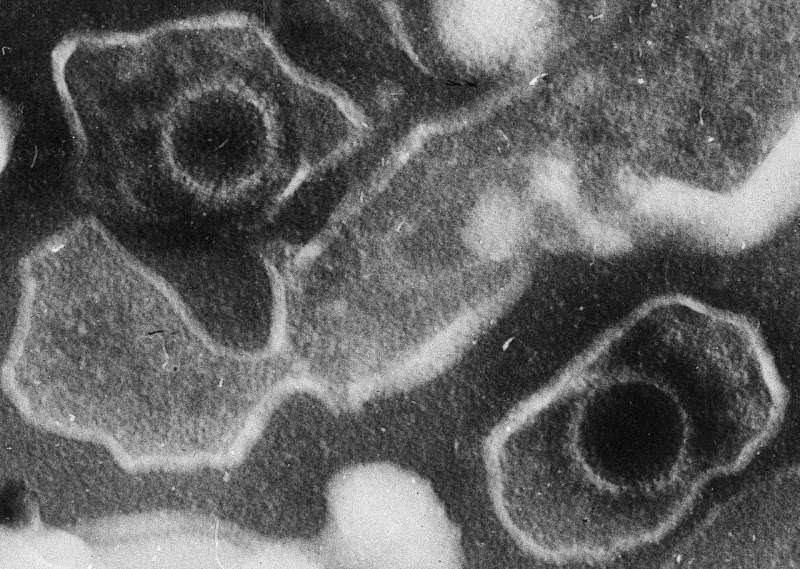
CD8+ T cells targeting Epstein-Barr virus (EBV) are significantly more abundant in the cerebrospinal fluid of individuals with multiple sclerosis (MS) compared to those without MS. This suggests that EBV-specific immune responses may contribute to the abnormal immune activity and central nervous system damage characteristic of MS.
|
| |

|
An AI model called BrainIAC analyzes unlabeled brain MRIs to predict brain age, dementia risk, tumor mutations, and cancer survival. It generalizes across diverse tasks and outperforms task-specific models, especially with limited training data. BrainIAC uses self-supervised learning, enabling adaptation to various clinical applications and settings with scarce annotated data.
|
| |

|
A novel delivery system combines gold nanoparticles and mRNA within stable carriers, enhancing mRNA uptake by cancer cells and promoting tumor cell death. In laboratory and mouse models of ovarian and liver cancer, this approach improved delivery efficiency and slowed tumor growth. The system is adaptable for other therapies, suggesting broader potential for cancer treatment.
|
| |

|
A flexible, needle-thin brain implant called the mAxialtrode enables simultaneous neural recording, light stimulation, and targeted drug delivery across multiple brain regions. Made from soft polymer fibers with integrated microchannels and electrodes, it minimizes tissue damage and inflammation. In vivo tests in mice demonstrated precise, multi-layer functionality with minimal discomfort.
|
| |

|
During chronic viral infections, levels of fatty acids in the blood increase, partly due to infection-induced changes in eating behavior and fat breakdown. A subset of exhausted CD8+ T cells with stem-like properties absorbs and utilizes these fatty acids for energy, supporting their maintenance and expansion. Fatty acids thus influence immune cell function and may help sustain long-term immune responses.
|
| |

|
A neural implant system combining thin-film electronics with a bone-regenerating cryogel scaffold enables skull regrowth around the device, maintaining safe, long-term brain access. The scaffold supports bone formation comparable to controls and shows no immune response over two weeks. This approach may reduce complications from traditional closure methods and offers potential for broader bioelectronic applications.
|
| |

|
In fruit flies, re-exposure to sugar alone weakens behavioral responses to previously learned sugar-associated cues, while the underlying memory trace remains intact. This memory weakening depends on environmental context and occurs independently of dopamine signaling. The findings suggest the brain flexibly updates memories by reassessing their relevance when circumstances change.
|
| |

|
The oral drug enlicitide reduced LDL cholesterol by about 60% in patients with or at risk for atherosclerotic cardiovascular disease, even when added to statin therapy. Enlicitide targets PCSK9, similar to injectable therapies, but is taken as a pill. The reduction in LDL and other lipid markers was sustained over one year. Further trials are assessing its impact on cardiovascular events.
|
| |

|
Machine-learning models using only pre-hospital data can accurately predict which trauma patients will require blood transfusions. These AI tools outperform traditional risk assessments by identifying transfusion needs, emergency surgery requirements, or risk of death from hemorrhage before hospital arrival, potentially enabling faster and more targeted interventions. Further prospective evaluation is needed.
|
| |

|
Humans can use mouth-click echolocation to estimate object distances, demonstrating notable spatial awareness after brief training. Distance is often underestimated, particularly for less reflective materials and at greater ranges. Performance is more accurate with highly reflective objects. These findings may inform assistive technologies and training for visually impaired individuals.
|
| |

|
Inhibiting the protein PTP1B in a mouse model of Alzheimer's disease improves learning and memory by enhancing microglial function and promoting amyloid-β (Aβ) plaque clearance. PTP1B inhibition may address multiple aspects of Alzheimer's pathology and represents a potential therapeutic target, especially given its links to metabolic disorders that increase Alzheimer's risk.
|
| |

|
Analysis of nearly 60,000 women aged 18–45 found no statistically significant difference in childbirth or miscarriage rates between those vaccinated against COVID-19 and those unvaccinated. The observed decline in childbirth is attributed to demographic trends and pandemic-related factors, not mRNA vaccination. Age was accounted for in the analysis to ensure accurate results.
|
| |

|
Neutrophils within the tumor environment can be reprogrammed to produce the chemokine CCL3, which promotes tumor growth. This pro-tumor activity of neutrophils, driven by CCL3, represents a significant variable in tumor biology and may serve as an indicator of cancer progression, potentially aiding in prognosis and personalized treatment strategies.
|
| |

|
A specific mutation in the LRRK2 protein reduces alpha-synuclein-induced axonal transport disruptions, a key early event in Parkinson’s disease. This mutation limits alpha-synuclein’s binding to cargo, easing cellular traffic jams, but does not affect neuronal cell death or Lewy body formation. The findings establish a functional link between the SNCA and LRRK2 genes in Parkinson’s pathology.
|
| |

|
The brain actively regulates hesitation during uncertain situations through specific neurons that become engaged when outcomes are unclear. This hesitation is not a flaw but a fundamental mechanism that allows for better decision-making by pausing to gather more information. Modulating these neurons alters hesitation, highlighting their role in timing critical actions in both athletics and everyday life.
|
| |

|
Anxiety disorders are influenced by at least 58 genetic variants, each contributing a small effect, rather than a single gene. These variants overlap with those linked to depression, neuroticism, and related conditions. Genes involved in GABAergic signaling and other previously unknown pathways are implicated, offering insights for future research and potential new therapies.
|
| |

|
After a severe knee injury and complex surgery, an 18-year-old used Lego building as a coping strategy during recovery. He now repurposes donated Legos into custom kits for young hospital patients, providing mental support and inspiration. His experience highlights the psychological benefits of creative activities during rehabilitation.
|
| |

|
HPV testing using menstrual blood collected with a minipad demonstrates high sensitivity (94.7%) and comparable negative predictive value (99.9%) to clinician-collected cervical samples for detecting high-grade cervical lesions (CIN2+). This noninvasive, home-based method could expand screening access and may be suitable for integration into cervical cancer screening guidelines.
|
| |

|
Most vaccines, tattoos, and recent travel do not automatically disqualify individuals from donating blood. Deferrals are generally short and depend on specific circumstances, such as the type of vaccine, tattoo facility standards, or travel to malaria-risk regions. Many common medications are permitted, and all donations are thoroughly screened to ensure safety.
|
| |

|
CADASIL, a hereditary disease caused by NOTCH3 gene variants, leads to degeneration of vascular smooth muscle cells and reduced cerebral blood flow. This disrupts hippocampal neuronal structure and function, impairs gamma oscillations, and alters mitochondrial energy metabolism. The disease also triggers vascular inflammation and microglial changes, contributing to cognitive decline and dementia.
|
| |

|
Travel to Opioid Treatment Programs (OTPs) by public transit in Connecticut takes on average five times longer than by personal vehicle, with many areas lacking adequate transit options. These transportation barriers limit access to methadone treatment for opioid use disorder, potentially reducing treatment initiation and retention and increasing overdose risk. Improved infrastructure and policy changes are needed to address these gaps.
|
| |

|
Projected reductions in global foreign aid could result in 9.4 million additional deaths by 2030, primarily due to setbacks in combating infectious diseases and hunger in low-income countries. Aid to sub-Saharan Africa may fall by up to 28%, with further declines potentially increasing deaths to 22.6 million. Even modest funding cuts risk destabilizing fragile health systems.
|
| |

|
A mitochondrial base-editing therapy using TALED-V28R delivered by AAV corrected the pathogenic mtDNA mutation in a mouse model of Leber's hereditary optic neuropathy. This intervention restored retinal structure, ganglion cell numbers, and visual function, and improved mitochondrial activity in patient-derived cells, indicating strong potential for clinical translation.
|
| |

|
Infusing alteplase directly into the artery after clot removal in large-artery ischemic stroke increases the likelihood of excellent functional recovery at 90 days and improves microvascular blood flow, without significantly raising the risk of brain bleeding or death. These findings suggest added benefit over thrombectomy alone, though further studies are needed for widespread adoption.
|
| |

|
An AI-enabled digital stethoscope more than doubled the detection rate of moderate to severe valvular heart disease compared to a traditional stethoscope, with sensitivity of 92.3% versus 46.2%. While specificity was slightly reduced, the technology enables earlier identification of at-risk patients, potentially improving outcomes and reducing undiagnosed cases in older adults.
|
| |

|
Collaborative care programs for dementia patients, which provide coordinated support and access to experts, improve quality of life, reduce costs, lessen caregiver burden, and delay nursing home placement more effectively than lecanemab alone. Collaborative care increased quality-adjusted life years (QALYs) by 0.26, with an additional 0.16 QALYs when combined with lecanemab.
|
| |

|
A newborn died from a listeria infection likely linked to the mother's consumption of raw, unpasteurized milk during pregnancy. Raw milk can harbor harmful bacteria such as Listeria monocytogenes, which poses significant risks to pregnant women and newborns. Pasteurization effectively eliminates these pathogens, reducing the risk of severe infections.
|
| |

|
People living with dementia are frequently excluded from research due to assumptions about incapacity and protective institutional practices. Rights-based, supported approaches enable their meaningful participation, which is essential for research quality and ethical compliance. Standardized guidelines, flexible consent, and inclusive research roles are recommended to ensure their voices inform dementia research.
|
| |

|
The antiarrhythmic drug dronedarone (RBF4) selectively inhibits the USP11 enzyme by targeting its scaffolding domain, disrupting MYC-driven lymphoma cell survival and reducing tumor growth in preclinical models with minimal toxicity. This approach exploits USP11’s non-catalytic functions, offering a promising strategy for precision cancer therapy and potential drug repurposing.
|
| |

|
Gambling is increasingly recognized as a public health concern, with harms extending beyond addiction to include financial, emotional, and social impacts. An international survey of over 300 experts identified 25 key research and intervention priorities, emphasizing early prevention, evidence-based policy, and tailored treatment, particularly for vulnerable groups and youth exposed to new technologies and advertising.
|
| |

|
The FDA has approved the D-VRd regimen (daratumumab and hyaluronidase-fihj with bortezomib, lenalidomide, and dexamethasone) for adults with newly diagnosed multiple myeloma ineligible for stem cell transplant. D-VRd demonstrated higher MRD-negativity rates, deeper responses, and reduced risk of progression or death compared to VRd alone.
|
| |

|
The immunosuppressant mycophenolate mofetil reduces guanosine nucleotide levels in developing mouse brains, impairing small G protein activity and altering microglial morphology and function. These changes may impact neural circuit formation and suggest potential for modulating microglial activity in neurodevelopmental disorders.
|
| |

|
Analysis of nearly 9,300 cancer genomes identified five dominant amino acid substitution signatures that shape how tumors are recognized by the immune system. Certain mutation patterns, especially those linked to DNA repair defects and chemical exposures, can make tumors less visible to immune cells, even with high mutation counts. Patient-specific HLA types can further influence tumor immunogenicity, supporting more personalized immunotherapy approaches.
|
| |

|
Clopidogrel provides greater protection than aspirin against all-cause death, myocardial infarction, or stroke in high-risk patients after coronary stenting, without increasing bleeding risk. These findings support clopidogrel as the preferred long-term antiplatelet monotherapy following completion of dual antiplatelet therapy after PCI.
|
| |

|
Butyrate, a short-chain fatty acid produced by gut bacteria, enhances T follicular helper (Tfh) cell activity in Peyer’s patches, promoting IgA antibody production and improving mucosal vaccine efficacy. This effect depends on the butyrate–GPR43 pathway and specific butyrate-producing bacteria, establishing a microbiota–Tfh–IgA axis that links microbial metabolism to mucosal immune defense.
|
| |

|
Analysis of the vaginal microbiome at high resolution identified 25 distinct community types, revealing that bacteria of the same species can differ in functional potential and impact on host biology. Traditional classifications based on dominant species are insufficient, as microbiomes dominated by the same species, such as Gardnerella, can have varied functional and inflammatory profiles.
|
| |

|
Post-Dobbs abortion bans in certain states are linked to a 9.0% relative increase in postpartum depression among Medicaid enrollees from the lowest socioeconomic status areas, compared to similar individuals in states without such bans. No significant association was observed in middle- or high-socioeconomic status groups. Structural gaps in mental health resources may exacerbate this risk.
|
| |

|
COVID-19 restrictions were associated with a consistent global decline in motor competence among children and adolescents, particularly in skills such as balance, running, and object manipulation. The decline was most pronounced in children aged 3–12 and those from lower socio-economic backgrounds, exceeding pre-pandemic trends and potentially impacting physical fitness and health.
|
| |

|
Despite strong political and institutional support for One Health across Africa, implementation at local levels is hindered by weak coordination, limited resources, fragmented governance, and poor data sharing. These gaps delay outbreak detection and response, especially in rural communities, highlighting the need for integrated, community-based action and sustained multisectoral collaboration.
|
| |

|
A significant proportion of bone marrow transplant patients carry antibiotic allergy labels, most often to penicillins, yet formal allergy testing is rarely performed. When tested, most labels do not reflect true allergies. Inaccurate labels can lead to suboptimal antibiotic choices, increasing risks for immunocompromised patients. Reassessment and testing can improve clinical outcomes.
|
| |

|
The increasing prevalence of fentanyl has complicated the initiation of buprenorphine treatment for opioid use disorder, with 72% of clinicians reporting significant challenges, including severe and prolonged withdrawal symptoms. Nearly 67% have modified treatment protocols, such as adjusting dosages or using adjunct medications. Despite these hurdles, buprenorphine remains an essential treatment option.
|
| |

|
Childhood exposure to wartime violence significantly increases the risk of chronic pain in later life, largely mediated by psychological distress and PTSD. Interventions should be age-appropriate and address both risk and resilience factors. The findings highlight the need for targeted pain prevention and management in populations affected by conflict.
|
| |

|
Higher dietary choline intake during pregnancy is associated with lower levels of systemic inflammation, as measured by hs-CRP, particularly in the third trimester. This relationship persists independently of other methyl donor nutrients and known confounders. Most pregnant individuals do not meet recommended choline intake, highlighting a potential gap in prenatal nutrition guidance.
|
| |

|
Over 90% of patients in Hong Kong wish to participate in end-of-life care decisions, yet key topics such as appointing surrogate decision-makers and discussing personal life values are often overlooked in clinical conversations. The ACP-CAT tool reliably assesses and improves the quality of advance care planning discussions, supporting more patient-centered care as new legislation is implemented.
|
| |

|
Extreme temperature fluctuations and higher relative humidity are associated with increased out-of-hospital cardiac arrest (OHCA) incidence. A machine learning model analyzing over 190,000 cases identified 17 environmental and social risk factors, accurately predicting OHCA patterns up to seven days in advance, even in previously unstudied regions. Social factors may amplify environmental risks.
|
| |

|
Lunatic fringe, an enzyme, acts as a crucial intermediary between the Bmp and Notch signaling pathways, amplifying Notch activity when Bmp9 is present. Modulating Lunatic fringe restores organization in disordered blood vessels, such as those seen in hereditary hemorrhagic telangiectasia, and may offer a targeted approach to treat vascular abnormalities without broadly affecting Notch functions.
|
| |

|
High intake of ultra-processed foods, which constitute a major portion of U.S. diets, is associated with a 47% higher risk of cardiovascular disease after adjusting for confounding factors. This link underscores the need for public health strategies and clinical guidance to reduce UPF consumption and promote healthier dietary choices.
|
| |

|
On the day of the 2025 DFB-Pokal Cup final, Arminia Bielefeld fans experienced a 41% increase in mean stress levels and an 8 bpm rise in heart rate compared to non-match days. Stress peaked at match start and remained elevated post-game. Heart rates were 23% higher for fans in the stadium and 5% higher with alcohol consumption, indicating significant physiological responses to major football events.
|
| |

|
Lab-enhanced natural killer (NK) cells can be expanded from HIV-positive patients and made more effective at targeting and reducing HIV reservoirs. This approach may enable long-term immunological control of HIV without daily antiretroviral therapy, representing a potential step toward sustained remission. Further studies and clinical trials are planned to evaluate this strategy.
|
| |

|
A 4D-printed vascular stent made from a shape-memory polymer composite expands at body temperature (≈37 °C), eliminating the need for external heating. The stent demonstrates mechanical flexibility, radial strength, biomechanical compliance, and cytocompatibility in vitro and in vivo, supporting its potential for minimally invasive, patient-specific vascular treatments and broader implantable device applications.
|
| |

|
Multiple sclerosis (MS) often leads to subtle cognitive symptoms, such as impaired memory, concentration, and processing speed, which may go unnoticed. Elevated biomarkers like NfL and GFAP in blood and cerebrospinal fluid are associated with these cognitive issues. Disruptions in brain network connectivity, especially involving the thalamus, further contribute to cognitive decline. Six distinct cognitive profiles were identified, highlighting individual variability. A new questionnaire, MS-IADL-Q, helps distinguish cognitive from physical limitations in daily activities, supporting more personalized care.
|
| |

|
Short-term survival rates for cancer patients diagnosed in 2020 and 2021 were lower than for those diagnosed in 2015–2019, regardless of cancer type or stage. Disruptions to health care during the COVID-19 pandemic likely contributed, with an estimated 17,400 excess deaths. The decline was most pronounced in colorectal, prostate, and pancreatic cancers.
|
| |

|
Medicaid enrollment, preoperative benzodiazepine use, mood disorders, and anxiety significantly increase the risk of new persistent opioid use (NPOU) after surgery. Medicaid enrollment and benzodiazepine use raise the odds by 77% (OR = 1.77), mood disorders by 24%, and anxiety by 17%. Comprehensive preoperative screening is recommended to identify and manage high-risk patients.
|
| |

|
Asundexian, an investigational Factor XIa inhibitor, reduced the risk of recurrent ischemic stroke by 26% when added to standard antiplatelet therapy, without increasing major or intracranial bleeding or serious adverse events. Benefits were consistent across patient subgroups, and overall cardiovascular outcomes improved. Asundexian remains unapproved and under further study.
|
| |

|
A novel artificial intelligence system can predict substance use disorder behaviors with up to 83% accuracy and assess addiction severity with up to 84% accuracy using picture rating tasks and behavioral economics variables. The approach also identifies substance type and reveals that higher disorder severity correlates with increased risk-seeking and reduced loss aversion.
|
| |

|
Shift work and irregular eating disrupt the liver’s circadian rhythm, altering the timed release of proteins essential for metabolism, inflammation, and energy balance. The timing of food intake is crucial for maintaining these rhythms, and disturbances may increase the risk of chronic conditions such as obesity. The liver’s internal clock is closely linked to overall metabolic health.
|
| |

|
Functional connectome (FC) uniqueness, reflecting the distinctiveness of individual brain connectivity patterns, is reduced in major depressive disorder (MDD), particularly in frontoparietal and sensorimotor networks. Lower FC uniqueness correlates with greater depression severity, indicating that less distinctive brain organization is associated with more severe symptoms. FC uniqueness may serve as a reproducible biomarker for MDD.
|
| |

|
THC exposure disrupts male and female fertility by affecting hormone regulation, gamete quality, and implantation, with epigenetic changes observed in sperm. During pregnancy, THC crosses the placenta, impairing fetal growth and increasing risks of low birth weight and prematurity. No safe dose or form of cannabis is established for fertility or fetal development; abstinence is advised when planning pregnancy.
|
| |

|
Higher blood levels of PFAS and PCBs are associated with about double the odds of developing multiple sclerosis (MS). These persistent environmental chemicals, found in some drinking water supplies, may contribute to MS risk alongside known factors like smoking and low vitamin D. PFAS and PCBs are also linked to other health issues, including cancer and immune dysfunction.
|
| |

|
Recent policy changes are projected to reduce Medicaid and ACA coverage, increasing the number of uninsured Americans and out-of-pocket costs. Despite this, uninsured individuals can seek affordable care by negotiating with providers, using community clinics, contacting local health departments, comparing drug prices, and accessing disease-specific resources. Caution is advised with non-ACA plans.
|
| |

|
The World Health Organization has introduced an evidence-based care package to integrate mental health support and stigma reduction into neglected tropical disease (NTD) programs. This approach addresses the high rates of depression, anxiety, and social exclusion among people with NTDs, emphasizing coordinated care, community involvement, and routine mental health assessment to improve outcomes and advance NTD elimination.
|
| |

|
A new federal strategy expands support for faith-based addiction recovery programs and increases access to medication treatments for opioid use disorder. Federal funding will now be available to religious organizations, and new initiatives aim to provide long-term support for homeless individuals with addiction or mental illness. The approach shifts away from "Housing First" and emphasizes integrated, community-based care.
|
| |

|
A majority of American adults mistakenly believe special training is needed to perform Hands-Only CPR, despite evidence that immediate bystander action can double or triple survival rates after cardiac arrest. Most cardiac arrests occur at home, yet bystanders provide CPR only 41% of the time. Hands-Only CPR involves calling 911 and pushing hard and fast in the chest at 100–120 beats per minute.
|
| |

|
Analysis of over 32,000 water samples in Catalonia shows that rising ambient temperatures and prolonged heat favor Legionella proliferation in water systems, increasing Legionnaires' disease incidence. Cold water systems also become risk factors during heatwaves. Both L. pneumophila serogroup 1 and 2–14 are prevalent, suggesting underdiagnosis. Enhanced surveillance and prevention are needed as climate warms.
|
| |

|
Agri-environment schemes (AESs) can affect farmers’ mental health positively or negatively, depending on their design and delivery. Time in nature and participation in peer discussion groups support well-being, while isolation remains a significant challenge. Mental health outcomes are rarely considered in AES policy, highlighting the need to integrate well-being and social support into scheme evaluation and design.
|
| |

|
Novo Nordisk plans legal action against a US chain marketing a copycat version of its newly approved Wegovy weight-loss pill. Despite the FDA's temporary allowance for compounded versions due to limited supply, that authorization expired in May 2024, yet unauthorized copies persist. Increased competition has also led to reduced US sales revenue for Novo Nordisk.
|
| |

|
Medicaid covers over 40% of U.S. births, offering essential prenatal and postpartum care to pregnant individuals who meet income requirements, even if previously ineligible. Enrollment is often straightforward, with some states granting immediate coverage. Benefits may include dental, vision, and mental health services, though coverage and incentives vary by state.
|
| |

|
The FDA has approved Yuvezzi, a combination eye drop containing carbachol 2.75% and brimonidine tartrate 0.1%, as the first dual-agent treatment for presbyopia in adults. Clinical trials demonstrated superior near-vision improvement over individual components and vehicle, with no serious treatment-related adverse events and generally good tolerability.
|
| |

|
A survey of Petra’s 'Ain Braq aqueduct identified a rare 116-meter lead conduit alongside a terracotta pipe, indicating advanced water management and Roman influence. The system included nine conduits, a large reservoir, cisterns, and basins. The lead pipe, likely built for high-pressure flow, was later replaced by terracotta due to economic considerations.
|
| |

|
Analysis of volatile organic compounds (VOCs) in the air around Egyptian mummies enables identification of embalming ingredients without damaging the remains. VOC profiles reveal the use of fats, oils, beeswax, plant resins, and bitumen, with recipe complexity varying by era and body region. This non-destructive method offers a rapid, preliminary tool for studying ancient balms.
|
| |

|
A single elephant carpal bone found at Colina de los Quemados in Córdoba, Spain, has been radiocarbon dated to the late 4th–early 3rd centuries BCE, aligning with the Second Punic War. This bone provides the first direct osteological evidence of war elephants in Western Europe, supporting historical accounts of their use by Carthaginian forces, though species identification was not possible.
|
| |

|
A mathematical proof demonstrates that the Boltzmann distribution is uniquely capable of describing independent, or uncoupled, systems, ruling out all alternative theories. Using polynomial representations and examples like Sicherman dice, the analysis shows that only the Boltzmann distribution preserves the independence of unrelated choices, reinforcing its foundational role in both physics and economics.
|
| |

|
Biomolecular archaeology enables the identification of ancient scent molecules preserved on artifacts, offering insights into historical perfumery, medicine, and rituals. By translating these molecular signatures into olfactory recreations, museums can provide visitors with immersive sensory experiences that deepen understanding of past cultures beyond traditional visual displays.
|
| |

|
Daily fluctuations in mental sharpness significantly influence productivity, with sharper days equating to 30–40 extra minutes of work. Mental sharpness varies within individuals due to factors like sleep quality, time of day, motivation, and mood, rather than fixed personality traits. Short-term overwork can boost sharpness, but sustained overwork reduces it, highlighting the importance of rest and well-being.
|
| |

|
Numbing the mouth with lidocaine was found to increase silent reading speed in proficient adults without reducing accuracy, while also decreasing sensory brain activity. These results indicate that oral somatosensory input influences reading-related brain processes, suggesting a potential role for speech-motor mechanisms in reading and possible implications for addressing reading difficulties such as dyslexia.
|
| |

|
People are judged more negatively when they use AI to write personal or emotionally meaningful messages, such as love letters or wedding vows, compared to practical tasks. AI use in these contexts leads to perceptions of reduced care, authenticity, and trustworthiness, regardless of message quality or honesty about AI involvement. This highlights a reputational risk when outsourcing personal communication to AI.
|
| |

|
A machine learning model trained with input from Philadelphia residents and historical images can identify new-build gentrification with 84% accuracy. By integrating community knowledge and architectural traits, the model offers a transparent, data-driven tool for tracking gentrification, correlating well with city permit records and supporting urban planning efforts to address displacement.
|
| |

|
Integrating legal support within community health services, designed collaboratively and delivered face-to-face, significantly improves access to justice, well-being, and trust among marginalized groups. Early, relationship-based interventions reduce stress, anxiety, and barriers to seeking help, while digital-only or one-off services risk excluding those most in need.
|
| |

|
Perceived progress toward goals is influenced more by the enjoyment experienced during an activity than by the actual or perceived time invested. Across various domains, individuals judged their advancement based on how enjoyable the process felt, even when less time or effort was involved. Emphasizing enjoyment can enhance motivation, but may lead to overestimating true progress.
|
| |

|
Queueing behavior is primarily influenced by the number of people ahead and the speed of service, rather than the time already spent waiting or the estimated remaining wait. When individuals have full information about the queue, the perceived cost of waiting depends on these forward-looking factors, providing a clearer basis for designing efficient queue systems.
|
| |
|
This email is a free service of Science X Network.
You received this email because you subscribed to our list.
If you do not wish to receive such emails in the future, please
unsubscribe here.
You are subscribed as worldnew...@googlegroups.com.
You may manage your subscription options from your
Science X profile.
|
|

