
அன்னப் பறவைகள் - geese in India

N. Ganesan

N. Ganesan
http://ta.wikipedia.org/wiki/%E0%AE%85%E0%AE%A9%E0%AF%8D%E0%AE%A9%E0%AE%AE%E0%AF%8D 2

தேமொழி
தமிழ் விக்கிபீடியாவில் அன்னம் = swan பற்றி எழுதப்பட்டுள்ளது. இது திருத்தம் செய்ய வேண்டிய
பறவையியல் செய்தி ஆகும். ??????????????
N. Ganesan
On Thursday, April 23, 2015 at 8:50:30 PM UTC-7, தேமொழி wrote:
On Thursday, April 23, 2015 at 8:21:59 PM UTC-7, N. Ganesan wrote:தமிழ் விக்கிபீடியாவில் அன்னம் = swan பற்றி எழுதப்பட்டுள்ளது. இது திருத்தம் செய்ய வேண்டியபறவையியல் செய்தி ஆகும். ??????????????அன்னம் (p. 45) [ aṉṉam ] {*}, (ஹம்ஸம்) s. swan. அன்னவூர்தி, அன்னக் கொடியோன்
தேமொழி

வேந்தன் அரசு
ஒரு சொல்லுக்குப் பொருள் தெரியாதவங்கஅகராதிகிட்ட பொருள் தேடப் போவாங்கஆனா அந்த அகராதியே தவறுன்னு சொன்னாதுன்பப்படறவங்க திரு. கணேசனிடம்தான் வருவாங்க
N. Ganesan
On Thursday, April 23, 2015 at 9:01:35 PM UTC-7, தேமொழி wrote:
ஒரு சொல்லுக்குப் பொருள் தெரியாதவங்கஅகராதிகிட்ட பொருள் தேடப் போவாங்கஆனா அந்த அகராதியே தவறுன்னு சொன்னாதுன்பப்படறவங்க திரு. கணேசனிடம்தான் வருவாங்க
தேமொழி

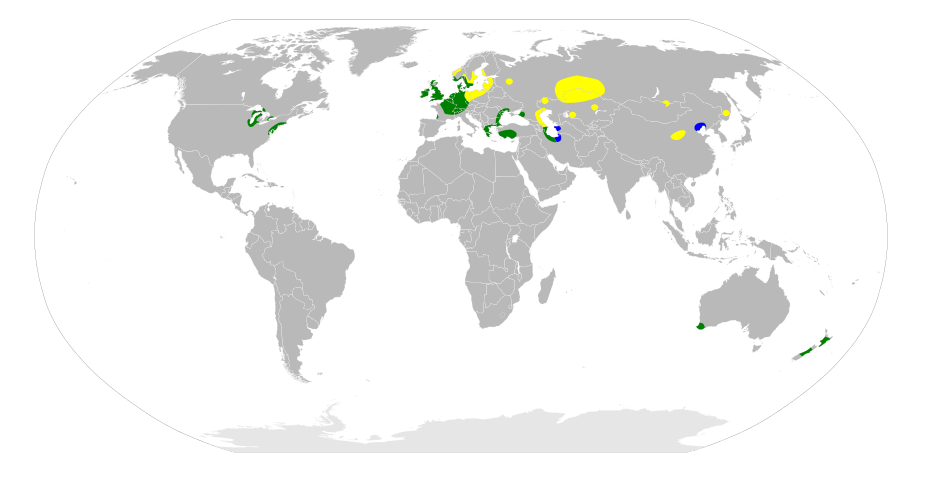
Distribution and habitat
The Mute Swan is native to the temperate areas of Europe across western Asia.
The U.N. Environmental Programme places the Mute Swan in 70 countries, breeding in 49 countries, and vagrant in 16 countries.
Within its native range, the Mute Swan population is estimated to consist of 500,000 birds; 350,000 of which occur in the former Soviet Union.
This migratory species is Europe and Asia. They breed in the British Isles, north central Europe, and north central Asia. They migrate south to winter as far south as North Africa, the Near East and to northwest India and Korea
Where do they live?
Distribution
The mute swan species are distributed in Central and North Europe, Central Asia, Russia, China and Mongolia. They winter in Southern Europe and Central Asia. They are rare visitor to Africa and Indian Subcontinent. These swans have been introduced into North America, Australia, New Zealand and South Africa.Movement Patterns
The mute swan species are partially migratory. They migrate to warmer regions after breeding. Some populations migrate locally.Geographic Range [top]
| Countries: | Native: Afghanistan; Albania; Armenia (Armenia); Austria; Azerbaijan; Belarus; Belgium; Bosnia and Herzegovina; Bulgaria; China; Croatia; Cyprus; Czech Republic; Denmark; Estonia; Finland; France; Germany; Greece; Hungary; India; Iran, Islamic Republic of; Iraq; Ireland; Israel; Italy; Japan; Kazakhstan; Korea, Democratic People's Republic of; Korea, Republic of; Kyrgyzstan; Latvia; Liechtenstein; Lithuania; Luxembourg; Macedonia, the former Yugoslav Republic of; Moldova; Mongolia; Montenegro; Netherlands; Norway; Pakistan; Poland; Romania; Russian Federation; Serbia (Serbia); Slovakia; Slovenia; Spain (Canary Is. - Vagrant); Sweden; Switzerland; Taiwan, Province of China; Turkey; Turkmenistan; Ukraine; United Kingdom; Uzbekistan |
Range and Habits
The breeding areas of the mute swans extend from the British Isles over North Central Europe to North Central Asia. For the winter quarters the mute swans fly to North Africa, the Near East and the Northwest of India and Korea. The successfully introduction in North America, where they become a widespread species, offers an area for a permanent residence.
***
http://www.storm-crow.co.uk/birds/mute_swan.html
Range
Within the UK the Mute Swan breeds almost everywhere apart from small patches in the Welsh and Scottish mountains. Some birds stay in the same place all year, others move a short distance to form winter flocks.
The world population is split into two types. In central and northern Europe there is a permanently resident population, as in the UK. Elsewhere the Mute Swan is a migratory bird that breeds in areas of Russia, Siberia and in patches along a band from Turkey to eastern China and overwinters in northern Africa, around the Black Sea, in north-western India and Korea.
***
தேமொழி

துரை.ந.உ

--
You received this message because you are subscribed to the Google Groups "வல்லமை" group.
To unsubscribe from this group and stop receiving emails from it, send an email to vallamai+u...@googlegroups.com.
 -இனியொரு விதி செய்வோம்
 துரை.ந.உ
 N. Ganesan
N. Ganesan
On Thursday, April 23, 2015 at 10:22:02 PM UTC-7, தேமொழி wrote:
Mute Swan (Cygnus olor) is a vagrant in India

Hari Krishnan
This is what is in Sangam texts?
இவை சங்க இலக்கியத்திலும் மற்ற இந்திய இலக்கியங்களிலும் பேசப்படும் அன்னங்கள் இல்லை என்பதற்கான ஆதாரங்கள் உங்களிடம் இருக்கிறதல்லவா கணேசன்?
ஹரிகி.
N. Ganesan
On Friday, April 24, 2015 at 3:26:51 AM UTC-7, Hari wrote:
On 24 April 2015 at 15:54, N. Ganesan <naa.g...@gmail.com> wrote:Mute Swan (Cygnus olor) is a vagrant in IndiaThis is what is in Sangam texts?
இவை சங்க இலக்கியத்திலும் மற்ற இந்திய இலக்கியங்களிலும் பேசப்படும் அன்னங்கள் இல்லை என்பதற்கான ஆதாரங்கள் உங்களிடம் இருக்கிறதல்லவா கணேசன்?
N. Ganesan
On Thursday, April 23, 2015 at 10:22:02 PM UTC-7, தேமொழி wrote:Mute Swan (Cygnus olor) is a vagrant in IndiaWhen? Any evidence?This is what is in Sangam texts?N. Ganesan
On Thursday, April 23, 2015 at 10:17:07 PM UTC-7, தேமொழி wrote:Original Distribution: The original breeding grounds of the mute swan are in the British Isles, northern Europe and north central Asia. Since they are a status symbol in European cultures, mute swans have been domesticated in Western Europe since the 12th century. In their native land, the birds migrate to their wintering grounds in North Africa, the Near East, northwest India and Korea.***
Hari Krishnan
1930 - 19622ல் கலை, இலக்கிய ஆதாரங்களுடன் எழுதியுள்ளனர். இந்தியாவில் உ-ம்: பிரமனின் வாகனம் அன்னம் என்பது goose தான்.ஸ்வான் அல்ல, பழைய சித்திரம் சிற்பங்களில் பாருங்கள். ஆதாரங்கள் அவை.நா. கணேசன்
Hari Krishnan
பழைய சித்திரம் சிற்பங்களில் பாருங்கள். ஆதாரங்கள் அவை.நா. கணேசன்
பழைய சித்திரம்னா எந்த நூற்றாண்டுச் சித்திரம் ஐயா? ரவிவர்மா புவிவர்மா எல்லாரும் ஆதாரமா கொள்ள முடியாதவங்கதானே? இவங்க எதன் அடிப்படைல வரைஞ்சாங்க, பழைய சிற்பிகள் செதுக்கினதுக்கும் இவங்க வரைஞ்சதுக்கும் வித்தியாசம் இருக்கணுமே. இருக்குதா ஐயா?
N. Ganesan
On Friday, April 24, 2015 at 3:46:59 AM UTC-7, Hari wrote:
2015-04-24 16:00 GMT+05:30 N. Ganesan <naa.g...@gmail.com>:பழைய சித்திரம் சிற்பங்களில் பாருங்கள். ஆதாரங்கள் அவை.நா. கணேசன்
பழைய சித்திரம்னா எந்த நூற்றாண்டுச் சித்திரம் ஐயா? ரவிவர்மா புவிவர்மா எல்லாரும் ஆதாரமா கொள்ள முடியாதவங்கதானே? இவங்க எதன் அடிப்படைல வரைஞ்சாங்க, பழைய சிற்பிகள் செதுக்கினதுக்கும் இவங்க வரைஞ்சதுக்கும் வித்தியாசம் இருக்கணுமே. இருக்குதா ஐயா?
துரை.ந.உ
--
--
"Tamil in Digital Media" group is an activity of Tamil Heritage Foundation. Visit our website: http://www.tamilheritage.org; you may like to visit our Muthusom Blogs at: http://www.tamilheritage.org/how2contribute.html To post to this group, send email to minT...@googlegroups.com
To unsubscribe from this group, send email to minTamil-u...@googlegroups.com
For more options, visit this group at http://groups.google.com/group/minTamil
---
You received this message because you are subscribed to the Google Groups "மின்தமிழ்" group.
To unsubscribe from this group and stop receiving emails from it, send an email to mintamil+u...@googlegroups.com.
Hari Krishnan
ஆமாங்க. ரவிவர்மா வாத்தியார் இங்லீஸ்காரரு. அவர் ஊர் ஸ்வானை. இந்தியாவின் அன்னத்தை விட ஸ்வான் அழகா இருக்கிறதாலஅதைப் போட்டுட்டாரு. ஆனால் அதற்கு முன்னால பார்த்தால் சிற்பங்கள் சித்திரங்களில் goose தான் அன்னம்நா. கணேசன்
Hari Krishnan
N. Ganesan

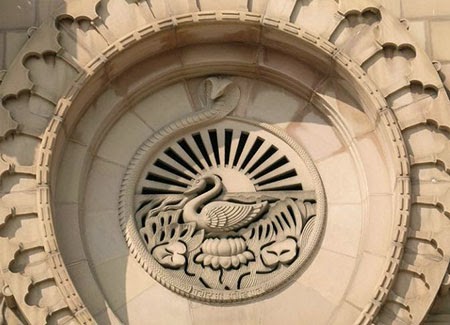
 Also see this representation:
The neck seems shorter like the bar headed goose rather than a swan.
Is this the hans then?

Hari Krishnan
European scholars mistook hamsa in Sanskrit literature as for swans,but none of them are native to or visit India. This was all made clear in time, 1930 - 1962 ஆராய்ச்சிகள்.
N. Ganesan
On Friday, April 24, 2015 at 4:09:18 AM UTC-7, Hari wrote:
ஹய்யோ தேவரே.. எல்லா நன்ன ஹளே கர்மா!
Hari Krishnan
அன்னம் என்ற சொல் பிறப்பை முன்னால் சொல்லியிருக்கீங்க.ஆனால், இப்ப சொல்றதில இருக்கு “நன்ன”.
N. Ganesan

S NEELAKANTAN

--
--
"Tamil in Digital Media" group is an activity of Tamil Heritage Foundation. Visit our website: http://www.tamilheritage.org; you may like to visit our Muthusom Blogs at: http://www.tamilheritage.org/how2contribute.html To post to this group, send email to minT...@googlegroups.com
To unsubscribe from this group, send email to minTamil-u...@googlegroups.com
For more options, visit this group at http://groups.google.com/group/minTamil
---
You received this message because you are subscribed to the Google Groups "மின்தமிழ்" group.
To unsubscribe from this group and stop receiving emails from it, send an email to mintamil+u...@googlegroups.com.
For more options, visit https://groups.google.com/d/optout.
Hari Krishnan
நான் 4 வருடங்கள் முன்பு வாடா இந்தியாவிலுள்ள சித்ரகூட் என்ற இடத்திற்கு சென்றிருந்தேன் . அங்கு இந்த வெள்ளை அன்னப்பறவைகளை பார்த்தேன் 3 அன்னப்பறவைகள் ஒரு ஆச்ரமத்தில் இருந்தன. உடனே புகைப்படமும் எடுத்தேன் அதை குழும நண்பர்களுடன் பகிர்ந்துகொள்கிறேன்
N. Ganesan
On Friday, April 24, 2015 at 4:52:14 AM UTC-7, Chembur Neelu wrote:
நான் 4 வருடங்கள் முன்பு வாடா இந்தியாவிலுள்ள சித்ரகூட் என்ற இடத்திற்கு சென்றிருந்தேன் . அங்கு இந்த வெள்ளை அன்னப்பறவைகளை பார்த்தேன் 3 அன்னப்பறவைகள் ஒரு ஆச்ரமத்தில் இருந்தன. உடனே புகைப்படமும் எடுத்தேன் அதை குழும நண்பர்களுடன் பகிர்ந்துகொள்கிறேன்

N. Ganesan
On Friday, April 24, 2015 at 5:02:04 AM UTC-7, Hari wrote:
2015-04-24 17:21 GMT+05:30 S NEELAKANTAN <sneelak...@gmail.com>:நான் 4 வருடங்கள் முன்பு வாடா இந்தியாவிலுள்ள சித்ரகூட் என்ற இடத்திற்கு சென்றிருந்தேன் . அங்கு இந்த வெள்ளை அன்னப்பறவைகளை பார்த்தேன் 3 அன்னப்பறவைகள் ஒரு ஆச்ரமத்தில் இருந்தன. உடனே புகைப்படமும் எடுத்தேன் அதை குழும நண்பர்களுடன் பகிர்ந்துகொள்கிறேன்
ஹய்யோ நீலு சார்.. இத்தப் போயி அன்னம்ன்றீங்களே.. இது அக்லீ டக்லீ.. நீங்க போட்டால போட்டுக்கற பட்சியோடய கால் பாதத்தையும் எல்லோரால சமணப்பகுதில (இதோ.. இந்த மத்த பகுதி சிற்பம்லாம் ஆட்டத்துக்கு கெடியாது அஆ) கீற சிற்பத்தோட கம்பாரிசன் பண்ணிப் பாத்தீங்கன்னா தெரியும். அதெல்லாம் 19622ல கலை இலக்கிய ஆராய்ச்சி பண்ணி எழுதிகிறாங்கோ. தெர்தா?
N. Ganesan
எத்தனை முறை பின்னர்ப் பார்ப்போம் என்கிறீர்கள் கணேசன் சார். கொஞ்சமாவது பார்த்துவிட்டு வாருங்கள். அல்லது, பார்த்ததைக் கொஞ்ச்மாவது காட்டுங்கள். இருக்கிறது இருக்கிறது என்று பூச்சாண்டிதான் காட்டுகிறீர்கள். நீங்கள் சொன்ன Shorea robusta ஒத்துப்போனது. இதுவும் ஒத்துப்போகிறதா என்று நாங்கள் பார்க்கவேண்டாமா?ப.பாண்டியராஜா
The goose in Indian literature and art.
| Author: | J Ph Vogel |
|---|---|
| Publisher: | Leiden, E.J. Brill, 1962. |
| Series: | ; Memoirs'">"Instituut Kern," Leyden.; Memoirs |

The Dutch sanskritist and archaeologist Jean Phillipe Vogel, photographed at the ASI head office in Shimla (HP). Unknown photographer, 1908.
வயதான காலத்தில்,
http://www.tribuneindia.com/2007/20071118/spectrum/main5.htm

Also see this representation:The neck seems shorter like the bar headed goose rather than a swan
N. Ganesan
On Thursday, April 23, 2015 at 8:49:09 PM UTC-7, வலைப்பித்தன் wrote:
தரவுகள் கூறும் தகவல் வேறால உள்ளதே
நளன், தமயந்தியை நினைத்து நினைத்து ஏங்குதல்
48. சேவல் குயிற்பெடைக்குப் பேசும் சிறுகுரல்கேட்
டாவி உருகி அழிந்திட்டான் - பூவின்
இடை அன்னம் செங்கால் இளஅன்னம் சொன்ன
நடை அன்னம் தன்பால் நயந்து.


2015-04-24 8:51 GMT+05:30 N. Ganesan <naa.g...@gmail.com>:
தமிழ் விக்கிபீடியாவில் அன்னம் = swan பற்றி எழுதப்பட்டுள்ளது. இது திருத்தம் செய்ய வேண்டியபறவையியல் செய்தி ஆகும்.
http://ta.wikipedia.org/wiki/%E0%AE%85%E0%AE%A9%E0%AF%8D%E0%AE%A9%E0%AE%AE%E0%AF%8D 2எந்த Swans-உம் இந்தியா வருவன அல்ல. உ-ம்:http://en.wikipedia.org/wiki/Mute_swanRange of Cygnus olor (mute swan),
On Thursday, April 23, 2015 at 8:05:11 PM UTC-7, N. Ganesan wrote:
அன்னம் என்பவை Swans அல்ல. இவை இந்தியா வருவதும் இல்லை.அன்னம் என்பவை Goose பறவைகள். அன்னங்கள் தமிழ்நாட்டுக்கு வந்து வாழும் பறவைகள் Goose என்னும் பறவைகள். இவை இந்தியாவிலும் தமிழ்நாட்டிலும் உண்டு. பொதுவாக, அன்னம் என்று வரும் இடங்களில் bar headed goose. தமிழ்நாட்டில் இன்னும் அதிகம் இருப்பவை. எ-டு: கூந்தங்குளத்தில் அன்னப் பறவைகள்:அன்னம் எனும் பறவை எது?ஆனால், “செங்கால் அன்னம்” என்று மாங்குடி மருதனார் குறிப்பது என்ன geese? நற்றிணை 356-லும், கம்பனும், கல்லாடமும், பிற்கால விவேகசிந்தாமணியும் குறிப்பதாயிற்றே. ‘செங்கால் அன்னம்” என்பதற்கான விடையைக் கண்டறிந்தேன். எனது தனி இழையில் சொல்கிறேன்.யா மர இனங்களில், சில ஷோரியா வகைகள்தான் தென்னாட்டில் உள்ளன. மற்றபடி ராஜ-யா (shorea robusta) இமாலய அடிவாரத்திற்கு பின்வாங்கிவிட்டது. அதுவும் அழியலாம். அதுபோல், செங்கால் அன்னம் அனேகமாக வடக்கே தான் இன்றைக்கு உண்டு. ஆனால், சில தென்னாட்டிலும் காணக் கிடைக்கின்றன. I will identify "ceGkAl annam" bird talked about from Sangam lit. onward.செங்கால் அன்னம் வேறு. செங்கால் நாரை வேறு. செங்கால் நாரை இதுதான்:
செங்கால் அன்னம், அன்னம் பற்றிய பறவையினப் பெயர்களை விக்கிபீடியாவில் சேர்க்கலாம்.நா. கணேசன்
N. Ganesan


தேமொழி
On Friday, April 24, 2015 at 6:05:35 PM UTC-7, N. Ganesan wrote:
ராஜா ரவிவர்மாவின் அன்னம் - தமயந்தி படம்mute swan-ஐ அன்னத்தின் மாடலாக எடுத்துள்ளது.காலனிய ஆட்சியின் தாக்கம் அது.
mute swan கால்கள் கன்னங்கரேல் என்றிருக்கும்.அவற்றை வாத்துபோல் மஞ்சள் கலரில் பெயிண்ட் அடித்துவிட்டார்ரவிவர்மா. அவருக்கு mute swan கறுப்பு-வெள்ளை படம் தான்கிடைத்ததோ??

N. Ganesan
On Friday, April 24, 2015 at 7:34:58 PM UTC-7, தேமொழி wrote:
-------------------------------------------2000 வருடமாய் பிரமனின் வாகனம் தொடர்பு படுத்திஅவனது அன்னப் பறவை grayleg goose என்று தமிழில்பதிந்துள்ளனர். நாம் தான் மறந்துவிட்டோம்.
அப்படியானால் இந்த ஆராய்ச்சியில் கவனிக்கபடாத கோணம் ....தமிழ் இலக்கியங்களில் வரும் ...எல்லா வரிகளிலும் விவரிக்கப்படும் அன்னம் என்பதன் உடலமைப்பு, அதன் பழக்க வழக்கங்களைப் பட்டியலிட்டு ஒப்பிட்டுப் பார்ப்பது.ஏனென்றால் நீங்கள் கொடுத்த நூலில்புத்த இலக்கியங்கள் பற்றித்தான் குறிப்புகள் உள்ளன. ஃபுட் நோட் பார்க்கவும்.நம் தமிழல்கியத்தில் கூறும் அன்னம் எது என்பது தெரிவது அவசியம்...அதன் நிறம் என்ன என்பது முதற்கொண்டு தகவல்கள் இருக்கும்...
தமிழிலக்கியங்களில் அன்னம் பற்றி வரும் இடங்களை பற்றி பட்டியலிட்டு ஆராய்வது தமிழிலக்கிய ஆய்வாளர்களுக்கு பெரிய காரியமல்ல.
The goose in Indian literature and art.
Author: J Ph Vogel
இவர் சொன்னது சரியா என மறு ஆய்வுக்கு உட்படுத்த வேண்டும்...
..... தேமொழி
N. Ganesan


British Museum Collectoin


Pahari School
19th century
Height: 20 centimetres
Width: 13.5 centimetres

புகழேந்திப் புலவர் graylag goose- செங்கால் அன்னம் சென்றுநளனிடம் தமயந்தி பற்றிச் சொன்னதாகப் பாடுகிறார்.
நளன், தமயந்தியை நினைத்து நினைத்து ஏங்குதல்
48. சேவல் குயிற்பெடைக்குப் பேசும் சிறுகுரல்கேட்
டாவி உருகி அழிந்திட்டான் - பூவின்
இடை அன்னம் செங்கால் இளஅன்னம் சொன்ன
நடை அன்னம் தன்பால் நயந்து.புகழேந்தி தூது செல்லும் செங்கால் அன்னம் இது:
Hari Krishnan
"அனிச்சமும் அன்னத்தின் தூவியும் மாதர் அடிக்கு நெருஞ்சிப் பழம்” என்றார் திருவள்ளுவர்.
N. Ganesan
On Saturday, April 25, 2015 at 6:26:14 AM UTC-7, Hari wrote:
2015-04-25 18:35 GMT+05:30 N. Ganesan <naa.g...@gmail.com>:"அனிச்சமும் அன்னத்தின் தூவியும் மாதர் அடிக்கு நெருஞ்சிப் பழம்” என்றார் திருவள்ளுவர்.
இப்பத்தான் தெரிஞ்சுபோச்சே! அது வாத்தின் தூவின்னு இல்ல இருந்திருக்கணும்! வள்ளுவா! போயும் போயும் உனக்கு வாத்தின் சிறகுதான் உதாரணத்துக்கு கிடைச்சதா! ஹையோ!
N. Ganesan
On Saturday, April 25, 2015 at 6:23:37 AM UTC-7, Hari wrote:
2015-04-25 18:14 GMT+05:30 Pandiyaraja <pipi...@gmail.com>:கணேசன் சாருக்கு,நளவெண்பா பாட்டைப் போட்டு அதில் செங்கால் இள அன்னம் என்பதை சிவப்பு நிறத்தில் பெரிதாக்கி, சிவப்புக் கால் உள்ள ஏதோ ஒரு பறவையின் படத்தைப்போட்டு இதுதான் அது என்று சொல்வது என்ன logic? கொஞ்சமேனும் சிந்தித்துச் செயாலாற்றுங்கள் ஐயா! என்னமோ தலையில் உள்ள கோட்டைப்பற்றி முதலில் கூறினீர்கள். நான் ஒரு கேள்வி கேட்டேன். இப்போது காலுக்குத் தாவுகிறீர்கள்!! எதற்கு இந்த அவசரம்? எல்லா உண்மைகளையும் சரிவரத் தெரிந்துகொண்டு மேற்கொண்டு கேள்விகள் எழாவண்ணம் முடிபாக அவற்றைத் தொகுத்து வெளியிடுங்கள். நாங்கள் காத்திருக்கிறோம்.
அன்பார்ந்த பாண்டியராஜன் ஐயா,இலக்கியத்தில் அன்னப்பறவையின் நீண்ட அல்லது குறுகிய கழுத்தைப் பற்றிய குறிப்பு ஏதாவது இருக்கிறதா என்று தேட வேண்டும். நானும் நேற்றிலிருந்து யோசித்துக் கொண்டிருக்கிறேன்.அன்னநடை.. அன்னமும் நாணும் நடை என்பதெல்லாம் வாத்து நடைதான்னு தெரிஞ்சுக்கும்போது ஹையோ இந்தத் தத்தக்கா புத்தக்கா நடையையா இத்தன மாஞ்சு மாஞ்சு எழுதியிருக்காங்கன்னு தோணுது.நீண்ட கழுத்தைப் பற்றிய குறிப்பு ஒன்று; இந்த வாத்து பளிச்சிடும் வெள்ளை நிறத்துலதான் இருக்குமாங்கறது இன்னொண்ணு. யோசிக்கலாம். இப்படி யோசிக்க வைக்கிறதுக்கு கணேசருக்கு நன்றி சொல்லத்தானே வேணும்.
Hari Krishnan
சங்க இலக்கியத்திலும் பின்னரும் அன்னம் என்பது பெருந்தாரா இனம். Migratory Goose species visiting all parts of India every yearfrom time immemorial. Note that like 3 species of Indian crocodiles mentioned with names in Sangam literature (mentioned by Perasiriyar in his Tol. comm.), "annam" is from two species: bar headed goose and graylag goose, clearly distinguished by Tamil poets for some 2000 years. தமிழில் (Sangam to 18th century): (1) அன்னம் = bar headed goose (much more common) (2) செங்கால் அன்னம் = graylag goose. இதற்கு, வோகல் 1962-ல் எழுதிய The goose in Indian literature and art துணைசெய்கிறது.N. Ganesan
2015-04-24 16:00 GMT+05:30 N. Ganesan <naa.g...@gmail.com>:
On Friday, April 24, 2015 at 3:26:51 AM UTC-7, Hari wrote:
On 24 April 2015 at 15:54, N. Ganesan <naa.g...@gmail.com> wrote:Mute Swan (Cygnus olor) is a vagrant in India
This is what is in Sangam texts?
இவை சங்க இலக்கியத்திலும் மற்ற இந்திய இலக்கியங்களிலும் பேசப்படும் அன்னங்கள் இல்லை என்பதற்கான ஆதாரங்கள் உங்களிடம் இருக்கிறதல்லவா கணேசன்?1930 - 19622ல் கலை, இலக்கிய ஆதாரங்களுடன் எழுதியுள்ளனர். இந்தியாவில் உ-ம்: பிரமனின் வாகனம் அன்னம் என்பது goose தான்.ஸ்வான் அல்ல, பழைய சித்திரம் சிற்பங்களில் பாருங்கள். ஆதாரங்கள் அவை.நா. கணேசன்
Hari Krishnan
அன்னம் என்றால் (அரிசிச்) சோறு. அதனால் வெண்ணிறமான பறவைக்கு அன்னம் எனப் பெயர் வைத்தனர் என்று நீங்கள்எழுதியதைப் படித்த நினைவு இருக்கிறது. நீங்கள் சொல்லும் பாலை சோறு (அன்னம்) இஞ்சுவது அருமையான செய்தி.
N. Ganesan
Hari Krishnan
அன்னம் என்றால் சோறு. இது இந்தோ-ஐரோப்பியச் சொல். இலத்தீனத்திலும் இருக்கிறது.பாலை சோறு (அன்னம்) இஞ்சுவது பற்றி நீங்கள் 2008-ல் எழுதிய மடல்:
பொதுவாகவே நம் மக்களுக்கு எல்லாமே கொஞ்சம் esoteric ஆக இருக்கவேண்டும். ஒரு சொல்லுக்கு ஒன்றுக்கு மேற்பட்ட பொருள் இருக்கும்போது, ஒன்றை இன்னொன்றாகப் புரிந்துகொண்டு, அந்த இன்னொரு பொருளை நிறுவ, படாதபாடு படுவார்கள்.
அன்னம் என்றால் 'சோறு' என்று பொருள்கொண்டு, இந்தப் பழமொழியை அணுகிப் பாருங்கள். பாலையும் நீரையும் கலந்து வைத்தால், அவ்வாறு கலக்கப்பட்ட பால்அன்னம் (சோறு) சற்று நேரத்தில் பாலை இழுத்துக்கொள்ளும்; தண்ணீரை விட்டுவிடும். சோறு, தண்ணீர் கலந்த பாலிலிருந்து, பாலை மட்டும் இழுத்து, உறிஞ்சி, எடுத்துக் கொண்டு, தண்ணீரை விட்டுவிடுவதை இன்றைக்குக்கூட உங்கள் வீட்டிலேயே செய்து பார்ககலாம்.
அன்னம் என்றால் (அரிசிச்) சோறு. அதனால் வெண்ணிறமான பறவைக்கு அன்னம் எனப் பெயர் வைத்தனர் என்று நீங்கள் எழுதியதைப் படித்த நினைவு இருக்கிறது.
N. Ganesan
On Saturday, April 25, 2015 at 7:26:57 AM UTC-7, Hari wrote:
2015-04-25 19:46 GMT+05:30 N. Ganesan <naa.g...@gmail.com>:அன்னம் என்றால் சோறு. இது இந்தோ-ஐரோப்பியச் சொல். இலத்தீனத்திலும் இருக்கிறது.பாலை சோறு (அன்னம்) இஞ்சுவது பற்றி நீங்கள் 2008-ல் எழுதிய மடல்:
நான் எழுதினது இது. (இது எனக்கு நினைவிருக்கு):பொதுவாகவே நம் மக்களுக்கு எல்லாமே கொஞ்சம் esoteric ஆக இருக்கவேண்டும். ஒரு சொல்லுக்கு ஒன்றுக்கு மேற்பட்ட பொருள் இருக்கும்போது, ஒன்றை இன்னொன்றாகப் புரிந்துகொண்டு, அந்த இன்னொரு பொருளை நிறுவ, படாதபாடு படுவார்கள்.
அன்னம் என்றால் 'சோறு' என்று பொருள்கொண்டு, இந்தப் பழமொழியை அணுகிப் பாருங்கள். பாலையும் நீரையும் கலந்து வைத்தால், அவ்வாறு கலக்கப்பட்ட பால்அன்னம் (சோறு) சற்று நேரத்தில் பாலை இழுத்துக்கொள்ளும்; தண்ணீரை விட்டுவிடும். சோறு, தண்ணீர் கலந்த பாலிலிருந்து, பாலை மட்டும் இழுத்து, உறிஞ்சி, எடுத்துக் கொண்டு, தண்ணீரை விட்டுவிடுவதை இன்றைக்குக்கூட உங்கள் வீட்டிலேயே செய்து பார்ககலாம்.நான் எழுதினதா நீங்க சொல்றது இது:அன்னம் என்றால் (அரிசிச்) சோறு. அதனால் வெண்ணிறமான பறவைக்கு அன்னம் எனப் பெயர் வைத்தனர் என்று நீங்கள் எழுதியதைப் படித்த நினைவு இருக்கிறது.
N. Ganesan
On Saturday, April 25, 2015 at 7:43:40 AM UTC-7, malarmangay64 wrote:
ஹரிகி அவர்கள் சொல்லுவதுஉண்மை.என் அம்மா அன்னப்பால் என்றுதான் சொல்வார்கள்.முதல்நாள் இரவு சோற்றில் வடிச்சகஞ்சியில தண்ணிகலந்து ஊத்திவச்சு
மறுநாள் மணக்க மணக்கப் பருகும் நீராகாரமே (நம்ம நீச்சத்தண்ணிதானுங்க சாமி) அன்னப்பால்.
துரை.ந.உ
--
You received this message because you are subscribed to the Google Groups "வல்லமை" group.
To unsubscribe from this group and stop receiving emails from it, send an email to vallamai+u...@googlegroups.com.
-இனியொரு விதி செய்வோம்துரை.ந.உ N. Ganesan
On Saturday, April 25, 2015 at 8:02:44 AM UTC-7, துரை.ந.உ wrote:
தெற்கே அது நீர்த்த தண்ணிர்பேச்சு வழக்கில் நீத்தண்ணிநீச்ச ??????
Hari Krishnan
தமிழை நீச்சபாஷை என்றதனை மாற்றியவர் பாதிரியார் கால்ட்வெல் என்கிறார் தமிழ்ப் பேரா. மு. இளங்கோவனார்:”வடமொழியைத் "தேவ பாஷை' எனவும் தமிழை "நீச்சபாஷை' எனவும் தாழ்த்தி,
Hari Krishnan
தெற்கே அது நீர்த்த தண்ணிர்பேச்சு வழக்கில் நீத்தண்ணிநீச்ச ??????
N. Ganesan
On Saturday, April 25, 2015 at 8:02:44 AM UTC-7, துரை.ந.உ wrote:தெற்கே அது நீர்த்த தண்ணிர்பேச்சு வழக்கில் நீத்தண்ணி
N. Ganesan
On Saturday, April 25, 2015 at 8:14:37 AM UTC-7, N. Ganesan wrote:
On Saturday, April 25, 2015 at 8:02:44 AM UTC-7, துரை.ந.உ wrote:தெற்கே அது நீர்த்த தண்ணிர்பேச்சு வழக்கில் நீத்தண்ணிநீற்ற தண்ணீர் = பிரிந்த தண்ணீர்.சுண்ணக்கல்லில் நீர் பெய்தால் நீறும், நீரும் பிரிந்துவிடுகிறது.கண்பு, இராகி, அரிசி சோறு நீரோடு கலந்து பிசைந்து இரவில்வைத்தால் மறுநாள் காலையில் நீற்று (= பிரிந்து) விடுகிறது.சோறும் நீரும் பிரிந்த நிலையில் நீற்ற தண்ணீர் என்கிறார்கள்நீற்ற தண்ணீர் = பிரிந்த தண்ணீர் = நீச்சத் தண்ணி/நீத்த தண்ணி.
துரை.ந.உ
On Saturday, April 25, 2015 at 8:02:44 AM UTC-7, துரை.ந.உ wrote:தெற்கே அது நீர்த்த தண்ணிர்பேச்சு வழக்கில் நீத்தண்ணிநீச்ச ??????த-ச போலி
துரை.ந.உ
On Saturday, April 25, 2015 at 8:02:44 AM UTC-7, துரை.ந.உ wrote:தெற்கே அது நீர்த்த தண்ணிர்பேச்சு வழக்கில் நீத்தண்ணிநீற்ற தண்ணீர் = பிரிந்த தண்ணீர்.
N. Ganesan
Hari Krishnan
நான் சொன்னது ர்நீங்கள் சொல்வது ற்ர்ரும் ற்ரும் ஒன்றல்ல
துரை.ந.உ
On Saturday, April 25, 2015 at 8:43:08 AM UTC-7, துரை.ந.உ wrote:2015-04-25 20:44 GMT+05:30 N. Ganesan <naa.g...@gmail.com>:
On Saturday, April 25, 2015 at 8:02:44 AM UTC-7, துரை.ந.உ wrote:தெற்கே அது நீர்த்த தண்ணிர்பேச்சு வழக்கில் நீத்தண்ணிநீற்ற தண்ணீர் = பிரிந்த தண்ணீர்.
நான் சொன்னது ர்நீங்கள் சொல்வது ற்ர்ரும் ற்ரும் ஒன்றல்லநன்றி துரை ஐயா. ர், ற் ஒன்றல்ல என்ற செய்தி என்போன்ற மாணவர்களுக்கு தருவதற்கு.
N. Ganesan
On Saturday, April 25, 2015 at 8:52:11 AM UTC-7, Hari wrote:
2015-04-25 21:12 GMT+05:30 துரை.ந.உ <vce.pr...@gmail.com>:நான் சொன்னது ர்நீங்கள் சொல்வது ற்ர்ரும் ற்ரும் ஒன்றல்ல
இப்ப சமணராகிய தொல்காப்பியர் இயற்றிய ரகர றகர சூத்திரத்துக்குப் போய் (அப்படி ஒண்ணு இருந்தா! இல்லாட்டியும் கவல இல்ல) பக்கம் பக்கமா ஒத்தி ஒட்டி, படம் போட்டு நீண்ட ஆறாய்ச்சி உறை வறப் போவுது. அத்தோட நிக்காம டகரத்துக்கு ரகரம் பயன்படுத்தற கதை, டீவி ரீவியாகற கதை, றொறொன்றோ கதை எல்லாம் வரப் போவுது துறை.. இது என்ன முறை? ம்ம்? :))
N. Ganesan
On Saturday, April 25, 2015 at 9:03:26 AM UTC-7, துரை.ந.உ wrote:
இனி பார்வையாளனாகவே இருந்துவிட்டுப் போகிறேன்
N. Ganesan
On Saturday, April 25, 2015 at 8:41:08 AM UTC-7, துரை.ந.உ wrote:
2015-04-25 20:34 GMT+05:30 N. Ganesan <naa.g...@gmail.com>:
On Saturday, April 25, 2015 at 8:02:44 AM UTC-7, துரை.ந.உ wrote:தெற்கே அது நீர்த்த தண்ணிர்பேச்சு வழக்கில் நீத்தண்ணிநீச்ச ??????த-ச போலிஏன் வலிந்து நகலுக்கு மதிப்பளிக்க வேண்டும் ?எனில் அசலுக்கு மதிப்பே கிடையாதா ?
N. Ganesan


---------- Forwarded message ----------
From: Suresh Elamon <yeselamon@...>
Date: Fri, Feb 22, 2013 at 10:39 PM
Subject: from KOONDAKULAM
To: keralabirder@yahoogroups.com
dear all,
Happy to report 2 more sightings from Koondakulam on 19.Feb.2013:
1. A solitary Greylag Goose amidst a big flock of Barheaded Geese in
the village tank. BalPandy showed it to me and said he has been seeing
it quite frequently for the last one month or so.
2. Another Barheaded Goose with a red neck band which shows marking
'S6' (or is it '9S' !!)
Since the northeast monsoon has totally failed, this year there has
been no nesting of Painted Storks or Grey Pelicans or any other birds
in the Koondakulam village so far. They ought to have started nesting
by mid or late January. Very tragic indeed.
rgrds-
suresh elamon
Trivandrum
--
suresh elamon
birdwing, subramonium nagar,
cit road, karamana.p.o,
trivandrum - 695002
mob: 09447020059
We were birding along the South ECR near Valinokkam in Ramanathapuram district when we came across a group of more than 300 Bar-headed geese standing on the estuarine waters . They were sharing space with more than 200 Flamingoes and hundreds of terns-Caspian,Lesser crested, Greater crested,common and Gull billed terns too. Among this group we could see two Greylag geese too. Amongst the group we could see two Bar-headed geese with a GREEN neck band. We could identify one of the bands as P69 . however we couldnt identify the other goose with also a Green band. The co-ordinates are 9*10'10" N and 78*27'5"E.
Whom should we contact regarding this sighting?
PS: another surprise was Running into Dr.Badrinarayanan out of the blue!
செங்கால் அன்னம், அன்னம் பற்றிய பறவையினப் பெயர்களை விக்கிபீடியாவில் சேர்க்கலாம்.நா. கணேசன்
N. Ganesan
On Monday, April 27, 2015 at 5:13:47 AM UTC-7, mahe...@sindhuchem.com wrote:
வணக்கம் திரு.கணேசன் அவர்களே
அன்னம் என்பது சில குறிப்பிட்ட குணங்களை கொண்ட நீர்வாழ் பறவையினத்தை குறிக்கும் ஒரு பொது பெயராக இருக்குமோ ? உதாரனத்திற்க்கு கெண்டை மீன் என்று பொதுவாக கூறுகிறோம் அதனுல் கண்ணாடி கெண்டை ,வெள்ளி கெண்டை, புள் கெண்டை பல வகைகள் உண்டு .
நீங்கள் சுட்டிக்காட்டியதை போல swan என்கிற பறவை இயற்கையாக தமிழ்நாட்டில் ஏன் இந்தியாவிலேயே இல்லை .ஒருவேளை ஆங்கிலேயர் காலத்தில் அது இந்தியாவிற்கு காட்சிப்பொருளாக கொண்டுவரப்பட்டிருக்கலாம்...வாய்ப்புகள் உண்டு !!! . ஆங்கிலேயர்கள் பல அந்நிய இனங்களை நமது நாட்டில் அறிமுகம் செய்துள்ளனர் .(eg, Rainbow trout, Eucalyptus, Wattle etc) .
இங்கு நாம் விவாதம் செய்யும் Grey-lay , Bar-headed goose தவிர வேறு ஒரு பறவைக்கு , அன்னத்தின் குணம் நன்கு பொருந்துகிறது. அது பூநாரை என்று அழைக்கப்படும் Flamingo.
எவ்வாறு என்று கூறுகிறேன் கேளுங்கள் .
நீண்ட கால்கள், வித்தியாசமான அலகு தவிர மற்ற உடலமைப்பு swanபோலவே flamingoவிற்கும் இருக்கிறது.
நிறம்-பொதுவாக இந்தியாவில் காணப்படும் இளம்சிவப்பு மற்றும் வெள்ளை கலந்த நிறத்தில் இருக்கின்றது. அதாவது சில சிறகுகள் இளம்சிவப்பு நிறத்திலும் சில வெண்மையாகவும் இருக்கும். பல நேரங்களில் சிவப்பு குறைவாகவும் வெண்மை அதிகமாகவும் இருக்கும் . நிறம் அந்த பறவை உண்ணும் உணவை சார்ந்தது .
கால்கள் -
Flamingo நீந்துவதில்லை ,அவை கொக்கு போல நடந்தும் நின்றும் இரை தேடும். ஆழமான நீர்நிலையில் அது நடந்தால் செல்வது போல தோன்றும். அப்படி நீந்தும் பொழுது உருவத்தில் swan போலவே இருக்கும். மேலும் கால்கள் சிவப்பு நிறத்தில் இருப்பதால் செங்கால் அன்னம் இதுவாக இருக்கலாம்.
மிக முக்கியமான பண்புFlamingo வடிகட்டி உண்ணும் . அதாவது உணவையும் நீரையும் தன் சிறப்பு அலகால் உள் இழுத்து பின் நீரை மட்டும் வடிகட்டி இரையை உண்ணும். அன்னம் பாலையும் நீரையும் பிரிக்கும் என்று இதை கண்டு தான் கூறினரோ ?மேலும் Flamingo தன் குஞ்சுகளுக்கு பாலூட்டும்.பறவை எவ்வாறு பாலூட்டும் என்று கேட்கலாம் . அது தான் Flamingoவிற்கும் புறாவிற்கும் உள்ள தனி சிறப்பு.
இவ்விரு பறவைகளின் வயிறுகளில் பால்சுரக்கும் சுரபிகள் உண்டு. அவை உணவை உண்டு செரித்து பின் பால் போன்ற திரவத்தை சுரந்து தன் குஞ்சுகளுக்கு ஊட்டும். இந்த பண்பை கண்டு தான் நீரிலிருந்து பாலை மட்டு பிரிக்கும் அன்னம் என்று உருவானதோ ?
Grey lag goose / bar headed goose இப்படி பாலூட்டுவது இல்லை . அதனால் தான் Flamingo என்பது தான் அன்னம் என்று நிச்சயமாக கூறலாம்.
-மகேந்திரன்
...

mahe...@sindhuchem.com
நீங்கள் சுட்டிக்காட்டியதை போல swan என்கிற பறவை இயற்கையாக தமிழ்நாட்டில் ஏன் இந்தியாவிலேயே இல்லை .ஒருவேளை ஆங்கிலேயர் காலத்தில் அது இந்தியாவிற்கு காட்சிப்பொருளாக கொண்டுவரப்பட்டிருக்கலாம்...வாய்ப்புகள் உண்டு !!! . ஆங்கிலேயர்கள் பல அந்நிய இனங்களை நமது நாட்டில் அறிமுகம் செய்துள்ளனர் .(eg, Rainbow trout, Eucalyptus, Wattle etc) .
இங்கு நாம் விவாதம் செய்யும் Grey-lay , Bar-headed goose தவிர வேறு ஒரு பறவைக்கு , அன்னத்தின் குணம் நன்கு பொருந்துகிறது. அது பூநாரை என்று அழைக்கப்படும் Flamingo.
நீண்ட கால்கள், வித்தியாசமான அலகு தவிர மற்ற உடலமைப்பு swanபோலவே flamingoவிற்கும் இருக்கிறது.
கால்கள் -


இவ்விரு பறவைகளின் வயிறுகளில் பால்சுரக்கும் சுரபிகள் உண்டு. அவை உணவை உண்டு செரித்து பின் பால் போன்ற திரவத்தை சுரந்து தன் குஞ்சுகளுக்கு ஊட்டும். இந்த பண்பை கண்டு தான் நீரிலிருந்து பாலை மட்டு பிரிக்கும் அன்னம் என்று உருவானதோ ?
Grey lag goose / bar headed goose இப்படி பாலூட்டுவது இல்லை . அதனால் தான் Flamingo என்பது தான் அன்னம் என்று நிச்சயமாக கூறலாம்.
On Sunday, April 26, 2015 at 8:22:43 PM UTC+5:30, N. Ganesan wrote:

N. Ganesan

N. Ganesan
N. Ganesan
On Friday, April 24, 2015 at 4:05:42 AM UTC-7, Hari wrote:
2015-04-24 16:26 GMT+05:30 N. Ganesan <naa.g...@gmail.com>:ஆமாங்க. ரவிவர்மா வாத்தியார் இங்லீஸ்காரரு. அவர் ஊர் ஸ்வானை. இந்தியாவின் அன்னத்தை விட ஸ்வான் அழகா இருக்கிறதாலஅதைப் போட்டுட்டாரு. ஆனால் அதற்கு முன்னால பார்த்தால் சிற்பங்கள் சித்திரங்களில் goose தான் அன்னம்நா. கணேசன்
அடேயப்பா.. அப்ப இந்த ரவீந்தரநாத் தாகூர்ன்றவரும் இங்கிலீஸ்காரர்தான்னு சொல்லுங்க.. இங்கிலீஸ்லயே எய்தி நோபுள் ப்ரேஸ் வாங்கிகீறாரே.அப்ப இந்த சுப்புணி பார்தி? இங்லீஸா டமிலா? ஏதோ கேட்டுப்புட்டேன்.. இழைத் தலைப்புக்கும் இந்தக் கேள்விக்கும் என்னா சம்பந்தம்னு பொளந்து கட்டிடுவாங்க. இஸ்டம் இருந்தா பதில் சொல்ங்க அல்லாக்காட்டி உட்டுருங்க. நான் வரேன். நீங்க ஆராய்ச்சி செய்ங்க கணேசரு. பிர்மா வாத்து வாகனத்துல இருந்துக்குறாரு.. இதுகூட தெரியாம அன்னம்னுட்டானுவோ. வாத்து மடையனுவோ.
N. Ganesan
On Friday, April 24, 2015 at 4:01:22 AM UTC-7, வலைப்பித்தன் wrote:
ஆலிழைமேல் அமர்ந்த தேவர்,அயோத்திதாசருக்கு சமஸ்கிரிதம் தெரியாது இப்ப அன்னப்பறவை இந்தியாவில் கிடையாது என்று சகட்டுமேனிக்கு வாதிட்டு வெற்றியும் ஒஎறுகிறீர்கள். ஒரு கருத்தை முன்வைத்தால் அதை நிறுவவேண்டியது உங்கள் பணி. இந்தியவில் அன்னப்பறவை இல்லை அது வெறும் வாத்து என்று என்போன்ற வாத்துமடையன் புரிந்துகொள்ளும் விதத்தில் சொல்லனும் ஐயாவலைப்பித்தன்
N. Ganesan
On Tuesday, April 28, 2015 at 7:12:27 AM UTC-7, malarmangay64 wrote:
அப்படின்னா எல்லாம்/எல்லாரும் வாத்தா?இல்ல கூஸா.
N. Ganesan
Superbird
By Ravindra Svarupa dasa
In Sanskrit the word haṁsa is the name for both a bird and an advanced yogī. The bird has such estimable qualities that its very name became applied to the spiritual practitioner.
In English, Prabhupāda followed a well-established convention and rendered haṁsa as “swan.” The advanced yogī or devotee is accordingly “swan-like.”
For example, Prabhupāda once remarked, in reference to his disciples: “So Kṛṣṇa consciousness means swan-like, they should be like swans. Their behavior should be like swans. They should live in clean place, at refreshing place.”
In this second usage, haṁsa has probably become most generally encountered when prefixed by the superlative parama, meaning “highest,” best,” and so on. Strictly speaking, paramahaṁsa denotes the highest of the four ranks of sannyāsa (see ŚBh 5.1.27, purport), but it is used in more general sense to describe the best of the sages or devotees.
We often see the word placed as a title before the names of a variety of spiritual teachers.
If dedicated transcendentalists are compared to swans, it should come as no surprise that committed materialists are likened to crows. The Bhāgavatam (1.5.10) describes worldly literature as vāyasaṁ tīrtham—a pilgrimage site for crows, that is to say, a garbage pile. In his commentary to this text, Prabhupāda elaborates on the bird metaphor:
Crows and swans are not birds of the same feather because of their different mental attitudes. The fruitive workers or passionate men are compared to the crows, whereas the all-perfect saintly persons are compared to the swans. The crows take pleasure in a place where garbage is thrown out, just as the passionate fruitive workers take pleasure in wine and woman and places for gross sense pleasure. The swans do not take pleasure in the places where crows are assembled for conferences and meetings. They are instead seen in the atmosphere of natural scenic beauty where there are transparent reservoirs of water nicely decorated with stems of lotus flowers in variegated colors of natural beauty. That is the difference between the two classes of birds.
A special talent traditionally attributed to the haṁsa is said to be the basis of the extension of the avian name to a spiritually advanced person. Prabhupāda explains (Kṛṣṇa chapter 85):
The word paramahaṁsa mentioned here means “the supreme swan.” It is said that the swan can draw milk from a mixture of milk and water; it can take only the milk portion and reject the watery portion. Similarly, a person who can draw out the spiritual portion from this material world and who can live alone, depending only on the Supreme Spirit, not on the material world, is called a paramahaṁsa.
Even one of the avatāras of the Lord bears the name “Haṁsa.”
Therefore, after all this, it may come as a shock to discover that the avian haṁsa is, in fact, a goose—in taxonomical nomenclature, the anser indicus, known otherwise as the “bar-headed goose.”
As we shall see, the haṁsa—the anser indicus—is an extraordinary, amazing bird fully qualified to give its name to great devotees and even to the Lord himself. So why then the English “swan?”
The reason can only be that in English-speaking countries, the goose has long been the subject of very bad p.r. So much so, that the very word “goose” has come to be synonymous with “fool” or “idiot.”
Even proverbially, the goose has suffered invidious comparison with the swan, as, for example, in this still remembered observation—made in 1786—by Horace Walpole, Fourth Earl of Oxford, concerning the painter Sir Joshua Reynolds : “All his own geese are swans, as the swans of others are geese.”
Two centuries later, the goose received the same unfavorable evaluation in popular lines by Charles Kingsley:
When all the world is young, lad,
And all the trees are green;
And every goose a swan, lad,
And every lass a queen. . . .
It’s no wonder, then, that the only good translation, connotatively speaking, for haṁsa is “swan.” It’s a no-brainer, really: Consider the expressions “goose-like great sage,” or “top-most goose-like devotee.” They just don’t do the job.
Nevertheless, it is time we end this historic discrimination and rehabilitate the goose. Especially thehaṁsa. Of course, this effort was pioneered in the celebrated 2001 documentary Winged Migration, in which the haṁsa itself takes a cameo star-turn (see the beginning of Chapter 7 in the DVD).
The actual haṁsa—anser indicus or bar-headed goose—is in its own right the perfect emblem and symbol for the greatest of transcendentalists.
Like the swan (Cygnus), it is beautiful . . .

. . . and likewise graceful in water:

In fact, you can see from this photograph why Europeans could take the haṁsa for a kind of swan.
In flight, the haṁsa is spectacular:


Interestingly, the Wikipedia article notes of the haṁsa: “It has sometimes been separated from Anser, which has no other member indigenous to the Indian region, nor any at all to the Ethiopian, Australian, or Neotropical regions, and placed in the monotypic genus Eulabeia.”
A “mon0typic genus” is a genus that contains only one species. In other words, the haṁsa is in a class by itself. And not a goose (Anser). I don’t know who came up with the name Eulabeia, but it is appropriate: According to a lexicon of New Testament Greek, eulabia means “reverence toward God.”
Haṁsas are “super birds,” in the judgment of S. Marsh Tenney, a professor of physiology who has studied them extensively. “They do everything even better than other birds.” He is quoted in an article in Audubon magazine by Lily Whiteman, who gives quite an account of the birds’ annual prodigious feat:
At 29,028 feet, Mount Everest is tall enough to poke into the jet stream, a high-altitude river of wind that blows at speeds of more than 200 miles an hour. Temperatures on the mountain can plummet low enough to freeze exposed flesh instantly. Its upper reaches offer only a third of the oxygen available at sea level—so little that if you could be transported instantly from sea level to Everest’s summit, without time to acclimatize, you would probably lose consciousness within minutes. Kerosene cannot burn here; helicopters cannot fly here. Yet every spring, flocks of bar-headed geese—the world’s highest-altitude migrants—fly from their winter feeding grounds in the lowlands of India through the Himalayan range, sometimes even directly above Everest, on their way to their nesting grounds in Tibet. Then every fall these birds retrace their route to India. With a little help from tailwinds, they may be able to cover the one-way trip—more than 1,000 miles—in a single day.
In other words, the haṁsa when migrating flies at about the normal cruising altitude for passenger jets.
Moreover, by using tailwinds, the geese capitalize on weather that could pulverize lesser creatures. “These birds are powerful flappers, not soarers that just glide with the wind,” says M.R. Fedde, an emeritus professor of anatomy and physiology at Kansas State University’s School of Veterinary Medicine, who has conducted laboratory studies of the bar-headed goose’s respiratory system. Partly because their wings are huge, have a disproportionately large surface area for their weight, and are pointed to reduce wind resistance, “they can fly over 50 miles an hour on their own power,” Fedde says. “Add the thrust of tailwinds of perhaps 100 miles an hour if they are lucky, and these birds really move.” Able to gauge and correct for drift, bar-headed geese can even fly in crosswinds without being blown off course. The same powerful and unremitting flapping that helps propel them over the mountains also generates body heat, which is retained by their down feathers. This heat, in turn, helps keep ice from building up on their wings.
(Here is the complete article, with more wonders of the bird and some speculation so far-fetched it only deepens the mysteries of the haṁsa.)
We hear of great yogīs and sages in past ages retiring to the Himalayan mountain fastness to practice severe austerities as they sought the divine in profound and prolonged meditation. It is said that by power of yoga practice, these paramahaṁsas could greatly reduce their respiration, thereby slowing their metabolism; they could at will increase their bodily heat. Thus remaining in a remote place which provided them with neither air, nor food, nor heat, they pursued their spiritual goal with unwavering determination.
(By the way: Even though we can hardly imitate them today, we can apply their principles practically—at least according to the directions of Bhāgavad-gītā, which set forth what is, in effect, a domestication of the path of transcendence. You don’t have to go to the Himalayas: you can do it right at home.)
Yet even for us, the prodigious, Himalayan-traversing haṁsa is a fitting emblem and symbol for theparamahaṁsa, the great, heroic athletes of the spirit in whose footsteps we should follow. Let us therefore cherish the memory not only of the human paramahaṁsa but of the bird haṁsa as well.
And compared to the haṁsa, the swan is nothing but a goose.

N. Ganesan
On Tuesday, April 28, 2015 at 8:02:04 AM UTC-7, malarmangay64 wrote:தாரா தாரா வந்தாரா அவர் சங்கதி ஏதும் சொன்னாரா?
தாராவாக இருக்குமோ? ஓர்மை வந்நு.நாம்தான் நல்லதமிழ்ச்சொற்களை மலையாளத்திற்குத் தத்துக் கொடுத்துவிட்டோமே.நல்ல பாட்டு. எம்பி3 (அ) யுட்யூப் காணொளியில்??
| தில்லானா பாட்டுப் பாடி | English | | |  | | | To Print | ||||||||||||||||||||||||
| |||||||||||||||||||||||||||||
| |||||||||||||||||||||||||||||
அன்னம் விடுதூது:Song: thara thara vanthara - பாடல்: தாரா தாரா வந்தாரா
Movie: - திரைப்படம்: தெய்வப் பிறவி
Singers: Jamuna Rani
பாடியவர்: ஜமுனா ராணி
Lyrics: Poet T.N. Ramaiah das - இயற்றியவர்: தஞ்சை டி.என். ராமையா தாஸ்
Music: K.V. Mahadevan - இசை: கே.வி. மஹாதேவன்
Year: - ஆண்டு: 1960தாரா தாரா வந்தாராசங்கதி ஏதும் சொன்னாரா - அவர்சங்கதி ஏதும் சொன்னாரா?தாரா தாரா வந்தாராசங்கதி ஏதும் சொன்னாரா - அவர்சங்கதி ஏதும் சொன்னாரா?சந்தோஷமாகவே வந்தாரா - இல்லைசஞ்சலமாகவே இருந்தாரா?சந்தோஷமாகவே வந்தாரா - இல்லைசஞ்சலமாகவே இருந்தாரா?தாரா தாரா வந்தாராசங்கதி ஏதும் சொன்னாரா - அவர்சங்கதி ஏதும் சொன்னாரா?சீரான உன்னை ஜோடியோடுதரிசனந்தான் செய்தாராசீரான உன்னை ஜோடியோடுதரிசனந்தான் செய்தாராதேவி என்னைக் காணோமென்றுசிங்காரமாய் வைதாரா?தேவி என்னைக் காணோமென்றுசிங்காரமாய் வைதாரா?பூத்தமுல்லை மலர் தன்னைப்பார்த்து மெல்லச் சிரித்தாரா?பூத்தமுல்லை மலர் தன்னைப்பார்த்து மெல்லச் சிரித்தாரா?வாய்த்த என்னை மனதில் எண்ணிமரத்தைக் கட்டிப் பிடித்தாரா?வாய்த்த என்னை மனதில் எண்ணிமரத்தைக் கட்டிப் பிடித்தாரா?தாரா தாரா வந்தாராசங்கதி ஏதும் சொன்னாரா - அவர்சங்கதி ஏதும் சொன்னாரா?
...--
--
"Tamil in Digital Media" group is an activity of Tamil Heritage Foundation. Visit our website: http://www.tamilheritage.org; you may like to visit our Muthusom Blogs at: http://www.tamilheritage.org/how2contribute.html To post to this group, send email to minT...@googlegroups.com
To unsubscribe from this group, send email to minTamil-u...@googlegroups.com
For more options, visit this group at
N. Ganesan
On Tuesday, April 28, 2015 at 8:02:04 AM UTC-7, malarmangay64 wrote:தாரா தாரா வந்தாரா அவர் சங்கதி ஏதும் சொன்னாரா?
தாராவாக இருக்குமோ? ஓர்மை வந்நு.நாம்தான் நல்லதமிழ்ச்சொற்களை மலையாளத்திற்குத் தத்துக் கொடுத்துவிட்டோமே.நல்ல பாட்டு. எம்பி3 (அ) யுட்யூப் காணொளியில்??
...
துரை.ந.உ
 :)))))
வேந்தன் அரசு
அன்னம், ஹம்ஸ, ஸ்வான் ஒரே மாதிரி சொற்கள்.
இழை நீண்டு விட்டதால் ’ரிலாக்ஸ்’ ஆகிக்கொள்ள ...ஒரு சின்ன இடைவேளை:)))))
--
You received this message because you are subscribed to the Google Groups "வல்லமை" group.
To unsubscribe from this group and stop receiving emails from it, send an email to vallamai+u...@googlegroups.com.
For more options, visit https://groups.google.com/d/optout.
N. Ganesan
On Thursday, April 30, 2015 at 3:23:23 AM UTC-7, Zஈனத் Xஏவியர் wrote:
அன்னத்துக்கு எகினம் எனும் சொல்லும் இருக்கு
அன்னம், ஹம்ஸ, ஸ்வான் ஒரே மாதிரி சொற்கள்.
N. Ganesan
On Thursday, April 30, 2015 at 5:03:31 AM UTC-7, N. Ganesan wrote:
On Thursday, April 30, 2015 at 3:23:23 AM UTC-7, Zஈனத் Xஏவியர் wrote:அன்னத்துக்கு எகினம் எனும் சொல்லும் இருக்கு
அன்னம், ஹம்ஸ, ஸ்வான் ஒரே மாதிரி சொற்கள்.
N. Ganesan
On Thursday, April 30, 2015 at 5:12:02 AM UTC-7, N. Ganesan wrote:
On Thursday, April 30, 2015 at 5:03:31 AM UTC-7, N. Ganesan wrote:
On Thursday, April 30, 2015 at 3:23:23 AM UTC-7, Zஈனத் Xஏவியர் wrote:அன்னத்துக்கு எகினம் எனும் சொல்லும் இருக்கு
அன்னம், ஹம்ஸ, ஸ்வான் ஒரே மாதிரி சொற்கள்.வேந்தரே,எகினம் என்று அன்னத்துக்கு (goose) ஏன் பெயர் ? எதனால் என ஒருவாறு தெரிகிறது.அதனால், எகினன் என பிரமனுக்கு ஒரு பெயர்ஒரு clue: Yak (கவரி மா - குறள்) விலங்குக்கும் எகினம் என்ற பெயர் உள்ளது.
- ஏழகத் தகரொடு எகினம் கொட்கும் கூழுடை நல்லில் - பெரும்பாணாற்றுப்படை 326
- ↑ கண்ணகி வாழ்ந்த இல்லத்தின் முன்றிலில் “ஏழகத் தகரும், எகினக் கவரியும், தூமயிர் அன்னமும் துணையெனத் திரியும்” - சிலப்பதிகாரம் 10-5,
- ↑ நெடுமயிர் எகினத் தூநிற ஏற்றை குறுங்கால் அன்னமொடு உகளும் முன்கடை - நெடுநல்வாடை 91 தூவலொடு வாடைக்காற்று வீசும்போது “கூர் எயிற்று எகினம் நடுங்கும்” - நற்றிணை 132
- ↑ புலத்தி துறை விட்டு அன்ன தூமயிர் எகினம் துணையொடு திளைக்கும் காப்புடை வரைப்பில், (அவள் கிளியோடு பேசிக்கொண்டிருந்தாள்) -அகநானூறு 34-1
- ↑ சேரன் செங்குட்டுவனின் மனைவி கோப்பெருந்தேவி கட்டிலில், “இணைபுணர் எகினத்து இளமயிர் செறித்த துணையணைப் பள்ளி மெத்தைமேல் படுத்திருந்தாள் - சிலப்பதிகாரம் 27-20
நா. கணேசன்தமிழின் பழைய நிகண்டுகள் அன்னப் பறவை (goose) இனங்களை பெருந்தாரா என்றழைக்கின்றன. பெருந்தாரா இனங்களில்20-ஆம் நூற்றாண்டில் இந்தியர்கள் சேர்த்தியுள்ள ஸ்வான் பெருந்தாராக்களும் அடங்கும். பெருந்தாரா = geese, swans (Note:swans are new knowledge to Indians & they do not visit India. Their territory is 100s of miles north of Himalayas).ducks, teals - போன்றவை குறுந்தாரா இனங்கள் ஆகும். குறுந்தாரா = ducks, teals - வாத்து வகைகள்
...
வேந்தன் அரசு
On Thursday, April 30, 2015 at 5:03:31 AM UTC-7, N. Ganesan wrote:
On Thursday, April 30, 2015 at 3:23:23 AM UTC-7, Zஈனத் Xஏவியர் wrote:அன்னத்துக்கு எகினம் எனும் சொல்லும் இருக்கு
அன்னம், ஹம்ஸ, ஸ்வான் ஒரே மாதிரி சொற்கள்.வேந்தரே,எகினம் என்று அன்னத்துக்கு (goose) ஏன் பெயர் ? எதனால் என ஒருவாறு தெரிகிறது.அதனால், எகினன் என பிரமனுக்கு ஒரு பெயர்ஒரு clue: Yak (கவரி மா - குறள்) விலங்குக்கும் எகினம் என்ற பெயர் உள்ளது.
- பரந்துஇலங்(கு) அருவியொடு நரந்தம் கனவும்
- ஆரியர் துவன்றிய பேரிசை இமயம்
N. Ganesan
--
துரை.ந.உ

N. Ganesan
On Thursday, April 30, 2015 at 6:09:35 AM UTC-7, வலைப்பித்தன் wrote:
என்னிடமும் புலிக்கட்டின் பறவைச் சரணாலயங்களில் எடுக்கப்பட்ட படங்கள் நிறைய உண்டு. பறவை நோகர் சங்கத்திலிருந்து கிடைத்த தகவல்களும் உண்டு. நீங்கள் குறிப்பிடும் இந்த இரண்டு பறவைகளும் 2000 ஆண்டுகளாகச் சங்க இலக்கியத்தில் குறிப்பிடப்பட்டவை என்பதை நிறுவப் போதுமானவை இல்லைசங்க இலக்கிய அன்னம் என்பது வேறு அதைக் கண்டுபிடிக்க ஆய்வு செய்தால் நலம்எப்படியோ ஒருநாளை எனக்குத் திரு திரு நாள் ஆக ஆக்க்கியமைக்கு நன்றி
வலைப்பித்தன்


Ringed birds return to Koonthankulam


N. Ganesan
On Thursday, April 30, 2015 at 7:19:12 AM UTC-7, வலைப்பித்தன் wrote:
அன்னம் என்பது cygnus pa என்ற உட்பிரிவைச் சேர்ந்தது. அன்னத்தின் பருவகால இடப் பெயற்சியும் வலசையும் காலத்தால் மாறாதது. சங்க இலக்கியத்தில் உலகமயமாதலின் தாக்கத்தால் கடல்கடந்த நாடுகளுக்குப் பிரிந்து சென்ற தலைவனுக்கும் தமிழகத்தில் தனிமையில் வாடிய தலைவிக்கும் காதலைச் சொல்லும் ஊடகமாக இடம் பெற்றது என்பதைத் தவிர இறைவனின் வாகனம் என்று பொருள்கொள்ள சங்ககாலச் சான்றுகள் இடம்தராது
தேவ ஹம்சம் ராஜ ஹம்சம் ஹம்ச சந்தேசம் எல்லாம் சங்க காலத்துக்குப் பல நூற்றாண்டுகளுக்குப் பின்னர் உருவானதுஅன்னத்தின் நிறத்தை மாற்றுவதற்குப்பதில் உங்கள் கருத்தை மாற்றிக்கொள்ளவும்
வலைப்பித்தன்
டிஸ்கி: இது ஒருவாறு முடிந்தது என்று நீங்கள் கருதினால் அடுத்து அயோத்திதாசப் பண்டிதர்தான்
2015-04-30 18:38 GMT+05:30 N. Ganesan <naa.g...@gmail.com>:
On Thursday, April 30, 2015 at 6:03:12 AM UTC-7, வலைப்பித்தன் wrote:2015-04-30 18:26 GMT+05:30 N. Ganesan <naa.g...@gmail.com>:ஹம்சம் = அன்னம் என்பது நான் சொல்லும் goose தான்.அவை அமிழ்நாட்டுக்கு வருவதில்லை மேலும் அவை வெண்மையான நிறத்தில் இல்லைவராத ஒன்றைப்பிடித்துக்கொண்டு விடாமல் எழுதிக்கொண்டிருக்கிறீர்கள்
வலைப்பித்தன்
--இந்த இழையைப் படித்தால் சங்க இலக்கியங்களில் அன்னம் என்பது வெண்மையான நிறத்தில் இல்லை என்றும்அமிழ்நாட்டுக்கு வருவதில்லை. ஆனால் தமிழ்நாட்டுக்கு வருவன என்றும் விளங்கும்.நா. கணேசன்
--
"Tamil in Digital Media" group is
...
N. Ganesan
On Wednesday, April 29, 2015 at 8:20:16 PM UTC-7, தேமொழி wrote:
கொடுத்த தகவல்களில் இருந்து சங்கப் புலவர் கூறும் அன்னம்Bar-headed Geese (Anser indicus) என்றுதான் எனக்குத் தோன்றுகிறது.
Swan
Source: “Sacred Animals Of India” by Nanditha Krishna, (Penguin Book India, 2010) | |||||||||||||
.jpg)
N. Ganesan

On Thursday, April 30, 2015 at 9:14:47 AM UTC-7, N. Ganesan wrote:
On Wednesday, April 29, 2015 at 8:20:16 PM UTC-7, தேமொழி wrote:கொடுத்த தகவல்களில் இருந்து சங்கப் புலவர் கூறும் அன்னம்Bar-headed Geese (Anser indicus) என்றுதான் எனக்குத் தோன்றுகிறது.தவறான ஒரு வலைப்பக்கம் சென்னையில் இருந்து.சி பி ராமசாமி ஐயர் பேரில் பேத்தி எழுதுவது.இந்தியா முழுதும் mute swan இருக்கிறதாம் :) :)Swan
Scientific name
Cygnus olor (Gmelin)
Common name
Mute Swan
Hindi
Hans
Sanskrit
...
N. Ganesan
On Thursday, April 30, 2015 at 9:21:34 AM UTC-7, வலைப்பித்தன் wrote:
On Thu, Apr 30, 2015 at 9:44 PM, N. Ganesan <naa.g...@gmail.com> wrote:தவறான ஒரு வலைப்பக்கம் சென்னையில் இருந்து.சி பி ராமசாமி ஐயர் பேரில் பேத்தி எழுதுவது.இந்தியா முழுதும் mute swan இருக்கிறதாம் :) :)
அவர்கள் ஆதாரமாகக் கொடுத்துள்ளது அவர் எழுதி பெங்குவின் பதிப்பகம் வெளியிட்ட
Source: “Sacred Animals Of India” by Nanditha Krishna, (Penguin Book India, 2010)
நூலில் இருந்துநீங்கள் உங்கள் ஆய்வைத் தொடருங்கள்நான் ஒதுங்கிக்கொள்ளும்நேரம் வந்துவிட்டதுஇவ்வளவு நேரம் எனக்கு உங்கள் ஆய்வைப் பொறுமையாக விளக்கிய்மைக்கு நன்றி
வலைப்பித்தன்
N. Ganesan
On Thursday, April 30, 2015 at 10:23:48 AM UTC-7, Dev Raj wrote:
தந்நோ ஹம்ஸ: ப்ரசோதயாத்
On Thursday, 30 April 2015 06:24:11 UTC-7, N. Ganesan wrote:பரமஹம்சம் இவரா?
This swan is non-native to India and does not visit India.
The swans are remarkable for their stately flight very high in the sky and they seem to approach the sun, says Mankudi Kizar of Madurai Kanchi (385-38).Different types of swans such as Raja Hamsa, Kala Hamsa, Maththa Hamsa, Maha Hamsa, Kshuta Hamsa and Kadamba Hamsa are found in Sanskrit literature.
Swaminathan mistakes hamsa to be swan. The Indian hamsa (or Tamil annam) is BH goose,
and the remarkable bird's pictures can be used. I saw about 100 sculptures of hamsa
in Tamil Nadu and Indian temples (4th to 15th century), it is all geese (No swans depicted).
Indian hamsa or annam:
https://groups.google.com/d/msg/mintamil/7dhgFKhA_TM/l51k9qkfwDgJ
N. Ganesan
தேவ்
mahe...@sindhuchem.com
...
N. Ganesan
On Thursday, April 30, 2015 at 12:13:27 PM UTC-7, mahe...@sindhuchem.com wrote:
பலகாலமாக அன்னபறவை பாலையும் நீரையும் பிரிக்கும் என்று ஒரு நம்பிக்கை உள்ளது . இந்த பண்பிற்கு இயற்கையில் உள்ள மிக பொருத்தமான பறவை Flamingo தான் . ஒருவேளை இந்த கூற்று தவறாக / கற்பனையாக இருந்தால் அன்னம் என்பது Flamingo தவிர வேறு ஒரு பறவை என்று முடிவுக்கு வரலாம் .பறவை எது என்று விவாதம் செய்கையில் " பாலையும் நீரையும் பிரிக்கும்" என்ற கூற்று இலக்கணத்தில் அல்லது வேறு எங்கேனும் உள்ளதா என்ற தேடலும் இருக்க வேண்டும் .

- மகேந்திரன்
N. Ganesan
On Thursday, April 30, 2015 at 8:28:29 AM UTC-7, வலைப்பித்தன் wrote:
2015-04-30 20:53 GMT+05:30 N. Ganesan <naa.g...@gmail.com>:குளிர்காலம் முடிந்ததும் இமயமலையைக் கடந்து செல்லும் அன்னங்கள்.தமிழ்நாட்டிலிருந்து இமயமலைக்குச்செல்லும் அன்னங்களை சங்க இலக்கியமும், பின்னரும் தமிழ் இலக்கியங்கள் பதிவு செய்துள்ளன.நீங்கள் எழுதியதை வெட்டி ஒட்டியுள்ளேன்அன்னம் தென்திசைக் குமரியில் இருந்து இமயம் செல்கிற பறவைகள்.
வாத்துக்கள் அவ்வாறு பறக்காதவை,
திரு, துரை கொடுத்துள்ள கனடா அன்னம் கழுத்தில் வளையம் உள்ளவை. இதை தனி ஒரு இனமாக இப்பொழுது பறவையியலாளர் பிரித்துள்ளனர்.
இவை இந்தியா பக்கமே பல ஆயிரம் மைல்கள் வராதவை.
இந்தியா, தமிழ் அன்னங்கள் எவை? - என ஆராய்ந்துள்ளேன்.
பழைய இந்திய - தமிழ், சம்ஸ்கிருதம், பாலி, பிராகிருதம், சிற்ப சித்திரங்களில் - இருக்கும் அன்னங்கள் இருவகை. அவை என்ன இனக்கள் என விரிவாக கொடுத்துள்ளேன். தமிழகம் வருவது இப்பொழுதும் நடக்கிறது.
The common BH goose of India = அன்னம். (பட்டைத்தலை அன்னம் இது.)
graylag goose = செங்கால் அன்னம் (தமிழில் 2000 வருடங்களாய் உள்ள பெயர்).
Two species of goose visit all of India
every year migrating from outside: (1) annam = BH goose (2) graylag goose (which is just like BH goose, except for pink-foot, called as ceGkAl annam in Tamil for 2000 years.
செங்கால் அன்னம் என்று தமிழ் இலக்கியம் தொடர்ச்சியாக 20 நூற்றாண்டுகளாய்ச் சிறப்பித்துச் சொல்லப்படுகிற graylag goose தென்னிந்தியாவில் இன்றும் காணப்படுகிறது. தமிழ் நாட்டுக்கு இன்றும் வருகிறது. பறவையியலாளர்கள் பார்த்து ஆவணப்படுத்தி எழுதியுள்ளனர். செங்கால் அன்னம் என்னும் graylag goose தமிழ் இலக்கியத்தில் விரிவாகப் பாடியுள்ளனர். நற்றிணை, பத்துப்பாட்டு, சிலம்பு, மணிமேகலை, தேவாரம், கல்லாடம், விவேகசிந்தாமணி என்று சொல்லிக்கொண்டே போகலாம்.
செங்கால் மட்டும் போதும் என்றால் சிக்னஸ் பா பறவைக்கும் செங்கால் உண்டே. நெங்கால் நாரய் என்ன நிறம் என்று சங்க இலக்கியத்திக் குறிப்புள்ளது
வலைப்பித்தன்


N. Ganesan
On Thursday, April 30, 2015 at 12:01:17 PM UTC-7, தேமொழி wrote:
தமிழிலக்கியம் பொறுத்தவரை அன்னம் என்பது goose/Anser மட்டுமே என்றே எனக்கும் தோன்றுகிறது. ... domesticated goose வெண்மை நிறமுடன் இருந்திருக்கலாம்
”It is generally accepted that geese, which are of the Family Anatidae and the Genus Anser, were one of the first animals to be domesticated. Their domestication probably took place in Egypt about 3 000 years ago, although some research suggests that it may have been even earlier. Despite this, geese have never been exploited commercially as much as chickens or even ducks have been.
[...]
There are two main types of domestic geese. The first are thought to have their origins in Europe, descendants of the wild Greylag goose (Anser anser) and the second are thought to have their origins in Asia, descendants of the wild Swan goose (Anser cygnoides). Crosses between the domestic breeds which have originated from these two species of wild geese are fertile and in fact have resulted in a number of recognised breeds.”
பெருந்தாரா = swan (Cygnus) & goose (Anser)
சிறுதாரா = வாத்து & கிளுவை
தாரா (பொதுவாக) = வாத்து வகை / Anatidae
...முந்தைய மடலில் பிழைகளைத் திருத்தியுள்ளேன்....... தேமொழி
On Thursday, April 30, 2015 at 11:44:05 AM UTC-7, N. Ganesan wrote:> இங்கு எடு தமிழிலக்கியம் கூறும் அன்னம் என்பதில் ஆரிவதில் பங்கு பெரும் பறவைகள்>Genus: Cygnus> Genus: Anser
In pre-20th century Tamil literature and arts (& also those of India), we have annam = Anser only.
After 19th century, Indians have included Cygnus species also into Hamsa/Annam when the
knowledge about swans became available to us thru' Europeans.
Since Tamil NighaNTu-s use the term, perunthaaraa for geese (annam), we can add swans as perunthaara as well.
In kuRunthaara set, ducks and teals can be added.
some thoughts for consideration.
N. Ganesan
On Thursday, April 30, 2015 at 11:25:06 AM UTC-7, தேமொழி wrote:இது பொதுவான கருத்தாகக் கூறப்படுவது....zoology படித்த பின்னணியில் எனக்குப் புரிவதை நன் சொல்கிறேன்.இங்கு விவாதத்தில் இருக்கும் பறவைகளை வகைப்படுத்தும்வகைப்படுமுறைFamily: Anatidae - http://en.wikipedia.org/wiki/AnatidaeSubfamily: Anserinae - http://en.wikipedia.org/wiki/Anserinae[swans and geese (three to seven extant genera with 25–30 living species, mainly cool temperate Northern Hemisphere but also some Southern Hemisphere species, with the swans in one genus [two genera in some treatments], and the geese in three genera [two genera in some treatments]. Some other species are sometimes placed herein, but seem somewhat more distinct]Subfamily: Anserinae பிரிவில் நான்கு Genus உள்ளனGenus: Cygnus, true swansGenus: Anser, grey geeseGenus: Chen, white geeseGenus: Branta, black geeseஇங்கு எடு தமிழிலக்கியம் கூறும் அன்னம் என்பதில் ஆரிவதில் பங்கு பெரும் பறவைகள்Genus: CygnusGenus: AnserGenus இல் பல இனங்கள்/species உள்ளனspecies பெயர்களை கேபிடல் லெட்டரில் எழுதுவது வழக்கம் இல்லை அத்துடன் sp., போட்டுவிட்டால் அதுCygnus sp., குறிப்பிட்டால் அது கீழுள்ள ஏதோ ஒரு பறவை என்று சொல்ல்வது.Cygnus cygnus (common name - Whooper Swan)Cygnus olor (common name - Mute Swan)எனவே Cygnus sp என்றால் sp., an abbreviation for species used in place of a specific epithet in a species nameஅதை சைக்னஸ் இனம் என்று குறிப்பிட வேண்டும் ஆனால் "சைக்னஸ் பா" என்ற பறவை என்பது சரியான முறையல்ல ...ஏனெனில் species என்பதன் சுருக்கம்.அத்துடன் கீழேயே விளக்கம் தெளிவாக இருப்பதாகத்தான் தெரிகிறது...rājahaṃsa = Family: Anatidae என்று குறிப்பிட்டுவிட்டர்கள். (இதை நாம் பொதுவாக "தாரா" என்று குரிபிடுவதாகத் தெரிகிறது.
இதில் உள்ளCygnus மற்றும் Anser இரண்டு Genus இந்தப் பிரிவில் அடங்கிவிடுகிறத
N. Ganesan
On Thursday, April 30, 2015 at 8:04:03 PM UTC-7, N. Ganesan wrote:
On Thursday, April 30, 2015 at 7:51:36 PM UTC-7, தேமொழி wrote:
தாரா என்பது கலப்படமற்ற தமிழ்ச் சொல்லா?ஆம். தூய தமிழ்ச்சொல். அக்மார்க் சர்ட்டிபிகேட் இங்கே:நா. கணேசன்
On Thursday, April 30, 2015 at 7:05:59 PM UTC-7, N. Ganesan wrote:
On Thursday, April 30, 2015 at 12:01:17 PM UTC-7, தேமொழி wrote:தமிழிலக்கியம் பொறுத்தவரை அன்னம் என்பது goose/Anser மட்டுமே என்றே எனக்கும் தோன்றுகிறது. ... domesticated goose வெண்மை நிறமுடன் இருந்திருக்கலாம்(1) செங்கால் அன்னம் (graylag goose) அமெரிக்கா, ஐரோப்பா நாடுகளில் வளர்ப்பு பெருந்தாராக்களுக்கும்,(2) ஸ்வான் அன்னம் ( http://en.wikipedia.org/wiki/Swan_goose) ஓரியண்டல் நாடுகளின் வளர்ப்பு பெருந்தாராக்களுக்கும்தோற்றவூற்றாக இருந்துள்ளது. பின்னர் இந்த இரு வளர்ப்புத்தாரா இனங்களும் கலந்து பலவகை இனங்கள் தோன்றியுள.”It is generally accepted that geese, which are of the Family Anatidae and the Genus Anser, were one of the first animals to be domesticated. Their domestication probably took place in Egypt about 3 000 years ago, although some research suggests that it may have been even earlier. Despite this, geese have never been exploited commercially as much as chickens or even ducks have been.
[...]
There are two main types of domestic geese. The first are thought to have their origins in Europe, descendants of the wild Greylag goose (Anser anser) and the second are thought to have their origins in Asia, descendants of the wild Swan goose (Anser cygnoides). Crosses between the domestic breeds which have originated from these two species of wild geese are fertile and in fact have resulted in a number of recognised breeds.”
பெருந்தாரா = swan (Cygnus) & goose (Anser)பெருந்தாரா = ஸ்வான் (Cygnus) & அன்னம் (Anser)சிறுதாரா = வாத்து & கிளுவைசிறுதாரா (அ) குறுந்தாரா (அ) குள்ளத்தாரா = வாத்து (ducks) & கிளுவை (teals)தாரா (பொதுவாக) = வாத்து வகை / Anatidaeஆம். தாரா என்ற பெயரை ஆராய்வோம். தார், தாராட்டு (தாலாட்டு), ... தொடர்புடையன.பறை = சிறகு, வேகமாக படபட/பற
...
N. Ganesan
On Thursday, April 30, 2015 at 5:35:45 AM UTC-7, Lalitha and Suryanarayanan wrote:
'தாரா ' என்றால் வாத்தின் ஒருவகை என்பதை இப்பொழுதுதான் அறிந்துகொண்டேன். மிகப்பயனுள்ள செய்தி. திரைப்படப் பாடலின் பொருள் இப்பொழுது நன்கு விளங்குகிறது. நன்றி.என்னிடம் இருக்கும் வின்சுலோ அகராதியில் " there are different kinds of ducks, as ஆண்டித்தாரா, கண்ணாடித்தாரா, காட்டுத்தாரா,மணற்றாரா, பெருந்தாரா" என்றும் குறிப்பிடப்பட்டுள்ளது.சிவசூரி.
பங்காவித் தாரா பதியேயென் றேங்குவளோ
துங்காவித் தாரா துணை முலையா ராசை கொள்ளும்
செங்காவித் தாரா திருமலை வேலேந்திரனே. (கடிகைமுத்துப்புலவர்)
நிகரொப்பில்லாத் தேவிக்கருள்செய் நீல கண்டனார்
பகரத்தாரா வன்னம்பகன்றில் பாதம் பணிந்தேத்தத்
தகரப்புன்னை தாழைப்பொழில்சேர் சண்பை நகராரே
கார் ஆர் பூங்கொன்றையினான், காதலித்த தொல் கோயில்---
கூர் ஆரல் வாய் நிறையக் கொண்டு அயலே கோட்டகத்தில்
தாரா மல்கு ஆக்கூரில்-தான்தோன்றிமாடமே.
| 990 | ஊரான் குடந்தை உத்தமன் ஒரு கால் இரு கால் சிலை வளையத் தேரா அரக்கர் தேர்-வெள்ளம் செற்றான் வற்றா வரு புனல் சூழ் பேரான் பேர் ஆயிரம் உடையான் பிறங்கு சிறை வண்டு அறைகின்ற தாரான்-தாரா வயல் சூழ்ந்த சாளக்கிராமம் அடை நெஞ்சே |
| 996 | தாரா ஆரும் வயல் சூழ்ந்த சாளக்கிராமத்து அடிகளை கார் ஆர் புறவின் மங்கை வேந்தன் கலியன் ஒலிசெய் தமிழ்மாலை ஆர் ஆர் உலகத்து அறிவு உடையார் அமரர் நல் நாட்டு அரசு ஆளப் பேர் ஆயிரமும் ஓதுமின்கள் அன்றி இவையே பிதற்றுமினே |
வேந்தன் அரசு
On Thursday, April 30, 2015 at 5:35:45 AM UTC-7, Lalitha and Suryanarayanan wrote:'தாரா ' என்றால் வாத்தின் ஒருவகை என்பதை இப்பொழுதுதான் அறிந்துகொண்டேன். மிகப்பயனுள்ள செய்தி. திரைப்படப் பாடலின் பொருள் இப்பொழுது நன்கு விளங்குகிறது. நன்றி.என்னிடம் இருக்கும் வின்சுலோ அகராதியில் " there are different kinds of ducks, as ஆண்டித்தாரா, கண்ணாடித்தாரா, காட்டுத்தாரா,மணற்றாரா, பெருந்தாரா" என்றும் குறிப்பிடப்பட்டுள்ளது.சிவசூரி.சென்னைப் பேரகராதியிலே ”தாரா” பற்றி பழம்பாடல்கள் மேற்கோள் காட்டவில்லை.அங்காவித் தாரா வணைவது கண்டின்ப மொரு
பங்காவித் தாரா பதியேயென் றேங்குவளோ
துங்காவித் தாரா துணை முலையா ராசை கொள்ளும்
செங்காவித் தாரா திருமலை வேலேந்திரனே. (கடிகைமுத்துப்புலவர்)
N. Ganesan
வேந்தன் அரசு
N. Ganesan

To-ji Temple, Kyoto Japan


வேந்தன் அரசு
N. Ganesan
வேந்தன் அரசு
On Friday, May 1, 2015 at 6:25:33 PM UTC-7, Zஈனத் Xஏவியர் wrote:அன்னச்சேவலும் பேடும்ஆண்பால் ககர வரிசையிலும் பெண்பால் பகர வரிசையிலும் எடுத்துக்காட்டு,ககர வரிசையா?
N. Ganesan
ஆனால், உண்மையில் அன்னம் அவ்வாறு செய்கிறதா என்று தெரியாது. ஆனால்
உயிரியல் விநோதங்கள் எத்தனையோ! அதில் இதுவும் ஒன்றாக இருக்க
வாய்ப்புள்ளது.
க.>
--
அன்புடன்,
ஹரிகி.
Ancient cosmologies (Ed.: C. Blacker, M. Loewe, George Allen & Unwin, 1975)
pg. 120-1
" I shall now present in extenso a passage from the Mahabharata, as systematised by Prof. Frauwallner, because it is a relatively early passage which gives a not untypical cosmogony combined with a basic cosmology of both space and time. This account occurs in the Inquiry of 'Suka, a section in the twelfth book of the Mahabharata, and it is closely related to that in the first book of Manu. It rests on the theory of the four ages of the world, the four yuga. The yuga are named after the four throws of the dice, 4, 3, 2, 1; in descending order they are called kRta, tretA, dvApara and kali. These four dicing terms are already referred to the four yuga by an ancient commentator on a Brahmana text, so this theory probably antedates even the Mahabharata. The first, the kRta, is the golden age, whereas we live in the kali yuga, which started with the great war which is the main theme of the MBh; this date was later identified as 17 February, 3102 BC. I cannot here describe the golden age when the bull of Dharma, cosmic rightness, stood on all four feet; and the kali yuga we know all too well; I must confine myself to temporal proportions and dimensions. The golden age lasts 4,000 years, with a dawn and twilight of 400 years each; during it, men live to an age of 400 years. The four yuga are related in the proportion 4:3:2:1, so that the maximum life-span is now 100 years." [...]
N. Ganesan
On Saturday, May 2, 2015 at 5:59:28 PM UTC-7, ஆயக்குடிமாயாவி wrote:
எங்களைப் போன்ற்றொருக்கு ஆய்வுப் பணியில் வழ்காட்டியாக இருந்து பழைய படங்கள் ட்ட்ரிங் டாக்கீசில் பார்ப்பதுபோல் எங்களுக்குத் திகைப்பையும் வியப்பையும் கொடுத்துக்கொண்டுள்ளார். 1962 நின்றுபோன ஆய்வுக் கட்டுரையை 2005 -ல் ஆய்வாளர்கள் முடிவெடுக்காமல் விட்டுவிட்டதை எடுத்துவந்து ஆதாரப்பூர்வமாக மின்தமிழில் சொல்லிக்கொண்டுள்ளார். இணையத்தில் அவர் சொல்வதுதான் இறுதி முடிவுமாயாவி
N. Ganesan
On Thursday, April 30, 2015 at 9:29:03 PM UTC-7, N. Ganesan wrote:
On Thursday, April 30, 2015 at 5:35:45 AM UTC-7, Lalitha and Suryanarayanan wrote:'தாரா ' என்றால் வாத்தின் ஒருவகை என்பதை இப்பொழுதுதான் அறிந்துகொண்டேன். மிகப்பயனுள்ள செய்தி. திரைப்படப் பாடலின் பொருள் இப்பொழுது நன்கு விளங்குகிறது. நன்றி.என்னிடம் இருக்கும் வின்சுலோ அகராதியில் " there are different kinds of ducks, as ஆண்டித்தாரா, கண்ணாடித்தாரா, காட்டுத்தாரா,மணற்றாரா, பெருந்தாரா" என்றும் குறிப்பிடப்பட்டுள்ளது.சிவசூரி.சென்னைப் பேரகராதியிலே ”தாரா” பற்றி பழம்பாடல்கள் மேற்கோள் காட்டவில்லை.அங்காவித் தாரா வணைவது கண்டின்ப மொரு
பங்காவித் தாரா பதியேயென் றேங்குவளோ
துங்காவித் தாரா துணை முலையா ராசை கொள்ளும்
செங்காவித் தாரா திருமலை வேலேந்திரனே. (கடிகைமுத்துப்புலவர்)
-----------------------மகரத்தாடு கொடியோனுடலம் பொடிசெய் தவனுடைய
நிகரொப்பில்லாத் தேவிக்கருள்செய் நீல கண்டனார்
பகரத்தாரா வன்னம்பகன்றில் பாதம் பணிந்தேத்தத்
தகரப்புன்னை தாழைப்பொழில்சேர் சண்பை நகராரே------------------நீர் ஆர வார்சடையான், நீறு உடையான், ஏறு உடையான்,
கார் ஆர் பூங்கொன்றையினான், காதலித்த தொல் கோயில்---
...
Hari Krishnan
வண்ணச்சரபம் தண்டபாணி சுவாமிகள் பாடிய கலம்பகம் இங்கே:பதிப்பாசிரியர்: வித்வான் வே. இரா. மாதவன், தமிழ்ப் பல்கலை
ஹரிகி.