
[Under the moon shadow] Habit : the Genesis of Identity
2 views
Skip to first unread message

Frederic Lecut
Mar 23, 2015, 12:58:01 PM3/23/15
to under-the-...@googlegroups.com
My 2 puppies Itto & Tomoe are
charming, smart and very destructive. It is important to keep them
busy unless they do stupid things. People are also like this. I try
to keep them busy by teaching them different things : walk
beside me, stop, sit... etc... I have trained dogs before. Border Collies are smart and easy to train, they want
to learn and they want to please.

However, I quickly realized that you cannot train 2 puppies at the same time.
It just does not work, and I believe I know why.
Actually, dogs do not
really know their names. Nothing happens in Itto's head that tells
him he “IS” Itto. Itto does not think “I am Itto”; he has no
concept of Identity.

However, a particular dog
will understand a command preceded by his name. But, if other dogs
are around and if you do not call the dog's name before giving the
command, the dog won't understand.
There is no point trying
to teach Itto or Tomoe to answer the command « Sit ». It
can be done, but there is no point doing it. You can individually teach each dog to sit. But when both
dogs are together and you ask Itto to sit and Tomoe does not sit, she
will realize that she does not have to follow the command « sit ».
She will get confused, and later will not follow your commands.
You will get frustrated, think she is stupid, but really and truly,
it is not the dog's fault, it's yours !

So it is necessary to
teach each dog separately "Tomoe, sit" and "Itto,
sit", This applies to any command: "Itto,
come"; "Tomoe, Stay"... Once the dog understands which command applies to him or her, it become possible to
have them work together. You can ask one dog to come while the other
stays put. That is how shepherd use several dogs to handle their
flocks. They always give personalized commands to their dogs.
Itto does not know his
name. However, he knows he should sit when he hears "Itto,
sit" . This is true of many commands : "Itto,
Come" ; "Itto, Walk", etc...
Little by little, Itto
realizes that when he hears the sound "Itto" he will
be asked to do something specific. So every time he hears this "Itto", he lifts his ears and focus.
THIS is why we can say
the dog knows his name.
Knowing his
name is nothing but the ability to react to a sound; the result of a
conditioning. This ability is voluntary at
the beginning (The trainer triggers it in various ways, this is what
dog training is about) and little by little it becomes involuntary:
the dog reacts without having to pay attention. We say that the dog
knows his name, and who he is, but it is just a pattern of acquired
behavior, an habit.
Likewise our personality
– our Ego - is the result
of such an habitual and cultural conditioning: an acquired behaviour.
And this conditioning is so powerful that from an early age we come to
believe that this personality is an actual entity, a "Real
Thing", and we totally identify to it.
Human mind has a hard
time perceiving and conceiving of an ever-changing reality. It loves
to imagine immutable things and sort them in categories.
We call this construct Ego, Soul or Atman.
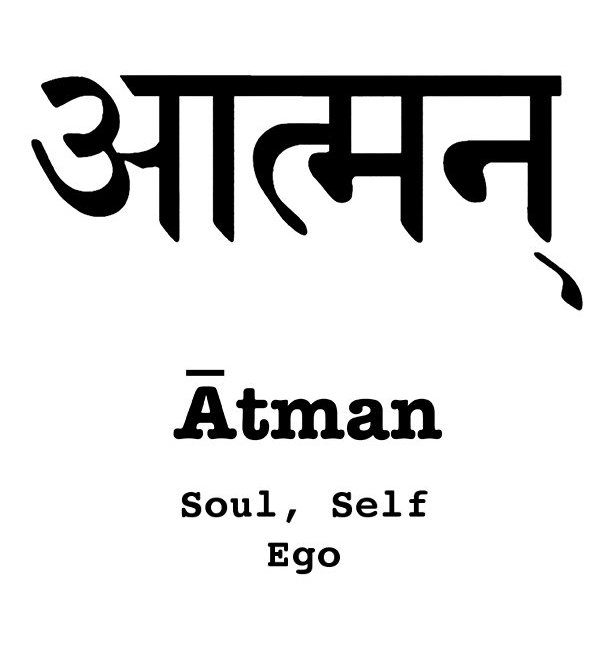
And we imagine it has a transcendental and eternal nature because we cannot conceive it is just a convention of language for an acquired behaviour.


We call this construct Ego, Soul or Atman.
And we imagine it has a transcendental and eternal nature because we cannot conceive it is just a convention of language for an acquired behaviour.

And this is one of the roots of suffering...

--
Posted By Frederic Lecut to Under the moon shadow at 3/23/2015 09:58:00 AM

Michael Elliston
Mar 25, 2015, 9:55:48 AM3/25/15
to under-the-...@googlegroups.com
very good...
On 3/23/15, Frederic Lecut <frederi...@gmail.com> wrote:
> My 2 puppies Itto & Tomoe are charming, smart and very destructive. It is
> important to keep them busy unless they do stupid things. People are also
> like this. I try to keep them busy by teaching them different things : walk
>
> beside me, stop, sit... etc... I have trained dogs before. Border Collies
> are smart and easy to train, they want to learn and they want to please.
>
>
>
>
> You received this message because you are subscribed to the Google Groups
> "Under the Moon Shadow" group.
> To unsubscribe from this group and stop receiving emails from it, send an
> email to under-the-moon-s...@googlegroups.com.
> For more options, visit https://groups.google.com/d/optout.
>
On 3/23/15, Frederic Lecut <frederi...@gmail.com> wrote:
> My 2 puppies Itto & Tomoe are charming, smart and very destructive. It is
> important to keep them busy unless they do stupid things. People are also
> like this. I try to keep them busy by teaching them different things : walk
>
> beside me, stop, sit... etc... I have trained dogs before. Border Collies
> are smart and easy to train, they want to learn and they want to please.
>
>
>
>
> However, I quickly realized that you cannot train 2 puppies at the same
> time. It just does not work, and I believe I know why.
>
>
>
> Actually, dogs do not really know their names. Nothing happens in Itto's
> head that tells him he "IS" Itto. Itto does not think "I am Itto"; he has
> no concept of Identity.
>
>
>
> time. It just does not work, and I believe I know why.
>
>
>
> Actually, dogs do not really know their names. Nothing happens in Itto's
> head that tells him he "IS" Itto. Itto does not think "I am Itto"; he has
> no concept of Identity.
>
>
>
> However, a particular dog will understand a command preceded by his name.
> But, if other dogs are around and if you do not call the dog's name before
>
> giving the command, the dog won't understand.
>
>
>
> There is no point trying to teach Itto or Tomoe to answer the command << Sit
>
>>>. It can be done, but there is no point doing it. You can individually
> teach each dog to sit. But when both dogs are together and you ask Itto to
>
> sit and Tomoe does not sit, she will realize that she does not have to
> follow the command << sit >>. She will get confused, and later will not
> follow your commands. You will get frustrated, think she is stupid, but
> really and truly, it is not the dog's fault, it's yours !
>
>
>
>
> But, if other dogs are around and if you do not call the dog's name before
>
> giving the command, the dog won't understand.
>
>
>
> There is no point trying to teach Itto or Tomoe to answer the command << Sit
>
>>>. It can be done, but there is no point doing it. You can individually
> teach each dog to sit. But when both dogs are together and you ask Itto to
>
> sit and Tomoe does not sit, she will realize that she does not have to
> follow the command << sit >>. She will get confused, and later will not
> follow your commands. You will get frustrated, think she is stupid, but
> really and truly, it is not the dog's fault, it's yours !
>
>
>
>
> So it is necessary to teach each dog separately "Tomoe, sit" and "Itto,
> sit", This applies to any command: "Itto, come"; "Tomoe, Stay"... Once the
>
> dog understands which command applies to him or her, it become possible to
>
> have them work together. You can ask one dog to come while the other stays
>
> put. That is how shepherd use several dogs to handle their flocks. They
> always give personalized commands to their dogs.
>
>
>
> Itto does not know his name. However, he knows he should sit when he
> hears "Itto, sit" . This is true of many commands : "Itto, Come" ; "Itto,
> Walk", etc...
>
>
>
> Little by little, Itto realizes that when he hears the sound "Itto" he will
>
> be asked to do something specific. So every time he hears this "Itto", he
> lifts his ears and focus.
>
>
>
> THIS is why we can say the dog knows his name.
>
>
>
> Knowing his name is nothing but the ability to react to a sound; the result
>
> of a conditioning. This ability is voluntary at the beginning (The trainer
>
> triggers it in various ways, this is what dog training is about) and little
>
> by little it becomes involuntary: the dog reacts without having to pay
> attention. We say that the dog knows his name, and who he is, but it is
> just a pattern of acquired behavior, an habit.
>
>
>
> Likewise our personality - our Ego - is the result of such an habitual and
> sit", This applies to any command: "Itto, come"; "Tomoe, Stay"... Once the
>
> dog understands which command applies to him or her, it become possible to
>
> have them work together. You can ask one dog to come while the other stays
>
> put. That is how shepherd use several dogs to handle their flocks. They
> always give personalized commands to their dogs.
>
>
>
> Itto does not know his name. However, he knows he should sit when he
> hears "Itto, sit" . This is true of many commands : "Itto, Come" ; "Itto,
> Walk", etc...
>
>
>
> Little by little, Itto realizes that when he hears the sound "Itto" he will
>
> be asked to do something specific. So every time he hears this "Itto", he
> lifts his ears and focus.
>
>
>
> THIS is why we can say the dog knows his name.
>
>
>
> Knowing his name is nothing but the ability to react to a sound; the result
>
> of a conditioning. This ability is voluntary at the beginning (The trainer
>
> triggers it in various ways, this is what dog training is about) and little
>
> by little it becomes involuntary: the dog reacts without having to pay
> attention. We say that the dog knows his name, and who he is, but it is
> just a pattern of acquired behavior, an habit.
>
>
>
>
> cultural conditioning: an acquired behaviour. And this conditioning is so
> powerful that from an early age we come to believe that this personality is
>
> an actual entity, a "Real Thing", and we totally identify to it.
>
>
>
> Human mind has a hard time perceiving and conceiving of an ever-changing
> reality. It loves to imagine immutable things and sort them in categories.
>
>
> We call this construct Ego, Soul or Atman.
>
>
>
>
>
> cultural conditioning: an acquired behaviour. And this conditioning is so
> powerful that from an early age we come to believe that this personality is
>
> an actual entity, a "Real Thing", and we totally identify to it.
>
>
>
> Human mind has a hard time perceiving and conceiving of an ever-changing
> reality. It loves to imagine immutable things and sort them in categories.
>
>
> We call this construct Ego, Soul or Atman.
>
>
>
>
>
> And we imagine it has a transcendental and eternal nature because we cannot
>
> conceive it is just a convention of language for an acquired behaviour.
>
>
>
>
>
>
>
> conceive it is just a convention of language for an acquired behaviour.
>
>
>
>
>
>
> And this is one of the roots of suffering...
>
>
>
>
>
>
> --
> Posted By Frederic Lecut to Under the moon shadow at 3/23/2015 09:58:00 AM
>
> --
> Posted By Frederic Lecut to Under the moon shadow at 3/23/2015 09:58:00 AM
>
> You received this message because you are subscribed to the Google Groups
> "Under the Moon Shadow" group.
> To unsubscribe from this group and stop receiving emails from it, send an
> email to under-the-moon-s...@googlegroups.com.
> For more options, visit https://groups.google.com/d/optout.
>
Frederic Lecut
Mar 25, 2015, 7:20:41 PM3/25/15
to under-the-...@googlegroups.com
Well Sensei, I guess I have this figured out, that does not make the rest any easier !
Because you know you have bad habits does not make it much easier to get rid of them ! Now at least I know !
Because you know you have bad habits does not make it much easier to get rid of them ! Now at least I know !
Frederic Lecut
See my Mosaics at : MosaicBlues
Zen and Martial Arts in English
Zen et Arts Martiaux en Francais
See my Mosaics at : MosaicBlues
Zen and Martial Arts in English
Zen et Arts Martiaux en Francais
Michael Elliston
Mar 26, 2015, 8:19:16 AM3/26/15
to under-the-...@googlegroups.com, Bryan Price, Thomas Pongratz, Lawrell Studstill
there is some current research on habit-forming and -breaking we might
discuss some time.
Daishin Thomas Pongrantz is planning to do an ango Oct-Dec at Bryan's
farm this year, and hoping a second person can stay there as well. We
want to do some building project on the cabin to convert it to a
zendo. Let us know if you can help... we need your skills and sawdust
wisdom.
gassho, sensei
PS - I could use some help doing a takeoff and estimate on the
exterior reno for Zonolite if you have time. We might get it funded,
including the landlord paying for materials.
On 3/25/15, Frederic Lecut <frederi...@gmail.com> wrote:
> Well Sensei, I guess I have this figured out, that does not make the rest
> any easier !
> Because you know you have bad habits does not make it much easier to get
> rid of them ! Now at least I know !
>
>
>
> Frederic Lecut
>
> See my Mosaics at : MosaicBlues
> <http://mosaicblues.com/index_html/index.html>
> Zen and Martial Arts in English <http://underthemoonshadow.blogspot.com/>
> Zen et Arts Martiaux en Francais <http://ombre-de-la-lune.blogspot.com/>
discuss some time.
Daishin Thomas Pongrantz is planning to do an ango Oct-Dec at Bryan's
farm this year, and hoping a second person can stay there as well. We
want to do some building project on the cabin to convert it to a
zendo. Let us know if you can help... we need your skills and sawdust
wisdom.
gassho, sensei
PS - I could use some help doing a takeoff and estimate on the
exterior reno for Zonolite if you have time. We might get it funded,
including the landlord paying for materials.
On 3/25/15, Frederic Lecut <frederi...@gmail.com> wrote:
> Well Sensei, I guess I have this figured out, that does not make the rest
> any easier !
> Because you know you have bad habits does not make it much easier to get
> rid of them ! Now at least I know !
>
>
>
> Frederic Lecut
>
> See my Mosaics at : MosaicBlues
> Zen and Martial Arts in English <http://underthemoonshadow.blogspot.com/>
> Zen et Arts Martiaux en Francais <http://ombre-de-la-lune.blogspot.com/>
Frederic Lecut
Mar 26, 2015, 12:35:52 PM3/26/15
to under-the-...@googlegroups.com
What exactly is a "takeoff" sensei ? I plan to come to Atlanta on April 18, I could spend the night at the center and we can discuss this then.
Ji RyuHowever, there is no reason whatsoever why the sun should rise in the East tomorrow morning. There is an extremely high probability why it would, because it has done so for the last few billion years. But this is all there is to it.
Actually the law of cause and effect simply expresses this : If we observe that 2 distinct events systematically occur following each other we come to believe there is a relation between the 2 events, and that whenever the first event happen, the second will occur. We call the first event "cause", and the second "effect".
The problem is the adverb "Systematically". It is fallacious, it just means that we have observed the same thing a great number of time. We really do not understand How things happen, we only know that they tend to happen this way, because they have in the past.
So habits shape what happens in the Universe (at least in that part of the Universe where we are), they shape behaviours.
Michael Elliston
Mar 26, 2015, 1:25:58 PM3/26/15
to under-the-...@googlegroups.com, Lawrell Studstill
sorry, Jiryu - a materials takeoff from the scale model - linear
footage of lumber, roofing, etc so that we can get a price estimate
from Lowes/Home Depot - let's do work on it the 18th; maybe Lawrell
can meet with us then...
gassho, sensei
On 3/26/15, Frederic Lecut <frederi...@gmail.com> wrote:
> What exactly is a "takeoff" sensei ? I plan to come to Atlanta on April 18,
> I could spend the night at the center and we can discuss this then.
>
> Ji Ryu
>
> I am convinced that everything happens following habits, this applies to
> human behaviour but also to everything else. The concept of Natural Laws in
> just that, a human concept, there is no evidence that the so called
> fundamental constants of physics are actually constants, In fact, there are
> slight indication that the speed of light varies with time for example.
> All the "Laws" we have to describe the way the Universe operates are only
> that, they describe, they generally allow us to predict what is going to
> happen, by inference,
> However, there is no reason whatsoever why the sun should rise in the East
> tomorrow morning. There is an extremely high probability why it would,
> because it has done so for the last few billion years. But this is all
> there is to it.
>
> Actually the law of cause and effect simply expresses this : If we observe
> that 2 distinct events *systematically* occur following each other we come
footage of lumber, roofing, etc so that we can get a price estimate
from Lowes/Home Depot - let's do work on it the 18th; maybe Lawrell
can meet with us then...
gassho, sensei
On 3/26/15, Frederic Lecut <frederi...@gmail.com> wrote:
> What exactly is a "takeoff" sensei ? I plan to come to Atlanta on April 18,
> I could spend the night at the center and we can discuss this then.
>
> Ji Ryu
>
> I am convinced that everything happens following habits, this applies to
> human behaviour but also to everything else. The concept of Natural Laws in
> just that, a human concept, there is no evidence that the so called
> fundamental constants of physics are actually constants, In fact, there are
> slight indication that the speed of light varies with time for example.
> All the "Laws" we have to describe the way the Universe operates are only
> that, they describe, they generally allow us to predict what is going to
> happen, by inference,
> However, there is no reason whatsoever why the sun should rise in the East
> tomorrow morning. There is an extremely high probability why it would,
> because it has done so for the last few billion years. But this is all
> there is to it.
>
> Actually the law of cause and effect simply expresses this : If we observe
> to believe there is a relation between the 2 events, and that whenever the
> first event happen, the second will occur. We call the first event "cause",
> and the second "effect".
>
> The problem is the adverb "Systematically". It is fallacious, it just means
> that we have observed the same thing a great number of time. We really do
> not understand How things happen, we only know that they tend to happen
> this way, because they have in the past.
>
> So habits shape what happens in the Universe (at least in that part of the
> Universe where we are), they shape behaviours.
>
> Frederic Lecut
>
> See my Mosaics at : MosaicBlues
> first event happen, the second will occur. We call the first event "cause",
> and the second "effect".
>
> The problem is the adverb "Systematically". It is fallacious, it just means
> that we have observed the same thing a great number of time. We really do
> not understand How things happen, we only know that they tend to happen
> this way, because they have in the past.
>
> So habits shape what happens in the Universe (at least in that part of the
> Universe where we are), they shape behaviours.
>
> Frederic Lecut
>
> See my Mosaics at : MosaicBlues
Frederic Lecut
Mar 26, 2015, 4:05:25 PM3/26/15
to under-the-...@googlegroups.com
Sure Sensei, we will do that. I have a Karate Tournament that should end up around 4:00, I should be by the zendo around 5:00.
Ji RyuMichael Elliston
Mar 26, 2015, 5:24:53 PM3/26/15
to under-the-...@googlegroups.com, Lawrell Studstill
On 3/26/15, Frederic Lecut <frederi...@gmail.com> wrote:
> Sure Sensei, we will do that. I have a Karate Tournament that should end up
> around 4:00, I should be by the zendo around 5:00.
> Ji Ryu
>
> Frederic Lecut
>
> See my Mosaics at : MosaicBlues
> Sure Sensei, we will do that. I have a Karate Tournament that should end up
> around 4:00, I should be by the zendo around 5:00.
> Ji Ryu
>
> Frederic Lecut
>
> See my Mosaics at : MosaicBlues
Reply all
Reply to author
Forward
0 new messages