

5 Best Historic Walking Areas in Westminster: A Time Traveler's Guide

1. Westminster Abbey and its Environs

Take a stroll around the serene Abbey Gardens, once the heart of the medieval city. Here, remnants of an old Benedictine monastery lie beneath the verdant lawns. Imagine the monks tending their gardens and tending to the spiritual needs of the burgeoning city, and the faint echoes of chanting monks seem to linger in the air.
A few paces away is Westminster School, established in the 16th century and with an illustrious alumni including Charles Dickens, William Blake, and Winston Churchill. As you walk past this grand, old school, try to envision the scholars of past centuries learning and debating, laying the foundations for futures yet to be written. This whole area is a veritable time capsule, allowing you to retrace the footsteps of figures who have shaped history and continue to inspire today.
Don't forget to look up! Admire the grand facades of nearby buildings, each bearing the marks of history etched into their stonework, like St. Margaret’s Church, another historic gem nestled in the abbey's shadow. And as you continue your stroll, you might stumble upon a hidden doorway leading to a secret garden, or perhaps a tiny lane teeming with stories that have yet to be fully told.
2. The Houses of Parliament and Big Ben: Power and Majesty

To really get a sense of the history of Parliament, a walk around the area reveals glimpses into its evolving past. Take a turn along the Victoria Embankment, where the River Thames acts as a reflective surface, revealing a historic tableau: the buildings along the Thames have each played a part in the complex and sometimes tumultuous history of this nation.
Imagine, for instance, the iconic Victorian engineers building the Thames Embankment as a testament to their progress. It’s not just buildings you’re experiencing; you’re breathing in the history that pervades the entire area. Step back in time and think about those who have walked this same ground before you, whether it be a monarch seeking counsel or a determined social reformer pleading for change. Every stone and brick tells a story, waiting for you to unravel them.
For a truly immersive experience, venture inside the Houses of Parliament (after booking a tour in advance!). Stroll through the hallowed halls where history is being made, feel the hushed whispers of the chamber as a debate unfolds, and peek into the rooms where the fate of nations is decided. Each chamber, hallway, and statue is a relic of the past, waiting to be discovered by curious minds. This walk offers more than just beautiful architecture, it offers a chance to engage with the dynamic history of this very important place, allowing you to understand the history of Britain through its parliamentary legacy.
3. The Royal Mews and Buckingham Palace: Behind the Royal Walls

Here, behind those grand stable doors, lies a hidden world where centuries of tradition intertwine with the most advanced equine technology. Witness the gilded state coaches, once used by monarchs for official ceremonies and parades. Step inside and you'll be transported to an era of regal pageantry, when monarchs travelled in grand style, drawing the admiration of the nation. These carriages, preserved with loving care, are living relics of the royal past.
Look up! Notice the horse-drawn carriages gleaming in the sunlight, each meticulously cared for by the Mews' dedicated team. Imagine the sounds of hooves on cobblestones, the cheers of crowds, and the elegant figures of royal dignitaries passing by in their finery. It’s easy to feel the grandeur and pomp of the bygone era as you witness these stunning horses.
You might be lucky enough to witness a changing of the guard ceremony, where the regal pomp of the Royal Family's official residences is presented with precise, ceremonial flourish. Immerse yourself in the pomp and ceremony as you listen to the sharp crack of the guards' boots and the booming voices of the guards as they march to the precise beat. Each detail, from the meticulously pressed uniforms to the synchronized movements, is an echo of history brought to life. This is more than just a spectacle; it’s a tradition steeped in centuries of military precision and grandeur, and a true testament to the enduring spirit of British monarchy.
For a taste of the everyday life within the Royal Mews, attend a carriage demonstration (check schedules beforehand). Get up close and personal with these extraordinary horses, experience their strength and grace, and learn about their intricate training and care. Each demonstration is a chance to connect with the horses that once carried kings and queens and glimpse a glimpse into the history of this most esteemed part of the royal tradition.
4. The London Eye and South Bank: A Contemporary Take on History
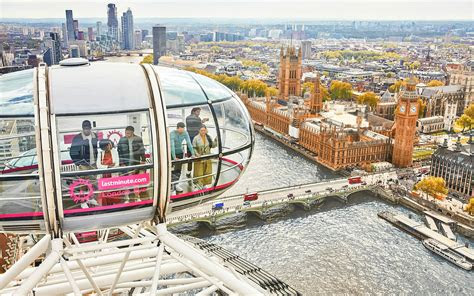
While standing on the South Bank, surrounded by contemporary art and modern life, try to picture the area as it was in centuries past.
Step into one of its transparent capsules, and as you rise above the city, try to spot the iconic landmarks that have weathered centuries of change, from Westminster Abbey’s spires to the majesty of St. Paul’s Cathedral. This ride is not just a stunning perspective on modern London but also a window into the city’s fascinating historical layers. As you float in your capsule, allow yourself to drift through time, observing the cityscape unfold. The South Bank may be brimming with modern amenities, but the area is steeped in a history you can easily unravel with just a little exploration.
Continue your stroll southwards and discover the remnants of a historic port, once teeming with life and trade, in the Borough Market. You can see this history in the streets and buildings, in the remnants of Victorian architecture, and in the charming local shops that offer a glimpse into the city's past. Explore the atmospheric alleyways that weave their way between historic buildings and listen to the stories whispered through the bricks.
Walk a bit further to see Shakespeare’s Globe Theatre. This reconstructed Globe, designed in the style of the original 16th-century theatre, echoes the era of Shakespeare, Marlowe, and other theatrical giants, evoking the energy of the original Globe. You can practically feel the echoes of a vibrant Elizabethan world of poetry, theatre, and the clash of swords!
5. The Strand: A Crossroads of History and Commerce

Walk from the north towards the south along the Strand and you’ll notice the distinct change in the atmosphere as you travel along the historic road. To the north you will pass Somerset House, a striking and symmetrical 18th-century building which houses the renowned Courtauld Gallery (if you like fine art, this should be a must-see!) To the south, you will enter a section of the Strand known as The Savoy, named after a 12th century religious order, where opulent theaters and high-class restaurants still bear the vestiges of an aristocratic past.
Wander down side streets and discover remnants of Victorian London and the grandeur of Edwardian times. There is something for everyone. From hidden courtyards to historical pubs, the Strand offers something for everyone, making it a truly enriching experience.
While in the area, check out Covent Garden, which offers a chance to wander through a fascinating marketplace with charming cobbled streets that date back to the early 17th century. It was originally known as the "Garden of Covent" – convent in English. Now it's filled with entertainment, a variety of performers, and a buzzing arts community that reflects its enduring creativity.
As you take your time exploring these areas, you'll soon understand why Westminster remains an incredibly rich and varied historic area for visitors of all backgrounds. It is truly one of the best places to get a glimpse of the heart and soul of this incredible city, London.
Explore more historical destinations in Westminster: London.Frequently Asked Questions
Where can I find the best historical walking tours of Westminster?
Many tour companies offer guided walking tours focused on Westminster's history. Some highly recommended providers include:
- Sandemans New Europe: Free walking tours that cover key historical landmarks in Westminster.
- Free Tours by Foot: Similar to Sandemans, offering free, tip-based tours that focus on London’s history and culture.
- London Walks: A well-established company offering various thematic walking tours covering Westminster and other areas.
How long does it take to walk through each of these areas?
The walking time varies depending on your pace and interest levels:
- Westminster Abbey and Environs: 1-2 hours
- Houses of Parliament and Big Ben: 1-2 hours
- Royal Mews and Buckingham Palace: 1-2 hours
- London Eye and South Bank: 2-3 hours
- The Strand: 2-3 hours
Are these walking areas accessible to people with disabilities?
Generally, yes, with some areas being more accessible than others. It's essential to research each location's accessibility information before you visit:
- Westminster Abbey offers limited accessibility with a lift available for wheelchair users. You may need to pre-book. Check for updated accessibility information on the Abbey website before your visit.
- The Houses of Parliament offers wheelchair access, although you might need to book tours in advance.
- Buckingham Palace offers wheelchair access, and accessible restrooms are available. Again, you may need to book in advance.
- The London Eye has a lift and is largely wheelchair accessible.
- Covent Garden and the South Bank generally have good accessibility, but it's worth checking the specific attractions and events to be sure.
Are there any other interesting things to do in Westminster besides these walks?
Yes, many! Westminster is packed with things to see and do:
- See a performance in the Royal Opera House or a classic musical in the West End.
- Attend an exhibit at the National Portrait Gallery.
- Get a photo with the Changing of the Guard at Buckingham Palace.
- Take a river cruise and admire the city's beauty from the River Thames.
- Visit the Churchill War Rooms, a subterranean network that played a pivotal role during World War II.
Is Westminster a safe place to walk around?
Yes, generally speaking. As with any large city, it’s always wise to take standard precautions and stay aware of your surroundings, but you’ll find Westminster to be a relatively safe place to walk during the day and evening.
Key Takeaways
- Westminster offers an immersive experience that weaves together history, art, and political life.
- You can explore historic Westminster in various ways: self-guided walking tours, or joining a group walking tour.
- Look beyond the iconic buildings like Westminster Abbey and Buckingham Palace to discover hidden alleyways, gardens, and courtyards that offer unique glimpses into London's past.
- Each walking area reveals different facets of London’s rich and varied history. So, take your time, explore each neighborhood, and soak in the stories woven into the very fabric of the city.
In Westminster, every corner holds a story waiting to be discovered. Take the time to explore this neighborhood with a curious mind and open heart and prepare to be captivated by its vibrant history and captivating architecture.