
Yagnopaveetham - Paramam Pavithram
1,437 views
Skip to first unread message

ysj sai
Aug 28, 2015, 1:14:58 PM8/28/15
to sri-sathya-sai-seva-organisation, dhruv desai, govind bhatt, Dipak desai, shanta_raman, SOHAONK@CR2, Ravindraray Bhojak, K K SHAH DIST.PRES., Protective Paints Private Limited, Dinesh Tiwari, Rudresh Trivedi, SUYASH KHEMKA, Jagdish shah, Devdoot Gondaliya, Hemashu Desai, Harikrishna Vaidya, rushi...@yahoo.com, himmat_soni1956, licsuni...@yahoo.com, Sangita Khatri, kumkum...@yahoo.com, tandon...@yahoo.co.in, poojamicrobiology, kunjan...@gmail.com, Harsh Soni, rsthatha, ks gayatri, Latha Sundara Raman, URVASHI MODI, sunil godbole, manish shah, fortun...@yahoo.com, Trivedi kmukesh, Parimal Vyas, shiraz13_24, Shilpa Patel, Hiranmayee Srinivasan, Vina Amin, Ramesh Mistry, Jalpan Upadhyay, Manohar G. Trikannad, Kishore Nankani
Yagnopaveetham - Paramam Pavithram
Concept - Significance - Technicalities of Yagnopaveetham...

Prajapatheryasahajam purasthad
Aayushyamagryam prathimuncha shubram
Yagnopaveetham balamasthu thejah
Above sloka describes the sanctity,
spirituality and sacredness of Yagnopaveetham and its benefits. It says that,
Yagnopaveetham is "the best among those that purify; the one that has
emerged along with Brahma (Prajapathi) at the time of creation; that which
bestows life (longevity) and prominence; the one that is sacred clean and unsoiled;
and the one which confers on to the wearer both knowledge and power.
What is Yagnopaveetham?
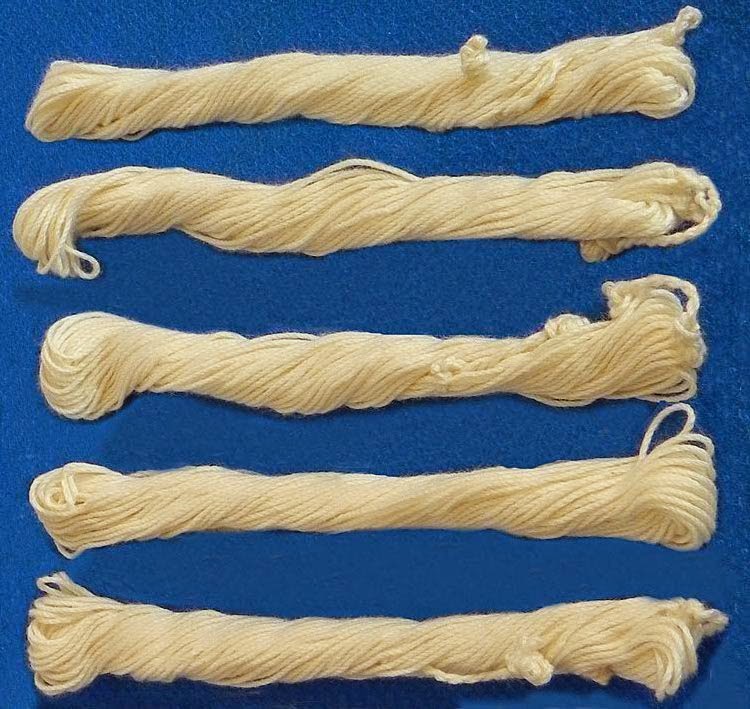 Yagnopaveetham is a triple stranded
sacrificial filament joined by a knot called Brahmagranthi that is worn by
those initiated into the Gayathri recital. Yagnopaveetham is a Sanskrit word; Yagna
means sacred ritual and Upaveetham means a covering. Yagnopaveetham means a
sacred covering on the body without which a Yagna or a sacred ritual cannot be performed.
It is also called as Brahmasuthram. In Telugu it is called as Jandhyam, in
Tamil it is Poonal, while in Kannada it is called as Janivara. In English it is
called sacred thread. Yagno-pavita means ‘thread of sacrifice’ that symbolizes
the sacrifice of ego, anger & selfishness.
Yagnopaveetham is a triple stranded
sacrificial filament joined by a knot called Brahmagranthi that is worn by
those initiated into the Gayathri recital. Yagnopaveetham is a Sanskrit word; Yagna
means sacred ritual and Upaveetham means a covering. Yagnopaveetham means a
sacred covering on the body without which a Yagna or a sacred ritual cannot be performed.
It is also called as Brahmasuthram. In Telugu it is called as Jandhyam, in
Tamil it is Poonal, while in Kannada it is called as Janivara. In English it is
called sacred thread. Yagno-pavita means ‘thread of sacrifice’ that symbolizes
the sacrifice of ego, anger & selfishness.
Who should wear Yagnopaveetham?
In olden days both men and women used
to wear Yagnopaveetham. But nowadays only men who are eligible and initiated
into Gayathri Manthra wear it. Among the Varnas, Brahmin, Kshatriya, Vysya who
is a dwija can wear Yagnopaveetham. They should start wearing from the day they
are initiated into the Gayathri Manthra which generally happens through a
ceremony called Upanayanam.
How many Yagnopaveethas one should wear?
It is said that a Brahmachari
(unmarried person) should wear only one Yagnopaveetham that has three strands.
A Grihastha (married person) should wear two such Yagnopaveethas. It is in
practice to wear three Yagnopaveethas by a Grihastha, the third one that acts
as an Uttareeyam (upper dhothi).
What should be its length?
When you wear the length of
Yagnopaveetham should come up to the navel level and it should be neither above
nor below the navel. It is said that if it is below the navel it will lead to
the loss of power of penance and if it is above the navel it is Ayuksheenam (decline
in longevity). Manu Smruthi says that
the potion below the navel is impure. We
also find a reference to this in Dharma Sindhu.
Who are the Presiding
Deities of Yagnopaveetham?
Omkaram (Pranava), Agni, Naaga, Soma
(Moon), Pithru Devathas, Prajapathi, Vayu, Surya and Vishve Devathas are the
Presiding Deities of Yagnopaveetham.
How to wear & remove Yagnopaveetham?
How to wear & remove Yagnopaveetham?
Wear Yagnopaveetham one by one
reciting the relevant sankalpa and Yagnopaveetha dhaarana manthra. Every time
Aachamanam should be performed and Gayathri manthra should be recited ten
times. While wearing Yagnopaveetham it should be held by both hands with the
knot in the Yagnopaveetham being held above by the right hand facing upwards.
Similarly old and worn out Yagnopaveetham should not be removed from above the neck. It should be removed from below the navel without touching the feet. Logic behind removing from below the navel could be; Man is said to be purer above the navel. Manu Smruthi says that, portion below the navel is impure. After changing Yagnopaveetham the old one worn becomes a decayed thing. It should not be removed from sacred portion of the body that is above the head.
Please click on the links given below for detailed version of Yagnopaveetha Dhaarana Vidhi with slokas…
Similarly old and worn out Yagnopaveetham should not be removed from above the neck. It should be removed from below the navel without touching the feet. Logic behind removing from below the navel could be; Man is said to be purer above the navel. Manu Smruthi says that, portion below the navel is impure. After changing Yagnopaveetham the old one worn becomes a decayed thing. It should not be removed from sacred portion of the body that is above the head.
Please click on the links given below for detailed version of Yagnopaveetha Dhaarana Vidhi with slokas…
(http://bhargavasarma.blogspot.com/2011/08/upakarma-yagnopaveetha-dhaarana-vidhi.html)
Yagnopaveetha Dhaarana Vidhi - Sloka Manthras (English Script)
Yagnopaveetha Dhaarana Vidhi - Sloka Manthras (English Script)
(http://bhargavasarma.blogspot.com/2011/08/yagnopaveetha-dhaarana-vidhi-model.html)
Yagnopaveetha Dhaarana Vidhi (Telugu Version) with sloka manthras - యజ్ఞోపవీతధారణ విధి
(http://bhargavasarma.blogspot.com/2011/08/yagnopaveetha-dhaarana-vidhi-telugu.html)
Checklist...
1. Guru Vandana (Invoking Gurus)
2. Vighneshwara Prarthana
3. Aachamanam with Chaturvimshati (24)Kesava Namas
4. Praanayaamam
5. Sankalpa (Recitation of Sankalpa manthra)
6. Yagnopaveetha Samskara
7. Praana Pratishta
8. Invoking Trinal Lords (Brahma, Vishnu & Shiva)
9. Invoking Presiding Deities of Yagnopaveetham
10. Invoking three Vedas (Rug, Yajur and Saama)
11. Invoking Goddess Gayathri and Surya
12. Yagnopaveetha Dhaarana
13. Removal of old Yagnopaveetham
14. Aachamanam
15. Samarpana – Sri Krishnaarpanamasthu
|
Posture of Yagnopaveetham…
Generally we come across three
postures of wearing Yagnopaveetham. One is Upavita where the Yagnopaveetham is
worn over the left shoulder and under the right arm. This posture is used for
performing auspicious ceremonies and sacred rituals related to Gods. This is
called Savya position. Under normal circumstances
Yagnopaveetham should always be in Savya position.
The second one is Praachinavita where, Yagnopaveetham is worn above
the right shoulder and under the left arm. This position is used while
performing sacred rites to the Forefathers (Pitru Karya). This is called
Apasavya position.
When Yagnopaveetham is worn around the
neck and over the chest in maalakara (like a garland) and is held with both
thumbs in the region of the heart and above the naval, it is Nivita. This form is used during Rishi tarpana, sexual intercourse, answering
nature calls, while carrying a corpse etc.
One would have observed devout Brahmins
tying their Yagnopaveetham tightly to the right ear/left ear while attending
nature calls. While it is to protect the sacred thread from becoming soiled
during the course of attending nature calls, there is also a health significance
involved in it. It is said that important nerves connecting excretory system
pass through right/left ear. While passing urinals it is worn round the right
ear and while passing stools it is worn round the left ear. When pressure is
applied it helps in regulating the functioning of excretory organs, perhaps the
concept of Acupressure.
When to Change the Yagnopaveetham?
When once a person starts wearing Yagnopaveetham
in normal circumstances it should not be removed and should be worn always (24
hours-365 days). It is like a woman wearing a Mangala-Suthra forever. But in
practice it is not possible to wear the same Yagnopaveetham permanently. Due to
wear and tear, it may get soiled or worn out or gets broken and needs to be
changed. One should not wear a broken or worn out Yagnopaveetham. Apart from
this it should be changed under the following circumstances.
Technicalities of Yagnopaveetham...
- Once in a year on the day of Upakarma;
- Whenever there is Jataasoucham or Mruthaasoucham (birth/death in the family) after completion of the stipulated period of asoucha;
- Whenever one visits the Cremation Ground or touches a Corpse;
- Whenever one happen to touch a woman during menstruation;
- Whenever the threads of Yagnopaveetham are severed or it is soiled or worn out;
- Whenever one attends 10th day ceremony and gives Dharmodaka.
Technicalities of Yagnopaveetham...
Colour
As per scripts it is said that, sacred thread should be white in colour for Brahmins, red in colour for Kshatriyas and yellow in colour for Vysyas. But in practice we find all people using Yagnopaveetham which is white in colour.
As per scripts it is said that, sacred thread should be white in colour for Brahmins, red in colour for Kshatriyas and yellow in colour for Vysyas. But in practice we find all people using Yagnopaveetham which is white in colour.
Quality
As per scripts it is said that, Yagnopaveetham should be made up of cotton for Brahmins, silk for Kshatriyas and linen for Vysyas. But in practice we find all people using Yagnopaveethams made from cotton.
As per scripts it is said that, Yagnopaveetham should be made up of cotton for Brahmins, silk for Kshatriyas and linen for Vysyas. But in practice we find all people using Yagnopaveethams made from cotton.
Composition
Yagnopaveetham Navathanthu Nirmitham; Yagnopaveetham is made up of nine layers of woven cotton thread spun by a virgin girl and twisted by a Brahmin reciting Gayathri manthra on an auspicious day. Length of the thread used for making Yagnopaveetham as per scripts should be 96 breadths of four fingers measured by one’s own hand. Thickness of the thread should be of a mustard seed size. Nowadays we don’t find such norms being followed in the making of Yagnopaveetham.
Yagnopaveetham Navathanthu Nirmitham; Yagnopaveetham is made up of nine layers of woven cotton thread spun by a virgin girl and twisted by a Brahmin reciting Gayathri manthra on an auspicious day. Length of the thread used for making Yagnopaveetham as per scripts should be 96 breadths of four fingers measured by one’s own hand. Thickness of the thread should be of a mustard seed size. Nowadays we don’t find such norms being followed in the making of Yagnopaveetham.
Arithmetic of number “96”
It is said that Gayathri Manthra has
24 letters and when it is added together from four Vedas it becomes 96 (24x4)
that gives the power or eligibility to the Dwija to perform Yagna or Yagas and
to recite Gayathri Manthra. Four fingers represent four states of the soul a
man experiences from time to time (waking, dreaming, dreamless sleep, and
absolute Brahmanhood)
There is another arithmetic to this
number, that is human body comprises of 25 elements, made up of three Gunas
(Sattwa, Rajo, Tamo). We have 16 thithis in the calendar, 27 Stars in the
Almanac, 4 Vedas, 6 Ruthus in three Seasons (summer, winter and monsoon), and
12 months. When all these are added together (25+3+16+27+4+6 +3+12) it comes to
96. It is said that human life rotates around these elements.
Significance of Nine layers
It is said that nine layers represent
nine devathas who are the presiding deities of Yagnopaveetham viz. Omkaram
(Pranava), Agni, Naaga, Soma (Moon), Pithru Devathas, Prajapathi, Vayu, Surya
and Vishve Devathas. Before wearing Yagnopaveetham one should offer prayer to
all these nine deities.
Brahma Granthi
As per the scripts it is prescribed
that the Yagnopaveetham should have knots equivalent to the number of Pravaras
in one’s Gothra. But in practice we find only one knot for the Yagnopaveetham.
The knot with which the three strands are tied together is called Brahma
Granthi that signifies ParaBrahma (Pranavam) who is Sakala Veda Swaroopa. There
are many interpretations about the three strands of Yagnopaveetham.
It symbolizes three trinal Lords
(Brahma Vishnu, Maheswara) and when tied together it becomes Para Brahma; three
worlds (Bhu-Bhuvar- Suvar); three feminine energies (Lakshmi, Saraswathi and
Durga); and three tattwas or qualities (Sattwa, Rajo, Tamo). It is also
interpreted as, three strands representing Ida, Pingala and Sushumna nadi
through which the Kundalini energy manifests as prana and consciousness. The
three strands also indicate that one who wears it should have a triple control
over his mind speech and body (thought, word and deed)
Dwija
Dwija mean twice born. There is no
difference between one child and another at the time of birth. All are born out
of the mother's womb only. This is the first stage of life (Sudra). Second stage is getting upadesa of Gayathri at
the time of Upanayanam when the boy becomes Dwija or twice-born. He is then
purified. The third stage is Vipra when one has mastered the study of the
Vedas. The fourth stage is Brahmana when he actually realizes the Brahman
through the knowledge of the Self. One becomes a Brahmana not by birth but only
when one realizes the Supreme Brahman. One becomes a Brahmana by action and not
by birth.
Why should one wear Yagnopaveetham?
Wearing
Yagnopaveetham would increase the longevity of a person who wears, gives
physical and mental strength through the worship of Sun God (Savitha) using
Gayathri Mantra initiated during his Upanayanam. By wearing Yagnopaveetham one
gets purified both externally and internally. By wearing Yagnopaveetham one
gets the eligibility to perform spiritual and sacred rituals (Sroutha/Smartha
Karmas) as prescribed in Vedas for his Varna. Sacred rituals performed by
wearing Yagnopaveetham give good results.
!Vinayagnopaveethenaa Bhojanam Kurthe
Dwijam
Ajamoothrapureershena Rethassevanamevacha!!
Ajamoothrapureershena Rethassevanamevacha!!
One should not attend to nature calls,
eat food, and participate in sensual pleasures without Yagnopaveetham. It is a
prerequisite for learning Veda. It is a passport to obtain Vedic education.
Yagnopaveetham is a mark of formal entry into Brahminhood. It gives power and
authority to pursue one’s spiritual path.
Significance of wearing Yagnopaveetham
The Vedic link that a child looses
when the umbilical cord is cut is re established in the form of Yagnopaveetham.
In other words, Yagnopaveetham serves as an umbilical cord that connects him
not just his immediate parents not just the three generations but the entire
tree of generations and the Rishi on whose root the whole tree flourished. The
three strands remind the wearer that he has to pay off the three debts (Runas)
he owes to the ancient seers, ancestors and to the God viz. Deva, Rushi, Pithru Runa.
Yagnopaveetham is not a mere symbol to
identify a community. One who wears Yagnopaveetham need not necessarily be a
Brahmin and the one who does not wear Yagnopaveetham may not be a non-Brahmin
either. Yagnopaveetham has sanctity of its own and one has to qualify himself
for wearing it not by birth alone but also by practice. He alone is a Brahmin
who does his Nithya Karma, follows the path of Sanatana Dharma and remains free
from ego, avarice, anger and pride.
What is the use of Yagnopaveetham for
the one who is known to the world as a Brahmin? It is not something that is
worn for the world to know. It is for the realization of Brahman within. The
one who has thrown away his Yagnopaveetham but has led a life of truth is
nobler compared to the one who wears Yagnopaveetham but does nothing to justify
it.
Festival related to Yagnopaveetham
Every year during lunar month of
Sravana Masam on the full Moon day (Pournami) the festival related to
Yagnopaveetham is celebrated called Upakarma. Sometimes it may occur on a day
prior to or after the Full Moon day. In Tamil it is called Avani Avittam. Upakarama
is not just simply a festival to celebrate and enjoy. It is an occasion to make
us remember the significance of Yagnopaveetham and Gayathri Manthra and
rededicate ourselves to the spiritual path. On this day all those who have been
initiated into the concept of Upanayanam would change their old Yagnopaveetham
and wear a new one.
Sri KrishnaarpanamasthuReply all
Reply to author
Forward
0 new messages