
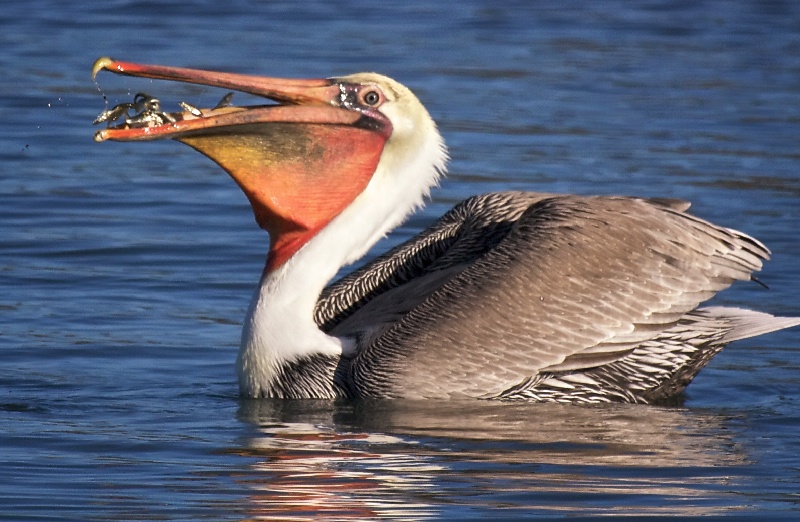
வண்டா/வண்டான் ( = Pelican)

N. Ganesan
On Saturday, August 15, 2015 at 3:49:47 AM UTC-7, Suba.T. wrote:
ஓட்டப்பிடாரத்தில் இருக்கும் வ.உ.சி நினைவு இல்லத்திற்கு நான் சென்றிருந்த போது த.ம.அ விற்காகச் செய்த பதிவுகள் 3 பகுதிகளாக இங்குள்ளன.சுபா
Name | V.O.Chidambaram Pillai |
Born | 05.09.1872 Vandanam Near Ottapidaram Thoothukudi District |


- உணர்த்த லூட லுணர்ந்துடன் மேயும் மடவன்னங்காள்,
திணர்த்த வண்டல் கண்மேல்சங்கு சேரும் திருவண்வண்டூர்,
புணர்த்த பூந்தண் டுழாய்முடி நம்பெரு மானைக்கண்டு,
புணர்த்த கையினரா யடியேனுக்கும் போற்றுமினே
வெறித்த வேடன், வேலை நஞ்சம் உண்ட கண்டன்,
மேவும் ஊர்
மறித்து மண்டு வண்டல் வாரி மிண்டு நீர் வயல் செந்நெல்
அறுத்த வாய் அசும்பு பாயும் அம் தண் ஆரூர் என்பதே.
கொண்ட லார்கொணர்ந் தங்குலவுந்திகழ் கோட்டாற்றில்
தொண்டெ லாந்துதி செய்ய நின்ற தொழில னேகழ லால ரக்கனை
மிண்டெ லாந்தவிர்த் தென்னுகந்திட்ட வெற்றிமையே. (தேவாரம்)
தண்டு ணர்க்கொன்றை பொன்சொரி வனதள வயற்பால்
வண்டல் முத்தநீர் மண்டுகால் சொரிவன வயற்பால்
கண்டல் முன்துறைக் கரிசொரி வனகலங் கடற்பால் (பெ.பு.)
அண்டமுற வங்கியுரு வாகிமிக நீண்டவர னாரதிடமாம்
கெண்டையிரை கொண்டுகெளி றாருட னிருந்துகிளர் வாயறுதல்சேர்
வண்டன்மணல் கெண்டிமட நாரைவிளை யாடுமயி லாடுதுறையே. (தேவாரம்)
2015-08-15 11:26 GMT+02:00 N. Ganesan <naa.g...@gmail.com>:கோவைச் சிறையில் செக்கு இழுத்துச் சுற்றியபோது பாரதமாதா திருக்கோவிலைச் சுற்றிவருவதாகஎண்ணிச் செக்கிழுத்தவர் கப்பல் ஓட்டிய தமிழர் வ.உ.சி. வங்கத்தில் எழுந்த பாரதமாதா, வந்தேமாதரம் முழக்கம்இவற்றையெல்லாம் தமிழகத்தில் அறிமுகப்படுத்தியவர்களில் முக்கியமானவர். சுதந்திர வேள்வியில்பொருள் இழந்த நிலையில் நண்பர்க்கு எழுதிய கடிதத்தில் வ.உ.சி. சொல்லிய வெண்பா:வந்த கவிஞர்க்கெலாம் மாரியெனப் பல்பொருளும்
தந்த சிதம்பரன் தாழ்ந்தின்று - சந்தமில்வெண்
பாச்சொல்லிப் பிச்சைக்குப் பாரெல்லாம் ஓடுகிறான்
நாச்சொல்லும் தோலும் நலிந்து.
இன்று இந்தியா விடுதலை பெற்ற நாள்.
நா. கணேசன்
http://www.dinamani.com/weekly_supplements/tamil_mani/article740138.ece
https://sites.google.com/site/links2pages/home/v-o-chithambaram-pillai
--
N. Ganesan
நல்ல கட்டுரை ,ஓம் சக்தியில் வெளியிடலாம்.வண்டானம் கிருஷ்ணையர் பற்றி உ.வே.சா.என் சரித்திரத்தில் உண்டு.கி.நாச்சிமுத்து
வண்டுகட்டு-தல் vaṇṭu-kaṭṭu- , v. tr. < வண்டு² +. To cover and tie up the mouth of a pot with cloth, in preserving things; பானையின் வாயைச் சீலையால் மூடிக் கட்டுதல்.
- உணர்த்த லூட லுணர்ந்துடன் மேயும் மடவன்னங்காள்,
திணர்த்த வண்டல் கண்மேல்சங்கு சேரும் திருவண்வண்டூர்,
புணர்த்த பூந்தண் டுழாய்முடி நம்பெரு மானைக்கண்டு,
புணர்த்த கையினரா யடியேனுக்கும் போற்றுமினே
| |||
திணை - கரந்தை; துறை - கையறுநிலை. ................... ...................... .............. (இ - ள்.) பெரிய களிற்றின் அடிபோலத் தோன்றும் ஒரு கண்ணினை யுடைத்தாகிய பெரிய பறையினையுடைய இரவலனே! நீ போகின்றாயாயின் தொழாயாய்ப் போதலைப் பரிகரிப்பாயாக; தவறாதே.........யிடைவிடாது வண்டுகள் மேம்பட்டு வாழும், இக்கொடிய வழி; பல ஆக்களாகிய திரண்ட நிரை மீண்டு தன்னோடு போதரப் போந்து இயல்பாகிய போர்த் தொழிலையுடைய வீரர் இரிந்தோடத் தான்போகானாய் வில் உமிழப்பட்ட விரைந்த அம்பு குளிப்பக் கரையைக் கொல்லும் புனலின் கண் அணைபோல எதிர்நின்று விலக்கியவனது கல்லை-எ - று. |
"Puranānūru 263, Poet: Unknown, King: Unknown, Thinai: Karanthai, Thurai: Kaiyaru Nilai
You who has come in need carrying a large drum
with an eye like the foot of a huge male elephant!
If you go that way, do not fail to worship the
memorial stone on the parched path where bees
flourish. It was erected for the man who brought
back herds of cattle that were seized, not moving,
when his untrained young men fled. He blocked
the enemies, like a shore of a flooding river
and rapid arrows shot from bows sank him.
Notes: I have translated the phrase வண்டு மேம் படூஉம் இவ் வற நிலை யாறே according to the traditional interpretation. However, Dr. V. S. Rajam interprets it as ‘the dry river bed where sand comes up on the surface’. The word வண்டு could imply வண்டல் மண். Memorial stones were erected for warriors and kings. Puranānūru poems 221, 223, 232, 260, 261, 263, 264, 265, 329, and 335 have references to memorial stones. In 222, the poet Pothiyār speaks to the memorial stone of King Kōperunchōlan. The Puranānūru poems written by poets whose names we do not know are 244, 256, 257, 263, 297, 307, 323, 327, 328, 333, 339 and 355.
Meanings: பெருங்களிற்று அடியின் தோன்றும் – appearing like the feet of a large male elephant, ஒரு கண் இரும் பறை – large drum with one eye, இரவல – one who asks for help, சேறி ஆயின் – if you go, தொழாதனை கழிதல் ஓம்புமதி – don’t go away not worshipping, வழாது – without fail, வண்டு மேம் படூஉம் – where the sand (வண்டல்) is dry, or where bees flourish, or where a tribe called Vandars live, இவ்வற நிலை யாறே – this path/river which is parched, பல் ஆத் திரள் – many cattle herds, நிரை பெயர் தரப் பெயர் தந்து – brought back herds, கல்லா இளையர் – untrained youngsters, நீங்க – to leave, நீங்கான் – did not move, வில் உமிழ் கடுங் கணை மூழ்க – was sunk by rapid arrows shot by fast bows, கொல் புனல் சிறையின் – shore of a flooding river that ruins the banks, விலங்கியோன் கல்லே – the memorial stone of one who blocked "