

Top 5 Farmers Markets in Ethiopia: A Culinary Adventure
In a land of vibrant cultures and stunning landscapes, Ethiopia’s rich culinary tradition unfolds like a captivating story. One of the best ways to immerse yourself in this tapestry of flavors is by visiting the bustling farmers markets, where life unfolds in a vibrant display of aromas, textures, and colors.
Beyond the produce, these markets are a testament to the spirit of Ethiopian communities, offering a glimpse into local customs, bargaining practices, and the intricate web of relationships that bind them together. Let’s embark on a culinary journey through some of Ethiopia’s most renowned farmers markets.

1. Merkato: Addis Ababa’s Heartbeat
The largest open-air market in Africa, Merkato in Addis Ababa is a labyrinth of stalls, vendors, and throngs of people. It’s a sensory overload, a symphony of haggling, the scent of spices, and the clamor of street food vendors. While intimidating for the first-timer, Merkato is a treasure trove of spices, textiles, jewelry, and artisanal crafts.
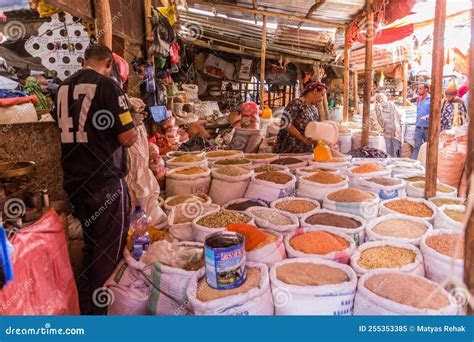
However, it’s the bounty of fresh produce that steals the show. Here, you’ll find mounds of colorful vegetables, mountains of fragrant fruits, and sacks of local grains – all essential components of traditional Ethiopian cuisine.
Don't miss the chance to try the 'Injera' at one of the street stalls - a flatbread made from teff grain that's a staple of Ethiopian food, usually enjoyed with stews like 'Wat'. You'll be rewarded with a truly authentic Ethiopian dining experience!
The energy in Merkato is palpable. There's a sense of community as buyers and sellers engage in a friendly game of negotiation. The art of the bargain is essential! This market is truly an immersion into the beating heart of Addis Ababa.
For a taste of true Ethiopia, visiting Merkato is a must, but remember to pack your patience! Merkato is best explored on a guided tour, but if you’re feeling adventurous, navigate its lively avenues and prepare to be wowed by this chaotic, colorful, and fascinating marketplace.
Helpful tip: Don't forget to haggle and use cash as a primary form of payment.
To book a guided tour, check out this link to trusted tour operators in Addis Ababa

2. The Shashemene Market: Where Culture Blends
Just outside of Addis Ababa, Shashemene is known as the “land of the Rastafarians.†The town itself has a vibrant culture, reflected in the diverse array of goods found at the weekly Shashemene market.
Here, local crafts, jewelry, and unique souvenirs blend with Rastafarian culture, creating a distinctive atmosphere.
Beyond the crafts, this market is a great place to connect with local communities. Many of the vendors are farmers, offering the freshest local produce, and this direct access offers an authentic window into the Ethiopian way of life.
Strolling through this market is an opportunity to sample some delicious regional delicacies like 'Shiro', a chickpea stew often enjoyed with 'Injera'. You might even spot some of the unique food preparations used in Rastafarian tradition.
Shashemene is known for its peaceful, community-oriented vibe. It’s the perfect spot for those looking for a quieter alternative to the larger, more boisterous markets. This relaxed atmosphere invites you to experience the true beauty of Ethiopian hospitality and to learn about a fascinating culture firsthand.
To delve deeper into Shashemene's Rastafarian community and local cuisine, you can check out this link for recommended local tour guides

3. The Hawassa Market: Lake-side Delights
Nestled on the shores of Lake Awassa, Hawassa is a charming town known for its stunning natural beauty. The market here is just as captivating, bursting with life and local color.
The bustling Hawassa Market is where you can sample local fruits, vegetables, and herbs, including the infamous Ethiopian “coffee beans.†The area around the lake is renowned for its coffee production and these beans are often available to buy directly from local farmers.
Beyond the fresh produce, the Hawassa market is a fantastic place to find handcrafted baskets, pottery, and wooden carvings - unique souvenirs of your Ethiopian adventure. You might even find a bargain on some local spices that are often used in the regional cuisines, and these can make great additions to your travel journal of flavors.
The Hawassa Market is a melting pot of Ethiopian life, where you can experience the warmth of local culture firsthand.
If you are planning to visit Hawassa for a weekend getaway, look into this link for local tour packages around Lake Awassa

4. The Harar Market: A Spiced Symphony
Harar is a city with a history deeply intertwined with the spice trade, and the vibrant Harar market reflects this heritage. Harar has a legacy dating back to the Middle Ages when it was a major center for trade across the Red Sea.
Walking into the market, the air is filled with a fragrant symphony of scents, a mixture of exotic spices, frankincense, and myrrh – each ingredient telling a tale of ancient journeys. The market is brimming with local delicacies like coffee beans, lentils, dried beans, and spices used in the famous ‘Shiro Wot’, a traditional chickpea stew.
The market is a kaleidoscope of sights and sounds. You’ll see men chanting and clapping rhythmically while auctioning off goods, creating an enchanting, chaotic soundtrack that pulsates throughout the marketplace.
Harar is also home to a flourishing textile industry, evident in the beautiful shawls and colorful fabrics found within the market. Be sure to pick up a handwoven shawl, perhaps a "Netela", a large shawl traditionally worn by women in Ethiopia, as a cherished memento of your journey.
To fully immerse yourself in the rich cultural history of Harar and explore this captivating market, consider joining a guided tour.
Check out this link for local tour operators and their suggested Harar itinerary
5. The Lalibela Market: A Spiritual Exchange
Lalibela is renowned for its UNESCO World Heritage rock-hewn churches. However, the town's weekly market offers a unique spiritual experience, reflecting the deep faith that permeates Ethiopian life.
The Lalibela market pulsates with local communities and craftspeople. Beyond the produce and staples, you’ll discover a treasure trove of handmade religious icons, rosaries, and devotional items – unique reminders of Lalibela’s spiritual significance.
The market is also a wonderful place to experience the daily lives of Ethiopians. Families gather, neighbors share stories, and there’s a strong sense of community within the market’s heart. You might find the occasional traditional coffee ceremony taking place, allowing you to savor the exquisite ritual of coffee making – a custom deeply embedded in Ethiopian culture.
Whether you're exploring the ancient churches or immersing yourself in the weekly market, Lalibela promises an enriching journey of faith and cultural connection. To enhance your journey and learn more about this sacred place, consider a guided tour of the churches and the surrounding communities. You'll discover the hidden gems of Lalibela!
To plan your trip to Lalibela and explore the beauty of this sacred place, check out this link for local tour packages in Lalibela

Beyond the Markets: A Culinary Feast
From vibrant open-air markets to quaint local restaurants, Ethiopian cuisine offers an explosion of flavors, colors, and textures. Be sure to explore these culinary delights:
- Injera: This spongy, slightly sour flatbread, made from teff grain, serves as the foundation for most Ethiopian meals. It's used to scoop up various stews and dishes.
- Wat: A hearty stew typically made with meat, vegetables, and spices, served with Injera. Try "Shiro Wat," a chickpea stew, and "Berbere Wat", a spiced meat stew.
- Kitfo: A raw, minced beef dish, often spiced with Berbere (a fiery Ethiopian chili pepper blend). It's a popular Ethiopian delicacy and must be tried for the adventurous traveler.
- Tibs: Sauteed cubes of beef, often seasoned with Berbere or other spices, served with onions, tomatoes, and spices.
Embracing the Local Flavor: A Cultural Immersion
Ethiopia's vibrant markets are more than just places to buy groceries; they are gateways to understanding the heart and soul of a nation. Each stall tells a story of family history, resilience, and the deep connection between food, culture, and community.
Take time to engage with the vendors, learn about their practices, and perhaps even haggle for a price or two. It’s not just about acquiring souvenirs; it's about forming a personal connection and deepening your understanding of a rich and welcoming culture.
Exploring Ethiopia’s farmers markets is an adventure for your taste buds and an opportunity to forge lasting connections. You’ll return home not just with unique memories but also a deeper appreciation for the warmth and generosity of the Ethiopian people and their rich cultural tapestry.
Frequently Asked Questions
How safe are farmers markets in Ethiopia?
Ethiopian farmers markets are generally safe, but, like any large gathering, it's advisable to take common-sense precautions. Be mindful of your belongings, especially in crowded areas, and consider visiting with a local guide for an added sense of security.
What should I expect when haggling in an Ethiopian market?
Haggling is an integral part of the Ethiopian market experience. Vendors expect a little negotiation. Start by offering about half the asking price, then gradually increase your offer, engaging in friendly conversation with the vendor. Always remember to maintain a polite and respectful demeanor throughout the process. It’s a great opportunity to interact with the locals!
What should I wear when visiting farmers markets in Ethiopia?
In Ethiopian culture, modesty is valued. For women, it’s appropriate to cover shoulders and knees, especially when visiting religious sites and local markets. Loose-fitting clothing is recommended for both men and women, as the markets can be quite warm. Comfortable walking shoes are essential, as you'll be on your feet for extended periods.
Is it possible to eat street food at the markets?
Yes, you can find a wide variety of street food vendors at Ethiopian markets. These usually include savory dishes like “Wat†served with "Injera," grilled meats, and fruit juices. While Ethiopian cuisine is generally safe to consume, it’s advisable to be cautious when trying street food in markets. Stick to vendors that appear clean and are popular among locals.
Are Ethiopian markets a good place to find souvenirs?
Ethiopian markets offer a wide range of unique souvenirs for those looking to bring back a taste of Ethiopia. You'll find handcrafted items like jewelry, textiles, baskets, pottery, and spices, all perfect for those who appreciate traditional artistry. Look for unique items to bring home, and remember to haggle for a fair price.