
Sleep Deprivation Triggers a Strange Brain Cleanup

rael science
The Raelian Movement
Get Rael-Science on Facebook: http://www.facebook.com/raelscience
Get Rael-Science on Twitter: https://twitter.com/rael_science
Sleep Deprivation Triggers a Strange Brain Cleanup
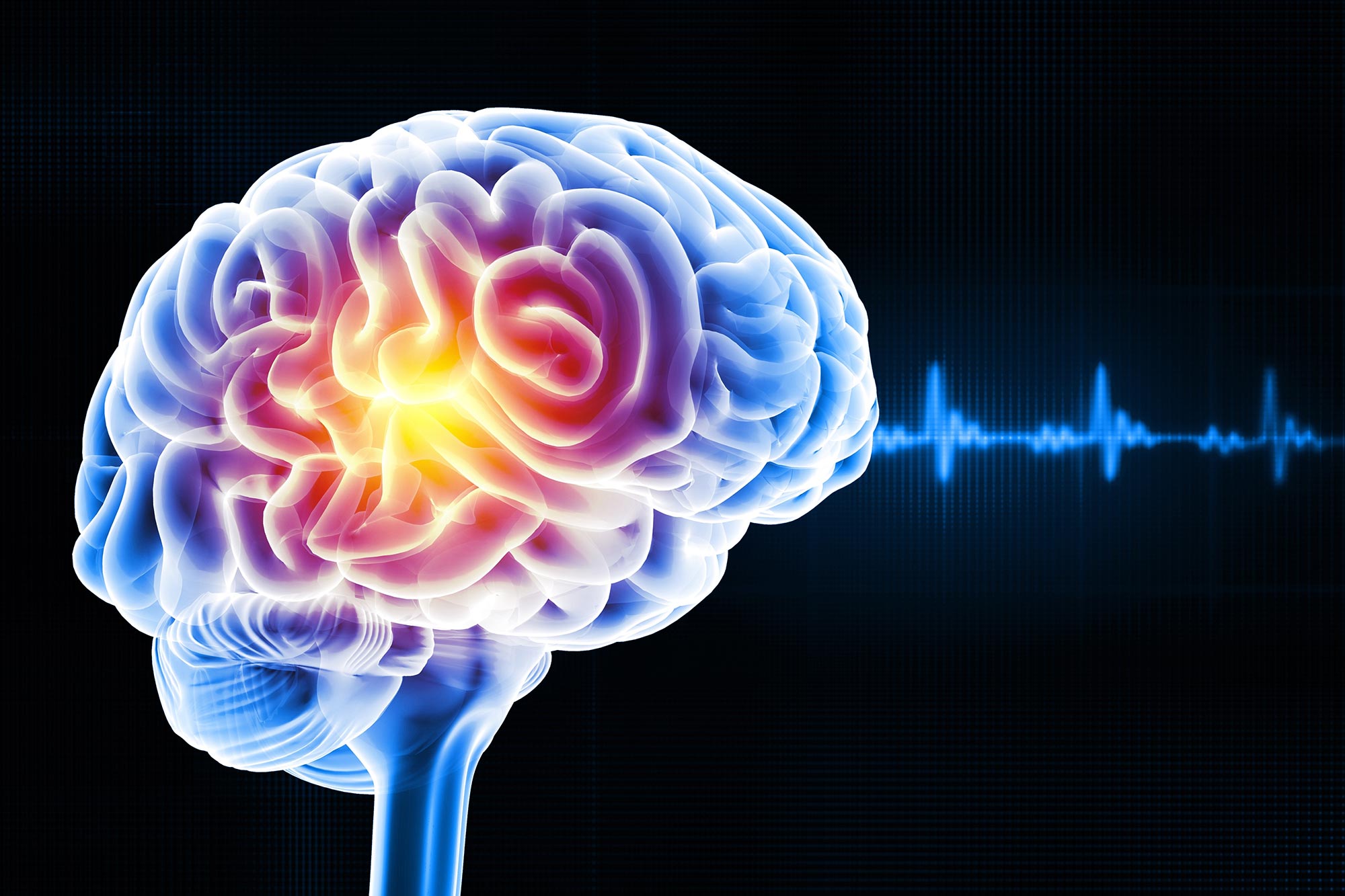 That foggy, disconnected feeling after a bad night’s sleep may be your brain doing something unexpected. New research shows that when you’re sleep-deprived, brief lapses in attention are linked to waves of fluid moving through the brain, a process that usually happens during sleep to clear out waste. Credit: Shutterstock
When you don’t sleep enough, your brain may clean itself at the exact moment you need it to think.
Most people recognize the sensation. After a night of inadequate sleep, staying focused becomes harder than usual. Thinking feels slower, attention wanders, and simple tasks take more effort than they should.
Researchers at MIT have now uncovered what is happening inside the brain during these brief breakdowns in attention. Their study shows that when focus slips, cerebrospinal fluid (CSF) briefly moves out of the brain. This process normally occurs during sleep and plays an important role in clearing away waste that builds up during the day. Scientists believe this cleaning action is essential for keeping the brain healthy and functioning properly.
When someone does not get enough sleep, the body appears to trigger this fluid movement while the person is awake. While this may help compensate for lost rest, it comes with a clear downside. Attention drops sharply during these moments.
“If you don’t sleep, the CSF waves start to intrude into wakefulness where normally you wouldn’t see them. However, they come with an attentional tradeoff, where attention fails during the moments that you have this wave of fluid flow,” says Laura Lewis, the Athinoula A. Martinos Associate Professor of Electrical Engineering and Computer Science, a member of MIT’s Institute for Medical Engineering and Science and the Research Laboratory of Electronics, and an associate member of the Picower Institute for Learning and Memory.
Lewis is the senior author of the study, which was published recently in Nature Neuroscience. MIT postdoctoral associate Zinong Yang is the lead author.
How Sleep Helps Clean the Brain
Sleep is a basic biological need, yet scientists are still working to fully understand why it is so critical. What is well established is that sleep supports alertness and mental performance. When sleep is cut short, attention and other cognitive abilities suffer.
One key role of sleep involves cerebrospinal fluid, which surrounds and protects the brain. During sleep, CSF helps remove waste that accumulates during waking hours. In a 2019 study, Lewis and her colleagues showed that this fluid moves in a regular rhythm during sleep and that the movement is closely tied to changes in brain wave activity.
That earlier research raised an important question about what happens to this system when sleep is disrupted. To investigate, the team recruited 26 volunteers who were tested twice — once following a night of sleep deprivation in the lab, and once when they were well-rested.
Tracking Brain Activity and Attention
Participants completed two attention tests during the scan, one based on vision and the other on sound. In the visual test, they watched a fixed cross on a screen that occasionally changed into a square and pressed a button when they noticed the change. In the auditory test, the visual cue was replaced with a sound.
When attention briefly failed, the researchers observed several physical changes occurring at the same time. Most notably, CSF flowed out of the brain during these lapses and returned once attention recovered.
“The results are suggesting that at the moment that attention fails, this fluid is actually being expelled outward away from the brain. And when attention recovers, it’s drawn back in,” Lewis says.
The researchers believe this pattern reflects the brain attempting to make up for missed sleep. By activating a process normally reserved for rest, the brain may be trying to restore itself even though this comes at the expense of focus.
“One way to think about those events is because your brain is so in need of sleep, it tries its best to enter into a sleep-like state to restore some cognitive functions,” Yang says. “Your brain’s fluid system is trying to restore function by pushing the brain to iterate between high-attention and high-flow states.”
A Shared System Linking Brain and Body
The study also revealed that attention lapses were accompanied by changes throughout the body. During these moments, breathing and heart rate slowed, and pupils became smaller. Pupil constriction began roughly 12 seconds before CSF moved out of the brain and reversed after attention returned.
“What’s interesting is it seems like this isn’t just a phenomenon in the brain, it’s also a body-wide event. It suggests that there’s a tight coordination of these systems, where when your attention fails, you might feel it perceptually and psychologically, but it’s also reflecting an event that’s happening throughout the brain and body,” Lewis says.
Although the study did not identify the exact circuit responsible, the researchers point to the noradrenergic system as a likely candidate. This system, which relies on the neurotransmitter norepinephrine to regulate both mental and physical functions, is known to fluctuate during normal sleep.
Reference: “Attentional failures after sleep deprivation are locked to joint neurovascular, pupil and cerebrospinal fluid flow dynamics” by Zinong Yang, Stephanie D. Williams, Ewa Beldzik, Stephanie Anakwe, Emilia Schimmelpfennig and Laura D. Lewis, 29 October 2025, Nature Neuroscience.
DOI: 10.1038/s41593-025-02098-8
The research was supported by the National Institutes of Health, a National Defense Science and Engineering Graduate Research Fellowship, a NAWA Fellowship, a McKnight Scholar Award, a Sloan Fellowship, a Pew Biomedical Scholar Award, a One Mind Rising Star Award, and the Simons Collaboration on Plasticity in the Aging Brain.