
Stanford Scientists Successfully Reverse Autism Symptoms in Mice

rael-science
The Raelian Movement
Get Rael-Science on Facebook: http://www.facebook.com/raelscience
Get Rael-Science on Twitter: https://twitter.com/rael_science
Stanford Scientists Successfully Reverse Autism Symptoms in Mice
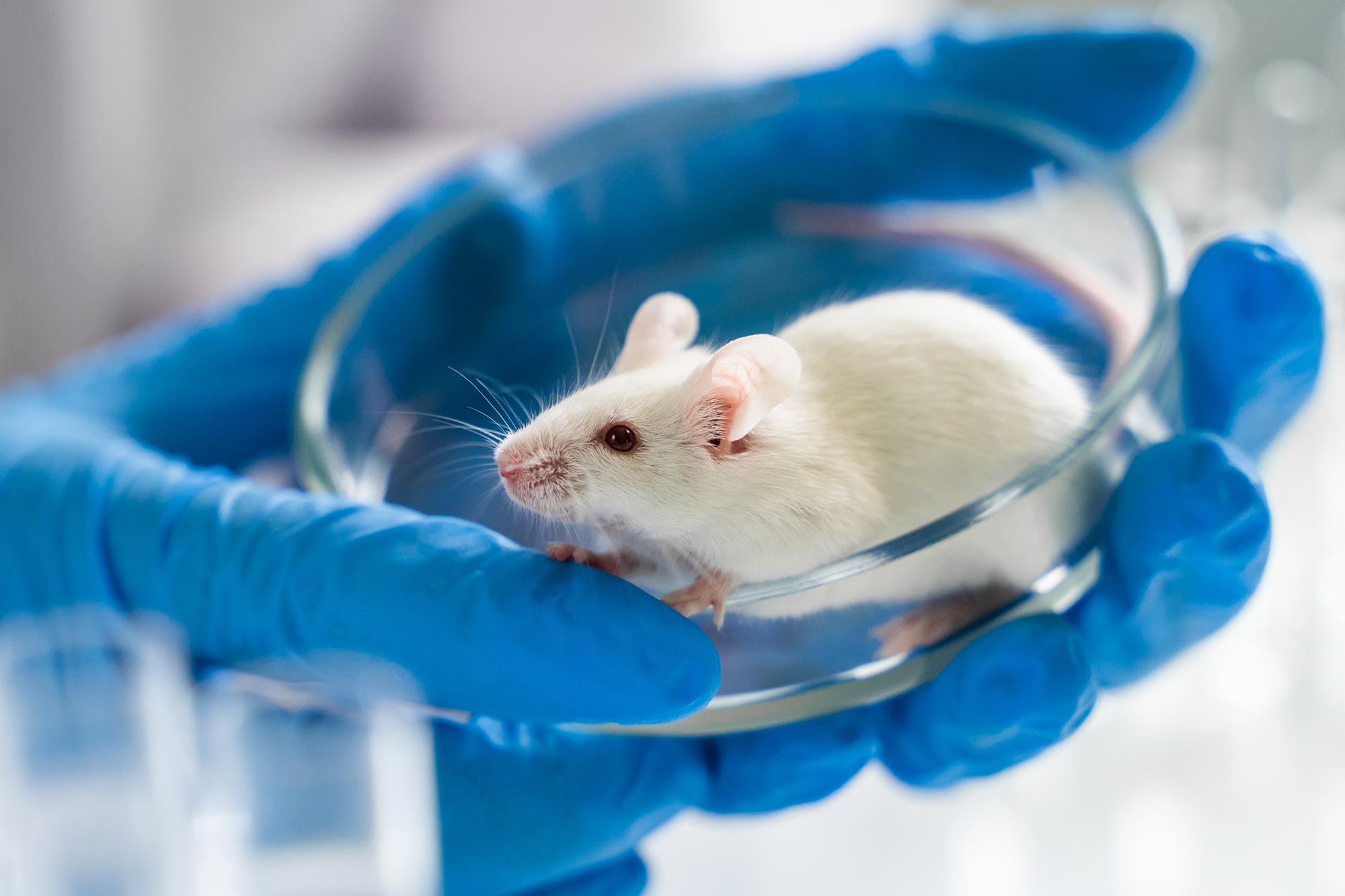 Stanford
Medicine researchers have discovered that
hyperactivity in a brain region known as the reticular
thalamic nucleus may underlie behaviors associated
with autism spectrum disorder. By dampening activity
in this area using experimental drugs and
neuromodulation techniques, they were able to reverse
autism-like symptoms in mice, from seizures to social
deficits. Credit: Shutterstock
Stanford
Medicine researchers have discovered that
hyperactivity in a brain region known as the reticular
thalamic nucleus may underlie behaviors associated
with autism spectrum disorder. By dampening activity
in this area using experimental drugs and
neuromodulation techniques, they were able to reverse
autism-like symptoms in mice, from seizures to social
deficits. Credit: Shutterstock
Overactivity in the reticular thalamic nucleus was shown to cause autism-like behaviors in mice. Drugs that reduce this activity reversed the symptoms.
Researchers at Stanford Medicine studying the neurological basis of autism spectrum disorder have found that excessive activity in a particular brain region may be responsible for driving behaviors commonly linked to the condition.
Using a mouse model of autism, the team identified the reticular thalamic nucleus, a structure that filters sensory information between the thalamus and cortex, as a promising treatment target.
Importantly, they showed that administering drugs to dampen activity in this brain region reversed autism-like symptoms in the mice, including seizure susceptibility, heightened sensitivity to stimuli, increased motor activity, repetitive actions, and reduced social interaction.
Shared pathways with epilepsy
The findings were recently published in Science Advances. The senior author of the study is John Huguenard, PhD, professor of neurology and neurological sciences. The lead author is Sung-Soo Jang, PhD, a postdoctoral scholar in neurology and neurological sciences.
Overactivity in the reticular thalamic nucleus
Connections between the thalamus and cortex have been linked to autism in both people and animal models, but the specific contribution of the reticular thalamic nucleus had remained uncertain.
In the new study, the researchers recorded the neural activity of this brain region in mice while observing the animals’ behavior. In mice that had been genetically modified to model autism (Cntnap2 knockout mice), the reticular thalamic nucleus showed elevated activity when the animals encountered stimuli like light or an air puff as well as during social interactions. The brain region also showed bursts of spontaneous activity, causing seizures.
Epilepsy is much more prevalent in people with autism than in the general population — 30% versus 1% — though the mechanisms are not well understood. Recognizing this connection, the researchers tested an experimental seizure drug, Z944, and found that it reversed behavioral deficits in the autism mouse model.
With a different experimental treatment that genetically modifies neurons to respond to designer drugs, known as DREADD-based neuromodulation, the researchers could suppress overactivity in the reticular thalamic nucleus and reverse behavioral deficits in the autism mouse model. They could even induce these behavioral deficits in normal mice by ramping up activity in the reticular thalamic nucleus.
The new findings highlight the reticular thalamic nucleus as a novel target for the treatment of autism spectrum disorders.
Reference: “Reticular thalamic hyperexcitability
drives autism spectrum disorder behaviors in the
Cntnap2 model of autism” by Sung-Soo Jang, Fuga
Takahashi and John R. Huguenard, 20 August 2025, Science
Advances.
DOI:
10.1126/sciadv.adw4682