
POP TIPS: harvest of late summer and early fall fruits!

Phil Forsyth

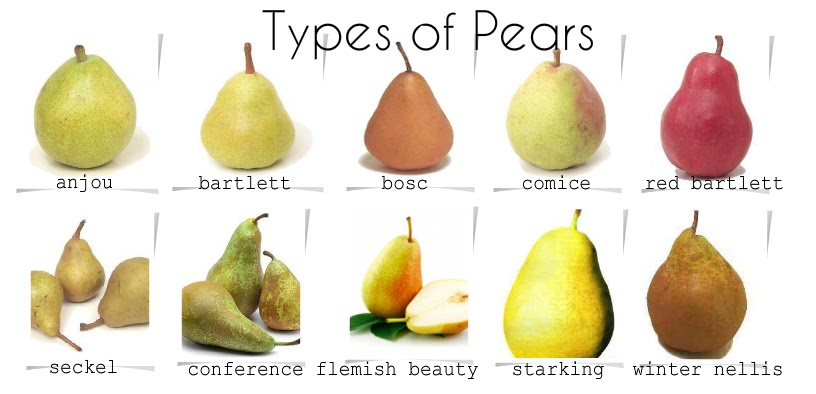
Pears are different from most other fruits in that they need to ripen off the tree before they're ready to eat. European pears should be picked when the ground color of the fruit has turned pale green to slightly yellow. If you wait to pick them until they actually soften, the quality will be poor and they'll quickly rot in storage.
Fall pear varieties (these are generally picked in late summer):
Winter pear varieties (these are generally picked in early fall):
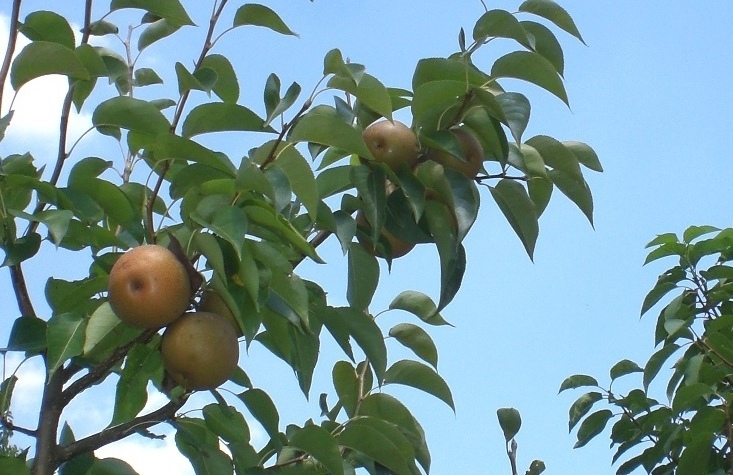
Asian pears are ready to pick and eat as soon as they look ripe on the tree (usually sometime late August through early September). Make sure there are no areas of green left in the ground color, and try a sample before harvesting them all. Some varieties appear more brown, some more yellow, and others a bit more green. If you're worried about pest pressure, harvesting them a bit early may help, and allowing them to ripen off the tree will be just fine.

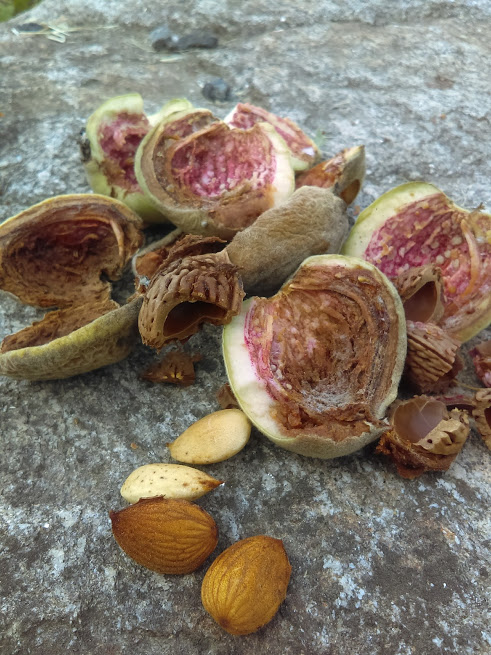
The primary fig crop starts generally ripening in mid August to early September (with proper winter protection, an even earlier 'Breba' crop is sometimes possible). Figs should be left to ripen mostly on the tree, although they will continue to soften and sweeten for a few days if picked close to ripe. Unripe figs are green, but different varieties ripen to shades of red, purple, brown, yellow, and some even stay green! The neck of the fruit will soften and wilt slightly and the fruit will hang down when fully ripe. It is best to pick the fruit with some of the stem attached to delay spoilage. Figs will bruise easily so it is important to handle with care and not pack them tightly on top of one another.
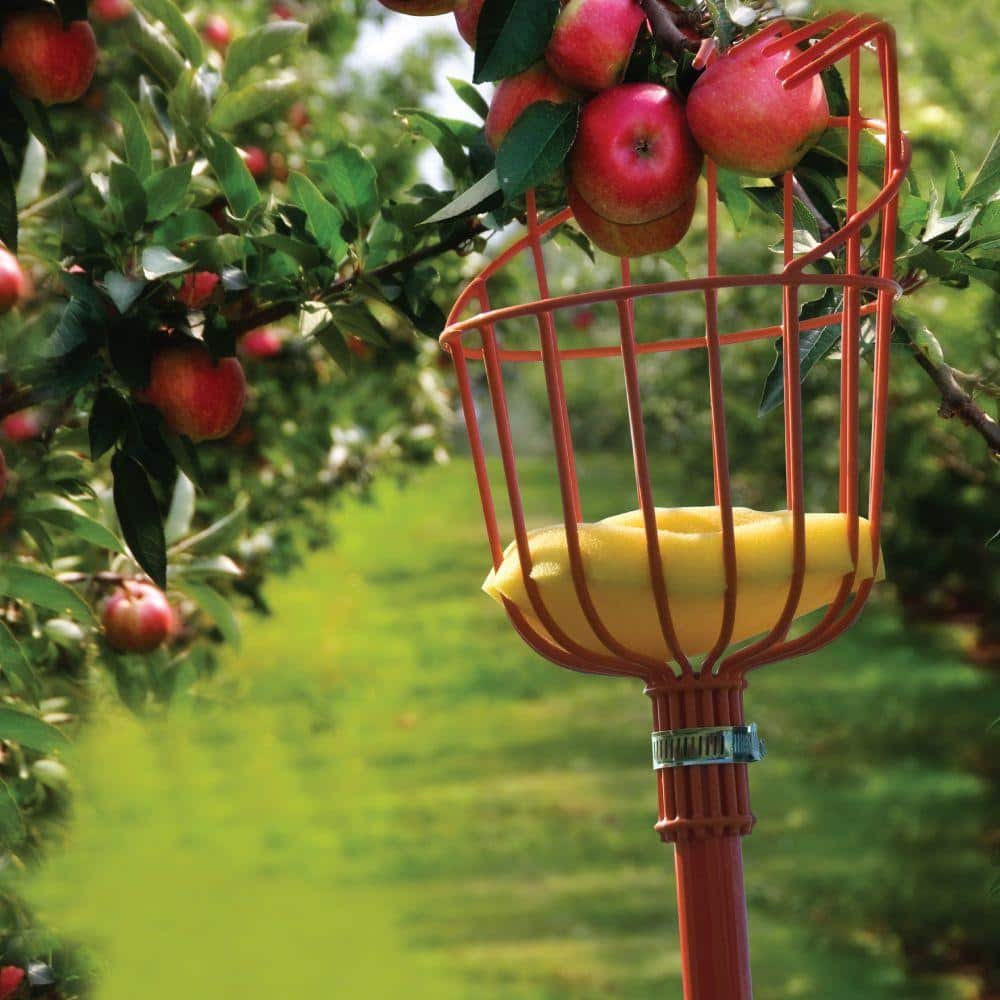
Purchase fruit picking bags/buckets:
https://rooapron.com/
Purchase a fruit picker:
https://byf.unl.edu/StoringApplesPears
http://lancaster.unl.edu/hort/nebline/applestorage.shtml
http://extension.wsu.edu/maritimefruit/pages/harvestandstorage.aspx
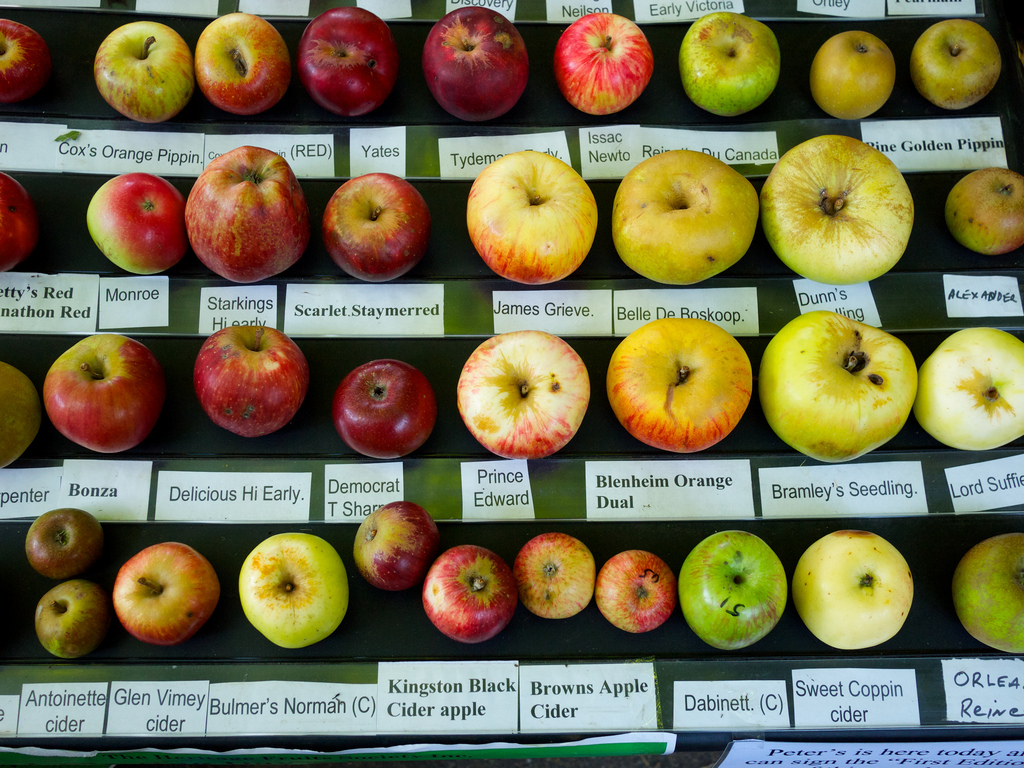
Video about harvesting apples:
http://www.youtube.com/watch?v=JyvEKwaQtfk


Phil Forsyth

European pears are different from most other fruits in that they need to ripen off the tree before they're ready to eat. European pears should be picked when the ground color of the fruit has turned pale green to slightly yellow. If you wait to pick them until they actually soften, the quality will be poor and they'll quickly rot in storage.
Winter varieties (these are generally picked in early fall):
Asian pears are ready to pick and eat as soon as they look ripe on the tree (usually sometime late August through early September). Make sure there are no areas of green left in the ground color, and try a sample before harvesting them all. Some varieties appear more brown, some more yellow, and others a bit more green. If you're worried about pest pressure, harvesting them a bit early may help, and allowing them to ripen off the tree will be just fine.

The primary fig crop starts generally ripening in mid August to early September (with proper winter protection, an even earlier 'Breba' crop is sometimes possible). Figs should be left to ripen mostly on the tree, although they will continue to soften and sweeten for a few days if picked close to ripe. Unripe figs are green, but different varieties ripen to shades of red, purple, brown, yellow, and some even stay green! The neck of the fruit will soften and wilt slightly and the fruit will hang down when fully ripe. It is best to pick the fruit with some of the stem attached to delay spoilage. Figs will bruise easily so it is important to handle with care and not pack them tightly on top of one another.
Phil Forsyth
Phil Forsyth
European Plums

Whereas most other stone fruit harvests are done by mid August, European plums are just coming into ripeness. They bloom later than Japanese plums in the spring, thus avoiding many spring frosts. However, they also take a month or more longer to ripen, which can sometimes open them up to additional pest and disease damage. European plums generally need to ripen close to fully on the tree for best texture and flavor. Their color is often not a reliable indicator of being ready to pick- they can change color long before they begin to soften and sweeten. Be patient and wait until they have a little give when touched. Smell is also a good indicator of ripeness and of course tasting for sweetness is always effective! In Philly, European plums often ripen in late August and sometimes even early September.
Phil Forsyth, Director of Horticulture