
கீழடி 5 -ம் கட்ட அகழாய்வு

தேமொழி
மேலும் இது போன்ற சுவர்கள் தொடர்ச்சியாகக் கிடைத்தால்தான் இது எந்த மாதிரியான சுவர் என்பதை உறுதியாகச் சொல்ல முடியும்.

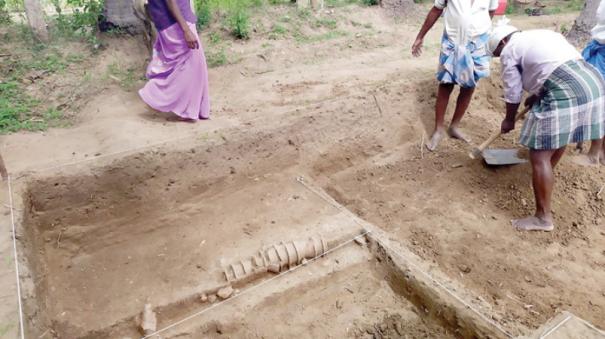
கீழடி 5-ம் கட்ட அகழ்வாராய்ச்சியில் மேலும் ஒரு சுவர் கண்டறியப்பட்டுள்ளது.

சிவகங்கை மாவட்டம் திருப்புவனம் அடுத்த கீழடியில் கடந்த 2015 -ம் ஆண்டு ஜூன் மாதத்தில், இந்தியத் தொல்பொருள் ஆய்வுத்துறையின் அகழாய்வுப் பிரிவு கண்காணிப்பாளர் அமர்நாத் ராமகிருஷ்ணன் தலைமையிலான குழு இந்த ஆய்வைத் தொடங்கியது.
ஆய்வு மாதிரிகளைக் கரிமவேதியியல் சோதனைக்கு உட்படுத்தியதில் அவை, கி.மு. 2-ம் நூற்றாண்டைச் சேர்ந்ததென உறுதிப்படுத்தப்பட்டன. அதற்பின் அடுத்த, அடுத்த ஆய்வுப் பணிகள் முடிவடைந்து தற்போது 5-ம் கட்ட அகழாய்வுப் பணிகள் நடைபெற்று வருகின்றன.

இதில் 5 அடி உயரம் கொண்ட உறை கிணறு மற்றும் நேர் சுவர் ஆகிய தொன்மையான சுவர்கள் கண்டறியப்பட்டுள்ளன. இது மட்டுமல்லாமல் மிகவும் தொன்மையான சுடுமண்ணாலான பல்வேறு வீட்டு உபயோகப் பொருள்கள், சுடுமண் பானைகள், பாசிமணிகள் உள்ளிட்ட நூற்றுக்கணக்கான தொன்மையான பொருள்களும் 5-ம் கட்ட அகழ்வாராய்ச்சியில் கண்டறியப்பட்டுள்ளன.
கீழடியில் தொன்மையான மனிதர்கள் ஏராளமானோர் கூடி வாழ்ந்ததற்கான முக்கியச் சான்றுகள் கிடைத்துள்ளதாக தொல்லியல்துறை ஆராய்சியாளர்கள் தெரிவித்துள்ளனர்.

மேலும், இது போன்ற சுவர்கள் தொடர்ச்சியாகக் கிடைத்தால்தான் இது எந்த மாதிரியான சுவர் என்பதை உறுதியாகச் சொல்ல முடியும் எனவும் அவர்கள் தெரிவித்தனர். ஆய்வு தொடர்ந்து நடைபெற்றுவருகிறது.
தேமொழி

கீழடி அகழாய்வில் 4வது பழங்கால உறைக்கிணறு கண்டெடுக்கப்பட்டதால், 2 ஆயிரம் ஆண்டுகளுக்கு முன்பே தமிழர்கள் தண்ணீரை பாதுகாப்பாக பயன்படுத்தியது கண்டுபிடிக்கப்பட்டுள்ளது.
சிவகங்கை மாவட்டம் திருப்புவனம் அருகே உள்ள கீழடியில் 5-ம் கட்ட அகழாய்வு தொடங்கியுள்ளது. முருகேசன், கருப்பையா, மாரியம்மாள், போதகுரு ஆகியோரது நிலத்தில் இந்த அகழாய்வு நடந்து வருகிறது. கடந்த மாதம் 13ம் தேதி தொடங்கப்பட்ட அகழாய்வில் சுவர், வட்டப்பானை உள்ளிட்டவைகள் கண்டறியப்பட்ட நிலையில் தற்போது உறைகிணறு, தண்ணீர் குடிக்க பயன்படுத்தப்படும் ஜக்-மூடி உள்ளிட்டவைகள் கிடைத்துள்ளன.

உறைகிணறுகள் கண்டறியப்பட்டுள்ளதால் இப்பகுதியில் 2ஆயிரம் ஆண்டுகளுக்கு முன் குடியிருப்புகள் இருந்தது உறுதிப்படுத்தப்பட்டுள்ளது. உறைகிணறுகள் அனைத்தும் 5 முதல் 7 அடி உயரம் வரையே இருப்பதால் 2ஆயிரம் ஆண்டுகளுக்கு முன் தண்ணீர் 5 அடியிலேயே கிடைத்திருக்க வாய்ப்புள்ளதாக அதிகாரிகள் தெரிவித்துள்ளனர். மேலும் உறைகிணறுகளை தொழில்நுட்ப ரீதியில் அமைக்கப்பட்டு அதனை தமிழர்கள் பாதுகாப்பாக பயன்படுத்தியதும் கண்டுபிடிக்கப்பட்டுள்ளது.
ஏற்கனவே நடந்த நான்கு கட்ட அகழாய்வில் மூன்று கிணறுகள் கண்டறியப்பட்ட நிலையில் தற்போது நான்காவதாக உறைகிணறு கண்டறியப்பட்டுள்ளது. எனவே இப்பகுதியில் குடியிருப்புகள் இருந்ததற்கான வாய்ப்பு அதிகம் உள்ளது என அதிகாரிகள் தெரிவித்துள்ளனர்.

N. Ganesan
--
"Tamil in Digital Media" group is an activity of Tamil Heritage Foundation. Visit our website: http://www.tamilheritage.org; you may like to visit our Muthusom Blogs at: http://www.tamilheritage.org/how2contribute.html To post to this group, send email to minT...@googlegroups.com
To unsubscribe from this group, send email to minTamil-u...@googlegroups.com
For more options, visit this group at http://groups.google.com/group/minTamil
---
You received this message because you are subscribed to the Google Groups "மின்தமிழ்" group.
To unsubscribe from this group and stop receiving emails from it, send an email to mintamil+u...@googlegroups.com.
To view this discussion on the web visit https://groups.google.com/d/msgid/mintamil/37202ca9-4aa5-4445-bda4-a1987d49059b%40googlegroups.com.

திருத்தம் பொன்.சரவணன்
10-வது உலகத் தமிழ் ஆராய்ச்சி மாநாட்டில் கீழடி, அத முக்கியத்துவம் பற்றி நண்பர்கள்கா. ராஜன், சு. ராஜவேலுவிடம் உரையாடினபோது தெரிந்தது.தமிழ்நாட்டில் இதுபோல் பல இடங்கள் இன்னும் இருக்கும். சுவர், கிணறு - எல்லாம் தோண்டப்படணும்.நா. கணேசன்
To view this discussion on the web visit https://groups.google.com/d/msgid/mintamil/CAA%2BQEUc3Zkth%3DOo_yb8CwAedHY4wg6jfxWw%3DYojUg%3DamB8aM8w%40mail.gmail.com.
--
திருத்தம் பொன்.சரவணன்
------------------------------------------------------------------
எனது டுவிட்டர் முகவரி: https://twitter.com/thiruththam
தமிழ் இலக்கியங்களைப் புதிய கோணங்களில் காண: http://thiruththam.blogspot.in
திருக்குறளுக்கான புதிய விளக்க உரைகளைப் படிக்க: http://kuraluraikal.blogspot.com
தேமொழி

N D Logasundaram
: கீழடி 5 -ம் கட்ட அகழாய்வு
"Tamil in Digital Media" group is an activity of Tamil Heritage Foundation. Visit our website: http://www.tamilheritage.org; you may like to visit our Muthusom Blogs at: http://www.tamilheritage.org/how2contribute.html To post to this group, send email to minT...@googlegroups.com
To unsubscribe from this group, send email to minTamil-u...@googlegroups.com
For more options, visit this group at http://groups.google.com/group/minTamil
---
You received this message because you are subscribed to the Google Groups "மின்தமிழ்" group.
To unsubscribe from this group and stop receiving emails from it, send an email to mintamil+u...@googlegroups.com.

Pandiyaraja
உறைக் கிணறுகளையும் உடைய (ஊருக்குப்)புறம்பேயுள்ள சேரிகளில்
செம்மறி ஆட்டுக்கிடாயோடே கௌதாரிப் பறவை விளையாட
To unsubscribe from this group and stop receiving emails from it, send an email to mint...@googlegroups.com.
தேமொழி
On Thursday, August 29, 2019 at 4:56:19 AM UTC-7, Pandiyaraja wrote:
கீழடியில் உறைக்கிணறு என்ற செய்தியைப் படித்ததும், எனக்குப் பட்டினப்பாலை அடிகள் நினைவுக்கு வந்தன.பறழ்ப்பன்றி, பல்கோழிஉறைக்கிணற்றுப் புறச்சேரிமேழகத் தகரொடு சிவல் விளையாட - பட் 75-77குட்டிகளையுடைய பன்றிகளையும், பலவான கோழிகளையும்,
உறைக் கிணறுகளையும் உடைய (ஊருக்குப்)புறம்பேயுள்ள சேரிகளில்
செம்மறி ஆட்டுக்கிடாயோடே கௌதாரிப் பறவை விளையாடஉறைக்கிணற்று என்று புறச்சேரிக்கு ஏன் அடைமொழி கொடுக்கவேண்டும்? எனவே உறைக்கிணறுகள் நகருக்கு வெளியேஇருக்கும்சேரிகளில்தான் இருந்திருக்கின்றன. ஊருக்குள் இல்லை. எனவே கீழடியும் மதுரைக்கு வெளியே இருந்த ஒருபுறச்சேரி என்றாகிறது.பன்றிகளும் கோழிகளும் வீட்டைச்சுற்றிப் பலுகிக்கிடக்க, ஆற்றுக்கிடாய்களும் கௌதாரிகளும் சண்டைபோட்டுக்கொண்டு இருக்கும்கீழடி என் கண்முன் விரிகிறது.ப.பாண்டியராஜா
N D Logasundaram
To unsubscribe from this group and stop receiving emails from it, send an email to mintamil+u...@googlegroups.com.
To view this discussion on the web visit https://groups.google.com/d/msgid/mintamil/a80ae508-8bbf-4d14-9d37-9575251fc738%40googlegroups.com.

கந்தன் சாமி சத்திவேல்
--
"Tamil in Digital Media" group is an activity of Tamil Heritage Foundation. Visit our website: http://www.tamilheritage.org; you may like to visit our Muthusom Blogs at: http://www.tamilheritage.org/how2contribute.html To post to this group, send email to minT...@googlegroups.com
To unsubscribe from this group, send email to minTamil-u...@googlegroups.com
For more options, visit this group at http://groups.google.com/group/minTamil
---
You received this message because you are subscribed to the Google Groups "மின்தமிழ்" group.
To unsubscribe from this group and stop receiving emails from it, send an email to mintamil+u...@googlegroups.com.
To view this discussion on the web visit https://groups.google.com/d/msgid/mintamil/a3e4294f-d7cf-40ff-9669-3560c5c09e0c%40googlegroups.com.
Pandiyaraja
To view this discussion on the web visit https://groups.google.com/d/msgid/mintamil/a80ae508-8bbf-4d14-9d37-9575251fc738%40googlegroups.com.
தேமொழி


தேமொழி
- In what may be a major discovery for Indian history, artefacts found in excavations carried out at Keezhadi in Tamil Nadu’s Sivagangai district have determined a possible link between the scripts of the Indus Valley Civilisation and Tamil Brahmi, which is the precursor to modern Tamil. Another major discovery was that there was an urban civilisation in Tamil Nadu that was contemporary to the Gangetic plain civilisation.
- The Indus Valley Civilisation was situated in the north-western part of India between 5,000 BCE and 1,500 BCE. Around 1500 BCE, the civilisation collapsed and some have speculated that its people may have moved south. The script that was used by the people of this civilisation has been termed the Indus script, and experts have long speculated that the language could be Dravidian. Now research coming out of Keezhadi shows a possible connection between the two cultures.
- The samples featuring graffiti discovered from Keezhadi date back to 580 BCE. This graffiti is believed to be the link between the Indus script and the Tamil Brahmi.
- Speaking to TNM, T Udhayachandran, Commissioner of TN Archeological Department, says, “It’s an initial finding. Researchers note there is a gap between the Indus script and Tamil Brahmi script and this graffiti could fill that gap. We have to position this graffiti marks in that gap. We found 1000 different marks. We have chosen a few that distinctly relate to the Indus. Research is going on.”
- A report released by the Tamil Nadu Archeological Department on Thursday explains the significance of the finding. “Among the available scripts of India, the Indus scripts are considered to be the earliest one and were 4500 years old. One kind of script that survived between the disappearance of Indus script and the emergence of Brahmi script is called as graffiti marks by the scholars. These graffiti marks are the one evolved or transformed from Indus script and served as precursor for the emergence of Brahmi script. Therefore, these graffiti marks cannot be set aside as mere scratches. Like Indus script, this also could not be deciphered till date,” it states.

Recent genetic studies show that the Indus people may not have had what's known as the 'Steppe Pastoralist' DNA, thus placing the civilization before the arrival of Indo-European speakers in the subcontinent. DNA studies have shown that people of the Indus Valley Civilisation could be of Dravidian origin.
- Urban civilisation in TN dating back to 2500 years ago
- The findings of the Tamil Nadu Archeological Department also indicate another major discovery — that an urban civilisation was thriving on the banks of the Vaigai River in Tamil Nadu in 6th Century BCE, around 2500 years ago. What this suggests is that the Sangam era - considered Tamil Nadu’s golden age - began much earlier than what was once thought.
- “Earlier Sangam period was considered to start from 300 BC and so this is a major finding. This completely changes our perception of Indian history so far,” T Udhayachandran says.
- Udhayachandran explains, "We sent samples to a lab in Florida, a University in Italy and Deccan College in Pune. To Florida, we sent six carbon dating samples and one of it has been dated to the 6th century BC. All material used in that period has been reduced to carbon and we have tested it to check what time it belonged to.”
- High levels of literacy
- Another major discovery is that people in the Sangam period were literate as early as the 6th Century BCE. The finding was based on potsherds which had names of people - like Aadhan and Kudhiranaadhan - written in Tamil-Brahmi script.
- According to the report, “The recent scientific dates obtained for Keeladi findings pushback the date of Tamil-Brahmi to another century i.e. 6th century BCE. These results clearly ascertained that they attained the literacy or learned the art of writing as early as the 6th century BCE.”
- Udhayachandran notes, “Professor Rajan from Pondicherry University who is considered an authority in archaeology in south India has said that this indicates high levels of literacy during this period."
- Earlier when excavations were conducted at Arikkamedu in 1947, Kaveripoompattiam in 1965 and burial sites at Adichanallur in 2005, there was, says the Commissioner, no proof of urban settlements.
- "However now, in Keezhadi, we have found proof that this was an urban civilisation. We have found what looks to be a pottery industry here," he says.
- The report also suggests that 70 samples of skeletal fragments of faunal remains were collected from the site. The remains had been sent to Deccan Collect, Post Graduate and Research Institute in Pune for analysis, and species such as cow and ox, buffalo, sheep, goat, Nilgai, blackbuck, wild boar and peacock were identified. It’s noted that while some animals were used for agriculture purposes, cut marks on other animals such as the antelope, goat and wild boar suggest that they were consumed.
- While phase five of the excavations at Keezhadi began in June this year, Udhayachandran says that they are planning ahead for the next phase.
- "We have filed necessary proposals before Archeological Survey of India. Not only Keezhadi, but we also want to do excavations in adjoining habitations like Kondahai, Agaram and Manalur. We may find traces of the old Madurai. Keezhadi is an industrial area. Kondahai looks to be a burial site, and Agaram and Manalur could be residential areas," he says.
தேமொழி
கீழடி நாகரிகம் 2600 ஆண்டுகள் பழமையானது:
இந்திய வரலாற்றையே மாற்றும் அகழ்வாய்வு முடிவுகள்
 TAMIL NADU STATE ARCHEOLOGY DEPARTMENT
மதுரை அருகே உள்ள கீழடியில் மேற்கொண்ட தொல்லியல் ஆய்வில் கிடைத்த பொருட்களை ஆராய்ந்ததில் தமிழக சங்ககாலம் என்பது மேலும் 300 ஆண்டுகள் பழமையானது எனத் தெரியவந்திருப்பதாக தமிழகத் தொல்லியல் துறை தெரிவித்துள்ளது.
மதுரை நகரத்திற்கு தென்கிழக்கில் சுமார் 15 கிலோ மீட்டர் தூரத்தில் சிவகங்கை மாவட்டத்தில் அமைந்திருக்கும் கீழடி கிராமத்தில் 2014ஆம் ஆண்டில் மத்திய தொல்லியல் துறை நடத்திய ஆகழ்வாய்வில் அங்கு, 2,000 ஆண்டுகளுக்கு முற்பட்ட காலத்திலிருந்து மனிதர்கள் வாழ்ந்ததற்கான ஆதாரங்கள் கண்டுபிடிக்கப்பட்டன.
இந்தப் பகுதியில் மேலும் ஆய்வுகளை மேற்கொள்ள கீழடி அகழ்வாய்வு கண்காணிப்பாளர் அமர்நாத் ராமகிருஷ்ணா விண்ணப்பித்திருந்த நிலையில், அவர் அங்கிருந்து அசாமுக்கு இடமாற்றம் செய்யப்பட்டார்.
இந்த நிலையில், அங்கு அகழ்வாய்வைத் தொடர மாநில தொல்லியல் துறை முடிவுசெய்தது. அதற்குப் பிறகு மாநில தொல்லியல் துறை சார்பில் அகழ்வாய்வு தொடர்ந்து நடைபெற்றுவந்தது.
 TAMIL NADU STATE ARCHEOLOGY DEPARTMENT
அந்த அகழ்வாராய்ச்சியில் கிடைத்த பொருட்கள் மீது செய்யப்பட்ட ஆய்வின் முடிவுகள் தமிழக தொல்லியல் துறையால் வெளியிடப்பட்டுள்ளன. வியாழக்கிழமை தமிழ் வளர்ச்சித் துறை அமைச்சர் மஃபா பாண்டியராஜன், தொல்லியல் துறை செயலர் த. உதயசந்திரன் ஆகியோர் இதனை வெளியிட்டனர்.
2018ம் ஆண்டில் கீழடியில் தமிழக அரசால் நடத்தப்பட்ட 4வது அகழ்வாய்வில் கிடைத்த பொருட்களை வைத்து கிடைத்த முடிவுகள் இதில் தொகுக்கப்பட்டுள்ளன.
கீழடி நாகரீகத்தின் காலம் என்ன?
கீழடியில் கிடைத்த 6 பொருட்கள் ஆக்சலரேட்டட் மாஸ் ஸ்பெக்ட்ரோமெட்ரி (Accelerated mass spectometry) ஆய்வுக்காக அமெரிக்காவின் ஃப்ளோரிடாவில் உள்ள பீட்டா அனலிடிகல் லேப்பிற்கு அனுப்பப்பட்டன. அதில் கிடைத்த முடிவுகளின்படி, அந்தப் பொருட்கள், கி.மு. மூன்றாம் நூற்றாண்டிலிருந்து கி.மு. ஆறாம் நூற்றாண்டுக்கு இடைப்பட்ட காலத்தை சேர்ந்தவை எனக் கண்டறியப்பட்டுள்ளது.
கீழடியில் 353 செ.மீ. ஆழத்தில் கிடைத்த பொருள் கி.மு. 580வது ஆண்டையும் 200 செ.மீ. ஆழத்தில் கிடைத்த பொருள் கி.மு. 205வது ஆண்டையும் சேர்ந்தது எனக் கண்டறியப்பட்டுள்ளது. இந்த இரு மட்டங்களுக்கு கீழேயும் மேலேயும் பொருட்கள் இருப்பதால், கீழடியின் காலகட்டம் கி.மு. ஆறாம் நூற்றாண்டு முதல் கி.மு. ஒன்றாம் நூற்றாண்டு வரையிலானது என தொல்லியல் துறை முடிவுக்கு வந்துள்ளது.
 TAMIL NADU STATE ARCHEOLOGY DEPARTMENT
தமிழ்நாட்டைப் பொறுத்தவரை வரலாற்றுக் காலம் என்பது கி.மு. மூன்றாம் நூற்றாண்டில்தான் துவங்குகிறது. ஆகவே கங்கைச் சமவெளியில் நடந்ததைப் போல, இரண்டாவது நகர நாகரீகம் இங்கு நிகழவில்லை எனக் கருதப்பட்டுவந்தது. ஆனால், கீழடியில் கிடைத்த பொருட்களை வைத்து, கி.மு. ஆறாம் நூற்றாண்டிலேயே இரண்டாவது நகர நாகரீகம் துவங்கியுள்ளது என்ற முடிவுக்கு தொல்லியல் துறை வந்துள்ளது. கங்கைச் சமவெளியிலும் இதே காலகட்டத்தில்தான் நகர நாகரீகம் உருப்பெற்றது.
கொடுமணல், அழகன்குளம் ஆகிய இடங்களில் கிடைத்த எழுத்தின் மாதிரிகளை வைத்து தமிழ் பிராமி எழுத்தின் காலம் கி.மு. மூன்றாம் நூற்றாண்டாகக் கருதப்பட்டது. ஆனால், தற்போது கீழடியில் கிடைத்த ஆய்வு முடிவுகளின்படி, தமிழ் பிராமி கி.மு. ஆறாம் நூற்றாண்டைச் சேர்ந்ததாகக் கருதப்படுகிறது. ஆகவே 2,600 ஆண்டுகளுக்கு முன்பாக கீழடியில் வாழ்ந்தவர்கள் எழுத்தறிவு பெற்றிருந்தார்கள், எழுதத் தெரிந்திருந்தார்கள் என்ற முடிவுக்கு தொல்லியில் துறை வந்துள்ளது.
கீழடியிலிருந்து கிட்டத்தட்ட 70 எலும்புத் துண்டுகள் கண்டெடுக்கப்பட்டன. இவற்றில் பெரும்பாலானவை (53%) காளை, எருமை, ஆடு, பசு ஆகியவற்றினுடையவை. ஆகவே கீழடியில் வாழ்ந்த சமூகம் பெரும்பாலும் ஆடு, மாடுகளை வளர்த்த சமூகமாக இருந்திருக்கலாம் என்ற முடிவுக்கு வந்துள்ளனர் ஆய்வாளர்கள்.
கீழடியில் கிடைத்த ஓடுகள், செங்கற்கள், காரை ஆகியவை வேலூர் இன்ஸ்டிடடியூட் ஆஃப் டெக்னாலஜியில் ஆய்வுசெய்யப்பட்டன. அவற்றில் மண், சுண்ணாம்பு, இரும்பு, மெக்னீசியம், அலுமினியம் ஆகியவை இருப்பது கண்டறியப்பட்டுள்ளது.
 TAMIL NADU STATE ARCHEOLOGY DEPARTMENT
இங்கு நடத்தப்பட்ட ஆய்வுகளில் சுவர்கள், கட்டடங்களின் இடிபாடுகளும் கிடைத்தன. தரைகள் வழுவழுப்பான களிமண்ணால் மெழுகப்பட்டிருந்தன. கட்டடங்களைப் பொறுத்தவரை அவற்றின் சுவர்கள் கூரை வரை எழுப்பப்பட்டிருக்கவில்லை. மாறாக சுவர்களுக்கு அருகில் கம்புகள் நடப்பட்டு கூரைகள் போடப்பட்டிக்கின்றன.
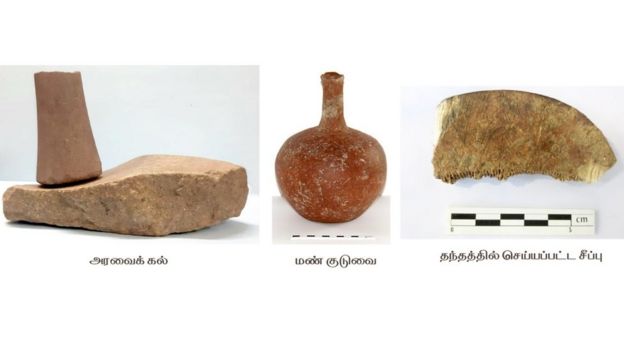 இந்தியாவில் கிடைத்த வரிவடிவங்களில் சிந்து சமவெளியில் கிடைத்த வரிவடிவங்களே மிகப் பழமையானவை. சிந்துவெளி பண்பாடு மறைந்து தமிழ் பிராமி எழுத்து தோன்றியதற்கு இடையில் கீறல் வடிவில் ஒரு வரிவடிவம் இருந்ததாக தொல்லியலாளர்கள் கருதுகின்றனர். சிந்து சமவெளி எழுத்துகளைப் போலவே இவற்றின் பொருளும் இதுவரை முழுமையாகப் புரியவில்லை. செப்புக்கால பண்பாட்டிலும் தொடர்ந்து பெருங்கற்கால பண்பாட்டிலும் இக்குறியீடுகள் கிடைக்கின்றன.
தமிழ்நாட்டில் ஆதிச்சநல்லூர், அழகன் குளம், கொற்கை, கொடுமணல், கரூர், தேரிருவேலி, பேரூர் உள்ளிட்ட இடங்களில் கிடைத்த பானை ஓடுகளில் இந்த வரிவடிவங்கள் கிடைத்துள்ளன. இலங்கையில் திசமஹரம, கந்தரோடை, மாந்தை, ரிதியகாம போன்ற இடங்களிலும் இது போன்ற குறீயிடுகள் கிடைத்துள்ளன. கீழடி அகழாய்வில் 1001 ஓடுகள் இத்தகைய வரி வடிவங்களுடன் கிடைத்துள்ளன.
அதே போல, இந்த கீழடி அகழ்வாய்வில் தமிழ் பிராமி எழுத்துகள் பொறிக்கப்பட்ட 56 பானை ஓடுகள் கிடைத்துள்ளன. இவற்றில் குவிரன், ஆத(ன்) உள்ளிட்ட பெயர்களும் முழுமையடையாத எழுத்துகளும் கிடைத்துள்ளன. இதில் ஆதன் என்ற பெயர், அதன் என்று குறிப்பிடப்படுகிறது. முற்கால தமிழ் பிராமியில், நெடிலைக் குறிக்க ஒலிக்குறியீடு இடும் வழக்கம் இல்லை என்பதால், இந்த தமிழ் பிராமி எழுத்துகள் காலத்தால் மிகவும் முந்தையவையாகக் கருதப்படுகின்றன.
இந்த எழுத்துகள் பெரும்பாலும் பானைகளின் கழுத்துப் பகுதியில் எழுதப்பட்டுள்ளன. பானையில் கிடைக்கும் எழுத்துகள் பெரும்பாலும் பானை செய்வோரால் சுடுவதற்கு முன்பாக ஈர நிலையில் எழுதப்படும். கீழடியில் பானைகள் சுடப்பட்டு, உலர்ந்த பிறகு எழுதப்பட்ட எழுத்துகள் கிடைத்துள்ளன. அவற்றின் எழுத்தமைதி (எழுத்தின் வடிவம், கையெழுத்து) ஒரே மாதிரியாக இல்லை. ஆகவே வெவ்வேறு ஆட்கள் இவற்றை எழுதியிருக்கலாம்.
 TAMIL NADU STATE ARCHEOLOGY DEPARTMENT
கீழடியில் இரண்டு இடங்களில் 4 மீட்டர் அளவுக்குமேல் மிகப் பெரிய அளவில் பானை ஓடுகளின் குவியல்கள் கிடைத்ததை வைத்துப் பார்க்கும்போது அங்கு மிகப் பெரிய பானை வனையும் தொழிற்கூடம் இருந்திருக்கலாம் என்ற முடிவுக்கு தொல்லியல் துறை வந்துள்ளது.
மேலும் கீழடியில் நூல் நூற்கப் பயன்படும் தக்கிளி, தறிகளில் பயன்படுத்தப்படும் தூரிகை, தறியில் தொங்கவிடும் கருங்கல் போன்றவையும் கிடைத்திருப்பதால், இப்பகுதியில் வாழ்ந்தவர்கள் நெசவுத் தொழிலிலும் ஈடுபட்டிருக்கலாம் எனக் கருதப்படுகிறது.
கீழடியில் பெண்கள் பயன்படுத்திய தங்கத்தாலான ஏழு ஆபரணத் துண்டுகள் கிடைத்துள்ளன. பல்வேறு மதிப்புமிக்க கற்களால் ஆன வளையல்கள் கண்டெடுக்கப்பட்டுள்ளன.
இங்கு பல விளையாட்டுப் பொருட்கள் குறிப்பாக ஆட்டக்காய்கள், தாய விளையாட்டிற்கான பகடைக்காய்கள் அதிக அளவில் கிடைத்துள்ளன. இவை பெரும்பாலும் சுட்டமண்ணால் ஆனவை.
 TAMIL NADU STATE ARCHEOLOGY DEPARTMENT
மேலும், வடமேற்கு இந்தியாவின் மகாராஷ்டிரம், குஜராத் போன்ற பகுதிகளில் பரவலாகக் காணப்படும் அகேட் மற்றும் கார்னீலியம் கற்களால் ஆன மணிகளும் கிடைத்துள்ளன. ரோம் நாட்டை சேர்ந்த அரிட்டைன் பானை ஓடு மண்ணடுக்கின் மேல் நிலையில் கிடைத்திருக்கிறது. இவை ரோம் நாட்டில் கி.மு. இரண்டாம் நூற்றாண்டில் புழக்கத்தில் இருந்தவை.
இங்கு ஒட்டுமொத்தமாக சுடுமண்ணாலான 13 மனித உருவங்கள், 3 விலங்கு உருவங்கள், 650க்கும் மேற்பட்ட விளையாட்டுப் பொருட்கள், 35 காதணிகள், பிற அணிகலன்கள் கிடைத்துள்ளன. ஆனால், வழிபாடு தொடர்பான தொல்பொருட்கள் எவையும் தெளிவான முறையில் இதுவரை கிடைக்கவில்லையென தொல்லியல் துறையின் ஆய்வறிக்கை கூறுகிறது.
கீழடி எங்குள்ளது?
மதுரை நகரிலிருந்து தென்கிழக்கு திசையில் 13 கி.மீ. தூரத்தில் இந்த இடம் அமைந்திருக்கிறது. இந்த இடத்திலிருந்து வடக்கில் இரண்டு கி.மீ. தூரத்தில் வைகை நதி ஓடுகிறது. இந்த ஊருக்குக் கிழக்கே மணலூரும் தென்கிழக்கில் அகரம் என்ற ஊரும் மேற்கில் கொந்தகையும் அமைந்திருக்கின்றன.
கீழடியில் உள்ள தென்னந்தோப்பில்தான் முதன் முதலில் அகழ்வாய்வுப் பணிகள் நடத்தப்பட்டன. பெங்களூரில் உள்ள இந்திய அகழ்வாய்வுப் பிரிவு 2014 - 15, 2015- 16 ஆகிய ஆண்டுகளில் ஆகழ்வாய்வுகளை மேற்கொண்டது. இதற்குப் பிறகு தமிழ்நாடு அரசு 2017 -18ல் அகழாய்வுப் பணிகளைத் துவங்கியது.
கீழடியின் முக்கியத்துவம் என்ன?
தமிழ்நாட்டில் இதுவரை செய்யப்பட்ட அகழ்வாய்வுகளில் சுட்ட செங்கல்களால் ஆன கட்டடங்களுடன் நகர நாகரீகம் இருந்தது இங்குதான் முதன் முதலில் வெளிப்பட்டுள்ளது. தவிர, கி.மு. 3-ம் நூற்றாண்டிலிருந்து கி.பி. 2-ம் நூற்றாண்டு வரையிலான காலப்பகுதியே தமிழில் சங்க காலம் எனக் கருதப்படுகிறது. ஆனால், இங்கு கிடைத்த பிராமி எழுத்துகளை வைத்து சங்க காலம் மேலும் மூன்று நூற்றாண்டுகள் பின்னோக்கிச் செல்லலாம் எனக் கருதப்படுகிறது.
 TAMIL NADU STATE ARCHEOLOGY DEPARTMENT
கங்கைச் சமவெளியில் இரண்டாம் நகர நாகரீகம் (சிந்து சமவெளி நாகரீகம் முதலாம் நகர நாகரீகம்) கிட்டத்தட்ட கி.மு. ஆறாம் நூற்றாண்டில் தோன்றியது. ஆனால், அதற்கு இணையான காலகட்டத்தில் தமிழகத்தில் எந்த நகர நாகரீகமும் இருந்ததற்கான ஆதாரங்கள் இதுவரை கிடைத்ததில்லை. முதன் முதலாக கீழடியில் அதே காலகட்டத்தில் நகர நாகரீகத்திற்கான ஆதாரங்கள் கிடைத்துள்ளன. ஆகவே, இரண்டாம் நகர நாகரீக காலத்தில் தமிழகத்திலும் நகர நாகரீகம் இருந்ததாகக் கொள்ள முடியும்.
இந்த ஊரில் வாழ்ந்த மக்கள் வட இந்தியா, ரோம் போன்ற பகுதிகளுடன் வணிகத் தொடர்புகளை வைத்திருக்கக்கூடும் என்பதற்கு ஆதாரமாக பல வெளிநாடுகளைச் சேர்ந்த பானை ஓடுகள் கிடைத்துள்ளன.
"அடுத்தகட்டமாக கீழடிக்கு அருகில் உள்ள கொந்தகை, அகரம், மணலூர் ஆகிய இடங்களில் அகழாய்வு செய்ய இருக்கிறோம். ஆதிச்சநல்லூரிலும் புதிதாக ஆய்வுகளைத் தொடங்கவிருக்கிறோம். இதில் கொந்தகை ஆதிகால மனிதர்களைப் புதைக்கும் நிலமாக இருக்கலாம் எனக் கருதப்படுகிறது. இங்கு கிடைக்கும் எலும்புகளின் மரபணுவை ஆய்வு செய்ய மதுரை காமராசர் பல்கலைக்கழகத்துடனும் ஹாவர்ட் மெடிக்கல் ஸ்கூலுடனும் இணைந்து செயல்படவிருக்கிறோம்" என மாநில தொல்லியல் துறையின் செயலாளர் த. உதயச்சந்திரன் கூறினார்.
தேமொழி


S. Jayabarathan
--
"Tamil in Digital Media" group is an activity of Tamil Heritage Foundation. Visit our website: http://www.tamilheritage.org; you may like to visit our Muthusom Blogs at: http://www.tamilheritage.org/how2contribute.html To post to this group, send email to minT...@googlegroups.com
To unsubscribe from this group, send email to minTamil-u...@googlegroups.com
For more options, visit this group at http://groups.google.com/group/minTamil
---
You received this message because you are subscribed to the Google Groups "மின்தமிழ்" group.
To unsubscribe from this group and stop receiving emails from it, send an email to mintamil+u...@googlegroups.com.
To view this discussion on the web visit https://groups.google.com/d/msgid/mintamil/596e46d6-414f-4440-a26a-2f0fa593f5ad%40googlegroups.com.
தேமொழி
S. Jayabarathan
--
"Tamil in Digital Media" group is an activity of Tamil Heritage Foundation. Visit our website: http://www.tamilheritage.org; you may like to visit our Muthusom Blogs at: http://www.tamilheritage.org/how2contribute.html To post to this group, send email to minT...@googlegroups.com
To unsubscribe from this group, send email to minTamil-u...@googlegroups.com
For more options, visit this group at http://groups.google.com/group/minTamil
---
You received this message because you are subscribed to the Google Groups "மின்தமிழ்" group.
To unsubscribe from this group and stop receiving emails from it, send an email to mintamil+u...@googlegroups.com.
To view this discussion on the web visit https://groups.google.com/d/msgid/mintamil/CAANG%3DbRB%2BRUMUTpoi1dCDcdz6zZ9OoYasM7PT%3DC7xWr82orpsg%40mail.gmail.com.
தேமொழி
திருத்தம் பொன்.சரவணன்
--
"Tamil in Digital Media" group is an activity of Tamil Heritage Foundation. Visit our website: http://www.tamilheritage.org; you may like to visit our Muthusom Blogs at: http://www.tamilheritage.org/how2contribute.html To post to this group, send email to minT...@googlegroups.com
To unsubscribe from this group, send email to minTamil-u...@googlegroups.com
For more options, visit this group at http://groups.google.com/group/minTamil
---
You received this message because you are subscribed to the Google Groups "மின்தமிழ்" group.
To unsubscribe from this group and stop receiving emails from it, send an email to mintamil+u...@googlegroups.com.
To view this discussion on the web visit https://groups.google.com/d/msgid/mintamil/CAANG%3DbRB%2BRUMUTpoi1dCDcdz6zZ9OoYasM7PT%3DC7xWr82orpsg%40mail.gmail.com.
--
திருத்தம் பொன்.சரவணன்
------------------------------------------------------------------
திருத்தம் பொன்.சரவணன்
On Sat, Sep 21, 2019 at 6:57 AM தேமொழி <jsthe...@gmail.com> wrote:கீழடிவைகை நதிக்கரையில் சங்க கால நகர நாகரிகம்வெளியீடு:தமிழ்நாடு அரசுதொல்லியல்துறைமுதல் பதிப்பு - 2019படங்களும் விளக்கங்களும் பின்னிணைப்பும் கொண்ட 66 பக்கங்கள் கொண்ட நூல்*** ஆங்கிலத்தில் ***அருமையான பல தகவல்கள். உயர்தர புகைப்படங்கள்.தமிழ்மொழியின் பழமைக்குக் கிடைத்த மிகப்பெரிய ஆதாரம்.தமிழக தொல்லியல் துறைக்கு எனது மனமார்ந்த வாழ்த்துக்கள்.ஆனால்... இதனைத் தமிழிலும் கூடிய விரைவில் வெளியிட வேண்டும் என்பதே எனது வேண்டுகோள்.
திருத்தம் பொன்.சரவணன்
--
"Tamil in Digital Media" group is an activity of Tamil Heritage Foundation. Visit our website: http://www.tamilheritage.org; you may like to visit our Muthusom Blogs at: http://www.tamilheritage.org/how2contribute.html To post to this group, send email to minT...@googlegroups.com
To unsubscribe from this group, send email to minTamil-u...@googlegroups.com
For more options, visit this group at http://groups.google.com/group/minTamil
---
You received this message because you are subscribed to the Google Groups "மின்தமிழ்" group.
To unsubscribe from this group and stop receiving emails from it, send an email to mintamil+u...@googlegroups.com.
To view this discussion on the web visit https://groups.google.com/d/msgid/mintamil/CAANG%3DbR7RfZKZJ_eRCcZWHz5SdGU6Ppb%2BrSv0xa7ibMPHuDCmQ%40mail.gmail.com.

நா.ரா.கி.காளைராசன்
S. Jayabarathan
--
"Tamil in Digital Media" group is an activity of Tamil Heritage Foundation. Visit our website: http://www.tamilheritage.org; you may like to visit our Muthusom Blogs at: http://www.tamilheritage.org/how2contribute.html To post to this group, send email to minT...@googlegroups.com
To unsubscribe from this group, send email to minTamil-u...@googlegroups.com
For more options, visit this group at http://groups.google.com/group/minTamil
---
You received this message because you are subscribed to the Google Groups "மின்தமிழ்" group.
To unsubscribe from this group and stop receiving emails from it, send an email to mintamil+u...@googlegroups.com.
To view this discussion on the web visit https://groups.google.com/d/msgid/mintamil/9d767185-dd47-40a3-8715-1b1ebb6f6e8d%40googlegroups.com.
நா.ரா.கி.காளைராசன்
தமிழரின் பூர்வீக மதம் இந்து மதம். அதற்குச் சான்றுகள் பூமிக்கு மேல் கோயில்களாக, கோபுரங்கங்களாக, சிலைகளாகச் சின்னங்களாக பல்லாயிரம் ஆண்டுகள் கண்களிலும், காவியங்களிலும் காணப்படுகின்றன. சமயச் சின்னங்கள் வைகை பூமிக்கடியில் இல்லை யென்றால் சமயம் இல்லையென்று தொனிப்பதுபோல் குறிப்பிடுவதா ???
தேமொழி
கீழடி அகழ்வாராய்ச்சி
பொதிகை - வெளிச்சம்
[Published on Sep 21, 2019]
பங்கு பெற்றோர்:
முனைவர் இரா சிவானந்தம்
-- இயக்குனர் கீழடி அகழாய்வு
ஆர். பாலகிருஷ்ணன் இ.ஆ.ப.
-- சிந்துவெளி ஆய்வாளர்
முனைவர் சு. ராஜவேலு
-- பேராசிரியர் ஓய்வு தஞ்சை தமிழ்ப் பல்கலைக்கழகம்
தேவை நேரம் - 53:57
நா.ரா.கி.காளைராசன்

கீழடி அகழ்வாராய்ச்சி
பொதிகை - வெளிச்சம்
[Published on Sep 21, 2019]
அரியதொரு பதிவு.
பங்கு பெற்றோர்:
முனைவர் இரா சிவானந்தம்
-- இயக்குனர் கீழடி அகழாய்வு
ஆர். பாலகிருஷ்ணன் இ.ஆ.ப.
-- சிந்துவெளி ஆய்வாளர்
முனைவர் சு. ராஜவேலு
-- பேராசிரியர் ஓய்வு தஞ்சை தமிழ்ப் பல்கலைக்கழகம்
தேவை நேரம் - 53:57

வேந்தன் அரசு
--
You received this message because you are subscribed to the Google Groups "வல்லமை" group.
To unsubscribe from this group and stop receiving emails from it, send an email to vallamai+u...@googlegroups.com.
To view this discussion on the web visit https://groups.google.com/d/msgid/vallamai/CAFh3n%3D_iAGq9aSx3ZiWhfNb%2B94EHjDh_U0-X5p3pPfHYJmjZeA%40mail.gmail.com.
தேமொழி
To unsubscribe from this group and stop receiving emails from it, send an email to vallamai+unsubscribe@googlegroups.com.
To view this discussion on the web visit https://groups.google.com/d/msgid/vallamai/CAFh3n%3D_iAGq9aSx3ZiWhfNb%2B94EHjDh_U0-X5p3pPfHYJmjZeA%40mail.gmail.com.
தேமொழி

உலகம் வியக்கும் கீழடி :
புதிய கண்டுபிடிப்புகள்
An Exclusive visit by Scientific Thamizhans
தேமொழி

சேதுராமன்
On Wednesday, July 31, 2019 at 11:49:45 AM UTC+5:30, தேமொழி wrote:
source: https://www.vikatan.com/news/common/madurai-keeladi-land-excavation-newsToday at 7 PM`கீழடி 5 -ம் கட்ட அகழாய்வு!' - மேலும் ஒரு சுற்றுச்சுவர் கண்டுபிடிப்பு!அருண் சின்னதுரைவி.சதிஷ்குமார்மேலும் இது போன்ற சுவர்கள் தொடர்ச்சியாகக் கிடைத்தால்தான் இது எந்த மாதிரியான சுவர் என்பதை உறுதியாகச் சொல்ல முடியும்.
கீழடி சுவர் ( சதிஷ்குமார் )
கீழடி 5-ம் கட்ட அகழ்வாராய்ச்சியில் மேலும் ஒரு சுவர் கண்டறியப்பட்டுள்ளது.
கீழடிசதிஷ்குமார்சிவகங்கை மாவட்டம் திருப்புவனம் அடுத்த கீழடியில் கடந்த 2015 -ம் ஆண்டு ஜூன் மாதத்தில், இந்தியத் தொல்பொருள் ஆய்வுத்துறையின் அகழாய்வுப் பிரிவு கண்காணிப்பாளர் அமர்நாத் ராமகிருஷ்ணன் தலைமையிலான குழு இந்த ஆய்வைத் தொடங்கியது.
ஆய்வு மாதிரிகளைக் கரிமவேதியியல் சோதனைக்கு உட்படுத்தியதில் அவை, கி.மு. 2-ம் நூற்றாண்டைச் சேர்ந்ததென உறுதிப்படுத்தப்பட்டன. அதற்பின் அடுத்த, அடுத்த ஆய்வுப் பணிகள் முடிவடைந்து தற்போது 5-ம் கட்ட அகழாய்வுப் பணிகள் நடைபெற்று வருகின்றன.
கீழடிசதிஷ்குமார்இதில் 5 அடி உயரம் கொண்ட உறை கிணறு மற்றும் நேர் சுவர் ஆகிய தொன்மையான சுவர்கள் கண்டறியப்பட்டுள்ளன. இது மட்டுமல்லாமல் மிகவும் தொன்மையான சுடுமண்ணாலான பல்வேறு வீட்டு உபயோகப் பொருள்கள், சுடுமண் பானைகள், பாசிமணிகள் உள்ளிட்ட நூற்றுக்கணக்கான தொன்மையான பொருள்களும் 5-ம் கட்ட அகழ்வாராய்ச்சியில் கண்டறியப்பட்டுள்ளன.
கீழடியில் தொன்மையான மனிதர்கள் ஏராளமானோர் கூடி வாழ்ந்ததற்கான முக்கியச் சான்றுகள் கிடைத்துள்ளதாக தொல்லியல்துறை ஆராய்சியாளர்கள் தெரிவித்துள்ளனர்.
மேலும், இது போன்ற சுவர்கள் தொடர்ச்சியாகக் கிடைத்தால்தான் இது எந்த மாதிரியான சுவர் என்பதை உறுதியாகச் சொல்ல முடியும் எனவும் அவர்கள் தெரிவித்தனர். ஆய்வு தொடர்ந்து நடைபெற்றுவருகிறது.


N. Ganesan
S. Jayabarathan
--
"Tamil in Digital Media" group is an activity of Tamil Heritage Foundation. Visit our website: http://www.tamilheritage.org; you may like to visit our Muthusom Blogs at: http://www.tamilheritage.org/how2contribute.html To post to this group, send email to minT...@googlegroups.com
To unsubscribe from this group, send email to minTamil-u...@googlegroups.com
For more options, visit this group at http://groups.google.com/group/minTamil
---
You received this message because you are subscribed to the Google Groups "மின்தமிழ்" group.
To unsubscribe from this group and stop receiving emails from it, send an email to mintamil+u...@googlegroups.com.
To view this discussion on the web visit https://groups.google.com/d/msgid/mintamil/7985bc03-4118-4c39-a6a3-d3b1898d2adb%40googlegroups.com.
வேந்தன் அரசு
இவற்றை எல்லாம் அறியாமல், ஆராயாமல்கீழடியில் (= பெருமணலூரில்) சமயமே இல்லைஎன்பது இருக்கிற ஆதாரங்களுக்கு முற்றிலும்மாறானது
சமயம் இல்லை. வழிபாடுதான் இருந்துள்ளது.
S. Jayabarathan
Pandiyaraja
To unsubscribe from this group and stop receiving emails from it, send an email to mint...@googlegroups.com.
S. Jayabarathan
தேமொழி


Innamburan S.Soundararajan
இன்னம்பூரான்
இன்னம்பூரான்
http://innamburan.blogspot.co.uk
http://innamburan.blogspot.de/view/magazine
www.olitamizh.com
--
"Tamil in Digital Media" group is an activity of Tamil Heritage Foundation. Visit our website: http://www.tamilheritage.org; you may like to visit our Muthusom Blogs at: http://www.tamilheritage.org/how2contribute.html To post to this group, send email to minT...@googlegroups.com
To unsubscribe from this group, send email to minTamil-u...@googlegroups.com
For more options, visit this group at http://groups.google.com/group/minTamil
---
You received this message because you are subscribed to the Google Groups "மின்தமிழ்" group.
To unsubscribe from this group and stop receiving emails from it, send an email to mintamil+u...@googlegroups.com.
To view this discussion on the web visit https://groups.google.com/d/msgid/mintamil/7d6b74c2-4e8a-4cd9-a05d-5a2ba9f41577%40googlegroups.com.
Pandiyaraja
To unsubscribe from this group and stop receiving emails from it, send an email to mint...@googlegroups.com.
தேமொழி

கீழடி அகழாய்வில் அறியப்பட்ட குவிரன் என்ற சொல் வடமொழிச் சொல் என சாதிக்க நினைக்கும் சில வடமொழி ஆதரவாளர்களுக்குத் தக்கதொரு பதிலாக தொல்லியல் அறிஞர் டாக்டர் ராஜவேலுவின் பதில்..
தவறான தகவல்கள் பகிரப்படுவதை தவிர்க்க இச்செய்தியை அனைவரும் பகிர்ந்து கொள்ளுங்கள்.
~~~~~~~~~
குவி என்பது வணிகத்தின் அடிப்படையில் பிறந்தது. கூல வணிகன் போன்றது தமிழ் சொல்.ஐராவதம் பிற்கால வடமொழி குபேரனுக்கு இட்டுச் சென்றது பெரும் தவறு. எடுத்துக்காட்டுகள் சொல்லும்பொழுது மூலச் சொல் எப்பொழுது வழக்கில் வந்தது என்பதை பார்க்க வேண்டும். மொழியியலார் செய்யும் தவறுகள் இவை. வடமொழியில் ப தமிழில் வ ஆகும் என இலக்கணத்தை வகுப்பர். வடமொழியே புழக்கத்தில் இல்லாத காலத்தில் குழியின் பெயர் சொல் கொடுப்பதிலும் குகை கல்வெட்டிலும் தற்பொழுது கீழடியிலும் கிடைத்துள்ளன. அதாவது வணிகத் தொடர்பை மவன் தானியங்களை குவிப்பவன் அல்லது பொருள்களை குவித்து வணிகம் செய்பவன் என்ற பொருள் கொள்ளுதல் வேண்டும். கொடுப்பதில் மட்டும் நான்கு சில்லுகளில் இப்பெயர் உள்ளது ஒன்றில் குழியின் அத்தை என் வருகிறது. காலம் கணிக்கப்பட்ட பின்பு கூட வடமொழியைத் தூக்கிப் பிடித்துக் கொண்டிருப்பது நடுநிலையான ஆய்வாளர்களுக்கு அழகல்ல.
-டாக்டர் ராஜவேலு, கடல்சார் தொல்லியல் அறிஞர்.
தேமொழி
Pandiyaraja
கந்தன் சாமி சத்திவேல்
கீழடியில் சுடுமண் குழாய் கண்டுபிடிப்பு29 Aug 2019
சிவகங்கை மாவட்டம் திருப்புவனம் அருகே கீழடியில் 5-ம் கட்ட அகழாய்வில் சுடு மண்ணில் செய்யப்பட்ட கழிவு நீர் குழாய் கண்டுபிடிக்கப்பட்டது. இதன் மூலம் 2,500 ஆண்டுகளுக்கு முன்பே கழிவு நீர் செல்ல தமிழர்கள் குழாய் வசதி ஏற்படுத்தியிருப்பது தொல்லியல் ஆய்வாளர்களை வியப்பில் ஆழ்த்தி உள்ளது.கீழடியில் 5-ம் கட்ட அகழாய்வு ஜூன் 13-ம் தேதி முதல் நடைபெறு கிறது. முருகேசன், கருப்பையா, மாரியம்மாள், போதகுரு, நீதி ஆகியோரது நிலங்களில் 30 குழிகள் தோண்டப்பட்டுள்ளன.இதுவரை மணிகள், அணிகலன் கள், பானை ஓடுகள், குறியீடு ஓடுகள், உறைகிணறுகள், இரும்பு பொருட்கள், செப்புக் காசுகள், உணவு குவளை, தண்ணீர் மக் உட்பட 700-க்கும் மேற்பட்ட பொருட்கள் கிடைத்துள் ளன. மேலும் அதிகளவில் சுவர் களும் கிடைத்தன.2 தினங்களுக்கு முன் முரு கேசன் என்பவரது நிலத்தில் செங்கற் களால் கட்டப்பட்ட குளியல் தொட்டி கண்டெடுக்கப்பட்டது. நேற்று முன் தினம் நீதி என்பவரது நிலத்தில் வடிகால் சுவர் கண்டுபிடிக்கப் பட்டது.மேலும் அவரது நிலத்தில் நேற்று சுடுமண்ணில் செய்யப்பட்ட கழிவு நீர் குழாய் கண்டுபிடிக்கப்பட்டது. இதன் மூலம் 2,500 ஆண்டுகளுக்கு முன்பே கழிவு நீர் செல்ல தமிழர்கள் குழாய் வசதி ஏற்படுத்தியிருப்பது தெரியவந்தது.
--
"Tamil in Digital Media" group is an activity of Tamil Heritage Foundation. Visit our website: http://www.tamilheritage.org; you may like to visit our Muthusom Blogs at: http://www.tamilheritage.org/how2contribute.html To post to this group, send email to minT...@googlegroups.com
To unsubscribe from this group, send email to minTamil-u...@googlegroups.com
For more options, visit this group at http://groups.google.com/group/minTamil
---
You received this message because you are subscribed to the Google Groups "மின்தமிழ்" group.
To unsubscribe from this group and stop receiving emails from it, send an email to mintamil+u...@googlegroups.com.
To view this discussion on the web visit https://groups.google.com/d/msgid/mintamil/a3e4294f-d7cf-40ff-9669-3560c5c09e0c%40googlegroups.com.

Kanaka Ajithadoss
திரு. இராசவேலு அய்யா அவர்கள் சென்னை அருகே உள்ள கொளப்பாக்கத்தில் கைவிடப்பட்ட மிகவும் தெளிவான தீர்த்தங்கர் சிலைகளை 10 ஆம் நூற்றாண்டு புத்தர் சிலைகள் என அடையாளம் கண்டு பின்னர் திருத்தம் வெளியிடப்பட்டது. இந்து நாளிதழில் இவை யாவும் வெளிவந்தன .இது அறிஞர் அவர்களிடம் குறை காண்பதற்கல்ல.
மறைந்த அறிஞர் திரு.ஐராவதம் மகாதேவன் அவர்கள் நடுநிலையாளர் என்பதே. சிந்து வெளி திராவிடர் நாகரிகம் என்பதாகவே அவருடை கருத்து இருந்தது .தமிழின் தொன்மையை மிகவும் மூத்த மொழி என்பதில் அன்னார் உறுதிப்படுத்த தயங்கியதேயில்லை .
இன்றும் கொளப்பாக்கத்தில் இரு சிலைகளும் உள்ளன வேம்புலி அம்மன் கோயிலை அடுத்து
Rajavelu, epigraphist, ASI, had recently found that the third inscription belonged to “Sri Vijaya Maharaja,” a king from Sumatra, and that it was issued in his eighth regnal year. The inscription mentions his donating 250 kuzhi (a measurement) of land to Agatheeswarar at Kolapakkam, which was in Perur nadu (country), a sub-division of Puliyur. Sri Vijaya was a contemporary of Raja Raja Chola and the palaeography of the inscription showed the script was similar to that of the period of Raja Raja Chola. Sri Vijaya had a cordial relationship with the Chola kingdom. Although the inscription mentioned Sri Vijaya’s donation to the temple, it indirectly indicated Buddhist activity nearby, because Sri Vijaya was a Buddhist.
Dr. Satyamurthy and Dr. Rajavelu explored the area and found the ruins of a Buddhist temple close to the Agatheeswarar temple. The two Buddha sculptures and ornamental pillars, in granite, were unearthed. The Buddha sculptures are three feet tall. One sculpture has a dharma chakra on either side of the Buddha. This was sculpted in the ancient region that is now Tamil Nadu. The other sculpture has a three-tiered umbrella above the Buddha’s head and women bearing fly-whisks.
According to Dr. Satyamurthy, the face of this Buddha has Mongoloid features and this sculpture shows South-East Asian influence. One of the ornamental pillars unearthed has a bas-relief of a human face, with a head-gear that shows South-East Asian influence. An image of Ganesa is carved on this pillar.
Kolapakkam perhaps was a centre of Buddhist activity. According to Dr. Rajavelu, this area coming under Tondaimandalam was noted for Buddhist activity about 1,000 years ago, prior to the Chola period. [Buddha statues unearthed near Chennai]
--
"Tamil in Digital Media" group is an activity of Tamil Heritage Foundation. Visit our website: http://www.tamilheritage.org; you may like to visit our Muthusom Blogs at: http://www.tamilheritage.org/how2contribute.html To post to this group, send email to minT...@googlegroups.com
To unsubscribe from this group, send email to minTamil-u...@googlegroups.com
For more options, visit this group at http://groups.google.com/group/minTamil
---
You received this message because you are subscribed to the Google Groups "மின்தமிழ்" group.
To unsubscribe from this group and stop receiving emails from it, send an email to mintamil+u...@googlegroups.com.
To view this discussion on the web visit https://groups.google.com/d/msgid/mintamil/792d7448-2f1c-4cc2-ae4e-5c527cf4e315%40googlegroups.com.
N. Ganesan
தமிழரின்பூர்வீகமதம்இந்துமதம் என்பதுதவறு.தாயுமானவர்சைவ சமய மேசமயம் எனப்பாடியுள்ளார்.தமிழர்மதங்கள்-சைவம்,மாலியம்.புத்தம்,சமணம். முருகன்\காளிவழிபாடுகள் சைவத்தில்அடங்கும்.
--
"Tamil in Digital Media" group is an activity of Tamil Heritage Foundation. Visit our website: http://www.tamilheritage.org; you may like to visit our Muthusom Blogs at: http://www.tamilheritage.org/how2contribute.html To post to this group, send email to minT...@googlegroups.com
To unsubscribe from this group, send email to minTamil-u...@googlegroups.com
For more options, visit this group at http://groups.google.com/group/minTamil
---
You received this message because you are subscribed to the Google Groups "மின்தமிழ்" group.
To unsubscribe from this group and stop receiving emails from it, send an email to mintamil+u...@googlegroups.com.
To view this discussion on the web visit https://groups.google.com/d/msgid/mintamil/7985bc03-4118-4c39-a6a3-d3b1898d2adb%40googlegroups.com.
S. Jayabarathan
Pandiyaraja Paramasivam
To view this discussion on the web visit https://groups.google.com/d/msgid/mintamil/CAA1TjyAwKg6VXUCGmswMs%3DaVKwaY78xNrTGK6KvDWv6kdGLn0w%40mail.gmail.com.
S. Jayabarathan
To view this discussion on the web visit https://groups.google.com/d/msgid/mintamil/CAD23MAUSe4d1DrKhGoLAddn2vLUbrAtY1Ug9sFgoKtaQSOBaKA%40mail.gmail.com.
Pandiyaraja
”கிறித்துவ மதம் பைபிளை காட்டி, அப்பத்தைக் காட்டி மக்களுக்கு ஆசை ஊட்டியது.”
இப்போது கூறுவதற்கும் இதற்கும் எவ்வளவு வேறுபாடு?
இன்னும் சொல்கிறேன்.
சாதி, மத, இன பேதம் அற்ற எத்தனையோ கிறித்தவத் தொண்டுகள் நடைபெற்றுள்ளன, நடைபெறுகின்றன, இனியும் நடைபெறும்.
To unsubscribe from this group and stop receiving emails from it, send an email to mint...@googlegroups.com.
To view this discussion on the web visit https://groups.google.com/d/msgid/mintamil/7985bc03-4118-4c39-a6a3-d3b1898d2adb%40googlegroups.com.
--
"Tamil in Digital Media" group is an activity of Tamil Heritage Foundation. Visit our website: http://www.tamilheritage.org; you may like to visit our Muthusom Blogs at: http://www.tamilheritage.org/how2contribute.html To post to this group, send email to minT...@googlegroups.com
To unsubscribe from this group, send email to minTamil-u...@googlegroups.com
For more options, visit this group at http://groups.google.com/group/minTamil
---
You received this message because you are subscribed to the Google Groups "மின்தமிழ்" group.
To unsubscribe from this group and stop receiving emails from it, send an email to mint...@googlegroups.com.
To view this discussion on the web visit https://groups.google.com/d/msgid/mintamil/CAA1TjyAwKg6VXUCGmswMs%3DaVKwaY78xNrTGK6KvDWv6kdGLn0w%40mail.gmail.com.
--
"Tamil in Digital Media" group is an activity of Tamil Heritage Foundation. Visit our website: http://www.tamilheritage.org; you may like to visit our Muthusom Blogs at: http://www.tamilheritage.org/how2contribute.html To post to this group, send email to minT...@googlegroups.com
To unsubscribe from this group, send email to minTamil-u...@googlegroups.com
For more options, visit this group at http://groups.google.com/group/minTamil
---
You received this message because you are subscribed to the Google Groups "மின்தமிழ்" group.
To unsubscribe from this group and stop receiving emails from it, send an email to mint...@googlegroups.com.
S. Jayabarathan
Pandiyaraja Paramasivam
To view this discussion on the web visit https://groups.google.com/d/msgid/mintamil/CAA1TjyC-0rnPLV_UUzayxwYRdt%2BY_5ajF87Y0ES%2B9EyVbzPnPA%40mail.gmail.com.
S. Jayabarathan
To view this discussion on the web visit https://groups.google.com/d/msgid/mintamil/CAD23MAUxOG2AM2JFhcWmNjt%3DBd2-w77iJCNetbvKHknm2VLOQg%40mail.gmail.com.
Pandiyaraja
To unsubscribe from this group and stop receiving emails from it, send an email to mint...@googlegroups.com.
To view this discussion on the web visit https://groups.google.com/d/msgid/mintamil/7985bc03-4118-4c39-a6a3-d3b1898d2adb%40googlegroups.com.
--
"Tamil in Digital Media" group is an activity of Tamil Heritage Foundation. Visit our website: http://www.tamilheritage.org; you may like to visit our Muthusom Blogs at: http://www.tamilheritage.org/how2contribute.html To post to this group, send email to minT...@googlegroups.com
To unsubscribe from this group, send email to minTamil-u...@googlegroups.com
For more options, visit this group at http://groups.google.com/group/minTamil
---
You received this message because you are subscribed to the Google Groups "மின்தமிழ்" group.
To unsubscribe from this group and stop receiving emails from it, send an email to mint...@googlegroups.com.
To view this discussion on the web visit https://groups.google.com/d/msgid/mintamil/CAA1TjyAwKg6VXUCGmswMs%3DaVKwaY78xNrTGK6KvDWv6kdGLn0w%40mail.gmail.com.
--
"Tamil in Digital Media" group is an activity of Tamil Heritage Foundation. Visit our website: http://www.tamilheritage.org; you may like to visit our Muthusom Blogs at: http://www.tamilheritage.org/how2contribute.html To post to this group, send email to minT...@googlegroups.com
To unsubscribe from this group, send email to minTamil-u...@googlegroups.com
For more options, visit this group at http://groups.google.com/group/minTamil
---
You received this message because you are subscribed to the Google Groups "மின்தமிழ்" group.
To unsubscribe from this group and stop receiving emails from it, send an email to mint...@googlegroups.com.
To view this discussion on the web visit https://groups.google.com/d/msgid/mintamil/CAD23MAUSe4d1DrKhGoLAddn2vLUbrAtY1Ug9sFgoKtaQSOBaKA%40mail.gmail.com.
--
"Tamil in Digital Media" group is an activity of Tamil Heritage Foundation. Visit our website: http://www.tamilheritage.org; you may like to visit our Muthusom Blogs at: http://www.tamilheritage.org/how2contribute.html To post to this group, send email to minT...@googlegroups.com
To unsubscribe from this group, send email to minTamil-u...@googlegroups.com
For more options, visit this group at http://groups.google.com/group/minTamil
---
You received this message because you are subscribed to the Google Groups "மின்தமிழ்" group.
To unsubscribe from this group and stop receiving emails from it, send an email to mint...@googlegroups.com.
To view this discussion on the web visit https://groups.google.com/d/msgid/mintamil/CAA1TjyC-0rnPLV_UUzayxwYRdt%2BY_5ajF87Y0ES%2B9EyVbzPnPA%40mail.gmail.com.
--
"Tamil in Digital Media" group is an activity of Tamil Heritage Foundation. Visit our website: http://www.tamilheritage.org; you may like to visit our Muthusom Blogs at: http://www.tamilheritage.org/how2contribute.html To post to this group, send email to minT...@googlegroups.com
To unsubscribe from this group, send email to minTamil-u...@googlegroups.com
For more options, visit this group at http://groups.google.com/group/minTamil
---
You received this message because you are subscribed to the Google Groups "மின்தமிழ்" group.
To unsubscribe from this group and stop receiving emails from it, send an email to mint...@googlegroups.com.
சேதுராமன்
தேமொழி

S. Jayabarathan
Religious aid groups try to convert victims
Sun 16 Jan 2005 09.12 GMTFirst published on Sun 16 Jan 2005 09.12 GMT
The arrival of Western Christian groups with records of aggressive preaching risks confrontation with local Muslim leaders which could jeopardise the provision of aid to the 600,000 local people made homeless by the disaster. The death toll in Aceh stands at around 110,000 and is expected to rise.
Reacting to the attempts of one American group to fly hundreds of local children to a Christian orphanage, Din Syamsuddin, head of the Indonesian Council of Clerics, said any attempt to spread religion under the cover of aid was wrong.
'The Muslim community will not remain quiet. This a clear statement, and it is serious,' he said.
Many survivors of the disaster are deeply traumatised by their experience and thus, experts say, vulnerable to religious groups. The disaster has led to a huge increase in religious sentiment. Many Acehnese speak of the wave as a punishment from God for immorality and lax Islamic practice, pointing out that in many villages only the mosque was left standing.
'I had faith but never did what I should have done,' said Shinta Ekhsani, a 29 year-old English teacher. 'I did not pray five times a day. I did not teach my children about Islam. I was too materialistic. Now I have changed.'
Most Indonesians follow a moderate strand of Islam, very different from more hardline varieties increasingly prevalent in the Middle East. Local Muslim groups were among the first to bring help to victims. Aceh is Indonesia's most religiously conservative province.
However, more radical Muslim groups started arriving in the province within days. These include the Islamic Defenders' Front, which has attacked bars and shops selling alcohol in Jakarta, the Indonesian capital, and Lashkar Mujahideen, which endorses a militant ideology and has alleged links to the killing of Christians.
Last week, speaking outside a tent at Banda Aceh's busy military airport under a banner reading 'Islamic Law Enforcement', Salman al-Farizi said his group were in Aceh to give medical and food assistance, remove corpses, evacuate refugees and to preach. 'The survivors will be helped to spread the true word of Allah,' al-Farizi said.
Elsewhere, groups are handing out Korans and even veils alongside aid. Volunteers from the al-Azhar Foundation in Jakarta said they had distributed 1,993 Korans to refugees from Lokh Nga, one of the worst-hit villages. 'Many want to read the Koran to help them with their trauma,' said Anwar Sani, director of the foundation.
Some Christian groups, however, are instructing workers not to display church names or wear crosses.
'We prefer to address the physical needs first,' said William Suhanda, an Indonesian whose Christian group, 'Light of Love for Aceh', is helping distribute food in Banda Aceh and hopes to bring 50 children to a Christian orphanage in Jakarta. 'We also want to expose them to Christian values... so they can see the other side, that we're about the love of Christ,' he said.
Mark Kosinski, an American evangelist who arrived in Aceh from Malaysia last week, said: 'These people need food but they also need Jesus. God is trying to awaken people and help them realise salvation is in Christ.'
One US Christian group was revealed last week to have tried to airlift 300 'tsunami orphans' to a Christian children's home. WorldHelp started raising funds for the operation until it learned that the Indonesian government had banned non-Muslims from adopting Acehnese orphans.
'What we were attempting to do in finding a home for these orphans is no different from what Mother Teresa did in placing Hindu orphans in a Christian children's home,' said Vernon Brewer, president of WorldHelp.
The Church of Scientology has also established a presence in Banda Aceh, setting up a base opposite the governor's mansion. 'We are not here to proselytise. That would be distasteful,' said Greg Churilov. 'We hope we are just seen as another relief group.'
However, there are also opportunities for co-operation. The US navy's high-profile effort to assist Indonesia deliver aid has helped counter anger over the Iraq war. The Islamic Defenders' Front spent much of this week removing corpses from collapsed homes alongside an Indonesian Christian group. Mormons have teamed up with Islamic relief operations to send aid to the region.
Last week, the UN even asked Lashkar Mujahideen to unload a plane of relief supplies because it was short of personnel.
Since you’re here...
... we have a small favour to ask. More people are reading and supporting The Guardian’s independent, investigative journalism than ever before. And unlike many new organisations, we have chosen an approach that allows us to keep our journalism accessible to all, regardless of where they live or what they can afford. But we need your ongoing support to keep working as we do.
The Guardian will engage with the most critical issues of our time – from the escalating climate catastrophe to widespread inequality to the influence of big tech on our lives. At a time when factual information is a necessity, we believe that each of us, around the world, deserves access to accurate reporting with integrity at its heart.
Our editorial independence means we set our own agenda and voice our own opinions. Guardian journalism is free from commercial and political bias and not influenced by billionaire owners or shareholders. This means we can give a voice to those less heard, explore where others turn away, and rigorously challenge those in power.
We need your support to keep delivering quality journalism, to maintain our openness and to protect our precious independence. Every reader contribution, big or small, is so valuable. Support The Guardian from as little as £1 – and it only takes a minute. Thank you.
To unsubscribe from this group and stop receiving emails from it, send an email to mintamil+u...@googlegroups.com.
To view this discussion on the web visit https://groups.google.com/d/msgid/mintamil/a67cc9ff-6a5d-4fef-9c6c-d19cd7dc1022%40googlegroups.com.
தேமொழி
கீழடி ஆதாரங்கள் - சில குறிப்புகள் - பேராசிரியர் அ.ராமசாமி.
கீழடிச் சான்றுகளைச் சங்ககாலச் சான்றுகள் எனச் சொல்வதைத் தொல்லியல் ஆய்வாளர்கள் ஏற்க மாட்டார்கள். அவை ஒரு பழைய நாகரித்தின் ஆதாரங்கள். முச்சங்கம், சங்கம், இறையனார் அமர்ந்து தமிழாய்ந்தது போன்றன புராணிகம் தமிழ்நாட்டிற்குள் பரவிய காலகட்டத்துக் கருத்துகள். அதனை ஏற்று நிறுவும் முயற்சிகள், கிடைத்த அறிவியல் ஆதாரங்களையும் புராணிகத்தன்மை கொண்டவைகளாக மாற்றிவிடும்.
கீழடிச் சான்றுகளைச் சங்கம் என்ற சொல்லோடு இணைக்காமல் பேசுவதே சரியானது.
மொழி, இலக்கிய ஆய்வியல் காத்திரமான பங்களிப்புச் செய்த பலரும் சங்ககாலம் என்பதை ஏற்றுப் பேசுவதில்லை. சான்றோர் இலக்கியங்கள், வீரநிலைக்காலம், வீரநிலைக்கவிதைகள், செவ்வியல் கவிதைகள், செவ்வியல் இலக்கியக்காலம் போன்றவற்றையே அவர்கள் பயன்படுத்துகிறார்கள்.
இப்போது அறிவியல் ஆய்வகத்தின் வழி கீழடி என்னும் இடத்தில் கிடைத்துள்ள தரவுகள், 2600 ஆண்டுகளுக்கு முன்பே திட்டமிட்டக் கட்டட அமைப்பும், நகரஅமைப்பும், வாழ்க்கைக்கான வசதிகளும் கொண்ட நகரம் ஒன்று இருந்தது என்பதற்கான ஆதாரங்களாக ஆகியிருக்கின்றன. அங்கு வாழ்ந்தவர்கள் மண்பாண்டங்களில் எழுதினார்கள்; விலங்குகள், பறவைகள் போன்றவற்றை வரிவடிவங்களாகத் தீட்டினார்கள் என்பதோடு உலோகங்களால் செய்த கருவிகள் பயன்பாட்டில் இருந்தன. தங்கத்தில் நுட்பமான வேலைப்பாடுகள் கொண்ட நகைகள் செய்தார்கள். அவை விற்பனைப்பண்டங்களாக இருந்தன. தங்களுக்குள் தொடர்புகளைச் செய்ய எழுத்துப் பயன்பாட்டைக் கொண்டிருந்தார்கள் என்று விவரிப்பதற்கான பருண்மையான ஆதாரங்கள் இவை. அதனால் வைகைக் கரை நாகரிகம் 2600 ஆண்டுகள் கொண்டது என்பதல்ல. அதற்கும் சில ஆயிரங்களுக்கு முன்பே தோன்றி வளர்ந்த நாகரிகம்.
கீழடிச் சான்றுகள் வழி உறுதியாகியுள்ள தகவல்களைத் தமிழின் தொல்லிலக்கியங்களான பத்துப்பாட்டும் எட்டுத்தொகையும் ஏற்கெனவே தந்துள்ளன. கீழடி தரும் செய்திகளைத் தமிழின் தொல் இலக்கியங்களில் ஒன்றான நெடுநல்வாடை விரிவாகச் சொல்கிறது.
அது மதுரை மாநகரைப் பாடல்வெளியாகக் கொண்டது. பரிபாடலில் வையை நதியின் பெருக்கமும் பரவலும் நகரின் விரிவும் தரப்பட்டுள்ளன.
இன்னொரு கடல் நகரமான காவிரிப்பூம்பட்டினத்து வாழ்க்கையைப் பட்டினப்பாலை விவரித்திருக்கிறது. துறைமுகம் சார்ந்த தொழிற்சாலைகளை விவரிக்கவும் செய்கிறது. முல்லைப் பாட்டில் காத்திருக்கும் தலைவியின் வீடும் கூட வசதியான வீடுதான். இவையெல்லாம் நகரநாகரிக வாழ்க்கையின் பதிவுகளைத் தருகின்றன.
இவற்றிற்கிணையாகக் கிராமப் புறங்களையும் மலைப் பாதைப் பயணங்களையும் சிறுபாணாற்றுப்படை, பெரும்பாணாற்றுப்படை, மலைபடுகடாம் போன்ற ஆற்றுப்படைகள் விவரித்திருக்கின்றன.
குறிஞ்சிப்பாட்டு வன அறிவையும் மலைவளத்தையும் கொண்டிருந்ததை -பயன்படுத்திக்கொண்டதைத் தருகின்றது. இவையெல்லாம் பத்துப்பாட்டு என்னும் நெடும்பாடல்கள் வழி அறியப்படும் நாகரிக வாழ்க்கை.
நெடும்பாடல்களுக்கு முன்னால் எட்டுத் தொகையிலிருக்கும் குறும்பாடல்கள் எழுதப்பட்டிருக்கின்றன. அவை எழுதப்பெற்ற காலம் சில ஆயிரங்களுக்கு முன்பு. அவற்றிற்கும் முன்னால் வாய்மொழித்தன்மை கொண்ட ஐங்குறுநூற்றுப் பாடல்கள் கிடைத்திருக்கின்றன. அவற்றின் மொழியமைப்புக்கும் அகநானூறு, நற்றிணை, குறுந்தொகை, புறநானூறு, பதிற்றுப்பத்து, கலித்தொகை, பரிபாடல் போன்றவற்றின் மொழிநடைக்கும் வேறுபாடுகள் இருக்கின்றன. வாய்மொழிப்பாடல்களில் இறுக்கம் ஏற்படச் சில நூற்றாண்டுகள் அல்லது சில ஆயிரம் ஆண்டுகள் ஆகும் என்பது மொழியியலும் இலக்கியவரலாறும் சொல்லும் செய்திகள்.
இலக்கியங்கள் தரும் தகவல்களைப் போலப் பன்மடங்கு செய்திகளையும் தமிழர்களின் இயற்கை அறிவியல் பார்வையையும் மொழிபற்றிய கோட்பாட்டையும், நூலாக்கம், சமூக அமைப்பு குறித்த கருத்துகளையும் தொல்காப்பியப் பனுவல் குறிப்பிடுகின்றது. உயிரித் தோற்றவியலும் மானுடவியல் கூறும் அறிவுத்தோற்றம், குடும்பம், அரசு, கோட்டை, காப்பரண் போன்றவைகளை உருவாக்குதல் பற்றியெல்லாம் அது விரிவாகப் பேசியுள்ளது. ஐரோப்பியச் சிந்தனை மரபுக்கு ஆதாரமாக இருக்கும் அரிஸ்டாடிலின் பனுவலையொத்த பனுவலாக இருக்கிறது தொல்காப்பியப் பனுவல். ஆனால் சிக்கல் என்னவென்றால் எட்டுத்தொகை, பத்துப்பாட்டு, தொல்காப்பியம் உள்ளிட்ட தமிழ்த் தொல்நூல்களின் காலத்தையும் அறிவியல் பூர்வமாக உறுதிசெய்ய முடியவில்லை என்பதுதான்.
இப்போது கீழடியில் கிடைத்துள்ள தொல்லியல் ஆய்வுகள் வழி உறுதிசெய்யப்பட்டுள்ள உண்மைகள்,
இலக்கியங்கள் பேசும் உண்மைகளை உறுதி செய்கின்றன என்பதில்தான் நாம் மகிழும் காரணங்கள் இருக்கின்றன. அந்த மகிழ்ச்சியைச் சங்கப்புனைவுகளோடு இணைத்துக் கெடுத்துக் கொள்வது சரியாக இருக்காது.
Pandiyaraja
எல்லாம் கிறித்துவ மதம்தான்<span style="color:rgb(34,34,34);line-height:18.4px;f
N. Ganesan
--
"Tamil in Digital Media" group is an activity of Tamil Heritage Foundation. Visit our website: http://www.tamilheritage.org; you may like to visit our Muthusom Blogs at: http://www.tamilheritage.org/how2contribute.html To post to this group, send email to minT...@googlegroups.com
To unsubscribe from this group, send email to minTamil-u...@googlegroups.com
For more options, visit this group at http://groups.google.com/group/minTamil
---
You received this message because you are subscribed to the Google Groups "மின்தமிழ்" group.
To unsubscribe from this group and stop receiving emails from it, send an email to mintamil+u...@googlegroups.com.
To view this discussion on the web visit https://groups.google.com/d/msgid/mintamil/7b9cf454-a4f5-47c0-84b8-bc4a78991b2f%40googlegroups.com.

abdul rahuman
S. Jayabarathan
S. Jayabarathan
--
"Tamil in Digital Media" group is an activity of Tamil Heritage Foundation. Visit our website: http://www.tamilheritage.org; you may like to visit our Muthusom Blogs at: http://www.tamilheritage.org/how2contribute.html To post to this group, send email to minT...@googlegroups.com
To unsubscribe from this group, send email to minTamil-u...@googlegroups.com
For more options, visit this group at http://groups.google.com/group/minTamil
---
You received this message because you are subscribed to the Google Groups "மின்தமிழ்" group.
To unsubscribe from this group and stop receiving emails from it, send an email to mintamil+u...@googlegroups.com.
To view this discussion on the web visit https://groups.google.com/d/msgid/mintamil/ae4f7033-87bc-4930-ae6b-325ffcb1ab2c%40googlegroups.com.
N. Ganesan
--
"Tamil in Digital Media" group is an activity of Tamil Heritage Foundation. Visit our website: http://www.tamilheritage.org; you may like to visit our Muthusom Blogs at: http://www.tamilheritage.org/how2contribute.html To post to this group, send email to minT...@googlegroups.com
To unsubscribe from this group, send email to minTamil-u...@googlegroups.com
For more options, visit this group at http://groups.google.com/group/minTamil
---
You received this message because you are subscribed to the Google Groups "மின்தமிழ்" group.
To unsubscribe from this group and stop receiving emails from it, send an email to mintamil+u...@googlegroups.com.
To view this discussion on the web visit https://groups.google.com/d/msgid/mintamil/4422438b-2234-424f-93ee-f00bb6d8c709%40googlegroups.com.
Pandiyaraja


S. Jayabarathan
Rice Christian
Rice Christian is a term used, usually pejoratively, to describe someone who has formally declared himself/herself a Christian for material benefits rather than for religious reasons.[1]
The term comes from Asian countries, such as India, China and Japan. Concerns have been expressed both by Christian missionaries and by those opposed to Christian missions that people in these situations are only nominally converting to Christianity in order to receive charity or material advancements.[2] One of the earliest examples of this concept in English appeared in 1689 with the writings of William Dampier when he wrote regarding the French priests' effort to convert people of Tonkin that "alms of rice have converted more than their preaching."[3]
This term and the topic were very extensively written about by Thomas Hale, Jr.. He introduced the topic in his first 1986 book "Don't Let the Goats Eat the Loquat Trees" and spoke and taught on best practices in missions summarizing his work in his 1995 book "On Being a Missionary" The term has also been used pejoratively to describe conversions by missionaries who exploit poverty and famine, where food and other allurements are given in exchange for conversion.[4][5] In Christian Witness in a Multi-Religious World: Recommendations for Conduct, a document issued by the World Council of Churches in 2011, one of the points raised states "If Christians engage in inappropriate methods of exercising mission by resorting to deception and coercive means, they betray the gospel and may cause suffering to others." Principles 4 and 5 of this document outline that "..Acts of service, such as providing education, health care, relief services and acts of justice and advocacy are an integral part of witnessing to the gospel. The exploitation of situations of poverty and need has no place in Christian outreach. Christians should denounce and refrain from offering all forms of allurements, including financial incentives and rewards, in their acts of service." and "..as they carry out these ministries, fully respecting human dignity and ensuring that the vulnerability of people and their need for healing are not exploited."[6] These points are seen as to prevent false conversions which produce "Rice Christians".[7][8]
The term "Rice Christians" appears in Harper Lee's book To Kill A Mockingbird, in Chapter 13. Scout's Aunt Alexandra uses the word referring to Missionary Society refreshments during "long reports on Rice Christians." To Kill A Mockingbird was first published in 1960.
An example of "Rice Christianity" was used in A.J. Cronin's novel The Keys to the Kingdom, about a Scottish priest who does missionary work in China. While the term is never used in print, the example is shown when the protagonist is hosted by a Chinese couple named Hosannah and Ferdinand Wang. Through getting to know his host couple, the protagonist sees they have little interest in aiding him in his missionary work and are mainly hosting him for the money they receive from his church in Scotland.
See also[edit]
References[edit]
- ^ "Rice Christians". Brewer's Dictionary of Phrase and Fable. 1898. Retrieved 2007-04-17.
- ^ Way of Life Baptist publication (2005-07-11). "Baptists Tired of Being Swindled by Rice Christians". ChristianAggression.org. Archived from the original on 2007-09-26. Retrieved 2007-04-17.
- ^ Diana & Michael Preston (2004). A Pirate of Exquisite Mind. Walker & Company. ISBN 042520037X.Chapter XV
- ^ http://www.phnompenhpost.com/national/proselytising-amid-poverty
- ^ https://www.washingtonpost.com/wp-srv/newsweek/religion.htm
- ^http://www.vatican.va/roman_curia/pontifical_councils/interelg/documents/rc_pc_interelg_doc_20111110_testimonianza-cristiana_en.html
- ^ http://www.eastwestreport.org/42-english/e-20-1/331-new-code-of-conduct-for-christian-witness
- ^ http://www.csduppsala.uu.se/devnet/CivilSociety/Outlookserien/2012,%20Faith/FCV_Clarke.pdf
--
"Tamil in Digital Media" group is an activity of Tamil Heritage Foundation. Visit our website: http://www.tamilheritage.org; you may like to visit our Muthusom Blogs at: http://www.tamilheritage.org/how2contribute.html To post to this group, send email to minT...@googlegroups.com
To unsubscribe from this group, send email to minTamil-u...@googlegroups.com
For more options, visit this group at http://groups.google.com/group/minTamil
---
You received this message because you are subscribed to the Google Groups "மின்தமிழ்" group.
To unsubscribe from this group and stop receiving emails from it, send an email to mintamil+u...@googlegroups.com.
To view this discussion on the web visit https://groups.google.com/d/msgid/mintamil/9d9bca2f-6222-4747-b825-3609e3ff8883%40googlegroups.com.
S. Jayabarathan


N. Ganesan
S. Jayabarathan
தேமொழி

தேமொழி

தேமொழி
மண்ணின் கீழ் அடியில் சென்ற கீழடி
-- சிங்கநெஞ்சம் சம்பந்தம்.
மதுரையிலிருந்து சுமார் ஏழு கி.மீ. தூரத்தில் உள்ள கீழடியில், நடுவண் அரசின் கீழ் இயங்கும் ‘இந்திய தொல்லியல் ஆய்வுத் துறை’ கடந்த இரண்டாண்டுகளாக ( 2014-15, 2015-16) மேற்கொண்ட அகழ்வாய்வின் போது வெளிப்பட்ட “பண்டைய நகரம்”, வெள்ளத்தால் மண்ணுக்கு அடியில் புதையுண்டது என்பதில் இரு வேறு கருத்துக்கு இடமில்லை. அந்த வெள்ளம் எங்கிருந்து வந்தது என்பதுதான் வினா? இன்றைய வைகை ஆற்றிலிருந்து கீழடி, சுமார் ஒன்றரை கி.மீ. தூரத்தில் உள்ளதே , இவ்வளவு தூரம் ஆற்று வெள்ளம் சென்று தாக்க இயலுமா என்றெல்லாம் நம் அன்பர்கள் சிலருக்கு ஐயம் எழுந்துள்ளது. இந்த ஐயம் நியாயமானதே. இந்த ஐயத்தைத் தீர்ப்பதும் மிக எளிதானதே.
தடம் மாறும் ஆறுகள்:
காவிரி, தென்பெண்ணை, பாலாறு, வைகை ஆகிய அனைத்து ஆறுகளும் தங்கள் தடங்களை அவ்வப்போது மாற்றிக் கொண்டே இருந்திருக்கின்றன. இது ஓர் புவியியல் உண்மை. உலகம் முழுக்க இந்த வரலாறு உண்டு. சற்று அனுபவம் உள்ள கண் கொண்டு நோக்கினால், நமது செய்கோள் பதிமங்களிலேயே இவற்றைக் கண்டறிய இயலும். சில ஆறுகள் தடம் மாறியதற்கு இலக்கிய சான்றுகளும் காட்ட இயலும். அவற்றில் ஒன்று எங்கள் கடலூர் அருகே கடலில் கலக்கும் தென்பெண்ணையாறு.
கீழடிக்கும் வைகை ஆற்றிற்கும் போகும் முன், நான் கூற வரும் ஆறுகள் தடம் மாறும் நிகழ்வை எளிதில் புரிந்துகொள்வதற்கு ஏதுவாக, கொஞ்சம் தென்பெண்ணை ஆற்றிற்குப் போவோம். ஓரிரு சிவதலங்களையும் காண்போம்.
முதலில், திருவெண்ணெய்நல்லூர் செல்லலாம். ஆமாம், ஆமாம் சுந்தரமூர்த்தி நாயனார் இறைவனை “பித்தா” என்று அழைத்துப் பாடிய திருத்தலம். முதலில் அந்தப் பாடலைப் பார்ப்போம்:
பித்தா பிறை சூடி, பெருமானே அருளாளா
எத்தால் மறவாதே நினைக்கின்றேன் மனத்துன்னை
வைத்தாய் பெண்ணைத் தென்பால் வெண்ணெய் நல்லூர் அருட்துறையுள்
அத்தா உனக்காளாய் இனி அல்லேன் எனல் ஆமே
இந்த இனிய பாடலைப் படிக்கும் போதும், பாடும் போதும், நம் முன் சிவன் தோன்றுகிறாரோ இல்லையோ, திருவருட்செல்வர் சிவாஜி தோன்றி விடுவார். டி . எம் . எஸ். குரல் , மகாதேவன் இசை, சிவாஜியின் அருமையான முகபாவங்கள், இதை எழுதும்போது கூட எழுதுவதை நிறுத்திவிட்டு அந்தப் பாடலைப் பார்த்து விட்டுத்தான் எழுதுகிறேன். அருமை.
சரி, பாடலுக்குப் போவோம். இதில் நாம் கவனிக்க வேண்டியது பாடலின் மூன்றாவது வரி
“வைத்தாய் பெண்ணைத் தென்பால் வெண்ணெய் நல்லூர் அருட் துறை”
பொருள் : பெண்ணை ஆற்றின் தென்புறம் உள்ள திருவெண்ணெய் நல்லூர் எனும் துறை.
கீழேயுள்ள படத்தைப் பாருங்கள் ...

இன்றைய தென்பெண்ணை ஆறு, திருவெண்ணைநல்லூருலிருந்து சுமார் ஐந்தரை கி.மீ. தொலைவில் உள்ளது. சுந்தரர் பொய் சொல்லவில்லை. திருவெண்ணைநல்லூருக்கு உடனடி வடக்கில் ஒரு ஆறு இருக்கிறது. அதற்குப் பெயர் ‘மலட்டாறு’. தண்ணீரே இருக்காது ஆதலின் அந்தப் பெயர். எனினும் தென்பெண்ணையில் வெள்ளப்பெருக்கு நிகழுங்காலை, மலட்டாற்றில் சிறிது நீர் வரும்.
ஆக, சுந்தரர் காலத்தில் திருவெண்ணைநல்லூருக்கு உடனடி வடக்கில் ஓடிய தென்பெண்ணை, தன் பாதையை மாற்றிக்கொண்டு, இன்று ஐந்தரை கி.மீ. தொலைவில் வடக்கில் ஓடுகிறது. அன்றைய தென்பெண்ணை இன்று மலட்டாறு எனும் பெயரில் நீரின்றி கிடக்கின்றது. பெண்ணையாறு, இடைப்பட்ட காலத்தில் தன் தடத்தை மாற்றிக்கொண்டுவிட்டது. இதற்கு சுந்தரரே சாட்சி.
அடுத்து, திருத்துறையூர் செல்வோம் வாருங்கள்.
விழுப்புரத்திற்கும் பண்ருட்டிக்கும் இடையில் உள்ள தொடர்வண்டி நிலையம் திருத்துறையூர். இறைவன் பாசுபதேஸ்வரர். இறைவி: பூங்கோதை நாயகி.
திருமணம் தவிர்த்த புத்தூரில் (இன்றைக்கு மணப்புத்தூர் என வழங்கப் படுகிறது) சுந்தரரின் மணத்தைத் தவிர்த்த இறைவன், அவரை அழைத்துக்கொண்டு திருத்துறையூர் வரும் வழியில் கீழப்பாக்கம் எனும் இடத்தில் அவரை ஆட்கொண்டதாகப் புராணங்கள் கூறுகின்றன. பெண்ணையின் தென்பால் உள்ள வெண்ணை நல்லூரிலிருந்து, வடபால் உள்ள திருத்துறையூருக்கு ஆற்று வெள்ளம் காரணமாக செல்ல முடியாமல் சுந்தரர் தவித்தபோது, இறைவனும் இறைவியும் முதியோர் வடிவில் வந்து ஓடத்தில் ஏற்றிச் சென்றதாகவும் கதைகள் உள்ளன. இவைமூலம் நாம் அறிவது வெண்ணை நல்லூருக்கும் , திருத்துறையூருக்கும் இடையே அந்நாளில் பெண்ணை ஓடி இருக்கிறது.
திருத்துறையூருக்கு தெற்கே பெண்ணை ஓடியது என்பதற்கான இலக்கிய சான்றுகள் தேடி மீண்டும் சுந்தரரிடமே செல்வோம். கீழேயுள்ள தேவாரப் பாடல்கள் ஒன்பதிலும் , இரண்டாவது வரியைக் கவனியுங்கள். பெண்ணை வடபால் திருத்துறையூர் இருந்திருப்பது தெளிவாகிறது. ஆனால் , இன்றைய பெண்ணையாறு திருத்துறையூருக்கு மூன்று கி.மீ. வடக்கே உள்ளது. திருத்துறையூருக்கு தெற்கே மலட்டாற்றின் தடம்தான் உள்ளது.
மலையார் அருவித் திரள்மா மணிஉந்திக்
குலையாரக் கொணர்ந்தெற்றி யோர்பெண்ணை வடபால்
கலையார் அல்குற்கன் னியர் ஆடும்துறையூர்த்
தலைவா உனைவேண்டிக் கொள்வேன் தவநெறியே. 7.13.1
மத்தம் மதயானை யின்வெண் மருப்புந்தி
முத்தங் கொணர்ந்தெற்றி யோர்பெண்ணை வடபால்
பத்தர் பயின்றேத்திப் பரவும் துறையூர்
அத்தா உனைவேண்டிக் கொள்வேன் தவநெறியே. 7.13.2
கந்தங் கமழ்கா ரகில்சந் தனம் உந்திச்
செந்தண் புனல்வந் திழிபெண்ணை வடபால்
மந்தி பலமா நடமாடுந் துறையூர்
எந்தாய் உனைவேண்டிக் கொள்வேன் தவநெறியே. 7.13.3
அரும்பார்ந் தனமல் லிகைசண் பகஞ்சாடிச்
சுரும்பாரக் கொணர்ந்தெற்றி யோர்பெண்ணை வடபால்
கரும்பார் மொழிக்கன் னியர்ஆடுந் துறையூர்
விரும்பா உனைவேண்டிக் கொள்வேன் தவநெறியே. 7.13.4
பாடார்ந் தனமாவும் பலாக்க ளும்சாடி
நாடார வந்தெற்றி யோர்பெண்ணை வடபால்
மாடார்ந் தனமாளி கைசூழுந் துறையூர்
வேடா உனைவேண்டிக் கொள்வேன் தவநெறியே. 7.13.5
மட்டார் மலர்க்கொன் றையும்வன்னி யுஞ்சாடி
மொட்டாரக் கொணர்ந்தெற்றி யோர்பெண்ணை வடபால்
கொட்டாட் டொடுபாட் டொலிஓவாத் துறையூர்ச்
சிட்டா உனைவேண்டிக் கொள்வேன் தவநெறியே. 7.13.6
மாதார் மயிற்பீலி யும்வெண் ணுரைஉந்தித்
தாதாரக் கொணர்ந்தெற்றி யோர்பெண்ணை வடபால்
போதார்ந்தன பொய்கைகள் சூழுந் துறையூர்
நாதா உனைவேண்டிக் கொள்வேன் தவநெறியே. 7.13.7
கொய்யா மலர்க்கோங் கொடுவேங் கையுஞ்சாடிச்
செய்யாரக் கொணர்ந்தெற்றி யோர்பெண்ணை வடபால்
மையார் தடங்கண் ணியர்ஆடுந் துறையூர்
ஐயா உனைவேண்டிக் கொள்வேன் தவநெறியே. 7.13.8
விண்ணார்ந்தன மேகங்கள் நின்றுபொழிய
மண்ணாரக் கொணர்ந்தெற்றி ஓர்பெண்ணை வடபால்
பண்ணார் மொழிப் பாவையர் ஆடும்துறையூர்
அண்ணா உனைவேண்டிக் கொள்வேன் தவநெறியே. 7.13.9
கீழே உள்ள படத்தை மீண்டும் பாருங்கள் ...
ஆக,பெண்ணையாறு தன் பாதையைக் கடந்த 1200 ஆண்டுகளில் மாற்றிக் கொண்டுள்ளது எனத் தெளிவாகிறது. பழைய பெண்ணையாற்றிற்கும் புது பெண்ணையாற்றிற்கும் இடையே ஐந்து கி.மீ. க்கும் அதிகமான இடைவெளி உள்ளதும் தெரிய வருகிறது.
தேவாரம் காட்டும் உண்மைகள் கூகிள் பதிமத்திலும் நன்கு தெரிவதால், நான் பெண்ணையை விளக்கினேன். இது போன்ற இலக்கிய சான்றுகள் பல இருக்கலாம். படித்தறிய வேண்டும்.
அடுத்த கேள்வி, தொல் வைகை ஆற்றால் அழிந்ததா கீழடி?
கீழூர் அருகே பள்ளிசந்தை திடலில், அண்மையில் அகழ்ந்தறியப்பட்ட பண்டை நகரத்தை எப்படி மண் மூடியது எனும் கேள்வி எல்லோர் மனதிலும் எழுந்துள்ளது. வைகை ஆற்றின் கரையில் இருப்பதால் ஆற்று வெள்ளத்தில் மூழ்கி இந்நகரம் அப்படியே அழிந்திருக்கலாம் என்பது எளிதான விடை. வைகை ஆற்றிலிருந்து ஒன்றரை கி.மீ. தூரத்தில் உள்ளதே இவ்வளவு தூரம் வெள்ளம் வருமா என்பதும் சிலரின் ஐயம்.
இது குறித்து தொல்லியலாளர்கள் என்ன சொல்கிறார்கள் என்று பார்ப்போம். தொல்லியலாய்வாளர் சாந்தலிங்கம்:
“தொல்லியல் ஆய்வாளர் என்ற முறையில் என்னால் ஒன்றை யூகிக்க முடிகிறது. 1300 ஆண்டுகளுக்கு முன்பு அதாவது, கிபி 1650 முதல் 1700 வரையிலான காலகட்டத்தில் மதுரையை ஆண்ட அரிகேசரி என்ற மன்னன், இன்றைய குருவிக்காரன் சாலை அருகே வைகை ஆற்றில் அணை கட்டி, தண்ணீரைக் கால்வாய் வெட்டி பாசனத்திற்குக் கொண்டு சென்றுள்ளான். அந்தக் கால்வாய் கொந்தகை, கீழடி, திருச்சுழி வழியாக வீரசோழன் வரையில் இருந்திருக்கிறது. வைகையில் ஏற்பட்ட பெருவெள்ளம் இந்தக் கால்வாய் வழியாகப் பாய்ந்து கீழடியை மூழ்கடித்திருக்கும் என்று கருதுகிறோம். ஆய்வு தொடர்ந்தால் தான் உண்மையைக் கண்டுபிடிக்க முடியும்.”
இதன் அடிப்படையில் கூகிள் பதிமத்தையும் , இஸ்ரோவின் புவன் பதிமத்தையும் ஆய்ந்த போது வைகையிலிருந்து ஒரு சிறு கிளை பிரிந்து கீழடி – வீர சோழன் வழியே சென்று கடலில் கலக்கிறது. இது ஒரு கிளைநதிதானா அன்றி வைகையின் தொல்தடமா? என்பது அடுத்த கேள்வி. இந்தக் கிளை ஆற்றின் நெளிவு சுழிவுகளைக் காணும்போது இது ஓர் வெட்டப்பட்ட கால்வாயன்று, இயற்கையான வாய்க்கால்தான் என்று தெளிவாகிறது. தொடர்ச்சியாக இல்லாமல் விட்டு விட்டு இருப்பதைப் பார்க்கையில் இது தொல்தடமாக இருப்பதற்கே வாய்ப்பு அதிகம் எனத் தெரிகிறது. (புவியியலாளர்களுக்கு தொல்தடங்கள் மீது எப்போதுமே ஒரு காதல் என்பது வேறு விஷயம்). இதற்கிடையில், இங்குப் பணியாற்றிய திரு அமர்நாத் இராமகிருஷ்ணா அவர்கள் சொல்வதையும் கேட்போம்

பெரும்பாலான அகழ்வாய்வுக் குழிகளில் ஒரு குறிப்பிட ஆழத்திற்குக் கீழ் ஆற்று மணல் படிவங்கள் கிடைக்கின்றன.பல நூற்றாண்டுகளுக்கு முன் இங்கே ஒரு தொல்ஆற்றுத் தடம் இருந்திருக்கும் என்பதை இவை காட்டுகின்றன” (In most of the trenches, below a certain level, layers of river sand have been found, signalling the existence of paleochannels in the area many centuries ago).
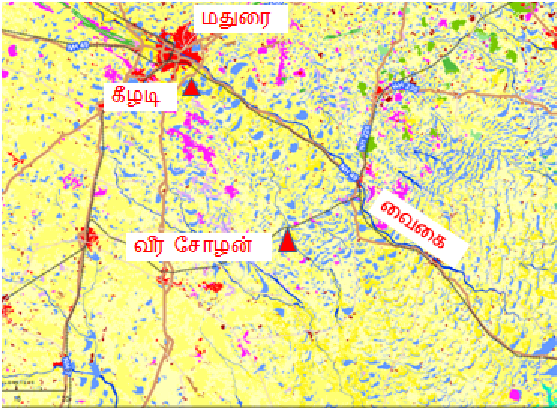
ஆக, புவன் மற்றும் கூகிள் பதிமங்களில் நாம் காண்பது, தொல்லாற்றுத்தடமாக இருக்கும் வாய்ப்புகளே அதிகம்.
மேலும், இந்த கீழடி- வீரசோழன் ஆற்றினை அப்படியே இழுத்து கடலுக்குக் கொண்டுபோனால் அங்கே நம்மை வரவேற்க, ஒரு பவளத் தீவு திட்டும் காத்திருக்கிறது.
இந்த தொல் ஆற்றுத் தடம் அகழ்வாய்வுக் குழிகளில் ஒரு குறிப்பிட்ட ஆழத்திற்குக் கீழ் உள்ளதால், இது இந்தப் பண்டை நகரம் உருவாகும் முன்பே இருந்திருக்க வேண்டும் என்றுதான் எண்ணத் தோன்றுகிறது. இதனால் நகரம் அழிந்திருக்க வாய்ப்பில்லை.
பிறகு என்னதான் ஆனது?
singa...@gmail.com

இசையினியன்
Keeladi excavation and different dimensions of the 'language war'
“The findings have again proved that Tamil is the oldest language"
 Keeladi excavation site
On September 19, the Tamil Nadu Archaeological Department (TNAD) released a report Keeladi-An Urban Settlement of Sangam Age on the Banks of River Vaigai. The report reveals "cultural deposits", which were discovered in excavations in Keeladi near Sivaganga in Tamil Nadu, were dated to a period between "6th century BCE and 1st century CE".
The products could be dated as far back as 580 BCE, the report noted. The evidence provided by the dig: A settlement by the Vaigai plains, which was urbanised in Tamil Nadu around 6th century BCE.
The report found: The recent scientific dates obtained for Keeladi findings push back the date of Tamil-Brahmi to another century—6th century BCE. These results clearly ascertained that they attained the literacy or learned the art of writing as early as 6th century BCE. In short, the Sangam era, which marked the largest social and cultural developments in Tamil Nadu, could be much earlier than 300 BCE when it was assumed to have commenced.
Another finding: But it is to be noted that this site didn’t yield any objects meant for worship so far. This has sparked a debate on the historical connotations of the findings, and the larger political aspect.
First, a short history primer, with regards to a THE WEEK report on two scientific papers in Science and Cell. Genetic and archaeological studies have long indicated three major waves of migration into India. The first one is the Out-of-Africa (OoA) migration that gave us the earliest Indians 60,000 years before.
Secondly, in the early Neolithic period, it was believed there was an influx of Iranian farmers from the Zagros region, mixing with the earliest Indians to produce a population strain commonly known as the Ancestral South Indians (ASI). The latter largely populated the Harappan civilisation, spread over 2600 and 1900 BCE, and considered one of the largest urban societies of its time with Dholavira in Gujarat, Mohenjo Daro in Sindh and Rakhigarhi in Haryana as some of its major centres.
Thirdly, in the turn of the second millennium (2000 BCE), when the IVC was in a stage of decline, traditional literature claims an influx of central Asian Steppe pastoralists (referred to as the Aryans), who brought with them Vedic culture and Indo-European languages including the first iterations of Sanskrit. ASI mingled with the pastoralists, producing a second population strain, Ancestral North Indians (ANI).
Almost all mainland Indians are a mix of ANI and ASI in differing proportions. The steppe ancestry is more pronounced in sections of traditional upper castes, as David Reich, geneticist at the Harvard Medical School, wrote in his study Reconstructing Indian Population History. The reports in Science and Cell found incontrovertible evidence for an 'Aryan movement' post the decline of the IVC: Steppe pastoralist ancestry is absent in the Harappans. This could bear out the inference that the ‘Aryans’ arrived at the later, declining stages of the IVC.
Coinciding with the arrival of the pastoralists, we find a south-eastern movement of the IVC people. That is, they are believed to have moved to an area that is now commonly referred to as south India. Where they migrated to was the big question, with ancient urban settlements not forthcoming in archaeological excavations. Until Keeladi, that is.
The political repercussions are manifold. A recent National Education Policy draft required students in non-Hindi-speaking states to study Hindi and English, along with their regional language. Parties in Tamil Nadu, including the DMK, on Saturday strongly opposed the three language formula, alleging it was tantamount to "thrusting" Hindi and wanted it junked. The issue had led to a major wave of 'anti-Hindi imposition' protests, with the Centre acquiescing in the end by amending the portion. Parties like DMK led by M.K. Stalin and MNM, led by Kamal Haasan, were at the forefront of the agitations.
The findings by the Tamil Nadu archaeological department buttress that long-held belief of the Dravidian parties that the Indus Valley Civilisation script was proto-Dravidian, related to Tamil, as opposed to Sanskrit (Prakrit) as some studies put it. To put it simplistically, this is the very essence of the Dravidian-Aryan debate in India.
Even much earlier, there have been speculations that the Harappans spoke a language resembling the now-defunct Iranian Elamite, which was hypothesised to be related to the Dravidian languages now spoken mainly in south India. Even now, Brahui—a Dravidian family language—is spoken in Balochistan. But, with the Indus Valley Script still undeciphered, no solid proof could be offered to back up the claims. The presence of Tamil-Brahmi in the 6th century BCE urban settlement could be a game changer in that regard.
Politically, Keeladi was always significant. A year back, Stalin had shot off a letter to Culture Minister Mahesh Sharma, seeking action on "stalled excavation" at Keeladi. Several personnel had even faced controversial transfers from the site. "While people of Tamil Nadu were anxiously waiting to know the true and ancient history of the state, in a sudden and surprise move, Archaeological Survey of India has been refused fund and permission to continue the excavation—though in northern and eastern States such excavations are being allowed liberally to continue even for more than ten years. People of the state were not only agitated over this calculated denial, but it also has become a great shock and disappointment to the people," he had then said.
"Each and every one in the state suspects whether the Central advisory board of archaeology is attempting to scuttle the excavations that will bring to light the prestigious and true history belonging to the people of Tamil Nadu. I sincerely hope that you will appreciate the fact that the sentiments of the people should not be in any way hurt by such unilateral and unjust decision of Central Board of Archaeology of India."
After the archaeology department report, Stalin reportedly wanted the BJP government at the Centre to ensure that the Keeladi site was declared a "protected monument" and an “international museum set up to display exhibits”.
Madurai MP Su Venkatesan, a CPI leader and state committee member, and one of the most vocal proponents for the continuation of Keeladi excavation, told The New Indian Express, “The findings have again proved that Tamil is the oldest language and the similarities in the markings discovered in Keeladi and Indus Valley are new keys to rewrite Tamil history.” The CPI(M) has urged the State and Centre to take steps to expand the excavation at Keeladi to bring to fore the site’s archaeological richness. CPI(M) Tamil Nadu State Secretary K. Balakrishnan expounded upon the necessity to expand excavation at the site.
இசையினியன்
?

The Tamil Nadu state archaeology department that conducted the excavations released the findings on Thursday, after analysing the AMS (accelerator mass spectrometry) dates obtained from Keeladi materials.
Six carbon samples collected from Keeladi were sent to Beta Analytic Lab in the US for AMS dating. The dates of all six samples fell between the 6th century BC and 3rd Century BC, said commissioner of department of archaeology T Udhayachandran. The result was released after consulting scholars like K Rajan, who also agreed that Keeladi presented strong evidence to some of the hitherto held hypotheses.
“The results suggest that the urbanisation of Vaigai plains happened in Tamil Nadu around 6th century BCE as happened in the Gangetic plains. Likewise, the recent scientific dates obtained for Keeladi findings push back the date of Tamil-Brahmi to 6th century BC,” he said.
These results clearly ascertained that the people who lived in Keeladi attained the literacy or learned the art of writing as early as 6th century BC. The new findings prove that a well advanced urban habitation exited in Keeladi from 600 BC.
Trace of agrarian society and cattle rearing were also noticed. The 70 samples of skeletal fragments collected from Keeladi had been sent to Pune’s Deccan College to analyse the faunal remains.
“Species such as cow, ox, buffalo, sheep, goat, nilgai, blackbuck, wild boar and peacock were identified from the skeletal remains. There was no trace of big animals like elephant. Some skeletal remains are yet to be identified,” he said.
Minister for Tamil official language and Tamil culture K Pandirajan said the new findings would redefine the Sangam era. “It’s a great achievement in the history of the department,” he said after releasing a book on Keeladi. This is the first time a book on Keeladi has been brought out by the department after it began excavation on the site in 2017.
Responding to a question, Pandirajan said the government would open a site museum at Keeladi in March 2020.
Excavation in Keeladi was first conducted by the Archaeological Survey of India’s excavation branch (Bengaluru) in 2014.
தேமொழி
On Wednesday, September 25, 2019 at 10:01:58 PM UTC-7, இசையினியன் wrote:
இந்த இழையில் ஐந்தாம் கட்ட அகழாய்வு கட்டுரைகள் மட்டுமா தொகுக்கப்படுகின்றன?
கந்தன் சாமி சத்திவேல்
--
"Tamil in Digital Media" group is an activity of Tamil Heritage Foundation. Visit our website: http://www.tamilheritage.org; you may like to visit our Muthusom Blogs at: http://www.tamilheritage.org/how2contribute.html To post to this group, send email to minT...@googlegroups.com
To unsubscribe from this group, send email to minTamil-u...@googlegroups.com
For more options, visit this group at http://groups.google.com/group/minTamil
---
You received this message because you are subscribed to the Google Groups "மின்தமிழ்" group.
To unsubscribe from this group and stop receiving emails from it, send an email to mintamil+u...@googlegroups.com.
To view this discussion on the web visit https://groups.google.com/d/msgid/mintamil/1d3f1e36-a714-495f-ad07-fb70cb697bbe%40googlegroups.com.
தேமொழி
On Wednesday, September 25, 2019 at 10:29:43 PM UTC-7, தேமொழி wrote:
கீழடியின் நான்காம் கட்ட அகழாய்வு அறிக்கை வெளியான பிறகு....அது தொடர்பான விவாதங்களும் கருத்துகளும் கொண்ட காணொளிகளும் கட்டுரைகளும் கூட உள்ளன.அதாவது...கீழடி 5 கட்ட அகழாய்வுக் காலத்தைய நடவடிக்கைகள் குறித்த ஒரு தொடர் இழை எனக் கொள்ளலாம்
கீழடி: திமிறும் காளை

சு.வெங்கடேசன்
உலகெங்கும் உள்ள தமிழ்ச் சமூகத்தின் கவனத்தை ஈர்த்திருக்கிறது, சென்ற வாரத்தில் தமிழக அரசின் தொல்லியல் துறை வெளியிட்ட கீழடி தொடர்பான அறிக்கை. “கீழடியில் கிடைத்த கட்டுமான அமைப்புகள் முதிர்ச்சி பெற்ற சமூகத்தின் அடையாளம். எழுத்தறிவும், சிறந்த கைவினைத் தொழில்நுட்பமும், உள்நாடு மற்றும் வெளிநாடு வணிக வளமும் கொண்ட இந்நாகரிகத்தின் காலம் கிமு 600” என்று அது கூறுகிறது. அதாவது, கீழடியின் வயது 2600 என்று கூறும் அந்த அறிக்கை, அந்தக் காலகட்டத்திலேயே எழுத்தறிவு பெற்ற சமூகமாக தமிழ்ச் சமூகம் இருந்ததையும் விரிவான ஆதாரங்களோடு நிறுவ முயல்கிறது. ஆனால், தமிழ்நாடு அரசின் தொல்லியல் துறை மேற்கண்ட முயற்சியின் விளைவு இது என்பதையும், கீழடியை அணுகும் விதத்தில் இனியேனும் மத்திய அரசு சிறப்புக் கவனம் அளிக்க வேண்டும் என்பதையும் இங்கு நாம் அழுத்திச் சொல்ல வேண்டியிருக்கிறது.
மூன்று கட்ட ஆய்வுகள்
நான்காண்டுகளாக கீழடியில் ஆய்வு நடந்திருக்கிறது. மத்திய தொல்லியல் துறை முதல் மூன்றாண்டுகள் ஆய்வுகளை நடத்தியது. அதில் முதல் இரண்டு ஆண்டுகள் ஆய்வுகளை நடத்திய அமர்நாத் இராமகிருஷ்ணன் குழு 102 குழிகள் அகழ்ந்தது. அவற்றில் கிடைத்த சான்றுகளின் அடிப்படையில், 2017 பிப்ரவரியில் இடைக்கால அறிக்கை கொடுத்தார் அமர்நாத் இராமகிருஷ்ணன். ‘தமிழகத்தில் முதன்முறையாக நகர நாகரிகத்துக்கான விரிவான கட்டுமானங்கள் கிடைத்திருக்கின்றன’ என்று அவர் குறிப்பிட்டார்.
விரைவிலேயே அவர் பணியிடம் மாற்றப்பட்டார். மூன்றாவது ஆண்டில் ஆய்வுகளை நடத்திய ஸ்ரீராமன், வெறும் 10 குழிகளை மட்டுமே அகழ்ந்தார். ‘புதிய ஆதாரங்களோ, கட்டுமானத்தின் தொடர்ச்சியோ கிடைக்கவில்லை; புதிய சான்றுகளும் எதுவும் கிடைக்கவில்லை’ என்று ஒரு பக்க அறிக்கையை மத்திய அரசுக்கு அவர் அனுப்பினார். அந்த அறிக்கையின் அடிப்படையில் கீழடி ஆய்வை முடித்துவிட்டு வெளியேறியது மத்திய தொல்லியல் துறை.
இந்தக் கட்டத்திலிருந்துதான் நான்காம் ஆண்டில் சிவானந்தம் தலைமையில், தன்னுடைய அகழாய்வைத் தொடங்கியது தமிழ்நாடு அரசு தொல்லியல் துறை. 34 குழிகளில் நடத்தப்பட்ட இந்த அகழாய்வில் கிடைத்த சான்றுகளை உயரிய ஆய்வு நிறுவனங்கள் பார்வைக்கு அனுப்பி, அவர்கள் அளித்த மதிப்பீட்டின்படியே தன்னுடைய அறிக்கையை அது சமீபத்தில் சமர்ப்பித்தது.
சர்ச்சைகளும் முடிவுகளும்
ஏற்கெனவே, கீழடி ஆய்வில் தீவிரமான ஆர்வம் காட்டிவந்த அமர்நாத் இராமகிருஷ்ணன் அங்கிருந்து பணிமாற்றம் செய்யப்பட்டது உள்ளூர் மக்களிடம் அதிருப்தியையும் சந்தேகத்தையும் உண்டாக்கிய நிலையில், புதிதாகப் பொறுப்பேற்ற ஸ்ரீராமன், கீழடி ஆய்வையே முடிக்கும் அளவுக்குக் கொடுத்த அறிக்கையையேனும் மத்திய அரசு கேள்விக்குட்படுத்தியிருக்கலாம். “ஒரு வருஷம் முழுக்கவுமே வெறும் 10 குழிகள் அளவுக்கு மட்டுமே அகழாய்வு நடத்த முடிந்ததா? ஓராண்டில் இந்த ஆய்வுக்காகக் கொடுக்கப்பட்ட பணத்தில் மூன்றில் ஒரு பங்கைக்கூட நீங்கள் ஏன் செலவிடவில்லை? இன்னும் கொஞ்சம் முயன்றுபார்க்கலாமா?” என்றுகூடக் கேட்காமல் ஸ்ரீராமன் கொடுத்த அறிக்கையின் அடிப்படையில் அப்படியே கீழடியைக் கைவிட்டது மத்திய அரசு.
இப்போது மாநிலத் தொல்லியல் துறை நடத்தியிருக்கும் ஆய்வு கீழடியின் முக்கியத்துவத்தை ஒட்டுமொத்த நாட்டுக்கும் உணர்த்தியிருக்கும் சூழலிலேனும், கீழடியை இனி கூடுதல் முக்கியத்துவத்துடன் அணுக முற்பட வேண்டும். முழு ஆய்வையும் முடிக்காமல் ஒரு அதிகாரி கொடுக்கும் அறிக்கையின் அடிப்படையில் ஆய்வை முடித்துக்கொள்ளும் போக்கைக் கைவிட வேண்டும்.
கீழடியில் உள்ள தொல்லியல் மேடு என்பது தனித்த ஒன்றல்ல, 110 ஏக்கர் கொண்ட அம்மேட்டுக்குப் பக்கத்தில் 90 ஏக்கரில் இன்னொரு மேடு உள்ளது. கீழடியைச் சுற்றி கொந்தகை, மணலூர், அகரம் ஆகிய கிராமங்களும் இதே அளவு தொல்லியல் எச்சங்களோடு உள்ளவை என்று கருதப்படுபவை.
இவை அனைத்தும் ஒரே குவிமைய நிலப்பரப்பு என்பது இங்கு நாம் கவனிக்க வேண்டியதாகும். ஒரு பெரும் நீர்நிலையைச் சுற்றிய நிலவியல் அமைப்பாக இது இருந்திருக்கலாம். வைகையின் நீரைக் கால்வாய் வழியாக இரண்டு கிமீ தூரம் பிரித்து வந்து, நீர் தேக்கி வேளாண்மையில் ஈடுபட்டவர்களாக அங்கு வாழ்ந்தவர்கள் இருந்திருக்கலாம். ஆனால், இவையெல்லாம் தொடர் ஆய்வுகளில் நிறுவப்பட வேண்டியவை.
இரு கோரிக்கைகள்
ஆகவே, கீழடியைச் சுற்றியுள்ள இப்பகுதியைப் பாதுகாக்கப்பட்ட பகுதியாக அறிவிக்கும் பணி முதன்மையானது. உத்தர பிரதேசத்தில் பாக்பத்தில் உள்ள சனவுலி கிராமத்தில் 28.67 ஏக்கர் நிலத்தைப் பாதுகாக்கப்பட்ட நிலமாக சில நாட்களுக்கு முன் மத்திய தொல்லியல் துறை அறிவித்துள்ளதை இங்கு சுட்டிக்காட்டுவது பொருத்தமாக இருக்கும். அங்கு கடந்த ஆண்டு மத்திய தொல்லியல் துறை நடத்திய அகழாய்வில் பழங்காலச் சவப்பெட்டிகளும் கல்லறைகளும் கிடைத்துள்ளன. அவற்றின் காலத்தைக் கணிக்கக் காலப் பகுப்பாய்வுக்கு மாதிரிகள் அனுப்பப்பட்டுள்ளன. ஆனால், அவற்றின் முடிவுகள் வருவதற்கு முன்பே அவ்விடத்தைப் பாதுகாக்கப்பட்ட பகுதியாக அறிவித்திருக்கிறது மத்திய தொல்லியல் துறை.
ஆனால், கடந்த ஐந்து ஆண்டுகளாக 15 ஆயிரத்துக்கும் மேற்பட்ட தொல்லியல் பொருட்களும் கட்டுமானச் சான்றுகளும் கண்டுபிடிக்கப்பட்டு, ஒன்றுக்கும் மேற்பட்ட முறை காலப் பகுப்பாய்வுக்கு மாதிரிகளை அனுப்பி, கால நிர்ணயம் செய்யப்பட்ட கீழடியின் ஆய்வுக்குரிய நிலம் இன்னும் பாதுகாக்கப்பட்ட நிலமாக அறிவிக்கப்படவில்லை.
அடுத்து, கீழடியில் சர்வதேசத் தரத்தில் ஒரு அருங்காட்சியகமும் அமைக்கப்பட வேண்டும். கீழடியில் ஆய்வு தொடங்கப்பட்ட அதே காலகட்டத்தில், அகழாய்வு தொடங்கப்பட்டதும் பிரதமர் மோடியின் சொந்த நகரமான குஜராத்தின் வட் நகரில் இதுவரை கிடைத்த பொருட்களைக் கொண்டு, சர்வதேசத் தரத்தில் மெய்நிகர் அருங்காட்சியகம் அமைக்க சர்வதேச ஒப்பந்தப்புள்ளியை மத்திய தொல்லியல் துறை கோரியுள்ளதை இங்கு சுட்டிக்காட்டலாம். மத்திய அரசிடம் இந்தக் கோரிக்கைகளை வலியுறுத்துவது மாநில அரசின் கடமையும்கூட.
கீழடியில் கிடைத்த எலும்பை டெக்கான் கல்லூரிக்குப் பகுப்பாய்வுக்கு அனுப்பியதில், அது திமிலுடைய காளையின் எலும்பு என ஆய்வு முடிவுகள் கூறுவதாகச் சொல்கிறது தமிழக தொல்லியல் துறை வெளியிட்டுள்ள அறிக்கை. வைகை நதியிலிருந்து கீழடியின் வழியே மேலேறும் திமிலுடைய காளை தமிழின் குறியீடு!
- சு.வெங்கடேசன்,
தேமொழி
தேமொழி
5
கேள்வி :
கீழடியில் கிடைத்திருக்கிற எழுத்துப் பொறிப்புகள் ஏராளமாகக் பானைக்கீறல்கள் எதைக்காட்டுகின்றன? சங்க காலக் கல்விப்பரவலாக்கத்திற்கு இதை ஒரு அடையாளமாகக் கருத இடமுண்டா?
விடை:
உறுதியாக. கீழடி எழுத்துப் பொறிப்புகள் எழுதப்பட்டதாக கருதப்படும் காலகட்டம் கி.மு. ஆறாம் நூற்றாண்டா, ஐந்தாம் நூற்றாண்டா என்பதை விட முக்கியமானது இது தமிழக மண்ணில் முதல் கண்டுபிடிப்பு அல்ல என்பதும் தான். இது தமிழி எழுத்துப் பொறிப்புகள் ஏற்கனவே தமிழ்நாட்டின் பல பகுதிகளில் கிடைத்துள்ளன அவற்றின் காலகட்டம் கி.மு. மூன்றாம் - ஐந்தாம் காலகட்டத்தில் ஏற்கனவே பொருத்தப்பட்டுள்ளன. எனவே இது முதல் முறை அல்ல; இதன் கால நிர்ணயம் கி.மு. 6 ஆம் நூற்றாண்டு என்று கணிக்கப்பட்டுள்ளது என்பது தான் புதிய தகவல்.
ஆனால் என் மட்டில் நான் அதை விட முக்கியமானக் கருதுவது கீழடி வாழ்வியலுக்கும் சங்க இலக்கியத்திற்கும் இடையிலான இணக்கம்.
கல்விப் பரவலாக்கத்தின் முதல் உரைகல் ( you can say " litmus test") கருத்தியல் அடிப்படையிலும் நடைமுறை எதார்த்தத்திலும் கல்வி அனைவருக்குமானதா என்பதே ஆகும்.
கீழடி பானைக் கீறல்களும் "தமிழி" எழுத்துகளும் யாரால் கீறப்பட்டது அல்லது எழுதப்பட்டது என்பதும் முக்கியம். இவை பேரரசர்களின் கல்வெட்டுகளோ செப்பேடுகளோ இல்லை. இதில் "அரசாங்கத்தின்" கரங்கள் இல்லை.
அது பானையை வனைந்த குயவன் எழுதியது என்றால் அது "முதுவாய் குயவ" ( Potter of the ancient wisdom ) என்ற சங்க இலக்கியப் பதிவுக்கு கிடைத்த சான்றிதழ். அது பானையை வாங்கிய பலராலும் எழுதப்பட்டது எனில் அது கல்விப் பரவலாக்கத்திற்கு உரைகல்.
இத்தகைய கல்விப்பரவலாக்கத்திற்கு சங்க இலக்கியம் காட்டும் வாழ்வியலின் அறிவு சார்ந்த அணுகுமுறை ( Knowledge based approach) முக்கியக் காரணம் ஆகும்.
இதற்கு புறநானூற்றில் வரும் ஒரு பாடல் ஒரு சோற்றுப் பதம். இதோ அந்தப் பாடல். ( புறநானூறு 183)
"உற்றுழி உதவியும் உறுபொருள் கொடுத்தும்
பிற்றை நிலை முனியாது கற்றல் நன்றே!
பிறப்போரன்ன உடன்வயிற்றுள்ளும்
சிறப்பின் பாலால் தாயும் மனம் திரியும்
ஒரு குடிப் பிறந்த பல்லோருள்ளும்
முத்தோன் வருக என்னாது அவருள்
அறிவுடையோன் ஆறு அரசும் செல்லும்
வேற்றுமை தெரிந்த நாற்பா லூள்ளும்
கீழ்ப்பால் ஒருவன் கற்பின்
மேல் பால் ஒருவனும் அவன் கண்படுமே"
—(புறம்-183)
அப்போதே "வேற்றுமை தெரிந்த" சமூகப் படிநிலை முறைகள் தலைதூக்கி இருக்கவேண்டும். ஆனால் கவிஞனாகிய தமிழ் மன்னன் அதிலும் ஆரியப் படை கடந்தவன் என்று பெயர் சூட்டிக் கொண்டவன் (நெடுஞ்செழியன் என்ற பெயர் தொல் தமிழ்க் கல்வெட்டிலேயே வருகிறது) அறிவுடையோன் காட்டும் வழியில் தான் தனது அரசு செல்லும் என்று தனது கவிதையின் மூலம் அறிவிக்கிறான். கல்விப்பரவலாக்கத்திற்கான அரசு சார்ந்த / ஆவணப்படுத்தப்பட்ட முதல் குரல் எனக்குத் தெரிந்த வரையில் இது தான்.
இந்த அறிவிப்பு எதிர்பார்ப்போ புனைந்துரையோ இல்லை என்பதை சங்க இலக்கியப் புலவர்களின் சமூகப்பின்னணிகளே சான்றளிக்கும் .
கொற்றவனும்...குயத்தியும்...
கணியனும்...கணக்காயனும்...
குறமகளும்..கொல்லனும்...
வணிகனும்..வண்ணக்கனும்...
சேரனும் சோழனும் பாண்டியனும்...
கூடிப் பாடிய கூட்டியக்கம் தான் சங்கத்தமிழ் என்ற ஆவணக்களஞ்சியம்.
கீழடியில் வெளிவரும் எழுத்துப் பொறிப்புகளும் குயவரோ பானை உரிமையாளரோ கீறிய பானைக் கீறல்களும் இந்தக் கருத்தியலின் இன்னொரு உடல் மொழிதான்.
இன்னொரு வகையில் சிந்துவெளி வாழ்வியலும் சங்க இலக்கிய வாழ்வியலும் தொன்மத்தின் தொடர்ச்சியாக அடிக்கோடிடும் இயக்கங்களில் / இணக்கங்களில் இதுவும் ஒன்று.
எனவே கீழடிப் பானை எழுத்துகள் கீறல்கள் கல்விப்பரவலாக்கத்திற்கு சான்று என்பது சரியான வாதமே.
?
கீழடி , மறைக்கப்படும் தமிழரின் பெருமை, கதைகளின் கதை, நியூஸ் 7
https://m.youtube.com/watch?v=pRTQ4wNCyh0
தேமொழி


N. Ganesan
தேமொழி
கீழடி அடையாளம் காணப்பட்டது எப்படி?
முதல் இரண்டு கட்ட ஆய்வுகள் சொல்வது என்ன?
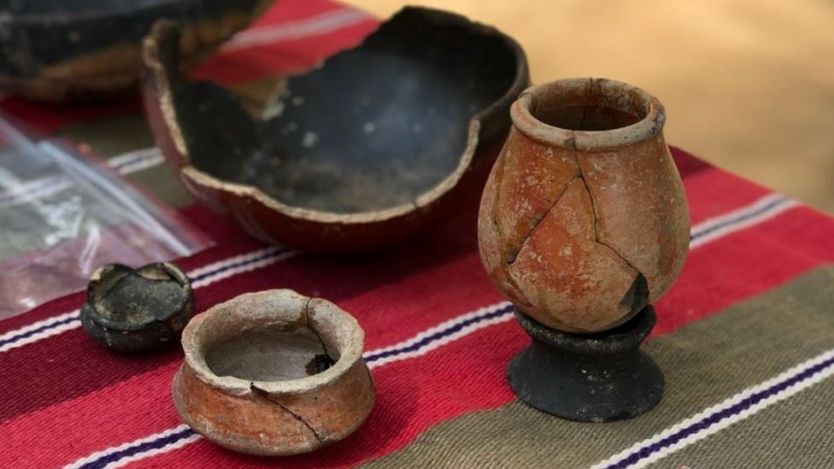
தேமொழி
On Friday, September 27, 2019 at 11:59:35 PM UTC-7, தேமொழி wrote:
கீழடி பற்றிய உரையாடல்கள் தடம் மாறிச் சென்று விடக் கூடாது . . .—— ஆர். பாலகிருஷ்ணன், இ. ஆ. ப.
தேமொழி
கீழடி 6ம் கட்ட அகழாய்வு பணி வரும் ஜனவரி மாதம் தொடங்கும்: தொல்லியல் துறை
October 02, 2019தமிழர்களின் பெருமையை உலகிற்கு உணர்த்திய கீழடியில் 6ம் கட்ட அகழாய்வு பணி வரும் ஜனவரி மாதம் தொடங்கும் என தமிழக தொல்லியல் துறை அறிவித்துள்ளது.
சிதம்பரம் அண்ணாமலை பல்கலைக்கழகம் தமிழ்த்துறை சார்பில் கல்வெட்டு பயிற்சி பட்டறை குறித்த முகாம் தொடக்க விழா நடைபெற்றது. இந்த பயிற்சி பட்டறை முகாமை தமிழக தொல்லியல் துறை துணை இயக்குநர் சிவானந்தம் தொடக்கி வைத்தார்.
அதன்பின் செய்தியாளர்களிடம் பேசிய அவர், கீழடியில் கிடைத்த பொருட்கள் நகர நாகரிகத்தின் சான்றாக விளங்குகிறது என தெரிவித்தார். கீழடி நாகரிகத்திற்கும், சிந்து சமவெளி நாகரிகத்திற்கு உள்ள தொடர்புகள் குறித்து ஆய்வுக்கு பிறகே தெரியவரும் என குறிப்பிட்ட அவர், கீழடியில் கிடைத்துள்ள பொருட்களை ஆய்வு செய்தபோது இதன் காலம் கி.மு 6 ஆம் நூற்றாண்டு என கண்டறியப்பட்டுள்ளது என தெரிவித்தார்.
இங்கு வசித்த மக்கள், வேளாண்மை மற்றும் நீர் மேலாண்மையில் சிறந்து விளங்கியது ஆய்வில் தெரியவந்துள்ளதாகவும், இங்கு வாழ்ந்த மக்கள், அறிவியல் சார்ந்த சமூகமாக வாழ்ந்திருப்பதாகவும் குறிப்பிட்டார்.
தேமொழி

காலத்தின் குரல் : தமிழனின் பெருமையை உயர்த்திவிட்டதா கீழடி?
| Keezhadi | 30.09.2019

தேமொழி

N D Logasundaram
To unsubscribe from this group, send email to minTamil-u...@googlegroups.com
For more options, visit this group at http://groups.google.com/group/minTamil
---
You received this message because you are subscribed to the Google Groups "மின்தமிழ்" group.
To unsubscribe from this group and stop receiving emails from it, send an email to mintamil+u...@googlegroups.com.
தேமொழி

தேமொழி

தேமொழி

தேமொழி
தேமொழி
தேமொழி
The first major urban settlement to be unearthed in India was Rajgir, or “Rajagriha” (abode of the king), in Bihar’s Nalanda district and it was assigned to the 6th century BCE. Rajgir was excavated as early as 1905; since then, several excavations have been conducted and sites discovered around the region. Archaeologists confirmed that this was part of the Second Urbanisation Phase in India, the first being Mohenjo-daro and Harappa even though they were discovered only in 1924. Urban settlements are usually large and characterised by brick structures, industrial activity and water management, with agricultural and economic activities. A Second Urbanisation Phase situated in the south was never considered a possibility. It is in this context that the excavations at Keeladi have provided a new window to historians.
In 2014, when the Archaeological Survey of India (ASI) was digging at Keeladi, the Tamil Nadu State Department of Archaeology (TNSDA) was excavating at Alagankulam, a port city of the Pandya kings located where the Vaigai river meets the Bay of Bengal.
The Alagankulam excavations were carried out for seven seasons (a season usually runs from October to September) and evidence of four distinct cultures was unearthed: 4th century BCE to 1st century CE, where black and red ware (BRW) were found; 1st century CE to 2nd century CE where rouletted ware, amphorae and Roman coins were unearthed; 2nd century CE to 4th century CE in which BRW, grey ware and a specially named Alagankulam Ware (ceramics are usually compared with similar typology and for this ware there was no comparison, hence the name) were found; and in the topmost layer, Chola coins and Chinese ware were unearthed.
In the olden days, during the north-east monsoon, sailors from the West used the Pattanam port in the western coast in Kerala, avoiding Alagankulam on the eastern coast. Similarly, they used Alagankulam during the south-west monsoon, avoiding Pattanam. Goods were transported between these two points and to several other locations such as Madurai and Karur.
In 2013-14, the ASI conducted a survey and identified 293 sites along the Vaigai’s course. Keeladi was one of the sites and it covers an area of 110 acres (one acre=0.4 hectare). The mound identified at Keeladi is one kilometre from the village of the same name and to the west of the Manalur irrigation tank. The mound is locally known as “Pallichandai Thidal” and also as “Mettu Punjai”. The area was littered with black-and-red ware, red slipped ware, red ware, coarse red ware, black ware, terracotta discs, beads and other items.
The ASI began excavation at Keeladi with a team that was headed by Amarnath Ramakrishna for two seasons. He was replaced by P.S. Sriraman for the third season.
(It is important to know that the Adichanallur excavations in another part of Tamil Nadu were done in 1904 by Alexander Rea, who announced that it was a megalithic site. It was after 100 years that the ASI dug the site again, but the reports are yet to be published. The Madurai bench of the Madras High Court has given orders to send the Adichanallur samples for testing and writing reports.) By this time Keeladi had gained a lot of attention, generating curiosity relating to Tamil antiquity. People flocked to the spot for a first-hand glimpse of the site.
TNSDA steps in
The TNSDA took up the fourth season during 2017-18. Learnings were borrowed from the ASI. Eleven trenches (each 10 m x 10 m) were laid in which 34 quadrants (4.25 m x 4.25 m each) were opened during this season and 5,820 antiquities were unearthed.
(A trench area is too large and hence quadrants are marked within one trench area with a gap of 0.5 m between each quadrant and only the quadrants are opened. Quadrants are usually opened only when there is a potential for finding objects in that particular trench area.)
It is in this context that the fourth season’s findings become crucial. The TNSDA, which has released the fourth season’s report, has already ventured into the fifth season which is proving even more interesting. The report was vetted by senior archaeologists outside the department, one of them being Prof. K. Rajan, who excavated the Porunthal and Kodumanal sites. The department plans to translate the report into several languages.
The stratigraphy of all the trenches at Keeladi from the lower level to the top level carries distinct features with the same culture. The most significant findings came from trench/quadrant YP7/4. There were three cultural layers found in this quadrant, the lowest layer being 353 cm to 200 cm below surface belonging to circa 580 BCE. The natural soil was found at 410 cm. These cultural layers are identified by archaeologists on the basis of soil deposit, soil colour, texture and the nature of the artefacts found. The middle layer being 200 cm and above was placed between the mid-third century and 1st century BCE. According to Prof. Rajan, the lowest level can be called Phase 1 of the Early Historic Phase and the middle level can be called Phase 2 of the Early Historic Phase.
What Keeladi tells us
First, Keeladi essentially comes under the Second Urbanisation Phase like Rajgir. The factors determining an urban settlement are the size of a settlement, its trade activities within the region and outside, the existence of trade routes, sophisticated technologies and industries, the existence of multiethnic and linguistic groups, usage of luxury/elite items, usage of script, a codified language, literacy level and the existence of statecraft. Some of these are evident from the artefacts obtained in the site (see table).
Second, the lowest layer has yielded potsherds with Tamil Brahmi (also called Tamili) inscriptions and graffiti. With additional evidence, this will attest to the use of writing during this period. The earlier view of a writing system in Tamil from the 3rd century BCE now gets pushed back to the 6th century BCE from the carbon sample obtained in the same cultural layer. Since this is a predominantly industrial site and not a habitational or burial site, more evidence must emerge.
Amarnath Ramakrishna has said that this could also be a habitational site as it contains finished goods. The establishment of carbon-dated reference may make Keeladi an “index site”.
So far, the Iron Age of Tamil Nadu was generally dated on the basis of pottery like BRW and other megalithic antiquities that could not be dated accurately owing to non-availability of radiometric dates for some earlier excavated areas. Testing of the Keeladi artefacts has cleared the air to a great extent. However, these conclusions are based on the limited data available at hand. When more artefacts are unearthed, there may be more surprises.
Key findings
While excavation is a major activity, following it up with accurate dating of excavated artefacts is important. This is done by testing them at certified laboratories. Reliable practices are followed around the world for samples such as terracotta, charcoal and other artefacts.
The charcoal obtained at the lowest layer was sent to the Beta Analytics Laboratory in Miami, Florida, United States. Charcoal and wood are considered to be the most widely used and preferred materials for accelerator mass spectrometry (AMS) radiocarbon dating as these materials do not need complex pretreatment. Willard Libby, the Nobel leaureate and a pioneer in radiocarbon dating, has identified charcoal to be the most reliable material to carbon–date. For petrographic analysis, samples were sent to the Earth Science Department of Pisa University (ESDPU) in Italy. On the basis of the results obtained from these laboratories the following conclusions were drawn.
One of the significant discoveries in the site was the unearthing of heaps of pottery, suggesting the existence of a pottery-making industry at the site. The minero-petrographic analysis conducted on samples by the ESDPU revealed that the pottery was made from locally available material while a few pieces came from other areas. This suggests the existence of similar settlements and exchange of goods from neighbouring regions, probably through traders, craftsmen and visitors.
The archaeological material unearthed depicts the lifestyle of the Keeladi people, their commerce and the existence of industries at the site.
To quote from the report of the ESDPU: “It is worthy of note that in Keeladi the technological routine employed to obtain red and black ware is unvaried over the time; particularly, compositional and textural features are homogenous in potteries dated from 600 BCE to 200 BCE, testifying the convey of technology and raw material source exploitation over all the site occupancy.”
The AMS analysis of the carbon material taken from charcoal at the Beta Analytics Laboratory found that it belonged to 580 BCE. Charcoal was found at 353 cm depth, which is the lowest layer, and the potsherds with Tamil Brahmi scripts were found in the same layer. This charcoal was used for testing.
Nearly 56 potsherds containing Tamil Brahmi inscriptions have been found. Some of them read as “vananai”, “atan”, “kuviran atan”, “atanedunka”, “kothira”, “tira an”, and “oy”. Out of the 56 potsherds, more than 20 were found below 3 m depth from the surface and more than 50 per cent of them were black and red ware.
During its excavations, the ASI had unearthed 72 Tamil Brahmi-inscribed potsherds at a level of 2 m and they were dated to the 2nd century BCE. The inscriptions were read as “athan”, “tisan”, “uthiran”, “iyanai”, “vendhan”, “sampan”, “perayan”, “kuviran kuravan”, and so on. The potsherds with inscriptions have to be seen in a larger perspective. So far, 27 AMS dates have been received from four Early Historic sites of Tamil Nadu yielding Tamil Brahmi-inscribed potsherds: they are Keeladi (16), Alagankulam (4), Porunthal (2) and Kodumanal (5). The time range falls between 6th century BCE and 1st century BCE.
Rajan says, “Of the 27 dates, five dates fall between 5th and 4th centuries BCE, four dates between 4th and 3rd centuries BCE, 15 dates between 3rd and 2nd centuries BCE, two dates between 2nd and 1st century BCE and one date goes back to 6th century BCE. The availability of more than a thousand inscribed potsherds in different stratigraphical contexts, besides considerable number of inscribed seals, rings and coins in different parts of Tamil Nadu, clearly suggests the long survival of this script. Of the 27 AMS dates, five fall in 5th century BCE. Hence, the availability of one date in 6th century BCE has to be studied along with the remaining AMS dates.”
The brick structures were found at the level of the second phase of the Early Historic period.
A ring well (diameter 92 cm and each ring with a height of 32 cm) emerged in another trench (A1/2), in eight courses, probably cut out of lower level of layer-1 and upper level of layer-2 and the same continues until layer-4. It was traced at the middle of the trench adjacent to the northern section.
The existence of a dyeing industry in Keeladi was already identified during the ASI excavation. The latest excavation yielded spindle whorls, sharply pin-pointed bone tip tools used for design creations, hanging stones of the yarn, terracotta spheres, copper needles and earthen vessels to hold liquid, which suggest the existence of various stages of a weaving industry.
Many objects excavated point to the artistic, cultural richness and prosperous lifestyle of the Keeladi people. Artefacts such as gold ornaments, copper articles, beads of gems, beads of semi-precious stones, glass beads, shell bangles, ivory bangle pieces and ivory comb from the site reflect this. A large heap of more than 477 glass beads indicates the presence of a glass bead industry. Agate and carnelian beads were found as finished products, suggesting that they might have been imported through a commercial network. (Several factors are taken into consideration including comparison with material identified from other excavation sites to decide if they were made in situ.)
Games and pastimes
Another important finding is the material relating to games and pastimes. Dice, both terracotta and ivory, gamesmen, and hopscotch evidence (around 600) have been unearthed. Even now the game of hopscotch known as “pandi” or “nondivilayattu” is prevalent in Madurai and its neighbourhood. Some 80 gamesmen of similar shape but of various sizes were also unearthed. The excavation also yielded terracotta figurines of humans and animals.
Sangam literature has several references to pastimes such as dice and other games, and the Keeladi findings seem to validate them. In his book, The Tamils 1,800 Years Ago, V. Kanakasabhai draws heavily on the evidence of the Sangam poems and from inscriptional evidence to paint a picture of a sophisticated society. Indrapala, Champakalakshmi and Rajan Gurukkal have also written on the trade and urbanisation of the region using these sources.
Sangam literature date
Until now, it was believed that Sangam literature belonged to the period from 300 BCE onwards, but this needs to be relooked at by scholars in the light of the current findings.
One of the faunal remains that was tested was found to be Bos indicus (also called Zebu cattle), a native species. These humped bulls are described in the Kalithogai for the famous “eru thazhuvudhal” sport still practised in this region.
Nearly a thousand graffiti marks have been found in addition to Tamil Brahmi script on potsherds. Some of the graffiti appears similar to the Indus signs. The department identified several of them but listed only a few single signs that resemble the Indus signs in its report.
The sign list provided by the Indus scholar Iravatham Mahadevan in his 1977 work The Indus Script: Texts, Concordance and Tables has been taken for this comparison and their numbers have been provided. Whether there is any connection between the two needs to be explored further.
The first systematic survey of the Keeladi region was done in the 1950s by Dr K.V. Raman of the ASI, who conducted a formal village-to-village survey in Madurai, Thirumangalam and Melur. In 2013, the Vaigai was chosen for archaeological exploration by the ASI for the role it played in the development of the early Pandya kings of Madurai. The objective was to understand the missing links of the Iron Age to the Early Historic period in the Vaigai river valley, according to Amarnath Ramakrishna.
A major chunk of the Tamil Brahmi inscriptions found in Tamil Nadu were from the Vaigai river region. So, Keeladi and all other potential sites close to the banks of the Vaigai were mapped. This river starts from the Suruli hills of the Western Ghats and meanders through Sinnamanur, Madurai and Paramakudi and drains in the Bay of Bengal near Alagankulam in Ramanathapuram district.
It runs for nearly 250 km and all the identified potential archaeological sites are by the riverside. There are numerous references to the river in Sangam literature. The south-west and the north-east monsoon fill the river like any other river in southern India.
The department decided to call Keeladi a river-based civilisation as it is on the banks of the river along with several other potential sites. Alagankulam has already been excavated at one end. Not much is known about the weather pattern and flow of water 2,500 years ago. The only reference would be the Sangam literature which talks about it, and the archaeology seems to validate it.
The Sangam literary works Akananuru, Purananuru, Madurai Kanchi, Kalithogai and Paripadal describes the grandeur of Madurai. The area has been continuously inhabited since ancient times. As in the case of Rajgir, which is referenced in the Pali Canon, Keeladi may be considered a case for Sangam literature.
A poem on Madurai city and one on Vaigai from the Sangam literature provide a glimpse:
“There are merchants who buy lovely gems, pearls
And gold and sell imported things from fine countries…
…their gorgeous houses are clustered together,
Appearing like a group of hills.” (Madurai Kanchi-500)
“May I lose the great joy in the company of my friends who are as precious to me as my own eyes —Mavan who is the ruler of Maiyal town and cities surrounded by the famous Vaiyai River with abundant riches and unending prosperity, Anthai of long established Eyil town, Anthuvan Sathan of great renown, famous Athan Alisi, Iyakkan with intense rage and others!” (Puram 71)
(translated by Vaidehi Herbert, courtesy www.learnsangamtamil.com).
It is important to note that some of the names in these poems are found on the potsherds and more research needs to be done on this. Prof. Dilip K. Chakrabarti (Emeritus Professor of South Asian Archaeology, Cambridge University), in his book Ancient Routes of the Deccan and the Southern Peninsula (2010), ascribes the general date of the formation of the Sangam literature to about 500 BCE and states that the earliest ancient Pandyan kingdom could be dated, even on the basis of the testimony of Megasthenes, to 6th-7th century BCE. However, these aspects may be left to scholars for more insight.
The department has commenced work on the fifth season and has taken some important steps. Instead of digging everywhere, it has decided to use three important tools to identify potential locations and execute the excavations in an efficient manner. Normally, field survey and surface exploration provide some leads to identify a site. Using unmanned aerial vehicles (UAVs), nearly 15 sq km have been surveyed. Through this method, material such as clay, iron and magnesium are identified in the top surface up to a certain depth. This would help locate the mounds and potentially stronger anomalies (objects under earth).
The second step is employing a magnetometer. Of the areas identified by the UAV, the TNSDA shortlists those close to the earlier excavated sections of seasons 1-3 using the magnetometer. Further sections are identified and zeroed in. Then a ground-penetrating radar is used to further refine the areas indicated in the previous process. Structural anomalies are identified up to a depth of 8 m. These anomalies are positioned and marked with GPS information.
Now, excavations can be done in specific locations where objects are most likely to occur. These are mapped and reports will be made available to any agency wanting to excavate. This technology is being deployed for the first time in India at Keelaadi. The UAV and ground-penetrating radar support was taken under the guidance of the Institute for Remote Sensing Department of Anna University. The magnetometric survey was supported by the Indian Institute of Geomagnetism at Navi Mumbai.
In the fifth season, the department has already unearthed a large brick structure, a 16-metre-long wall with three rows of bricks exposed. It is a water channel-like structure, exposed at a depth of 50 cm, which is a continuous structural activity previously exposed by the ASI. The length of the structure goes up to 5.80 m and width 1.60 m. At the surface of the channel, an alignment of roofing tiles has been noticed, indicating the secondary usage of roofing tiles as flooring until the middle of the channel. A small terracota pipeline which may be a drain line has also been unearthed but is yet to be labelled. The details of these new findings are expected to be published at the end of this season.
The most significant features of the Keeladi excavations are, firstly, the enormity of structural features and the fineness of the artefact assemblage indicating urban character. The assemblage raises the question of the antecedents of what can be defined as urban culture. The material culture, technology, engineering and aesthetics reflected in the artefacts and features support this.
Ancient Tamilakam
The noted archaeologist P.J. Cherian says: “Treating archaeological sites in isolation is a bane of archaeological practices. South India is no exception. There are several sites in ancient Tamilakam (comprising present-day Tamil Nadu and Kerala) and Muciri Pattinam or Muziris site at Pattanam on the Periyar delta region that have given both typological evidence and radiocarbon dates, again from secure stratigraphic contexts, confirming the beginnings of such a settlement to be around 1000 BCE.”
The Keeladi excavations so far have not produced any known religious motifs. Considering that only four seasons have been completed, we may have to wait for further excavations to see if any object relating to the faith of the people of the time is revealed. In Adichanallur, a mother goddess made of bronze was unearthed.
Cherian also believes that a comparative study of sites such as Veeram Pattinam (Arikamedu), Poompuhar, Korkai, Alagankulam and Pattanam (Muziris) in the hinterland sites of ancient Tamilakam could help unravel the civilisational foundations of south India.
The technological advances reflected in the archaeological data at Keeladi, Pattanam, Kodumanal and many other sites clearly bring out the industrial vigour of ancient Tamilakam. Keeladi, along with contemporary sites, confirm that the agrarian and technological revolution implied in the five thinai geographies of Tamilakam facilitated both hinterland and transoceanic trade during the Early Historic period. This is the milieu in which the Keeladi archaeological data become pathbreaking.
Keeladi has emerged as a significant site as archaeologists consider this as an index site. Earlier references were drawn from other sites to determine dates. For example, Arikamedu was dated based on Roman coins as a reference. Keeladi, with the carbon samples from the excavations by the ASI and the TNSDA, may provide “absolute dating” and become a reference for future excavations.
Interest in south Indian history began with British officials such as F.W. Ellis, partly because of curiosity regarding the country.
The latest revelations from Keeladi have rekindled interest in the region’s antiquity, offering tremendous scope and a lot of hope.
R. Sivanantham is Deputy Director of the Tamil Nadu State Department of Archaeology. Sundar Ganesan is Director, Roja Muthiah Research Library.