
know more about pumpkin.
0 views
Skip to first unread message

Mohan Bio
Sep 27, 2012, 11:09:15 AM9/27/12
to mathssc...@googlegroups.com


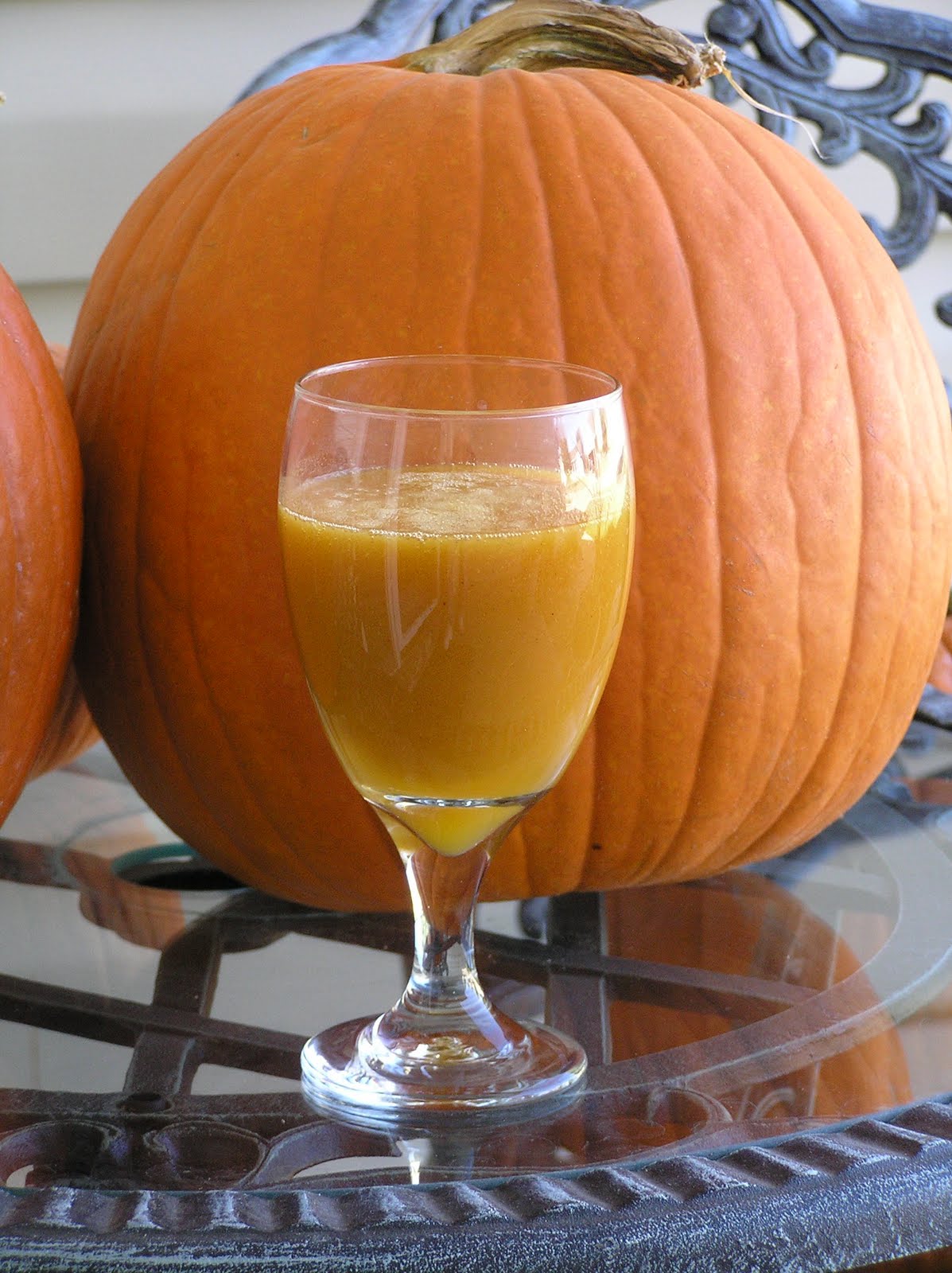
Nutritional Value of Pumpkin
It is the amount of nutrients present in 1 cup Pumpkin (cooked, boiled and drained):
Calcium - 37 mg
Carbohydrate - 12 gm
Dietary Fiber - 3 gm
Folate - 21 mcg
Iron - 1.4 mg
Magnesium - 22 mg
Niacin - 1 mg
Potassium - 564 mg
Protein - 2 grams
Selenium - 0.50 mg
Vitamin A - 2650 IU
Vitamin C - 12 mg
Vitamin E - 3 mg
Zinc - 1 mg
Calories - 49
Health & Nutrition Benefits of Eating Pumpkin
Pumpkin is very rich in carotenoids, which is known for keeping the immune system of an individual strong and healthy.
Beta-carotene, found in pumpkin, is a powerful antioxidant as well as an anti-inflammatory agent. It helps prevent build up of cholesterol on the arterial walls, thus reducing chances of strokes.
Being rich in alpha-carotene, pumpkin is believed to slow the process of aging and also prevent cataract formation.
Pumpkins have been known to reduce the risk of macular degeneration, a serious eye problem than usually results in blindness.
The high amount of fiber, present in a pumpkin, is good for the bowel health of an individual.
Being loaded with potassium, pumpkin is associated with lowering the risk of hypertension.
The presence of zinc in pumpkins boosts the immune system and also improves the bone density.
Health & Nutrition Benefits of Pumpkin Seeds .
They promote overall prostate health, apart from alleviating the problem of difficult urination that is associated with an enlarged prostate.
They comprise of L-tryptophan, a compound that has been found to be effective against depression.
They are believed to serve as a natural protector against osteoporosis.
They have been known to reduce inflammation, without causing the side effects of anti-inflammatory drugs.
Studies have revealed that they help prevent calcium oxalate kidney stone formation.
Being rich in phytosterols, they have been associated with reducing the levels of LDL cholesterol.
--
Mohan K R.
Bio teacher
GHS hiremarli. Pandavapura.
Mandya.
Reply all
Reply to author
Forward
0 new messages