
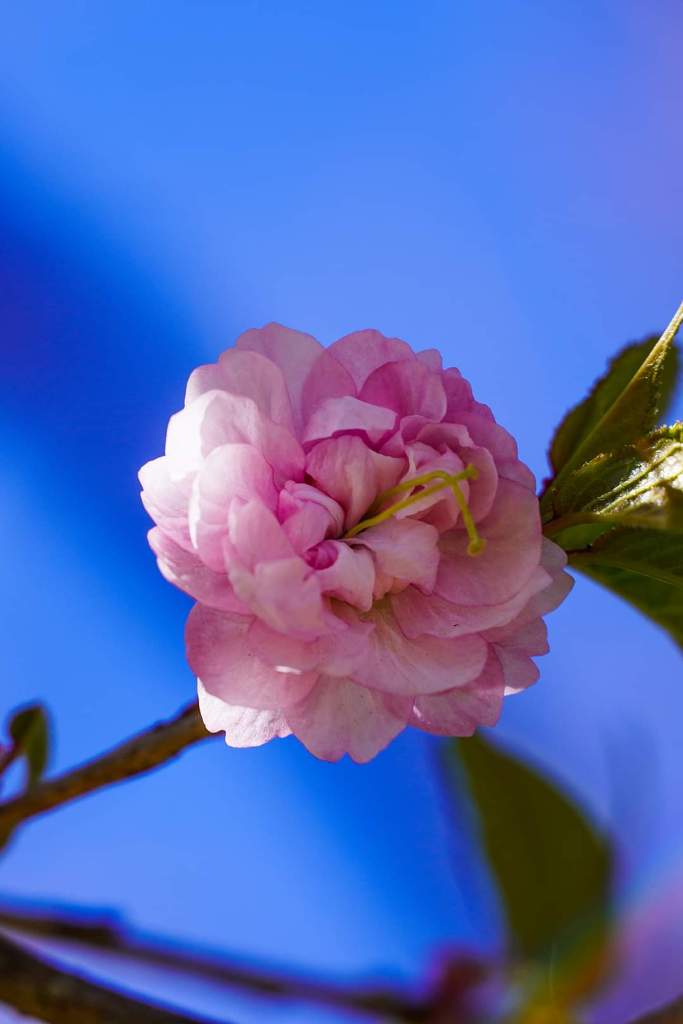
MS,Oct.,2021/58 Prunus sp. for id.
74 views
Skip to first unread message

M Sawmliana
Oct 21, 2021, 12:57:24 AM10/21/21
to indiantreepix
Location : Thingsai
Date : 30-12-2020
Habit : Small to middle-sized deciduous tree.
Habitat : Planted in the Thingsai village which collected from Thingsai forest area.
Photo taken by Lalmama
With regards,
M.Sawmliana

Saroj Kasaju
Oct 21, 2021, 3:52:54 AM10/21/21
to efloraindia, M Sawmliana, J.M. Garg
Please check subsp. of http://www.plantsoftheworldonline.org/taxon/urn:lsid:ipni.org:names:729887-1 !
Thank you.
Saroj Kasaju
--
You received this message because you are subscribed to the Google Groups "efloraofindia" group.
To unsubscribe from this group and stop receiving emails from it, send an email to indiantreepi...@googlegroups.com.
To view this discussion on the web, visit https://groups.google.com/d/msgid/indiantreepix/CAKYzkXOFiYfJTUReyf1bFA1u9SfS25PvUnusFrprhFWiOSYnVg%40mail.gmail.com.

J.M. Garg
Oct 28, 2021, 2:43:06 AM10/28/21
to M Sawmliana, efloraindia, Saroj Kasaju
Hi, Sawmmliana ji,
Any keys?
With regards,
J.M.Garg
J.M.Garg
J.M. Garg
Oct 28, 2021, 3:22:11 AM10/28/21
to efloraofindia, M Sawmliana
Thanks, Sawmliana ji.
---------- Forwarded message ---------
From: M Sawmliana <msawm...@gmail.com>
Date: Thu, 28 Oct 2021 at 12:24
Subject: Re: [efloraofindia:403651] MS,Oct.,2021/58 Prunus sp. for id.
To: J.M. Garg <jmg...@gmail.com>
From: M Sawmliana <msawm...@gmail.com>
Date: Thu, 28 Oct 2021 at 12:24
Subject: Re: [efloraofindia:403651] MS,Oct.,2021/58 Prunus sp. for id.
To: J.M. Garg <jmg...@gmail.com>
This Prunus is new species for Mizoram
With regards,
J.M.Garg
J.M.Garg
J.M. Garg
Nov 6, 2021, 4:40:17 AM11/6/21
to efloraofindia, M Sawmliana
It has closeness to Prunus cerasoides Buch.-Ham. ex D.Don, but for the flowers.
Can you the calyx?
With regards,
J.M.Garg
J.M.Garg
J.M. Garg
Nov 13, 2021, 4:30:35 AM11/13/21
to efloraofindia, M Sawmliana
Can you show the calyx?
With regards,
J.M.Garg
J.M.Garg
J.M. Garg
Nov 13, 2021, 5:29:40 AM11/13/21
to efloraofindia, M Sawmliana
Thanks, Sawmliana ji
---------- Forwarded message ---------
From: M Sawmliana <msawm...@gmail.com>
Date: Sat, 13 Nov 2021 at 15:09
Subject: Re: [efloraofindia:403651] MS,Oct.,2021/58 Prunus sp. for id.
To: J.M. Garg <jmg...@gmail.com>
From: M Sawmliana <msawm...@gmail.com>
Date: Sat, 13 Nov 2021 at 15:09
Subject: Re: [efloraofindia:403651] MS,Oct.,2021/58 Prunus sp. for id.
To: J.M. Garg <jmg...@gmail.com>
With regards,
J.M.Garg
J.M.Garg
J.M. Garg
Nov 21, 2021, 1:13:46 AM11/21/21
to efloraofindia, M Sawmliana
J.M. Garg
Nov 26, 2021, 4:36:35 AM11/26/21
to efloraofindia, M Sawmliana
Forwarding again for Id assistance please.
Some earlier relevant feedback:
|
Please check subsp. of http://www.plantsoftheworldonline.org/taxon/urn:lsid:ipni.org:names:729887-1 ! Thank you. Saroj Kasaju |
|
It has closeness to Prunus cerasoides Buch.-Ham. ex D.Don, but for the flowers. Can you the calyx?- from me |
Calyx looks somewhat different from Prunus cerasoides Buch.-Ham. ex D.Don- from me |
|
|
|
|
--
You received this message because you are subscribed to the Google Groups "efloraofindia" group.
To unsubscribe from this group and stop receiving emails from it, send an email to indiantreepi...@googlegroups.com.
To view this discussion on the web, visit https://groups.google.com/d/msgid/indiantreepix/CAKYzkXOFiYfJTUReyf1bFA1u9SfS25PvUnusFrprhFWiOSYnVg%40mail.gmail.com.
To unsubscribe from this group and stop receiving emails from it, send an email to indiantreepi...@googlegroups.com.
To view this discussion on the web, visit https://groups.google.com/d/msgid/indiantreepix/CAKYzkXOFiYfJTUReyf1bFA1u9SfS25PvUnusFrprhFWiOSYnVg%40mail.gmail.com.
With regards,
J.M.Garg
J.M.Garg
J.M. Garg
Nov 26, 2021, 10:11:43 AM11/26/21
to efloraofindia, M Sawmliana, klchau...@gmail.com
Thanks, Kanhaiya Lal ji
--
With regards,
J. M. Garg
With regards,
J. M. Garg
---------- Forwarded message ---------
From: Kanhaiya Lal Chaudhary <klchau...@gmail.com>
Date: Fri, 26 Nov, 2021, 7:53 pm
Subject: Re: [efloraofindia:403651] MS,Oct.,2021/58 Prunus sp. for id.
To: J.M. Garg <jmg...@gmail.com>
From: Kanhaiya Lal Chaudhary <klchau...@gmail.com>
Date: Fri, 26 Nov, 2021, 7:53 pm
Subject: Re: [efloraofindia:403651] MS,Oct.,2021/58 Prunus sp. for id.
To: J.M. Garg <jmg...@gmail.com>
Dear Garg ji,
Kindly check Prunus triloba, Rosaceae
Regards
J.M. Garg
Dec 1, 2021, 1:36:04 AM12/1/21
to efloraofindia, M Sawmliana, klchau...@gmail.com
Thanks, Kanhaiya Lal ji.
Does not have distribution in our area and also looks different as per POWO.
With regards,
J.M.Garg
J.M.Garg
Saroj Kumar Kasaju
Dec 20, 2025, 11:47:00 AM12/20/25
to efloraindia, M Sawmliana, J.M. Garg
Please check Prunus serrulata 'Kanzan' .
Thank you
Saroj Kasaju
J.M. Garg
Dec 24, 2025, 5:12:20 AM12/24/25
to Saroj Kumar Kasaju, efloraindia, M Sawmliana
Saroj Kasaju
Dec 24, 2025, 6:31:46 AM12/24/25
to J.M. Garg, efloraindia, M Sawmliana
OK Mr. Garg.
Thank you.
Saroj Kasaju



Shakir Ahmad
Dec 25, 2025, 6:29:39 AM12/25/25
to eFloraofIndia
Please check East Asian cherry (Prunus serrulata
J.M. Garg
Dec 27, 2025, 8:42:21 AM12/27/25
to indian...@googlegroups.com
Here is the difference as per Google AI view:
Prunus serrulata is the species (Japanese Flowering Cherry), while Prunus 'Kanzan' (also known as Prunus serrulata 'Kwanzan') is a popular cultivar within that species, distinguished by its showy, abundant, bright pink, double flowers, upright vase shape, and bronze-tinged new leaves, offering specific ornamental traits not found in the wild type. Essentially, 'Kanzan' is a specific, highly-selected variety of the general P. serrulata species. Prunus serrulata (The Species)- Description: The general species, the Japanese Flowering Cherry, has many forms, often with single white to pink flowers with five petals, or sometimes double flowers.
- Variability: Includes many different varieties and forms (like weeping or wide-spreading).
- Availability: The pure species is less common commercially than its popular cultivars.
Prunus 'Kanzan' (The Cultivar)- Flowers: Bright pink, very full "powder puff" double flowers (20-30 petals), blooming in clusters.
- Shape: Upright, vase-shaped, spreading form, often with branches that bend back.
- Foliage: New leaves emerge bronze/reddish, turning dark green, with yellow/orange fall color.
- Popularity: Extremely popular in Western countries due to its vigor, disease resistance, and spectacular spring display.
Key Difference in Summary
Think of it like "Dog" (species) and "Golden Retriever" (cultivar). All 'Kanzan' are
Prunus serrulata, but not all Prunus serrulata are 'Kanzan'. 'Kanzan' is simply the most famous and sought-after type of Japanese Cherry for its specific, stunning look.You received this message because you are subscribed to the Google Groups "eFloraofIndia" group.
To unsubscribe from this group and stop receiving emails from it, send an email to indiantreepi...@googlegroups.com.
To view this discussion, visit https://groups.google.com/d/msgid/indiantreepix/ad036368-94a9-46a5-ad18-878d8723c8f4n%40googlegroups.com.
Reply all
Reply to author
Forward
0 new messages