
Fleet Tracking Best Practices: A Step-by-Step Guide for Construction Leaders

How To Track Construction Fleets

State-of-the-art fleet vehicle tracking systems give you a competitive edge by optimizing operations, reducing costs, and enhancing customer satisfaction. You'll benefit from real-time location monitoring (enhancing construction fleet operations), advanced route optimization algorithms, and thorough driver behavior analysis. These technologies enable you to improve fuel efficiency, minimize maintenance costs, and streamline operational processes. By leveraging performance metrics and data analytics, you can make informed decisions to enhance productivity and safety compliance. The integration of GPS technology, geofencing, and predictive maintenance strategies guarantees your fleet operates at peak efficiency. Embracing these innovative solutions will position your business at the forefront of the industry
Key Takeaways
- Real-time GPS tracking provides precise vehicle locations, enhancing operational efficiency and customer service.
- Advanced route optimization algorithms reduce fuel costs and improve delivery times.
- Driver behavior monitoring promotes safety, reduces accidents, and lowers insurance premiums.
- Predictive maintenance scheduling minimizes unexpected breakdowns and extends vehicle lifespan.
- Data analytics reveal performance trends, enabling strategic decision-making for competitive advantage.
Real-time location tracking is a key component of effective fleet vehicle management. It allows you to monitor your vehicles' positions continuously, providing essential understanding into their movements and operational status. By leveraging GPS technology, you can pinpoint each vehicle's exact location, speed, and direction at any given moment.
This capability enables you to optimize routes, respond swiftly to unexpected events, and improve overall fleet efficiency. enhancing construction fleet operations. You'll be able to provide accurate ETAs to customers, enhancing service quality and satisfaction. Additionally, real-time tracking facilitates better resource allocation and helps prevent unauthorized vehicle use
Geofencing alerts add another layer of control, notifying you when vehicles enter or exit predefined areas. This feature enhances security and guarantees compliance with operational boundaries. Furthermore, historical data collected through real-time tracking allows for comprehensive analysis of vehicle performance, driver behavior, and route efficiency over time.
Route Optimization StrategiesWhile real-time tracking. enhancing construction fleet operations provides significant understandings, route optimization strategies take fleet management to the next level. By harnessing advanced algorithms and geographic information systems, you can enhance your fleet's efficiency and reduce operational costs
Route optimization employs historical and real-time data to determine the most efficient paths for your vehicles (read more). It considers factors such as distance, fuel consumption, traffic patterns, and delivery time windows. By implementing these strategies, you'll minimize unnecessary mileage, decrease fuel usage, and improve on-time deliveries
To optimize routes effectively, you should integrate traffic patterns and road condition data into your planning process. This allows you to avoid congested areas and potential hazards, ensuring safer travels for your drivers (enhancing construction fleet operations). Additionally, you can incorporate customer preferences and time-sensitive deliveries into your optimization algorithms
Dynamic route optimization adapts to real-time changes, such as unexpected traffic jams or last-minute order modifications. This flexibility enables you to maintain efficiency even in unpredictable situations. By continuously refining your optimization strategies based on performance data (enhancing construction fleet operations), you'll achieve ongoing improvements in your fleet's productivity and safety
Driver Behavior MonitoringDriver behavior monitoring is a key component of detailed fleet management, complementing route optimization efforts - enhancing construction fleet operations. By implementing advanced tracking systems, you'll gain significant understanding into your drivers' habits and performance on the road. These systems typically measure factors such as speed, harsh braking, rapid acceleration, and cornering behaviors, providing an extensive summary of each driver's safety profile
With this data at your fingertips, you can identify areas for improvement and develop targeted training programs. enhancing construction fleet operations to address specific issues. This proactive approach not only enhances safety compliance but also reduces the risk of accidents and associated costs. You'll be able to recognize and reward safe driving practices, cultivating a culture of responsibility within your fleet
Moreover, driver behavior monitoring allows you to track fuel efficiency, as aggressive driving often leads to increased fuel consumption. By encouraging smoother driving techniques, you'll optimize fuel usage and reduce operational expenses. Additionally, these systems can help you guarantee compliance with regulations regarding driving hours and rest periods, mitigating the risk of fatigue-related incidents and potential legal issues.
Performance Metrics AnalysisAnalytics form the backbone of effective fleet management, and performance metrics analysis is essential for data-driven decision-making. By leveraging advanced data visualization techniques - enhancing construction fleet operations, you'll gain significant understanding into your fleet's performance. These visual representations help you quickly identify trends, patterns, and anomalies that might otherwise go unnoticed
Predictive analytics applications take your analysis to the next level, allowing you to anticipate potential issues before they occur. You'll be able to optimize routes, reduce fuel consumption, and improve overall efficiency. By analyzing key performance indicators (KPIs), you can make informed decisions that enhance your fleet's safety and productivity.
- Fuel efficiency metrics
- Vehicle utilization rates
- Maintenance schedules and costs
- Driver performance scores
- Route optimization data
With performance metrics analysis, you're equipped to benchmark your fleet's performance against industry standards and your own historical data. This enables you to set realistic goals and track progress over time. By continuously monitoring and analyzing these metrics, you'll identify areas for improvement and implement targeted strategies - enhancing construction fleet operations to enhance your fleet's performance. The result? A safer, more efficient, and cost-effective operation that keeps you ahead of the competition in today's fast-paced business environment
Cost Reduction Opportunities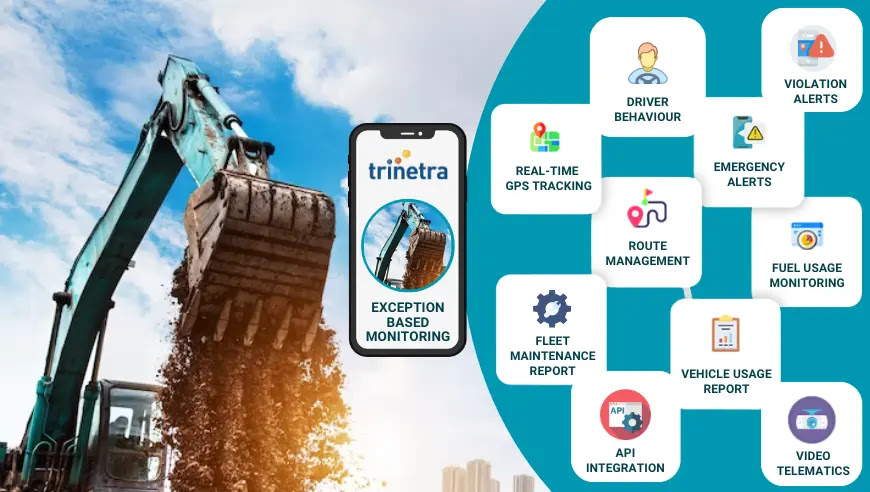
Implementing fleet vehicle tracking systems offers significant cost reduction opportunities through fuel efficiency optimization. enhancing construction fleet operations and maintenance cost minimization. You'll be able to analyze driving patterns, routes, and vehicle performance to identify areas where fuel consumption can be reduced. By proactively scheduling maintenance based on real-time vehicle data, you can prevent costly breakdowns and extend the lifespan of your fleet vehicles
Fuel Efficiency OptimizationFleet managers can rein in operational costs considerably by zeroing in on fuel efficiency optimization. By employing advanced vehicle tracking systems, you'll gain crucial understandings into fuel consumption patterns across your fleet. These systems enable real-time monitoring of fuel usage, allowing you to identify inefficiencies and implement targeted solutions.

Fuel consumption analysis helps you pinpoint vehicles or drivers that may be underperforming regarding efficiency (enhancing construction fleet operations) (fleet vehicle tracking installations). With this data, you can implement eco-driving techniques and provide targeted training to improve overall fuel economy. Consider the following strategies to optimize fuel efficiency:
- Employ route optimization algorithms to minimize unnecessary mileage
- Monitor and reduce idle times through automated alerts
- Implement regular maintenance schedules based on actual vehicle usage
- Encourage smooth acceleration and deceleration through driver scorecards
- Install aerodynamic features on vehicles to reduce drag and improve fuel economy
While optimizing fuel efficiency is vital, maintenance cost minimization presents another significant opportunity for reducing fleet expenses (enhancing construction fleet operations). By implementing a strong preventive maintenance program, you'll extend vehicle lifespans and minimize costly breakdowns. Regular vehicle inspections allow you to identify and address potential issues before they escalate, reducing repair costs and downtime
Utilize your fleet tracking system to monitor vehicle health indicators and schedule maintenance based on actual usage rather than arbitrary time intervals - enhancing construction fleet operations - construction equipment fleet monitoring. This data-driven approach guarantees timely interventions without over-maintaining your fleet. Consider the following cost-saving strategies:
Strategy
Benefit
Implementation
Predictive maintenance
Reduces unexpected failures
Analyze sensor data
Parts inventory optimization
Minimizes carrying costs
Track usage patterns
Vendor management
Secures better rates
Consolidate suppliers Customer Satisfaction Improvement
One of the most significant benefits of fleet vehicle tracking is its potential to dramatically improve customer satisfaction (enhancing construction fleet operations). By leveraging real-time data and analytics, you can enhance your service responsiveness and address customer feedback more effectively. Fleet tracking systems enable you to provide accurate arrival times, reducing customer wait periods and improving overall experience
You'll be able to:
- Optimize routes for faster deliveries
- Provide real-time updates on vehicle locations
- Respond quickly to last-minute changes or emergencies
- Analyze driver behavior to guarantee safe and courteous service
- Collect and act on customer feedback more efficiently
You'll typically implement a fleet vehicle tracking system in 2-4 weeks - enhancing construction fleet operations. The timeline depends on your fleet size, tracking system features, and integration complexity. Efficient planning and staff training are essential for a smooth, safety-focused implementation
Can Fleet Tracking Systems Integrate With Existing Business Management Software?You'll find numerous integration benefits with fleet tracking systems. enhancing construction fleet operations. They're often compatible with existing business software, enhancing operational efficiency. Confirm you verify software compatibility before implementation to maximize safety and streamline your data management processes effectively

Your fleet tracking data is safeguarded through strong data encryption and stringent access controls. explore this service. You'll have multi-factor authentication, role-based permissions, and secure data transmission protocols in place to prevent unauthorized access and protect sensitive information from potential breaches
Are There Any Legal Considerations When Implementing Driver Behavior Monitoring?You'll face a mountain of legal obstacles! Guarantee you're addressing data privacy concerns, obtaining employee consent, maintaining legal compliance, and mitigating liability issues (enhancing construction fleet operations). Thoroughly analyze your monitoring policies to protect both your company and drivers' rights

You should update your fleet tracking hardware every 3-5 years to maintain peak performance. Consider hardware longevity and technology advancements when planning replacements. Regular updates guarantee you're leveraging the latest safety features and efficiency improvements for your fleet.
ConclusionYou've seen how advanced fleet tracking can revolutionize your operations. By implementing these tools, you'll optimize routes (enhancing construction fleet operations), monitor drivers, and enhance customer satisfaction. Don't fall behind competitors who are already leveraging this technology. Studies show that businesses using fleet tracking systems can reduce fuel costs by up to 25%. That's a significant impact on your bottom line. Adopt this data-driven approach to streamline your fleet management and drive efficiency across your entire operation