
Re: அன்னப் பறவைகள் - geese in India

N. Ganesan
http://ta.wikipedia.org/wiki/%E0%AE%85%E0%AE%A9%E0%AF%8D%E0%AE%A9%E0%AE%AE%E0%AF%8D 2
அன்னம் என்பவை Swans அல்ல. இவை இந்தியா வருவதும் இல்லை.அன்னம் என்பவை Goose பறவைகள். அன்னங்கள் தமிழ்நாட்டுக்கு வந்து வாழும் பறவைகள் Goose என்னும் பறவைகள். இவை இந்தியாவிலும் தமிழ்நாட்டிலும் உண்டு. பொதுவாக, அன்னம் என்று வரும் இடங்களில் bar headed goose. தமிழ்நாட்டில் இன்னும் அதிகம் இருப்பவை. எ-டு: கூந்தங்குளத்தில் அன்னப் பறவைகள்:அன்னம் எனும் பறவை எது?ஆனால், “செங்கால் அன்னம்” என்று மாங்குடி மருதனார் குறிப்பது என்ன geese? நற்றிணை 356-லும், கம்பனும், கல்லாடமும், பிற்கால விவேகசிந்தாமணியும் குறிப்பதாயிற்றே. ‘செங்கால் அன்னம்” என்பதற்கான விடையைக் கண்டறிந்தேன். எனது தனி இழையில் சொல்கிறேன்.யா மர இனங்களில், சில ஷோரியா வகைகள்தான் தென்னாட்டில் உள்ளன. மற்றபடி ராஜ-யா (shorea robusta) இமாலய அடிவாரத்திற்கு பின்வாங்கிவிட்டது. அதுவும் அழியலாம். அதுபோல், செங்கால் அன்னம் அனேகமாக வடக்கே தான் இன்றைக்கு உண்டு. ஆனால், சில தென்னாட்டிலும் காணக் கிடைக்கின்றன. I will identify "ceGkAl annam" bird talked about from Sangam lit. onward.செங்கால் அன்னம் வேறு. செங்கால் நாரை வேறு. செங்கால் நாரை இதுதான்:செங்கால் அன்னம், அன்னம் பற்றிய பறவையினப் பெயர்களை விக்கிபீடியாவில் சேர்க்கலாம்.நா. கணேசன்
N. Ganesan
On Thursday, April 23, 2015 at 8:50:30 PM UTC-7, தேமொழி wrote:
On Thursday, April 23, 2015 at 8:21:59 PM UTC-7, N. Ganesan wrote:
தமிழ் விக்கிபீடியாவில் அன்னம் = swan பற்றி எழுதப்பட்டுள்ளது. இது திருத்தம் செய்ய வேண்டிய
பறவையியல் செய்தி ஆகும். ??????????????அன்னம் (p. 45) [ aṉṉam ] {*}, (ஹம்ஸம்) s. swan. அன்னவூர்தி, அன்னக் கொடியோன்
N. Ganesan
எத்தனை முறை பின்னர்ப் பார்ப்போம் என்கிறீர்கள் கணேசன் சார். கொஞ்சமாவது பார்த்துவிட்டு வாருங்கள். அல்லது, பார்த்ததைக் கொஞ்ச்மாவது காட்டுங்கள். இருக்கிறது இருக்கிறது என்று பூச்சாண்டிதான் காட்டுகிறீர்கள். நீங்கள் சொன்ன Shorea robusta ஒத்துப்போனது. இதுவும் ஒத்துப்போகிறதா என்று நாங்கள் பார்க்கவேண்டாமா?ப.பாண்டியராஜா
The goose in Indian literature and art.
| Author: | J Ph Vogel |
|---|---|
| Publisher: | Leiden, E.J. Brill, 1962. |
| Series: | ; Memoirs'">"Instituut Kern," Leyden.; Memoirs |

The Dutch sanskritist and archaeologist Jean Phillipe Vogel, photographed at the ASI head office in Shimla (HP). Unknown photographer, 1908.
வயதான காலத்தில்,
http://www.tribuneindia.com/2007/20071118/spectrum/main5.htm


 Also see this representation:
The neck seems shorter like the bar headed goose rather than a swan
On Friday, April 24, 2015 at 5:41:47 PM UTC+5:30, N. Ganesan wrote:
On Friday, April 24, 2015 at 4:52:14 AM UTC-7, Chembur Neelu wrote:நான் 4 வருடங்கள் முன்பு வாடா இந்தியாவிலுள்ள சித்ரகூட் என்ற இடத்திற்கு சென்றிருந்தேன் . அங்கு இந்த வெள்ளை அன்னப்பறவைகளை பார்த்தேன் 3 அன்னப்பறவைகள் ஒரு ஆச்ரமத்தில் இருந்தன. உடனே புகைப்படமும் எடுத்தேன் அதை குழும நண்பர்களுடன் பகிர்ந்துகொள்கிறேன்நன்றி, செம்பூர் நீலு. இவை வாத்துகள். non-migratory.சங்க இலக்கியமும், சம்ஸ்கிருத இலக்கியமும் சொல்லும் அன்னம் = ஹம்சம் migratory geese.இரண்டு இனங்கள் அன்னத்தில் உள்ளதை சங்க இலக்கியம் பதிவு செய்துள்ளது.அவற்றின் பறவையியல் பெயரகளைப் பின்னர் பார்ப்போம்.(ஸ்வான் என சம்ஸ்கிருத அறிஞர் வெள்ளைக்காரர்கள் செய்த பிழைதமிழ் அகராதிகள், ஸ்வான்களைச் சொல்லும் வலைப்பக்கங்கள், சித்திரங்கள் பரவிவருகின்றன.உ-ம்: அரிசோனன் ராமாயண சுலோகம் பற்றி எழுதிய மடலில் ஓவியம்ஸ்வானைப் போட்டிருந்தார். அப்போதே சொல்லணும்னு நினைச்சன்.)சங்கத்தமிழில் அன்னம் என்ற பெயர் அதன் கருமை/இருள் போன்ற பட்டைகளால் உருவானது.அன்னப் பறவை - சீனாவில் (இந்த நிறம் இந்திய அன்னங்களுக்கும் உண்டு. எனவே, பழந்த தமிழன்பெயர் சூட்டினான்.)அன்புடன்செம்பூர் நீலு2015-04-24 17:00 GMT+05:30 N. Ganesan <naa.g...@gmail.com>:கோடம்பாக்கம் சிவன் கோயிலில் நாகலிங்கப் பூ மரம் இருக்கிறது. (நூதலோசு ஐயா 2 நாளைக்கு முன்னாடிஅம்மரத்தின் போட்டோ கொடுத்தார். அந்த இழையில் பாருங்க),ஸ்வான்ஸ் தான் சங்க கால இலக்கியங்களில், கம்பனில், ரவிவர்மாவில், பிரமனுக்கு, ....எல்லாம் அன்னம் என்பது எப்படி இருக்குன்னா,இம்மரம் சங்க காலத்தில் இருந்து தமிழகத்தில் உள்ள மரம் என்று ஒருவர் சொல்வது போலாகிவிடும்.இம் மரம் வந்தது பிரேசிலில் இருந்து என்று தெரியாமல் சொல்லும் கூற்று அது.அதே போல தான், ஸ்வான்ஸ் இந்தியா வருகின்றன என்பதும். சம்ஸ்கிருத அகராதிகளில் இருப்பதால்வலைத்தளங்களில் இந்தியாவுக்கு ஸ்வான்ஸ் வருகின்றன என்ற தவறான செய்தி பரவுகிறது.நீங்கள் காட்டிய வலைத்தளங்கள் அதனாலே ஏற்பட்டவை. Propagation of 19th century compilersof Sanskrit dictionaries' errors taking hamsa = swan.N. GanesanOn Thursday, April 23, 2015 at 10:22:02 PM UTC-7, தேமொழி wrote:Mute Swan (Cygnus olor) is a vagrant in IndiaWhen? Any evidence?This is what is in Sangam texts?N. Ganesan
On Thursday, April 23, 2015 at 10:17:07 PM UTC-7, தேமொழி wrote:Original Distribution: The original breeding grounds of the mute swan are in the British Isles, northern Europe and north central Asia. Since they are a status symbol in European cultures, mute swans have been domesticated in Western Europe since the 12th century. In their native land, the birds migrate to their wintering grounds in North Africa, the Near East, northwest India and Korea.***Not really. Look at the range of mute swans: They are at least 1000 miles away from Indian subcontinent.--
--
"Tamil in Digital Media" group is an activity of Tamil Heritage Foundation. Visit our website: http://www.tamilheritage.org; you may like to visit our Muthusom Blogs at: http://www.tamilheritage.org/how2contribute.html To post to this group, send email to minT...@googlegroups.com
To unsubscribe from this group, send email to minTamil-u...@googlegroups.com
For more options, visit this group at http://groups.google.com/group/minTamil
---
You received this message because you are subscribed to the Google Groups "மின்தமிழ்" group.
To unsubscribe from this group and stop receiving emails from it, send an email to mintamil+u...@googlegroups.com.
For more options, visit https://groups.google.com/d/optout.
--


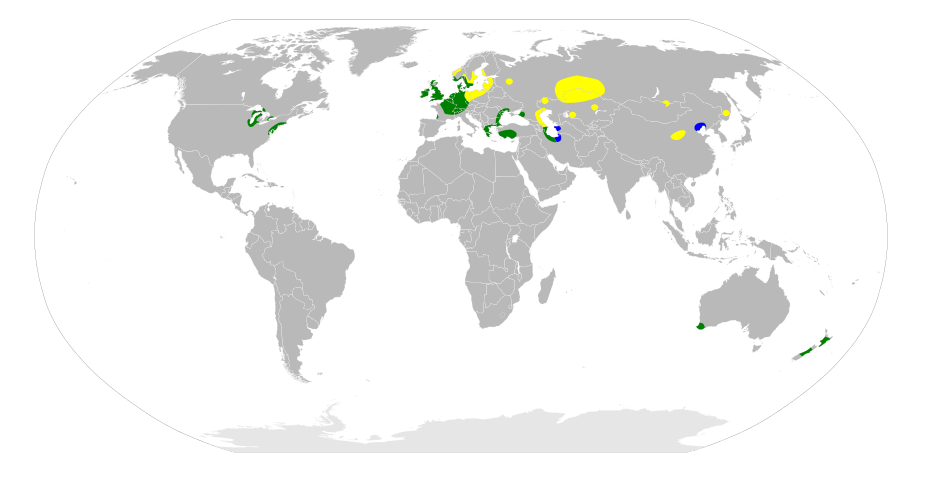

N. Ganesan


British Museum Collectoin


Pahari School
19th century
Height: 20 centimetres
Width: 13.5 centimetres

புகழேந்திப் புலவர் graylag goose- செங்கால் அன்னம் சென்றுநளனிடம் தமயந்தி பற்றிச் சொன்னதாகப் பாடுகிறார்.
நளன், தமயந்தியை நினைத்து நினைத்து ஏங்குதல்
48. சேவல் குயிற்பெடைக்குப் பேசும் சிறுகுரல்கேட்
டாவி உருகி அழிந்திட்டான் - பூவின்
இடை அன்னம் செங்கால் இளஅன்னம் சொன்ன
நடை அன்னம் தன்பால் நயந்து.புகழேந்தி தூது செல்லும் செங்கால் அன்னம் இது:

N. Ganesan
On Saturday, April 25, 2015 at 6:26:14 AM UTC-7, Hari wrote:
2015-04-25 18:35 GMT+05:30 N. Ganesan <naa.g...@gmail.com>:"அனிச்சமும் அன்னத்தின் தூவியும் மாதர் அடிக்கு நெருஞ்சிப் பழம்” என்றார் திருவள்ளுவர்.
இப்பத்தான் தெரிஞ்சுபோச்சே! அது வாத்தின் தூவின்னு இல்ல இருந்திருக்கணும்! வள்ளுவா! போயும் போயும் உனக்கு வாத்தின் சிறகுதான் உதாரணத்துக்கு கிடைச்சதா! ஹையோ!
--அன்புடன்,
ஹரிகி.நட்பும் சுற்றமும் நலமே என்பதைமட்டும் கேட்க வாணி அருள்கவே.God bless all of us. May we hear from everyone in our life that they are good and prosperous.
N. Ganesan
On Saturday, April 25, 2015 at 6:46:07 AM UTC-7, Hari wrote:
2015-04-25 19:00 GMT+05:30 N. Ganesan <naa.g...@gmail.com>:சங்க இலக்கியத்திலும் பின்னரும் அன்னம் என்பது பெருந்தாரா இனம். Migratory Goose species visiting all parts of India every yearfrom time immemorial. Note that like 3 species of Indian crocodiles mentioned with names in Sangam literature (mentioned by Perasiriyar in his Tol. comm.), "annam" is from two species: bar headed goose and graylag goose, clearly distinguished by Tamil poets for some 2000 years. தமிழில் (Sangam to 18th century): (1) அன்னம் = bar headed goose (much more common) (2) செங்கால் அன்னம் = graylag goose. இதற்கு, வோகல் 1962-ல் எழுதிய The goose in Indian literature and art துணைசெய்கிறது.N. Ganesan
2015-04-24 16:00 GMT+05:30 N. Ganesan <naa.g...@gmail.com>:
On Friday, April 24, 2015 at 3:26:51 AM UTC-7, Hari wrote:
On 24 April 2015 at 15:54, N. Ganesan <naa.g...@gmail.com> wrote:Mute Swan (Cygnus olor) is a vagrant in India
This is what is in Sangam texts?
இவை சங்க இலக்கியத்திலும் மற்ற இந்திய இலக்கியங்களிலும் பேசப்படும் அன்னங்கள் இல்லை என்பதற்கான ஆதாரங்கள் உங்களிடம் இருக்கிறதல்லவா கணேசன்?1930 - 19622ல் கலை, இலக்கிய ஆதாரங்களுடன் எழுதியுள்ளனர். இந்தியாவில் உ-ம்: பிரமனின் வாகனம் அன்னம் என்பது goose தான்.ஸ்வான் அல்ல, பழைய சித்திரம் சிற்பங்களில் பாருங்கள். ஆதாரங்கள் அவை.நா. கணேசன்அப்படின்னு வேற சொல்றீங்க. அப்ப Gooseனா அன்னமா வாத்தா தாராவா.. சீக்கிரமா ஒரு முடிவுக்கு வாங்க. நீங்க அன்னத்துல ரெண்டுவகைதான் இருக்குன்னு சங்க இலக்கியம் சொல்றதா எடுத்துக்காட்டு தறீங்க. ஆனா வாத்துல Duck, Goose, Snow Goose, Alder Goose, African Gooseனு ரகரகமா இருக்கு. இங்க பாருங்க:Duckலயே இத்தன ரகம் இருக்கு:இதுல எது அன்னம் எது வாத்து, எது தாரா? அப்பறம் அன்னம்னா சோறுன்னு சொல்றாங்களே, அதுக்கும் இதுக்கும் தொடர்பு இருந்தே ஆகணுமே.. அத உட்டுட்டீங்களே அய்யா...
N. Ganesan
On Saturday, April 25, 2015 at 7:26:57 AM UTC-7, Hari wrote:
2015-04-25 19:46 GMT+05:30 N. Ganesan <naa.g...@gmail.com>:அன்னம் என்றால் சோறு. இது இந்தோ-ஐரோப்பியச் சொல். இலத்தீனத்திலும் இருக்கிறது.பாலை சோறு (அன்னம்) இஞ்சுவது பற்றி நீங்கள் 2008-ல் எழுதிய மடல்:
நான் எழுதினது இது. (இது எனக்கு நினைவிருக்கு):பொதுவாகவே நம் மக்களுக்கு எல்லாமே கொஞ்சம் esoteric ஆக இருக்கவேண்டும். ஒரு சொல்லுக்கு ஒன்றுக்கு மேற்பட்ட பொருள் இருக்கும்போது, ஒன்றை இன்னொன்றாகப் புரிந்துகொண்டு, அந்த இன்னொரு பொருளை நிறுவ, படாதபாடு படுவார்கள்.
அன்னம் என்றால் 'சோறு' என்று பொருள்கொண்டு, இந்தப் பழமொழியை அணுகிப் பாருங்கள். பாலையும் நீரையும் கலந்து வைத்தால், அவ்வாறு கலக்கப்பட்ட பால்அன்னம் (சோறு) சற்று நேரத்தில் பாலை இழுத்துக்கொள்ளும்; தண்ணீரை விட்டுவிடும். சோறு, தண்ணீர் கலந்த பாலிலிருந்து, பாலை மட்டும் இழுத்து, உறிஞ்சி, எடுத்துக் கொண்டு, தண்ணீரை விட்டுவிடுவதை இன்றைக்குக்கூட உங்கள் வீட்டிலேயே செய்து பார்ககலாம்.நான் எழுதினதா நீங்க சொல்றது இது:அன்னம் என்றால் (அரிசிச்) சோறு. அதனால் வெண்ணிறமான பறவைக்கு அன்னம் எனப் பெயர் வைத்தனர் என்று நீங்கள் எழுதியதைப் படித்த நினைவு இருக்கிறது.
எப்பங்கையா நீங்க சொன்னா மாதிரி எழுதினேன்? எதையோ சொன்னா என்னவோ சொன்னதா மாத்தி சொல்றதும் தனக்குச் சாத(க)மா ஆக்கிக்கறதும் இதுவரைக்கும் நடந்துட்டுதானே இருந்துச்சு? இதே மின்தமிழ்ல எத்தன பாடுபட்டிருப்பேன்.. எத்தன பேரு என் மேல சீறி விழுந்திருப்பாங்க.. இப்ப ஊருக்கே எல்லாம் தெரிஞ்சுபோச்சு சாமி. ஆடுங்க ஆடுங்க.. அடிச்சு ஆடுங்க.. ஃபுட்பாலை ஸிக்கஸருக்கு அடிக்க உங்களாலதான் முடியும். இந்த பந்துலதான் கிரிக்கெட் விளையாடினாங்கன்னு சங்க இலக்கிய சான்றையும் தருவீங்க. உங்களால முடியாததா சாமி!
N. Ganesan


---------- Forwarded message ----------
From: Suresh Elamon <yeselamon@...>
Date: Fri, Feb 22, 2013 at 10:39 PM
Subject: from KOONDAKULAM
To: keralabirder@yahoogroups.com
dear all,
Happy to report 2 more sightings from Koondakulam on 19.Feb.2013:
1. A solitary Greylag Goose amidst a big flock of Barheaded Geese in
the village tank. BalPandy showed it to me and said he has been seeing
it quite frequently for the last one month or so.
2. Another Barheaded Goose with a red neck band which shows marking
'S6' (or is it '9S' !!)
Since the northeast monsoon has totally failed, this year there has
been no nesting of Painted Storks or Grey Pelicans or any other birds
in the Koondakulam village so far. They ought to have started nesting
by mid or late January. Very tragic indeed.
rgrds-
suresh elamon
Trivandrum
--
suresh elamon
birdwing, subramonium nagar,
cit road, karamana.p.o,
trivandrum - 695002
mob: 09447020059
We were birding along the South ECR near Valinokkam in Ramanathapuram district when we came across a group of more than 300 Bar-headed geese standing on the estuarine waters . They were sharing space with more than 200 Flamingoes and hundreds of terns-Caspian,Lesser crested, Greater crested,common and Gull billed terns too. Among this group we could see two Greylag geese too. Amongst the group we could see two Bar-headed geese with a GREEN neck band. We could identify one of the bands as P69 . however we couldnt identify the other goose with also a Green band. The co-ordinates are 9*10'10" N and 78*27'5"E.
Whom should we contact regarding this sighting?
PS: another surprise was Running into Dr.Badrinarayanan out of the blue!
On Friday, April 24, 2015 at 5:09:45 PM UTC-7, N. Ganesan wrote:
புகழேந்திப் புலவர் graylag goose- செங்கால் அன்னம் சென்றுநளனிடம் தமயந்தி பற்றிச் சொன்னதாகப் பாடுகிறார்.
நளன், தமயந்தியை நினைத்து நினைத்து ஏங்குதல்
48. சேவல் குயிற்பெடைக்குப் பேசும் சிறுகுரல்கேட்
டாவி உருகி அழிந்திட்டான் - பூவின்
இடை அன்னம் செங்கால் இளஅன்னம் சொன்ன
நடை அன்னம் தன்பால் நயந்து.புகழேந்தி தூது செல்லும் செங்கால் அன்னம் இது:
N. Ganesan
On Monday, April 27, 2015 at 5:13:47 AM UTC-7, mahe...@sindhuchem.com wrote:
வணக்கம் திரு.கணேசன் அவர்களே
அன்னம் என்பது சில குறிப்பிட்ட குணங்களை கொண்ட நீர்வாழ் பறவையினத்தை குறிக்கும் ஒரு பொது பெயராக இருக்குமோ ? உதாரனத்திற்க்கு கெண்டை மீன் என்று பொதுவாக கூறுகிறோம் அதனுல் கண்ணாடி கெண்டை ,வெள்ளி கெண்டை, புள் கெண்டை பல வகைகள் உண்டு .
நீங்கள் சுட்டிக்காட்டியதை போல swan என்கிற பறவை இயற்கையாக தமிழ்நாட்டில் ஏன் இந்தியாவிலேயே இல்லை .ஒருவேளை ஆங்கிலேயர் காலத்தில் அது இந்தியாவிற்கு காட்சிப்பொருளாக கொண்டுவரப்பட்டிருக்கலாம்...வாய்ப்புகள் உண்டு !!! . ஆங்கிலேயர்கள் பல அந்நிய இனங்களை நமது நாட்டில் அறிமுகம் செய்துள்ளனர் .(eg, Rainbow trout, Eucalyptus, Wattle etc) .
இங்கு நாம் விவாதம் செய்யும் Grey-lay , Bar-headed goose தவிர வேறு ஒரு பறவைக்கு , அன்னத்தின் குணம் நன்கு பொருந்துகிறது. அது பூநாரை என்று அழைக்கப்படும் Flamingo.
எவ்வாறு என்று கூறுகிறேன் கேளுங்கள் .
நீண்ட கால்கள், வித்தியாசமான அலகு தவிர மற்ற உடலமைப்பு swanபோலவே flamingoவிற்கும் இருக்கிறது.
நிறம்-பொதுவாக இந்தியாவில் காணப்படும் இளம்சிவப்பு மற்றும் வெள்ளை கலந்த நிறத்தில் இருக்கின்றது. அதாவது சில சிறகுகள் இளம்சிவப்பு நிறத்திலும் சில வெண்மையாகவும் இருக்கும். பல நேரங்களில் சிவப்பு குறைவாகவும் வெண்மை அதிகமாகவும் இருக்கும் . நிறம் அந்த பறவை உண்ணும் உணவை சார்ந்தது .
கால்கள் -
Flamingo நீந்துவதில்லை ,அவை கொக்கு போல நடந்தும் நின்றும் இரை தேடும். ஆழமான நீர்நிலையில் அது நடந்தால் செல்வது போல தோன்றும். அப்படி நீந்தும் பொழுது உருவத்தில் swan போலவே இருக்கும். மேலும் கால்கள் சிவப்பு நிறத்தில் இருப்பதால் செங்கால் அன்னம் இதுவாக இருக்கலாம்.
மிக முக்கியமான பண்புFlamingo வடிகட்டி உண்ணும் . அதாவது உணவையும் நீரையும் தன் சிறப்பு அலகால் உள் இழுத்து பின் நீரை மட்டும் வடிகட்டி இரையை உண்ணும். அன்னம் பாலையும் நீரையும் பிரிக்கும் என்று இதை கண்டு தான் கூறினரோ ?மேலும் Flamingo தன் குஞ்சுகளுக்கு பாலூட்டும்.பறவை எவ்வாறு பாலூட்டும் என்று கேட்கலாம் . அது தான் Flamingoவிற்கும் புறாவிற்கும் உள்ள தனி சிறப்பு.
இவ்விரு பறவைகளின் வயிறுகளில் பால்சுரக்கும் சுரபிகள் உண்டு. அவை உணவை உண்டு செரித்து பின் பால் போன்ற திரவத்தை சுரந்து தன் குஞ்சுகளுக்கு ஊட்டும். இந்த பண்பை கண்டு தான் நீரிலிருந்து பாலை மட்டு பிரிக்கும் அன்னம் என்று உருவானதோ ?
Grey lag goose / bar headed goose இப்படி பாலூட்டுவது இல்லை . அதனால் தான் Flamingo என்பது தான் அன்னம் என்று நிச்சயமாக கூறலாம்.


-மகேந்திரன்
...
N. Ganesan
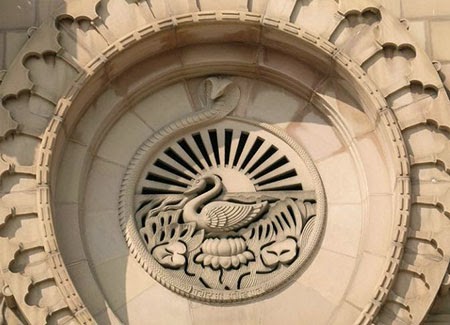

N. Ganesan
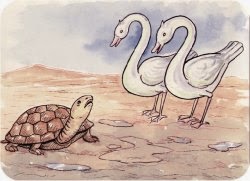
N. Ganesan
Movie: - திரைப்படம்: தெய்வப் பிறவி
Singers: Jamuna Rani
பாடியவர்: ஜமுனா ராணி
Lyrics: Poet T.N. Ramaiah das - இயற்றியவர்: தஞ்சை டி.என். ராமையா தாஸ்
Music: K.V. Mahadevan - இசை: கே.வி. மஹாதேவன்
Year: - ஆண்டு: 1960
On 28-Apr-2015 8:21 pm, "N. Ganesan" <naa.g...@gmail.com> wrote:
On Tuesday, April 28, 2015 at 7:12:27 AM UTC-7, malarmangay64 wrote:அப்படின்னா எல்லாம்/எல்லாரும் வாத்தா?இல்ல கூஸா.
வாத்து = ducks. அன்னம் = goose (தெளிவாக தமிழ்நாட்டுப் பறவை. சங்க காலத்தில் இருந்து இன்றுவரை).ஸ்வான்ஸ் தமிழ்நாட்டிலோ, இந்தியாவிலோ இல்லாதது. எனவே, ஸ்வான் என்றோ, ஸ்வான் தாரா என்றோபெயர்வைக்கலாம். ஆனால், ஸ்வான் = அன்னம் என்பது பிழை.ராமகிருஷ்ண பரமஹம்ச = ஆங்கிலத்தில், Ramakrishna, the Great GooseIn India, goose symbolizes soul. So, Great Soul = Great Goose (in Bengal).Buddha reliquary from Gandhara. Ashes in Goose shaped crystal (First century CE).
A Hamsa sacred goose reliquary,stupa 32 of the Gangu group, Babar Khana, Taxila, Gandhara, 1st century CE. This Hamsa was found inside a granite bowl, with an inscribed gold sheet stating "Shira deposited the relics of her departed parents in the Hamsa". It has a cavity in the middle for the insertion of the relics. British Museum.[1]
நா. கணேசன்
N. Ganesan
Superbird
By Ravindra Svarupa dasa
In Sanskrit the word haṁsa is the name for both a bird and an advanced yogī. The bird has such estimable qualities that its very name became applied to the spiritual practitioner.
In English, Prabhupāda followed a well-established convention and rendered haṁsa as “swan.” The advanced yogī or devotee is accordingly “swan-like.”
For example, Prabhupāda once remarked, in reference to his disciples: “So Kṛṣṇa consciousness means swan-like, they should be like swans. Their behavior should be like swans. They should live in clean place, at refreshing place.”
In this second usage, haṁsa has probably become most generally encountered when prefixed by the superlative parama, meaning “highest,” best,” and so on. Strictly speaking, paramahaṁsa denotes the highest of the four ranks of sannyāsa (see ŚBh 5.1.27, purport), but it is used in more general sense to describe the best of the sages or devotees.
We often see the word placed as a title before the names of a variety of spiritual teachers.
If dedicated transcendentalists are compared to swans, it should come as no surprise that committed materialists are likened to crows. The Bhāgavatam (1.5.10) describes worldly literature as vāyasaṁ tīrtham—a pilgrimage site for crows, that is to say, a garbage pile. In his commentary to this text, Prabhupāda elaborates on the bird metaphor:
Crows and swans are not birds of the same feather because of their different mental attitudes. The fruitive workers or passionate men are compared to the crows, whereas the all-perfect saintly persons are compared to the swans. The crows take pleasure in a place where garbage is thrown out, just as the passionate fruitive workers take pleasure in wine and woman and places for gross sense pleasure. The swans do not take pleasure in the places where crows are assembled for conferences and meetings. They are instead seen in the atmosphere of natural scenic beauty where there are transparent reservoirs of water nicely decorated with stems of lotus flowers in variegated colors of natural beauty. That is the difference between the two classes of birds.
A special talent traditionally attributed to the haṁsa is said to be the basis of the extension of the avian name to a spiritually advanced person. Prabhupāda explains (Kṛṣṇa chapter 85):
The word paramahaṁsa mentioned here means “the supreme swan.” It is said that the swan can draw milk from a mixture of milk and water; it can take only the milk portion and reject the watery portion. Similarly, a person who can draw out the spiritual portion from this material world and who can live alone, depending only on the Supreme Spirit, not on the material world, is called a paramahaṁsa.
Even one of the avatāras of the Lord bears the name “Haṁsa.”
Therefore, after all this, it may come as a shock to discover that the avian haṁsa is, in fact, a goose—in taxonomical nomenclature, the anser indicus, known otherwise as the “bar-headed goose.”
As we shall see, the haṁsa—the anser indicus—is an extraordinary, amazing bird fully qualified to give its name to great devotees and even to the Lord himself. So why then the English “swan?”
The reason can only be that in English-speaking countries, the goose has long been the subject of very bad p.r. So much so, that the very word “goose” has come to be synonymous with “fool” or “idiot.”
Even proverbially, the goose has suffered invidious comparison with the swan, as, for example, in this still remembered observation—made in 1786—by Horace Walpole, Fourth Earl of Oxford, concerning the painter Sir Joshua Reynolds : “All his own geese are swans, as the swans of others are geese.”
Two centuries later, the goose received the same unfavorable evaluation in popular lines by Charles Kingsley:
When all the world is young, lad,
And all the trees are green;
And every goose a swan, lad,
And every lass a queen. . . .
It’s no wonder, then, that the only good translation, connotatively speaking, for haṁsa is “swan.” It’s a no-brainer, really: Consider the expressions “goose-like great sage,” or “top-most goose-like devotee.” They just don’t do the job.
Nevertheless, it is time we end this historic discrimination and rehabilitate the goose. Especially thehaṁsa. Of course, this effort was pioneered in the celebrated 2001 documentary Winged Migration, in which the haṁsa itself takes a cameo star-turn (see the beginning of Chapter 7 in the DVD).
The actual haṁsa—anser indicus or bar-headed goose—is in its own right the perfect emblem and symbol for the greatest of transcendentalists.
Like the swan (Cygnus), it is beautiful . . .

. . . and likewise graceful in water:

In fact, you can see from this photograph why Europeans could take the haṁsa for a kind of swan.
In flight, the haṁsa is spectacular:


Interestingly, the Wikipedia article notes of the haṁsa: “It has sometimes been separated from Anser, which has no other member indigenous to the Indian region, nor any at all to the Ethiopian, Australian, or Neotropical regions, and placed in the monotypic genus Eulabeia.”
A “mon0typic genus” is a genus that contains only one species. In other words, the haṁsa is in a class by itself. And not a goose (Anser). I don’t know who came up with the name Eulabeia, but it is appropriate: According to a lexicon of New Testament Greek, eulabia means “reverence toward God.”
Haṁsas are “super birds,” in the judgment of S. Marsh Tenney, a professor of physiology who has studied them extensively. “They do everything even better than other birds.” He is quoted in an article in Audubon magazine by Lily Whiteman, who gives quite an account of the birds’ annual prodigious feat:
At 29,028 feet, Mount Everest is tall enough to poke into the jet stream, a high-altitude river of wind that blows at speeds of more than 200 miles an hour. Temperatures on the mountain can plummet low enough to freeze exposed flesh instantly. Its upper reaches offer only a third of the oxygen available at sea level—so little that if you could be transported instantly from sea level to Everest’s summit, without time to acclimatize, you would probably lose consciousness within minutes. Kerosene cannot burn here; helicopters cannot fly here. Yet every spring, flocks of bar-headed geese—the world’s highest-altitude migrants—fly from their winter feeding grounds in the lowlands of India through the Himalayan range, sometimes even directly above Everest, on their way to their nesting grounds in Tibet. Then every fall these birds retrace their route to India. With a little help from tailwinds, they may be able to cover the one-way trip—more than 1,000 miles—in a single day.
In other words, the haṁsa when migrating flies at about the normal cruising altitude for passenger jets.
Moreover, by using tailwinds, the geese capitalize on weather that could pulverize lesser creatures. “These birds are powerful flappers, not soarers that just glide with the wind,” says M.R. Fedde, an emeritus professor of anatomy and physiology at Kansas State University’s School of Veterinary Medicine, who has conducted laboratory studies of the bar-headed goose’s respiratory system. Partly because their wings are huge, have a disproportionately large surface area for their weight, and are pointed to reduce wind resistance, “they can fly over 50 miles an hour on their own power,” Fedde says. “Add the thrust of tailwinds of perhaps 100 miles an hour if they are lucky, and these birds really move.” Able to gauge and correct for drift, bar-headed geese can even fly in crosswinds without being blown off course. The same powerful and unremitting flapping that helps propel them over the mountains also generates body heat, which is retained by their down feathers. This heat, in turn, helps keep ice from building up on their wings.
(Here is the complete article, with more wonders of the bird and some speculation so far-fetched it only deepens the mysteries of the haṁsa.)
We hear of great yogīs and sages in past ages retiring to the Himalayan mountain fastness to practice severe austerities as they sought the divine in profound and prolonged meditation. It is said that by power of yoga practice, these paramahaṁsas could greatly reduce their respiration, thereby slowing their metabolism; they could at will increase their bodily heat. Thus remaining in a remote place which provided them with neither air, nor food, nor heat, they pursued their spiritual goal with unwavering determination.
(By the way: Even though we can hardly imitate them today, we can apply their principles practically—at least according to the directions of Bhāgavad-gītā, which set forth what is, in effect, a domestication of the path of transcendence. You don’t have to go to the Himalayas: you can do it right at home.)
Yet even for us, the prodigious, Himalayan-traversing haṁsa is a fitting emblem and symbol for theparamahaṁsa, the great, heroic athletes of the spirit in whose footsteps we should follow. Let us therefore cherish the memory not only of the human paramahaṁsa but of the bird haṁsa as well.
And compared to the haṁsa, the swan is nothing but a goose.

N. Ganesan
On Tuesday, April 28, 2015 at 8:02:04 AM UTC-7, malarmangay64 wrote:தாரா தாரா வந்தாரா அவர் சங்கதி ஏதும் சொன்னாரா?
தாராவாக இருக்குமோ? ஓர்மை வந்நு.நாம்தான் நல்லதமிழ்ச்சொற்களை மலையாளத்திற்குத் தத்துக் கொடுத்துவிட்டோமே.நல்ல பாட்டு. எம்பி3 (அ) யுட்யூப் காணொளியில்??
| தில்லானா பாட்டுப் பாடி | English | | |  | | | To Print | ||||||||||||||||||||||||
| |||||||||||||||||||||||||||||
| |||||||||||||||||||||||||||||
--
--
"Tamil in Digital Media" group is an activity of Tamil Heritage Foundation. Visit our website: http://www.tamilheritage.org; you may like to visit our Muthusom Blogs at: http://www.tamilheritage.org/how2contribute.html To post to this group, send email to minT...@googlegroups.com
To unsubscribe from this group, send email to minTamil-u...@googlegroups.com
For more options, visit this group at
...
N. Ganesan
On Tuesday, April 28, 2015 at 8:02:04 AM UTC-7, malarmangay64 wrote:தாரா தாரா வந்தாரா அவர் சங்கதி ஏதும் சொன்னாரா?
தாராவாக இருக்குமோ? ஓர்மை வந்நு.நாம்தான் நல்லதமிழ்ச்சொற்களை மலையாளத்திற்குத் தத்துக் கொடுத்துவிட்டோமே.நல்ல பாட்டு. எம்பி3 (அ) யுட்யூப் காணொளியில்??
...
N. Ganesan
On Thursday, April 30, 2015 at 3:23:23 AM UTC-7, Zஈனத் Xஏவியர் wrote:
அன்னத்துக்கு எகினம் எனும் சொல்லும் இருக்கு
அன்னம், ஹம்ஸ, ஸ்வான் ஒரே மாதிரி சொற்கள்.
N. Ganesan
On Thursday, April 30, 2015 at 12:01:17 PM UTC-7, தேமொழி wrote:
தமிழிலக்கியம் பொறுத்தவரை அன்னம் என்பது goose/Anser மட்டுமே என்றே எனக்கும் தோன்றுகிறது. ... domesticated goose வெண்மை நிறமுடன் இருந்திருக்கலாம்
”It is generally accepted that geese, which are of the Family Anatidae and the Genus Anser, were one of the first animals to be domesticated. Their domestication probably took place in Egypt about 3 000 years ago, although some research suggests that it may have been even earlier. Despite this, geese have never been exploited commercially as much as chickens or even ducks have been.
[...]
There are two main types of domestic geese. The first are thought to have their origins in Europe, descendants of the wild Greylag goose (Anser anser) and the second are thought to have their origins in Asia, descendants of the wild Swan goose (Anser cygnoides). Crosses between the domestic breeds which have originated from these two species of wild geese are fertile and in fact have resulted in a number of recognised breeds.”
பெருந்தாரா = swan (Cygnus) & goose (Anser)
சிறுதாரா = வாத்து & கிளுவை
தாரா (பொதுவாக) = வாத்து வகை / Anatidae
...முந்தைய மடலில் பிழைகளைத் திருத்தியுள்ளேன்....... தேமொழி
On Thursday, April 30, 2015 at 11:44:05 AM UTC-7, N. Ganesan wrote:> இங்கு எடு தமிழிலக்கியம் கூறும் அன்னம் என்பதில் ஆரிவதில் பங்கு பெரும் பறவைகள்>Genus: Cygnus> Genus: Anser
In pre-20th century Tamil literature and arts (& also those of India), we have annam = Anser only.
After 19th century, Indians have included Cygnus species also into Hamsa/Annam when the
knowledge about swans became available to us thru' Europeans.
Since Tamil NighaNTu-s use the term, perunthaaraa for geese (annam), we can add swans as perunthaara as well.
In kuRunthaara set, ducks and teals can be added.
some thoughts for consideration.
N. Ganesan
On Thursday, April 30, 2015 at 11:25:06 AM UTC-7, தேமொழி wrote:இது பொதுவான கருத்தாகக் கூறப்படுவது....zoology படித்த பின்னணியில் எனக்குப் புரிவதை நன் சொல்கிறேன்.இங்கு விவாதத்தில் இருக்கும் பறவைகளை வகைப்படுத்தும்வகைப்படுமுறைFamily: Anatidae - http://en.wikipedia.org/wiki/AnatidaeSubfamily: Anserinae - http://en.wikipedia.org/wiki/Anserinae[swans and geese (three to seven extant genera with 25–30 living species, mainly cool temperate Northern Hemisphere but also some Southern Hemisphere species, with the swans in one genus [two genera in some treatments], and the geese in three genera [two genera in some treatments]. Some other species are sometimes placed herein, but seem somewhat more distinct]Subfamily: Anserinae பிரிவில் நான்கு Genus உள்ளனGenus: Cygnus, true swansGenus: Anser, grey geeseGenus: Chen, white geeseGenus: Branta, black geeseஇங்கு எடு தமிழிலக்கியம் கூறும் அன்னம் என்பதில் ஆரிவதில் பங்கு பெரும் பறவைகள்Genus: CygnusGenus: AnserGenus இல் பல இனங்கள்/species உள்ளனspecies பெயர்களை கேபிடல் லெட்டரில் எழுதுவது வழக்கம் இல்லை அத்துடன் sp., போட்டுவிட்டால் அதுCygnus sp., குறிப்பிட்டால் அது கீழுள்ள ஏதோ ஒரு பறவை என்று சொல்ல்வது.Cygnus cygnus (common name - Whooper Swan)Cygnus olor (common name - Mute Swan)எனவே Cygnus sp என்றால் sp., an abbreviation for species used in place of a specific epithet in a species nameஅதை சைக்னஸ் இனம் என்று குறிப்பிட வேண்டும் ஆனால் "சைக்னஸ் பா" என்ற பறவை என்பது சரியான முறையல்ல ...ஏனெனில் species என்பதன் சுருக்கம்.அத்துடன் கீழேயே விளக்கம் தெளிவாக இருப்பதாகத்தான் தெரிகிறது...rājahaṃsa = Family: Anatidae என்று குறிப்பிட்டுவிட்டர்கள். (இதை நாம் பொதுவாக "தாரா" என்று குரிபிடுவதாகத் தெரிகிறது.
இதில் உள்ளCygnus மற்றும் Anser இரண்டு Genus இந்தப் பிரிவில் அடங்கிவிடுகிறத
N. Ganesan

To-ji Temple, Kyoto Japan


N. Ganesan
ஆனால், உண்மையில் அன்னம் அவ்வாறு செய்கிறதா என்று தெரியாது. ஆனால்
உயிரியல் விநோதங்கள் எத்தனையோ! அதில் இதுவும் ஒன்றாக இருக்க
வாய்ப்புள்ளது.
க.>
--
அன்புடன்,
ஹரிகி.
Ancient cosmologies (Ed.: C. Blacker, M. Loewe, George Allen & Unwin, 1975)
pg. 120-1
" I shall now present in extenso a passage from the Mahabharata, as systematised by Prof. Frauwallner, because it is a relatively early passage which gives a not untypical cosmogony combined with a basic cosmology of both space and time. This account occurs in the Inquiry of 'Suka, a section in the twelfth book of the Mahabharata, and it is closely related to that in the first book of Manu. It rests on the theory of the four ages of the world, the four yuga. The yuga are named after the four throws of the dice, 4, 3, 2, 1; in descending order they are called kRta, tretA, dvApara and kali. These four dicing terms are already referred to the four yuga by an ancient commentator on a Brahmana text, so this theory probably antedates even the Mahabharata. The first, the kRta, is the golden age, whereas we live in the kali yuga, which started with the great war which is the main theme of the MBh; this date was later identified as 17 February, 3102 BC. I cannot here describe the golden age when the bull of Dharma, cosmic rightness, stood on all four feet; and the kali yuga we know all too well; I must confine myself to temporal proportions and dimensions. The golden age lasts 4,000 years, with a dawn and twilight of 400 years each; during it, men live to an age of 400 years. The four yuga are related in the proportion 4:3:2:1, so that the maximum life-span is now 100 years." [...]
N. Ganesan
போர்ச்சுகீசியம்
மேலை நாட்டார் 15ஆம் நூற்றாண்டிலிருந்தே இந்தியாவிற்கு வரத் தொடங்கினர். முதலில் இந்தியாவிற்கு வந்தவர்கள் போர்ச்சுகீசியர்கள். அவர்கள் கொண்டு வந்த பொருள்கள் பறங்கி என்ற முன்னொட்டுடன் சுட்டப்படுவதை இன்றும் காணலாம். பறங்கிக்காய், பறங்கிச் சக்கை முதலியன சான்றுகள். ஊர்ப் பெயர்களிலும் பறங்கி மலை, பறங்கிப் பேட்டை என இருத்தலைக் காணலாம். பறங்கி என்ற சொல் Frank என்ற சொல்லினின்று வந்தது. கடுதாசி, பேனா, வாத்து, சா(தேநீர்), இலஞ்சி, திராவி, அலமாரி, மேசை, சாவி, ஆயா, அன்னாசி, கோப்பை, பீப்பாய், வராந்தா, கிராதி, கொரடா, ஏலம், சன்னல், மேஸ்திரி, தோசை, பிஸ்கோத்து, புனல் (funnel), பொத்தான், தம்பாக்கு (தாமிரமும் துத்தநாகமும் கலந்த ஒன்று) போன்ற சொற்கள் சான்று.
N. Ganesan
காராளன் சங்குமுத்து திருத்தொடைக் காங்கேயன் கட்டளையும்
மாராசன் தென்குடிசை வயித்திய நாதன் புதுக்குளமும்
தாராள மானபுள்ளும் வெள்ளன்னமுந் தாராவு மேயுதையே
N. Ganesan
On Wednesday, May 6, 2015 at 7:28:02 AM UTC-7, Dev Raj wrote:
On Wednesday, 6 May 2015 06:31:39 UTC-7, N. Ganesan wrote:சங்க இலக்கியத்தில் அன்னம் என்பது ஸ்வான் அல்ல. தாமரை இலையிலும், அடும்பு (அடம்பங்கொடிகளில்) புதையிலும்வாழ்வது அன்னம் (goose). இதனைப் பலகாலமாக தமிழ் இலக்கியங்கள் பாடி வருகின்றன.வெள்ளை அன்னம் என்பது BH goose. காரன்னம் என்பது graylag goose என விளக்கியுள்ளனர்.அன்னம் (BH goose) தூவியை இங்கே சொல்கிறார். இதனை ஸ்வான் என்று அம்மூவனார் தரவில்லை.ஸ்வான் என்று மொழிபெயர்த்தல் பிழையானது என தமிழறிஞர்கள் விளக்கியுள்ளமை தந்தேனே.அப்பிடியே மடத்து சின்னத்த மாத்தி வாத்து படத்த போட்டேயாகோணுமினு சொல்றீங்க !அவிங்க ஒத்துப்பாய்ங்களா ?
தேவ்
N. Ganesan
On Wednesday, May 6, 2015 at 7:51:40 AM UTC-7, Dev Raj wrote:
On Wednesday, 6 May 2015 07:43:54 UTC-7, N. Ganesan wrote:20-ஆம் நூற்றாண்டு சின்னங்களை மாற்றணும்-னு நான் எங்கே சொன்னேன்?
சரிங்க ஐயா, கோவப்படாதீங்க. அமெரிகாவுலயும் அக்கினி நட்சத்திரமா !
20-ஆம் நூற்றாண்டு ரவிவர்மா ஸ்வான் படத்தை அன்னம் (= goose)கு வரைந்தார்.ராமகிருஷ்ணமடம் (சித்பவானந்தர், விபுலானந்தர் போன்றோர் பயின்ற வேளூர் (பேலூர்) மடம்)சின்னமா ஸ்வான் போட்டிருக்கு. அதனாலென்ன? இருக்கட்டும்.
அதானே, இருந்துட்டு போவட்டும் :))
தேவ்
N. Ganesan
கணேசனார் குறிப்பிடும் barheaded goose என்பதை ஆங்கிலேயர்கள் வரிக்கழுத்துத் தாரா என்றும் நீர் வாத்து என்றும் தமிழில் சொல்லியுள்ளனர்சங்ககாலத்து அன்னம் வெள்ளை என்பதற்கு ஒரு ஆதாரம் ஐங்குறுநூறு பாடல் எண் 106
of annam 'goose' as swan is erroneous.

N. Ganesan
N. Ganesan

On Thursday, May 7, 2015 at 7:12:34 AM UTC-7, ஆயக்குடிமாயாவி wrote:பாவை விளக்குப் போல அன்ன வடிவிலான விளக்குகள் கோவிலிலும் வீடுகளிலும் தேர்களிலும் காணப்படும். கிரேக்கர்களுக்கும் தமிழர்களுக்கும் அன்னம் தொடர்பான வணிக உறவே உள்ளதுமாயாவிமயில் தோகை சேர்ந்த அன்னம் - விளக்கில் 15-ஆம் நூற்றாண்டின் பின்னர் அன்ன விளக்கு இவை.12-ஆம் நூற்றாண்டுக்கு முந்தைய அன்னவிளக்குகள் கிடைக்கவில்லை.அந்தக் காலகட்டச் சிற்பங்களை ஒப்பிட்டால் அப்படி அன்னவிளக்குகளுக்கு இன்றைய மயில்தோகைசேர்ந்திருக்காது."There is information how the Yavanas were in great demand in Tamil Nadu for the technical abilities and were employed as builders, carpenters and blacksmiths. Tamil kings made them build war weapons like “siege engines.” As they were strong, they made excellent gatekeepers and bodyguards.
The poems describe the Yavana lamps that had steady flames and burned without flickering. They were described to be in shapes of a swan and very similar to the “Pavai Villaku” of Tamil Nadu."
சங்க இலக்கியத்தில் யவனர்களைக் கொண்டு செய்த அன்ன விளக்குகளுக்கும், இப்போதைய அன்ன வடிவ பாவைவிளக்குகளுக்கும் வேறுபாடுண்டு. இதனை நச்சினார்க்கினியர் விளக்கியுள்ளார். இப்போதைய அன்னவிளக்கு ஹொய்சளர், விஜயநகர் காலத்தில் ஏற்பட்டது எனலாம். மயிலின் தோகை சேர்ந்த அன்னப் பறவை. சங்க கால அன்னவிளக்குகள் மயில் தோகை இல்லாமல் கதுவாலாக இயற்கை வடிவில் உள்ள காரன்னம் (graylag goose) என்கிறார் நச்சர். நச்சர் காலத்தில் அவர் அவருக்கும் 1000 வருடம் முன்பு இருந்த விளக்குகளைப் பார்த்திருக்கலாம். செங்கால் அன்னம் தோகையில்லாமல் அலகும், காலும் சிவப்பாக (pink) நிறம் தீற்றப்பட்டிருக்கவேண்டும் - நச்சர் உரையை வைத்துப் பார்த்தால். காரன்னம் காதம்பம் என்றும், கலஹம்சம் என்றும் வழங்குவது. காழ் = கருமை, காழ் + அம்பம் (அம்பு - நீர்) = காழம்பம்/காடம்பம் > காதம்பம் = நீர்நிலைகளிலே வாழும் காரன்னம். காதம்பரி - கரு அன்னம் போல் நடைகொண்ட கதாநாயகி. ஜெயகாந்தன் மகள் பெயர்: காதம்பரி மாதவராஜ். காடம்பம் > காதம்பம். தமிழின் கடம்ப மலர் > சம்ஸ்கிருதத்தில் கதம்ப மலர் என்றாதற்போல் என்க. காதம்பரி அன்ன நடை அழகி. அன்னநடையாள் பற்றி தொமுசி ரகுநாதனின் அழகிய கவிதையை கவியோகியார் கொடுத்துள்ளார்: https://groups.google.com/forum/#!msg/santhavasantham/HRNc4BSJF_s/sUivFWftMoAJ
காதம்பரம் என்பது மோர் கடையும்போது மேலே பிரிந்துநிற்கும் வெண்ணெய். காய்ச்சி வடித்தெடுக்கும் சாராயம். களிற்றின் மத்தகத்தில் கலவிக்காலத்தே தோன்றும் மதம் (மதகளிறு), பெண் குயில், அண்டங்காக்கை, சரசுவதி எனப்படுவது காரன்னம் (வெள்ளன்னமும் தான்) அன்னம் - பாலும் பிரிக்கும் புராணக் கதையாலும், இப்பெயர்கள் தோன்றுகின்றன என்பது வெளிப்படை.
அமெரிக்க சம்ஸ்கிருதப் பேரா. E. W. ஹாப்கின்ஸ் (1857 - 1932) அன்னப் பறவைகள் என்ன பறவைகள்? என ஆராய்ந்த நிபுணர். அதன்பின்னர் டச்சுப் பேரா. வோகல் விளக்கமாக நூலே எழுதினார். அந்நூலின் விபரங்கள் இவ்விழையில் கொடுத்துள்ளேன்.இங்கேயும் படிக்கலாம். ஹாப்கின்ஸ் புஸ்தகம்:நச்சினார்க்கினியர் உரையில் உள்ள காரன்னம் (காதம்பம், கலஹம்சம்) ஆஸ்திரேலியாவில் உள்ளகருப்பு ஸ்வான் என்றும், அதை வைத்து லெமூரியா கண்டம் பற்றிய த்யரிகளும் (உ-ம்: பாவாணர்)அறிவியலுக்குப் பொருந்துவதாக இல்லை.நா. கணேசன்...On Thu, May 7, 2015 at 7:35 PM, N. Ganesan <naa.g...@gmail.com> wrote:
On Thursday, May 7, 2015 at 7:03:00 AM UTC-7, Dev Raj wrote:தூவி சேர் அன்னம் - வெண்மை நிறம், நீண்ட கழுத்து,இவை தமிழின் பழைய அன்னம் அல்ல.இப்போதைய விமானம் வேறு. ஹிந்துயிஸ பழைய விமானம் வேறு.அதுபோல.பெரிய சிறகுகள்.


N. Ganesan


Balachandran, S. 1990. Studies on the coastal birds of Mandapam and the neighbouring islands (Peninsular India). Ph.D. Thesis. Annamalai University, India.Now, Asst. Director, Bombay Natural History Society.அன்னம் (bh goose) தமிழ்நாட்டுக்கு ஆண்டுதோறும் வந்து செல்லும் - 2 முறை இமையத்தை தாண்டும் பறவைகளைப்பார்த்ததை ஆவணப்படுத்தியுள்ளார். சங்க காலத்தில் இயற்கைவளம் இன்னும் இருந்தபோது இந்த ஆயிரக்கணக்கானஅன்னப் பட்சிகள் பன்மடங்கு வந்திருக்கும்.Further distribution records of Bar-headed Goose Anser indicus in southern Tamil NaduA. I. Siddiqui & S. Balachandran, 2008நா. கணேசன்
N. Ganesan
2015-05-12 4:00 GMT-07:00 சொ. வினைதீர்த்தான் <karu...@gmail.com>:பல இழைகளிலும் ‘அன்னம்’ என்ற சொல் அச்சத்துடன்
உச்சரிக்கப்படுவதைக்காண்கிறேன். அதனாலேயே இவ்விழையைப் படிக்க அஞ்சி
விலகினேன்.
சோற்றை ஏன் அன்னம் என்கிறார்கள் என்ற ஐயம் எனக்குண்டு. வெண்மையாக இருப்பதாலா?
(எங்கள் வீட்டில் இருகின்ற அன்னபூரணி பிரியமாக அன்னம் என்று அழைக்கப்படுகிறார்!)இந்த இழையைப் படித்துப்பாருங்கள். அன்னம் ’உணவு, சோறு’ என்கிற இந்தோ-ஐரோப்பியச் சொல்லும்,அன்னம் (< அல்நம், சூரியன் வருமுன்னே, மறைந்தபின்னே விரும்பிப் பறப்பது) என்னும் தமிழ்ச் சொல்லும் கலந்து உருவாகும் myth பாலை அன்னம் பிரித்து உண்ணும் என்பது. சமண முனிவர்கள் நாலடியில் சொல்வர்:கல்வி கரையில கற்பவர் நாள்சில
மெல்ல நினைக்கிற் பிணிபல - தெள்ளிதி
னாராய்ந் தமைவுடைய கற்பவே நீரொழியப்
பாலுண் குருகிற் றெரிந்து.(இது வடமொழியில் பலருங் கூறும் செய்தி. தமிழில் மொழிபெயர்த்துத் தந்துள்ளனர்சமண முனிவர்கள்.)திருமந்திரம்:அன்ன மிரண்டுள ஆற்றங் கரையினில்
துன்னி யிரண்டுந் துணைப்பிரி யாதன்னந்
தன்னிலை யன்னந் தனியொன்ற தென்றக்கால்
பின்ன மடவன்னம் பேறணுகா தன்றே.~175 ஆண்டுகளுக்கு முன்னே ஒரு அறிஞர் இந்தியாவில் அன்னம்(ஹம்சம்) goose தான். ஐரோப்பாவின் பொயட்ரியில் அவர்கள் அறிந்த ஸ்வான் இருக்கிறது. எனவே, goose-குப் பதில் ஸ்வான் என்று போடுகிறேன் என்று குறித்தார். இணைய காலத்திலும் அப்பிழை தொடர்கிறது. ஆனால், ஆய்வறிஞர்கள் அவ்வாறு தங்கள் நூல்களில் எழுதுதல் இல்லை. லண்டன் ஸ்வாமிநாதன் அன்னம் பற்றி எழுதும்போதுgoose படமும், ஸ்வான் படமும் போட்டுள்ளார். 20-ஆம் நூற்றாண்டுக்கு முந்தைய இந்தியா சிற்பங்களிலோ, இலக்கியங்களிலோ அன்னம் = bh goose தான், அன்னம் பற்றிய செய்திகள், உ-ம்: தமிழகம் ஆண்ட்தோறும் இமையத்தினினின்றும் வருவதும், மீட்டுச் செல்வதும் உண்டு. இங்கே குஞ்சு பொரிப்பதில்லை. ஆனால் முட்டையிட்டு, பொரித்து பார்ப்புகளை வளர்க்குமிடம் இமைய மலை. என்றெல்லாம் சங்க இலக்கியத்தில் அறியலாம். அன்னம் ஒரு superbird. எப்படி இமயத்தை இருமுறை ஆண்டொன்றுக்கு தாண்டுகிறது என இன்றைய விஞ்ஞானம் கண்டுபிடித்துள்ளது.தமிழ் இலக்கியங்களில் அன்னம் (bar headed goose), செங்கால் அன்னம் (graylag goose) என்னும் மின்னூலில் விரிவாக விளக்குகிறேன். அதற்கான செய்திகள் இவ்விழையில் உள்ளன:நா. கணேசன்
--
அன்புடன்
சொ.வினைதீர்த்தான்
N. Ganesan
On Tuesday, May 12, 2015 at 5:26:00 AM UTC-7, Dev Raj wrote:
On Tuesday, 12 May 2015 04:00:39 UTC-7, சொ.வினைதீர்த்தான் wrote:சோற்றை ஏன் அன்னம் என்கிறார்கள் என்ற ஐயம் எனக்குண்டு. வெண்மையாக இருப்பதாலா?
(எங்கள் வீட்டில் இருகின்ற அன்னபூரணி பிரியமாக அன்னம் என்று அழைக்கப்படுகிறார்!)
சோற்றை , உணவைக் குறிக்கும் ‘அந்நம்’ சங்கதச் சொல்;அந்நம் - அத் [ad - to eat] எனும் தாது அடியாகப் பிறப்பது.அந்நமய கோசம் - உணவுண்பதால் வளரும் பரு உடலைக் குறிப்பது.அன்னப் பறவைக்கான சங்கதச் சொல் - ஹம்ஸம்
N. Ganesan

From Mongolia to Tirunelveli
அன்னங்கள் (= bh goose) தமிழ்நாட்டின் எல்லா பகுதிகளுக்கும் பறந்து வருகின்றன.. திருப்பூரில் ஆண்டுக்கு 50 - 100 பறவைகள் வருகின்றன.கூந்தங்குளத்துக்கு ஆயிரக் கணக்கில் வருகின்றன."he spotted thousands of bar-headed goose, the highest flying migratory bird. “We have seen them in 50s or 100s in Tirupur. Seeing them in such huge flocks was a sight in itself,”"திருப்பூரில் 50, 100 அன்னப் பறவைகளைப் பார்க்கும் வழக்கமுடையவர்1000-கணக்கான அன்னப் பறவைகளை (= bh goose) கூந்தங்குளத்தில் பார்த்ததைச்
சொல்கிறார்.
”It was amazing, recalls birder Mansur Ahamed. He was at Koothankulam Bird Sanctuary, often referred to as birder’s paradise, and he spotted thousands of bar-headed goose, the highest flying migratory bird. “We have seen them in 50s or 100s in Tirupur. Seeing them in such huge flocks was a sight in itself,” he says.”
திருப்பூரில் 50, 100 அன்னப் பறவைகளைப் பார்க்கும் வழக்கமுடையவர்1000-கணக்கான அன்னப் பறவைகளை (= bh goose) கூந்தங்குளத்தில் பார்த்ததைச்
சொல்கிறார்.
நா. கணேசன்
N. Ganesan
On Wed, May 13, 2015 at 12:43 AM, Nagarajan Vadivel <radius.co...@gmail.com> wrote:இரண்டு இழை தொடங்கியுள்ளீர்கள் அதனால் இங்கேயும் என் பதில்இந்துப் பத்திரிக்கையில் காணும் படம் எந்த பறவை என்று தலைப்பிடப்பட்டுளதைப் பார்க்கவில்லையாஅந்தப் படத்தில் உள்ள பறவை பாஎஹெட்டட் கூஸா பாத்துச் சொல்லுஙகபடத்தில் நான்கு அன்னப் பறவைகள் bh goose உள்ளன.
"he spotted thousands of bar-headed goose, the highest flying migratory bird. “We have seen them in 50s or 100s in Tirupur. Seeing them in such huge flocks was a sight in itself,”"திருப்பூரில் 50, 100 அன்னப் பறவைகளைப் பார்க்கும் வழக்கமுடையவர்1000-கணக்கான அன்னப் பறவைகளை (= bh goose) கூந்தங்குளத்தில் பார்த்ததைச் சொல்கிறார்.
நா. கணேசன்Greater White-fronted Goose spotted at Koothankulam. Photo: Gayathri & Mansur Nature photographyஅது கிரேட்டர் வைட் ஃப்ரன்டட் கூஸ் என்றுதான் உள்ளதுஇது உங்கள் சங்கத்தமிழ் அன்னமா பாத்துச் சொல்லுங்கவியூகத்தில் மாட்டிக்கொண்டால் அம்புட்டுத்தேன்வலையானந்தா

N. Ganesan
Great White-fronted Goose = வெண்முன்றலை அன்னம் (இந்த அன்னமும் தமிழ்நாட்டுக்கு சிலசமயம் வருகிறது. ஒருமுறை பதிவாகியுள்ளது.) | |
 | |
| |
 | |
| Image # 41657 : Great White-fronted Goose Anser albifrons - Nikkor VR 200-400mm f/4 lens with Nikon D200. | |
 | |
| Image # 41665 : Great White-fronted Goose Anser albifrons - Nikkor VR 200-400mm f/4 lens with Nikon D200. | |
 | |
| Image # 41702 : Great White-fronted Goose Anser albifrons - Nikkor VR 200-400mm f/4 lens with Nikon D200. | |
 | |
| Image # 41559 : Great White-fronted Goose Anser albifrons - Nikkor VR 200-400mm f/4 lens with Nikon D200. | |
N. Ganesan
On Wednesday, May 13, 2015 at 7:22:02 AM UTC-7, வலையானந்த வாரியார் wrote:
2015-05-13 19:48 GMT+05:30 N. Ganesan <naa.g...@gmail.com>:அக் கட்டுரையைப் போட்டிருக்கேன். பார்க்கவும்.எங்கே தேடுவேன் இணைப்பை எங்கே தேடுவேன்வலையானந்தா
N. Ganesan
| Common name | Binomial | Status |
|---|---|---|
| Fulvous whistling-duck | Dendrocygna bicolor | |
| Lesser whistling-duck | Dendrocygna javanica | Resident |
| Greylag goose | Anser anser | |
| Ruddy shelduck | Tadorna ferruginea | |
| Comb duck | Sarkidiornis melanotos | |
| Cotton pygmy-goose | Nettapus coromandelianus | Resident |
| Eurasian wigeon | Anas penelope | |
| Gadwall | Anas strepera | |
| Common teal | Anas crecca | |
| Mallard | Anas platyrhynchos | |
| Spot-billed duck | Anas poecilorhyncha | |
| Northern pintail | Anas acuta | |
| Garganey | Anas querquedula | |
| Northern shoveler | Anas clypeata | |
| Marbled teal | Marmaronetta angustirostris | |
| Red-crested pochard | Netta rufina | |
| Common pochard | Aythya ferina | |
| Tufted duck | Aythya fuligula |
- Madge, Steve; Burn, Hilary (1988). Wildfowl: An Identification Guide to the Ducks, Geese and Swans of the World (Helm Identification Guides). Christopher Helm. ISBN 0-7470-2201-1.
- இந்த நூலில் இருக்கும் ஒரிஜினல் பேப்பர் பற்றிய செய்தி. பார்த்துத் தரலாம்.
N. Ganesan
Under the guidance of Dr Gift Siromani, then head of the statistics department and an avid birdwatcher, he would roam the 365-acre wooded campus looking for birds."Gift was a great birdwatcher," remembers Baskaran.
http://www.cmi.ac.in/gift/tributes/tPackiamuthu.htm
Dr. Siromoney has been the most gifted and versatile of our contemporaries. He was a scholar, musician, natural historian, artist and designer. His contribution to Tamil culture and language was remarkable and in the field of Indian History, he was absorbed in the study of epigraphy, temple architecture and bronzes. He was also a linguist.
Professor Dr. Gift, head of the Department of Statistics, Madras Christian College, Tambaram died on Monday the 21st March after a brief illness. He is survived by his wife Prof. Dr. Rani Siromoney, head of the Department of Mathematics, Madras Christian College and son Arul Siromoney.
Bird watching
Bird watching is more passion than hobby for Theodore Baskaran, says Vidya Venkat

One winter morning in 1968, on one of his weekend 'birding' trips, an unsuspecting Theodore Baskaran was crouching by the bund of Devarayan Lake near Tiruchirapalli, in Tamil Nadu, when a skein of bar-headed geese emerged, dropped their wings and landed on the placid waters of the lake, a few meters from where he was. A fledgling birdwatcher since his college days, Baskaran could recognise them immediately - they were rare visitors to South India, coming in search of food from snow-bound Ladakh. Today, at 66, after more than four decades of bird watching, the retired civil servant recalls this encounter with a feeling close to awe. "Looking at those lovely geese while I was all by myself was a spiritual experience," he says.
 Baskaran's tryst with birds goes back to boyhood. Growing up in Dharapuram village near Erode district in Tamil Nadu, he would often peer among bushes and trees to spot new birds, learn their names and call out to kingfishers and bee-eaters on his way to school. As a student of history at Madras Christian College in the late 1950s, Baskaran's love for birds became more intense. Under the guidance of Dr Gift Siromani, then head of the statistics department and an avid birdwatcher, he would roam the 365-acre wooded campus looking for birds.
"Gift was a great birdwatcher," remembers Baskaran. "He had a keen eye and could effortlessly move back and forth between his disparate worlds of bar graphs and birds with passion. He inculcated a love for nature in many students by simply taking them out on campus walks."

 Another inspiration for Baskaran was Dr Joshua from the zoology department, who would take students for visits to the Vedanthangal bird sanctuary, 85 km from Chennai. "Dr Joshua would watch the birds without taking his eyes off them, and insist we read Salim Ali's The Book of Indian Birds and step beyond the realm of our regular studies." Reading this book, Baskaran confesses, changed the way he looked at the world.
 Later, as part of his job as director of postal services and then postmaster general, in the civil services, Baskaran travelled across India, exploring its rich avian life. His travels overseas - to Kenya (while on a UN assignment as adviser to Kenyan government on marketing postal services in 1999), Japan, Mauritius, America, UK, and Australia - official or personal, were never complete without special birding visits. Baskaran has a 'life list' of over a thousand distinct birds that he has sighted in his lifetime, which includes rare birds such as the Mauritian kestrel (small falcons with short wings and long tails that have been declared as an endangered species with only about 5,000 or less left), and Lesser Florican (among the smallest bustards in the world and found in the Indian subcontinent; fewer than 1,000 survive today).
He still hasn't got over his encounter with the largest flying bird in the world, the sarus, on a visit to Kheda in Gujarat in the mid-1990s. Baskaran was with a group of nature lovers when he spotted the 6-ft-tall crane, its head coloured red, spreading its large wings to dance for its mate. "It pirouetted and trumpeted in wild ecstasy. It was an unforgettable sight."

More tales come tumbling from the birdwatcher's memory: "The sarus has been calledkrauncha in the Ramayana," he says. "It is the sarus pining for its mate's love that inspired Valmiki to write about Sita and her pain of separation from Rama. The sarus too is monogamous like Rama!" In 1999, Baskaran's essays on birds and wildlife were compiled in a book titled, appropriately enough, The Dance of the Sarus (Oxford University Press).
Bird watching, according to Baskaran, is a great way to stay in touch with life and nature. "When people grow old, boredom becomes their greatest enemy," he says. "Bird watching can work as a great antidote to monotony that claims everyone, young and old."

Living in Chennai with wife Thilaka, who retired as principal of MGR Janaki College, Baskaran now divides his time between wildlife conservation and freelance writing. He is a trustee of World Wildlife India (WWI) at present and has served for five years in the Tamil Nadu Wildlife Board. Baskaran also writes on a wide range of subjects, from environment to cinema. His first article, on the bar-headed geese, was published in The Hindu in 1968.

While his son Arul lives in Sydney and works with the Australian Broadcasting Corporation, Baskaran's daughter Nithila has followed her father's footsteps and runs a Bengaluru-based organisation called Vanam, which conducts environmental awareness programmes in rural Karnataka. And yes, she sometimes goes birding with him. "Last year, I went with my family on a bird-watching trip to the Andamans," says Baskaran. "It brought back memories of taking Nithila to Guindy Deer Park in Chennai when she was about five."

He is quick to clarify, though, that you don't need to start young to make a good bird watcher. "You can start anytime and watch birds sitting right at home for a start," he says. All it takes is enthusiasm, patience and observation (see Go birding). He recalls spotting four birds perched on a tree within 10 minutes - a mynah, bulbul, drongo and tailorbird - as he sat and chatted with a writer friend in the open veranda at the entrance to his single-storied house in Thiruvanmiyur, which faces tall trees, flowering plants and creepers. His friend, reportedly, was amazed that there were so many birds around that go unnoticed.
For Baskaran, bird watching has opened up a vast world of nature waiting to be explored. "You watch the bird, the butterfly, then the plants and begin to care for nature and enjoy its beauty," he says. "My relationship with birds and wild creatures has been intuitive. To me they symbolise the external world and my link with it.
GO BIRDING
- Buy yourself a pair of binoculars - a decent pair would cost Rs 1,000 to Rs 3,000.
- Look out for birds while going on your morning walk. It's the best time to spot them.
- Be quiet while looking for birds or they may fly away!
- Unleash your curiosity. Peep into the thick of trees; listen carefully for birdsound.
- Carry a camera or pen and paper to capture the features of the birds you come across. Later, you can look up a guide to learn more about them.
- Start in places close to home. You can then venture outside to wooded areas, lakes or visit national parks. Orioles, tailorbirds, barbets and mynahs can be spotted within city limits, while lakes are mostly home to waterfowl like egrets and ducks. Wetlands on the outskirts of the city are home to many birds like kingfishers and migratory birds that arrive in winter.
- Read Salim Ali's The Book of Indian Birds or go to www.bnhs.org, website of the Bombay Natural History Society (see below for details), and www.indianbirds.in. To subscribe to journal Indian Birds, email edi...@indiabirds.in or write to New Ornis Foundation, PO Box 2, Banjara Hills, Hyderabad-500034.
- Joining a birding club can be fun. But remember, you don't necessarily have to join expensive clubs to make a good birdwatcher. Just keep your eyes open whenever you're outdoors.
--
--
"Tamil in Digital Media" group is an activity of Tamil Heritage Foundation. Visit our website: http://www.tamilheritage.org; you may like to visit our Muthusom Blogs at: http://www.tamilheritage.org/how2contribute.html To post to this group, send email to minT...@googlegroups.com
To unsubscribe from this group, send email to minTamil-u...@googlegroups.com
For more options, visit this group at http://groups.google.com/group/minTamil
---
You received this message because you are subscribed to the Google Groups "மின்தமிழ்" group.
To unsubscribe from this group and stop receiving emails from it, send an email to mintamil+u...@googlegroups.com.
For more options, visit https://groups.google.com/d/optout.
--
--
"Tamil in Digital Media" group is an activity of Tamil Heritage Foundation. Visit our website: http://www.tamilheritage.org; you may like to visit our Muthusom Blogs at: http://www.tamilheritage.org/how2contribute.html To post to this group, send email to minT...@googlegroups.com
To unsubscribe from this group, send email to minTamil-u...@googlegroups.com
For more options, visit this group at http://groups.google.com/group/minTamil
---
You received this message because you are subscribed to the Google Groups "மின்தமிழ்" group.
To unsubscribe from this group and stop receiving emails from it, send an email to mintamil+u...@googlegroups.com.
For more options, visit https://groups.google.com/d/optout.
N. Ganesan
Errors in Sanskrit Dictionaries
J. Ph. Vogel
It is somewhat disconcerting that in our Sanskrit lexicons we sometimes meet with words which have been wrongly translated and this is particularly distressing when such words are frequently used in literature and indicate objects which must have been familiar to the Indo-Aryans. A notable example is Skt. hasa, commonly interpreted by the dictionaries as meaning not only a goose but also a swan or a flamingo. Unfortunately Western indologists have shown a distinct preference for the latter two aquatic birds, because the goose is considered a far too prosaic creature to enter the exalted realm of poetry. A study of the subject has convinced me that hamsa means the goose and nothing else.1 My conclusion is based in the first place on ornithological evidence.
Bulletin of the School of Oriental and African Studies / Volume 20 / Issue 01 / February 1957, pp 561-567
The goose in Indian literature and art.
| Author: | J Ph Vogel |
|---|---|
| Publisher: | Leiden, E.J. Brill, 1962. |
| Series: | ; Memoirs'">"Instituut Kern," Leyden.; Memoirs |
The Dutch sanskritist and archaeologist Jean Phillipe Vogel, photographed at the ASI head office in Shimla (HP). Unknown photographer, 1908.
வயதான காலத்தில்,
http://www.tribuneindia.com/2007/20071118/spectrum/main5.htm
N. Ganesan
அன்னம், வாத்து, தாரா-வோடு இன்னொன்றையும் கணக்கில் கொள்ளவேண்டும்.ஆற்றுத்துறையில் துணிகளுக்குக் கஞ்சிபோடுகிற சலவைத்தொழிலாளிப்பெண், (மீதியுள்ள) கஞ்சியை ஆற்றில் கலக்கிவிடும்போது எழும் வெண்ணிறத்தைப் போன்று தூய மயிரைக்கொண்ட எகினம் என்று அகநானூறு - 34:11-13 கூறுகிறது.பசைகொல் மெல்விரல் பெருந்தோள் புலைத்திதுறை விட்டன்ன தூ மயிர் எகினம்துணையொடு திளைக்கும் காப்பு உடை வரைப்பில் - அகம் 34/11-13இதற்கு ந.மு.வே.நாட்டார் அவர்கள் உரைகூறும்பொழுது :- ஆடைகளிலே தோய்ந்துள்ள கஞ்சிப் பசையினைக் கரைத்துவிடும் மெல்லிய விரல்களையும், பெரிய தோளகளையுமுடைய ஆடை ஒலிப்பவள் அக் கஞ்சிப் பசையினைத் துறையில் அலசிவிடுவது போன்ற தூய மயிரினையுடைய அன்னங்கள் தம் பெடைகளுடன் விளையாடி மகிழும் - என்று கூறுகிறார்.
7.059.07a sasváś cid dhí tanúvaḥ śúmbhamānā
7.059.07b ā́ haṃsā́so nī́lapr̥ṣṭhā apaptan
7.059.07c víśvaṃ śárdho abhíto mā ní ṣeda
7.059.07d náro ná raṇvā́ḥ sávane mádantaḥ
Around me all the Company hath settled, like joyous Heroes glad in our libation.
Science tells us how this annam/hamsam (= bh goose) is a superbird, crossing Himalayas


ஆனால் வேறு சில இடங்களில் வரும் எகின், எகினம் என்ற சொல்லுக்குக் கவரிமா, நாய் என்ற வெவ்வேறு பொருள்கள் கூறப்படுகின்றன. எனவே எகின்/எகினம் என்பது அன்னத்துக்கு இன்னொரு பெய்ராக வழங்கியுள்ளது.இந்த (அகநானூற்று) எகின்/எகினம் என்ன?ப.பாண்டியராஜா[*] மணிநீரும் மண்ணும் மலையும் அணிநிழற்
காடும் உடைய தரண். மணிநீரும் - மணி போலும் நிறத்தினையுடைய நீரும்.மணி என்ற சொல் சங்க இலக்கியத்தில் வரும் இடமெல்லாம் ஒருமுறை பார்த்தேன். சில நேரங்களில் வெள்ளை, பச்சை, சிவப்பு என வருவது பொருந்துகிறது. ஆனால், மிகப் பெரும்பான்மையான இடங்களில் நீலம் (sapphire) வண்ணத்திற்குப் பொருந்துகிறது.பொன் கொன்றை, மணி காயாமணிச் சிரல் என சிச்சிலி ( King Fisher) நிறம்மணி கடல், மணி நீர், மணி மலை என்பதெல்லாம் நீல நிறம்.இ.வை. அனந்தராமையர் மணி என்ர சொல்லின் நிறங்களைகலித்தொகை பதிப்பில் இண்டெக்ஸ் செய்துள்ளார்.பார்த்தால் மிகப் பல இடங்களில் நீலம் தான்.சிற்சில இடங்களில் வேறு நிறமும் வருக்ன்றன.எனவே, மணி நீல நிறம், நீலாம்பல் (குவளை) மலர் எனக் கொள்ளலாம் என நினைக்கிறேன்.மணிதொடர்ந்து அன்ன ஒண்பூங் கோதை - மது 438பிற்கால இலக்கியங்கள் பலவிலும் குவளையந்தாரான் என்றுதலைவர்கள் பலர் சிறப்பிக்கப்படுகின்றனர்.நா. கணேசன்
On Tuesday, May 5, 2015 at 7:19:20 AM UTC+5:30, N. Ganesan wrote:ரவிவர்மா இந்தியாவில் இல்லாத ஸ்வான் வரைந்துள்ளார். தப்பு என்று சொல்ல முடியாது. இப்போது பேண்ட் சட்டை போடுகிறோம், ஆனால் ஸ்வான் சங்க இலக்கியத்தில் இல்லை. அன்னம் = goose என்று தமிழறிஞர்கள் பயன்படுத்துகின்றனர்.
N. Ganesan
On Saturday, May 16, 2015 at 12:52:55 AM UTC-7, Hari wrote:
2015-05-16 12:29 GMT+05:30 N. Ganesan <naa.g...@gmail.com>:கிரிபித் (1896) மொழிபெயர்ப்பில் சற்றே மாற்றி:Decking the beauty of their forms in secret the Geese with dark backs have flown down hither.
Around me all the Company hath settled, like joyous Heroes glad in our libation.
ஐயாவுடைய நேர்மை மெய்சிலிர்க்க வைக்கிறது. கிரிஃபித் மொழிபெயர்ப்பில் சற்றே மாற்றி என்று சொல்லியிருக்கிறார். எதை மாற்றியிருக்கிறார் என்று பார்த்தால்:7 Decking the beauty of their forms in secret the Swans with purple backs have flown down hither.
Around me all the Company hath settled, like joyous Heroes glad in our libation.
http://www.sacred-texts.com/hin/rigveda/rv07059.htmகிரிஃபித் Swans என்று மொழிபெயர்த்திருப்பதை இவர் Geese என்று மாற்றியிருக்கிறார். அதற்குதான் இந்த ‘சற்றே மாற்றி’ என்ற பூர்வபீடிகை. போகப் போக, சிலநாள் கடந்ததும், கிரிபித்தே அப்படித்தான் மொழிபெயர்த்திருக்கிறார் என்று கால்மாற்றியாட வசதியாக இப்போது களமமைத்திருக்கிறார்.
--
அன்புடன்,
ஹரிகி.
நட்பும் சுற்றமும் நலமே என்பதைமட்டும் கேட்க வாணி அருள்கவே.God bless all of us. May we hear from everyone in our life that they are good and prosperous.
N. Ganesan

N. Ganesan
On Saturday, May 16, 2015 at 1:42:34 AM UTC-7, N. Ganesan wrote:
This is a test. To find out the Indian state in which the Brahma sculpture riding his goose mount exists. This Brahma seem to have some Oriental features.
N. Ganesan
Dear Resp. Sir
Namaste.
Thank you for your email. The photo was clicked in the Vireshwar Temple in Varanasi. Do not know exactly the date of its construction. It was a small piece of stone carving on the wall inside the temple. Not even much visible. The oil was dripping from it! Later I got more pics clicked in important musuems.
With warm regards
Suruchi Pande
Sent through my Galaxy Grand 2
Dear Dr.Suruchi PandeGreetings. In your article on Brahma, we see this photo.Where is it from? Nepal? what century will you assign thissculpture to?Thanks a lot!N. Ganesan
N. Ganesan
ethnobiology இதுவரை எனக்கு ஆர்வமூட்டியதே இல்லை திரு. கணேசன்.இருந்தாலும் உங்கள் பதிவுகள் அதை மாற்றிவிடும் போலிருக்கிறது.
இந்தக் கோணத்தில் எனக்குத் தோன்றியது.சிவனின் அடிமுடி கண்டுபிடிக்கும் போட்டியில் பிரம்மன் அன்னவடிவெடுத்ததாக ஒரு கதையுண்டு.திருஞானசம்பந்தரின் தேவாரப் பதிகம் ஒவ்வொன்றிலும் ஒன்பதாவது பாடல் இக்கதையை மீண்டும் மீண்டும் கூறும் என்று தெரிந்துகொண்டேன்..."சம்பந்தரின் ஒன்பதாவது பாடல்கள்"திருஞானசம்பந்தரின் தேவாரப் பதிகம் ஒவ்வொன்றிலும் ஒன்பதாவது பாடல், திருமால் அயன் இருவரும் பணிந்து வணங்கும் வகையில் சோதிப் பிழம்பாய் சிவபெருமான் தோற்றம் அளித்த நிகழ்ச்சியை வர்ணிக்கிறது.1424செந்தளிர்மா மலரோனுந் திருமாலும்ஏனமொடு அன்னமாகிஅந்தமடி காணாதே அவரேத்தவெளிப்பட்டோ ன் அமருங்கோயில்...முதல் திருமுறை - இரண்டாம் பகுதிபறக்கும் பறவைகள் பல இருக்க, சிவனின் முடியைக் காண அன்னத்தைத் தேர்ந்தெடுத்துள்ளார்கள்.அன்னம் மிகவும் உயரத்தில் பறக்கக்கூடிய பறவை ... இமயத்தின் உச்சியை அடைகிறது என்பது இதற்குக் காரணமாக இருக்கக்கூடும்...... தேமொழிOn Tuesday, May 26, 2015 at 6:10:55 PM UTC-7, N. Ganesan wrote:இவ்விழையில் தமிழறிஞர் பலர் சங்க இலக்கியத்தில் அன்னம் = goose எனஎ ஆராய்ந்து எழுதியிருப்பதைக் கொடுத்துள்ளேன். புறநானூற்றிலே இருமுறை அன்னப் பறவைகளைப் பாடியுள்ளனர். அதன் மொழிபெயர்ப்பைத் தமிழறிஞர் கொடுத்தவாறு பார்ப்போம்.“67Gander! I call out to you! Gander! I call out to you!"(pg. 51, The Four Hundred Songs of War and Wisdom, G. L. Hart & Hank Heifetz,Columbia University Press, 1999).128
மன்றப் பலவின் மாச்சினை மந்தி
இரவலர் நாற்றிய விசிகூடு முழவின்
பாடின் றெண்கண் கனிசெத் தடிப்பின்
அன்னச் சேவன் மாறெழுந் தாலும்5 கழறொடி யாஅய் மழைதவழ் பொதியில்
ஆடுமகள் குறுகினல்லது
பீடுகெழு மன்னர் குறுகலோ வரிதே.Same scholars translate these lines as:"sweet-singing eye of a drum left hanging there by some who traveled to himin their need and a wild goose calls out as if keeping time!"இவ்விழை சங்க இலக்கிய தமிழறிஞர்கள் கூற்றுகளைத் தருவது.ஸ்வான் பெருந்தாரா தமிணாட்டில் என்றும் இல்லை. எனவே சங்க இலக்கியத்திலும்ஸ்வான் இல்லை. அன்னம் = goose தான் 20-ஆம் நூற்றாண்டுமுன் இலக்கியங்களில் உள்ளது.ஸ்வான் பற்றி வேறு இழையில் எழுதினால் படிப்பேன். ஆனால், இவ்விழையில் வேண்டாம். நன்றி.நா. கணேசன்அன்னம் (BH goose, ஹம்சம் = வெள்ளன்னம்), செங்கால் அன்னம் (graylag goose, காதம்பம் < *காழம்பம்/காடம்பம் = காரன்னம்) இரண்டு வகுப்பு அன்னப் பறவைகளைப் பற்றியும் ஏராளமான செய்திகளை சங்கச் சான்றோர்களும், பின்வந்தோரும் தமிழ் இலக்கியங்களில் சொல்லிச் சென்றுள்ளனர். 8 மாதம் இமய மலையிலே தங்குவதும், சில மாதங்கள் தமிழகம் வருவதுமாக இருப்பதால் அன்னம் தூது அனுப்பச் சிறந்ததாக அன்னம் விடுதூதுப்பாடல்களை சங்க இலக்கியத்திலே காண்கிறோம். Ethnobiology என்னும் வளரறிவியலில் இன்னும் தமிழிலக்கியச் செய்திகள் பெரிதாக ஆராயப்பட்வில்லை. இளந்தலைமுறை தமிழறிஞர்கள் ஈடுபடவேண்டிய துறை இது. செக் நாட்டிலே யரஸ்லோவ் வாசக் (http://en.wikipedia.org/wiki/Jaroslav_Vacek ) இத்துறையில் நல்ல கட்டுரைகள் சில எழுதியுள்ளார். அன்னம் < அல்நம் ‘அல்லிலே விரும்பிப் பறப்பதால், பகர்ச்சை செல்வதால்’.
அன்னச் சேவல்! அன்னச் சேவல்!ஆடுகொள் வென்றி யடுபோ ரண்ணல்நாடுதலை யளிக்கு மொண்முகம் போலக்கோடுகூடு மதிய முகிழ்நிலா விளங்கும்மையன் மாலையாங் கையறு பினையக்குமரியம் பெருந்துறை யயிரை மாந்தி
வடமலைப் பெயர்குவை யாயி னிடையது
சோழநன் னாட்டுப் படினே கோழிஉயர்நிலை மாடத்துக் குறும்பறை யசைஇவாயில் விடாது கோயில் புக்கெம்பெருங்கோக் கிள்ளி கேட்க விரும்பிசிர்ஆந்தை யடியுறை யெனினே மாண்டநின்இன்புறு பேடை யணியத்தன்நன்புறு நன்கல நல்குவ னினக்கே (புறநானூறு 67)திணை: பாடாண்டிணை. துறை: இயன்மொழி. கோப்பெருஞ்சோழனைப் பிசிராந்தையார் பாடியது.
வடமலை = இமயமலை. அன்னச் சேவல் = gander of BH geese."Animals are similarly revered. The cow in India has attracted attention (Harris 1966; Simoons 1994). Also in India, the wild goose (hamsa in Sanskrit; the word is cognate with "goose", "gander", and Anser) is the symbol of the soul, because wild geese appear in the fall and disappear in the spring, never staying to breed. In ancient times nobody had the slightest idea where they went and how they reproduced. In Mesoamerica, the duck is the symbol of the wind god (Ehecatl in Aztec civilization), perhaps for similar reasons; millions of ducks used to winter in Mesoamerica, most of them disappearing inspring. The ornithologist Herbert Friedmann devoted many years to exploring the religious symbolism of animals and birds in Renaissance paintings of Saint Jerome (Friedmann 1980)."
Ethnobiology, 2012, J. Wiley & Sons.
N. Ganesan
On Sunday, September 13, 2015 at 1:00:31 AM UTC-7, தேமொழி wrote:
திரு. கணேசன் உங்களுக்காக ஒரு படம்...
Geese within a lotus medallion, ceiling of Mandapa, Kelaniya Vihara. The similarity of exquisite art and themes can be seen across thousands of kilometres, from Ajanta in Maharashtra to Kelaniya. These deep cultural bonds do not know geographical or political boundaries. Cave ceilings were painted exactly like this at Ajanta in the 5th century.


..... தேமொழி
On Tuesday, May 26, 2015 at 6:10:55 PM UTC-7, N. Ganesan wrote:இவ்விழையில் தமிழறிஞர் பலர் சங்க இலக்கியத்தில் அன்னம் = goose எனஎ ஆராய்ந்து எழுதியிருப்பதைக் கொடுத்துள்ளேன். புறநானூற்றிலே இருமுறை அன்னப் பறவைகளைப் பாடியுள்ளனர். அதன் மொழிபெயர்ப்பைத் தமிழறிஞர் கொடுத்தவாறு பார்ப்போம்.“67Gander! I call out to you! Gander! I call out to you!"(pg. 51, The Four Hundred Songs of War and Wisdom, G. L. Hart & Hank Heifetz,Columbia University Press, 1999).128
...
N. Ganesan
On Tuesday, September 15, 2015 at 6:21:57 AM UTC-7, kalai wrote:
On 13-Sep-2015 11:03 pm, "N. Ganesan" <naa.g...@gmail.com> wrote:
>
>
>
> On Sunday, September 13, 2015 at 1:00:31 AM UTC-7, தேமொழி wrote:
>>
>> திரு. கணேசன் உங்களுக்காக ஒரு படம்...
>>
>>
>> Geese within a lotus medallion, ceiling of Mandapa, Kelaniya Vihara. The similarity of exquisite art and themes can be seen across thousands of kilometres, from Ajanta in Maharashtra to Kelaniya. These deep cultural bonds do not know geographical or political boundaries. Cave ceilings were painted exactly like this at Ajanta in the 5th century.
>
>
>
> நன்றி. பால் கிண்ணத்தில் நீரையும், பாலையும் பகுத்துண்ணும் காட்சியாக தெரிகிறது.
ஐயா,
தாங்கள் அன்னம் என்று குறிப்பிடும் பறவை பால் உண்ணுமா?இயற்கையான சூழலில் அன்னப் பறவைகளுக்கு பால் கிடைக்காது. அவற்றை அன்னங்கள் (bh & gl geese)தேடுவதுமில்லை.

இலக்கியங்களில் பல myths எல்லா நாடுகளிலும் உண்டு. உ-ம்: கம்ப ராமாயணம், 13, 14 நூற்றாண்டுபுராணங்கள் ... அன்னம் என்னும் இந்தோ-ஐரோப்பிய சொல், தமிழ்ச் சொல் இரண்டிற்கும்ஒப்புமை என்ன என்று பார்த்து இந்தக் கதையை உருவாக்கியுள்ளனர். வியாசரின்வடமொழி மகாபாரதத்திலேயே உண்டு, இந்த புராணம் பற்றி - அது வரும் இடங்கல்பற்றி சோதித்துக் கட்டுரை எழுதலாம்.நா. கணேசன்...