

Unveiling Eixample's History: 5 Must-Visit Sites
Stepping into Eixample, Barcelona's elegant urban expansion, is like stepping back in time. Beyond the modern buzz of La Rambla and the Gothic Quarter, lies a neighborhood steeped in history, a tapestry woven from the aspirations and trials of a city transforming itself. Here, the graceful grid of wide avenues and bustling squares whispers stories of urban planning, economic prosperity, and the relentless pursuit of modernity. The spirit of the Modernista movement, a vibrant expression of art and architecture, echoes through every corner, inviting you to delve into its historical narrative.
From the iconic Casa Milà , a masterpiece of Antoni GaudÃ's imagination, to the historic Casa Lleó Morera, a symbol of industrial elegance, Eixample's historic sites hold captivating tales within their architectural frameworks. Each building serves as a poignant reminder of the visionaries who shaped Barcelona's landscape and the stories of the individuals who called these spaces home.
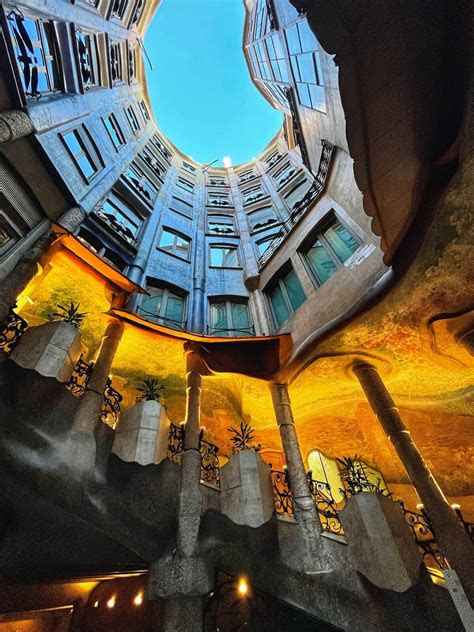
Exploring GaudÃ's Legacy: Casa MilÃ
Known affectionately as "La Pedrera," meaning "the quarry," Casa Milà stands tall on Passeig de Grà cia, its undulating façade an ode to nature. It’s the very essence of Catalan Modernism, defying conventional architectural norms with its organic forms and striking curves. Explore the Casa Milà .
Commissioned by Pere Milà , a wealthy textile magnate, in 1906, this project allowed Gaudà to fully embrace his revolutionary design philosophy. Its sinuous rooftop, punctuated by chimney vents sculpted like sentinels, has become an emblem of Barcelona's architectural prowess. This "urban quarry" invites you to discover its secrets, each detail carefully considered to ensure harmony between function and form. The Casa Milà offers an extraordinary journey through the creative genius of GaudÃ, showcasing his fascination with nature and its integration into architecture.
A Symphony of Style: Casa Lleó Morera
Further down Passeig de Grà cia, Casa Lleó Morera offers a different perspective on Modernism, a harmonious blend of classical elegance and innovative design. This architectural gem, crafted by LluÃs Domènech i Montaner, reveals a nuanced approach to ornamentation, seamlessly integrating Catalan identity and Art Nouveau influences. Book your visit to Casa Lleó Morera.

Inside, Casa Lleó Morera transports you to a world of refined artistry. Its central courtyard, bathed in sunlight filtering through stained-glass windows, creates an atmosphere of serenity and wonder. The elaborate wrought-ironwork, intricate mosaic tiles, and delicately painted ceilings evoke a sense of artistry that is both opulent and understated. This is a place where architectural details are elevated to works of art, transforming the mundane into the extraordinary.
The Art of Storytelling: The Palau de la Música Catalana
Venture a little north of Eixample, to the heart of the city, and you'll find a symphony of beauty in the Palau de la Música Catalana. It’s a monumental edifice that defies the conventions of traditional opera houses. Experience the Palau de la Música Catalana.

Conceived by the visionary architect LluÃs Domènech i Montaner, this captivating building embraces light, creating an unforgettable experience for audiences. Sunlight streams through colorful stained-glass windows, illuminating the intricate mosaics and sculptures adorning the interior. The Palau de la Música Catalana doesn't merely host performances, it embodies them, a masterpiece of Catalan Modernism dedicated to the celebration of music, artistry, and the city's cultural heritage.
A Legacy of Architecture: Casa Amatller
Casa Amatller, standing as a majestic symbol of Barcelona's architectural prowess, reveals a rich tapestry of history. This beautiful structure, designed by Josep Puig i Cadafalch, sits majestically on Passeig de Grà cia, a testament to the enduring legacy of Modernism. Immerse yourself in the elegance of Casa Amatller.

The Casa Amatller stands as a masterful blend of historic influences, seamlessly weaving together the charm of medieval castles with the grandeur of the Renaissance era. Its unique architectural features, such as its distinctive façade and its carefully designed interior, represent a pivotal chapter in Barcelona's artistic narrative. Its elegant design incorporates ornate detailing and vibrant colors, serving as a poignant reminder of the city's enduring commitment to beauty and craftsmanship.
The Urban Tapestry: Exploring the Eixample
Eixample isn't merely a collection of iconic buildings. It's a living, breathing neighborhood. The grandeur of Modernism blends seamlessly with the everyday life of the people who call it home. Wander through its vibrant squares, savor the flavors of traditional Catalan cuisine at charming cafes, and immerse yourself in the pulsating energy of the neighborhood.
Beyond the majestic buildings, there's a wealth of hidden gems, cozy boutiques offering local crafts and artisan delicacies, and inviting restaurants tucked away on charming side streets. Strolling through Eixample is a sensory experience, a chance to unravel the threads that have shaped its history, culture, and identity. You might just discover a hidden courtyard, or encounter a local artisan creating exquisite masterpieces from their workshop. The streets whisper stories of bustling markets, vibrant parades, and the relentless spirit of a city that continually reinvents itself.

Beyond the Buildings: Eixample's Soul
Each building in Eixample holds within its walls a rich history. They stand as testaments to the individuals who shaped them, the artists, architects, and artisans who poured their hearts and souls into their creation. They reflect the values and aspirations of a city striving for excellence, beauty, and a place in the world's cultural pantheon. These spaces are living museums, offering a glimpse into the city's vibrant past. They also offer an inspiring vision for the future.
A stroll down the charming backstreets of Eixample is a journey into the heart of Barcelona. Its grand avenues are not mere pathways; they are portals to history. Its squares are gathering places for community and connection. Every cobblestone street, every grand façade, every hidden alleyway echoes with stories waiting to be discovered.
Frequently Asked Questions
How do I get to Eixample?
Eixample is easily accessible by public transportation. You can take the metro lines 1, 2, 3, 4, 5, and 9 to reach various points within the neighborhood.
Are there any guided tours of Eixample?
Yes! Several walking tours are available, exploring the history and architecture of Eixample. You can find a variety of tours offered by local tour operators, focusing on specific themes or periods of history.
What is the best time to visit Eixample?
Spring and fall offer the most pleasant weather for exploring Eixample. The city is also less crowded during these seasons, allowing for a more relaxed and enjoyable experience.
What are some other historical sites to visit near Eixample?
The Gothic Quarter and the Sagrada FamÃlia are just a short distance away from Eixample. Both offer their unique historical and architectural wonders.
What are some tips for traveling to Barcelona?
Barcelona is a walking city, so be prepared to explore on foot. The city is well-connected by public transportation, including the metro, bus, and trams. Be sure to pack comfortable walking shoes, sunscreen, and a hat for sunny days.