

5 Best History Museums in Poland: Journey Through Time

Poland, a nation steeped in a rich and complex history, is home to numerous museums that chronicle its fascinating past. From medieval castles to sprawling royal palaces, each institution offers a unique perspective on Poland's journey through time. This article takes you on a captivating journey through five of the best history museums in Poland, where you'll delve into the stories of kings and queens, warriors and revolutionaries, artists and scientists, and ordinary people whose lives shaped the nation's destiny.
1. The Wawel Royal Castle: A Crown Jewel of History

Perched atop Wawel Hill in Krakow, the Wawel Royal Castle stands as a towering testament to Poland's rich regal heritage. This UNESCO World Heritage Site was the seat of Polish monarchs for centuries and played a pivotal role in shaping the nation's identity. As you explore the castle's labyrinthine halls, you'll step into the lives of kings and queens who reigned over Poland, each with their own unique stories of power, love, and tragedy.
You can admire the opulent royal chambers, marvel at the intricately decorated state apartments, and witness the stunning artistry of the Wawel Cathedral, where Polish kings and queens are laid to rest. Stepping into the Wawel Royal Castle is like turning the pages of a grand history book, immersing yourself in the splendor of Poland's past. Visit the castle, book a tour to truly experience the majesty of Polish history.
Inside the Royal Chambers: Stories of Power and Intrigue
Stepping into the castle's royal chambers, you feel a palpable sense of history surrounding you. The ornate furniture, intricate tapestries, and stunning artwork transport you back in time. Imagine King Władysław Jagiełło, the founder of the Jagiellonian dynasty, holding court in the majestic throne room, his decisions shaping the destiny of Poland and beyond.
Imagine Queen Bona Sforza, the Italian queen who brought Renaissance splendor to the Polish court, strolling through the castle's elegant gardens. Explore the chambers of King Sigismund III Vasa, the ambitious monarch who sought to expand Poland's borders.
2. The Museum of the Second World War in Gdańsk: Confronting History's Scars

Standing at the very spot where World War II began, the Museum of the Second World War in Gdańsk tells a powerful and deeply moving story of humanity's capacity for both brutality and resilience. This state-of-the-art museum, designed by the renowned Polish architect, is a stark reminder of the catastrophic human cost of conflict. The museum meticulously unveils the chronology of the war, exploring its causes, key events, and lasting repercussions, from the Polish perspective. It highlights the devastating impact of the war on Poland, with exhibits showcasing the Nazi occupation, the Polish resistance, and the lives of ordinary citizens caught in the crossfire.
Experience the heart-wrenching testimonies of survivors, view the chilling evidence of Nazi atrocities, and gain a deeper understanding of the enduring human spirit in the face of unspeakable hardship. Immerse yourself in this powerful testament to history's darkest chapter by visiting the museum and learning from the experiences of those who lived through this brutal period. Explore the museum's interactive exhibits, and if you're interested in a more in-depth understanding, join a guided tour to gain further insights.
Walking Through a Century of Darkness: A Journey of Reflection
The museum's powerful exhibits take you on a visceral journey through the horrors of World War II. Witness the tragic consequences of the Nazi occupation, from the destruction of Warsaw to the horrors of the Holocaust. You'll learn about the bravery of Polish soldiers who fought alongside their allies and the heroism of ordinary people who risked their lives to help others.
Explore the intricate network of the Polish resistance, which operated in the shadows to thwart the Nazi regime. The museum unveils the unwavering spirit of those who fought for freedom, inspiring hope and reminding us of the importance of remembrance. It is an emotional experience that prompts you to reflect on the profound lessons of history and to consider the responsibility we all have in working towards a more peaceful future.
3. The POLIN Museum of the History of Polish Jews in Warsaw: Unveiling a Shared Heritage

A modern marvel that houses a treasure trove of stories and artifacts, the POLIN Museum of the History of Polish Jews is an essential stop for any traveler seeking to delve into the interwoven history of Poland and its Jewish community. This interactive museum, situated in Warsaw, illuminates the centuries-long presence of Jews in Poland, a history marked by both profound achievements and unbearable persecution. Explore the museum's permanent exhibit, "Stories of Our Heritage," which presents a vibrant tapestry of Jewish life in Poland across the ages, revealing the vibrant cultural contributions of the Jewish community to Polish society. The museum also delves into the heart-wrenching stories of the Holocaust, showcasing the enduring impact of this tragedy on Jewish communities in Poland.
It pays tribute to the resilience of those who survived and offers a space for remembrance and reflection. Immerse yourself in this poignant narrative, learning about the unique Jewish culture that thrived in Poland for centuries. The museum's immersive exhibits use cutting-edge technology to bring the past to life, making your journey through Jewish history a captivating and enriching experience. Explore the museum, participate in a guided tour, and discover the profound connection between Poland and its Jewish heritage.
A Legacy of Intertwined Cultures: From Shared Histories to Shared Pains
As you walk through the museum, you encounter the richness of Jewish culture in Poland. The exhibits showcase a tapestry of Jewish life – from religious traditions and community festivals to the bustling markets of the "Jewish ghetto," filled with lively conversations and the aroma of traditional dishes.
You learn about the prominent Polish Jewish intellectuals who shaped Poland's cultural landscape and the Jewish merchants who fueled economic prosperity. Yet, you're also confronted with the harrowing accounts of the Holocaust, a tragedy that ripped through the heart of Jewish communities in Poland. Through these powerful exhibits, you gain a deeper understanding of the resilience and perseverance of the Polish Jewish people and their enduring contribution to Polish history and culture.
4. The National Museum in Warsaw: Treasures of Polish Art and History
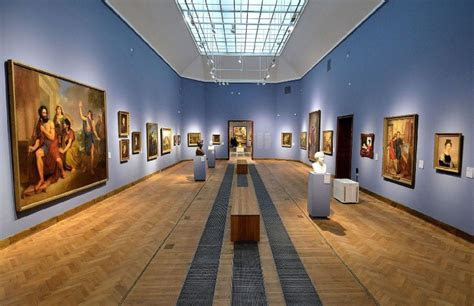
Stepping into the National Museum in Warsaw is akin to embarking on a grand tour through centuries of Polish art and history. Situated in a majestic building, the museum boasts a sprawling collection that chronicles the artistic and historical development of Poland. Its permanent exhibitions delve into the intricate details of Polish art, from medieval paintings and sculptures to the captivating works of Polish Impressionists, symbolists, and modern artists. Each brushstroke, each carving, reveals a unique aspect of Poland's soul and the nation's rich cultural legacy.
Admire the breathtaking collection of medieval art, where the spirit of faith and tradition shine through in intricate icons and sculptures.
Delve into the era of Polish romanticism, as you experience the raw emotion and dramatic narratives captured in the works of leading Polish artists. Experience the evolution of Polish art through modern and contemporary masterpieces, exploring a diverse array of styles and ideologies that represent the modern Polish artistic sensibility. The museum also houses a treasure trove of artifacts and documents that tell the story of Poland's fascinating past. Experience Polish history through the eyes of its artists by exploring the museum and discovering their fascinating stories. Embark on a guided tour for a comprehensive overview, delving deeper into the artistic and historical significance of each masterpiece.
Masterpieces of Polish Art: Unveiling a Nation's Creative Spirit
Amidst the vast collection, one of the most captivating highlights is the "Hall of Kings and Queens." This magnificent hall houses portraits of Polish rulers from various eras, each radiating a unique aura of power, elegance, and wisdom. From King Władysław Jagiełło to King Jan III Sobieski, these portraits serve as powerful visual narratives of Polish monarchy. The museum also boasts a compelling collection of sculptures, featuring masterful works from renowned Polish artists such as Xawery Dunikowski and Stanisław Szukalski.
Each piece is a testament to the extraordinary talents of Polish sculptors, who have imbued their creations with unparalleled depth and expression. In the "Hall of Polish Modern Art," you'll encounter the revolutionary works of artists like Jan Stanisławski, Stanisław Witkiewicz, and Józef Pankiewicz, who shaped the contours of modern art in Poland. Immerse yourself in the dynamic art scene of the 20th century, witnessing the fusion of traditional art forms with new styles and concepts. It is a captivating journey through the artistic evolution of Poland, showcasing the dynamism of its creative spirit.
5. The Museum of the Polish Army in Warsaw: Honoring Courage and Legacy

The Museum of the Polish Army in Warsaw, an institution that tells the inspiring story of the Polish military, stands as a powerful testament to the nation's indomitable spirit.
This meticulously curated museum unveils the fascinating history of the Polish Army, from its medieval origins to its modern-day triumphs.
It provides a compelling narrative of Poland's struggle for independence and its role in major historical events, from the Napoleonic Wars to World War II and the Cold War. You'll marvel at a collection of authentic weaponry, military vehicles, uniforms, and historical documents that depict the evolution of the Polish armed forces over centuries.
The museum features a vast array of weapons, including cannons, rifles, swords, and even the iconic "Polish saber," a symbol of Polish military prowess. These objects bring to life the battlefield tactics, strategies, and technologies that have shaped the course of Polish military history.
Immerse yourself in the spirit of bravery and camaraderie that fueled Polish soldiers throughout history.
Discover the poignant stories of heroes who fought for freedom and national dignity, inspiring you with their dedication to duty and their unwavering courage.
Explore the museum's extensive collections, and to delve even deeper, join a guided tour, allowing you to discover the untold stories behind these artifacts and appreciate their significance within Poland's rich military history.
Stories of Valour and Sacrifice: Unveiling the Military Legacy
From the early medieval Knights to the brave soldiers who fought in World War II, the museum vividly depicts the extraordinary bravery and sacrifices made by the Polish Army throughout history. Learn about the legendary Battle of Grunwald, a pivotal battle in the history of medieval Europe where Polish knights fought against the Teutonic Knights.
Immerse yourself in the stories of renowned Polish generals and their military strategies. You'll gain insights into the intricate tactics, equipment, and uniforms that defined various eras of Polish military history. As you delve deeper, you encounter accounts of the unwavering courage and sacrifice of ordinary soldiers who risked their lives to defend their country.
The museum brings their stories to life through personal accounts, letters, and photographs, highlighting the human side of warfare and the impact it had on the lives of those who fought for Poland. It's a powerful testament to the enduring strength of the Polish spirit and the legacy of bravery that has been passed down through generations.
Key Takeaways
- Exploring these five exceptional history museums allows you to embark on a captivating journey through the tapestry of Polish history.
- From royal palaces to war memorials, each museum provides a unique perspective on the rich and diverse legacy of Poland, offering a glimpse into its fascinating past and its lasting impact on the world.
- These institutions invite you to discover the stories of kings and queens, warriors and revolutionaries, artists and scientists, and ordinary people whose lives shaped the nation's destiny.
- Immerse yourself in Poland's captivating history, explore the intricate details of its artistic and cultural development, and appreciate the enduring legacy of its people and its contribution to world civilization.
Frequently Asked Questions
What are the best ways to get to these museums?
Most of these museums are conveniently located in major cities, making them accessible via public transportation, car rentals, or walking. For those less familiar with the city layouts, taxi services and ride-hailing platforms are available.
Are these museums accessible to individuals with disabilities?
Each museum strives to provide a welcoming and accessible environment. It's always a good idea to check the specific museum's website or contact them in advance to confirm the accessibility features and availability of amenities like ramps, elevators, and assistive devices.
What are the museum hours and admission fees?
Museum hours and admission fees may vary, depending on the museum and the time of year. To avoid disappointment, it's highly recommended to check their official websites or contact the museum directly for the most up-to-date information.
Is it advisable to book a guided tour in advance?
Booking a guided tour in advance is recommended, especially during peak season. Guided tours offer valuable insights and provide a deeper understanding of the history and context of the museum exhibits.
What are some tips for planning my visit to these museums?
For a truly immersive experience, plan your visit based on your interests. Research each museum's specific collections and exhibitions to ensure they align with your personal preferences. Don't forget to allocate ample time to explore, especially if you're interested in diving deep into the details and absorbing the museum's historical atmosphere. Additionally, remember to bring a camera to capture the beauty of the exhibits, artifacts, and architectural wonders.