|
|
|
|
|
|
It's not about what guns people have. It's who has them.

That's the takeaway of two 2019 studies from Boston University that used data from the FBI and the Centers for Disease Control to compare the efficacy of different
types of state firearms laws.
In this piece, we explore why states with a combination of firearms laws see the fewest gun-related homicides — 30 percent less deaths than those without such policies.
|
|
|
Well-meaning immigrant
We tend to promote foreigners by broadcasting their economic and scholarly value, instead of their intrinsic humanity.
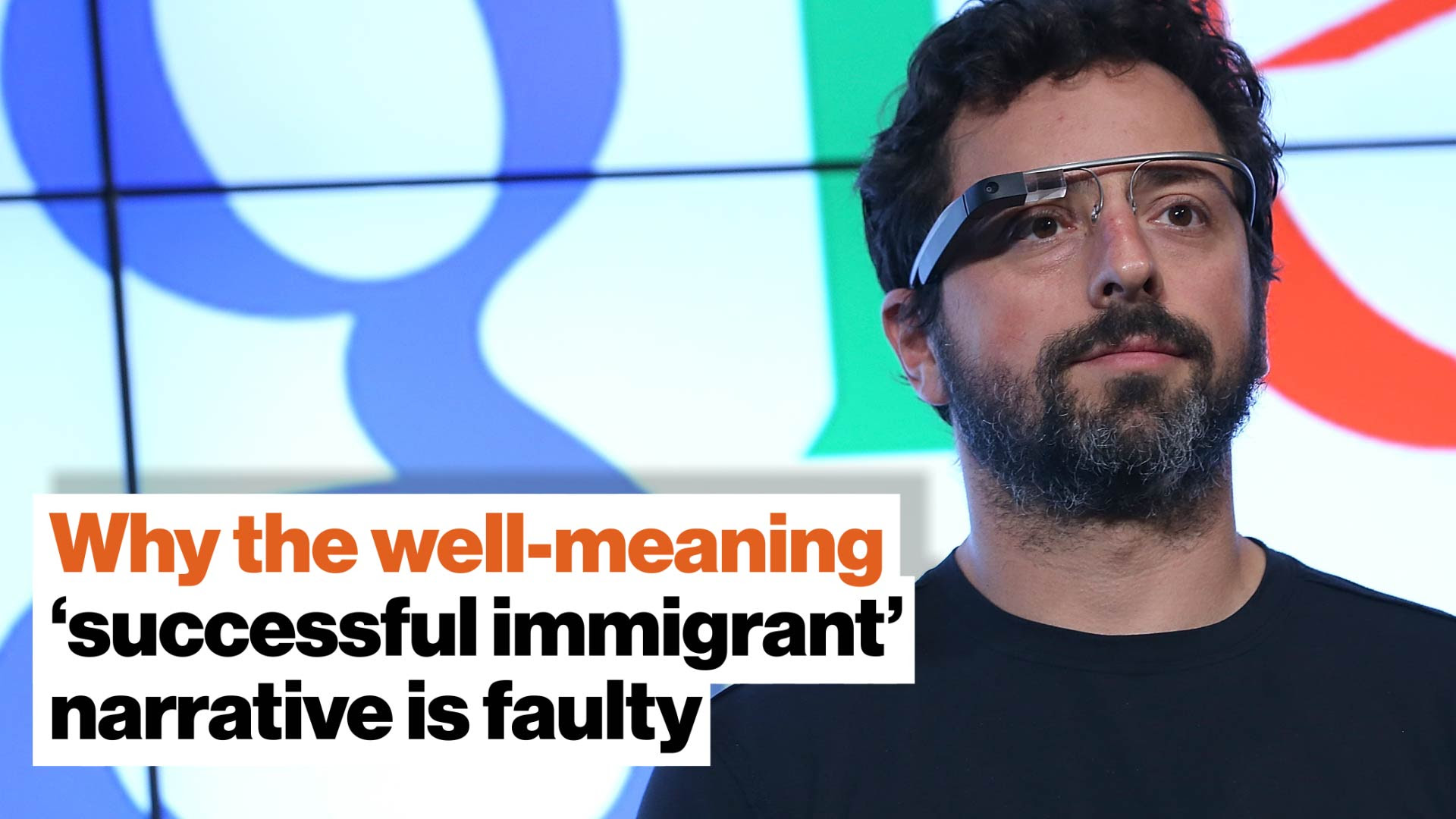
There's a tendency to fight dehumanizing narratives about immigrants and refugees with stories about how much value they have to the United States, in terms of
economic and academic achievements and abilities. Though these counternarratives might come from a good place, Adam Waytz doesn't believe they
"really consider people in terms of human dignity."
|
|
|
Schadenfreude
The motivations behind schadenfreude are diverse — here are a few.

That little bit of joy you experience when someone else fails — that's schadenfreude. It's a complex feeling, but researchers are beginning to get a clearer picture
of what it is, and what spurs it.
In this piece, Big Think writer Mike Colagrossi delves into the different motivations behind schadenfreude — from wanting to see justice for evildoers to feeling unabashed envy for the luminaries of society.
|
|
|
|
|
|
|
|
Copyright © 2019 Big Think, All rights reserved.
You've received the Big Think Weekly Newsletter because you, or someone on your behalf, registered you at
http://www.bigthink.com.
Our mailing address is:
|
|
|
|
|
|
|


 Follow
us on Twitter!
Follow
us on Twitter!
 Follow
us on Facebook!
Follow
us on Facebook!


