We
are land creatures: We breathe air, walk only on solid ground, and rarely
move up and down unless we're on an elevator. We're used to this
world, and we know what sort of animals we might run into on land
(although they may still surprise us at times).
But
even now, in this modern age, the enormous ocean still hides many
fantastic secrets. Most of these surprises are biological in nature,
turning out the most incredible, alien-looking and bizarre life forms, so
different from our own, yet fascinating to see.
|
|
1.
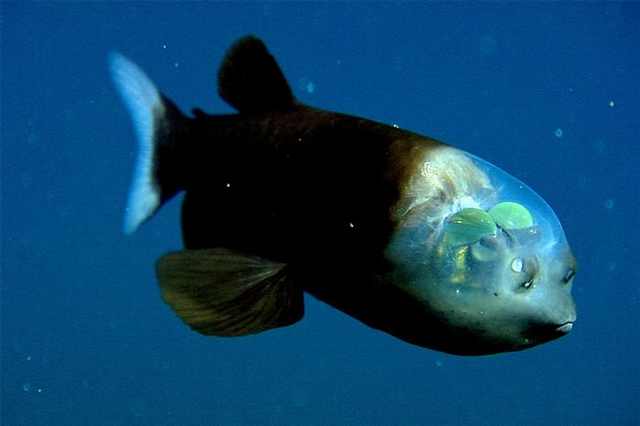
Barreleye Fish
|
|

|
|
With
its transparent head and its big, tennis ball eyes, this fish is one of
the most extraordinary creatures I've ever seen.
|
|
|
|
2.
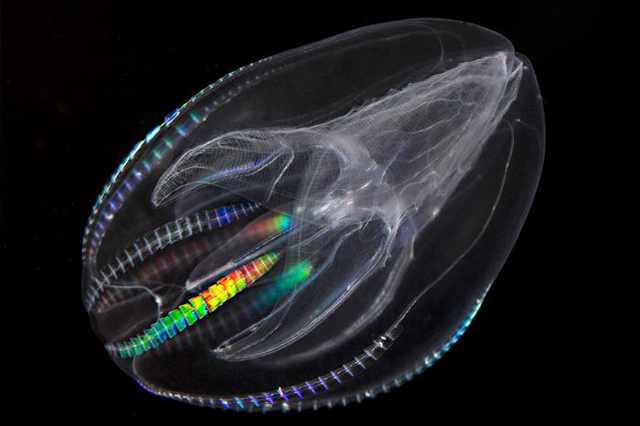
Comb Jellies
|
|

|
|
The
rainbow colors decorating this jellyfish are a result of a clever use of
light diffraction, similar to how a rainbow is created. It swims with the
help of a group of comb-like eyelash hairs, from which it gets its name.
|
|
|
|
3.
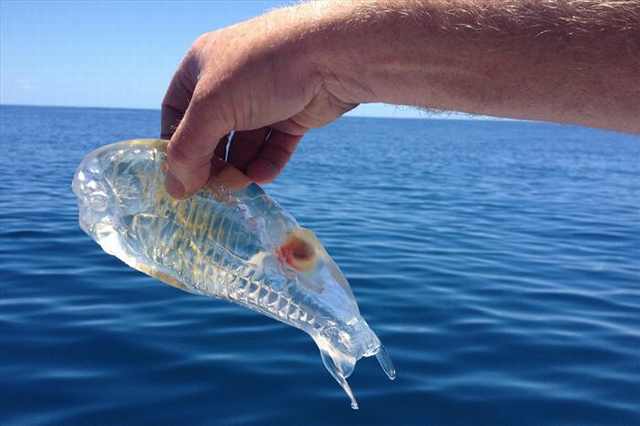
Salp
|
|

|
|
The
salp plays an important role in the ocean, as it turns its own bodily
waste into carbon packages that sink to the bottom of the ocean and
efficiently removes carbon from the water's surface.
|
|
|
|
4.
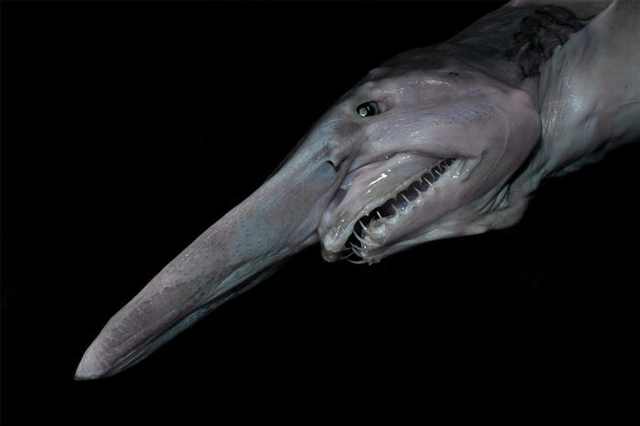
Goblin Shark
|
|

|
|
With
its nail-like teeth, its unhinging jaw and its overall appearance, this
is one being I'm actually happy is rarely seen by men. It usually stays
unseen in the depths of the ocean.
|
|
|
|
5.
Sea Spiders
|
|

|
|
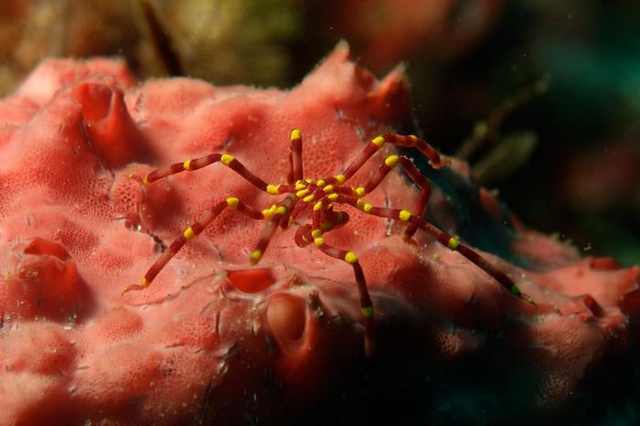
If
you thought the ocean is the one place where you won't run into spiders,
think again! However, although they look a lot like land spiders, there
is no genetic correlation between them - they are completely different.
|
|
|
|
6.
Blobfish
|
|

|
|
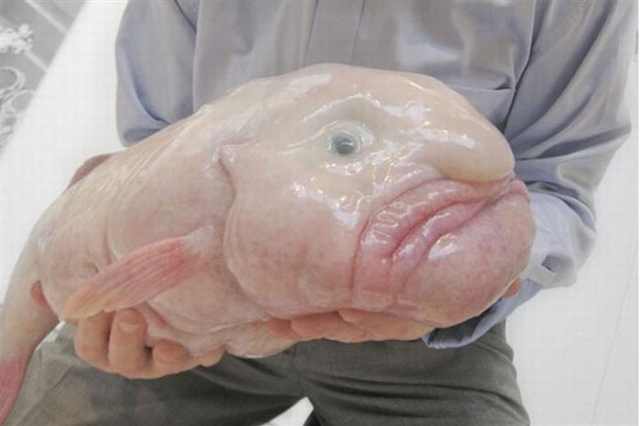
This
fish was voted the ugliest fish in the world, but looks like a normal
fish when it's in its natural environment - 1200 meters below the sea.
|
|
|
|
7.
Bobbit Worm
|
|

|
|
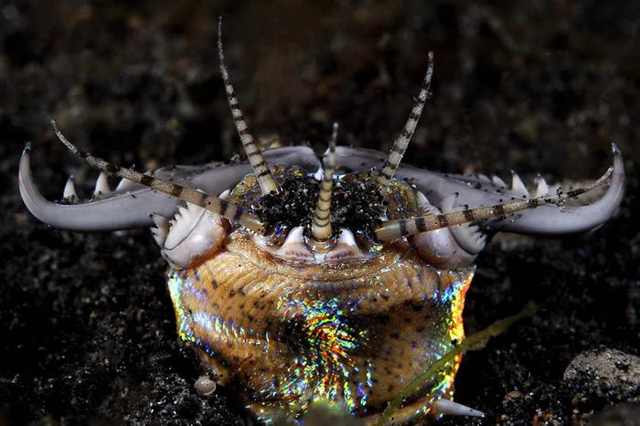
This
vicious 'worm' can grow as big as 3 meters long and attack with such
power that they can cut a fish in two.
|
|
|
|
8.
Flower Hat Jellyfish
|
|

|
|
This
jellyfish feeds on fish (and sometimes other jellyfish) and can grow or
shrink according to the food supply available. Imagine making yourselves
bigger or smaller according to how hungry you were!
|
|
|
|
9.
Leafy Seadragon
|
|

|
|
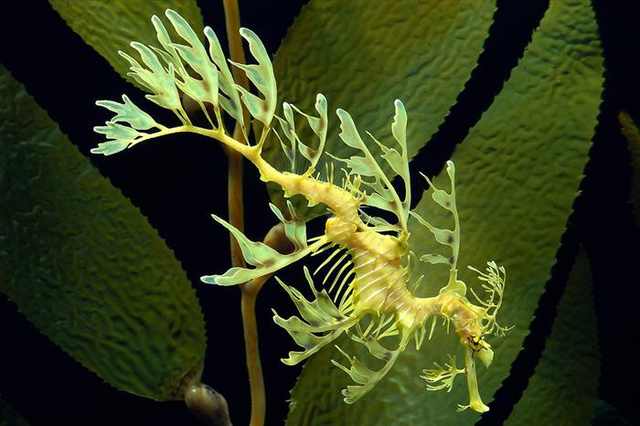
This
slow fish comes from the same family as sea horses, and they rely on
their alga-looking body for camouflage from predators.
|
|
|
|
10.
Marrus orthocanna
|
|

|
|
This
is actually a colony of creatures, containing several jellyfish and
polyps that have gone through changes and are now functioning as the
organs of a shared body.
|
|
|
|
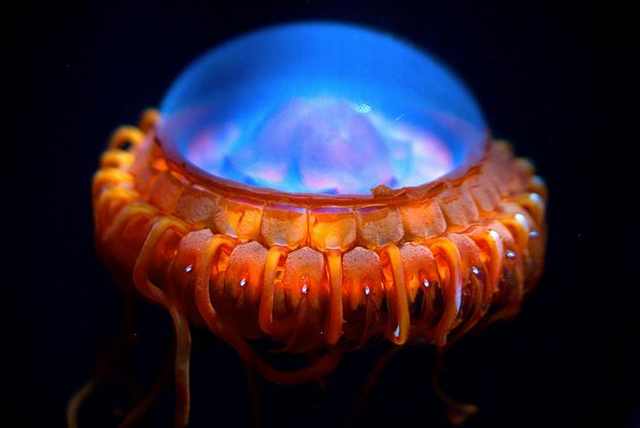
11.
Atolla Jellyfish
|
|

|
|
This
jellyfish definitely looks like a UFO, and like most jellyfish, it too
has no digestive, breathing, blood or nervous systems.
|
|
|
|
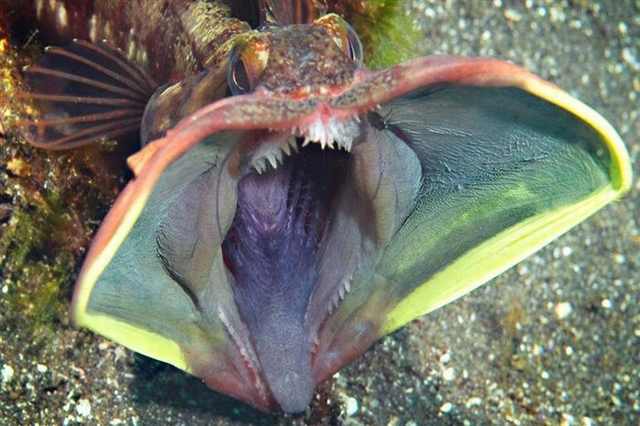
12.
Sarcastic Fringehead
|
|

|
|
These
territorial fish are usually found hidden at the bottom of the sea. When
they open their wide mouths they cause other fish to mistaken them for a
predator fish, causing them to keep their distance.
|
|
|
|
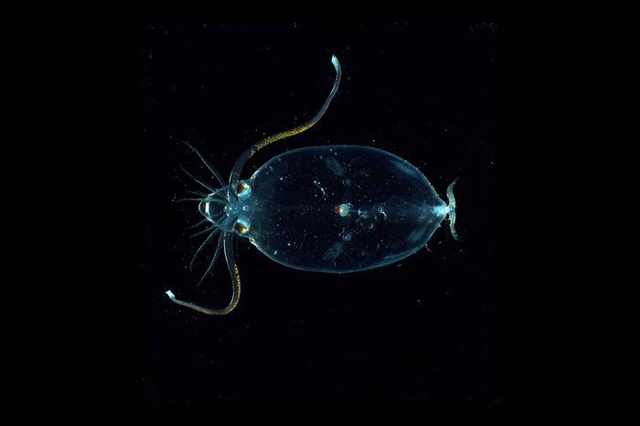
13.
Glass Squid
|
|

|
|
There
are about 60 sub-species of the glass squid, which makes them the largest
family of squids, while also the prettiest, perhaps?
|
|
|
|
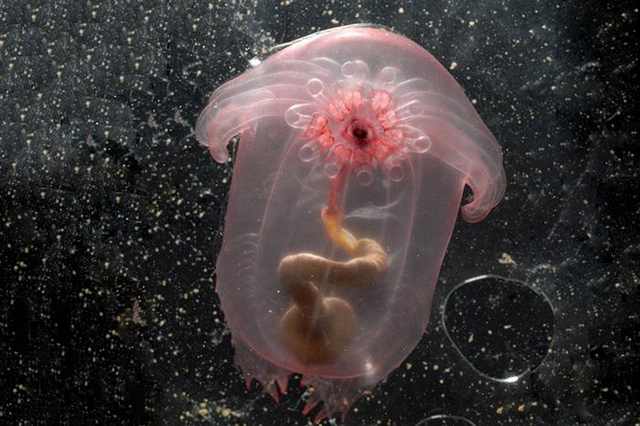
14.
Pink See-Through Fantasia
|
|

|
|
As
the name of this deep-sea creature suggests, this fish is so see-through
that you can actually see its digestive system.
|
|
|
|
15.
Squidworm
|
|

|
|
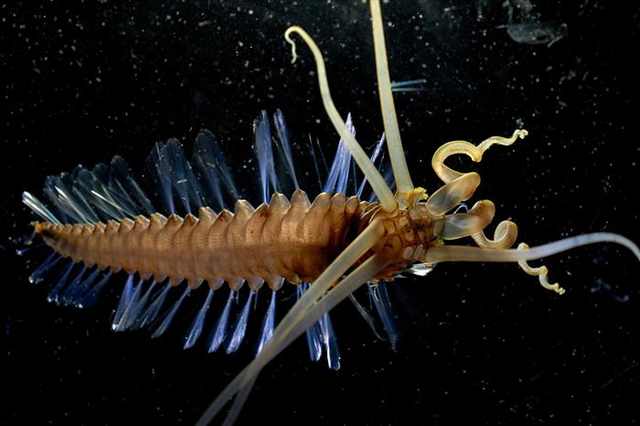
This
creature has 10 arms coming out of its head, which are actually longer
than its entire body. The squidworm uses them to collect food from around
the ocean as it passes near it.
|
|
|
|
16.
Terrible Claw Lobster
|
|

|
|
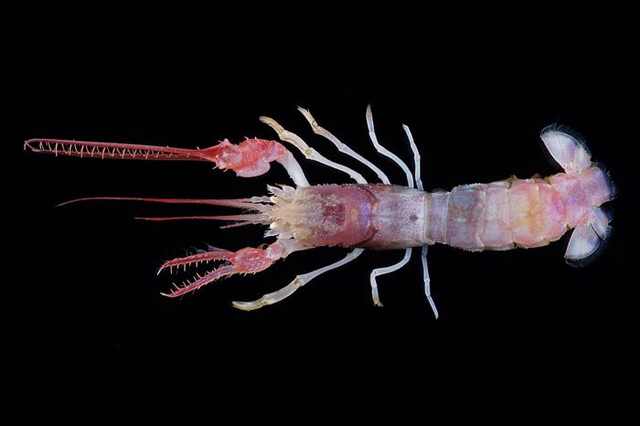
This
creature, who seems to have just come out of your worst nightmare, was
discovered in 2007 by marine biologists - they quickly classified a whole
new gene family - just for it.
|
|
|
|
17.
Venus Flytrap Sea Anemone
|
|

|
|
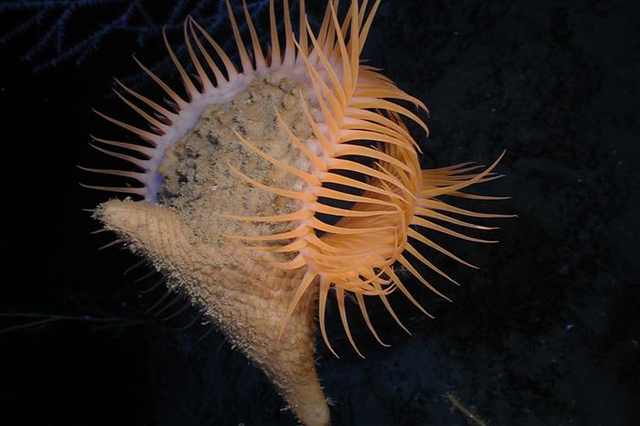
This
sea anemone is named after the Venus Flytrap plant because of the
similarity in the way it catches food in its 'mouth'.
|
|
|
|
18.
Mola Mola Fish / Sunfish
|
|

|
|
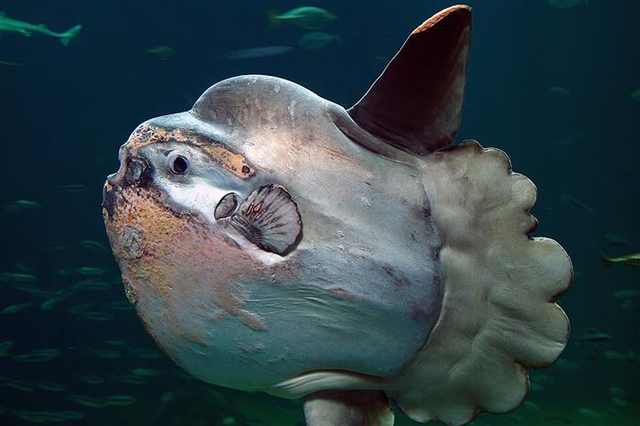
The
mola mola fish is the largest bony fish and has been known to reach a
weight of up to 5,000 pounds.
|
|
|
|
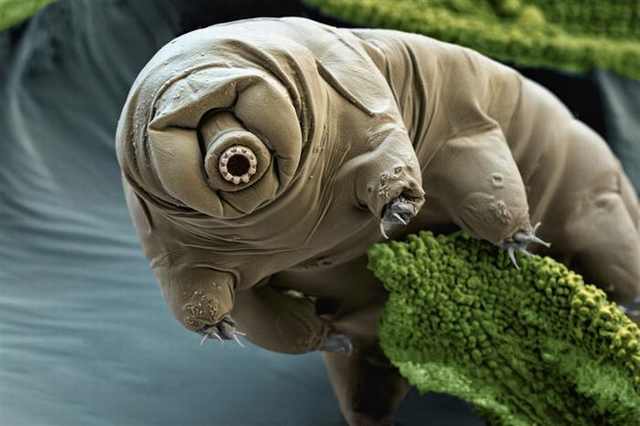
19.
Water Bear
|
|

|
|
This
is no bear, it's actually almost microscopic, reaching a length of less
than 1mm. However, these little creatures are TOUGH. They can survive
temperatures that range from absolute zero (-457℉)
up to 357℉, withstand radiation 1000 times more powerful than other
animals can take, and can even come back to life after being dried out
for 10 years. They are the first animals, known to be able to survive the
vacuum of space.
|
|
|
|
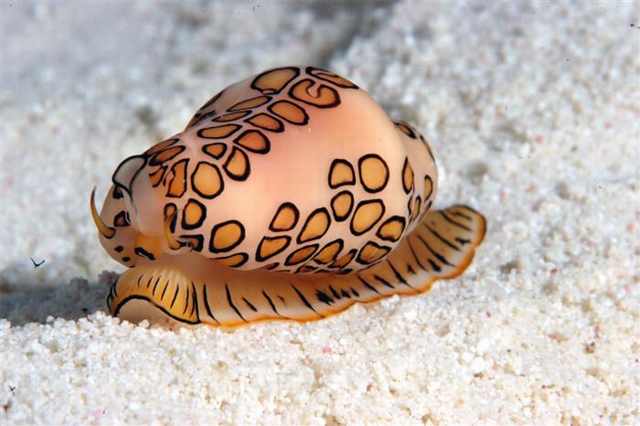
20.
Flamingo Tongue Snail
|
|

|
|
This
colorful little fella had its dots not on the shell, but on its actual
flesh, that envelops around the shell.
|
|
|
|
21.
Nudibranch
|
|

|
|
Also
known as sea slugs, there are over 3000 types of nudibranchs and they
include some of the craziest looking ocean creatures.
|
|
|
|
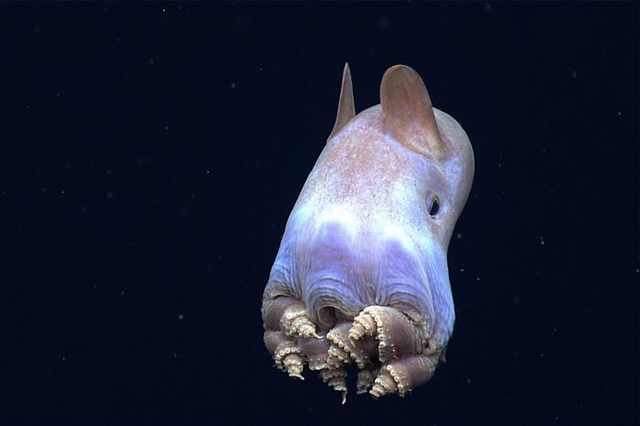
22.
Dumbo Octopus
|
|

|
|
The
species is named after the ears of Dumbo, the famous cartoon elephant. This
octopus lives about 4 km below the sea surface, deeper than any other
octopus.
|
|
|
|
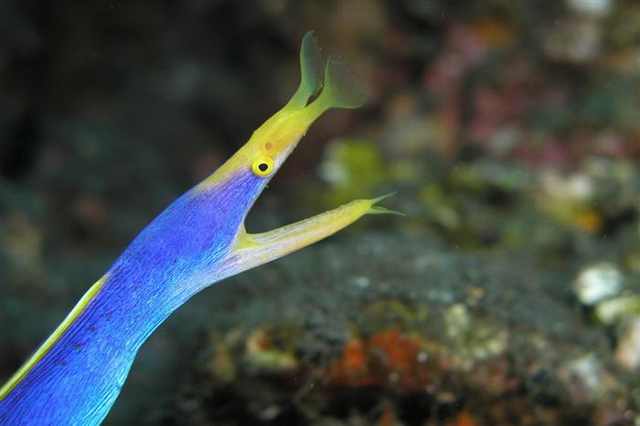
23.
Ribbon Eel
|
|

|
|
The
ribbon eel may look pretty ordinary, but its one of the only species of
the planet to be able to change sexes. They start out males, all of them,
but as soon as they mature, many will start developing female parts.
|
|
|
|
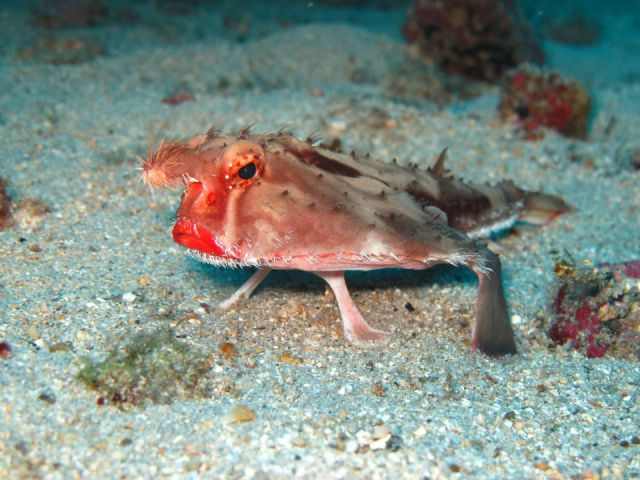
24.
Red-Lipped Batfish
|
|

|
|
These fish, look like a well-lipsticked woman. They use
their fins to walk on the floor of the ocean, seeing as they aren't very
good swimmers.
|