
BrinKadeiraS

(``-_-´´) BrinKadeiraS
BrinKadeiraS
|

|

- On Android Compatibility
- ReaderScope upcoming changes
- Fuel Cell para Miniaturas
- A Origem dos Nomes dos Meses
- Spelling Fail
- Simply Explained
- BrinKadeiraS
|
Posted: 31 May 2010 03:18 PM PDT  [This post is by Dan Morrill, Open Source & Compatibility Program Manager. — Tim Bray] At Google I/O 2010, we announced that there are over 60 Android models now, selling 100,000 units a day. When I wear my open-source hat, this is exciting: every day the equivalent of the entire population of my old home city starts using open-source software, possibly for the first time. When I put on my hat for Android Compatibility, this is humbling: that’s a whole lotta phones that can all share the same apps. Another thing we launched at Google I/O was an upgraded and expanded source.android.com. The new version has refreshed info on the Android Open-Source Project, and some new tips and tools for device manufacturers — useful if you’re an OEM. However, it also has details on the Android compatibility program, now. This is also aimed mostly at OEMs, but Tim Bray suggested that developers might be interested in a peek at how we keep those 100,000 devices marching to the same beat, every day. So here I am, back on the blog. The F-word, or, Remember remember the fifth of NovemberI remember sitting with my colleagues in a conference room in Building 44 on November 5, 2007, listening to Andy Rubin and Eric Schmidt announce Android to the world. I remember a lot of the press stories, too. For instance, Android was “just words on paper” which was especially entertaining since I knew we were getting ready to launch the first early-look SDK a mere week later. Another meme I remember is... yes, “fragmentation”. Literally before the close of business on the same day we announced Android (4:46pm to be precise), I saw the first article about Android “fragmentation.” The first day wasn’t even over yet, and the press had already decided that Android would have a “fragmentation” problem. The thing is, nobody ever defined “fragmentation” — or rather, everybody has a different definition. Some people use it to mean too many mobile operating systems; others to refer to optional APIs causing inconsistent platform implementations; still others use it to refer to “locked down” devices, or even to the existence of multiple versions of the software at the same time. I’ve even seen it used to refer to the existence of different UI skins. Most of these definitions don’t even have any impact on whether apps can run! Because it means everything, it actually means nothing, so the term is useless. Stories on “fragmentation” are dramatic and they drive traffic to pundits’ blogs, but they have little to do with reality. “Fragmentation” is a bogeyman, a red herring, a story you tell to frighten junior developers. Yawn. CompatibilityNow, that’s not to say that there aren’t real challenges in making sure that Android devices are compatible with each other, or that there aren’t very real concerns that keep app developers awake at night. There definitely are, and I spend a great deal of time indeed thinking about them and addressing them. The trick is to define them clearly. We define “Android compatibility” to be the ability of a device to properly run apps written with the Android SDK. This is a deceptively simple way to frame it, because there are a number of things that can go wrong. Here are a few:
Each of these is an example of something that can make an app not run properly on a device. They might run, but they won’t run properly. These are the things that I spend my time preventing. How It WorksAs stewards of the platform we realize that it’s vital to allow only compatible devices to participate in the Android ecosystem. So, we make compatibility a strict prerequisite for access to Android Market and the right to use the Android name. This means that developers can rely on the fact that Android Market — the keystone of the Android ecosystem — will only allow their apps to run on compatible devices. It’s pretty self-evident that a single app ecosystem is better than many small ones, so OEMs are generally pretty motivated to ship compatible devices. But motivation alone doesn’t get us very far without tools to actually ensure compatibility, which is where the Android compatibility program comes in. This program is like a stool with three legs: the Android source code, the Compatibility Definition Document, and the Compatibility Test Suite. It all starts with the Android source code. Android is not a specification, or a distribution in the traditional Linux sense. It’s not a collection of replaceable components. Android is a chunk of software that you port to a device. For the most part, Android devices are running the same code. The fact that all Android devices run the same core Android code goes a long way toward making sure those devices all work the same way. However, this doesn’t solve the problems of missing components or altered APIs, because the source code can always be tweaked. This is where the Compatibility Definition Document (or CDD) comes in. The CDD defines in gory detail exactly what is expected of Android devices. It clearly states, for example, that devices may not omit most components, and that the official Android APIs may not be altered. In a nutshell, the CDD exists to remove ambiguities around what’s required of an Android device. Of course, none of that overcomes the simple reality of human error — bugs. This is where the Compatibility Test Suite comes in. The CTS is a collection of more than 20,000 test cases that check Android device implementations for known issues. Device makers run the CTS on their devices throughout the development process, and use it to identify and fix bugs early. This helps ensure that the builds they finally ship are as bug-free as possible. Keeping Up with the TimesWe’ve been operating this compatibility process with our OEM partners for over a year now, and it’s largely responsible for those 60+ device models being interoperable. However no process is ever perfect and no test suite is ever 100% comprehensive, and sometimes bugs get through. What happens then? Well, we have great relationships with our OEMs, and like I said, they’re motivated to be compatible. Whenever we hear about a serious bug affecting apps, we report it to our partners, and they typically prepare a bugfix release and get it out to end users. We will also typically add a test case to the CTS to catch that problem for future devices. It’s an ongoing process, but generally our partners are as interested as we are in the user experience of the devices they sell. The mobile industry today is “very exciting”, which is code for “changes painfully fast”. We believe that the only way Android will be a success is to keep up with that change, and ultimately drive that change. This means that over time, the CDD will also change. We’ll add new text to handle problem cases we encounter, and the actual requirements will change to accommodate the innovations happening in the field. For example, in the 2.1/Eclair CDD, we tweaked the CDD slightly to make telephony optional, which allows Android to ship compatibly on non-phone handheld devices. Whenever we do this, of course, we’ll make corresponding changes to the Android APIs and Android Market to make sure that your apps are protected from ill effects. On a somewhat related note, a lot of ink has been spilled on the fact that there are multiple versions of Android out there in users’ hands at the same time. While it’s true that devices without the latest software can’t run some of the latest apps, Android is 100% forward compatible — apps written properly for older versions also run on the newest versions. The choice is in app developers’ hands as to whether they want to live on the bleeding edge for the flashiest features, or stay on older versions for the largest possible audience. And in the long term, as the mobile industry gets more accustomed to the idea of upgradeable phone software, more and more devices will be be upgraded. What It Means for YouAll that is great — but what does it mean for developers? Well, we put together a page in the SDK Documentation to explain this, so you should take a look there. But really it boils down to this:
That’s all! There almost certainly will be devices that have access to Android Market that probably weren’t quite what you had in mind when you wrote your app. But this is a very good thing — it increases the size of the potential audience for your app. As long as you accurately list your app’s requirements, we’ll do the rest and make sure that your app won’t be accessible to a device where it won’t run properly. After all, we’re app developers ourselves, and we know how painful it is to deal with users upset about an app not working on a device it wasn’t designed for. Now, that’s not to say that we think our current solution is perfect — no solution is. But we’re continuously working on improvements to the SDK tools and Android Market to make your life as an Android developer even easier. Keep an eye on this blog and on the Android Market itself for the latest info. Thanks for reading, and happy coding!   
     
 |
|
Posted: 02 Jun 2010 12:16 AM PDT   
 |
|
Posted: 02 Jun 2010 12:35 AM PDT Enquanto andam todos a falar do futuro dos automóveis eléctricos, fuel cells e hidrogénrio, que tal verem que tal é que isso funciona na prática?
 Não é uma célula de combustível a hidrogénio que possam utilizar no vosso automóvel real, mas... no caso de um automóvel em miniatura, tudo se torna possível graças a esta H-Cell da Horizon.  Capaz de gerar até 150W de pico com a ajuda de uma bateria, esta célula de combustível permite que o vosso pequeno bólide a mais de 70Km/h por 60 minutos... e sem poluir! Só falta saber o preço, que infelizmente não deverá ser lá muito atractivo...    
  
 |
|
Posted: 02 Jun 2010 02:32 AM PDT  Por vezes dá-me destas coisas: começar a imaginar a origem dos nomes de coisas do "dia-a-dia" que muitas pessoas nunca pararam sequer um minuto para pensar sobre elas. Por vezes dá-me destas coisas: começar a imaginar a origem dos nomes de coisas do "dia-a-dia" que muitas pessoas nunca pararam sequer um minuto para pensar sobre elas.Numa altura em que o meu aniversário se aproxima (ei, por acaso é hoje mesmo! E este ano tive uma rica prenda adiantada ;) dei comigo a pensar sobre as origens do nome Junho. Sei que teria qualquer coisa a ver com Juno, uma Deusa qualquer (romana, ou grega, ou coisa do género) mas... inspirou-me a investigar um pouco mais sobre a origem dos nomes de todos os meses do ano. E aqui estão os resultados (retirados da Wikipedia portuguesa.)... Janeiro Janeiro é o primeiro mês do ano nos calendário juliano e gregoriano. É composto por 31 dias. O nome provém do latim Ianuarius, décimo-primeiro mês do calendário de Numa Pompílio, o qual era uma homenagem a Jano, deus do começo na mitologia romana, que tinha duas faces, uma olhando para trás, o passado e outra olhando para a frente, o futuro. Júlio César estabeleceu que o ano deveria começar na primeira lua nova após o solstício de inverno, que no hemisfério norte era a 21 de dezembro, a partir do ano 709 romano (45 a.C.). Nessa ocasião o início do ano ocorreu oito dias após o solstício. Posteriormente o início do ano foi alterado para onze dias após o solstício. Fevereiro Fevereiro é o segundo mês do ano, pelo calendário gregoriano. Tem a duração de 28 dias, a não ser em anos bissextos, em que é adicionado um dia a este mês. Já existiram três dias 30 de Fevereiro na história. O nome fevereiro vem do latim februarius, inspirado em Februus, deus da morte e da purificação na mitologia etrusca. Originalmente, fevereiro possuía 29 dias e 30 como ano bissexto, mas por exigência do Imperador César Augusto, de Roma, um de seus dias passou para o mês de agosto, para que o mesmo ficasse com 31 dias, semelhante a julho, mês batizado assim em homenagem ao Imperador Júlio César. Março O mês de Março é o terceiro mês do ano no calendário gregoriano e um dos sete meses com 31 dias. O nome Março surgiu na Roma Antiga, quando Março era o primeiro mês do ano e chamava-se Martius, depois Marte, o deus romano da guerra. Em Roma, onde o clima é mediterrânico, Março é o primeiro mês da primavera, um evento lógico para se iniciar um novo ano, bem como para que se comece a temporada das campanhas militares. Abril Abril é o quarto mês do calendário gregoriano e tem 30 dias. O seu nome deriva do Latim Aprilis, que significa abrir, numa referência à germinação das culturas. Outra hipótese sugere que Abril seja derivado de Aprus, o nome etrusco de Vénus, deusa do amor e da paixão. É por esta razão que surgiu a crença de que os amores nascidos em Abril são para sempre. Outra versão é que se relaciona com Afrodite, nome grego da deusa Vênus, que teria nascido de uma espuma do mar que, em grego antigo, se dizia "abril" . Maio Maio é o quinto mês do calendário gregoriano e tem 31 dias. O seu nome é derivado da deusa romana Bona Dea da fertilidade. Outras versões apontam que a origem se deve à deusa grega Maya, mãe de Hermes. Junho Junho é o sexto mês do calendário gregoriano e tem 30 dias. O seu nome é derivado da deusa romana Juno, mulher do deus Júpiter. Em 21 de junho ou próximo a esse dia, o Sol atinge o ponto mais ao norte em sua trajetória pelo céu; é o solstício de junho, começo do verão no Hemisfério Norte e do inverno no Hemisfério Sul. Julho Julho é o sétimo mês do ano no Calendário Gregoriano, tendo a duração de 31 dias. Julho deve o seu nome ao imperador romano Júlio César, sendo antes chamado Quintilis em latim, dado que era o quinto mês do Calendário Romano, que começava em Março. Também recebeu esse nome por ser o mês em que César nasceu. Agosto Agosto, do latim Augustus, é o oitavo mês do calendário gregoriano. É assim chamado por decreto em honra do imperador César Augusto. Este não queria ficar atrás de Júlio César, em honra de quem foi baptizado o mês de julho, e, portanto, quis que o "seu" mês também tivesse 31 dias. Antes dessa mudança, agosto era denominado Sextilis ou Sextil, visto que era o sexto mês no calendário de Rômulo (calendário romano). Setembro Setembro é o nono mês do ano no calendário gregoriano, tendo a duração de 30 dias. Setembro deve o seu nome à palavra latina septem (sete), dado que era o sétimo mês do calendário romano, que começava em Março. Em 22 ou 23 de Setembro, o Sol cruza o equador celeste rumo ao sul; é o equinócio de setembro, começo do outono no Hemisfério Norte e da primavera no Hemisfério Sul. Outubro Outubro é o décimo mês do ano no calendário gregoriano, tendo a duração de 31 dias. Outubro deve o seu nome à palavra latina octo (oito), dado que era o oitavo mês do calendário romano, que começava em março. Curiosidades: * Outubro começa sempre no mesmo dia da semana que o mês de janeiro, exceto quando o ano é bissexto Novembro Novembro é o décimo primeiro mês do ano no calendário gregoriano, tendo a duração de 30 dias. Novembro deve o seu nome à palavra latina novem (nove), dado que era o nono mês do calendário romano, que começava em março. Dezembro Dezembro é o décimo segundo e último mês do ano no Calendário Gregoriano, tendo a duração de 31 dias. Dezembro deve o seu nome à palavra latina decem (dez), dado que era o décimo mês do Calendário Romano, que começava em Março. Em 21 de Dezembro ou data próxima, o Sol atinge o ponto mais ao Sul em sua trajetória pelo céu. É o solstício de Inverno, começo do inverno no Hemisfério Norte e do verão no Hemisfério Sul. [fonte: Wikipedia]   
  
 |
|
Posted: 02 Jun 2010 04:00 AM PDT
Hit spellcheck next time. Picture by: Sid in Nashville Submitted by: dunno source via Fail Uploader       
   United States - Spell checker - language - Social Sciences - Spelling Reform United States - Spell checker - language - Social Sciences - Spelling Reform    
  
 |
|
Posted: 01 Jun 2010 02:35 PM PDT
    
  
 |
|
Posted: 01 Jun 2010 02:17 PM PDT (``-_-) BrinKadeiraS
////////////////////////////// ///////////// Posted: 31 May 2010 02:03 PM PDT (``-_-) BrinKadeiraS ////////////////////////////// /////////////  
 |

| You are subscribed to email updates from (``-_-´´) BrinKadeiraS
To stop receiving these emails, you may unsubscribe now. |
Email delivery powered by Google |
| Google Inc., 20 West Kinzie, Chicago IL USA 60610 | |
(``-_-´´) BrinKadeiraS
|
Posted: 02 Jun 2010 02:03 PM PDT (``-_-) BrinKadeiraS ////////////////////////////// ///////////// |
Posted: 31 May 2010 03:18 PM PDT |
[This post is by Dan Morrill, Open Source & Compatibility Program Manager. |
 
 |
|
Strange Dressed People (80 pics) Posted: 30 May 2010 01:03 PM PDT |
 
 |
(``-_-´´) BrinKadeiraS
- BrinKadeiraS
- Já há spam da vuvuzela (vulgo, corneta do inferno) no Twitter
- DRM explained
- New Firefox Support Model and Coming Changes in Stable Updates
- VirtualBox 3.2.2.62298
- OpenOffice.org 3.2.1
- Os comendos que mais utilizo
- Golf balls in Super Slow Motion
- Statistics prove the obvious: The Internet is for porn
- Poulsbo still makes me sad
- Maverick Alpha 1 released
- 10 Things Android Does Better Than iPhone OS
|
Posted: 03 Jun 2010 02:02 PM PDT |
(``-_-) BrinKadeiraS ////////////////////////////// ///////////// BrinKadeiraS Posted: 02 Jun 2010 02:03 PM PDT |
(``-_-) BrinKadeiraS ////////////////////////////// ///////////// On Android Compatibility |
 
 |
|
Já há spam da vuvuzela (vulgo, corneta do inferno) no Twitter Posted: 02 Jun 2010 04:48 PM PDT |
 
 |
|
Posted: 01 Jun 2010 11:28 AM PDT |
|
New Firefox Support Model and Coming Changes in Stable Updates Posted: 02 Jun 2010 07:09 PM PDT The desktop team has been working since the Karmic UDS on the following blueprint: https://blueprints.edge.launchpad.net/ubuntu/+spec/desktop-lucid-new-firefox-support-model The upshot of the blueprint is that there will be some changes to users’ desktops if they are currently Hardy, Jaunty or Karmic users. In Lucid, we put in a lot of effort to ensure these updates will be easier in the future (Firefox now uses bundled libraries rather than system libraries, we have reduced the number of applications in the archive using xulrunner, and dropped a lot of extensions too). The update for Lucid is quite trivial, but the update in Hardy, Jaunty and Karmic is not quite as simple. When we roll out the new version, we also need to update the following:
In addition to this, we are going to be porting some applications which are currently using xulrunner 1.9 to either the latest version of xulrunner (1.9.2.4) or Webkit. However, this can happen after the Firefox rollout, as the 2 xulrunner versions can be installed in parallel. We have a list of the affected applications. We won’t be porting all of the applications on that list, but will be focusing on the applications which are exposed to insecure content (at the bottom of Why: Firefox 3.0 (and xulrunner 1.9) are now unsupported by Mozilla. Rather than backporting security fixes to these now, we are moving to a support model where we will be introducing major new upstream versions in stable When: Next week, Mozilla will release Firefox 3.6.4 as a minor update to the 3.6 series. This will be rolled out to Lucid, Hardy, Jaunty and Karmic (along with xulrunner 1.9.2.4). Call for Testing: Packages will be hosted in the Ubuntu Mozilla Security team PPA. As this is being rolled out as a security update (rather than a SRU), there is no bug report tracking this. The rollout is being covered (and will be announced) by USN-930-1. Clearly, there are significant risks associated with the update. In addition to ensuring that Firefox and all the extensions still function correctly after the update, we also need to ensure: 1. All the Firefox plugins (eg, Flash) still work Applications that are ported to the latest version of xulrunner (or to Webkit) will also need testing. However, we will also need to test every application on the list in (even the ones which aren’t being updated), with the latest version of xulrunner installed on the system. The reason for this is that most applications dynamically load one of the GRE’s on the system, and some of these applications will load 1.9.2.4 if it is present. I already know of 1 API change in 1.9.2.4 which had been causing me problems with applications I’ve been porting, so it’s possible that the same issue will affect applications we aren’t You can help testing the upgrade by following the instruction on https://lists.ubuntu.com/archives/ubuntu-devel/2010-June/030811.html [Discuss New Firefox Support Model and Coming Changes in Stable Updates on the Forums] Originally posted on the ubuntu-devel-announce by Sebastien Bacher on Tue Jun 1 11:59:25 BST 2010 |


 |
|
Posted: 02 Jun 2010 09:53 PM PDT  VirtualBox is a general-purpose full virtualizer for x86 hardware. Targeted at server, desktop and embedded use, it is now the only professional-quality virtualization solution that is also Open Source Software. VirtualBox is a general-purpose full virtualizer for x86 hardware. Targeted at server, desktop and embedded use, it is now the only professional-quality virtualization solution that is also Open Source Software. 
  
 |
|
Posted: 02 Jun 2010 09:48 PM PDT  OpenOffice.org is the leading open-source office software suite for word processing, spreadsheets, presentations, graphics, databases and more. It is available in many languages and works on all common computers. OpenOffice.org is the leading open-source office software suite for word processing, spreadsheets, presentations, graphics, databases and more. It is available in many languages and works on all common computers. 
  
 |
|
Posted: 03 Jun 2010 12:38 PM PDT history | awk '{print $2}' | sort | uniq -c | sort -rn | head
Do you have to go into rehab if you are hooked on phonics? |
 
 |
|
Golf balls in Super Slow Motion Posted: 03 Jun 2010 05:56 AM PDT Everybody knows golf balls are "as hard as a rock", right? So... see what happens when it hits an obstacle.  Thanks to the super-slow-motion images provided by high-speed-cameras, we can watch this impressive video and better understand what happens in fractions of a seconds. |
   
 |
 
 |
|
Statistics prove the obvious: The Internet is for porn Posted: 03 Jun 2010 11:00 AM PDT
What is the Internet for? It’s certainly not for education or the betterment of humankind. No… No, the Internet is for porn, and the sooner we admit this to ourselves, the better. New stats show that, yeah, people don’t like Internet porn, they love it! One great stat to get us started: 25 percent of all searches are porn-related. One out of every four times someone goes to Google they’re looking for naughty bits. Nice. The stats are simply hilarious, but totally expected. • 12 percent of all sites online are porn • 40 million Americans regularly visit porn sites • 35 percent of all downloads are porn • Utah is the number one U.S. state for porn downloads • Kids first see porn online, on average, at age 11 • 20 percent of men watch porn at work This probably isn’t breaking news in the traditional sense, but it’s nice to have some numbers to back up that famous song.   
 
 |
|
Posted: 03 Jun 2010 07:03 AM PDT Meego 1.0 was released last month. Predictably enough, it lacks any form of support for the GMA500 graphics chipset[1], which is reasonably in line with Intel's placing of US15W as an embedded product for MID-type devices rather than having anything to do with netbooks. Of course, the market pretty much ignored that detail, so we're left with the release of a netbook experience that's incompatible with a large number of netbooks. There's been hints that there might be some sort of new driver coming, though, and Intel's rapidly heading towards the release of Moorestown - their new MID platform that's x86 but not a PC, that replaces Poulsbo (unless you want to run Windows) and which has the same SGX 3D core[2] as Poulsbo. Moorestown support has started landing in the mainline Linux kernel and Intel are talking about devices shipping with it this year, so we ought to see the graphics driver soon, right? Well, kind of. Digging through the Meego kernel git tree reveals an updated driver with Moorestown support. The blob is too big for gitorious to display, so I've put up a copy here. Things to note - this isn't a new driver (it's clearly derived from the PSB one), it includes a huge blob of Imagination's platform-independent code, the front end of the driver is still pretty much the i915 driver with a small number of PSB-specfic changes and despite the cheerily optimistic "Patch-mainline: 2.6.35?" at the top it stands pretty much no chance whatsoever of going mainline given that it's even more offensive than the previous version and that one got rejected out of hand. So it's not clear what Intel's doing here. If this is the driver that Intel are developing for upstream then there's been a pretty serious breakdown in communication over what their driver has to look like. If it's not, Intel have another and presumably better driver somewhere that they're developing entirely behind closed doors despite having shipped millions of units of hardware that people would dearly love to be able to run mainline kernels on. Neither case looks especially good, so the continuing perception would seem to be that only a subset of the company understands the Linux development model - we'll see how this ends up interacting with Meego as a whole. (Huh. I was about to hit "Post" on this, and then found that another and entirely different driver was submitted for the Meego kernel last week. A copy of it's here. "IVI" in this context appears to stand for "In-vehicle interface" and is aimed at those contexts rather than generic ones. It includes much the same Imagination glue code as the Moorestown driver, appears to be derived from a driver that has support for other Intel chipsets, was written to be at least partially OS-independent given that it abstracts things like PCI and stands even less chance of going upstream than the other driver - as acknowledged by "Patch-mainline: Never". Hilariously, if we include IEGD, that makes three different drivers for the same hardware from the same company, each having no chance to go upstream. Thintel.) [1] Weirdly, it includes the kernel DRM for Matrox cards. No X driver though. [2] It's clocked higher, though |

 
 |
|
Posted: 03 Jun 2010 09:29 AM PDT "When he was a young warthog — Timon the Meerkat, "Hakuna Matata", "The Lion King", Disney Welcome to Maverick Meerkat Alpha 1, which will in time become Ubuntu 10.10. Pre-releases of Maverick are *not* encouraged for anyone needing a stable system or anyone who is not comfortable running into occasional, even frequent breakage. They are, however, recommended for Ubuntu developers and those who want to help in testing, reporting, and fixing bugs. Alpha 1 is the first in a series of milestone CD images that will be released throughout the Maverick development cycle. The Alpha images are known to be reasonably free of showstopper CD build or installer bugs, while representing a very recent snapshot of Maverick. You can download it here: http://cdimage.ubuntu.com/releases/maverick/alpha-1/ (Ubuntu) See http://wiki.ubuntu.com/Mirrors for a list of mirrors. Alpha 1 includes a number of software updates that are ready for wider testing. Please refer to http://www.ubuntu.com/testing/maverick/alpha1 for information on changes in Ubuntu. This is quite an early set of images, so you should expect some bugs. For a list of known bugs (that you don’t need to report if you encounter), please see: http://www.ubuntu.com/testing/maverick/alpha1 If you’re interested in following the changes as we further develop Maverick, have a look at the maverick-changes mailing list: http://lists.ubuntu.com/mailman/listinfo/maverick-changes We also suggest that you subscribe to the ubuntu-devel-announce list if you’re interested in following Ubuntu development. This is a low-traffic list (a few posts a week) carrying announcements of approved specifications, policy changes, alpha releases, and other interesting events. http://lists.ubuntu.com/mailman/listinfo/ubuntu-devel-announce Bug reports should go to the Ubuntu bug tracker: https://help.ubuntu.com/community/ReportingBugs [Discuss Maverick Alpha 1 on the Forum] Originally sent to the ubuntu-devel-announce Mailing List by Colin Watson on Thu Jun 3 17:03:52 BST 2010 |
 
 |
|
10 Things Android Does Better Than iPhone OS Posted: 03 Jun 2010 11:44 AM PDT Written by Paul Escallier Android Takes a Bite Out of Apple
When Android first debuted on the HTC Dream (also known as the G1) back in October of 2008, it was deemed an “iPhone Killer.” While it didn’t quite slay Apple’s handset, it was the first step in a revolution against the tyrannous iPhone. The initial Android platform bested the iPhone OS on several levels, but lacked some key functionalities that the iPhone could provide. Since then, Android has grown – not only meeting all of the functionalities of the iPhone, but besting it in nearly all aspects from an extensive list of devices to a growing Android Marketplace. Here is our list of the top 10 things Android does better than the iPhone. 1: Android can Run Multiple Apps at the Same Time
Starting with version 1.0, Android has been able to run multiple applications at the same time regardless of whether they are system apps or apps from the Android Marketplace. The current version of iPhone OS does offer limited multitasking, but only allows native applications such as Mail, iPod and Phone to run in the background. Android users benefit greatly from this discrepancy, as they can receive notifications, listen to music, or even record GPS data without keeping the application open. Apple will try to level the playing field with iPhone OS 4, granting developers access to a small and limiting list of APIs that can run certain services in the background, but it’s a long way from the true multitasking that Android has. 2: Android Keeps Information Visible on Your Home Screen
One of the key features Android has is a customizable home screen keeps active widgets right at your fingertips, always accesible and always visible – without having to launch an application first. There are widgets for just about every app in the Android Marketplace from playing music to checking the weather and keeping up to date on Facebook. Meanwhile iPhone users are force to flip through their app list to locate and launch each app. If you wanted to check the forecast, for example, you would have to find the app, launch it, and then wait for it to load. With Android, all of that information can be displayed directly on your home screen, never more than a finger swipe away. 3: Android Has a Better App Market
It’s true that Apple’s App Store has over 180,000 applications, while the Android Marketplace has only just broken the 50,000 mark but Android’s rapid growth and adoption give it the potential to catch up to the iPhone App Store. Android also has another advantage: a completely open market. Apple receives around 10,000 app submissions per week, yet many apps are overlooked because they appear too simple or denied because a similar app already exists. The Android Marketplace is driven entirely by its consumers, so the best app is the one that succeeds – not the first one to reach the market. In addition, the Android Marketplace doesn’t censor its apps, so the possibilities are truly endless. 4: Android Gives You Better Notifications
The iPhone has some trouble with notifications. Because it’s restricted to pop-up notifications, it can only handle one at a time and because it lacks multitasking, applications must be open in order for them to make notifications. Android, on the other hand, has a convenient notification bar which displays an icon for every notification you have waiting. The notification bar can also be pulled downward to reveal more detail about each notification. Android also allows app developers to make notification details viewable from the lock screen, something the iPhone can only do with native applications. 5: Android Lets You Choose Your Hardware
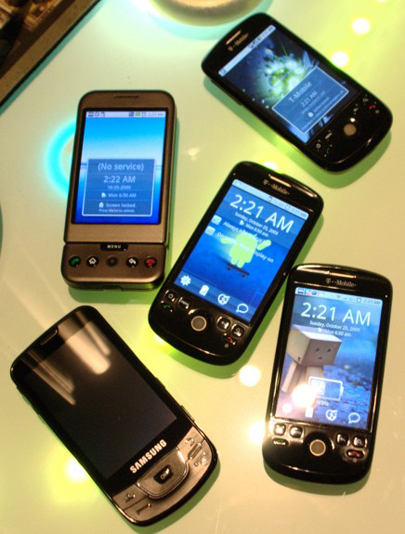
Apple users are encouraged to “Think Different” but when it comes to the actual hardware, they don’t get much choice. You can pick the color, either black or white, and you get to choose between the 16GB or the pricier 32GB version. Other than that, you’re stuck with the 3.5-inch, 320×480 pixel display, 256MB of RAM, and 600MHz processor. Because Android is an open platform, manufacturers have the freedom to pair it with any hardware they want, like the Nexus One (with 3.7-inch, 480×800 pixel display, 512MB of RAM, and 1GHz Snapdragon processor) or the Motorola Droid which has a physical keypad. Obviously, available selections will vary by carrier – speaking of which…. 6: Android Lets You Choose Your Carrier
AT&T truly is the iPhone’s weakest link. The iPhone’s success turned the country’s fastest 3G network into a staggering mess of dropped calls and dodgy data connections. If you lust after an iPhone and live in an area with poor AT&T coverage, you’re stuck struggling with low signal quality, slow data speeds, and missed calls. Android devices are available on every major cellular carrier (although AT&T only offers a single, somewhat underpowered, Android phone). Verizon has the Motorola Droid, Droid Eris, and Droid Incredible to start. T-Mobile has the Nexus One, MyTouch 3G, Behold II, and will soon carry the MyTouch Slide. And Sprint has the Hero, Moment, and plans for the very promising Evo 4G. No matter where you live, Android lets you pick the carrier that’s best for you. 7: Android Lets You Install Custom ROMs
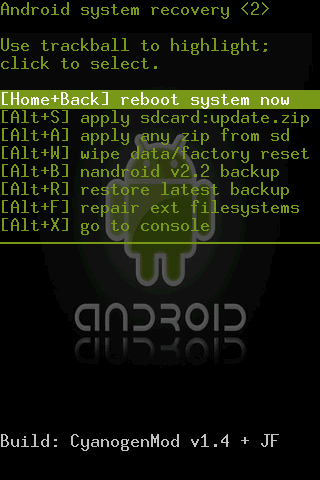
The iPhone can be Jailbroken for some additional functionality, like installing apps that aren’t available in the App Store, but the overall experience is the same. You’re still stuck with the same exact interface. Similar to the Jailbreaking movement, Android has a small community dedicated to building custom ROMs for Android devices. Not only do Custom ROMs bring the same functionality Jailbreaking does, but they also bring an additional level of customization to your phone. There are ROMs that port custom UIs from one device to another. Other ROMs strip down bulky features and optimize for speed. With Android, nothing is out of reach. 8: Android Lets You Change Your Settings Faster
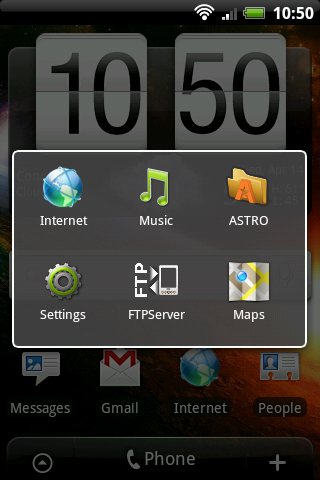
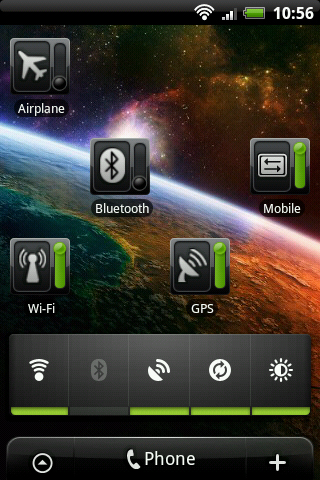
Smartphones have been gaining more and more functionality over the past few years: Wi-Fi, GPS, 4G, Bluetooth, etc. While these are all great and necessary additions, they have very adverse affects on battery life. In attempts to counter poor battery life, users have taken to toggling system settings like turning on Wi-Fi or 3G on only when they are needed. iPhone users are stuck digging around in the system settings every time they want to use the internet or a Bluetooth device. Android lets you use widgets to manage your settings directly from your home screen – and for those lesser-used settings that might not have dedicated widgets, you can also create shortcuts on your home screen to take you directly to the setting you want to change. 9: Android Does Google and Social Integration
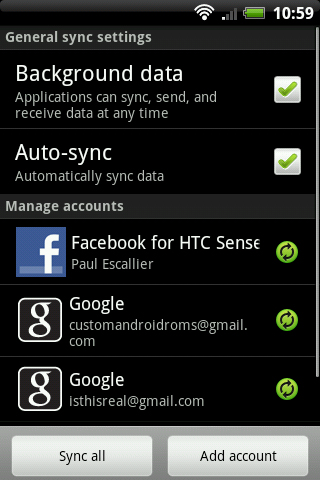
With Smartphones giving us constant connectivity, it’s not surprising that the majority of our computerized lives are moving online. We have email for our messages, Flickr for our photos, Google Docs for our documents, and Facebook and Twitter for our social lives. Android offers the ability to integrate all of this natively. Your Gmail account can be automatically synchronized with your phone. Photos taken with your phone can be automatically uploaded to Flickr. Your phone can even be linked to your Facebook account and can sync your phone contacts with your Facebook friends – complete with profile images, email addresses, and phone numbers. The iPhone can do this only through use of third party apps, and is nowhere near as seamless to use as the Android alternative. 10: Android Gives You More Options to Fit Your Budget
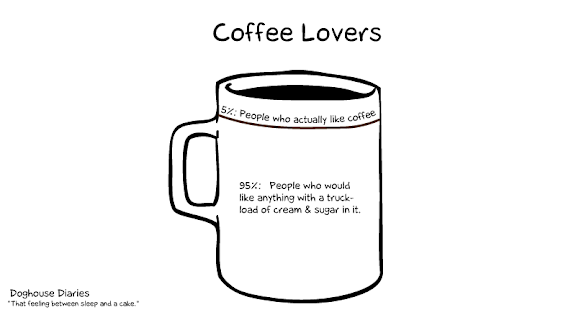
If you’ve ever thought about buying an iPhone, you have probably noticed the price tag. The older iPhone 3G costs $99 with a two-year commitment and performs sluggishly with the latest OS updates when compared to the 3GS (which will run you a whopping $199 with two-year agreement). Because Android is an open source platform, it is very cost effective to implement which means savings for the end user. Every major cellular carrier (except for AT&T) has at least one Android phone available free with two-year agreement. Of course these are lower end Android devices, but they are still comparable in performance to the iPhone 3GS. The most expensive Android phones (which significantly outperform the iPhone 3GS) are $199 with two-year contract. Bonus: Coffee Lovers
|






     
|
 
 |
(``-_-´´) BrinKadeiraS
 
 |
|
Posted: 04 Jun 2010 10:00 AM PDT
|

Submitted by: dunno source via Fail Uploader |
      
|
  
  
 |
|
"This is everything we asked for but not what we wanted." Posted: 04 Jun 2010 02:16 PM PDT Shared by josemota“This is everything we asked for but not what we wanted.” |
 
 |
|
Posted: 04 Jun 2010 02:27 AM PDT Pronto, parece que vai ser desta... Há muito que digo que é apenas uma questão de tempo até que os "discos" desapareçam e passem a fazer parte integrante do computador. Afinal, para quê andarem a chatear-se com múltiplos interfaces e barramentos - PCI, IDE, PCIe, Sata, etc. - para transferir dados, cada um adicionando atrasos? Placas SSD PCIe já existem há bastante tempo... mas talvez seja agora que comecem a popularizar-se, com estes OCZ RevoDrive.  Com capacidades de 128GB a 480GB, estes "SSD" ligados directamente ao barramento PCIe prometem velocidades de leitura e escrita de 540MB/s, e o melhor de tudo é que deverão ter um preço bastante competitivo (face às restantes alternativas), começando nos $400 USD. ... dêem-lhe mais uns anos, e isto passará a vir de série nas motherboards... :) |
  
  
 |
|
Posted: 04 Jun 2010 10:01 AM PDT |

  
 |
|
Try Google Docs Without a Google Account Posted: 04 Jun 2010 11:34 AM PDT Now you can try Google Docs even when you don't have a Google account. It's not difficult to create a Google account, but sometimes you want to show someone how Google Docs works without revealing sensitive information from your Google account. If you go to https://docs.google.com/demo/, you can start editing a document, a spreadsheet or a drawing and share the links with other people, so you can collaborate in real-time. Google says that the documents are only available for 24 hours from the time they are created. 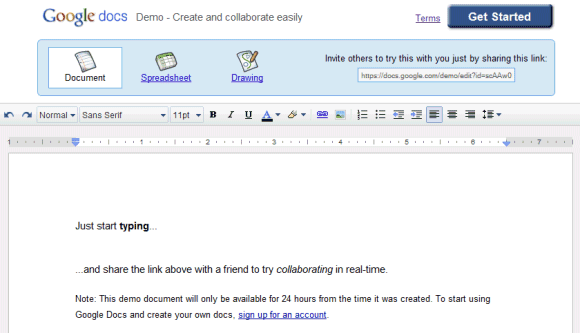 It would be nice to create documents in Google Docs or upload files to Google Docs without associating them to a Google account. Maybe they aren't very important or maybe they include important information that you aren't allowed to post. { via Matt Cutts } |
     
  
|
 |
|
Posted: 04 Jun 2010 02:19 PM PDT (``-_-) BrinKadeiraS ////////////////////////////// ///////////// |
Posted: 03 Jun 2010 02:02 PM PDT |
(``-_-) BrinKadeiraS |
 
 |
(``-_-´´) BrinKadeiraS
 
 |
|
Fancy tab adding and closing with Liquid Tabs Posted: 05 Jun 2010 09:20 AM PDT Perhaps you haven’t noticed but one thing Firefox lacks is smoothness. Not in the “coolness” sense but in smooth animations when doing some tasks like adding or removing tabs, raising dialogs, or opening sidebars. Firefox 4 is expected to bring animations later this year, and while some people may just consider it a computer power waste, if you are into eye candy, and smoothness, you may want to try Liquid Tabs which turns tab adding and closing into cooler, easier animations. You can set the speed and whether you want to fade in or out at the same time, at least on Windows 7. On Ubuntu 10.04, it was unable to keep my custom settings.
You can get Liquid Tabs from Mozilla Add-ons. |

  
 |
|
Posted: 04 Jun 2010 10:03 PM PDT  7-Zip is a file archiver with a high compression ratio. 7-Zip is a file archiver with a high compression ratio. |

  
 |
|
What does it mean for a browser to be fast? Posted: What does it mean for a browser to be fast? It turns out to be a bit hard to pin down, really. I was asked about this and tried to give a lightning talk at the recent Ubuntu Developer Summit on how we think about application speed in general but I think I didn't make my points well, so I thought I'd try to expand a bit here on what you ought to consider when comparing browsers. Benchmarks Many start with benchmarks. Benchmarks are loved by the tech press because they give a score and you can make nice charts to show relative scores. But benchmarks by their nature only measure a very specific thing and can only attempt to simulate what users will experience. For browsers, the majority of benchmarks are JavaScript benchmarks; while nobody disputes JavaScript's importance, it also is not the dominant speed factor for simple web pages, and most web pages are simple. I think the importance of recent work in improving JavaScript engines has more to do with the sorts of sites we will create in the future, like this JavaScript NES emulator, though certainly there are plenty of existing sites like Gmail that hugely benefit from the current generation of fast JS engines. The result of fixating on JavaScript benchmarks are frustrating comments like "Mozilla via Wine is faster than Linux-compiled Mozilla, therefore Mozilla doesn't care about Linux". This misinformed legend came from JavaScript benchmarks. But a browser's implementation of JavaScript is likely nearly identical code across platforms! I imagine the speed difference stemmed from the different qualities of compilers, and so the benchmarking difference Mozilla experienced ought to be the same for any other cross-platform browser. I find that comment frustrating on multiple levels. First, that the conclusion doesn't follow from the premise; second, that the premise isn't exactly true, because JS benchmarks don't matter as much as they're made out to; and then on top of that these benchmarks aren't even measuring the platform-specific code so the conclusion wouldn't follow even if the premise were true. Newer benchmarks are coming out that attempt to cover more than just JavaScript. A good example is Dromaeo, which has a portion of the test that benchmarks the DOM. But on that note, be wary of third-party benchmarks! John, the author of Dromaeo, knows more about web development than most browser developers do, so I am much less skeptical of his test than I am of others. It is very easy to write a performance test that looks good but doesn't measure something useful; see e.g. the SunSpider 0.9.1 announcement for a discussion of how a bug in the test framework interacts with power management, and that flaw existed in a test being written by experienced browser developers rather than random web enthusiasts. Cyclers A perhaps better measure is the end-to-end performance of loading a real web page; that incorporates the JavaScript engine as well as the rest of the web stack: parsing HTML, measuring fonts, etc. We and Mozilla (and I assume the other browser vendors) have test suites that run a set of on-disk pages through their browser. It would be natural for third parties to use these tests to compare browser rendering speeds except that the pages you'd like to test are real content like Yahoo's homepage, and copyrighted and therefore not republishable. (I know our set of pages is in a private repo; I glanced through Mozilla's MXR and only found what looks like a placeholder.) To make these tests repeatable, they load pages off the disk rather than fetching today's version of the web pages they test. (Same as the speed ads; look at the description there for technical notes.) None of the benchmarks discussed so far include network speed, and that's a shame: there are likely a ton of interesting things to be found in that area, like how different browsers use different per-host connection limits (a tradeoff: more requests in parallel, but you have to pay TCP slow start multiple times) or how Chrome will pre-fetch DNS of sites you typically visit on startup (this behavior in fact probably completely dominates any web-rendering or JS difference versus other browsers -- visit Even with network speed included there are other parts to a browser that affect performance, like the networking stack and the cache. I remember earlier in Chrome's development Mike discovered a network-level bug (my memory is vague but it was something buffering improperly, probably Nagle) that was causing us to fetch pages later than IE. The above tests wouldn't have revealed the performance improvement he had produced. Depending on how you determine when a page is done loading it may not even cover the time spent putting the pixels up on the screen. And loading Gmail is a crazy multi-second process involving multiple redirects and progress bars on top of the expected JS and rendering bits; I don't think anyone's tests cover Gmail load time yet. Stopwatch I think that sort of observation, that all tests are by their nature synthetic and don't cover real browsing, is the place from where Microsoft drew their browser benchmarks of last year, where they claimed IE 8 was the fastest browser available. Unfortunately, a benchmark where you say "we paid some people to look really hard at it and they concluded we were the fastest" doesn't convince a lot of people even if your intentions are pure. Though articles like this say it didn't pass the smell test, conceptually I think this sort of approach better captures what performance benchmarks are trying to measure. It is too bad this kind of test is not something you can reproduce reliably or I'm sure browser developers would all be optimizing for it. Perception and Jank But there are still other factors that make people call a browser fast. Continuing our journey from measurable hard numbers to fuzzier stopwatch tests, I assert that what matters more than your measured performance is what the user perceives as your speed, and in that respect here are a few more interesting areas to consider that are much farther away from web pages. One is UI latency (what we call "jank"). Does the browser respond quickly when you type in the URL bar? When you make a new tab? Peter did a talk on this which I haven't watched, but surely that goes into a lot of detail. This was the area I had hoped to most impress on the Ubuntu developers as being important to consider in the software they develop: small little hiccups cause you to feel the application is slow even if it can render a thousand pages in a second. (For example, I think the package updating tools in Ubuntu are particularly bad in this area.) I think this is the area where we outperform Mozilla the most, and why we've become increasingly popular on Linux, though it's difficult to quantify. One good example of a jank-reducing tactic is how inline autocomplete works in Chrome. When typing a URL, we attempt autocomplete the URL from your browsing history as well as show a drop-down of other things you may be looking for. To make it predictable what happens when you press enter, we synchronously autocomplete: there should never be a case where waiting some amount of time before pressing enter produces a different result from pressing enter immediately. But this means we can't autocomplete from data found on the disk, because waiting to load data from the disk would make the autocomplete laggy. The fix is to preload the entire completion set (it's small compared to your browsing history) into memory on startup. (But not exactly during startup -- there's actually a tiny window after you startup where typing in the URL bar doesn't autocomplete.) Startup We measure and optimize another performance stat that is almost entirely unrelated to the above categories: startup time. In my talk I picked on GNOME's calculator (in response they've already fixed it!), but there are plenty of other similar demos, like how I just counted to five after clicking the Ubuntu menu on my laptop before the menu came up. I've written posts before with more technical details about startup work we've done: both through benchmarking and fiddling with low-level system bits, but perhaps it's useful to step back and consider why it matters. I was skeptical at first, but now I strongly believe that the startup time of an app sets the expectation for the rest of the app. It's something of a placebo effect surely, but taking one step further along the unmeasurability spectrum I think what matters more than even the speed your user experiences is the speed your user thinks they're experiencing. When you start up as quickly as a light-weight app, people feel they're using a light-weight app even when that isn't the case (in reality, any browser that can render the web is kind of enormous, us included). For example, despite switching editors a year ago I find myself still instinctively using vi occasionally just because emacs takes so long to start, and I don't even realize I'm subconsciously avoiding emacs until after I type the wrong commands into vi and I notice I've forgotten how vi works. For some discussion of app startup, this Mozilla engineer's blog is definitely worth reading; I intend to steal his good ideas at some point. But more fundamentally, fast startup comes from doing less work at startup, which means careful engineering across all the code. Conclusion One rule I've learned from working on Chrome (it's been three years now, whoa) is that if you don't measure the performance of something, that performance will regress. It's just a natural consequence of how software development is done, where more time is spent adding things than removing things. To combat this we use buildbots running performance tests to generate charts (warning: enormous, browser-killing page), and our bots go red if performance regresses on those tests. (They frequently do, and then we fix the code.) If I could have you remember one thing from this post, it is this: benchmarks are useful to the extent you understand the technical details behind them. If you are not a browser developer, it is my professional opinion* that the best way to evaluate which browser is faster is to just try them out yourself on pages you care about. For example Opera users claim its many features make them able to browse faster, and if that is true for them then I hope they enjoy Opera. And whatever you do, don't repeat that Mozilla JS stat anymore -- it really bugs me. * Professional to the extent that it is my opinion as a professional, not that this is in any way a statement on behalf of my employer. |
 
 |
|
Posted: 05 Jun 2010 12:22 AM PDT  Se até ao momento o Firefox e as suas infindáveis extensões eram a escolha acertada para todos os Web Developers, com as extensões do Google Chrome as coisas começam agora a mudar. É que o Chrome está cada vez mais atractivo para os Web Developers, e aqui estão algumas das extensões aconselhadas. O Speed Tracer permite analisar o tempo que a vossa página/webApp está a gastar em cada secção, e rapidamente determinar se têm problemas no Javascript, CSS, etc.  Para ver como o vosso projecto irá aparecer nas múltiplas resoluções existentes nos diversos dispositivos, nada como este Resolution Test.  Depois, a sempre obrigatória extensão Web Developer, que depois de ter nascido no Firefox, passou também a estar disponível no Chrome.  E este Chrome Editor pode poupar-vos algum tempo, permitindo editar código directamente no chrome, sem que tenham que andar a saltar entre um editor e o browser. |
  
  
 |
|
Posted: 05 Jun 2010 02:04 PM PDT (``-_-) BrinKadeiraS ////////////////////////////// ///////////// |
Have you felt watched today? |
Posted: 04 Jun 2010 11:55 AM PDT |
////////////////////////////// /////////////  
 |
(``-_-´´) BrinKadeiraS
- Cats vs. Dogs ((tag: infographic)
- Top 10 Most Pirated Movies on BitTorrent
- Couples Retreat
- Bill Gates says the iPad isn’t ‘there yet’
- FileZilla 3.3.3 RC1
- I beg your pardon?
- From Binary To Unary
- 35 Seriously Creative Examples of Digital Artworks
- Indiano Não Come há 7 Anos?
- Gestores podem ser obrigados a pagar do seu bolso se obras derraparem
- BrinKadeiraS
|
Cats vs. Dogs ((tag: infographic) Posted: 06 Jun 2010 02:51 AM PDT |
 
 |
|
Top 10 Most Pirated Movies on BitTorrent Posted: 07 Jun 2010 12:47 AM PDT
The data for our weekly download chart is collected by TorrentFreak, and is for informational and educational reference only. All the movies in the list are DVDrips unless stated otherwise. RSS feed for the weekly movie download chart.
Article from: TorrentFreak. | ||||||||||||||||||||||||||||||||||||||||||||||||
 This week there are five newcomers in the top 10. She’s Out of My League is the most downloaded movie on BitTorrent this week.
This week there are five newcomers in the top 10. She’s Out of My League is the most downloaded movie on BitTorrent this week.  
 |
|
Posted: 07 Jun 2010 01:50 AM PDT  Ora, tratando-se de um filme escrito e protagonizado por amigos "da vida real" (Vince Vaughn, Jon Favreau) não é de estranhar que o filme seja igualmente realizado por Peter Billingsley - também grande amigo de Vince Vaughn. No fundo, é um "feel good movie", onde são criticadas algumas das formas como muita gente vai vivendo as suas vidas... e talvez procurando chamar a atenção para que se dê mais valor aquilo que temos à nossa volta. Um bom filme de domingo à tarde e com um elenco onde até Jean Reno dá uma perninha. :) |
  
  
 |
|
Bill Gates says the iPad isn’t ‘there yet’ Posted: 04 Jun 2010 08:00 AM PDT
Bill Gates, the chairman of Microsoft, was on Larry King Live on CNN last night. (Larry King’s still on the air? Gotcha.) He was there with his father, William Henry Gates, Sr., and they talked about a number of fun and exciting things. And wouldn’t you know it, the iPad was one of those things. His take on Apple’s “magical and revolutionary” thingamajig? It’s “not quite there yet.” That’s fair to say, no? Said Mr. Gates:
I do generally agree with Gates here, that the iPad is just short of being all that it can be, but not for the reasons he lists here. Like, what’s with Gates’ infatuation with making the iPad meeting-friendly, so to speak? Since when have Apple products lived and died by how well they do in the corporate environment? The average person doesn’t look at the iPad, and lust after all those Apps, but then say, “You know, if only I could bring this into my team meeting, then it’d be perfect.” Note that this isn’t the first time Gates has given his thoughts on the iPad. The iPad is a consumer device. People use it to watch Netflix movies, not to fiddle with spreadsheets or whatever. |


 |
|
Posted: 06 Jun 2010 10:19 PM PDT  FileZilla Client is a fast and reliable cross-platform FTP, FTPS and SFTP client with lots of useful features and an intuitive graphical user interface. FileZilla Client is a fast and reliable cross-platform FTP, FTPS and SFTP client with lots of useful features and an intuitive graphical user interface. |

  
 |
|
Posted: 07 Jun 2010 04:30 AM PDT  Da prestigiada Universidade de Canibridge. Imagem enviada por Rui Silva Da prestigiada Universidade de Canibridge. Imagem enviada por Rui Silva |
  
 |
|
Posted: 07 Jun 2010 01:41 AM PDT
|


 |
|
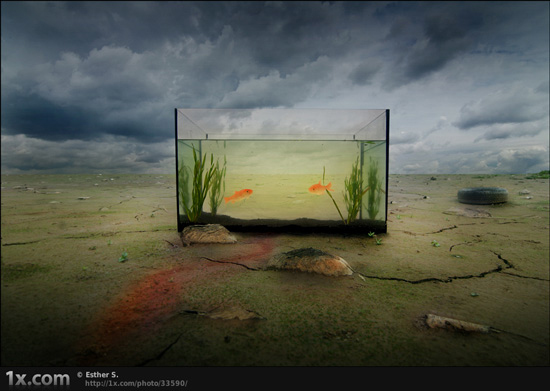
35 Seriously Creative Examples of Digital Artworks Posted: 06 Jun 2010 03:16 PM PDT Collected by WDCore Editorial Creativity has no boundary, no limit, and no measurement; it is basically the act of turning new and imaginative ideas into reality. It involves critical thinking and then turning your imagination into reality. There are many artists who are well-versed with converting their dreams and imagination into paper, canvas, and computer screen; and because of this ability or you can say because of their creativity, they are not only gaining fame but earning handsome money. But at some point, almost every artist feels uninspired and uncreative. So, here’s the instant help on getting over creative burnout and getting your enthusiasm and creativity back. In this post we have gathered some of most creative artworks for your inspiration; we hope that you will like this collection. Mechanical
Tortured Souls – Birdhouse
Every boys dream
Separated Unity
Reborn
KUKUTIS
A Distant Future
High levels
Creative mind
Private piece of hope
SUBREPO PROFUNDUM (creep up from a chasm)
Skeleton
Soul Collector
Betrayal in the Shallows
Saved
Air freshening!
Venus in furs
Meduse
Human Clothes Hanger
Ironman
…
Desert and clouds
Bear and child
Home of the dwarfs
AQUA
Skeleton
Skeleton
Gå din egen väg
As I See It
Revelation fields
Creative
Queen of Heart
Coming Undone
Wintermoon
One Annual Assmus |
































  
|

 
 |
|
Posted: 06 Jun 2010 05:58 AM PDT  Algo certamente impossível e que vai contra todas as leis da Natureza, mas que dizem ter sido confirmado após ter permanecido sob vigilância constante durante duas semanas, não tendo ingerido comida nem bebida, nem urinado nem defecado durante todo o período. Que o corpo e a mente humana têm capacidades incríveis (incluindo as famosas células imortais HeLa) já todos sabemos... mas uma pessoa que vive sem ingerir alimentos e água... parece-me demasiado incrível para ser verdade. |
 
  
 |
|
Gestores podem ser obrigados a pagar do seu bolso se obras derraparem Posted: 06 Jun 2010 12:00 PM PDT  O Tribunal de Contas (TC) recomenda ao Governo uma alteração legislativa no sentido de responsabilizar os gestores públicos financeira e administrativamente caso não cumpram com rigor a contratação de obras públicas. O TC defende "o estabelecimento de normas legislativas que, de forma clara e inequívoca, responsabilizem administrativa e financeiramente os gestores que não promovam o exigido rigor dos projectos de obras públicas". Esta é uma das principais recomendações do relatório que analisou os trabalhos a mais nos contratos de empreitadas e que segundo o Tribunal, liderado por Guilherme Oliveira Martins, ascendem a 259,7 milhões de euros entre 2006 e 2009. Neste período, o número de contratos adicionais remetidos ao TC foi de 2.712, o que obrigou a uma análise mais minuciosa dos contratos recebidos até 30 de Junho de 2008, cerca de 1.701, dos quais 1.607 respeitavam a empreitadas de obras públicas. Só estes últimos foram responsáveis por um acréscimo ao custo inicial das obras em 139,9 milhões de euros. Aliás, os autores do relatório de auditoria constataram em 305 dos casos que as alterações aos projectos iniciais resultaram, precisamente da "vontade do dono da obra", argumento "que não pode, em caso algum, fundamentar a realização de trabalhos adicionais", refere o documento. Contas feitas, metade dos contratos de obras públicas foram alvo de contratos adicionais, o que levou a um desvio financeiro global de 9,85%, sendo o acréscimo médio de 11,46%. O dado detectado consiste no facto de quase um quarto das novas adjudicações verificar um acréscimo entre os 20% e 25% (25% é o limite legal para acréscimo de custos numa obra). Refira-se ainda a este propósito que em quase 1% das obras "foi excedido o limite legal de acréscimo de custos.", in Economico. Isto sim era o tipo de coisas necessarias para endireitar o pais! Fico extremamente satisfeito com esta sugestao do Tribunal de Contas (espero e que passe de sugestao a accao)! Estou farto de dizer que, enquanto nao responsabilizarmos quem nos anda a fornicar, e impossivel corrigir os problemas. Ao tempao que ando a falar nisto... Sem penalizacoes, acabamos por ter obras que, no final, custam muito mais do que o originalmente estimado, atrasam-se imenso e ninguem se lixa (excepto o cidadao). E, em cima disto tudo, acabamos por nao ter concursos publicos transparentes (ja que o derrape de tempo e dinheiro nao sao tomados em conta durante a seleccao do candidato ao projecto)! |
  
 |
|
Posted: 06 Jun 2010 02:04 PM PDT (``-_-) BrinKadeiraS ////////////////////////////// ///////////// |
Posted: 06 Jun 2010 11:17 AM PDT |


(``-_-´´) BrinKadeiraS
- BrinKadeiraS
- Encontros Mensais
- Não levem a coisa tão a peito
- É tudo igual, pá!
- iPad ao Volante
- Notícias do Dia
- Smokescreen - Flash via Javascript
- Victoria's Secret: Ouch!
|
Posted: 07 Jun 2010 02:07 PM PDT (``-_-) BrinKadeiraS ////////////////////////////// ///////////// |
Cats vs. Dogs ((tag: infographic) |
Posted: 06 Jun 2010 02:51 AM PDT |


|
Posted: 08 Jun 2010 01:44 PM PDT |
 
|
 |
|
Posted: 08 Jun 2010 07:26 AM PDT   Centro Comercial Colombo Centro Comercial Colombo |
  
 |
|
Posted: 07 Jun 2010 10:30 AM PDT  Expresso Online. Imagem enviada por Nuno Lima Expresso Online. Imagem enviada por Nuno Lima |
  
 |
|
Posted: 07 Jun 2010 12:48 AM PDT Enquanto a busca continua por um iPad que chegue em tempo útil, noutros países a fartura é tanta que até demonstram como o iPad se pode tornar no "melhor amigo do condutor"! Ora bem... pelas minhas estimativas, se um 1% dos americanos aderir a isto, significa que iremos ter uma dose extra de iPads disponíveis no mercado... embora possam vir um pouco arranhados por causa dos acidentes... :) Gosto especialmente da parte em que dizem que isto foi feito por um "condutor habilidoso" e em "circuito fechado"! :) |
  
  
|
 |
|
Posted: 07 Jun 2010 07:13 AM PDT Enquanto todos os olhos se viram para a apresentação do novo iPhone logo ao fim da tarde (com acompanhamento em directo na chat room ali na coluna lateral), outras coisas vão preenchendo o dia. Magic Trackpad Bluetooth da Apple  Parece que a Apple não desiste de tornar o "toque" numa forma cada vez mais habitual de interacção com os computadores, e este Magic Trackpad promete vir a tornar-se num acessório indispensável para o futuro. (Eu bem sei que por vezes dou comigo a utilizar o iPhone apenas como rato para contrar o meu media-center à distância com a App TouchMouse da Logitech - mas um trackpad deste tipo podia resolver o assunto. :) Dell Streak  Se estão com os olhos postos no Dell Streak, os moços do Engadget já conseguiram pôr as mãos num e fazer uma análise... e o aparelho parece aprovar, mesmo se ainda utiliza o "obsoleto" Android 1.6 - com o 2.1 seria sem dúvida ainda mais apelativo. Quem sabe... depois de arrumar o assunto do iPad, poderemos considerar um brinquedo deste para a próxima ronda de aquisições? :) E por falar em Androids... HTC EVO 4G - Amaldiçoado pela Sprint? Novamente assistimos a um caso de excelente hardware onde, devido à "personalização" do Android pela operadora (neste caso a Sprint)... se levantam questões de segurança. Aparentemente as alterações feitas pela Sprint fazem com que seja bastante simples aceder aos vossos dados "privados". Ai... porque não deixam o Android descansadinho tal como vem, em vez de andarem a inventar... ainda por cima fazendo-o mal? (E nem me refiro a instalar o Android 2.2 num iPhone! :) LCD Sharp sem "margens"  Agora que os tamanho dos LCDs de 40 e 50" se tornaram comuns, a próxima guerra é a da diminuição das inestéticas molduras e margens em redor dos ecrãs. E a Sharp parece estar bem encaminha, com estes seus paineis LCD LED de 60" que têm apenas alguns milímetros de margem inútil em seu redor. São apenas 6.5mm de espaço "morto" a separar os ecrãs... e quando se juntam 30 deles, o resultado é este: Excesso de informação e Emails? Um interessante artigo sobre o excesso de informação com que temos que lidar diariamente,e que neste caso extremo quase fez com um empreendedor perdesse a oportunidade de vender a sua empresa por uns milhões de dólares. Já pensaram no que isso pode significar? No meio de tanto emails "irrelevantes" poderão ter perdido algum email verdadeiramente importante?... Para pensar... seriamente. |
  
  
 |
|
Smokescreen - Flash via Javascript Posted: 07 Jun 2010 07:45 AM PDT Quando se diz que praticamente tudo é possível via javascript... é mesmo tudo. Que vos parece a ideia de correr um Flash, utilizando apenas javascript?  Obviamente trata-se apenas de um projecto que tenta provar que é possível, e há muito ainda por fazer: muitas das funcionalidades avançadas do Flash não são suportadas, o desempenho deixa ainda bastante a desejar, etc. etc. Mas, não deixa de ser uma ideia engraçada... E é preciso não esquecer que tempos houve em que seria impensável ter um emulador de ZX Spectrum a correr em javascript. :) Smokescreen - iPad demo #1 from Chris @ RevShockAds on Vimeo. |
  
  
 |
|
Posted: 07 Jun 2010 01:54 PM PDT |

  
 |
(``-_-´´) BrinKadeiraS
- En dosis diarias
- Marge Simpson is Europe in disguise
- Advertising Fail
- Weather Forecast Win
- 2010-06-08 Trunk builds
- MzMgWWVhcnMgT2xkIGFuZCBDb3VudGluZwo=
- Music Section Win
- Twitter: links serão independentes dos 140 caracteres
- Notícias do Dia
- Application Visibility Issues
- Google's Special Results for the Football World Cup
- How To Become An Awesome Coder - Part 1
- BrinKadeiraS
|
Posted: 02 Jun 2010 08:00 PM PDT |
 
 |
|
Marge Simpson is Europe in disguise Posted: 14 May 2010 12:27 AM PDT  I bet you didn't know this. Marge Simpson was actually modeled after the coastlines of Europe. True story. [via Strange Maps] |
   
  
 |
|
Posted: 08 Jun 2010 07:00 AM PDT
Submitted by: matas-lt via Fail Uploader |

      
|
  
  
|
 |
|
Posted: 09 Jun 2010 07:00 AM PDT
Storm trooper does local weather forecast in San Antonio, Texas. |

Submitted by: dunno source via Fail Uploader |
      
|
  
  
|
 |
|
Posted: 08 Jun 2010 07:53 AM PDT Fixes:
Fixes for recent regressions:
|


 |
|
MzMgWWVhcnMgT2xkIGFuZCBDb3VudGluZwo= Posted: 09 Jun 2010 06:05 AM PDT Believe it or not, you can figure this out on any Unix-like operating system. Should keep you guessing for at least a few minutes. by9+IFlvdSd2ZSBoYWQgYSBiaXJ0aGRheSwgc2hvdXQgaHVycmF5ISBXZSB3YW50IHRvIHNpbmcg dG8geW91IHRvZGF5LiBPbmUgeWVhciBvbGRlciBhbmQgd2lzZXIgdG9vLiBIYXBweSBCaXJ0aGFk eSwgdG8geW91ISBvL34K |

 
 |
|
Posted: 07 Jun 2010 12:00 PM PDT
Picture by: dunno source Submitted by: dunno source via Fail Uploader |

      
|
  
  
|
 |
|
Twitter: links serão independentes dos 140 caracteres Posted: 09 Jun 2010 05:19 AM PDT
Sean Garrett (@SG) anunciou no blog oficial do Twitter que a rede social irá renovar a maneira como os URLs são gerados e mostrados na rede social. A grande razão por detrás destas mudanças têm a ver, principalmente, com a segurança dos utilizadores. Actualmente ao vermos um link encurtado, como por exemplo: http://bit.ly/5dnAk, não temos a certeza de qual será o seu destino final e se conterá algum malware. De modo a combater este problema, os links passarão a ser automaticamente encurtados usando o serviço de URL Shortening do próprio Twitter, o t.co. Outra boa notícias é que o URL gerado não contará para os 140 caracteres do tweet! A maneira como os links serão mostrados ainda permanece em dúvida, mas Sean avança uma possível hipótese no post:
Este serviço, por enquanto, apenas está disponível para os funcionários do Twitter @raffi e @rsarver e para o profile @twitterapi, mas ao poucos mais utilizadores terão acesso a esta funcionalidade, tal como já aconteceu anteriormente para as funcionalidades das Listas e Retweets. O Twitter conta de fazer chegar esta funcionalidade a todos os utilizadores durante este Verão. WebTuga - Boorlix - TugaTronica - WebTuga TV - GameTuga - AppleTuga - TugaSport - MobileTuga - DeskmodPT - Ate Tem Piada - Blog dos Famosos - Alojamento Nacional WebTuga - Twitter: links serão independentes dos 140 caracteres |

  
 |
|
Posted: 09 Jun 2010 04:31 AM PDT Um ecrã Plasma super gigante 3D, iPhones, iPads, Twitter, Androids, e muito mais. Twitpic com FaceTagging  Enquanto o Twitter se prepara para limpar tudo e todos com o seu próprio serviço de encurtamento de urls, que passará a ser "obrigatório" independentemente de preferirem outros, o Twitpic - que por este andar em breve também deixará de ser necessário, assim que o Twitter decidir que afinal também passa a gerir as fotos - passa agora a contar com a possibilidade de marcarem os rostos das pessoas nas fotos. O novo iPhone 4 pela perspectiva Android Demonstrando que o novo iPhone é bom mas que isso não será suficiente para atrair os fãs do Android, aqui está uma excelente análise de alguém que não parece ter problemas em abordar as questões reais destas duas plataformas. Aproveito para salientar algumas questões bem pertinentes:
[Phone 4 vs Droid Incredible vs Android Evo 4G vs Nexus One tech specs]  Notificações do WebOS a caminho do iPhone? 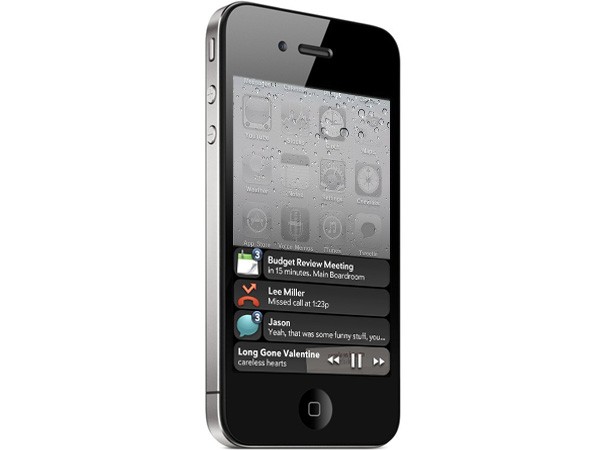 Era o que dizia... até poderemos ter que esperar mais uns meses... mas notificações em condições no iPhone... estão a caminho! :) Plasma de 152" 4K 3D!  É que a Panasonic acaba de anunciar um Plasma de 152", que para além de ser 3D (meh!) tem uma resolução de 4096x2160 (4x superior ao HD 1080p.) E nem precisam de arranjar desculpas para não o levarem para casa dos vossos amigos... é que com um peso de 590Kg... acho que nem os ladrões se vão aventurar a pegar nele! :) iPad: Sucesso Garantido!  Se dúvidas houvesse - relembro que houve (e ainda há) muita gente que dizia que o iPad não ia ter qualquer sucesso! - o iPad parece destinado a tornar-se num dos produtos mais bem sucedidos de sempre! Os analistas já actualizaram as estimativas de vendas deste ano para 10 milhões de unidades - bem acima dos 6 milhões estimados anteriormente. E nós vamos fazer por isso, oferecendo o nosso iPad já nos próximos dias! Ah pois! :) |
  
  
 |
|
Posted: 08 Jun 2010 01:13 PM PDT Recently we became aware that some Android applications were not visible on the Android Market. While we were internally troubleshooting and qualifying the fix and communicating with our hardware partners, developers were trying hard to get our help through various technical support sites. Regrettably, we fell short of our own standard for customer support by not communicating the issue to our developers and how we were working to resolve it. We’re pleased to say that the issue looks to be resolved with a patch, and to our best knowledge, all apps that were previously impacted are up and visible again. Again, apologies for the delay and inconvenience this created. |
 
  
 |
|
Google's Special Results for the Football World Cup Posted: 08 Jun 2010 10:59 AM PDT Google started to show a special OneBox for the FIFA World Cup, the international football tournament that will start Friday in South Africa. If you search for "world cup", you can see a list of the teams and the upcoming matches. 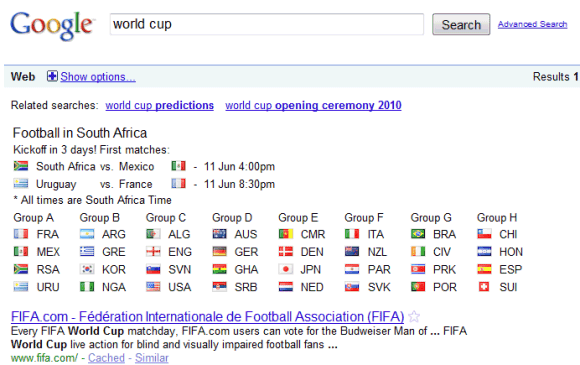 At the bottom of the page, Google replaced "Goooooooooogle" with "Gooooooooooal!", at least for the first page of search results. 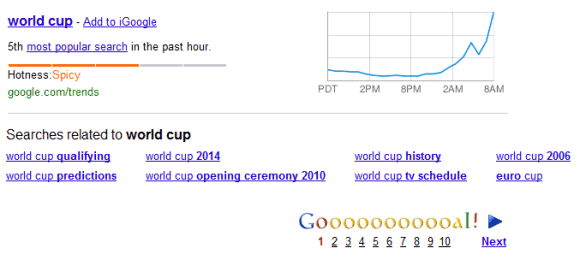 Google Street View is now available for South Africa and you can see the 10 World Cup stadiums in a gallery. Google Earth links to 3D models of the stadiums and the 9 cities that host the World Cup. { via John Mueller and Websonic } |
   
 |
 
 |
|
How To Become An Awesome Coder - Part 1 Posted: 08 Jun 2010 11:48 AM PDT |


 |
|
Posted: 08 Jun 2010 02:05 PM PDT (``-_-) BrinKadeiraS ////////////////////////////// ///////////// |
Posted: 07 Jun 2010 02:07 PM PDT |
 
 |
(``-_-´´) BrinKadeiraS
- Belas localidades portuguesas
- O caçador de pérolas
- Have I solved my Droid Incredible storage problem?
- O que é um Back Illuminated Sensor?
- v5.0.8-N1-test3
- Twitter still affected by networking error
- Making Sense of Multitouch
- Google Web Alerts No Longer Available
- Notícias Google
- Livra o teu Telemóvel do Operador... Mas só em Setembro!
- Every Sitcom Uses The Same Newspaper
- The 10 Golden Rules For Coders
- Apple: Oh Adobe Look What You Made Me Do Now
- Google Voice to Integrate with Gmail as a VoIP Service
- BrinKadeiraS
|
Posted: 10 Jun 2010 01:36 PM PDT  Carvoeira, Concelho de Torres Vedras. Via Portugal Porreiro Carvoeira, Concelho de Torres Vedras. Via Portugal Porreiro |
  
 |
|
Posted: 10 Jun 2010 11:11 AM PDT .JPG)   
 |
|
Have I solved my Droid Incredible storage problem? Posted: 09 Jun 2010 11:36 PM PDT This past weekend, I wrote a post about a problem that my beloved Droid Incredible was experiencing. Â It turns out that I wasn’t alone in my issues surrounding bizarre memory errors (check out that last link for some good pictures of the error - thanks, WJD!). It also turns out that HTC didn’t have a [...] |
 
 |
|
O que é um Back Illuminated Sensor? Posted: 10 Jun 2010 05:31 AM PDT O novo iPhone 4 vai trazer uma câmara de 5Mp, que teve direito a menção especial durante a sua apresentação, pois utiliza um sensor Back Illuminated. Mas então o que é um Back Illuminated Sensor? Ao contrário do que o nome possa indicar, um sensor CMOS back illuminated recebe na realidade a luz "pela frente". Num sensor CMOS tradicional (front-illuminated) a luz tem que viajar através de várias camadas até chegar à superfície foto-sensível que compõe cada pixel individual.
 Ora, um sensor back-illuminated inverte o posicionamento das duas últimas camadas, fazendo com que a camada metálica não interfira com a captação de luz pelos foto-díodos. Porque é que isto não foi sempre assim? É simples, o processo de fabricação destes sensores é mais complexo e dispendioso, e só recentemente começou a ser adoptado em maior escala - em parte graças à necessidade de maior "qualidade" e não apenas maior "quantidade" de pixeis. Como muitos já devem ter percebido, há muitas câmaras com muitos megapíxeis que efectivamente tiram piores fotografia que outras com menos resolução. Isso porque na ânsia de aumentar os megapixeis - e sendo o custo dos sensores proporcional à sua área - os fabricantes optam por reduzir o tamanho de cada pixel, de forma a manter os custos. Com pixels mais pequenos, a sensibilidade à luz diminui, e o nível de ruído aumenta. Com estes sensores back illuminated, os fabricantes só têm a ganhar:  - ou então - Podem optar por manter a mesma área de fabrico, aumentando a resolução e/ou tamanho de cada pixel, com melhorias na qualidade de imagem:  Um sensor back illuminated é bastante mais sensível à luz do que um sensor CMOS convencional. Mas, nada como esperar por um iPhone 4, para que se possa testar isto na prática! :) |
  
  
 |
|
Posted: 10 Jun 2010 10:57 AM PDT |
 
 |
|
Twitter still affected by networking error Posted: 10 Jun 2010 02:45 AM PDT Twitter suffered from some noticeable site availability issues last night, and is still running at a higher than usual latency this morning:
Twitter identified the cause of the incident as an "error with networking equipment", which caused the site to run noticeably slowly, sometimes even causing the fail whale to come out for a swim. A few hours later, an update revealed that the networking problem had not quite gone away, although the site does appear to be fully functional now. Features such as searching, sidebar data and profile image uploads were temporarily disabled last night to try and stabilize the site's performance. Netcraft's live uptime graphs for twitter.com can be viewed here. |

 
 |
|
Posted: 09 Jun 2010 08:37 PM PDT  [This post is by Adam Powell, one of our more touchy-feely Android engineers. — Tim Bray] The word “multitouch” gets thrown around quite a bit and it’s not always clear what people are referring to. For some it’s about hardware capability, for others it refers to specific gesture support in software. Whatever you decide to call it, today we’re going to look at how to make your apps and views behave nicely with multiple fingers on the screen. This post is going to be heavy on code examples. It will cover creating a custom View that responds to touch events and allows the user to manipulate an object drawn within it. To get the most out of the examples you should be familiar with setting up an Activity and the basics of the Android UI system. Full project source will be linked at the end. We’ll begin with a new View class that draws an object (our application icon) at a given position: MotionEventThe Android framework’s primary point of access for touch data is the android.view.MotionEvent class. Passed to your views through the onTouchEvent and onInterceptTouchEvent methods, MotionEvent contains data about “pointers,” or active touch points on the device’s screen. Through a MotionEvent you can obtain X/Y coordinates as well as size and pressure for each pointer. MotionEvent.getAction() returns a value describing what kind of motion event occurred. One of the more common uses of touch input is letting the user drag an object around the screen. We can accomplish this in our View class from above by implementing onTouchEvent as follows: The code above has a bug on devices that support multiple pointers. While dragging the image around the screen, place a second finger on the touchscreen then lift the first finger. The image jumps! What’s happening? We’re calculating the distance to move the object based on the last known position of the default pointer. When the first finger is lifted, the second finger becomes the default pointer and we have a large delta between pointer positions which our code dutifully applies to the object’s location. If all you want is info about a single pointer’s location, the methods MotionEvent.getX() and MotionEvent.getY() are all you need. MotionEvent was extended in Android 2.0 (Eclair) to report data about multiple pointers and new actions were added to describe multitouch events. MotionEvent.getPointerCount() returns the number of active pointers. getX and getY now accept an index to specify which pointer’s data to retrieve. Index vs. IDAt a higher level, touchscreen data from a snapshot in time may not be immediately useful since touch gestures involve motion over time spanning many motion events. A pointer index does not necessarily match up across complex events, it only indicates the data’s position within the MotionEvent. However this is not work that your app has to do itself. Each pointer also has an ID mapping that stays persistent across touch events. You can retrieve this ID for each pointer using MotionEvent.getPointerId(index) and find an index for a pointer ID using MotionEvent.findPointerIndex(id). Feeling Better?Let’s fix the example above by taking pointer IDs into account. There are a few new elements at work here. We’re switching on action & MotionEvent.ACTION_MASK now rather than just action itself, and we’re using a new MotionEvent action constant, MotionEvent.ACTION_POINTER_UP. ACTION_POINTER_DOWN and ACTION_POINTER_UP are fired whenever a secondary pointer goes down or up. If there is already a pointer on the screen and a new one goes down, you will receive ACTION_POINTER_DOWN instead of ACTION_DOWN. If a pointer goes up but there is still at least one touching the screen, you will receive ACTION_POINTER_UP instead of ACTION_UP. The ACTION_POINTER_DOWN and ACTION_POINTER_UP events encode extra information in the action value. ANDing it with MotionEvent.ACTION_MASK gives us the action constant while ANDing it with ACTION_POINTER_INDEX_MASK gives us the index of the pointer that went up or down. In the ACTION_POINTER_UP case our example extracts this index and ensures that our active pointer ID is not referring to a pointer that is no longer touching the screen. If it was, we select a different pointer to be active and save its current X and Y position. Since this saved position is used in the ACTION_MOVE case to calculate the distance to move the onscreen object, we will always calculate the distance to move using data from the correct pointer. This is all the data that you need to process any sort of gesture your app may require. However dealing with this low-level data can be cumbersome when working with more complex gestures. Enter GestureDetectors. GestureDetectorsSince apps can have vastly different needs, Android does not spend time cooking touch data into higher level events unless you specifically request it. GestureDetectors are small filter objects that consume MotionEvents and dispatch higher level gesture events to listeners specified during their construction. The Android framework provides two GestureDetectors out of the box, but you should also feel free to use them as examples for implementing your own if needed. GestureDetectors are a pattern, not a prepacked solution. They’re not just for complex gestures such as drawing a star while standing on your head, they can even make simple gestures like fling or double tap easier to work with. android.view.GestureDetector generates gesture events for several common single-pointer gestures used by Android including scrolling, flinging, and long press. For Android 2.2 (Froyo) we’ve also added android.view.ScaleGestureDetector for processing the most commonly requested two-finger gesture: pinch zooming. Gesture detectors follow the pattern of providing a method public boolean onTouchEvent(MotionEvent). This method, like its namesake in android.view.View, returns true if it handles the event and false if it does not. In the context of a gesture detector, a return value of true implies that there is an appropriate gesture currently in progress. GestureDetector and ScaleGestureDetector can be used together when you want a view to recognize multiple gestures. To report detected gesture events, gesture detectors use listener objects passed to their constructors. ScaleGestureDetector uses ScaleGestureDetector.OnScaleGestureListener. ScaleGestureDetector.SimpleOnScaleGestureListener is offered as a helper class that you can extend if you don’t care about all of the reported events. Since we are already supporting dragging in our example, let’s add support for scaling. The updated example code is shown below: This example merely scratches the surface of what ScaleGestureDetector offers. The listener methods receive a reference to the detector itself as a parameter that can be queried for extended information about the gesture in progress. See the ScaleGestureDetector API documentation for more details. Now our example app allows a user to drag with one finger, scale with two, and it correctly handles passing active pointer focus between fingers as they contact and leave the screen. You can download the final sample project at http://code.google.com/p/android-touchexample/. It requires the Android 2.2 SDK (API level 8) to build and a 2.2 (Froyo) powered device to run. From Example to ApplicationIn a real app you would want to tweak the details about how zooming behaves. When zooming, users will expect content to zoom about the focal point of the gesture as reported by ScaleGestureDetector.getFocusX() and getFocusY(). The specifics of this will vary depending on how your app represents and draws its content. Different touchscreen hardware may have different capabilities; some panels may only support a single pointer, others may support two pointers but with position data unsuitable for complex gestures, and others may support precise positioning data for two pointers and beyond. You can query what type of touchscreen a device has at runtime using PackageManager.hasSystemFeature(). As you design your user interface keep in mind that people use their mobile devices in many different ways and not all Android devices are created equal. Some apps might be used one-handed, making multiple-finger gestures awkward. Some users prefer using directional pads or trackballs to navigate. Well-designed gesture support can put complex functionality at your users’ fingertips, but also consider designing alternate means of accessing application functionality that can coexist with gestures. |
 
  
 |
|
Google Web Alerts No Longer Available Posted: 10 Jun 2010 08:40 AM PDT Google will no longer offer alerts for web search results and will replace them with comprehensive alerts that include results from Google Web Search, Google News and Blog Search. Marcel Gordon, Product Manager for Google Alerts, says that web alerts weren't very popular. "We've decided to retire Web alerts because they are used by very few people and an alert of type Everything will find the same results. This week we'll be changing all alerts of type Web into alerts of type Everything. You may receive more results after this change. If you find that you are getting too many results, you can change the "How often" setting to "once a day" or "once a week." You can also change your search query. You can do this on the alerts management page, or by removing the alert using the link at the bottom of each alert email and creating it again with different settings."  Maybe Google should discontinue Google Alerts and provide regular feeds for search results. Right now, you can create feeds for web search results using Google Alerts, but they have URLs that can't be generated automatically. Google News, Blog Search, and Google Video already offer feeds for search results. { Thanks, Abhijeet. } |
   
  
 |
|
Posted: 09 Jun 2010 06:38 AM PDT Para além da navegação do Google Maps estar finalmente disponível em Portugal, o dia de hoje marca ainda outras novidades do Google. Google Voice Search em Português Sim, para além da navegação, o Google Update: afinal ainda não foi desta; desculpem... É o que dá não ter um Android para confirmar o que me dizem. :) Novo Google Gmail Chat  Google acelerado com Caffeine 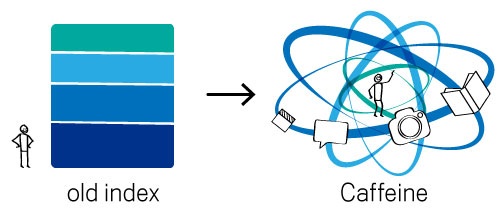 Numa internet cada vez mais sedenta pelas últimas notícias, já não basta aceder a resultados com meses ou anos de existência. Por isso mesmo o Google implementou um novo motor de pesquisa, capaz de reagir com maior rapidade às constantes alterações da internet: o Caffeine. O motor "tradicional" do Google pesquisava a internet segundo vários critérios, com cada camada a ter uma frequência de actualização pré-definida. Agora com o novo Caffeine, a indexação feita pelo Google pode ser feita de forma contínua e muito mais rápida, garantindo resultados sempre actualizados. |
  
  
 |
|
Livra o teu Telemóvel do Operador... Mas só em Setembro! Posted: 09 Jun 2010 08:36 AM PDT  Lembram-se de vos ter falado desta lei, que entrou recentemente em vigor e que vai acabar com os abusos daqueles operadores que cobravam uma fortuna para desbloquearem os telemóveis, mesmo após o período de fidelização? Lembram-se de vos ter falado desta lei, que entrou recentemente em vigor e que vai acabar com os abusos daqueles operadores que cobravam uma fortuna para desbloquearem os telemóveis, mesmo após o período de fidelização?Pois bem, depois de a Vodafone finalmente ter resolvido o assunto com o seu formulário online que teimava em não funcionar no Chrome e no Firefox (sim, parece que a Vodafone lê o meu blog - e ainda bem que o faz! ;) lá consegui obter uma resposta da Vodafone ao meu pedido de esclarecimento sobre o assunto. E a resposta é... (...) este Decreto-Lei apenas entrará em vigor 90 dias após a sua publicação, isto é, dia 30 de Agosto do presente ano, pelo que solicitamos que nos volte a contactar nesta data, de forma a que o possamos informar correctamente relativamente aos procedimentos a tomar para solicitar o código de desbloqueio dos seus equipamentos Iphone. Pelo que, teremos que esperar até ao fim de Agosto para libertamos os nossos telemóveis das algemas das operadoras. E esperemos que estes 90 dias não sejam utilizados para arranjarem algum "buraco" na lei, que lhes permita continuarem a abusar dos clientes. P.S. Cara Vodafone, já que passas por aqui e eu sou um dos teus mais fieis clientes, há mais de uma década - desde os tempos da "Telecel" - que tal a passagem do limite de tráfego nos iPhones para 1GB?... hum?... :) P.S.2. - O envio de um iPhone 4 ou modelo Android para análise no blog também seria agradecido. :) |
  
  
 |
|
Every Sitcom Uses The Same Newspaper Posted: 05 Jun 2010 10:28 AM PDT Wtf. |
 
 |

|
The 10 Golden Rules For Coders Posted: 09 Jun 2010 03:12 PM PDT
|


 |
|
Apple: Oh Adobe Look What You Made Me Do Now Posted: 09 Jun 2010 12:29 PM PDT  Wow, Apple, this video call thing flips your own camera view so it's like a mirror, that's so cool. What? It doesn't do that? Someone in the graphics room did it? Oh well. But at least it airbrushes you, right? Thanks to everyone who sent this in! Original is here! Edit: Yep we jumped the shark on this one. |
  
 |
|
Google Voice to Integrate with Gmail as a VoIP Service Posted: 09 Jun 2010 12:50 PM PDT Google tests a new feature that makes Gmail chat more useful: users are able to make and receive Google Voice calls from Gmail. A new phone icon opens a Gmail chat window with a dialpad, an option to find contacts, a credit balance and a call button.  Right now, if you want to call someone using Google Voice, you need a phone. You can either visit Google Phone's site on your computer, enter the phone number you want to call and wait until Google calls your phone and connects you for free or use Google Phone app on a mobile phone. The new feature will allow users to make voice calls over the Internet and it's likely that it won't be limited to Gmail. In April, TechCrunch reported that Google "built a Google Voice desktop application to make and receive calls" and that the application is tested internally. Google used technology from Gizmo5, a VoIP service acquired by Google last year. For now, Google Voice's integration with Gmail is not publicly available. { Thanks, Anon. } |
   
  
 |
|
Posted: 09 Jun 2010 02:10 PM PDT (``-_-) BrinKadeiraS ////////////////////////////// ///////////// |
Posted: 02 Jun 2010 08:00 PM PDT |
////////////////////////////// ///////////// |
Marge Simpson is Europe in disguise |
 
 |
(``-_-´´) BrinKadeiraS
- Getting over it
- 125: Reciclar
- 70+ sexy ads
- When can I use ... is a great resource for browser compatibility advice
- Ex-MTV Executive A Suspect In Promo and Piracy Case
- VirtualBox 3.2.4.62467
- O caçador de pérolas
- Switching from iPhone to Android
- Privacidade nas nuvens — Sábado 12 de Junho, 21:30
- Flash Player 10.1.53.64 (Non-IE)
- ‘Homoparentalidade’ foi a página mais editada da Wikipedia
- PHP comemora 15 anos!
- Cisco Expects P2P Traffic to Double by 2014
- Confessou... mas foi Absolvido
- Driving Fail
- BrinKadeiraS
|
Posted: 29 Jan 2010 08:42 AM PST I have become emo at the age of 34. This week I did something that is quite ordinary and was so necessary in my life that words will never explain. I bought a car. Not a extravagant car, just the basic. But with my life there is always back story. Almost two years ago I came home to Kansas a broken woman with nothing. A broken relationship, a broken heart and the clothes on my son’s back. And if my daddy taught me anything in life, it is to pick up, start over again. Even with nothing. I walked around town for longer than I care to admit and this isn’t a woe is me story, but I think there is something humbling about starting from scratch after a certain age. And then I was given a gift. A little blue car I affectionately called Betty Lou Who. She was old, didn’t have music and was smaller than a tic tac. I loved her. I will always love her, because I didn’t have to haul groceries on one hand and kid on the other. I drove her for almost a year. She is priceless to me. This week, Betty Lou starting showing her age. She started falling apart. Ok, she had been falling apart and my eyes just opened up to it, but this week actually got worse and I was afraid she would break down with Joshua in it. I have been incredibly blessed and was able to buy a different car. But I wanted to keep Betty Lou. My fiance, Lloyd, told me no and I called the salvage yard. They said they would crush her. I cried. Over an old, crappy, unreliable car. I am now emo. Sometimes you have to build up from the bottom to see what really matters and to me, the fact that I didn’t buy a brand new car doesn’t matter to me anymore. |
       
 |
|
Posted: 09 Jun 2010 08:52 AM PDT  Exmos. Srs., Estamos através deste a dar conhecimento do seguinte, Somos uma casa que se dedica totalmente à reciclagem de material informático obsoleto como computadores, servidores, centrais telefónicas, bastidores, ups, todo o tipo de cabos de ligação ou rede , baterias, peças de informática soltas avariadas, como motherboards, placas de som. placas de rede, placas gráficas, discos rígidos, fontes de alimentação, roters. Fazemos recolhas a qualquer hora que seja combinada. Na expectativa que este serviço possa interessar, ficamos aguardar as vossas prezadas noticias. Tudo que consta neste email recolhemos totalmente GRATIS em Lisboa e até + ou - 35 Kms.Recolhas abaixo de 25 unidades serão feitas só quando houver outras para mesma Zona. Sem qualquer outro assunto, Aceitem os mais respeitosos Cumprimentos. Esta mensagem cumpre a Legislação Europeia sobre o envio de mensagens comerciais: Qualquer mensagem deverá estar claramente identificada com os dados do emissor e deverá proporcionar ao receptor a hipótese de ser removido da lista (Directiva 2000/31/CE do Parlamento Europeu; relatório A5-0270/2001 do Parlamento Europeu). Para ser removido da nossa lista, responda a este e-mail, escrevendo "remover" . Boa noite, para efeitos de recolha imediata, um computador todo partido conta como uma única peça ou é contabilizada cada uma das peças nas quais ele se dividiu? É que constato que a minha máquina está de facto obsoleta, pois estou farto de receber spam e informações que não solicitei (recebo cerca de 40 por dia) pelo que penso mandar isto contra a parede para que perfaça as 25 peças. Apesar de só ter um ano e estar impecável, prefiro comprar um portátil novo a assistir ao prolongamento desta invasão constante da minha caixa postal. Aguardo então uma resposta breve e como moro a cerca de 40 kms da capital gostaria de saber quanto tenho que vos pagar para vos dar o meu computador... Cumprimentos, Mário Dias P.S.Se pretender que não responda mais basta responder a este e-mail com a indicação "remover resposta". |
   
 |
|
Posted: 09 Jun 2010 05:17 AM PDT |


 |
|
When can I use ... is a great resource for browser compatibility advice Posted: 10 Jun 2010 09:00 AM PDT |
 
 |
|
Ex-MTV Executive A Suspect In Promo and Piracy Case Posted: 07 Jun 2010 02:04 PM PDT “On Monday, a federal court of appeals in Seattle will consider whether it is legal to resell ‘promo CDs’. You’ve seen them, the CDs mailed out for free by record labels to industry insiders, reviewers, and radio stations, each bearing the label ‘promotional use only, not for resale’,” writes the EFF in an article titled “Why Your Right To Sell Promo CDs Matters.” The case sees Universal Music Group take on an eBay seller called “Roast Beast Music”. Roast Beast Music buys promo CDs at used record stores and sells them on eBay. In 2008 Roast Beast Music won its case but Universal, undeterred, appealed the decision. Over the pond in the UK a similar question could be answered shortly. Earlier this year TorrentFreak learned of raids quietly carried out against members of an Internet release group, a case that is still ongoing. In the course of our investigations into this event we stumbled across another release group whose sources for new material had suddenly and coincidentally dried up. It didn’t take long to work out that both groups somehow had a connection to the same supplier. Our investigations then led us to look closer at an eBay account which had been offering, amongst other things, promo CDs. The individual behind the ‘popculture4sale’ account clearly had access to a huge number of them and had conducted many thousands of sales through the site. Armed with the user names of both the seller and some of the buyers we started digging deeper and asking questions, and we were surprised at what we found. In 2006 a row blew up on an online forum over some unreleased tracks being sold on eBay. Someone interested in finding out who was behind the sales obtained the seller’s address. That address was a perfect match for the contact address provided for ex-MTV executive James Hyman on his personal website. Hyman began his career at MTV Europe in 1988 as Press Officer but later went on to become Senior Producer, Director and Programmer. His achievements there were impressive. “From 1988 to 2000, Hyman steered MTV through the emerging UK dance music scene, from its inception (the acid house explosion) right through to its current global multi-million dollar culture. Hyman’s MTV shows featured over 500 in-depth interviews with all the major players, many unknown at time of interview: The Prodigy, Goldie, Moby, David Holmes, Chemical Brothers, Underworld, Paul Oakenfold, Aphex Twin etc,” reads information from Hyman’s personal website. “Hyman, involved in all aspects of MTV’s playlist strategy & programme production was also responsible for producing, directing and editing over 250 pop videos, including clips for Fatboy Slim, New Order, Mike Oldfield, Moby, Prince & Michael Jackson,” it adds. The row about promo sales played out on the NuSkoolBreaks forum. However, it seems that Hyman, who had left MTV at the time of the transactions and had joined London’s XFM as a DJ, took exception to having his real name, address and associated eBay account linked in public. Hyman went on to threaten the forum’s administrator with legal action, should he not take down the information. The multi-page thread in question was edited, but not enough to obscure who the discussion was about. So here we are back in 2010 and it seems that despite the probability that Hyman obtained said promos 100% legitimately and probably had little or zero idea the music would turn up on the Internet, he appears to be in considerable trouble. A source close to Hyman confirmed to TorrentFreak that he became a suspect in the case several months ago and has been answering bail. In the weeks prior to posting this article TorrentFreak contacted Hyman via his current company website twice and gave him an outline of what we know along with an opportunity to contribute and comment, but we have received no responses. According to his site, Hyman has a personal media library which includes over one million magazines, in excess of 50,000 vinyl records and more than 50,000 CDs. That’s several lifetimes worth of viewing and listening. Clearing some of them out on eBay seems to make perfect sense – how much music can one person listen to? But that said, this situation provides much food for thought. If someone legitimately and freely gives a another person an item, should they then be entitled to do with it as they please? With just about any other item on this planet that would be fine. With promo copies of music, it seems to be a different story. Article from: TorrentFreak. |
 
 |
|
Posted: 10 Jun 2010 12:25 AM PDT |
| VirtualBox is a general-purpose full virtualizer for x86 hardware. Targeted at server, desktop and embedded use, it is now the only professional-quality virtualization solution that is also Open Source Software. |

  
 |
|
Posted: 11 Jun 2010 03:05 AM PDT  Esta tomou-me algum tempo até conseguir descodificar o verdadeiro nome do produto anunciado... Imagem enviada por Tiago Presley Esta tomou-me algum tempo até conseguir descodificar o verdadeiro nome do produto anunciado... Imagem enviada por Tiago Presley |
  
 |
|
Switching from iPhone to Android Posted: 10 Jun 2010 05:10 PM PDT Written by Mitch Wagner
Customer satisfaction is far more important than speeds, feeds and features when evaluating a smartphone. Are people using it? Are they happy with it? In the case of EVO, the answers are definitely: Yes, and yes. But let’s take a look at the specs and features anyway, shall we? CNET’s Nicole Lee has done a side-by-side comparison of the iPhone 4 vs. EVO. Some of the differences that jump out at me: Bandwidth: The EVO is faster, 4G WiMax where available. But is it available near me? I’m hearing the 4G kills battery life. Screen size: The EVO has a bigger screen, 4.3 inches vs. 3.5 inches. On the other hand, the EVO is also a bigger phone: 4.8 inches vs. 3.5 inches. It’s heavier: 6 ounces vs. 4.8 ounces. And the iPhone screen has better resolution. Camera: The EVO has a bigger-capacity camera: 8 megapixel vs. 5 megapixel for the iPhone. That’s not as important as it sounds, though; with a digital camera, it’s not the megapixels that matter, it’s the size of the sensor, which information is not available on the CNET chart. Both phones have tap-to-focus, LED flash, and 720p HD recording. Storage: Storage is 16 GB or 32 GB on the iPhone, with no external storage options. The EVO has a scant 1 GB internal memory, but it accepts 32 GB external SD cards. Big points to iPhone on this one. External SD cards are more components to buy, keep track of, break, and lose. Voice-data plan: As is always the case, comparing between the two is confusing as heck. With the EVO, I’d probably go with an $80/month plan for 450 voice minutes, unlimited texting and data. The iPhone’s closest equivalent is more expensive, $85-$90. That’s not enough of a difference to matter in my decision-making. Hardware price: The EVO, at $200, is the same price as the low-end iPhone 4, and $100 cheaper than the high-end iPhone 4. That doesn’t matter a lot to me; if I were looking to economize, I wouldn’t buy a new phone at all. I’ll pay $100 more if I get a better phone for it. Other factors I’m weighing: Corporate culture: Earlier this month, I asked, Is Apple evil? I concluded they’re not. But they are creepy. Employees at their major manufacturer, Foxconn, are committing suicide rather than work there (Foxconn also makes products for Dell, Hewlett-Packard, and Sony). Apple is sending the cops to break down journalists’ doors. And they’re subjugating content providers — that’s me and my employers — to their will, driving applications to the App Store where Apple keeps a tight leash on its partners. The latest step in that direction: Apple added an ad-blocker to Safari 5, while simultaneously introducing the iAd platform for App Store advertising. Apple is pushing content providers off the Web and pulling them into the App Store, where Apple will control access between the content providers and their audience. Google has its problems, but it’s nowhere near as creepy as Apple. Also, Google talks to journalists and bloggers. Apple is buttoned up as tight as Willy Wonka’s chocolate factory. Google Apps integration: I use Google Voice for my primary phone for work and personal calls, and Gmail for e-mail. Those services are integrated into Android. On the other hand, Apple rejected the Google Voice application for the iPhone. Google countered by coming out with an HTML5 browser-based version of Voice; it works well, but I think a version integrated into the phone would be better. Application compatibility: I’m figuring that’ll be a wash. I figure every app I love in the iPhone has its equivalent on Android. I’m sure Android has lovely Twitter and Facebook clients. The one application I’m most concerned about is Lose It, an application for tracking calories and exercise. I’ve lost 62 pounds since March 2009 using Lose It, I have 38 pounds to go. I’m sure I can find another weight loss app on Android — heck, for 100 years people lost weight counting calories with pencil and paper — but I’m used to Lose It and I don’t want to mess with a system that works. Wi-Fi tethering: The EVO is convertible to a portable Wi-Fi hotspot; you can use Wi-Fi to share your EVO wireless data connection with any Wi-Fi enabled device, including a notebook computer, iPod or iPad. This is suddenly a huge deal for me, because my wife and I both have Wi-Fi-enabled iPads, but not the more expensive Wi-Fi+3G models. The EVO would make our Wi-Fi-enabled iPads into go-anywhere wireless data devices. The iPhone 4 will offer data tethering — but not, for some baffling reason, with the iPad. The iPad was a game-changer for me in my relationship to the iPhone, and not in a good way. Most of the things I used to do on the iPhone are now things I do in the iPad: Reading, Twitter, Facebook, Twitter, e-mail, Web browser. The iPad has made the iPhone a lot less important in my life. I have three big questions: Music and podcasts: How does the Android compare to the iPhone for listening to music and podcasts? I have a music collection and a long list of podcast subscriptions in iTunes, is that going to be a problem? Web browsing: How does the Android Web browser compare with Mobile Safari? Text entry: How do the two phones compare for text entry? Swype for Android looks like a great way of inputting text, is it as good as it sounds? Wireless coverage: How reliable is the voice and data network for Sprint, particularly where I live in San Diego? I’ve been pretty satisfied with AT&T service, although I know I’m in a minority on this. So what should I do, folks? Stick with the iPhone for another generation, or switch to Android? Update: My colleague Preston Gralla has reasons why I should jump from the iPhone to Android. And colleague JR Raphael compares the iPhone to Android. Mitch Wagner is a freelance technology journalist and social media strategist. Follow him on Twitter: @MitchWagner. After three years as a loyal iPhone user, I’m thinking about making the switch to a phone running Google Android. I’m looking for something new, Android is looking good nowadays, and Apple’s creepy corporate culture is wearing me down. The primary thing making me look at Android — specifically the HTC Evo 4G, which seems to be the current top-of-the-line for Android phones — is word-of-mouth. I know a few people who have the phones, and they’re happy. My friend Gina Trapani, founding editor of the Lifehacker blog, is a former iPhone user and she’s very happy with her EVO. |

  
 
|


 |
|
Privacidade nas nuvens — Sábado 12 de Junho, 21:30 Posted: 11 Jun 2010 03:01 AM PDT
Amanhã, Sábado dia 12, vamos juntar-nos para falar de privacidade, presença e identidade nas internets. OpenPGP: O que é e como usarRicardo PinhoJá imaginaste se toda a tua correspondência electrónica fosse pública para que qualquer pessoa a pudesse ler? O OpenPGP é um standard de criptografia para o correio electrónico, que toda a gente pode — e deve — usar. Vamos ter uma breve introdução ao PGP com truques e dicas para um início rápido ao correio privado. Freedom in the CloudEben Moglen — projecção em inglês, sem legendasTodos querem um pouco de nós hoje em dia: Google, Facebook, Flickr, Apple, Bing. Eles vão dar-te tudo de borla: contas de e-mail, armazenamento de fotografias, alojamento web. Em troca, eles querem ficar à escuta. E nós deixamo-los. Eles vão guardar as nossas coisas, organizar as nossas fotos, tomar nota dos nossos compromissos, desde que possam espreitar. Vai tudo para a “nuvem”. A história de como chegámos aqui é algo assustadora. Mas ainda pior será a história de como vamos sair. Eben Moglen, professor de Direito e História do Direito na Columbia University e fundador da Software Freedom Law Center, desafia-nos a contemplar como as coisas se tornaram piores desde então e explicar como podemos reclamar a nossa liberdade na era da Web 2.0. |

 
 |
|
Flash Player 10.1.53.64 (Non-IE) Posted: 10 Jun 2010 10:22 PM PDT  Adobe Flash Player is the high performance, lightweight, highly expressive client runtime that delivers powerful and consistent user experiences across major operating systems, browsers, mobile phones and devices. Adobe Flash Player is the high performance, lightweight, highly expressive client runtime that delivers powerful and consistent user experiences across major operating systems, browsers, mobile phones and devices. |

  
 |
|
‘Homoparentalidade’ foi a página mais editada da Wikipedia Posted: 11 Jun 2010 03:23 AM PDT  A página mais editada da Wikipédia de língua portuguesa, ontem, dia 10, foi Homoparentalidade, com 64 edições. Ao longo do dia foram produzidas, só nesta Wikipedia, 8288 edições. Confira abaixo o top 10 das páginas que mais atenção obtiveram dos editores no dia de ontem. |
 
 |


This posting includes an audio/video/photo media file: Download Now |
|
Posted: 09 Jun 2010 05:10 AM PDT É verdade, já lá vão 15 anos de existência para a linguagem de programação PHP. Resta-nos dar os parabéns a Rasmus Lerdorf e a toda a equipa que ao longo destes anos fez com que o PHP tenha o importantíssimo valor que tem hoje. Parabéns! |
 
 |
|
Cisco Expects P2P Traffic to Double by 2014 Posted: 10 Jun 2010 05:03 AM PDT Data consumption patterns on the Internet have changed rapidly over the last years. Just five years ago some studies estimated that up to three quarters of all the bandwidth on the Internet was consumed by P2P traffic. At the end of last year this bandwidth share was down to 39% according to Cisco, and by 2014 it is expected to go down even further to 17%. This doesn’t mean that there is a decline in interest for P2P or BitTorrent though, as the absolute traffic numbers are expected to rise year after year doubling to 7 Petabytes per month in the next four years. However, as the rest of the total Internet traffic grows even stronger because of Youtube and other streaming sites, P2P traffic as a percentage of all Internet traffic will decline. By the end of this year, P2P traffic will not be the largest Internet traffic type for the first time since 2000. Internet video traffic is expected to take over this honorary title for now, but this may very well change in the future as P2P video streaming will be widely adopted. Aside from traditional P2P traffic including BitTorrent, eDonkey and Gnutella, file-hosting services such as Rapidshare and MegaUpload will continue to gain popularity in the coming years. These other types of file-sharing services will grow explosively according to Cisco, increasing nearly eightfold to 4 Petabytes per month in 2014. Together all types of file-sharing traffic will nearly triple by 2014, still accounting for 27% of all Internet traffic. Internet video is predicted to account for 46% of all traffic in the same year. Internet traffic market shares
The growth in file-sharing traffic will be most pronounced in Central Eastern Europe with an annual growth rate of 35%. North America sits in the middle with a growth rate of 21%. Western Europe stays behind with a meager 15% a year, but this still means that file-sharing traffic will also double there in 2014 compared to 2009. The Asia-Pacific region will remain the center of file-sharing as it continues to account for nearly half of all file-sharing traffic on the Internet. Cisco’s Visual Networking Index makes no prediction about BitTorrent’s market share among P2P application but as the current trend continues it is expected to dwarf the competition. Article from: TorrentFreak. |

 
 |
|
Confessou... mas foi Absolvido Posted: 10 Jun 2010 07:48 AM PDT  Podem pensar que só nos EUA é que assistimos a casos mirabolantes nos tribunais, mas parece que por cá também não temos falta deles. Um arguido que tinha confessado ter cometido um crime (e logo de homicídio!) por diversas vezes, inclusivé em escutas telefónicas, saiu em liberdade depois de ter permanecido em silêncio durante o julgamento. É que aparentemente as conifissões não podem ser usadas durante o julgamento a não ser que o arguido entre em contradição - o que não aconteceu, já que simplesmente ficou em silêncio o tempo todo. Estranha "justiça" esta... não? |
 
  
 |
|
Posted: 11 Jun 2010 01:00 AM PDT
|

Submitted by: dunno source via Fail Uploader |
      
|
  
  
 |
|
Posted: 10 Jun 2010 11:02 PM PDT (``-_-) BrinKadeiraS ////////////////////////////// ///////////// |
Posted: 10 Jun 2010 01:36 PM PDT |
Carvoeira, Concelho de Torres Vedras. Via Portugal Porreiro  
 |
| You are subscribed to email updates from (``-_-´´) BrinKadeiraS
|
| To stop receiving these emails, you may unsubscribe now. |
| Email delivery powered by Google |