
Trt Shrinking Testicles - 125 Characteristics of Testicular Atrophy During Testosterone .

Leonor Sovocool
Limiting sperm production or causing testicles to shrink. Stimulating too much red blood cell production, which contributes to the increased risk of forming a blood clot. A clot could break loose, travel through your bloodstream and lodge in your lungs, blocking blood flow (pulmonary embolism).

🧬🧬🧬 CLICK TO VISIT OUR ONLINE SHOP 🧬🧬🧬
This year Ukraine's GDP will contract 20% while Russian economy will .

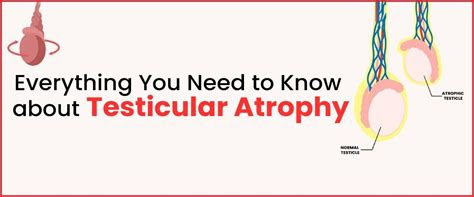
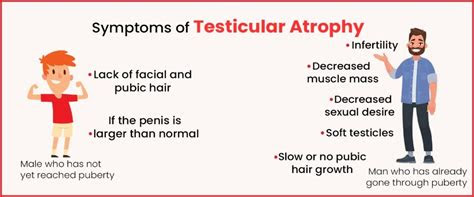
Testicular atrophy refers to the shrinking of your testicles, which are the two male reproductive glands located in the scrotum. The scrotum's main function is to regulate the temperature.
Testicular Atrophy: Symptoms, Causes, and Treatment - Healthline
Yes. TRT has side effects, which may include: Acne and oily skin Lower sperm count, which can cause infertility Increased risk of blood clots Shrinkage of the testicles Larger breasts.
Ukrainian Dancers Find Shelter Abroad as War Rages at Home

How Common is Testicular Shrinkage in Men on TRT? The prevalence of testicle shrinkage in men undergoing Testosterone Replacement Therapy (TRT) varies. Still, it is a recognized and common side effect that has been studied in multiple clinical trials. While exact percentages may differ based on factors like age, overall health status, and the .
Understanding Testicle Shrinkage and TRT: Common Questions Answered .

In Warsaw, the Polish National Ballet is offering shelter to about 30 Ukrainian dancers in its opera house and the opportunity to join the ballet's company class. "For now, we have about 10 .
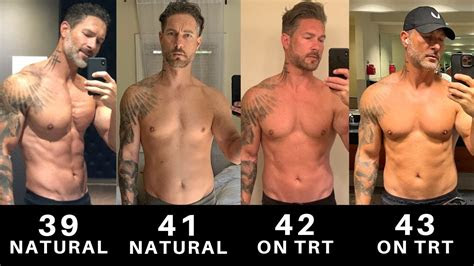
TRT testical & scrotum shrinkage before and after photos.
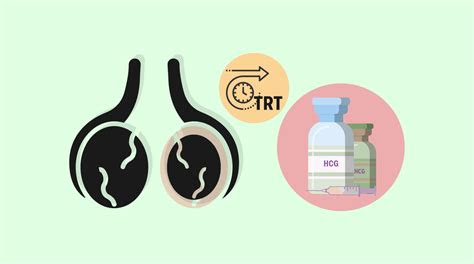
Dansk Active Member Aug 20, 2019 #2 for me, my kids shrank once my natural production shut down. I cant quantify this, but its my observation. Vince Super Moderator Aug 20, 2019 #3 For me my testicles never shrunk. When I did start trt, I automatically injected 500 IU of HCG twice a week. I did it because that was Nelson's protocol.
Testicular Atrophy Reversal Therapy in Men With hCG Injections

is testicular shrinkage permanent? Question I've been on TRT for 3 months and I've noticed some changes in my testicle size. Is this permanent? Is it manageable? If you've had shrinkage how has your life/confidence been since?
What Men Should Know About Testicular Shrinkage and Testosterone .

The Auditorium Theatre was packed Saturday night for the first of two performances by Ukraine's Kyiv City Ballet. With Russia's invasion of Ukraine still raging, gold and blue Ukrainian flags .
At Auditorium, Kyiv City Ballet brings youthful zest to the grand .

Testosterone Replacement Therapy (TRT) Testosterone replacement therapy is the process of replacing the testosterone that is lost as a result of an injury, a condition that is present at birth, or a disease that causes low testosterone levels. . Shrinkage of the testicles; Hair loss; Mood swings; Increased aggression and irritability; Changes .
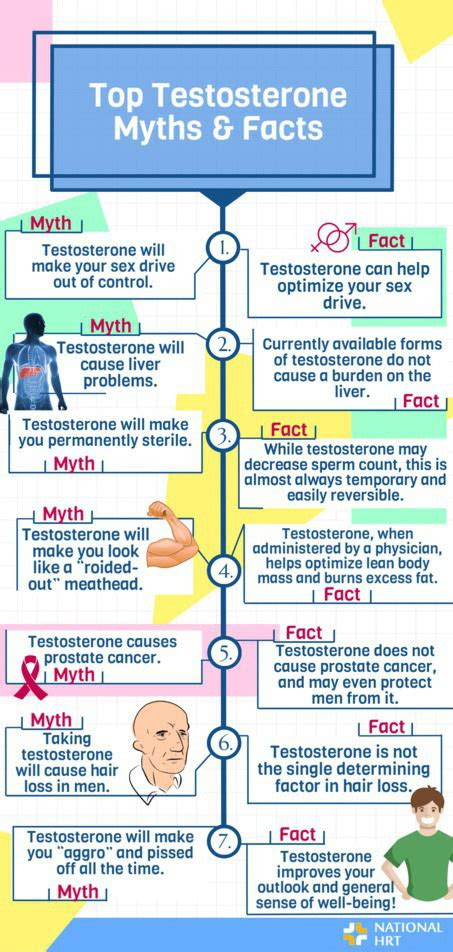
Testosterone Replacement Therapy: Myths and Facts - WebMD
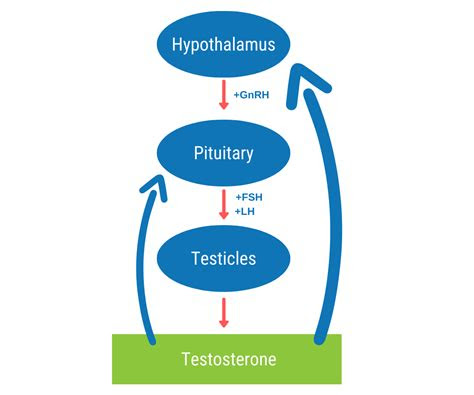
Hormone imbalance. Hormonal imbalances can sometimes cause testicular atrophy. If the body is driven to produce less testosterone, the testicles may begin to shrink. Some potential causes of a .
Testicular Shrinkage and Testosterone Therapy - Big Natural Testicles

Among the many side effects (see below), it can (ironically) make your testicles shrink. That's the bad news. The good news here is that Testosterone Replacement Therapy (TRT) is often unnecessary, and that you can reduce the damage with natural treatments to increase testosterone. Let's look at how. What's So Bad About TRT?
is testicular shrinkage permanent? : r/Testosterone - Reddit
How to prevent testicular shrinkage on testosterone replacement therapy? Brian Burk explains How To Prevent Testicular Atrophy On TRT. Watch This Next: "Tes.
Testosterone Replacement Therapy: Benefits & Side Effects - Verywell Health
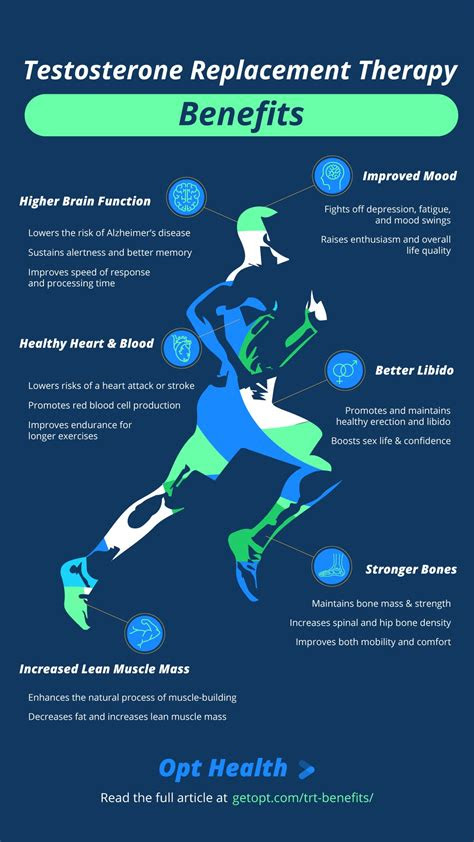
It is very common for the testicles to shrink while taking testosterone, and it does not matter how the testosterone is administered. They will reach a point where they will stop, they will not.
How long/much did it take for your testicles to shrink on TRT
Testicular size was measured before treatment and at 3 months, 6 months, and every 6 months after treatment up to 24 months in 121 patients undergoing TRT for more than 3 months. The size of each testicle was measured using a punched-out elliptical ring orchidometer, and the average testicular volume was calculated.
How to Reverse the Main Side Effect of TRT - Defy Medical
TRT is a process where testosterone is artificially introduced into the body to reach normal levels. This can be done through a patch, gel, injection, or implant. Studies done on men receiving testosterone therapy have shown an increase in libido, more energy, a better mood, and less chance of developing osteoporosis (a decrease in bone density .
Testicular atrophy: Causes, diagnosis, and treatment - Medical News Today
TRT testical & scrotum shrinkage before and after photos. I hope this type of post is allowed. With so many questions on this topic and nothing but some mixed anecdotal answers, I thought I would start this thread of a collection of photos for those looking for something more informative. A picture is worth one thousand words.
TRT Side Effects: Myths Vs Facts - Hone Health
The Kyiv City Ballet, under the artistic direction of Ivan Kozlov, announced today a U. S tour from September 16 to October 24, 2022. The Fall tour is a US premiere and marks the Kyiv City Ballet's .
How To Prevent Testicular Atrophy On TRT - YouTube
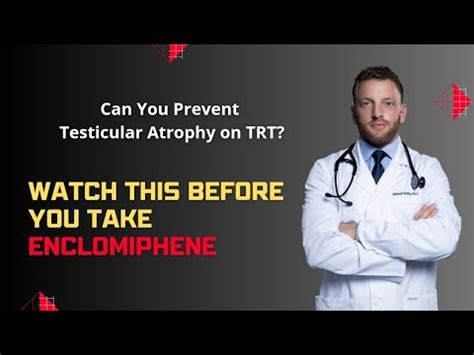
Testicular atrophy is a medical condition in which the testicles, located in the scrotum, shrink in size and may be accompanied by loss of function. This happens most commonly with long-term testosterone replacement therapy when exogenous testosterone enters the bloodstream and attaches to androgen receptors in the body.
Shrunken testicles while on Testosterone replacement - TheBody
Sep 06, 2023 If you're considering testosterone replacement therapy, understanding its effects on testicular size is crucial. Learn why shrinkage occurs, the treatments available to mitigate this side effect, and why testicle size usually has minimal impact on your overall health.
The Kyiv City Ballet to Tour the US in an American Premiere

Shrinkage of the testicles Prostate disorders No one can predict if you'll experience TRT side effects. But knowing the potential reactions to the treatment can help you spot them early if they do happen. In some cases, your doctor may need to lower your dose or discontinue the therapy, says urologist Joshua Calvert, M. D. TRT
Does Testosterone Therapy Shrink Your Testicles?

One side effect of Testosterone Replacement Therapy (TRT) is testicular atrophy, also referred to as testicular shrinkage. Not all men on TRT experience shrinkage, but for those who do, there are ways to potentially reverse or prevent these effects. Read on to learn how to maintain the size of your testes while on TRT.
Testosterone therapy: Potential benefits and risks as you age
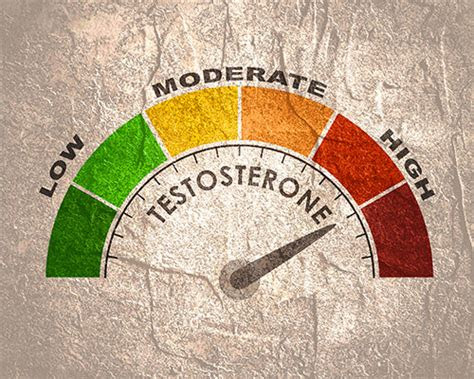
This year Ukraine's GDP will contract 20% while Russian economy will shrink 10%: EBRD. Live Universal Awareness Map Liveuamap is a leading independent global news and information site dedicated to factual reporting of a variety of important topics including conflicts, human rights issues, protests, terrorism, weapons deployment, health matters, natural disasters, and weather related stories .
Testicular Atrophy On TRT - Symptoms, Prevention Methods - Muscle and Brawn
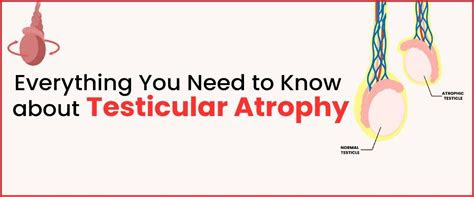
Men can experience normal age-related atrophy of the testicles; other possible causes could include long term use of steroids, certain medical conditions and medications. Steroid use, for instance, can damage Leydig cells that produce testosterone when stimulated by LH. This over time leads to atrophy of testicles.