
Sarms Vs Gear - What are SARMs? A Safe Alternative To Anabolic Steriods?

Phebe Colville
Cons. One of the main differences between SARM and prohormone benefits is the half-life. Prohormones have a longer half-life than SARMs, which means that they'll stay in your system longer. Prohormones also come with more potential side effects, too. The following are some of the most common ones: Oily skin.

🧪🧪🧪 CLICK TO VISIT OUR ONLINE SHOP 🧪🧪🧪
SARMS vs. Steroids | What is the difference? - CrazyBulk USA
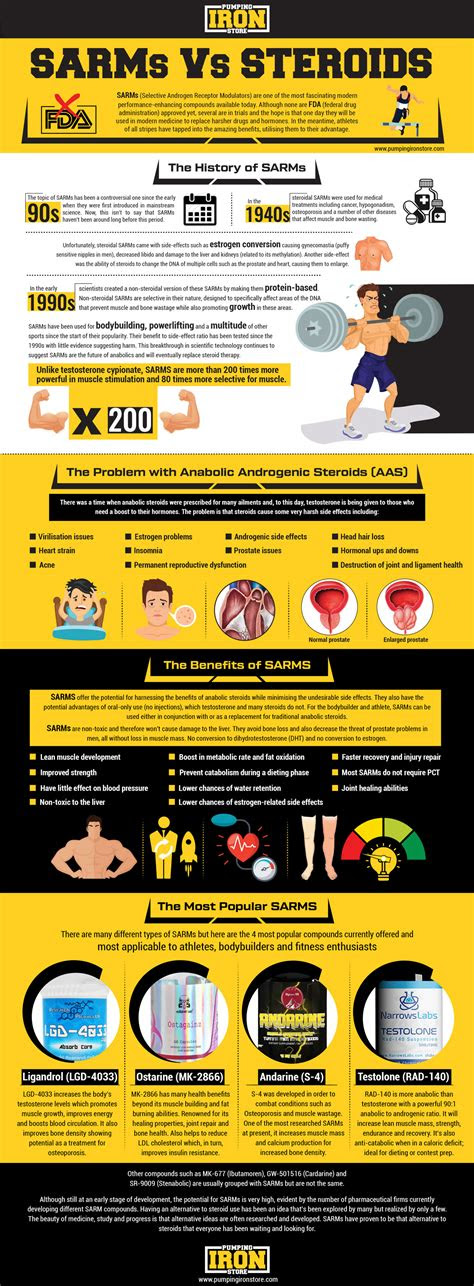
Now SARMs, which are not steroids per se but act in a similar way by increasing muscle mass and strength, are perceived as a safer alternative to steroids and are easily purchased online: A .
SARMS Vs. Gear : r/SARMs - Reddit

Alex Rogers July 21, 2016. Selective Androgen Receptor Modulators or SARMS for short, were invented to offer the same muscle and strength-building potency of anabolic steroids, plus the positive effects on bone, but with none of the negative properties (i. e. no hair loss, no testicular shrinkage, no acne, etc…and no bad reputation). In short .
The Ultimate Guide to SARMs: A Safe Alternative to Steroids?
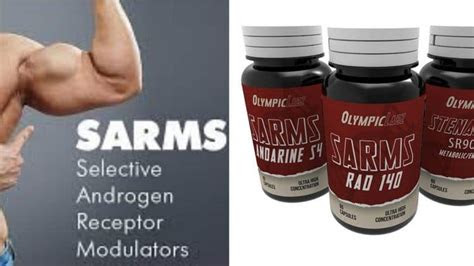
In 2008, SARMs were banned from sports by the World Anti-Doping Agency. 1 In 2017, the FDA issued a public advisory stating that SARMs were being included in bodybuilding products and that these compounds posed an increased risk for heart attack, stroke, and liver damage. 2 In response to the FDA's public warning on SARMs, the Council for .
SARMs 101: What They Are, Effectiveness and Are They Safe?
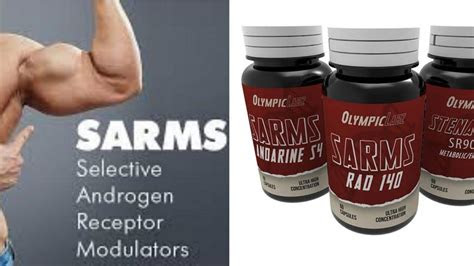
Studies and reports show SARMs are associated with serious or life-threatening health problems, such as: Increased risk of heart attack or stroke. Psychosis/hallucinations. Sleep disturbances .
SARMs: The Ultimate Guide (Cycles & Stacks) - Steroid Cycles
+-+Steroid+Cycles)
SARMs Are the Biggest New Muscle Drug - These Are the Facts. Though sold as a cutting-edge performance-enhancer, these pills are unregulated. Here's everything you need to know. By Mark Wilding .
A Guide to SARMs: Definition, Side Effects and Dangers - GoodRx

SARMs: history and mechanisms. Since their discovery near the close of the 20 th century (), selective androgen receptor modulators (SARMs) have been heralded as the possible future of androgen therapy (). As satisfaction, side effects, preparations, and perceptions have limited the utility of testosterone therapy (TTh), SARMs are poised to fundamentally alter the field of androgen therapy ().
SARMs vs. Prohormones: What's Best for You? - Karen Salmansohn - NotSalmon
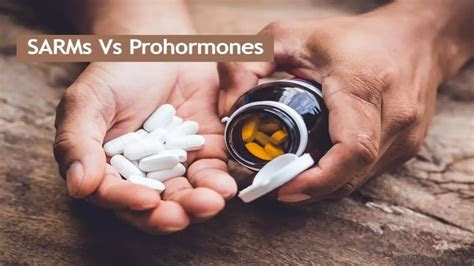
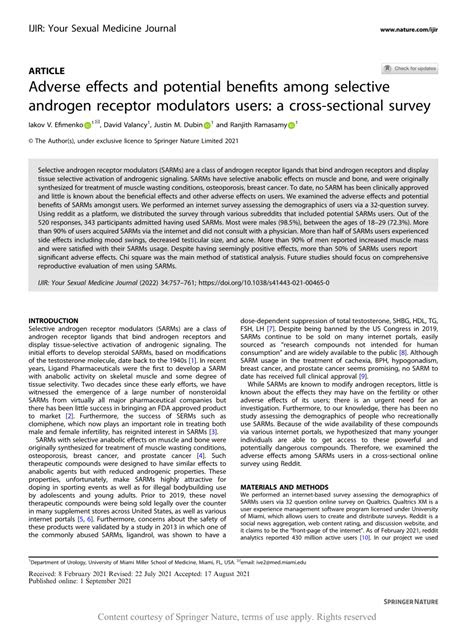
INTRODUCTION. Selective Androgen Receptor Modulators (SARMs) are a class of androgen receptor ligands that bind androgen receptor and display tissue-selective activation of androgenic signaling ( 1, 2 ). The initial efforts to develop steroidal SARMs, based on modifications of the testosterone molecule, date back to the 1940s.
FDA Warns of Use of Selective Androgen Receptor Modulators (SARMs .
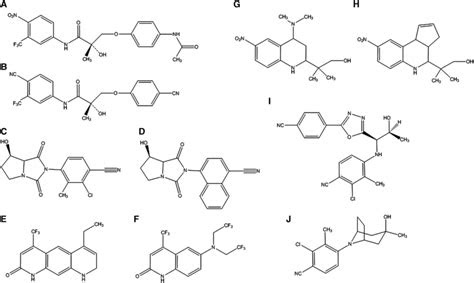
SARMs also have the potential to increase the risk of heart attack and stroke, and the long-term effects on the body are unknown," FDA officials said. In December, the FDA reportedly conducted a .
SARMs vs Steroids: Your Complete Guide - SET FOR SET

SARMs work by binding to androgen receptors in your skeletal muscles, shortly after ingestion. They begin working very quickly, and have a short half life of roughly 12-36 hours (depending on the SARM). Once they've bound to androgen receptors, they signal your body to build muscle and shred fat.
Sarms Guide | How To Take and Use Sarms | Nanotech Project

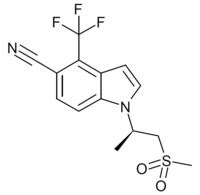
Introduction: Selective androgen receptor modulators (SARMs) differentially bind to androgen receptors depending on each SARM's chemical structure. As a result, SARMs result in anabolic cellular activity while avoiding many of the side effects of currently available anabolic steroids. SARMs have been studied in the treatment of breast cancer .
SARMs Fitness Supplements Debate - Healthline

Selective androgen receptor modulators (SARMs) are a class of drugs that were developed with the intention of maintaining some of the desirable effects of androgens, such as improving bone density and increasing lean body mass, with a much lower risk of androgenic side effects than alternative therapies such as testosterone. . Non-selective anabolic androgenic steroids (AAS) are potentially .
Recreational Use of Selective Androgen Receptor Modulators
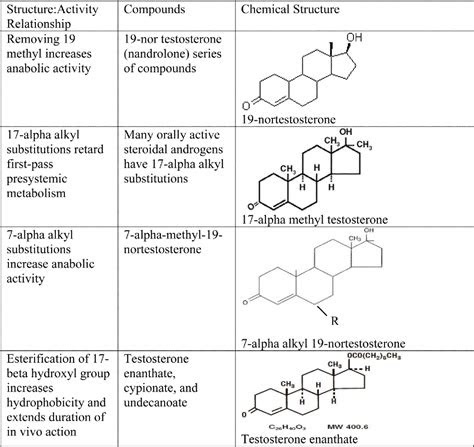
SARMs are a group of products that are sometimes touted as workout supplements. They target androgen receptors in your body to increase muscle mass. However, these chemicals are unregulated and are still being studied. They can increase the risk of serious side effects, including stroke and heart attack. Until regulated products with clinical .
SARMs Vs Steroids: Which One Is Right For You? - Anabolicco

Sarms are oral and you don't need to inject, give minimal sides but they still can cause harm, they're liver toxic af, gear is gear, you need real test none of this enclo crap etc, to be involved with your cycle, you will get swole but with more possible consequences, tren for example made me get mild psychosis near the end of my cycle and .
Everything You Wanted To Know About SARMS & More - Proteinfactory

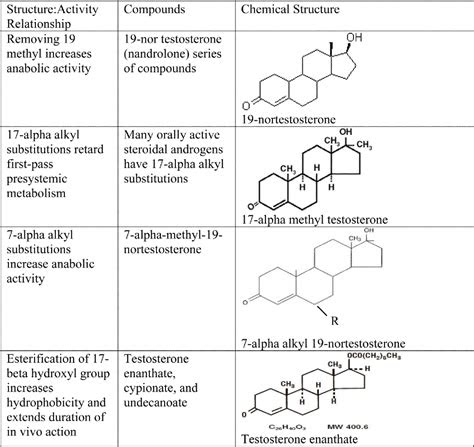
SARMs vs Steroids. Anabolic steroids, or as they're more commonly called, "steroids," are a class of testosterone and nor-testosterone derivatives which stimulate muscle growth in humans .
Selective Androgen Receptor Modulators (SARMs) - Current Knowledge and .
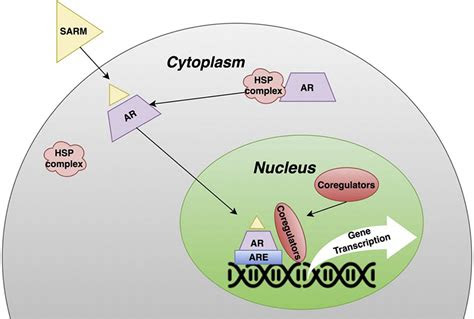+-+Current+Knowledge+and+.)
In the battle of SARMs vs Steroids for building muscle, steroids, including anabolic androgenic steroids, have been shown to be more effective at increasing lean muscle mass and muscle growth. Steroids mimic testosterone and improve bone density, making them potent muscle-building agents, especially when combined with intense workouts. .
Selective Androgen Receptor Modulators (SARMs) as Function Promoting .
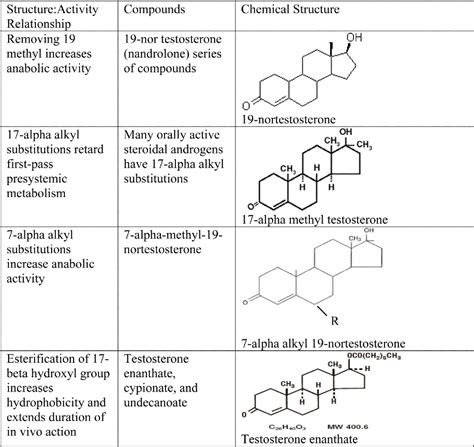+as+Function+Promoting+.)
Benefits of using SARMs include increased muscle mass, enhanced strength and endurance, and improved bone density. Steroids, on the other hand, can also increase muscle mass and strength, but to a greater degree than SARMs. They can also improve recovery times and increase red blood cell production. However, the risks associated with SARMs and .
SARMs vs Steroids - The New Debate - Muscle and Brawn

Since SARMs work by modulating the activity of androgen receptors, it's surmised they can produce anabolic steroid-like effects without the health risks of anabolic steroid use. The most popular SARMs include Andarine (S4), ostarine (enobosarm/MK-2866), ligandrol (LGD-4033), and testolone (Rad-140). Only a handful of clinical studies are .
Men are buying potentially risky steroid substitutes online to get the .

3. How SARMs vs Steroids Affect the Liver. While SARMs are considered less hepatotoxic than some oral steroids, they are not entirely free from potential liver-related issues. Additionally, SARMs may suppress natural testosterone production, requiring post-cycle therapy (PCT) for hormonal recovery.
Selective androgen receptor modulators: the future of androgen therapy?
I don't recommend to pair Clenbuterol with SARMs. If you want a working cutting stack then go with this one: Week 1-12 - 30mg/day SR9009 (Stenabolic) Week 1-12 - 50mg/day S4 (Andarine) 25mg in the morning and 25mg 4-6 hours later. Week 1-12 - 20mg/day GW-501516 (Cardarine) 30 minutes before workout.
Adverse effects and potential benefits among selective . - Nature
Selective androgen receptor modulators (SARMs) are a group of investigational androgen receptor ligands with anabolic properties. SARMs have gained a lot of attention because they work uniquely .
SARMs: Everything You Need to Know - Men's Health

SARMS vs. steroids: side-effects The side effects of steroids are well documented by now, as it's a substance that has had a lot of research into the detrimental effects. In comparison, SARMS is newer and hasn't received as much attention, but the side effects of the two are thought to be very similar. SARMS
Selective androgen receptor modulator - Wikipedia
Of the participants only using SARMS, 35. 2% reported that they only used 1 SARM ever, while 64. 8% reported using more than 1 SARM in the past (Table 2). Table 2 Most commonly reported agents used .