
Clomid Half Life - Clomid - Zuclomiphene Half Life? : r/Testosterone - Reddit

Lucrecia Brancazio
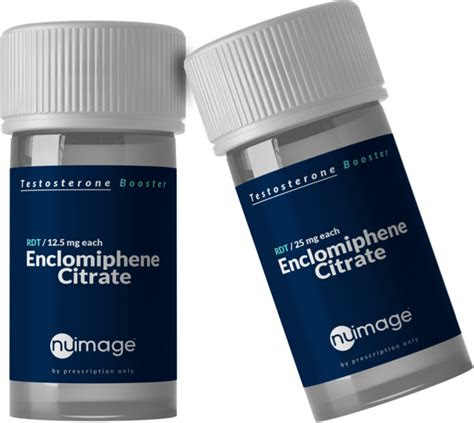
After 6 weeks of continuous use, the mean ( sd) concentration of total testosterone at day 42 was 604 (160) ng/dL for men taking the highest dose of enclomiphene citrate (enclomiphene citrate, 25 mg daily) and 500 (278) ng in those men treated with transdermal testosterone.

🔥🔥🔥 BUY STEROIDS ONLINE 🔥🔥🔥
ClomiPHENE: Dosage, Mechanism/Onset of Action, Half-Life - Medicine

Medscape - Ovulatory failure-specific dosing for Clomid, Serophene (clomiphene), frequency-based adverse effects, comprehensive interactions, contraindications, pregnancy & lactation schedules, and cost information. . Half-Life elimination: 5-7 days. Onset: Within 5-10 days. Peak plasma time 6. 5 hours. Bioavailability: Readily absorbed from .
Clomid: Package Insert / Prescribing Information - Drugs

Clomid TM (clomiphene citrate) Tablets, USP is an orally administered, nonsteroidal, ovulatory stimulant designated chemically as 2- [p- (2-chloro-1,2-diphenylvinyl)phenoxy] triethylamine citrate (1:1). It has the molecular formula of C 26 H 28 CINO • C 6 H 8 O 7 and a molecular weight of 598. 10. It is represented structurally as:
Clomid (Clomiphene): Side Effects, Risks, Success Rates - Verywell Family
:+Side+Effects,+Risks,+Success+Rates+-+Verywell+Family)
What is Clomid? Clomid is a non-steroidal fertility medicine. It causes the pituitary gland to release hormones needed to stimulate ovulation (the release of an egg from the ovary). Clomid is used to cause ovulation in women with certain medical conditions (such as polycystic ovary syndrome) that prevent naturally occurring ovulation.
Clomifene: Uses, Interactions, Mechanism of Action | DrugBank Online

Libido. Fatigue. Decrease in hair growth. Erectile dysfunction. Hot flashes. Difficulty paying attention. Nonobstructive Azoospermia. This is a condition characterized by the lack of sperm in your semen, caused by any factor other than physical blockage of the sperm duct.
How Long Does Clomid Stay In Your System? - MentalHealthDaily

The half life for Clomid (i. e. , the time it takes for half of the medication to leave your system) is about five to six days, but traces of it have been found in the body after up to six weeks .
Ovulation induction with clomiphene citrate - UpToDate

Clomifene, also known as clomiphene, is a medication used to treat infertility in women who do not ovulate, including those with polycystic ovary syndrome. [5] Use results in a greater chance of twins. [5] It is taken by mouth once a day, with a course of treatment that usually lasts for five days. [5]
How Long Does Clomid Take To Work For Men? - Pay It Forward Fertility

CAS number: 50-41-9 Medically reviewed by Drugs on Oct 23, 2023. Written by ASHP. Introduction Uses Dosage Warnings Interactions Stability FAQ Introduction Estrogen agonist-antagonist; a nonsteroidal ovulatory stimulant. Uses for clomiPHENE Female Infertility
Clomiphene citrate for men with hypogonadism: a systematic . - PubMed

Hypogonadism* Testosterone / adverse effects Follicle Stimulating Hormone Clomiphene citrate is an effective therapy for improving both biochemical as well as clinical symptoms of males suffering from hypogonadism. Clomiphene citrate has few reported side effects and good safety aspects.
Clomid - Evolutionary
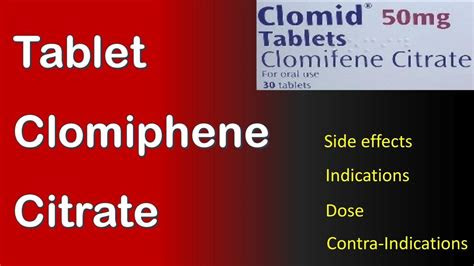
Pharmacodynamics. Clomifene (previously clomiphene) is an orally administered, non steroidal, ovulatory stimulant that acts as a selective estrogen receptor modulator (SERM). Clomifene can lead to multiple ovulation, and hence increase the risk of conceiving twins. In comparison to purified FSH, the rate of ovarian hyperstimulation syndrome is low.
Safety of clomiphene citrate: a literature review - PMC

Other reports document that Clomid's half-life is approximately 2 weeks (14 days), which implies that Clomid may stay in your system for up to 11 weeks after your last dose. Most users should expect Clomid to remain in systemic circulation between 1 and 3 months after their final dose.
Drug Half-life Explained: Calculator, Variables & Examples

Overview Clomid is a popular brand name and nickname for generic clomiphene citrate. The U. S. Food and Drug Administration (FDA) approved this oral fertility medication for use in women who are.
Clomid Uses, Dosage & Side Effects - Drugs

Clomid is a 50-milligram (ml) pill that is usually taken for five days in a row after day 1 of a female's menstrual cycle. Day 3, 4, or 5 is typical for a Clomid start date. Day 3, 4, or 5 is .
Clomid For Bodybuilding: PCT, Cycling, Muscle Gain - Muscle and Brawn

So what is the half life of these two isomers in Clomid? This question was probably most definitely answered in a study on women. [1] EnclomipheneZuclomipheneHalf Life (Days)Half Life (Days)Patient #12. 4814. 2Patient #211. 833. 4. As you can see the zuclomiphene half life is 3-5 times longer than the enclomiphene. The authors point out that you .
Clomid (Clomiphene): Uses, Dosage, Side Effects, Interactions . - RxList
:+Uses,+Dosage,+Side+Effects,+Interactions+.+-+RxList)
En-clomiphene is cleared rapidly, while zu-clomiphene has a long half-life . The two clomiphene isomers have mixed estrogenic and antiestrogenic effects that vary among species. En-clomiphene is the more potent isomer with greater antiestrogenic activity and the one primarily responsible for inducing follicular development . .
ClomiPHENE Monograph for Professionals - Drugs

The half-life of a drug is an estimate of the time it takes for the concentration or amount in the body of that drug to be reduced by exactly one-half (50%). The symbol for half-life is t½. For example, if 100mg of a drug with a half-life of 60 minutes is taken, the following is estimated: 60 minutes after administration, 50mg remains.
Clomid's Half Life and Time to Clear Out of Your System. - ELITE MANLINESS

The most common side effects are hot flashes, breast tenderness, mood swings, and nausea. Once the medication is stopped, the side effects go away, too. Possible side effects of Clomid include: Abdominal tenderness, due to enlarged and tender ovaries (7. 4%) Abnormal uterine bleeding/spotting (0. 5%)
How Does Clomid Work: Treating Infertility - Healthline

6 Half-Life 7 Trade Names 8 Photos History Clomid, or Clomiphene Citrate, is a SERM (selective estrogen receptor modulator), so it's in the same grouping as tamoxifen (nolvadex). It is the most widely prescribed drug for ovulation induction, which is useful for those who are infertile.
Testosterone restoration using enclomiphene citrate in men with .
Clomid - Zuclomiphene Half Life? I am just curious if anyone know the H/L of Zuclomiphene? I was prescribed Clomid for fertility reasons, but I "over-responded" to it and had T, LH, and FSH much higher than normal ranges. I talked to the Reproductive Urologist and he tapered me down to 6. 25mg EOD.
Clomid for Men: Fertility, Effectiveness, Side Effects, and More

nausea, vomiting, diarrhea, rapid weight gain (especially in your face and midsection), little or no urination, pain when you breathe, rapid heart rate, and shortness of breath Get medical help right away, if you have any of the symptoms listed above. Common side effects of Clomid include: abnormal vaginal/ uterine bleeding,
What Is Clomid? Uses, Side Effects And Cost - Forbes Health

Go to: Introduction Clomiphene citrate (CC) is a nonsteroidal compound and induces ovulation indirectly. It has been used for decades in ovulation induction and assisted reproduction. Especially effective for the treatment of anovulatory patients and polycystic ovarian syndrome (PCOS) (Fiedler and Ludwig 2003; Trabert et al. 2013 ).
Clomid, Serophene (clomiphene) dosing, indications, interactions .
+dosing,+indications,+interactions+.)
ClomiPHENE: Dosage, Mechanism/Onset of Action, Half-Life - Medicine ClomiPHENE Generic name: clomiphene systemic Brand names: Clomid, Serophene, Milophene Reviewed by Medicine on February 9, 2020 Consumer Health Professional Dosage Forms Pharmacology Pharmacokinetics Use: Labeled Indications Contraindications Dosage Administration
Clomifene - Wikipedia

Right after 2-3 days of taking Clomid, you will start noticing positive effects like: The amount of FSH and LH reaches its maximum. . You should wait until the substances have reached at least their half-life and does not influence your hormonal balance actively anymore. This process usually will take anywhere from a week to 10 days. Now, you .