
வெற்றி வெற்றி இருட்டுக்கடை அல்வா ரங்கனாருக்கே

vnagarajan
இன்று நாட்டுப்பாடல் என்று பாரதியார் மொழிபெயர்த்த தாகூரின் பாட்டு முழுமையும் கிடைத்தது.
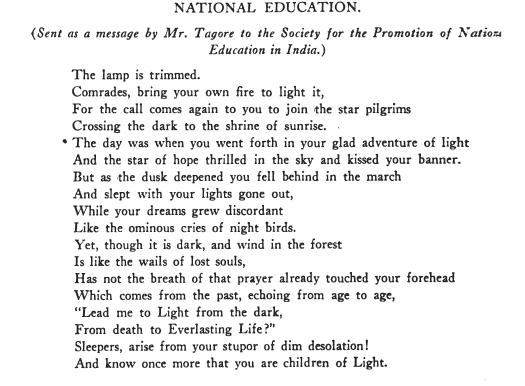
சென்னைப் பல்கலைக் கழகத்தின் கணினியில் இருந்து லைப்ரரி ஆஃப் காங்கிரஸ் நூலகத்தித் தொடர்பு கொண்டு தேடி யங் இந்தியாவின் மூன்று வருடத் தொகுப்பு எங்குள்ளது என்று தேடிக் கண்டுபிடித்துப் பக்கம் பக்கமாகத் தேடி இந்தக் கவிதையைக் கண்டுபிடிக்க முடிந்தது.
இந்தக் கவிதை த டைம் இஸ் கம் என்ற தலைப்பில் போட்டுத் தடுமாறச் செய்துவிட்டார்கள். யங் இந்தியாவில் தேசபக்திப் பாடல்கள் என்ற தலைப்பில் மூன்று பாடல்களைத் தேர்வு செய்து வெளியிட்டிருக்கிறார்கள். அதை இணைப்பில் காணலாம்
1918-ல் பரதியார் மொழிபெயர்த்த இந்தக் கவிதையைக் கண்டுபிடிக்க இவ்வளவு காலம் ஆனது
திரு மோஹனரங்கன் ஐயா அவர்கள் இந்தக் கவிதையை 2011-ல் இருந்து தேடி வருகிறார்
சென்ற மாதம் மின் தமிழ் மற்றும் வல்லமை இழையில் காணவில்லை என்ற புகார் கொடுத்தார்
எனவே தொடங்கி வைத்த பெருமை என்னை இதில் தள்ளிவிட்ட பெருமை அவருக்கே
எனக்கு இந்த முயற்சியில் உறுதுணையாக இருந்த அடையார் லைப்ரரி நூலகர் உதவியாளருக்கு நன்றி
என் பல்கலைக் கழக நூலகர் துணை நூலகர் ஆராய்ச்சியாளர்கள் உதவியதை நன்றியுடன் நினைவு கூறுகிறேன்
ரங்கனாரின் ஐயம் தீர்ந்தது.
இன்னும் மூலக் கவிதை எங்குள்ளது
பாரதியார் கைக்கு இக்கவிதை எப்படி வந்து சேர்ந்தது என்ற இரண்டு மர்மம் இன்னும் நீடிக்கிறது
பாரதி ஆய்வாளர்கள் அதை கண்டுபிடிப்பார்கள் என்று நம்புவோமாக
நாகராசன்

Anna Kannan
Nagarajan Vadivel
தங்களின் புதிய மடலாடல் குழுவில் இணைய அழைத்து அவ்வப்போது உற்சாகப்படுத்தியதற்கு நன்றி
நாகராசன்
ஆஹா, முயற்சி திருவினையாக்கும் என்பதை மெய்ப்பித்து விட்டீர்கள்.வாழ்த்துகள் பேராசிரியரே.
-- /\ சிந்தனை, செயல், முன்னேற்றம் /\

Mohanarangan V Srirangam
--
Mohanarangan V Srirangam
--

Tthamizth Tthenee

Hari Krishnan
ரங்கனாரின் ஐயம் தீர்ந்தது.
இன்னும் மூலக் கவிதை எங்குள்ளது
பாரதியார் கைக்கு இக்கவிதை எப்படி வந்து சேர்ந்தது என்ற இரண்டு மர்மம் இன்னும் நீடிக்கிறது
பாரதி ஆய்வாளர்கள் அதை கண்டுபிடிப்பார்கள் என்று நம்புவோமாக
நாகராசன்
சார்,
இனிமே மர்மம் எதுவும் மிச்சம் இல்லை. இந்தத் தேடல்கள் தொடங்கிய சமயத்தில் நானும் ரங்கனும் ஒரே சமயத்தில் ஒரே வலைப் பக்கத்தைப் பற்றிய குறிப்பையும் வலைச்சுட்டியையும் அனுப்பியிருந்தோம். இந்தப் பக்கம்தான் அது:
http://www.india-seminar.com/2011/623/623_nilanjan_banerjee.htm
இந்த வங்காள ஆய்வாளர் சொல்லும் செய்தியை மறந்துவிட்டீர்களோ என்னவோ தெரியவில்லை. மீண்டும் நினைவூட்டுகிறேன்.
Rabindranath’s career as an English writer is restricted primarily to translations of his own Bengali works. His original English writings included lectures, addresses and numerous letters which were largely composed during his foreign travels or while corresponding with his global circle of friends.
His first known attempt to render his own poem appears to be ‘Desire for a Human Soul’, an incomplete English translation of ‘Nisphal Kamana’ in the manuscript of Manashi (1890). Rabindranath’s poems, written directly in English are very few, including his major English poem The Child (1931). He translated this poem into Bengali as Sisu Tirtha which was included in his book Punascha in 1932. Scholars have identified a poem (‘The lamp is trimmed./Comrades, bring your own fire to light it...’) as the first poem written directly in English by Rabindranath in 1918. This poem was written to support a fund-raising campaign for the Society for the Promotion of National Education in celebrating the National Education Week in Adyar, Madras. Discussing this poem, Rabindranath wrote to James H. Cousins in a letter that, ‘The message I sent for the National Education Week is not twice born. It was written for the occasion in English at the instigation of Mr. Arundale [George Arundale].’
தாகூர் ஆங்கிலத்திலேயே நேரடியாக எழுதிய முதற்பாடல் இது. எனவே, இதுதான் மூலம். பாரதிக்கு இது மாடர்ன் ரெவ்யூ மூலமாகக் கிடைத்திருக்கலாம் என்பது வெளிப்படை. மாடர்ன் ரெவ்யூ, காயலிக் அமெரிக்கன் போன்ற பற்பல ஆங்கில/அயல்நாட்டுப் பத்திரிகைகளின் சந்தாதாரனாக பாரதி இருந்தான். (பாண்டிச்சேரிக்குப் போன கேஸில் முக்கியமான போலீஸ் தரப்புக் குற்றச்சாட்டே, ‘காயலிக் இந்தியன் என்ற பத்திரிகை என்ற அயல் நாட்டுப் பத்திரிக்கையின் பதின்மூன்று சந்தாதாரர்களில் பாரதியும் ஒருவன்’ என்பது. ஆகவே, ஆங்கில, அயல்நாட்டுப் பத்திரிகைகளைப் படிக்கும் வழக்கம் அவனுக்கு இருந்திருக்கிறது. மாடர்ன் ரெவ்யூவை அவன் படித்தும் இந்த மொழிபெயர்ப்பைச் செய்திருக்கக் கூடும்; அல்லது, அரவிந்தர், அரவிந்தரின் கூட இருந்த மற்ற வங்காள இளைஞர்கள் மூலமாக இந்தப் பாடல் அவனை வந்தடைந்திருக்கலாம்.
எப்படியோ, piles (அதான் மூலம்!) பிரச்சினைக்கு ஹெடன்ஸா போட்டுட்டீங்க. மீண்டும் நன்றி.
--
அன்புடன்,
ஹரிகி.
Nagarajan Vadivel
இன்னம் கவிதையின் பைல்ஸ் அதாங்க மூலத்தை யாரும் கண்டுபிடிச்சுச் சொல்ல வில்லை.
அது அவரின் வார்த்தையில் ஒரு வாழ்த்துச் செய்தியாக அடையாரில் நடந்த தேசியக் கல்வி வார விழாவுக்கான வாழ்த்துச் செய்தியாக அணுப்பப்பட்டது என்றும் அருண்டேல் கேட்டுக்கொண்டதால் எழுதப்பட்டது என்றும் குறிப்புள்ளதைக் காண்க
இந்தப்பாடல் மாடர்ன் ரிவ்யூவில் உள்ள 13 பாடல்களில் இல்லை
யங் இந்தியாவில் 1918 ஜனவரியில் ஒரு பாடலும் மே மாதத்தில் ஒரு பாடலும் அச்சாகியுள்ளது. பின்னர் தொகுப்பின் இறுதியில் தேசபக்திப் பாடல்கள் என்று போட்ட மூன்று படல்களில் இரண்டாவதாக உள்ளது.
தாகூரின் வாழ்த்துச் செய்தியின் அசல் மதனபள்ளிக் கல்லூரி தேச நன்மைக்கு எதிராக இயங்குவதாகச் சொல்லி அதன் அங்கீகாரத்தைச் சென்னைப் பல்கலைக் கழகம் ரத்து செய்ததைத் தொடர்ந்து கடும் பொருளாதாரச் சிக்கலுக்கு ஆட்பட்டது மதனபள்ளிக் கல்லூரிக்கு நிதி சேர்க்க அது வெளியிடப்படாத ஒரு தொகைக்கு ஏலம் விடப்பட்டது என்று குறீப்பிடப்பட்டுள்ளது. ஏலம் எடுத்தவர் யார் எவ்வளவு தொகைக்கு எடுத்தார் (நோபல் பரிசுபெற்ற உலகப் புகழ் பெற்ற கவிஞரின் கவிதை நல்ல விலைக்குத்தான் போருக்கும்) அந்த அசல் மூல ஆவணம் இப்போது யார் கையில் என்ற கேள்விகளுக்க்கு இன்னும் விடை கிடைக்கவில்லை. அசலின் நகல் அடையாரில் பிரம்மஞான சபை ஆவணக் காப்பகத்தில் உள்ளது. மைக்ரோபில்ம் காப்பி அமெரிக்காவில் ஒரு நூலகத்தில் உள்ளது
.எனவே பாரதியார் பற்றிய ஆய்வின் முடிவு முற்றுப்பெறவில்லை
ஒரு தத்துவப் பேராசிரியரும் ஆய்வுப் பேராசிரியரும் கல்லூரி வளாகத்தில் புல்தரையில் அமர்ந்து பேசிக் கொண்டிருந்தார்கள்
தத்துவப் பேராசிரியர் சொன்னார் அதோ அந்த அழகான கருப்பு ஆடுகளைப் பாருங்கள் என்று சொன்னார்
ஆய்வுப் பேராசிரியர் சொன்னார் மறுபக்கமும் கருப்பா என்று பார்க்காமல் கருப்பாடு என்று சொல்ல முடியாது என்றும்
இந்த ஆய்வில் எத்தனையோ சருக்கல்களைக் கண்டுபிடித்தாலும் அந்தத் தாகூரின் வாழ்த்துரையில் இந்தப்பாடல் இல்லையென்றால் ..............!!!!!!!!!!!!!!!!!!!!!!!!???????????????????????????
சாந்திநிகேதனின் ஆவணக் காப்பகத்தில் இல்லை. அடையாரில் ஒரிஜினல் இல்லை
இன்னம் மூலத்துக்கு உள் மருந்து போடாமல் வெளியில் தடவிக்கொண்டிருக்கிறோம்
நாகராசன்